Angkor and Siem Reap
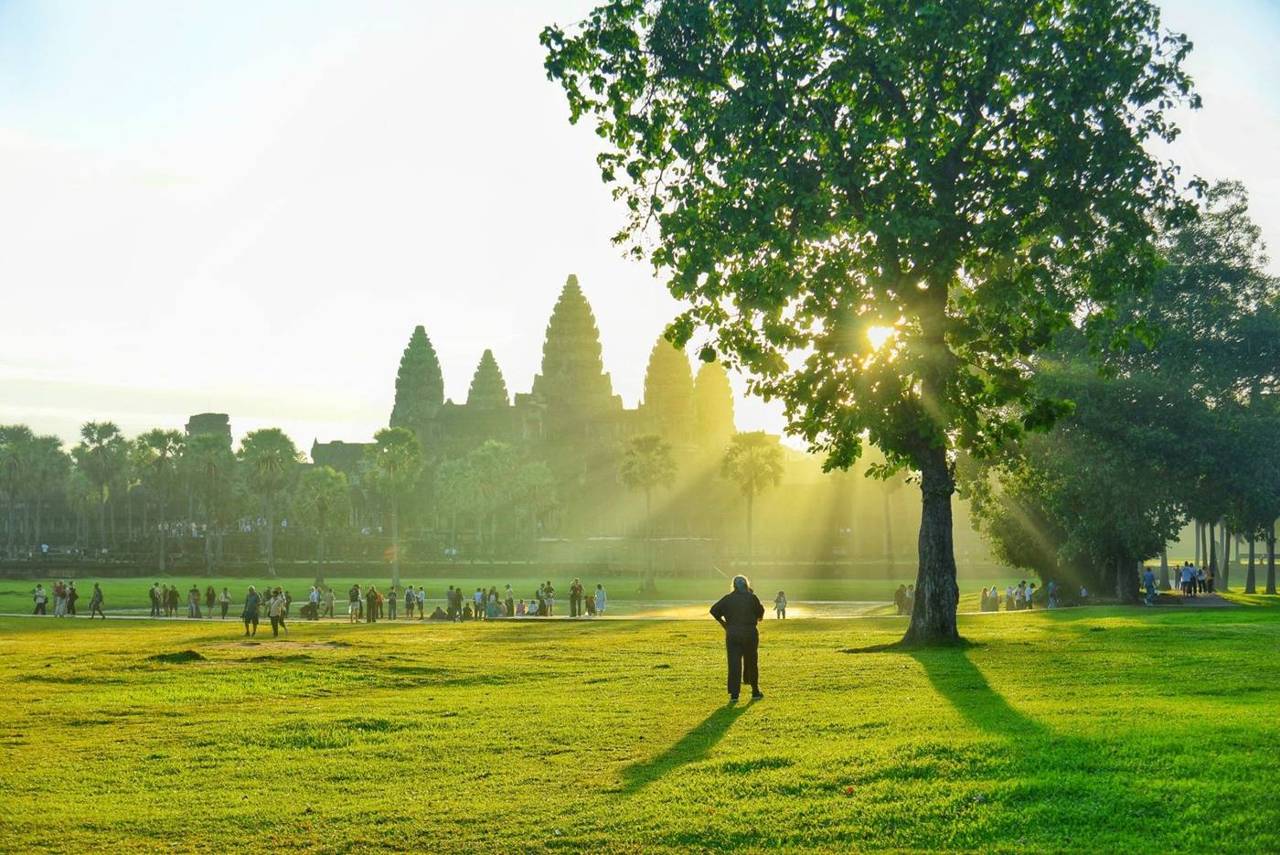
Sunrise over Angkor Wat, the faces of the Bayon, the trees gripping Ta Prohm, Banteay Srei and a stilt village on the Tonlé Sap lake.
- Siem Reap
- Angkor Wat
- Angkor Thom
- Ta Prohm
- Banteay Srei
- Kompong Phluk
Day by day
- Day 1
Arrival in Siem Reap and the Angkor pass
This five day trip is devoted to Angkor, one of the largest archaeological complexes in the world: sunrise over Angkor Wat, the faces of the Bayon, the trees embracing Ta Prohm, the carvings of Banteay Srei and the stilt village of Kompong Phluk on Tonle Sap lake. You get around by tuk-tuk with driver and by boat.
Before you go: Italian citizens need a visa for Cambodia. Apply for the tourist e-visa only on the official website evisa.gov.kh, with a passport valid for at least six months from entry, and before arrival also fill in the electronic arrival form. Other nationalities should check their own rules.
Safety: the British government advises against all but essential travel within 20 kilometres of the land border with Thailand, where the crossings are closed. Fly into Siem Reap: Angkor and the sites on this trip are well away from that area. In the countryside and around the minor temples stay on the paths.
You land at the new Siem Reap international airport, about an hour from the centre. Buy your pass on the official website angkorenterprise.gov.kh: 37 dollars for one day, 62 for three days to use within a week, 72 for seven days to use within a month. The pass carries your photo and cannot be transferred.
In the evening stroll along the Siem Reap river and through the old market, and try amok, fish cooked in coconut milk with spices.
Sleep in Siem Reap, for four nights.
Practical tip: for the temple days book a tuk-tuk with driver for the whole day and agree the route and the dawn departure time in advance.
- Day 2
Sunrise over Angkor Wat, Angkor Thom and the Bayon
Today you see the two most famous monuments: Angkor Wat at sunrise and the city of Angkor Thom with the Bayon.
Set off at around five in the morning. The park opens at 5am, according to the official website. Stand by the pool in front of Angkor Wat and watch the five towers take shape against the sky and reflect in the water. Then enter the temple, built in the twelfth century for King Suryavarman II and dedicated to Vishnu. Walk the galleries of reliefs, hundreds of metres long, with the battles of the Mahabharata and the Ramayana and the churning of the ocean of milk. If it is open, climb to the central sanctuary, with shoulders and knees covered.
In mid morning enter Angkor Thom by the south gate, with its two rows of gods and demons holding the sacred serpent. At its centre stands the Bayon, with towers covered in huge smiling stone faces. Continue to the Baphuon, the Terrace of the Elephants and the Terrace of the Leper King.
In the afternoon, when it is hottest, rest in town. Towards evening climb Phnom Bakheng, the temple on the hill, for sunset: the number of visitors at the top is limited, so arrive early.
Sleep in Siem Reap.
Practical tip: bring a torch for the darkness before dawn, a packed breakfast and plenty of water.
- Day 3
Ta Prohm, Preah Khan and the grand circuit
Today you visit the forest temples: Ta Prohm and those of the grand circuit.
Arrive early at Ta Prohm, the temple monastery partly left as it was when it was rediscovered. Huge trees grow over the galleries and their roots run down the walls like melted wax. Follow the wooden walkways and marked routes: some parts are propped up and closed for safety.
Then stop at Ta Keo, the temple mountain that was never finished, and at Banteay Kdei, with the great royal pool of Srah Srang in front of it.
In the afternoon follow the grand circuit. At Preah Khan walk the long corridors, through doorway after doorway, small courtyards and lichen covered walls. At Neak Pean a walkway crosses the pool to the small temple on the central island. At Ta Som look at the gate gripped by the roots of a fig tree. At the East Mebon look for the stone elephants at the corners.
At sunset climb Pre Rup, the brick pyramid temple, and watch the sun set over the rice fields and the forest. Between temples stop at the stalls for a fresh coconut.
Sleep in Siem Reap.
Practical tip: during the hottest hours, between midday and three, stop in the shade for lunch: the afternoon temples look better in low light.
- Day 4
Banteay Srei and the village of Kompong Phluk
Today you leave the centre of the park: the pink temple of Banteay Srei in the morning and the stilt village of Kompong Phluk in the afternoon.
In the morning go to Banteay Srei, north of Angkor, about an hour by tuk-tuk. It is a small tenth century temple in pink sandstone, with the finest decoration in Khmer art: pediments carved with scenes from the Ramayana, garlands, female figures and monkey headed guardians. It is part of the Angkor pass. Arrive at opening time, before the groups.
On the way back stop at the palm sugar stalls, where families boil the sap in large pots until it becomes golden sweets.
In the afternoon head towards Tonle Sap, the largest lake in Cambodia. Kompong Phluk is a fishing village with houses on stilts several metres high: in the rainy season the water almost reaches the floors, in the dry season the stilts stand exposed. A boat takes you between the houses and, when the water is high, into the flooded forest in small rowing canoes. Check prices and times and choose a trip that leaves the earnings in the village.
Sleep in Siem Reap.
Practical tip: in the village ask before photographing people and do not hand out sweets to children: if you want to help, buy something from the families.
- Day 5
Departure
Today is the last day: you have the morning to yourself and then leave.
If you have the three day pass and have not used it all, return at dawn to a temple you liked, or visit the Angkor National Museum in town, with statues and rooms that explain the history of the Khmer empire. Check prices and times.
Then take a last walk around the old market to buy silks, cotton scarves, Kampot pepper and wood carvings, and have a coffee by the river. Have an early lunch with a plate of lok lak, stir fried beef with a pepper and lime sauce.
In the early afternoon go to Siem Reap international airport, about an hour from the centre, and take your flight to the next stop or home.
In these five days you have seen the best of Angkor: sunrise over Angkor Wat and its reliefs, the faces of the Bayon, the roots of Ta Prohm, Preah Khan and Neak Pean, sunset from Pre Rup, the carvings of Banteay Srei and the stilt houses of Kompong Phluk on Tonle Sap.
When to go: the best period is from November to February, when it is cooler and dry. From March to May the heat is stifling and it is best to visit only at dawn and in the late afternoon. From June to October it rains, the countryside is green and the temples are quieter.
Practical tip: in Cambodia tipping is not compulsory, but it is much appreciated by tuk-tuk drivers and guides.
One of the world's largest and finest archaeological complexes. The three-day pass is the right balance. Heat in March to May is stifling: visit at dawn and late afternoon, with a tuk-tuk and driver for the whole day.
Before you go
- Documents and visa
- Passport valid for at least six months from entry and a tourist visa: apply for the e-visa only on the official website evisa.gov.kh. Before arrival, also fill in the electronic arrival form.
- Health and vaccines
- Ask your doctor about recommended vaccines at least eight weeks before, and about malaria prevention if you visit forest areas. Protect yourself from mosquitoes against dengue and drink only bottled water. Emergencies: 117 police, 118 fire service, 119 ambulance.
- Money and payments
- Cambodian riel, but the US dollar is used everywhere for larger amounts and change often comes in riel. Bring undamaged dollar notes and check the ones you receive: counterfeit notes circulate.
- Power sockets
- Universal sockets for type A and C plugs, sometimes also G, 230 volts: a universal adapter is useful.
- Time zone
- UTC+7 all year.
- Safety
- The UK advises against all but essential travel within 20 km of the land border with Thailand: after the 2025 fighting there is a ceasefire, but the situation remains tense, the crossings are closed and there are landmines in the area. The temples of Preah Vihear, Ta Krabey and Tamone Thom are closed. In the countryside and around temples stay on well used paths, as landmines and unexploded ordnance remain and are often unmarked. In Phnom Penh watch out for bag snatching from motorbikes. Official advice: GOV.UK.
Information checked in November 2026 for Italian and EU citizens. Rules change: always check before you travel.
Variations
In three days: Angkor Wat, Angkor Thom and the Bayon on the first day, Ta Prohm and the grand circuit on the second, Banteay Srei on the third.
In seven days: with the seven day pass add Kbal Spean, Beng Mealea and Koh Ker, with separate tickets for these sites.
Frequently asked questions
How much is the Angkor pass?
On the official website angkorenterprise.gov.kh it costs 37 dollars for one day, 62 for three days to use within a week and 72 for seven days to use within a month.
What time does Angkor open?
The official website gives entry from 5am and closing at 6.30pm. Some temples keep shorter hours.
Is Angkor close to the Thai border?
The Angkor park and the sites on this trip are well away from the 20 kilometre strip the British government advises against. Fly into Siem Reap, as the land crossings are closed.
Indicative itinerary written by World Atlas. Before booking, check timetables, seasonal openings, documents and safety.
 6 daysEasy
Phnom Penh and the Mekong
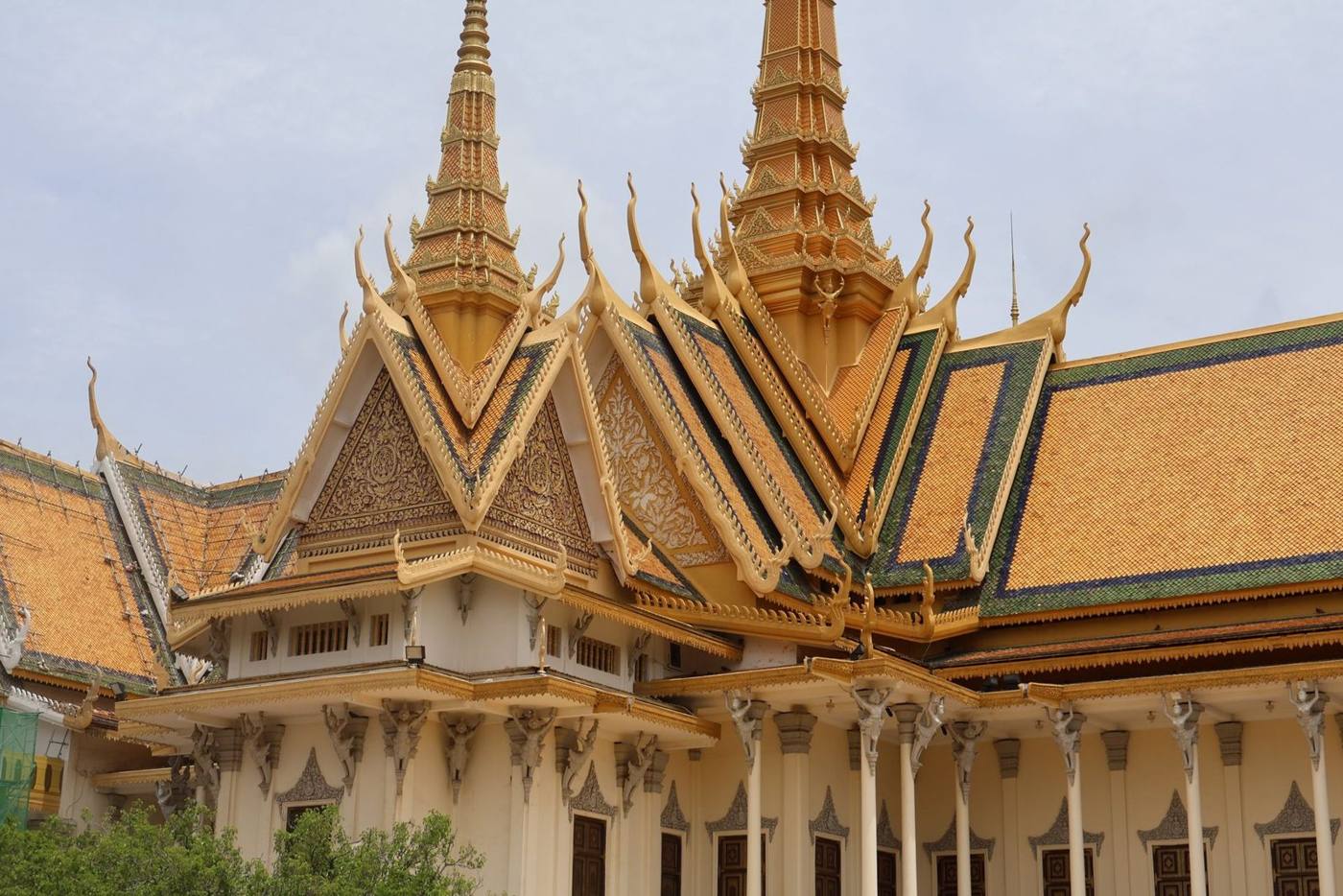
The Royal Palace and the memory of the Khmer Rouge in Phnom Penh, Kratie with its Irrawaddy dolphins and villages along the river.
 6 daysEasy
Kampot, Kep and the islands
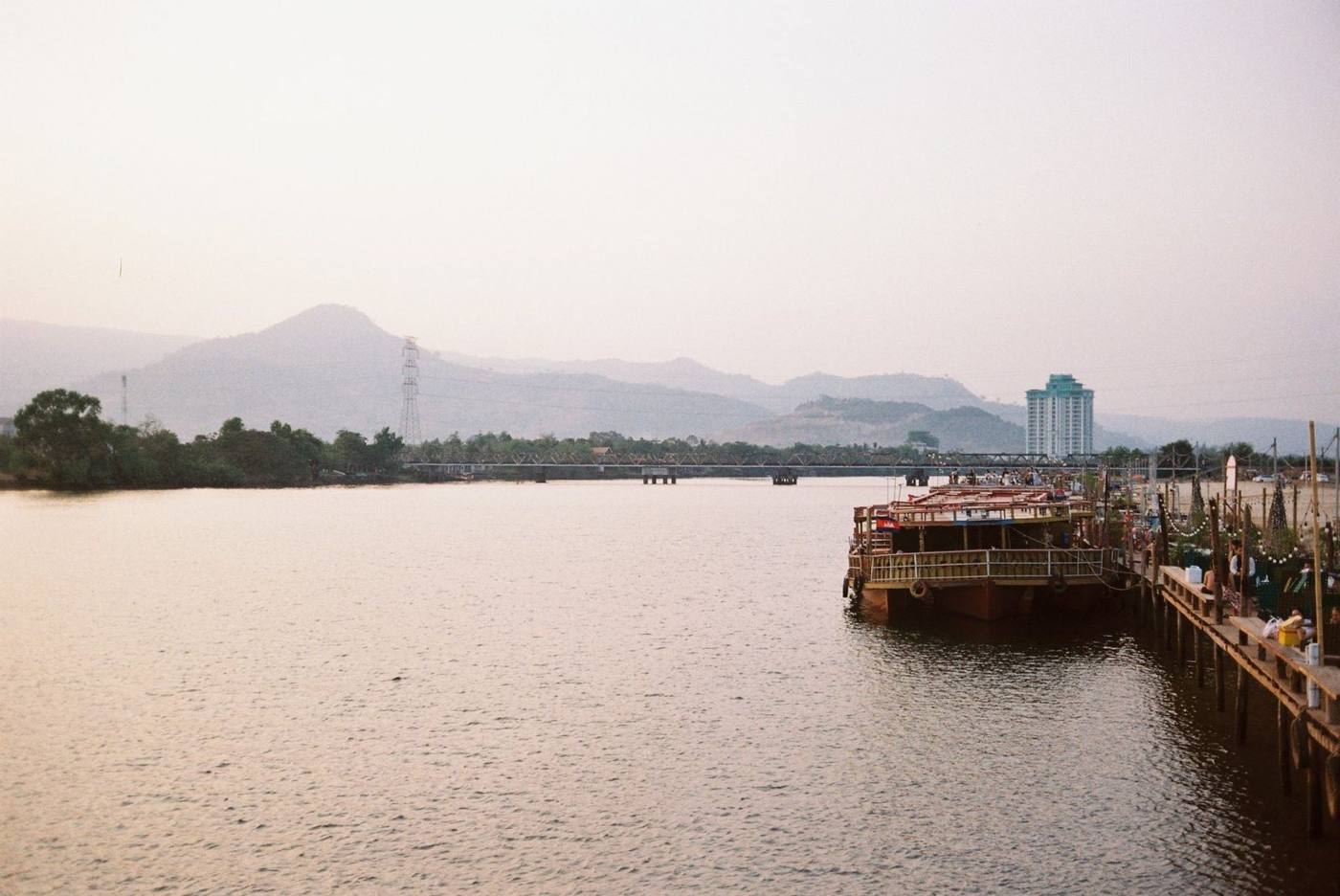
Kampot pepper, the Kep crab market, Bokor and the beaches of Koh Rong Sanloem island.
 3 daysEasy
Battambang
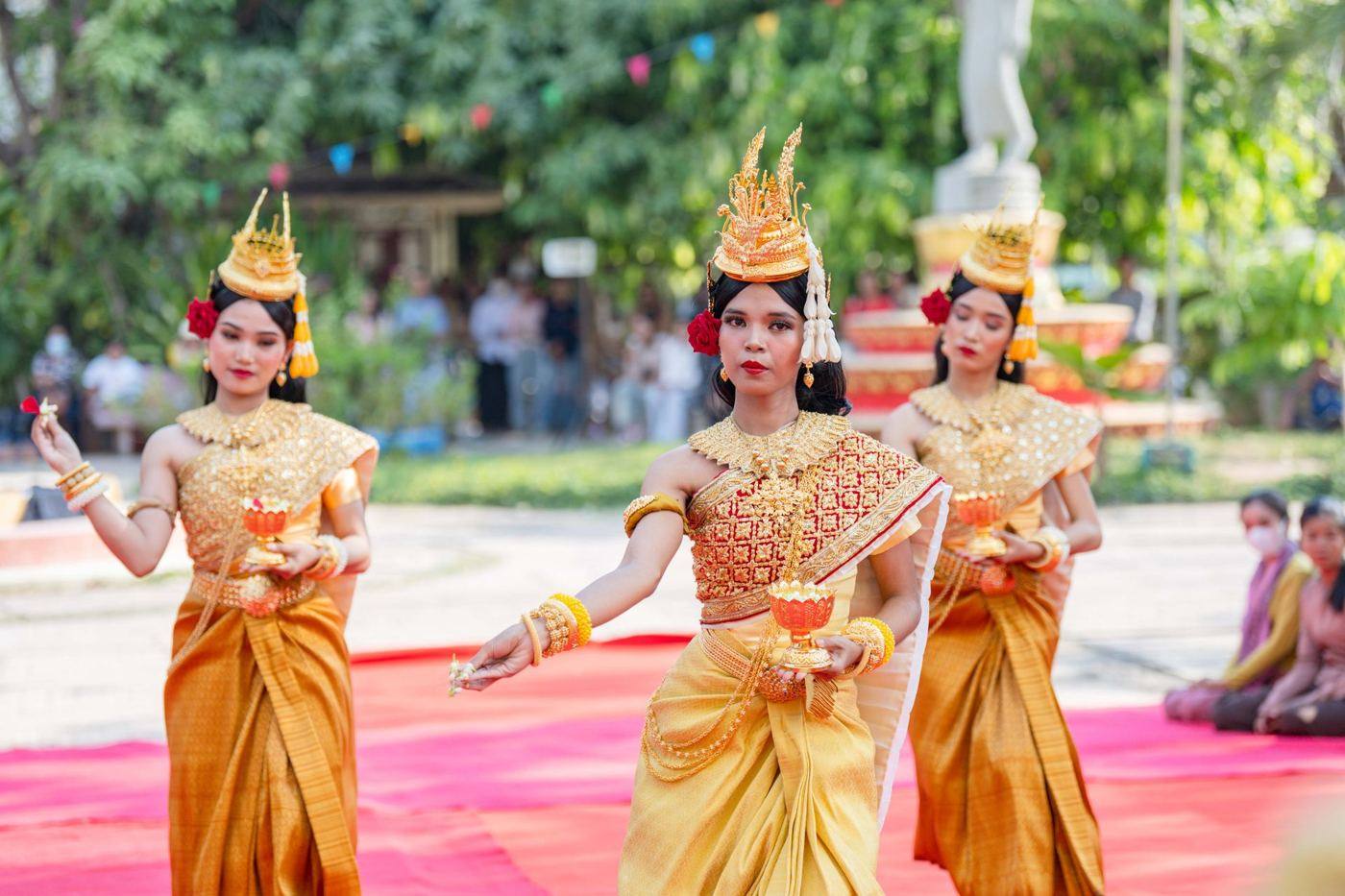
Cambodia's second city with its colonial houses, the bamboo train, Phnom Sampeau hill with millions of bats streaming out at dusk and the Phare circus.