The Seven Rila Lakes
Bulgaria's most famous walk: seven glacial lakes stepped down the Rila mountains, reached by chairlift from Panichishte, with a night in a hut.
- Sofia
- Panichishte
- Rilski Ezera hut
- Seven Lakes
Day by day
- Day 1
From Sofia to Panichishte, the chairlift and the lakes loop
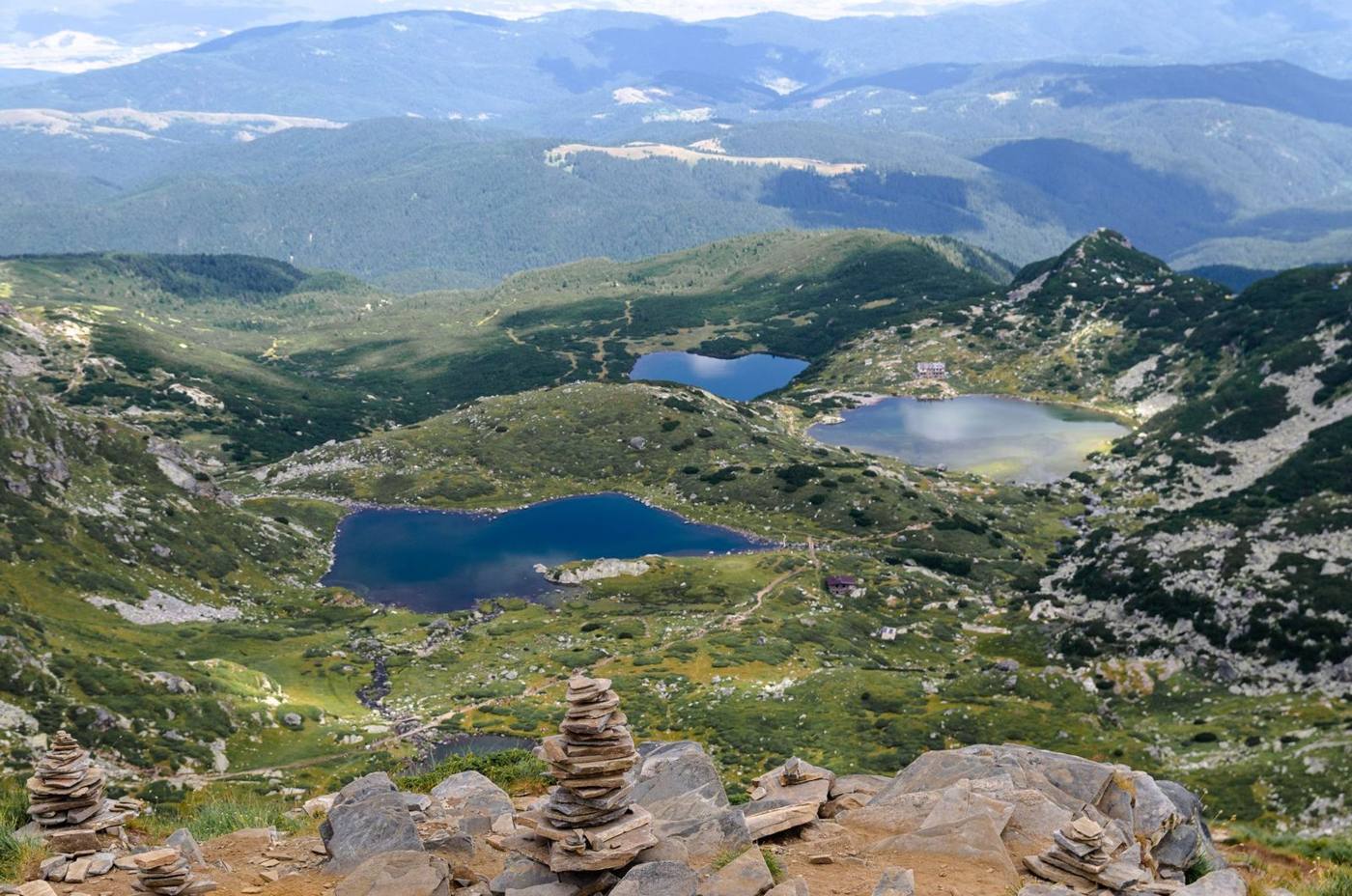
This short trip takes you on the most famous walk in Bulgaria: the Seven Rila Lakes, seven glacial lakes set like steps one above the other in the Rila mountains, the highest range in the Balkans. You drive from Sofia, ride the chairlift up and sleep in a mountain hut near the lakes.
Before you go: Italian citizens can enter Bulgaria with an electronic identity card or a passport; since 2025 Bulgaria has been in the Schengen area. Other nationalities should check their own rules. Since 1 January 2026 the currency has been the euro. The country is safe, but in the mountains the real danger is the weather: afternoon thunderstorms are common in summer. Take insurance that covers mountain rescue.
Leave Sofia early and drive south to Sapareva Banya, then up the mountain road to Panichishte, about two hours in all. Park at the chairlift and ride up towards 2,100 metres: the journey above the fir forests is already a show.
From the top of the chairlift the trail is well marked. You pass the Lower Lake, then the Fish Lake, the Trefoil, the Twin, the Kidney and the Eye, the deepest, round and dark blue. The last one, the Tear, is the highest, above 2,500 metres. From the ridge above it you see all seven lakes together. Allow three to four hours of walking, with stops.
In the late afternoon, walk back to the hut, have a hot soup for dinner and watch the sun go down over the peaks.
Overnight in a mountain hut near the lakes.
Practical tip: bring a waterproof jacket, a warm layer and hiking boots even in July; leave the ridge by early afternoon, before the storms build up.
- Day 2
Sunrise over the lakes and back to Sofia
Today you wake up in the mountains and return to the city.
Get up before dawn. A few minutes' walk from the hut takes you to the shore of the nearest lake, where you watch the mist rise off the water while the peaks turn pink. At this hour the trail is empty and the silence is complete: it is the finest moment of the trip.
After breakfast, if you still have energy, climb part of the way back towards the central lakes to see them in the morning light, which makes them look almost transparent. Otherwise, take a short walk around the lower lakes, through meadows of mountain flowers and the streams that run from one lake to the next.
Mid-morning, take the chairlift back down to Panichishte. If the chairlift has stopped because of wind or is out of season, you can walk down on a marked forest trail: allow a couple of hours.
On the way back, stop in Sapareva Banya, the small spa town at the foot of the Rila, where a hot spring gushes boiling out of the ground in the middle of town. Then drive back to Sofia in the afternoon.
In these two days you have seen the most famous mountain landscape in Bulgaria: the seven glacial lakes stepped up the slope, the ridge where you see them all together and the sunrise in the silence of the Rila mountains.
When to go: from July to September, when the trail is clear of snow and the chairlift runs. In June there may still be snow on the higher sections. In mid-August followers of a spiritual community hold a sunrise ritual here and it gets very crowded. Summer weekends are busy: choose a weekday.
Practical tip: book the hut well ahead for July and August and check the chairlift times first, as they change with the season and the weather.
A spectacular hike within reach of many. In mid-August a local spiritual community holds a ritual there and it gets very busy. On summer weekends the trail is crowded: weekdays are better.
Before you go
- Documents and visa
- EU citizens need a valid identity card or passport: Bulgaria is in the EU and, since 1 January 2025, in the Schengen area. Damaged or worn identity cards have been refused at the border, so check yours is intact and readable. Other nationalities should check the Schengen rules.
- Health and vaccines
- No vaccines required. EU citizens should bring their EHIC; take insurance covering medical costs, repatriation and, for hiking, mountain rescue. Emergencies: 112, answered in English too.
- Money and payments
- Euro, since 1 January 2026; until the end of 2026 prices are also shown in lev. Cards work almost everywhere in towns, but carry cash in villages and mountain huts. Avoid street money changers. Roads outside towns and motorways need an electronic vignette: buy it on the official BG TOLL website, at the border or at petrol stations, and check current prices.
- Power sockets
- Types C and F, 230 volts.
- Time zone
- Eastern European Time (UTC+2, summer UTC+3).
- Safety
- A generally safe country. Watch for pickpockets and bag theft in tourist areas, on public transport and at airports, especially in Sofia and on the coast in summer. Use only licensed taxis, particularly at Sofia airport and in Sunny Beach. Drug penalties are severe. In summer and early autumn there is a risk of fast-spreading wildfires. Official advice: GOV.UK.
Information checked in November 2026 for Italian and EU citizens. Rules change: always check before you travel.
Variations
As a day trip: leave Sofia at dawn, walk the lakes loop and return in the evening, without the night in the hut.
In 4 days: add Rila Monastery, about an hour and a half by road, and a night nearby.
Frequently asked questions
What document do I need for Bulgaria?
Italian citizens can enter with an electronic identity card or a passport. Other nationalities should check their own rules.
Is the Seven Lakes walk difficult?
From the top of the chairlift the trail is marked and has no technical sections, but it climbs above 2,500 metres: you need hiking boots, some fitness and an eye on the weather.
How much do the chairlift and the hut cost?
Rates change with the season: check prices and times before you go and book the hut in advance in summer.
Indicative itinerary written by World Atlas. Before booking, check timetables, seasonal openings, documents and safety.
 5 daysEasy
The Rhodopes
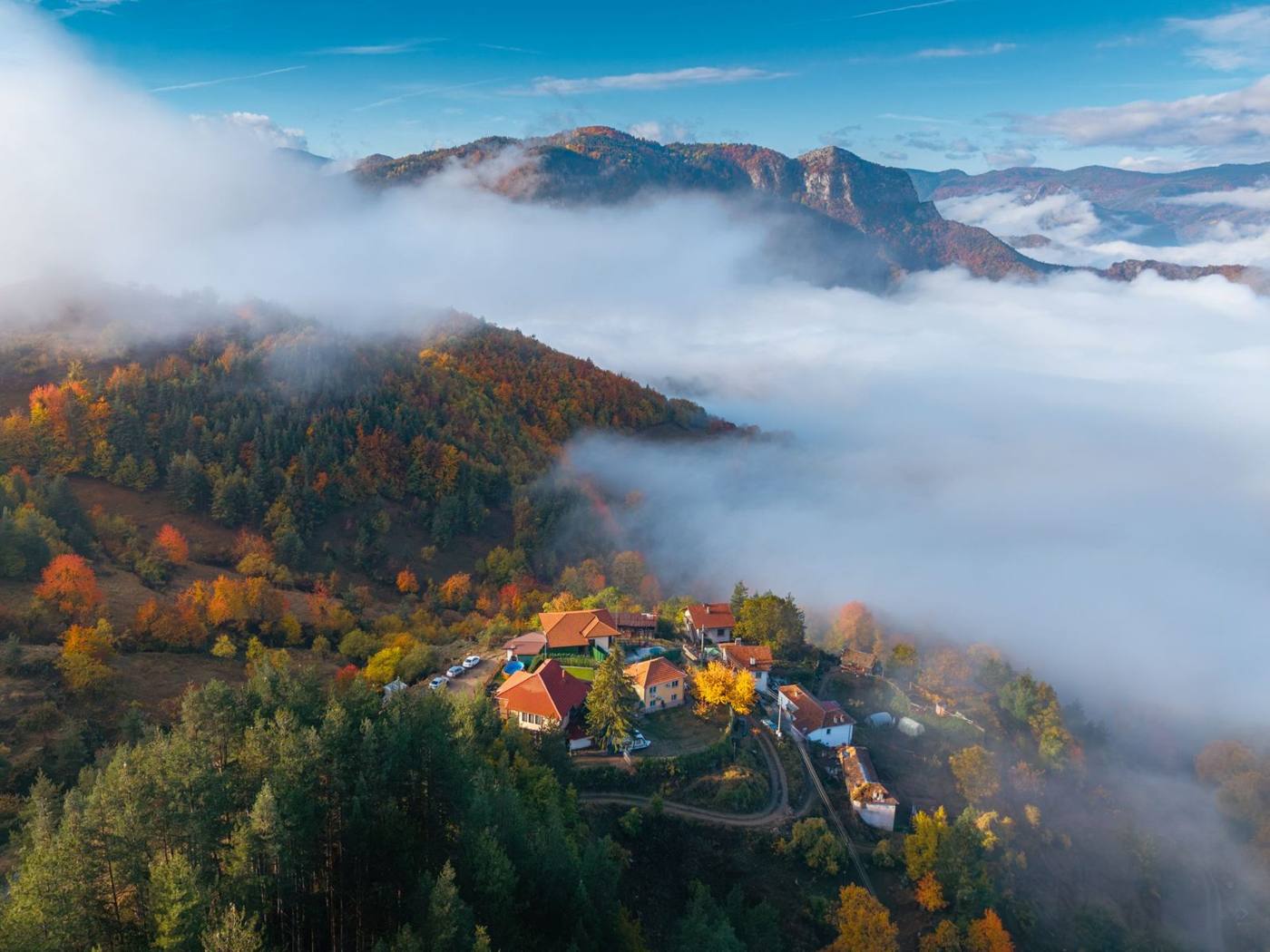
The mountains of the Orpheus legends: Trigrad gorge and the Devil's Throat cave, the Wonderful Bridges, Shiroka Laka village, Bachkovo monastery and Asen's fortress.
 4 daysEasy
The Valley of Roses and the Thracians
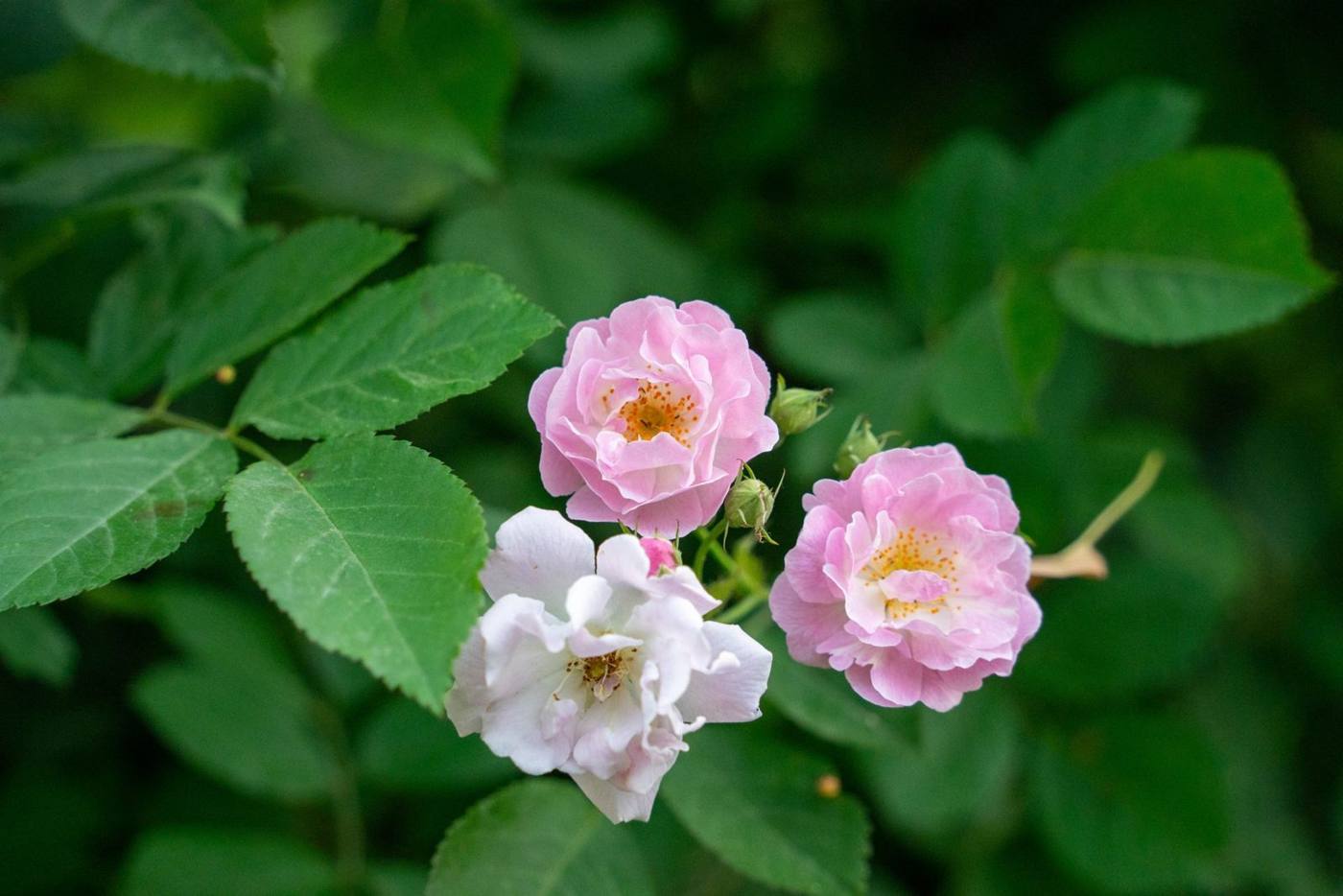
Kazanlak and the rose festival in late May and early June, the UNESCO Thracian tomb, Shipka pass with its monument and Russian church, and the village of Koprivshtitsa.
 5 daysEasy
Sozopol and the south coast
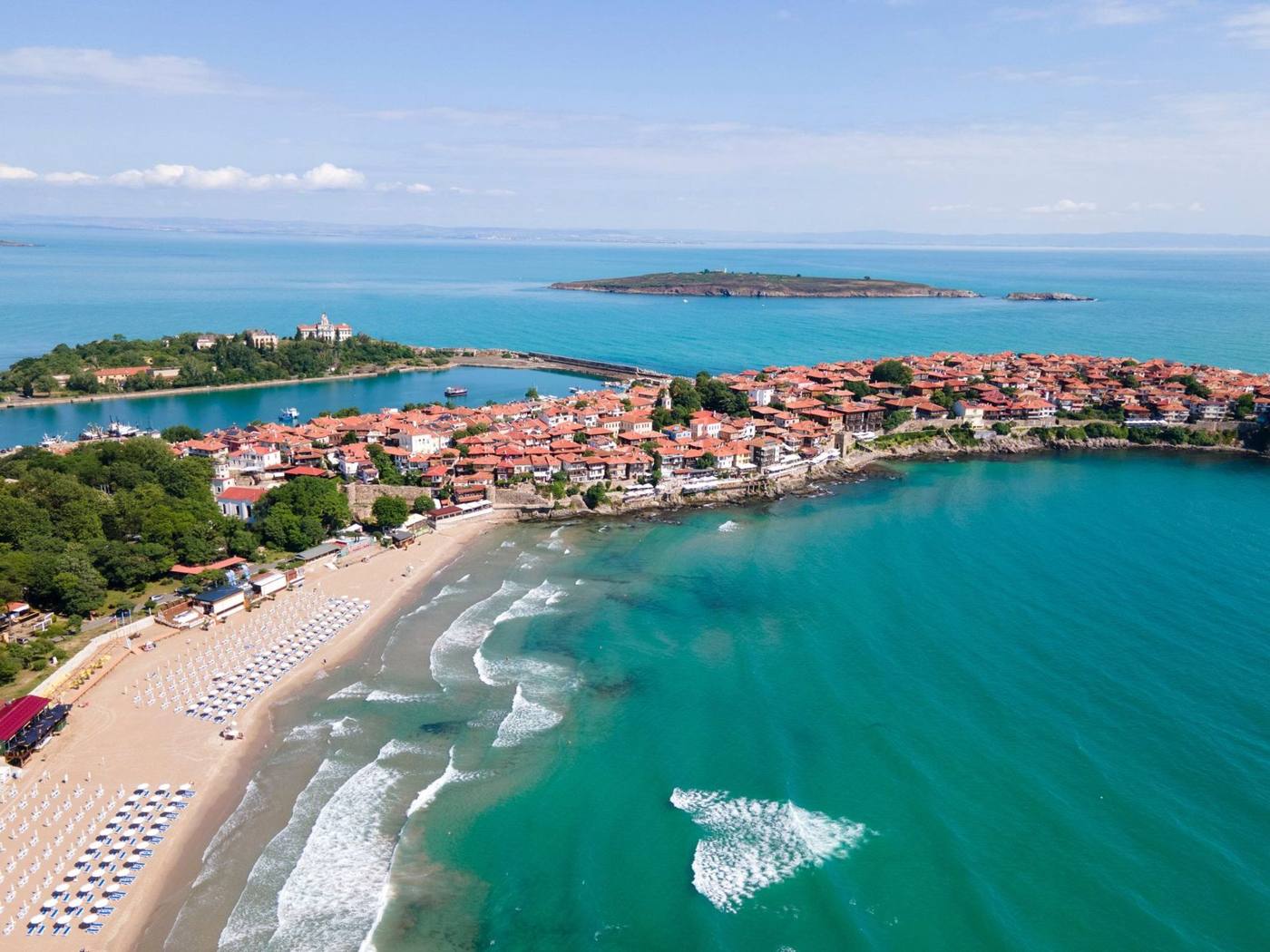
Sozopol's old town of wooden houses, the beaches of Sinemorets and the Veleka river mouth, Strandzha park and quiet Ahtopol village.