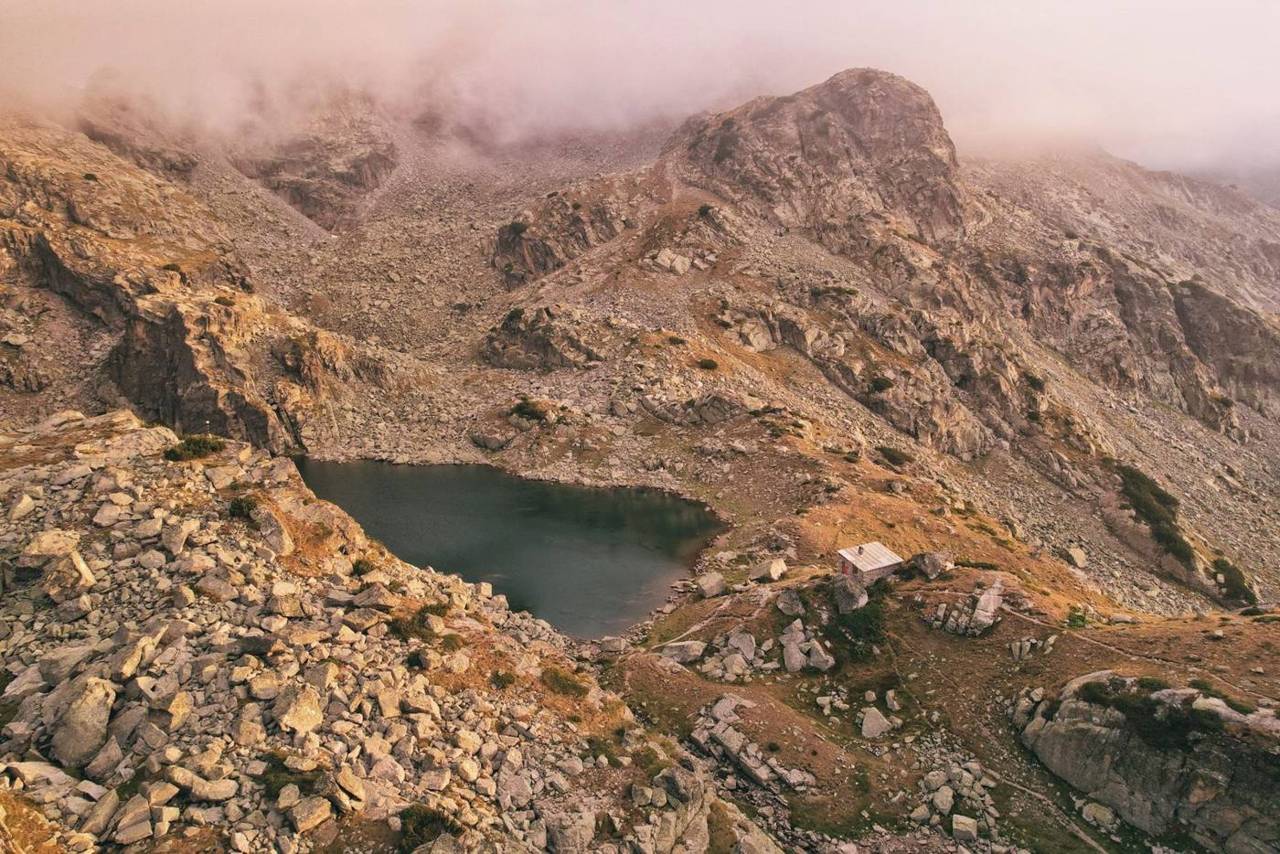
Sofia, Rila and Plovdiv
The capital with Alexander Nevsky Cathedral, Rila Monastery, the Seven Lakes and Plovdiv's old town with its Roman theatre.
- Sofia
- Boyana
- Rila
- Seven Rila Lakes
- Bansko
- Plovdiv
Day by day
- Day 1
Sofia: Alexander Nevsky Cathedral and the Roman city
This trip packs the best of Bulgaria into a week: Sofia with its churches and Roman city, Rila Monastery, the Seven Rila Lakes, Bansko below the Pirin mountains and the old town of Plovdiv. You get around Sofia on foot and then travel by rental car.
Before you go: Italian citizens can enter Bulgaria with an electronic identity card or a passport; Bulgaria has been in the Schengen area since 2025. Other nationalities should check their own rules. The currency has been the euro since 1 January 2026. The country is safe; in Sofia watch out for pickpockets on public transport and use only licensed taxis from the airport. Outside the city you need an electronic vignette.
You land at Sofia airport, linked to the centre by the metro. Start with Alexander Nevsky Cathedral, the symbol of the city, built between 1882 and 1912 in memory of the Russian soldiers who died for Bulgaria's liberation. Its gold and green domes shine above the square; inside, the gold, the marble and the chandeliers create a solemn atmosphere. Nearby is the Church of St Sofia, which gave the city its name.
Then walk down towards the centre. In Serdika metro station, and in the underpass next to it, you see the streets and houses of ancient Roman Serdica. In the courtyard behind the Presidency stands the Rotunda of St George, a fourth-century brick church with medieval frescoes, the oldest building in the city.
In the evening, stroll along Vitosha Boulevard, the pedestrian street with the mountain as a backdrop.
Overnight in Sofia, for two nights.
Practical tip: the metro is the easiest way to get around Sofia; official taxis are yellow and show their rates on the window.
- Day 2
Boyana Church and Mount Vitosha
Today you leave the centre for the slopes of Sofia's mountain.
In the morning, go to Boyana, a district at the foot of Mount Vitosha, about half an hour from the centre. Here stands Boyana Church, a UNESCO World Heritage Site: small and plain from outside, it holds frescoes from 1259 that are among the most important works of medieval European art. The faces of the saints and the donors have lively, natural expressions, far ahead of their time. Visitors go in a few at a time for a few minutes, to protect the colours. Check prices and times.
Nearby is the National History Museum, with Thracian treasures, such as gold and silver vessels and cups, and rooms on medieval Bulgaria. Check prices and times.
In the afternoon, go up Vitosha, the mountain that towers over Sofia. By car or taxi you reach the Aleko area, at about 1,800 metres, where easy trails start among pines, meadows and granite boulders. A walk of a few hours takes you to the highest summit, Cherni Vrah, at 2,290 metres, or you can do a shorter loop with views over the city.
Return to Sofia for dinner and try Bulgarian food: shopska salad, cheese banitsa and kavarma, a meat and vegetable stew in a clay pot.
Overnight in Sofia.
Practical tip: even in summer the weather on Vitosha changes quickly; bring a jacket, water and a trail map, and come down before dark.
- Day 3
Rila Monastery
Today you visit the holiest place in Bulgaria.
Pick up your rental car and drive south for about two hours to a narrow, wooded valley in the Rila mountains. Here stands Rila Monastery, a UNESCO World Heritage Site, founded in the tenth century by St John of Rila, a hermit who lived in a cave not far away.
You go in through a large gate and find yourself in a courtyard surrounded by four-storey buildings with black and white striped galleries and wooden balconies. In the centre rises the main church, from the nineteenth century, with its porch entirely painted: scenes of the Last Judgement, saints, angels and devils in vivid colours. Next to it is Hrelyo's Tower, from 1335, the oldest building still standing. Visit the museum too, with a wooden cross carved with hundreds of tiny figures, and the old kitchen with its towering chimney. Check prices and times. Cover your shoulders and knees.
In the afternoon, walk for about an hour through the forest to the cave of St John of Rila, where the saint lived as a hermit and where he is buried. Tradition says that whoever squeezes through the narrow hole in the rock is freed from their sins.
In the evening, when the groups have gone, go back into the monastery courtyard: the silence and the lights on the galleries are beautiful.
Overnight near the monastery.
Practical tip: arrive early in the morning, before the coaches from Sofia, and bring a sweatshirt, because the valley is cool even in summer.
- Day 4
The chairlift and the Seven Rila Lakes trail
Today you do the most famous walk in Bulgaria.
Leave the monastery early for Panichishte, above the spa town of Sapareva Banya, about an hour and a half by road. Take the chairlift that rises above the forests to about 2,100 metres, near the mountain hut.
From here the trail is marked and climbs among the glacial lakes, set like steps one above the other: the Lower Lake, the Fish Lake, the Trefoil, the Twin, the Kidney, the Eye, deep and round, and finally the Tear, the highest, above 2,500 metres. Each lake has a different colour, from green to dark blue. From the ridge above the Tear you see all seven lakes together: it is the most famous view in the country.
Allow three to four hours of walking, including the climb, the descent and stops. The trail is easy, but you are walking at high altitude and need hiking boots. Do it on a weekday and start early, because on summer weekends it is very crowded.
In the afternoon, take the chairlift back down and drive to Sapareva Banya, where a boiling spring bursts out of the ground in a cloud of steam in the middle of town. Relax in one of the town's thermal pools.
Overnight in Sapareva Banya.
Practical tip: the chairlift closes out of season and in bad weather; check prices and times before you go and leave the ridge by early afternoon, before the storms.
- Day 5
Bansko, the stone town below the Pirin
Today you move from the Rila to the Pirin mountains.
From Sapareva Banya, drive south for about two hours, along the Struma valley and then up the Razlog valley, to Bansko, at the foot of the Pirin. The Pirin is a UNESCO-listed national park, with marble and granite peaks and more than a hundred glacial lakes.
In winter Bansko is a ski resort, but its historic centre is an old merchants' town, with stone houses behind high walls and big wooden gates, built like small fortresses. Wander the cobbled lanes and visit the Church of the Holy Trinity, with its stone bell tower, and the house museum of Neofit Rilski, a monk and scholar born here who wrote the first grammar of modern Bulgarian. The Velyanov house has rooms with carved ceilings and painted walls. Check prices and times.
In the afternoon, for a taste of the Pirin, drive for about half an hour up the mountain road into the Banderitsa valley. Halfway up you see Baikushev's pine, a Bosnian pine more than a thousand years old, one of the oldest trees in Europe. Higher up, from the end of the road, trails set off towards the lakes and Vihren.
In the evening, have dinner in a tavern with kapama, the stew of meats and sauerkraut slow-cooked in a clay pot, typical of Bansko.
Overnight in Bansko.
Practical tip: the road into the Banderitsa valley is narrow and full of bends; drive slowly and park only in the marked car parks.
- Day 6
Plovdiv: the Roman theatre, the painted houses and the Kapana district
Today you visit one of the oldest cities in Europe.
From Bansko, drive east for about three hours, through the mountains and the Velingrad valley, to Plovdiv, the second city of Bulgaria. Plovdiv has been lived in for thousands of years: it was a Thracian town, then Philippopolis of Philip II of Macedon and a great Roman city.
Start with the old town, on three hills. The houses of the Bulgarian National Revival, from the nineteenth century, have upper floors jutting over the street and facades painted blue, red and yellow, with decorated windows. Visit one of the house museums, such as the Ethnographic Museum, with its garden and furnished rooms. Check prices and times.
Then go down to the Roman theatre, built in the second century AD and discovered by chance in the 1970s. Its marble tiers face the stage with its columns and, in the background, the city and the Rhodope mountains. In summer it is still used for concerts and shows. Check prices and times.
On the main pedestrian street you see the remains of the Roman stadium, below street level, next to the Dzhumaya mosque. In the late afternoon, head into the Kapana district, a maze of lanes full of art galleries, murals, workshops and bars, the liveliest place in town in the evening.
Overnight in Plovdiv.
Practical tip: in the old town you walk on large, uneven cobbles; wear comfortable shoes and visit the house museums in the morning, before the heat.
- Day 7
Back to Sofia and departure
Today you return to Sofia and leave Bulgaria.
In the morning, take a last walk in Plovdiv. Climb Nebet Tepe hill, with the remains of the oldest part of the city, to see the rooftops of the old town and the Thracian plain. Then head west.
From Plovdiv to Sofia the motorway crosses the plain with mountains on both sides: allow about an hour and a half to two hours. Return the car at Sofia airport and take your flight home. If your flight is late, go back to the centre for a coffee near the cathedral or some last shopping at the Women's Market, the city's biggest market, with fruit, vegetables, cheese and spices.
In these seven days you have seen the best of Bulgaria: the churches, the domes and the Roman city of Sofia, the frescoes of Boyana Church, Mount Vitosha, Rila Monastery with its painted courtyard, the Seven glacial Lakes, the stone houses of Bansko below the Pirin and the old town of Plovdiv with its Roman theatre and the Kapana district. It is an affordable trip, with culture, mountains and good food in just a few days.
When to go: from May to October. For the Seven Lakes the best period is July to September, when the trail is clear of snow and the chairlift runs. In May, June and October the cities are pleasant and less crowded.
Practical tip: before you leave, buy rose oil or rose water in a reputable shop, mountain honey and lyutenitsa, and take home some white cheese in brine.
An affordable trip, with culture, mountains and good food in a few days. The Seven Lakes trail is easy but crowded on summer weekends: better on weekdays and early. The chairlift closes out of season and in bad weather.
Before you go
- Documents and visa
- EU citizens need a valid identity card or passport: Bulgaria is in the EU and, since 1 January 2025, in the Schengen area. Damaged or worn identity cards have been refused at the border, so check yours is intact and readable. Other nationalities should check the Schengen rules.
- Health and vaccines
- No vaccines required. EU citizens should bring their EHIC; take insurance covering medical costs, repatriation and, for hiking, mountain rescue. Emergencies: 112, answered in English too.
- Money and payments
- Euro, since 1 January 2026; until the end of 2026 prices are also shown in lev. Cards work almost everywhere in towns, but carry cash in villages and mountain huts. Avoid street money changers. Roads outside towns and motorways need an electronic vignette: buy it on the official BG TOLL website, at the border or at petrol stations, and check current prices.
- Power sockets
- Types C and F, 230 volts.
- Time zone
- Eastern European Time (UTC+2, summer UTC+3).
- Safety
- A generally safe country. Watch for pickpockets and bag theft in tourist areas, on public transport and at airports, especially in Sofia and on the coast in summer. Use only licensed taxis, particularly at Sofia airport and in Sunny Beach. Drug penalties are severe. In summer and early autumn there is a risk of fast-spreading wildfires. Official advice: GOV.UK.
Information checked in November 2026 for Italian and EU citizens. Rules change: always check before you travel.
Variations
In 5 days: Sofia, Rila Monastery and Plovdiv, without the Seven Lakes and Bansko.
In 10 days: add Veliko Tarnovo, the old capital, and the Rose Valley with Kazanlak.
Frequently asked questions
What document do I need for Bulgaria?
Italian citizens can enter with an electronic identity card or a passport. Other nationalities should check their own rules.
Is the Seven Lakes trail suitable for everyone?
It is easy and well marked, but you walk above 2,000 metres: you need hiking boots and some fitness. Best on a weekday and early in the morning.
Do I need a car for this trip?
Not in Sofia, but for Rila, the Seven Lakes, Bansko and Plovdiv a car is far easier than public transport. Remember the electronic vignette.
Indicative itinerary written by World Atlas. Before booking, check timetables, seasonal openings, documents and safety.
 6 daysEasy
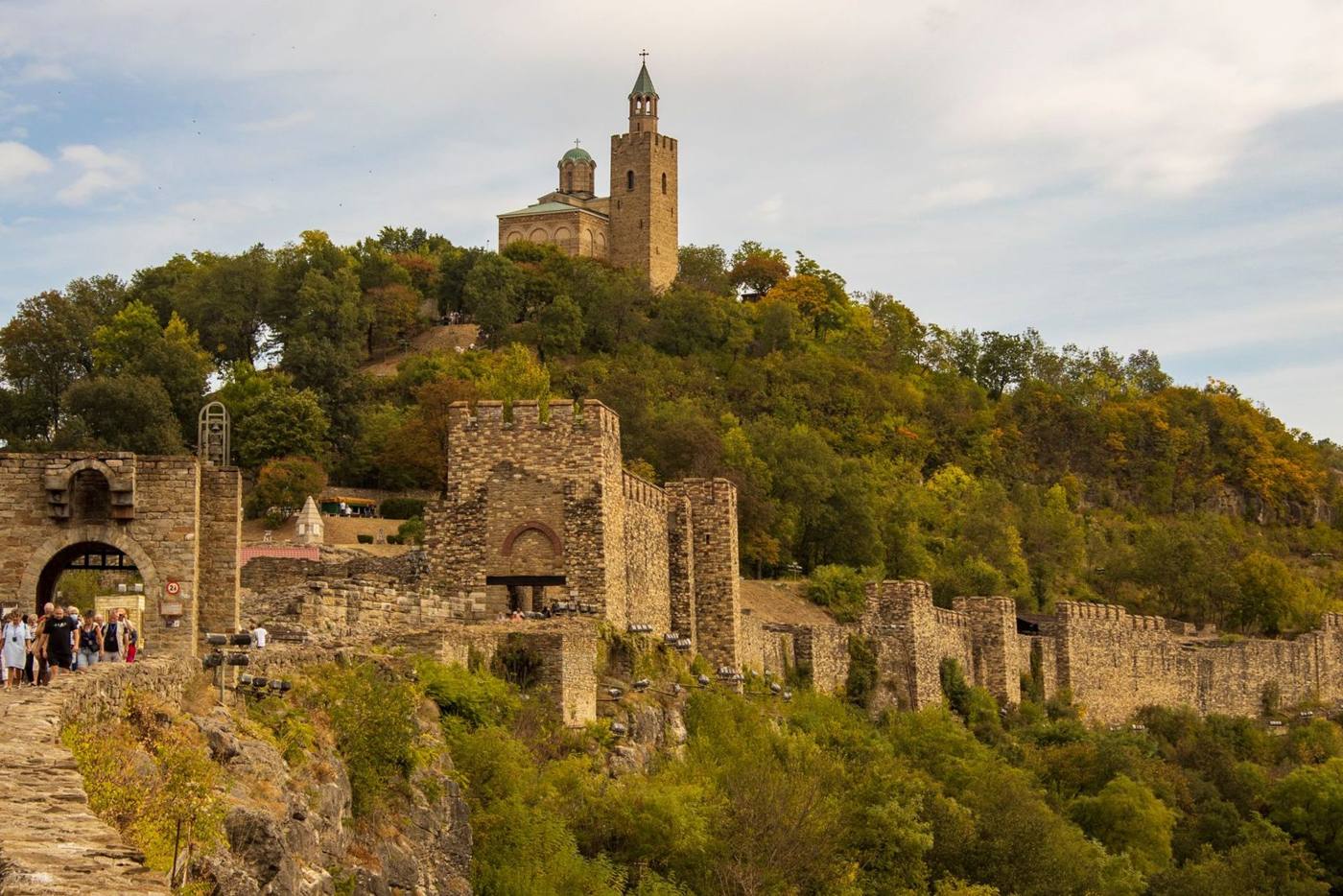
Veliko Tarnovo and the Balkan range
The old capital and Tsarevets fortress, the museum village of Arbanasi, Etara, the Shipka Pass and the Valley of Roses.
 6 daysEasy
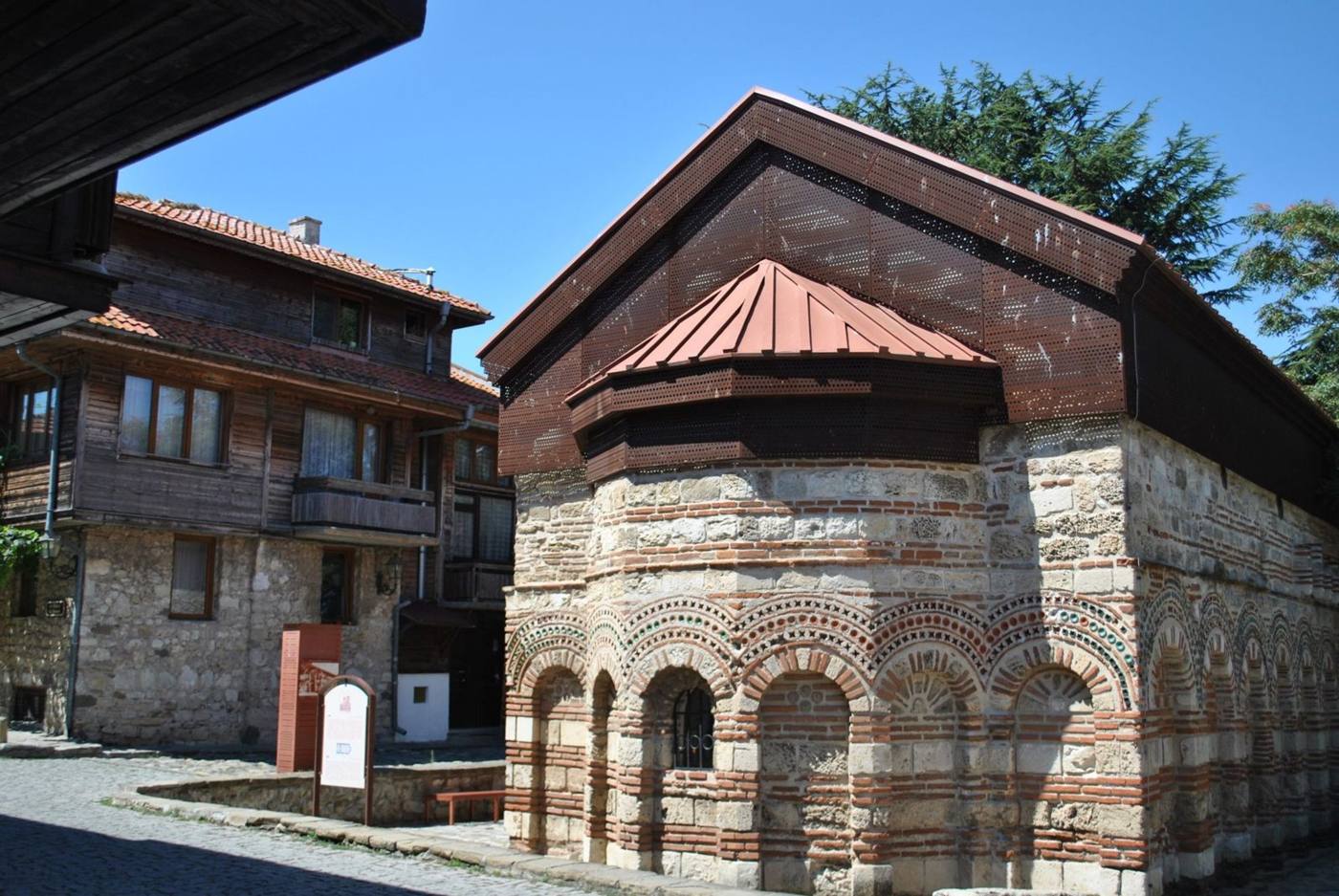
The Black Sea and Nesebar
The Bulgarian coast beyond the big resorts: Varna, Cape Kaliakra, the UNESCO peninsula of Nesebar and Sozopol.
 5 daysModerate
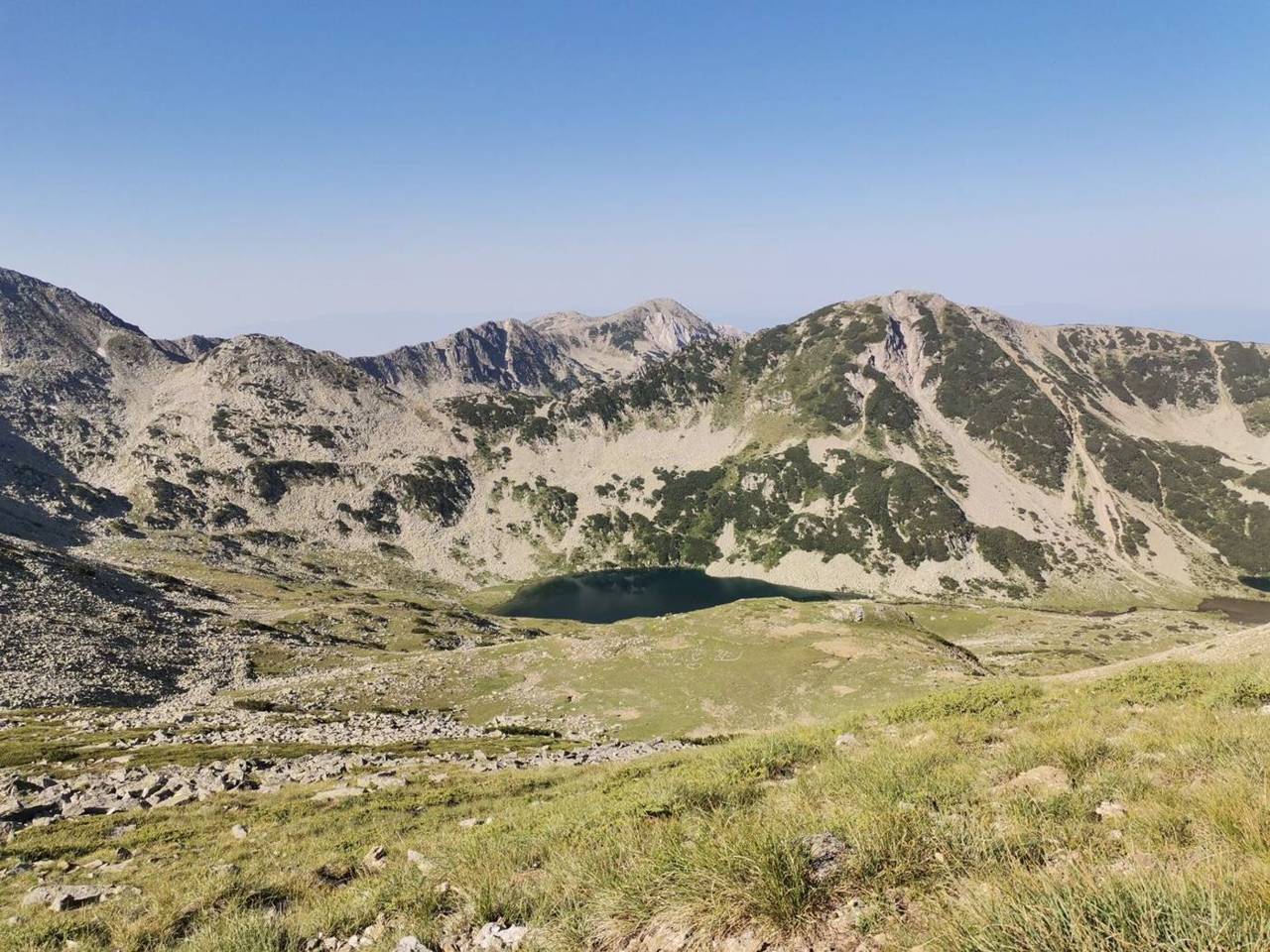
The Pirin mountains and Bansko
UNESCO-listed Pirin park with its glacial lakes, the climb up Vihren, the ancient Baikushev pine, stone-built Bansko and Melnik among its sand pyramids.