Belém, Marajó and Alter do Chão
The eastern Amazon, along the great river: the Ver-o-Peso market in Belém, Marajó island with its buffaloes and ranches, and Alter do Chão on the Tapajós river, with white-sand freshwater beaches and the Tapajós National Forest.
- Belém
- Soure
- Santarém
- Alter do Chão
- Floresta Nacional do Tapajós
Day by day
- Day 1
Belém: the Ver o Peso market and Amazonian food
Belém is the gateway to the Brazilian Amazon, at the mouth of the great river in the state of Pará. It is a hot, humid city with a colonial centre, markets full of fruits unknown in Europe and a unique cuisine born from the meeting of indigenous, Portuguese and African peoples. Over seven days you see Belém, the island of Marajó with its buffalo and river sea beaches, then Alter do Chão and the Tapajós forest.
Belém has an airport with flights from São Paulo, Rio de Janeiro, Brasília and other Brazilian cities, plus some international connections.
On the first day go to the Ver o Peso market on the river, one of the largest and oldest markets in Brazil. The best known part is the fish market, in an iron building with turrets built in the early twentieth century. Around it, hundreds of stalls sell Amazonian fruits such as cupuaçu, bacuri and açaí, medicinal herbs, perfumes, cassava flour, huge river fish and crafts.
Early in the morning, at dawn, boats loaded with açaí arrive from the islands around the city: it is a very lively moment. In Belém açaí is eaten differently from the rest of the world: as a thick, unsweetened cream, served with fried fish and cassava flour.
In the afternoon walk around the Cidade Velha, the oldest district, with the cathedral, the Presépio fort on the river and colonial houses.
Spend the night in Belém.
Practical tip: check Brazil's visa rules for your nationality; Italians do not need a visa for tourism. Yellow fever vaccination is recommended for the Amazon: ask your doctor before you travel. In the market keep an eye on your phone and wallet.
- Day 2
Estação das Docas, Nazaré basilica and tacacá
In the morning visit the Basilica of Our Lady of Nazaré, Belém's most important church, with interiors rich in marble and mosaics. Every October it is the starting point of the Círio de Nazaré, one of the largest religious processions in the world, with millions of people accompanying a small statue of the Virgin through the streets.
Then go to Mangal das Garças park, a riverside garden with ponds, herons, scarlet ibis, butterflies and a viewing tower over the city and Guajará Bay. Nearby is the Emílio Goeldi museum, one of the oldest natural science museums in Brazil, with a zoo botanical park and a collection of indigenous ceramics.
In the afternoon walk to the Estação das Docas, old port warehouses restored on the river, with shops, cafés and a long covered promenade on the water. At sunset you watch boats passing on the river and the sky turning red.
In the evening try tacacá, Belém's most typical soup, served in a gourd bowl. It is made with tucupi, a yellow broth extracted from cassava, dried shrimp and jambu leaves, a herb that makes the mouth tingle and go slightly numb. Also try pato no tucupi, duck cooked in the same broth, and an ice cream made with Amazonian fruits.
Spend the night in Belém.
Practical tip: in Belém it rains almost every afternoon, often in short, heavy downpours. Plan outdoor visits for the morning and carry a small umbrella.
- Day 3
The boat to Marajó and the town of Soure
Today you go to Marajó, the largest river sea island in the world, almost as big as Switzerland, at the mouth of the Amazon. You get there by boat from Belém: fast boats and ferries leave from the city port or the nearby Icoaraci pier and reach Camará port in a few hours, crossing the great bay.
From Camará continue by bus or taxi to Soure, the island's main town, on the Paracauari river. Soure is quiet, with wide streets, low houses and many mango trees.
What strikes you at once are the buffalo. Brought to the island more than a century ago, they now outnumber the people. You see them in the fields, on the streets, and even the Soure police use them for patrols. Buffalo milk is used to make a soft cheese, queijo do Marajó, eaten everywhere, even in desserts.
In the afternoon ride a bike around town, one of the most common ways to get around here, and visit a Marajoara pottery workshop. The island's ancient inhabitants, centuries before the Europeans arrived, made large vessels decorated with red and black geometric designs, now revived by local artisans.
Spend the night in Soure.
Practical tip: boat times to Marajó vary with the day and the tide. Check and buy your ticket in advance, and arrive at the port at least an hour early.
- Day 4
Buffalo farms and beaches where river meets sea
Today you discover the Marajó countryside. In the morning visit one of the island's fazendas, the large farms where buffalo are raised. You can ride a horse or even a buffalo, watch the milking and taste freshly made cheese. Herons, scarlet ibis, storks and, in the channels, caimans live in the flooded fields.
On the farms you also see the nature of the island's eastern side, with savannah, marshes, mangroves and small woods. During the rainy season much of the land is under water, and people move around on horseback or by boat.
In the afternoon go to Soure's beaches. Here the water of the Amazon mixes with the ocean, and the sea is slightly salty, brownish in colour, with low waves. Pesqueiro beach, the best known, is long and wide, with wooden kiosks serving fish and prawns. Barra Velha beach, closer to town, is fringed with mangroves.
At sunset watch the sun sink over the immense water, which looks like the sea but is the river.
In the evening return to Soure and have filé de búfalo, buffalo steak with island cheese.
Spend the night in Soure.
Practical tip: currents and tides are strong on the beaches, and the water rises and falls a lot in a few hours. Ask locals about tide times and do not go too far from shore.
- Day 5
The flight to Santarém and Alter do Chão, Ilha do Amor
In the morning take the boat back from Marajó to Belém and fly to Santarém, about an hour, in the heart of the Amazon, where the clear blue Tapajós meets the brown Amazon. In front of the city you see the meeting of the waters, the two colours running side by side for kilometres without mixing at once.
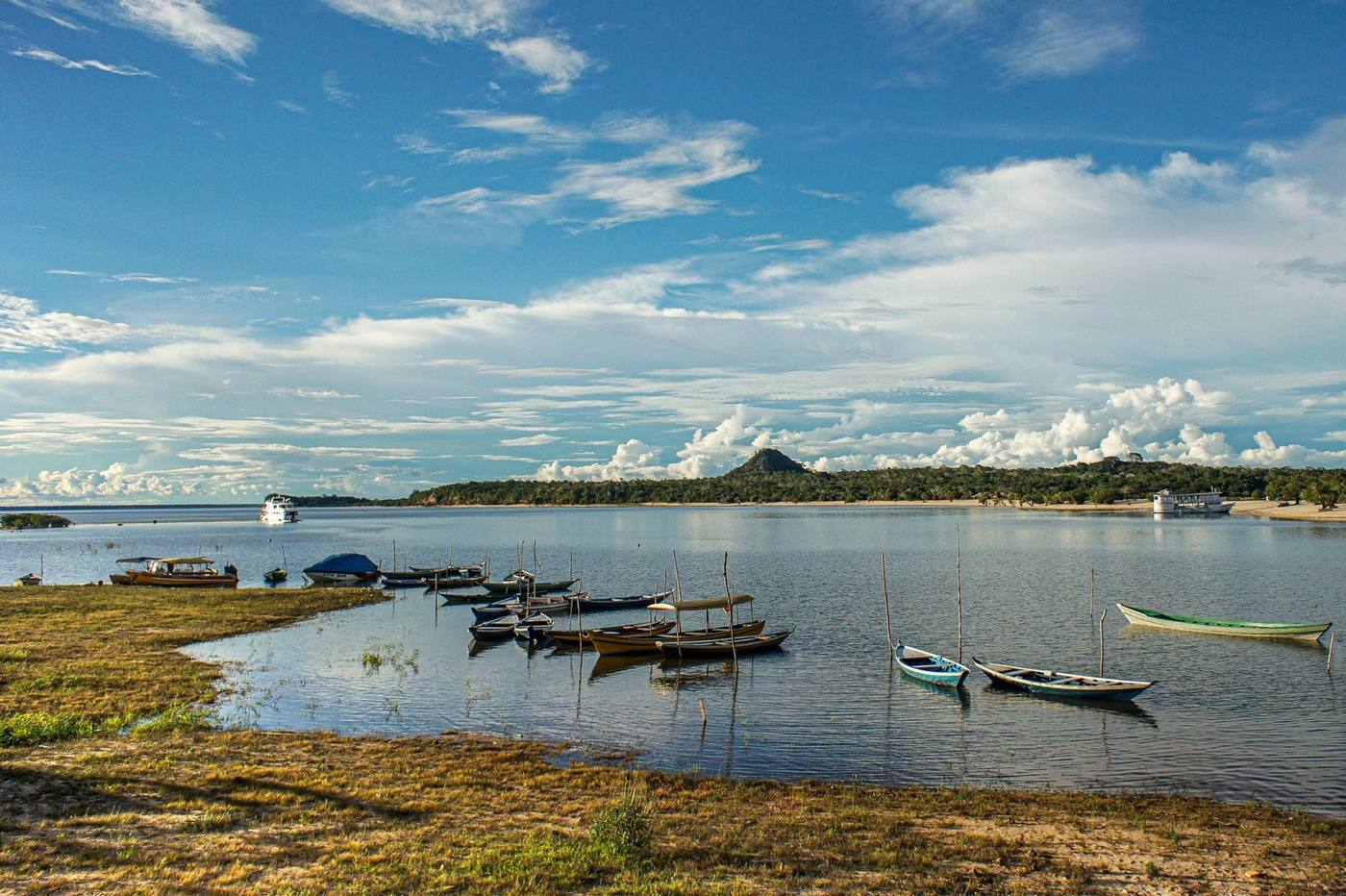
From Santarém drive to Alter do Chão, a village on the banks of the Tapajós about half an hour away. It is often called the Caribbean of the Amazon, for its white sand beaches and the warm, clear river water, so wide you cannot see the other bank.
In front of the village lies Ilha do Amor, a white sandbar in the river, reached by small canoes in a few minutes. In low water months, roughly August to December, long beaches form, with kiosks serving grilled fish. In high water months, February to June, the beaches almost disappear and boat trips go into the flooded forest.
At sunset climb Piroca hill above the village to watch the sun go down over the river, the beaches and Lago Verde.
Spend the night in Alter do Chão.
Practical tip: swimming in the Tapajós is relaxed, but in some places freshwater stingrays live on the sandy bottom. Shuffle your feet as you walk in, so they move away without stinging you.
- Day 6
Tapajós National Forest with a local community
Today you go into the Tapajós National Forest, a large protected area of rainforest along the river's right bank, a few hours by boat or road from Alter do Chão. The forest is home to communities of ribeirinhos, families who have lived along the river for generations, living from fishing, small crops and forest products such as rubber latex and plant oils.
Some communities, such as Maguari and Jamaraquá, welcome visitors through tourism run directly by the families. You sleep in simple houses or in a hammock, eat food prepared by the community's women and walk in the forest with local guides.
In the afternoon, with a guide, follow a forest trail. Guides show you plants used as medicine, trees tapped for latex, wild fruits and animal tracks. You hear howler monkeys and parrots, and sometimes see sloths in the branches.
In the evening you have dinner with the community and talk about life in the forest, its difficulties and the projects to protect it. It is a simple but very genuine experience.
Spend the night in the community.
Practical tip: bring repellent, light long sleeved clothes, a torch and closed shoes for the forest. Pay the community directly for lodging and guides: it is the best way to ensure tourism really helps them.
- Day 7
The giant trees of the forest and the journey home
Early in the morning, when the forest is most alive, walk with your guide to one of the Tapajós giants, a samaúma, the tallest tree in the Amazon. Its buttress roots rise from the ground like great walls several metres high, and its trunk climbs straight for tens of metres to a crown that towers over the other plants. For Amazonian peoples the samaúma is the mother of trees.
Along the trail you also see rubber trees, with the marks of cuts made to collect latex, and huge lianas. Guides explain how the community collects latex and turns it into objects, bags and waterproof fabric.
After lunch say goodbye to the community and head back to Alter do Chão and Santarém by boat or car. Flights leave Santarém airport for Belém, Manaus, Brasília and other Brazilian cities, from where you connect to Europe.
If you have time before your flight, stop again on the Santarém riverfront to watch the meeting of the Tapajós and Amazon waters, one of the most striking sights of the trip.
Practical tip: domestic flights in Brazil often change times. Keep at least a day of margin between the flight from Santarém and your flight to Europe, and check baggage weight, as domestic airlines have different limits.
A different Amazon from Manaus, with river beaches. The beaches of Alter do Chão only appear when the river is low, from August to December; from February to June they are mostly under water. It is very hot and humid all year. In Belém, as in all big cities, watch out for theft.
Before you go
- Documents and visa
- Valid passport; no visa for tourism up to 90 days for EU citizens.
- Health and vaccines
- No compulsory vaccines arriving from Europe; yellow fever is recommended for the Amazon and some inland areas. Protect yourself against mosquitoes because of dengue. Emergencies: 190 police, 192 ambulance, 193 fire.
- Money and payments
- Brazilian real. Cards and instant payments are everywhere; carry little cash.
- Power sockets
- Type N, plus C, 127 or 220 volts depending on the city: check the voltage before plugging in devices.
- Time zone
- Rio and São Paulo are UTC-3 all year: Brazil does not use daylight saving time.
- Safety
- The United States rates Brazil level 2 for crime, with level 4 within 160 km of land borders (except Foz do Iguaçu and the Pantanal). No favelas without a community guide. Official advice: GOV.UK.
Information checked in November 2026 for Italian and EU citizens. Rules change: always check before you travel.
Variations
In 4 days: Belém and the island of Marajó, without Alter do Chão.
In 10 days: add Manaus and a Rio Negro cruise, flying from Santarém.
Frequently asked questions
When is the best time to go?
August to December, with low water and beaches at Alter do Chão. From January to June it rains a lot and the beaches are submerged.
Is it very hot?
Yes, all year round, with high humidity. Bring light clothes, a hat, sunscreen and a light raincoat.
Do I need vaccinations?
Yellow fever vaccination is recommended for the Amazon. Ask your doctor about other health precautions too.
Indicative itinerary written by World Atlas. Before booking, check timetables, seasonal openings, documents and safety.
 8 daysEasy
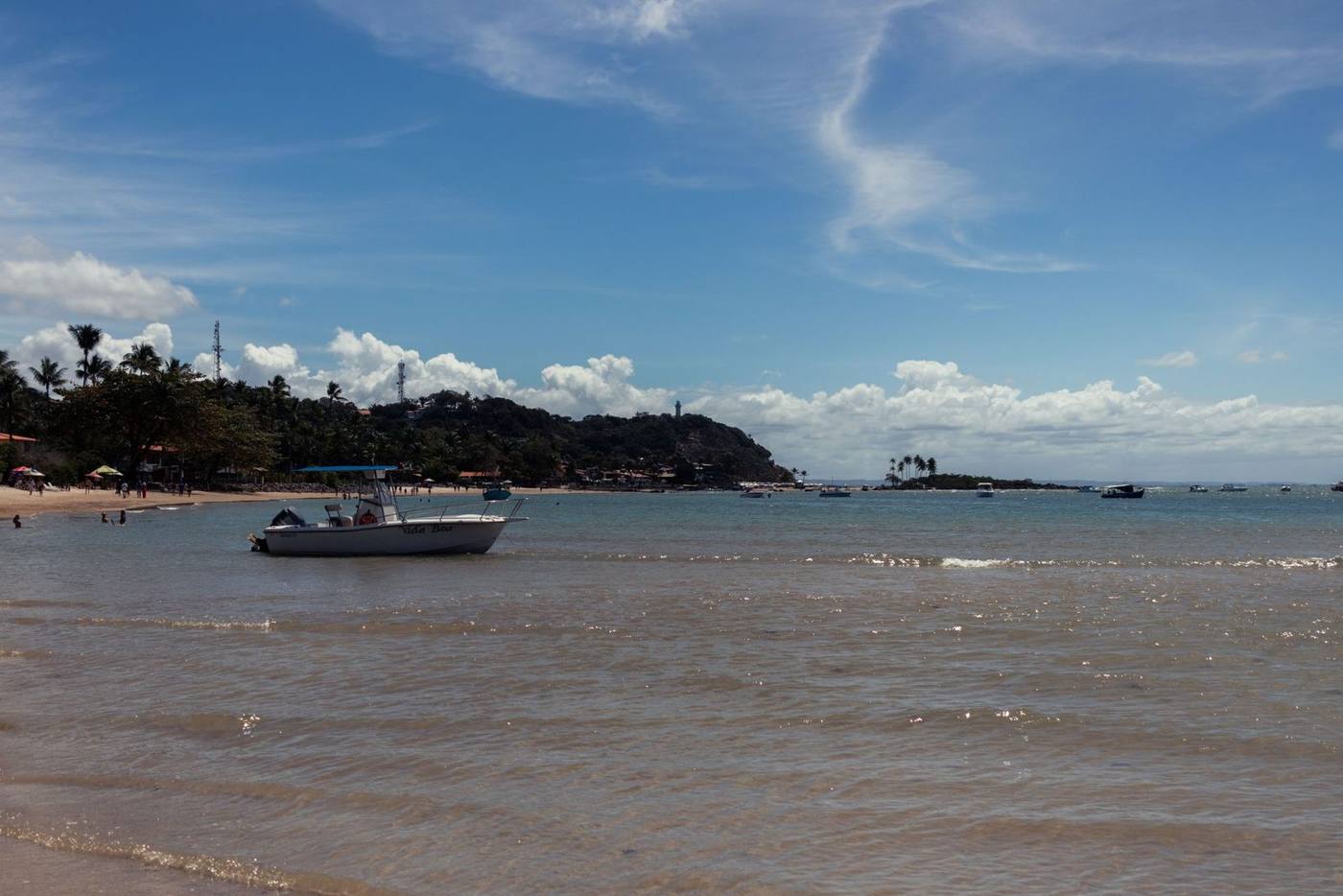
Southern Bahia: Morro de São Paulo, Boipeba and Itacaré
The islands and beaches south of Salvador: Morro closed to cars de São Paulo, Boipeba with its fishing villages and natural pools, the Maraú peninsula and Itacaré, between Atlantic forest, surf waves and cocoa.
 6 daysEasy
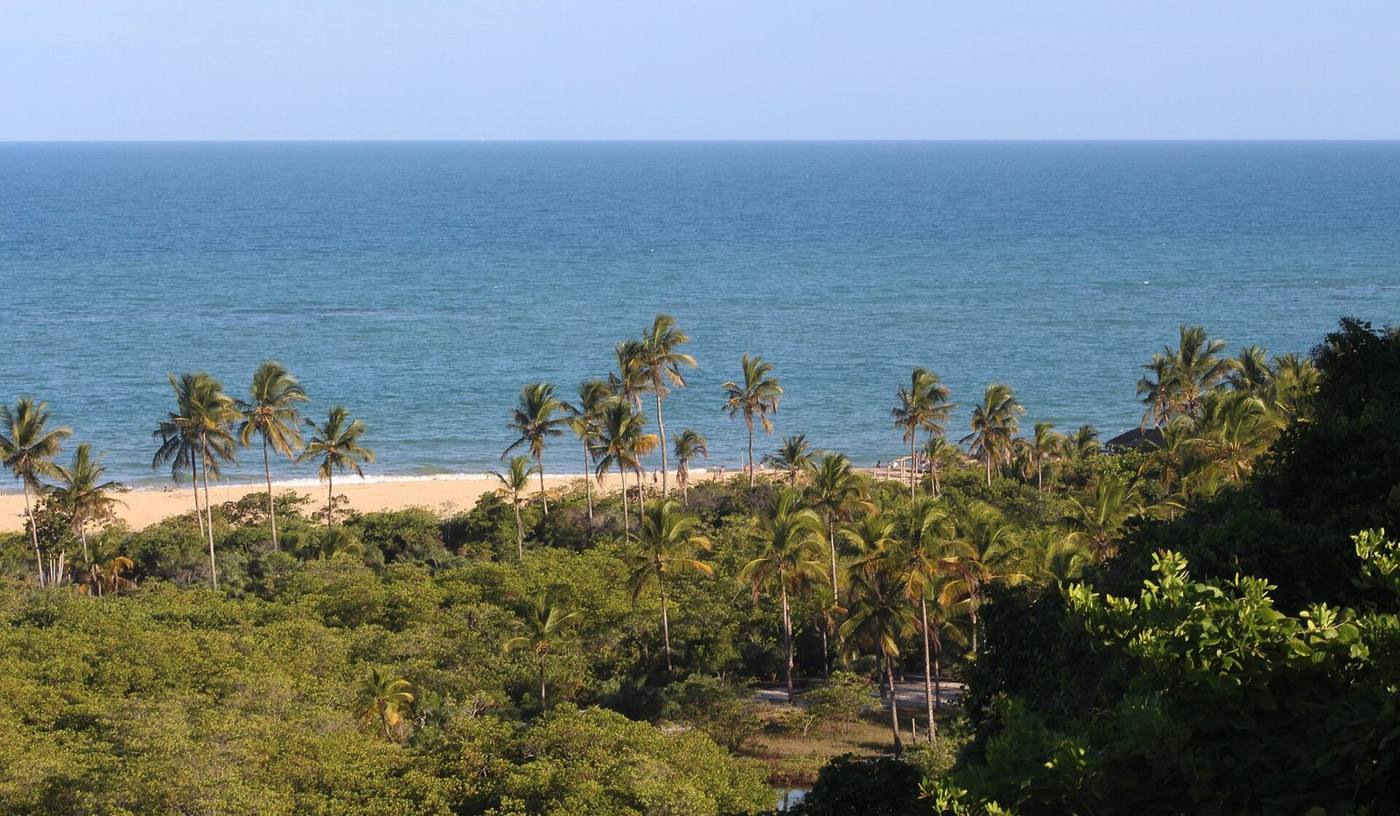
Trancoso and Caraíva
The coast where Brazil was discovered, south of Porto Seguro: the Quadrado of Trancoso with its colourful houses and white church above the sea, the cliffs of Arraial d'Ajuda, the village closed to cars of Caraíva with no paved roads and the Pataxó village of Barra Velha.
 5 daysEasy
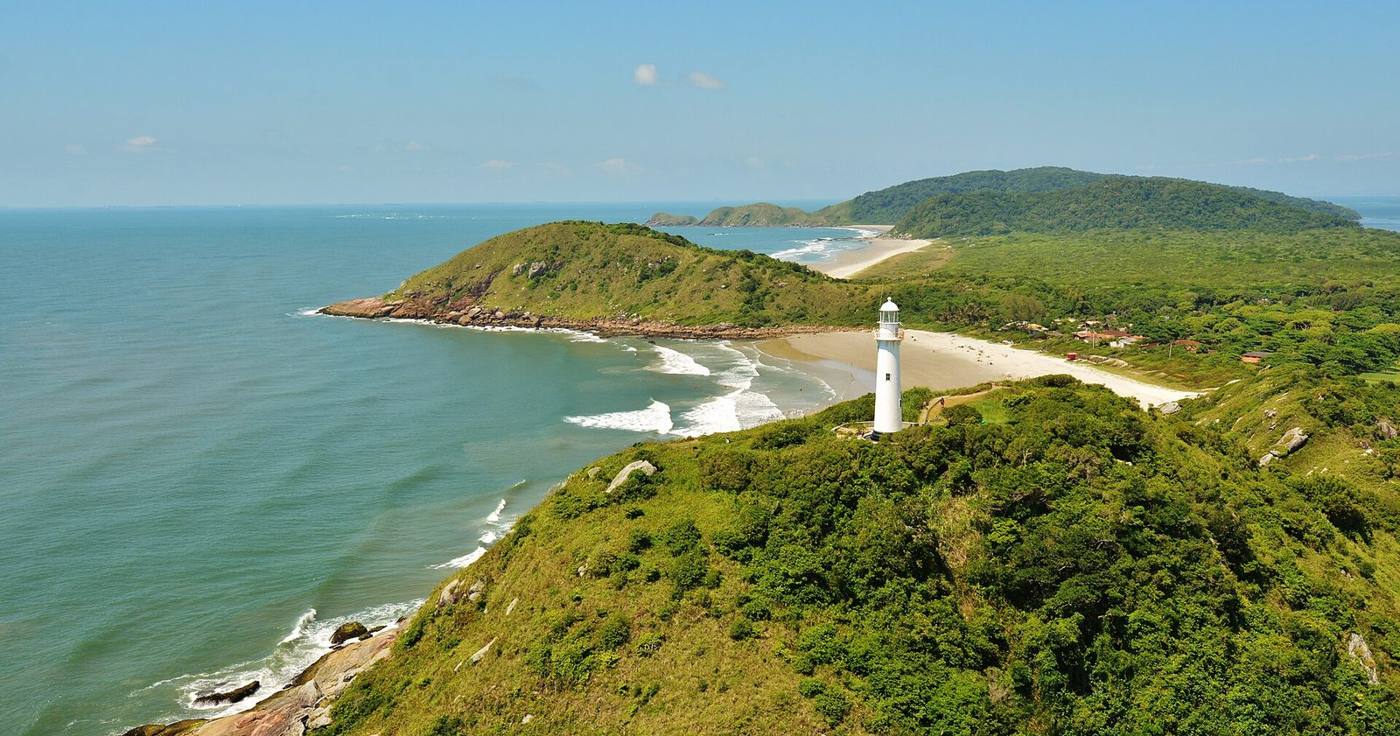
Paraná: Curitiba, Serra Verde and Ilha do Mel
Curitiba, the city of parks, the scenic train descending through the Atlantic forest of the Serra do Mar to Morretes and its barreado stew, and Ilha do Mel, a island closed to cars with lighthouses, caves and wild beaches.