Mashatu and the Tuli Block: safaris on horseback and by bike
Botswana's eastern corner, where three countries meet: elephants among red rocks, leopards, safaris by bike and on horseback, and ground-level photo hides.
- Johannesburg
- Mapungubwe
- Mashatu
- Tuli Block
Day by day
- Day 1
Arrival in Johannesburg and the road to the Limpopo
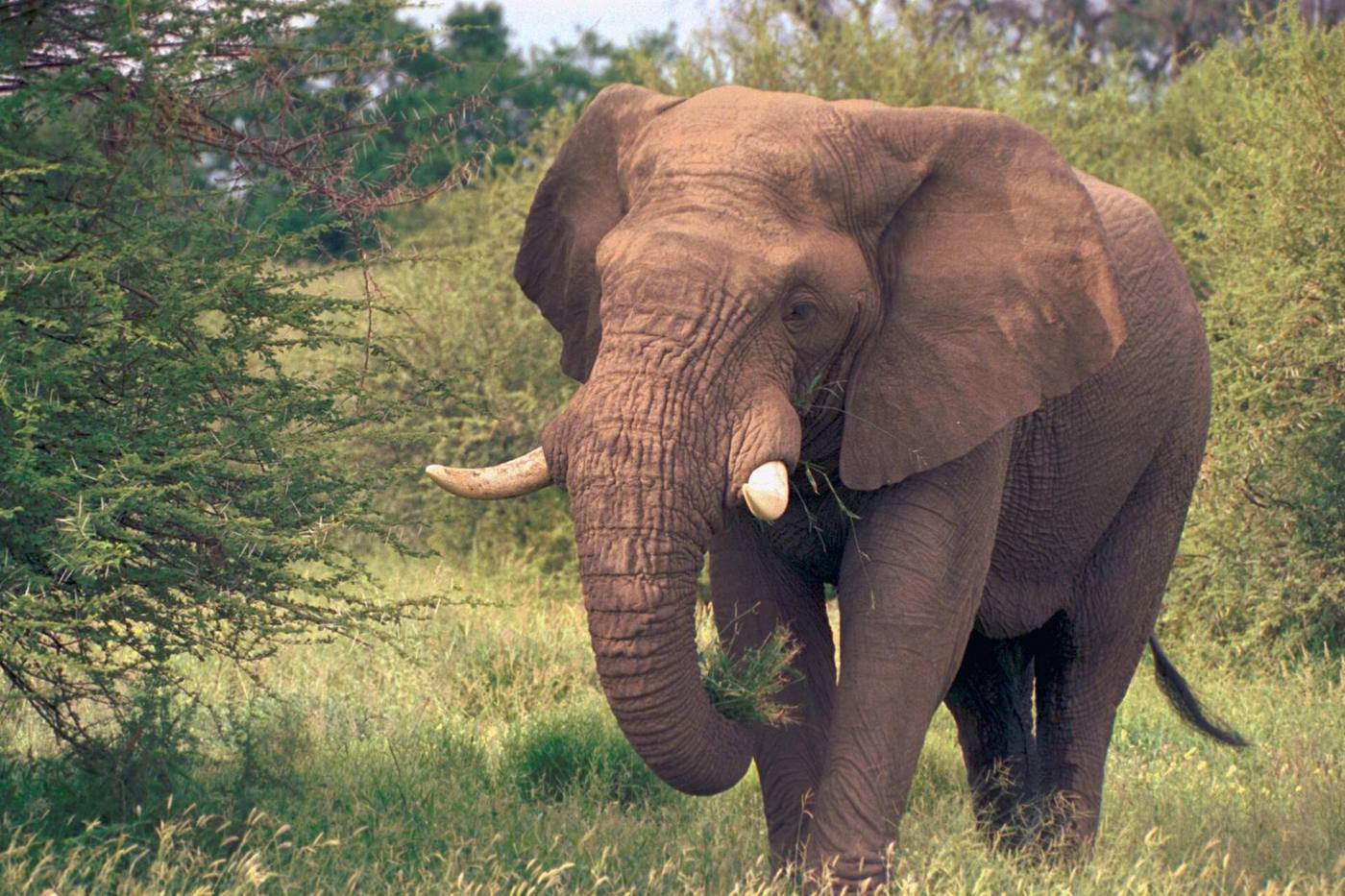
This one-week safari takes you to the eastern corner of Botswana, the Tuli Block, where the Limpopo and Shashe rivers mark the border between three countries: Botswana, South Africa and Zimbabwe. After a day in South Africa's Mapungubwe National Park you cross the border and spend four days in the private Mashatu reserve, among red rocks, baobabs and elephants, with safaris by jeep, by bike, on horseback and from a ground-level hide.
Before you go: Italian citizens enter South Africa without a visa for stays of up to 90 days; the passport must be valid for at least 30 days beyond exit and have at least two blank pages. They enter Botswana without a visa for tourism for up to 90 days, with a passport valid for at least six months from arrival and blank pages. Other nationalities should check their own rules. The United States asks for increased caution, level 2, for both South Africa and Botswana, because of crime. The British government does not advise against any area on this route. The Limpopo valley is a malaria area: ask your doctor.
You land at Johannesburg airport and pick up your rental car. Take the N1 motorway north: beyond Polokwane the road crosses the Soutpansberg mountains and drops into a hot plain of bush and baobabs. From Johannesburg to Mapungubwe takes about six hours: if you land late, sleep halfway and set off again at dawn.
Practical tip: in South Africa you drive on the left. Do not drive at night, keep your doors locked at traffic lights and valuables out of sight.
- Day 2
Mapungubwe and the confluence of the Limpopo and the Shashe
Today you visit Mapungubwe National Park, a UNESCO World Heritage Site, on the South African side of the border. Between the tenth and thirteenth centuries the kingdom of Mapungubwe flourished here, one of the first organised states in southern Africa, trading gold and ivory with the ports of the Indian Ocean.
In the morning, go to the park's interpretation centre, a building made of local stone and brick, which displays archaeological finds and a copy of the small golden rhinoceros found in the royal graves, the symbol of the kingdom. Then take the guided tour of Mapungubwe Hill, where the king lived apart from the people: you climb a wooden staircase to the flat sandstone summit. The hill can only be visited with a guide, at fixed times: check prices and times and book.
In the afternoon, go to the viewpoint over the confluence of the Limpopo and the Shashe. Wooden walkways run above the bush to a platform from which you see three countries at once: South Africa beneath your feet, Botswana to the north-west and Zimbabwe to the north. In the dry season the riverbeds are wide ribbons of sand, and at sunset groups of elephants often cross them.
This corner is part of a conservation area that joins the parks of the three countries, without continuous fences: the animals you will see tomorrow in Botswana also pass through here.
Sleep in the park or nearby, close to the Pontdrif border.
Practical tip: in Mapungubwe, bring water and food, because there are few places to eat, and return to camp before the gates close.
- Day 3
The Pontdrif border and arrival at Mashatu
Today you enter Botswana. Pontdrif is a small border post on the Limpopo River, just west of Mapungubwe. In the dry season you cross the riverbed by 4x4; when the river is in flood vehicles cannot cross and the border may close. Check the opening hours, which are daytime only, and the state of the river before you set off.
The simplest solution, usually, is to leave your rental car on the South African side and have the reserve pick you up: ask beforehand where to park safely. If you want to take the car into Botswana, you need the rental company's letter of authorisation and the temporary import permit from Botswana customs, which according to the revenue service is valid for a maximum of 14 days.
Mashatu is part of the Northern Tuli Game Reserve, a large area of private reserves without fences between the Limpopo and the Shashe. The name comes from the mashatu, a large evergreen tree of the riverbanks. The landscape is varied: red rock hills, plains of yellow grass, baobabs, riverine woods and sandy beds. Large herds of elephants live here, as well as leopards, lions, cheetahs, hyenas, eland, kudu and many antelopes.
In the afternoon, take your first safari in an open jeep with your guide. As this is a private reserve, on the way back after dark the guide uses a spotlight to look for nocturnal animals: genets, bushbabies, owls and sometimes leopards.
Practical tip: at the border, have your passport and bookings ready. Bring a light soft bag, easier to load onto the reserve's vehicles.
- Day 4
A bike safari among the red rocks
Today you try one of the most unusual experiences in the Tuli: the mountain bike safari. You set off early in the morning, in the cool, in a small group led by an experienced guide who knows animal behaviour and carries a radio to stay in touch with the vehicles.
You ride in single file on dirt tracks and game paths, among mopane bushes and big trees. Without the noise of an engine you hear everything: the call of francolins, the rustle of fleeing impala, the snort of an elephant behind a bush. You see the tracks in the sand up close and the guide explains who passed by in the night.
The most important rule is to listen to your guide. If you meet elephants or other large animals, you stop at a distance, get off the bike if asked and never start running. You ride slowly, with frequent stops, but you need reasonable fitness, because the tracks are sandy and there are short rocky climbs.
Towards the end of the morning you reach a viewpoint above the riverbed, where cool water and a snack are waiting. In the afternoon, rest and, at sunset, take a jeep safari to look for predators.
Practical tip: before booking, ask about the requirements for the bike safari, such as the minimum age and the level of experience needed. Wear neutral colours, a helmet, light long sleeves and closed shoes, and carry at least a litre of water.
- Day 5
A horseback safari
Today you explore the reserve on horseback, the oldest and quietest way to approach animals. Many grazers, such as zebras, giraffes, wildebeest and eland, see the horse as another animal and let you come much closer than in a jeep.
Horse rides in the Tuli are not outings for beginners. You are usually asked to ride confidently at all paces, including the canter and gallop, because in front of an elephant or a predator you may need to move away quickly. There is often also a weight limit for the rider and a minimum age: ask about everything before booking and be honest about your level. Before setting off, the guide lets you try the horse in an enclosure and explains the signals to follow.
In the morning you ride in a small group, in line behind the guide, across open plains and along sandy riverbeds. You see herds of impala, kudu among the bushes and, if you are lucky, elephants grazing at a safe distance. The guides always keep the elephants at a distance and choose the wind direction so as not to frighten them.
In the hot hours, rest in the shade. Those who do not ride can take a guided walk to discover plants, insects and tracks, or a jeep safari.
Practical tip: bring comfortable long trousers, ankle boots or shoes with a small heel and a hat that stays on. Check that your travel insurance covers horse riding and outdoor activities.
- Day 6
The ground-level hide and Solomon's Wall
Your last full day at Mashatu is devoted to photography. Early in the morning, or in the afternoon, the guide takes you to a photographic hide sunk into the ground beside a waterhole. You sit with your eyes at water level, protected by solid walls, and wait in silence.
In the dry season elephants come to drink in groups, a few metres from you: you see the enormous feet, the trunks drawing up water and the young playing in the mud. Impala, kudu, guineafowl and bathing birds also arrive. It is a rare perspective, from below, which makes the animals look even bigger. Do not make sudden noises and do not lean out of the openings.
In the afternoon, take a last jeep safari to Solomon's Wall, a natural wall of dark rock that crosses the bed of the Motloutse River: a natural dam of volcanic rock, harder than the rock around it, left standing while the river wore away the rest. Big trees grow along the river, where leopards sometimes rest.
At sunset, stop on a rocky hill and watch the light turn the stones and the plain red. Then return with the spotlight on, looking for the animals of the night.
Practical tip: for the hide, bring a wide-angle lens as well as a telephoto, because the elephants really do come close. A soft bag or a cushion helps you rest the camera on the edge.
- Day 7
Back to Johannesburg and departure
Today you leave the Tuli. Take a last short safari at dawn, then return to the Pontdrif border, go through the exit checks for Botswana and the entry checks for South Africa, and collect your car. From here to Johannesburg is about six hours on the N1 motorway: leave early to reach the airport well in advance and before dark.
On the way, stop at Musina or Louis Trichardt for fuel and a break. If you have time, look at the great baobabs in the Musina area, some of them very old.
This week you have seen a different kind of safari: the ancient history of Mapungubwe and the king's hill, the point where three countries meet, the elephants among the red rocks of the Tuli, the tracks explored by bike and on horseback, and the waterhole seen from the hide at water level. It can be reached by car from Johannesburg, without internal flights, and suits those who want to be close to the animals in an active way.
When to go: the best period is June to October, in the dry season, when animals gather near water and the hide is at its best; winter mornings and nights are cold. From November to March the bush is green, full of young animals and birds, but it is very hot and Limpopo floods can close the border.
Practical tip: return the car after checking it together with the rental company and photograph it from all sides. Continue your antimalarials after you get home, for as long as your doctor told you.
A short, different safari, reachable by road from Johannesburg without internal flights. The water-level hide, with elephants drinking two metres away, is every photographer's dream. Great from June to October; from November to March the bush is green and full of young animals.
Before you go
- Documents and visa
- Passport valid for at least six months from arrival, with blank pages for stamps. Italian citizens enter without a visa for tourism, for stays of up to 90 days. Children must carry their full birth certificate, original or certified copy, and if travelling without one parent, written consent with a copy of that parent's ID. Cash of 10,000 pula or more must be declared on arrival.
- Health and vaccines
- The north of the country, including the Okavango Delta and Chobe, is a malaria area: ask your doctor about antimalarials. A yellow fever vaccination certificate is required if you arrive from a country with a risk of transmission. You need insurance covering medical costs and evacuation, because the parks are far from hospitals. Emergencies: 999 police, 997 ambulance, 998 fire.
- Money and payments
- Botswana pula. Cards work in towns and lodges; there are no ATMs in the parks or remote areas, so withdraw cash in Maun or Kasane before you set off.
- Power sockets
- Types D and G, 230 volts: type G is the British plug, so British plugs fit those sockets.
- Time zone
- UTC+2 all year.
- Safety
- The United States asks travellers to exercise increased caution in Botswana, level 2, because of crime. The British government does not advise against any part of the country, but reports rising crime in Gaborone, Francistown and Maun and thefts at some lodges in the Chobe area. Wild animals and livestock cross the roads: do not drive at night outside towns and always follow park rules. Official advice: GOV.UK.
Information checked in November 2026 for Italian and EU citizens. Rules change: always check before you travel.
Variations
In 5 days: skip Mapungubwe and spend three nights at Mashatu, choosing between the bike and the horse.
In 10 days: add the north of Kruger, with Punda Maria and Pafuri, before returning to Johannesburg.
Frequently asked questions
Do you need experience for the horseback safari?
Yes. You usually need to ride confidently at all paces, including the canter and gallop, and there is often a weight limit and a minimum age. Ask about the requirements before booking and check that your insurance covers horse riding.
How do you cross the Pontdrif border?
It is a small border post open only by day. In the dry season you cross the bed of the Limpopo; when the river floods vehicles cannot cross and the border may close. People often leave the car on the South African side and the reserve picks them up: ask beforehand where to park.
Is the Tuli Block a malaria area?
The Limpopo valley is a malaria area, with the highest risk in the rainy season. Ask your doctor about suitable antimalarials and use repellent, long sleeves and a mosquito net in the evening.
Indicative itinerary written by World Atlas. Before booking, check timetables, seasonal openings, documents and safety.
 7 daysChallenging
Okavango and Chobe
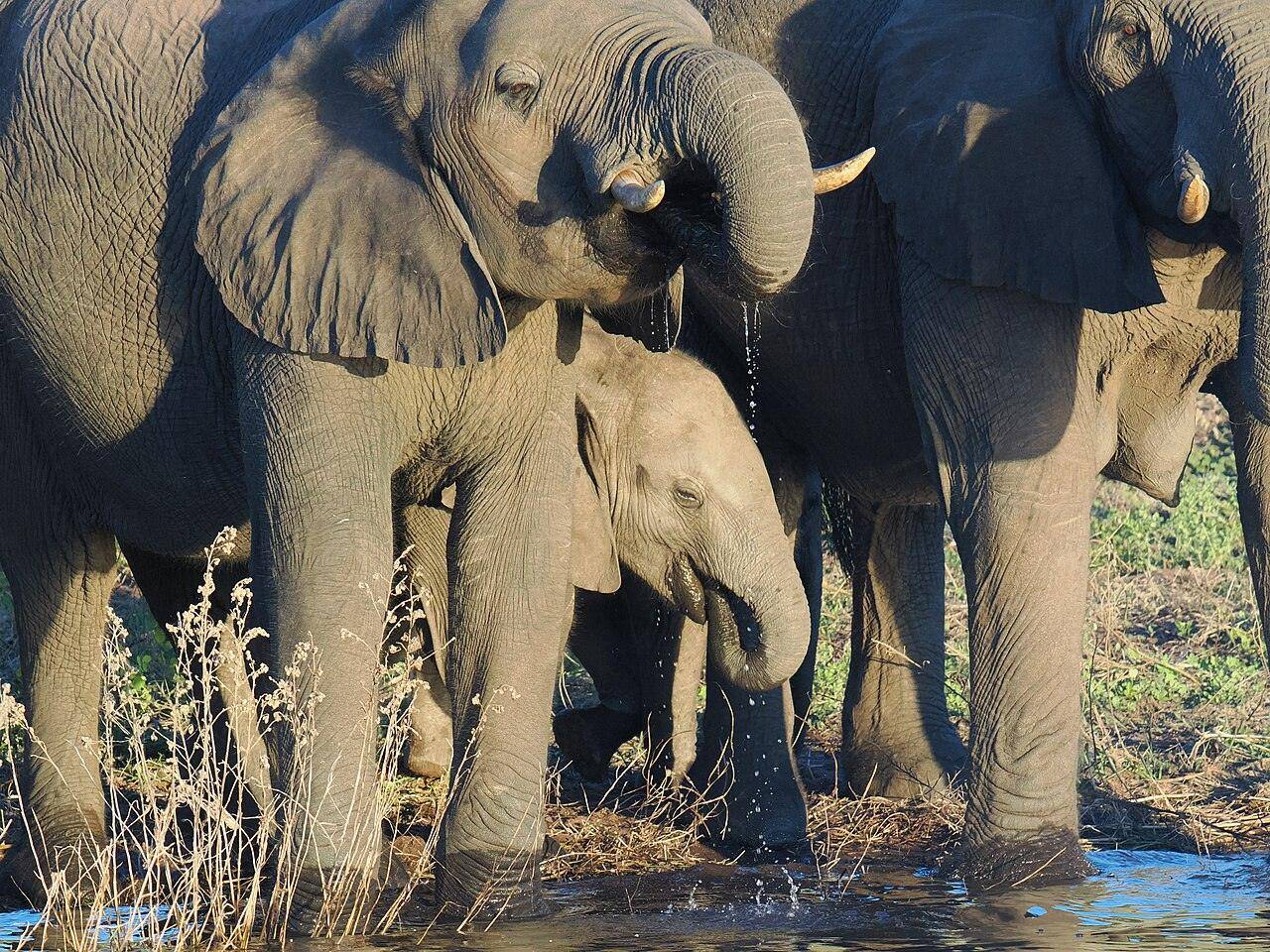
Africa's most exclusive safari: mokoro canoes through the delta channels and boats among Chobe's elephants.
 15 daysChallenging
Botswana, Victoria Falls and the Kalahari
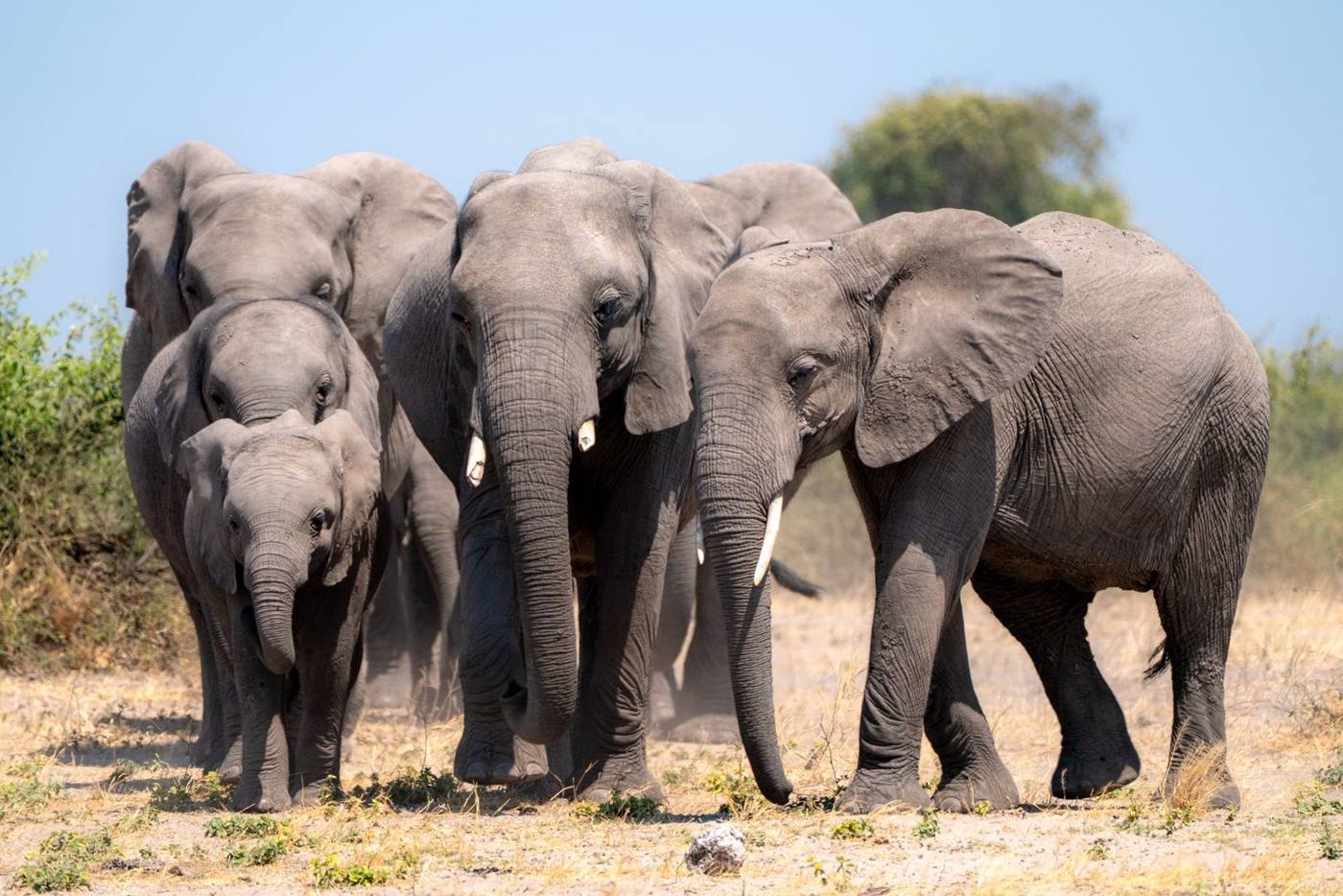
A dream journey: Victoria Falls, Chobe, the delta and the Makgadikgadi salt pans with their meerkats.
 12 daysModerate
Botswana express: Victoria Falls, Chobe and the Okavango
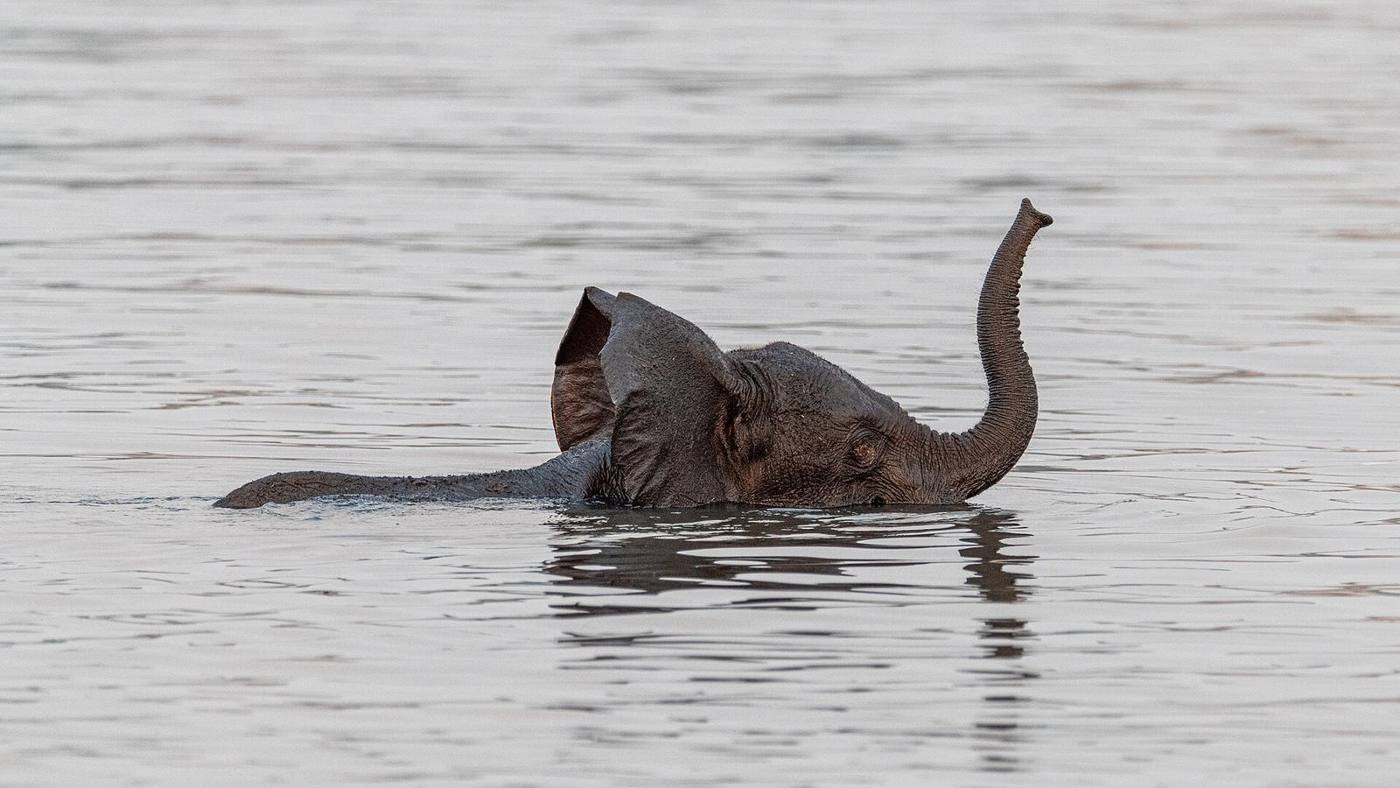
The best of Botswana in under two weeks: the falls, the Chobe elephants and the Okavango Delta by mokoro.