Botswana express: Victoria Falls, Chobe and the Okavango
The best of Botswana in under two weeks: the falls, the Chobe elephants and the Okavango Delta by mokoro.
- Victoria Falls
- Kasane
- Chobe
- Savuti
- Moremi
- Okavango
- Maun
Day by day
- Day 1
Arrival in Victoria Falls
This twelve-day trip crosses northern Botswana from east to west: it starts at the Victoria Falls, in Zimbabwe, continues along the Chobe River, across the wild plain of Savuti and through the Moremi reserve, then enters the Okavango Delta by mokoro and ends in Maun. After the falls you travel on a guided mobile safari, by 4x4, sleeping in tents at the parks' campsites.
Before you go: for Zimbabwe the visa is obtained on the official portal evisa.gov.zw or on arrival. According to the British government, the KAZA Univisa, valid for 30 days for Zimbabwe and Zambia and for short trips into Botswana, is currently issued at Victoria Falls airport and at the Victoria Falls and Kazungula borders: check the rules for Italian citizens on Viaggiare Sicuri. Italian citizens enter Botswana without a visa for tourism for up to 90 days, with a passport valid for at least six months and blank pages. Other nationalities should check their own rules. The British government does not advise against any part of Zimbabwe or Botswana; it does, however, report thefts at some lodges in the Chobe area and rising crime in Maun. The whole route is a malaria area: ask your doctor.
You land at Victoria Falls airport and travel to the town, a few kilometres from the falls. Already from the road you see the column of spray rising above the forest. Rest and, in the evening, stroll around the small, quiet centre.
Practical tip: bring US dollars in small notes, widely used in Zimbabwe for visas, entrance fees and tips. Keep your money split between several pockets.
- Day 2
The falls on foot and the Zambezi at sunset
In the morning you visit the falls from the Zimbabwe side. The Victoria Falls, called Mosi-oa-Tunya, the smoke that thunders, are a UNESCO World Heritage Site: the Zambezi, about 1,700 metres wide, plunges into a narrow, deep gorge, and the cloud of spray can be seen from kilometres away.
A path runs through the rainforest opposite the falls, with a series of numbered viewpoints. You start from the statue of David Livingstone, the Scottish explorer who in 1855 was the first European to describe them, and walk to the spot called Danger Point, above the gorge. Each viewpoint shows a different part of the drop. Check prices and times.
In the high-water season, between March and May, the mist is so thick that you get soaked and sometimes see little; at the end of the dry season, in October and November, there is less water and the basalt walls are exposed.
In the afternoon, walk to the Victoria Falls Bridge, built in 1905, which links Zimbabwe and Zambia above the gorge. Then board a boat for the sunset cruise on the Zambezi, above the falls, where the river is wide and calm, among palm-covered islands. You see hippos, crocodiles, elephants on the banks and a great many birds.
Practical tip: for the falls bring a rain jacket, a waterproof phone case and shoes that can get wet. You can hire a raincoat at the entrance.
- Day 3
The Kazungula border and the Chobe
Today you enter Botswana. A transfer takes you from Victoria Falls to the Kazungula border, in just over an hour on a road through the bush. Here you exit Zimbabwe and enter Botswana, then reach Kasane, the town on the Chobe River where you meet the guide and the 4x4 of your mobile safari.
Kazungula is a special place: here the Chobe joins the Zambezi and four countries meet, Botswana, Zambia, Zimbabwe and Namibia. The large bridge that has linked Botswana and Zambia since 2021 replaced the old ferry.
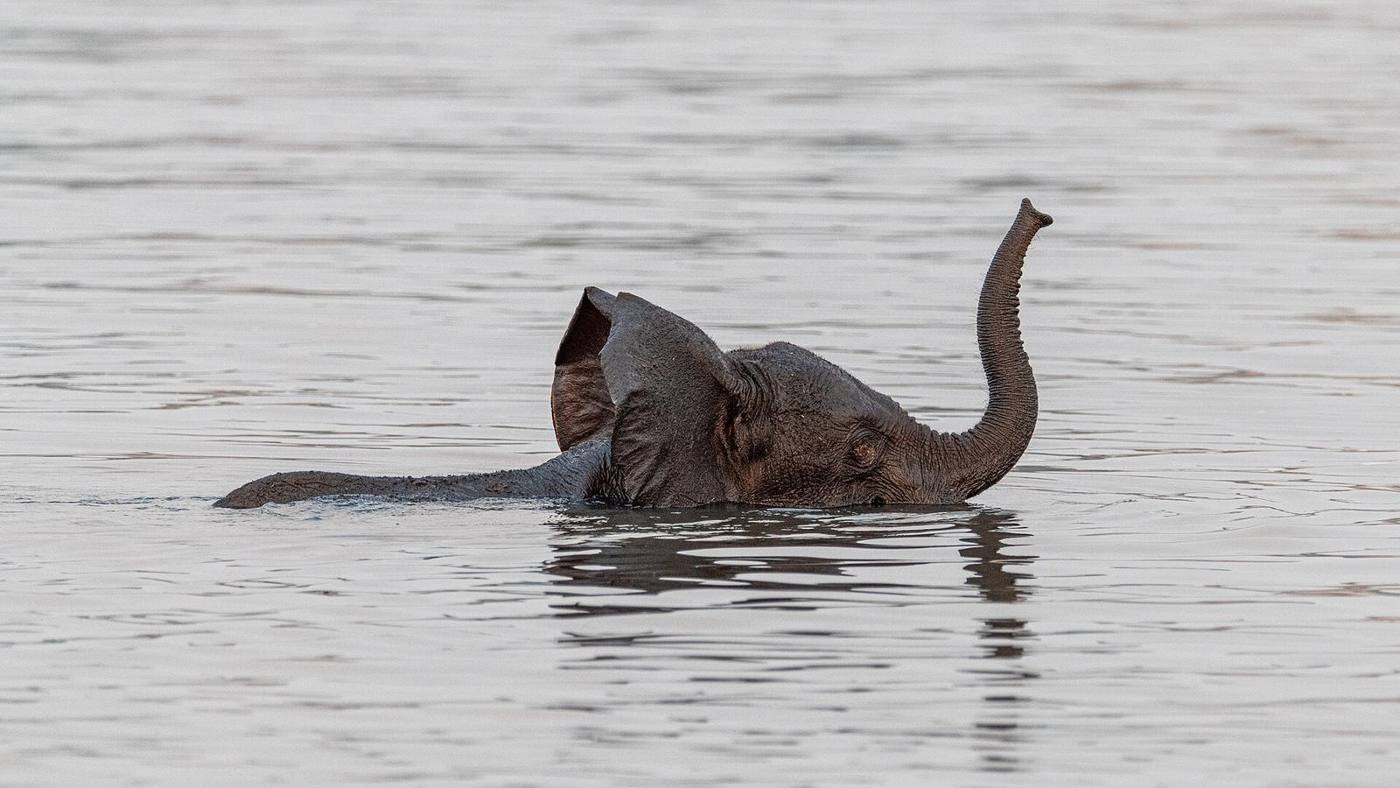
After lunch you enter Chobe National Park for your first safari along the riverfront, the part of the park along the river. It is one of the places with the most elephants in all of Africa: in the dry season the herds come down to drink in groups of dozens, with the young among the adults.
In the late afternoon, take a boat cruise on the Chobe. From the water you see elephants swimming from one bank to the other, buffalo, hippos and crocodiles, and many birds: fish eagles, storks, bee-eaters and kingfishers. At sunset the sky glows above the plains of Namibia, on the far bank.
In the evening, sleep in Kasane or at a campsite nearby.
Practical tip: at the border have your passport, Zimbabwe visa receipt and bookings ready. At the Botswana veterinary check you may be asked to step through a disinfectant footbath.
- Day 4
A full day on the Chobe River
Today you stay on the Chobe. At dawn you set off by jeep along the riverfront tracks, when the light is soft and the predators are still active. With a little luck you find a pride of lions resting after the night's hunt, or hyenas prowling around a carcass.
Along the river the flooded grasslands attract many grazers: impala, kudu, giraffes, zebras and sable antelopes, with their long curved horns. Look out too for puku, small golden-coated antelopes which in Botswana live almost only here, and red lechwe, leaping through the shallows. Fish eagles perch on dead trees near the bank, and their cry is the typical sound of African rivers.
Mid-morning you return to camp for lunch and a rest. In the hottest hours the animals stop in the shade, and you can do the same.
In the afternoon you can take a second boat cruise, to see the river in a different light, or another jeep drive. The riverfront closes at sunset: in Botswana's national parks it is forbidden to move around after dark.
In the evening the guide cooks dinner over the fire and explains the plan for the coming days, when you will leave the river for the sandy interior of the park.
Practical tip: in the midday sun wear a wide-brimmed hat and drink often. The Chobe climate is dry and the heat, especially in September and October, can be very strong.
- Day 5
The sand track to Savuti
Today you leave the river and cross the interior of Chobe National Park south-west to Savuti. It is a long day of driving, many hours on tracks of deep sand where only an experienced 4x4 driver can get through. The landscape changes: the green grasslands of the river give way to dry mopane woodland and long stretches of pale sand.
The guide lowers the tyre pressure and drives calmly, choosing the best ruts. Now and then you stop to stretch your legs at a safe spot and to watch the animals: elephants crossing the track, giraffes among the trees, herds of impala.
In the afternoon you reach Savuti, one of the wildest areas of Botswana. At its centre is the Savuti Channel, a watercourse that stays dry for long periods and then, years later, flows again, changing the whole landscape. Around it opens the Savuti plain, a vast grassland with scattered trees and rocky hills.
You pitch your tent at the campsite, which has no fences: animals can walk between the tents, especially elephants, which come looking for water. In the evening around the fire you hear hyenas calling and, sometimes, lions roaring.
Practical tip: at unfenced campsites never leave food, fruit or rubbish in your tent. Elephants can smell oranges from a long way off and may break everything to get them.
- Day 6
Savuti, land of lions
Today you explore Savuti with your guide, starting at dawn. This area is famous for its lions, which live in large prides and are known for hunting very large prey, such as buffalo and, in the dry season, even young elephants. Hyenas, leopards, cheetahs and wild dogs also live here.
The guide follows the tracks along the channel and the marsh, where animals gather to drink and graze. In the dry season large groups of bull elephants arrive and gather around the waterholes. In the rainy season, by contrast, Savuti is a stop on the zebra migration, with thousands arriving with the first rains.
Mid-morning, visit the Gubatsa hills, rocky outcrops rising from the plain. On some rock faces you can see ancient San rock paintings, with figures of animals. Look at them without touching them and without wetting them for photos.
In the hot hours, rest at camp in the shade. In the afternoon, stop near a waterhole and wait in silence: elephants, zebras, wildebeest, giraffes and impala arrive, and at sunset the predators.
Return to camp before dark, as the park rules require.
Practical tip: at the Savuti waterholes bull elephants can be nervous when water is scarce. Always leave them space and do as your guide says: he will switch off the engine or move away slowly if an elephant raises its ears and shakes its head.
- Day 7
Towards Moremi along the Khwai River
Today you leave Savuti heading south-west, on more sandy tracks, to the area of the Khwai River, on the north-eastern edge of the Moremi reserve. The road crosses mopane woodland and small villages, and the journey takes much of the morning.
The Khwai is a quiet river, with deep pools, flooded grasslands and big trees on its banks. The river marks the boundary between the Moremi reserve, on the south bank, and an area run by a local community, on the north bank, where the villages take part in managing tourism.
In the afternoon, take a jeep drive along the river. Here you see hippos snorting in the water, elephants crossing, herds of impala and lechwe and a great many birds: storks, crowned cranes, herons and eagles. The area is also known for leopards and for wild dogs, which sometimes have their dens nearby.
At sunset the golden light on the water and the trees creates one of the most beautiful landscapes of the trip. Return to camp before dark.
In the evening you listen to the chorus of frogs and the grunting of hippos in the river. At night elephants often pass close to the tents.
Practical tip: at night do not leave your tent unless you have to. If you must, first look around with a powerful torch, and call the guide if you hear animals close by.
- Day 8
Moremi, the heart of the delta on dry land
Today you enter the Moremi reserve and cross it westwards, towards the lagoons of Xakanaxa or the Third Bridge area. Moremi is the richest part of the delta for wildlife: here dry land meets the channels of the Okavango, forming a mosaic of lagoons, islands, grasslands and woods.
The reserve was created in the 1960s on the initiative of the Batawana people, to protect their hunting grounds. Today it is one of the best places in Africa to see wild dogs, which hunt in packs early in the morning, and it is home to lions, leopards, hyenas, buffalo, elephants and a great many antelopes.
Set off at dawn for the jeep safari. Along the tracks you see zebras, wildebeest, tsessebe, impala and giraffes in the open areas, and lions often resting on the tracks after the hunt. Look carefully at the trees: leopards carry their prey up into the branches to protect it from hyenas.
If the water is high, in the Xakanaxa area you can take a boat trip through the papyrus channels, with hippos and heronries where hundreds of birds nest in the same trees. Check prices and times with your guide.
At sunset, stop in an open spot and switch off the engine. Then return to camp: in Moremi driving after dark is forbidden.
Practical tip: bring binoculars for each person and a camera with a good telephoto lens. In Moremi many animals are seen at a distance, across the water.
- Day 9
By mokoro into the Okavango Delta
Today you leave Moremi and drive south-west to Maun, where you leave the 4x4 and your heavier luggage. A transfer then takes you to a launching point on the edge of the delta, where the polers are waiting with their mokoros.
The mokoro is the traditional canoe of the delta, once carved from a tree trunk and today often made of fibreglass. The poler, standing at the stern, pushes it with a long pole against the sandy bottom, in silence, among reeds, papyrus and water lilies. You sit low, almost at water level. Before setting off the poler shows you how to sit and keep your balance, and packs the luggage, tents and food in waterproof bags.
The Okavango Delta, a UNESCO World Heritage Site, is formed by a river that comes down from the highlands of Angola and, instead of reaching the sea, spreads out into the sand of the Kalahari. Water from the Angolan rains arrives here months later, so the delta is fullest in the dry season, between June and August.
After a couple of hours on the water you reach an island, where you pitch your tent at a simple camp, with no fences and no facilities. In the late afternoon you take a short walk with the guide and then watch the sunset over the water.
Practical tip: in the mokoro keep your hands inside the canoe and do not move suddenly. If there is a hippo, the poler changes course: always follow his instructions.
- Day 10
A day on the islands of the delta
Today you stay in the delta. At dawn, in the cool light, you take a walking safari on the island with your guide, in single file and in silence. On foot you learn to read the bush: tracks in the sand, dung, giant termite mounds on which palms often grow, branches broken by elephants.
Zebras, wildebeest, giraffes, impala and elephants live on the islands, but on foot the animals are shyer and are seen from a distance. What matters is the experience of walking in the same territory as the animals, listening to every sound. If you meet a dangerous animal, never run and follow the guide's instructions.
In the hot hours, rest in the shade at camp and do not swim in the channels: crocodiles and hippos live in the waters of the delta.
In the afternoon, go out again by mokoro through the channels. Look at the small creatures you do not notice from a vehicle: painted frogs clinging to the reeds, dragonflies, diving kingfishers, and the jacana walking on the water lily leaves.
In the evening, after dinner cooked over the fire, look up at the starry sky. Far from city lights the Milky Way is bright and the Southern Cross is easy to see.
Practical tip: at the island camp bring a head torch, wet wipes and a bag to carry all your rubbish back to Maun.
- Day 11
Maun and a flight over the delta
In the morning you return by mokoro to the launching point and then to Maun, where you collect your luggage and enjoy a hot shower. Maun lies on the Thamalakane River and is the town closest to the delta, the centre of tourism in northern Botswana.
In the afternoon, if you like, book a scenic flight over the delta, by small plane or helicopter. From above you truly understand the size of the Okavango: a maze of blue channels, green islands, round pools and game trails stretching to the horizon. You see herds of elephants and buffalo, giraffes among the trees and hippos in the pools. It is often the strongest memory of the whole trip. Check prices and times and book a day ahead.
Later, take a walk along the Thamalakane, where at sunset you see herons, storks and the odd hippo, or visit the town centre, with its markets and craft shops. Here you find Botswana's woven baskets, made from palm leaves and decorated with traditional patterns.
This is the last evening of the trip: celebrate the end of the safari with dinner in town.
Practical tip: for the scenic flight ask for a window seat and, if the aircraft has no doors or opening windows, keep a firm grip on your phone and camera.
- Day 12
Departure from Maun
Today you leave from Maun airport, usually with a stop in Johannesburg. If your flight is in the afternoon, use the morning for a last walk by the river or to buy a few souvenirs: woven palm baskets, wooden carvings and colourful fabrics.
In these twelve days you have seen essential Botswana: the Victoria Falls and the Zambezi at sunset, the Chobe elephants from the boat and the jeep, the sand track and the lions of Savuti, the Khwai River, the lagoons of Moremi and the nights in a tent on the islands of the delta, reached by mokoro. It is an intense and varied safari, with many hours on the tracks and simple camps, but with a closeness to nature that few trips offer.
When to go: the best period is May to October, in the dry season. The delta holds the most water between June and August, the best time for the mokoro; September and October are the best months for wildlife, which gathers around water, but it is very hot. From November to April it rains, some Savuti tracks become difficult and the falls are fullest between March and May.
Practical tip: continue your antimalarials after you get home, for as long as your doctor told you. If you have a fever after the trip, see a doctor straight away and tell them you have been in a malaria area.
Essential Botswana. The scenic flight over the delta costs around €150 and is what you'll remember most: do it. Season: May-October, with the delta fullest from June to August.
Before you go
- Documents and visa
- Passport valid for at least six months from arrival, with blank pages for stamps. Italian citizens enter without a visa for tourism, for stays of up to 90 days. Children must carry their full birth certificate, original or certified copy, and if travelling without one parent, written consent with a copy of that parent's ID. Cash of 10,000 pula or more must be declared on arrival.
- Health and vaccines
- The north of the country, including the Okavango Delta and Chobe, is a malaria area: ask your doctor about antimalarials. A yellow fever vaccination certificate is required if you arrive from a country with a risk of transmission. You need insurance covering medical costs and evacuation, because the parks are far from hospitals. Emergencies: 999 police, 997 ambulance, 998 fire.
- Money and payments
- Botswana pula. Cards work in towns and lodges; there are no ATMs in the parks or remote areas, so withdraw cash in Maun or Kasane before you set off.
- Power sockets
- Types D and G, 230 volts: type G is the British plug, so British plugs fit those sockets.
- Time zone
- UTC+2 all year.
- Safety
- The United States asks travellers to exercise increased caution in Botswana, level 2, because of crime. The British government does not advise against any part of the country, but reports rising crime in Gaborone, Francistown and Maun and thefts at some lodges in the Chobe area. Wild animals and livestock cross the roads: do not drive at night outside towns and always follow park rules. Official advice: GOV.UK.
Information checked in November 2026 for Italian and EU citizens. Rules change: always check before you travel.
Variations
In 9 days: skip Savuti and fly directly from the Chobe to Moremi by small plane.
In 15 days: add the Makgadikgadi salt pans, with their meerkats, after Maun.
Frequently asked questions
Do you need a visa for the Victoria Falls?
For Zimbabwe the visa is obtained on the official portal evisa.gov.zw or on arrival. According to the British government, the KAZA Univisa, for Zimbabwe and Zambia, is currently available at Victoria Falls airport and at Kazungula. Check the rules for Italian citizens on Viaggiare Sicuri before you leave.
Is it a comfortable trip?
It is of medium difficulty: there are many hours on deep sand tracks and you sleep in tents at unfenced campsites. A mobile safari with a guide and a cook makes everything simpler, but you need to be adaptable.
When is the delta fullest?
Between June and August, in the dry season: water from the Angolan rains reaches the delta months later. It is the best time for the mokoro.
Indicative itinerary written by World Atlas. Before booking, check timetables, seasonal openings, documents and safety.
 7 daysChallenging
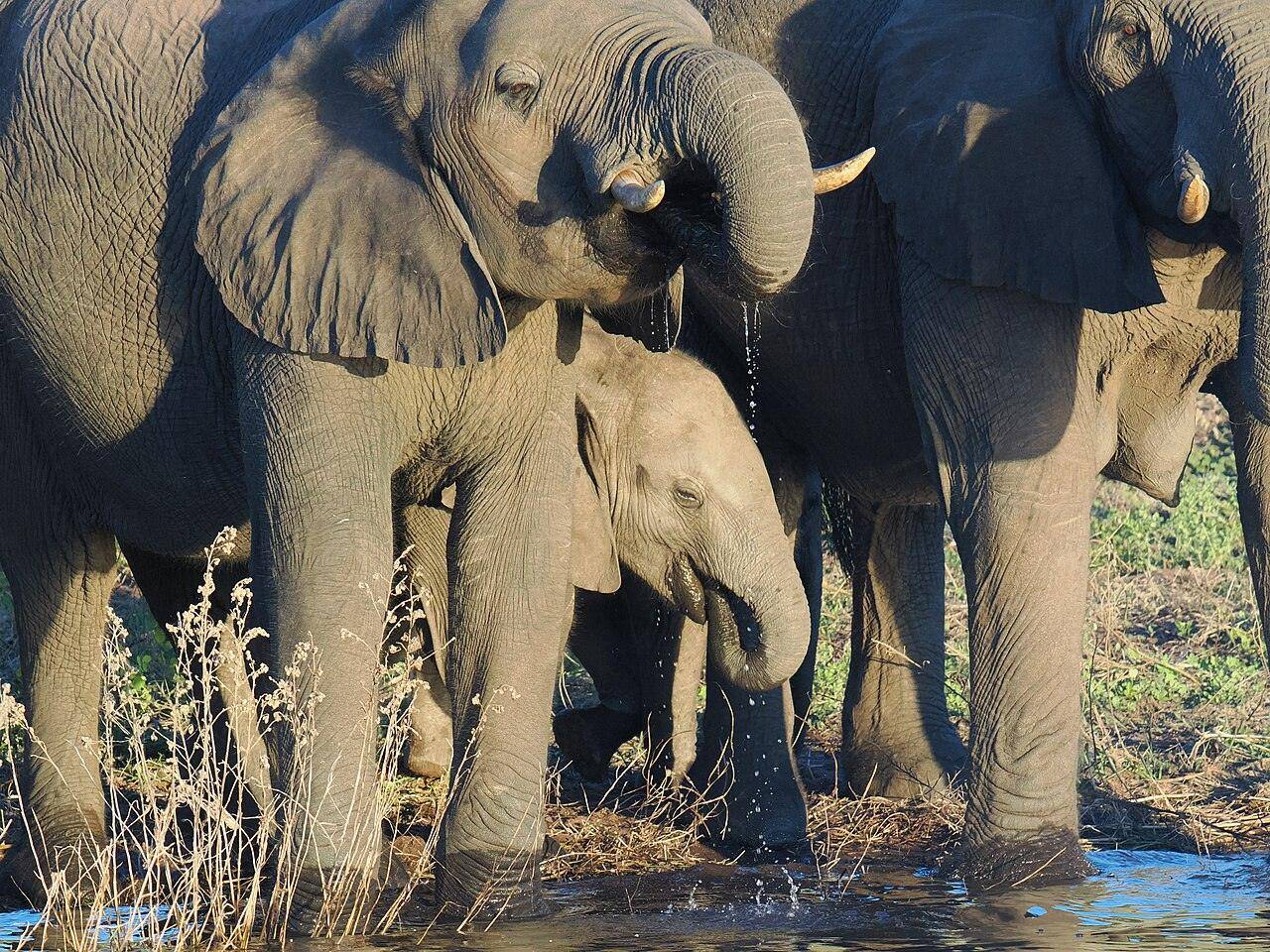
Okavango and Chobe
Africa's most exclusive safari: mokoro canoes through the delta channels and boats among Chobe's elephants.
 15 daysChallenging
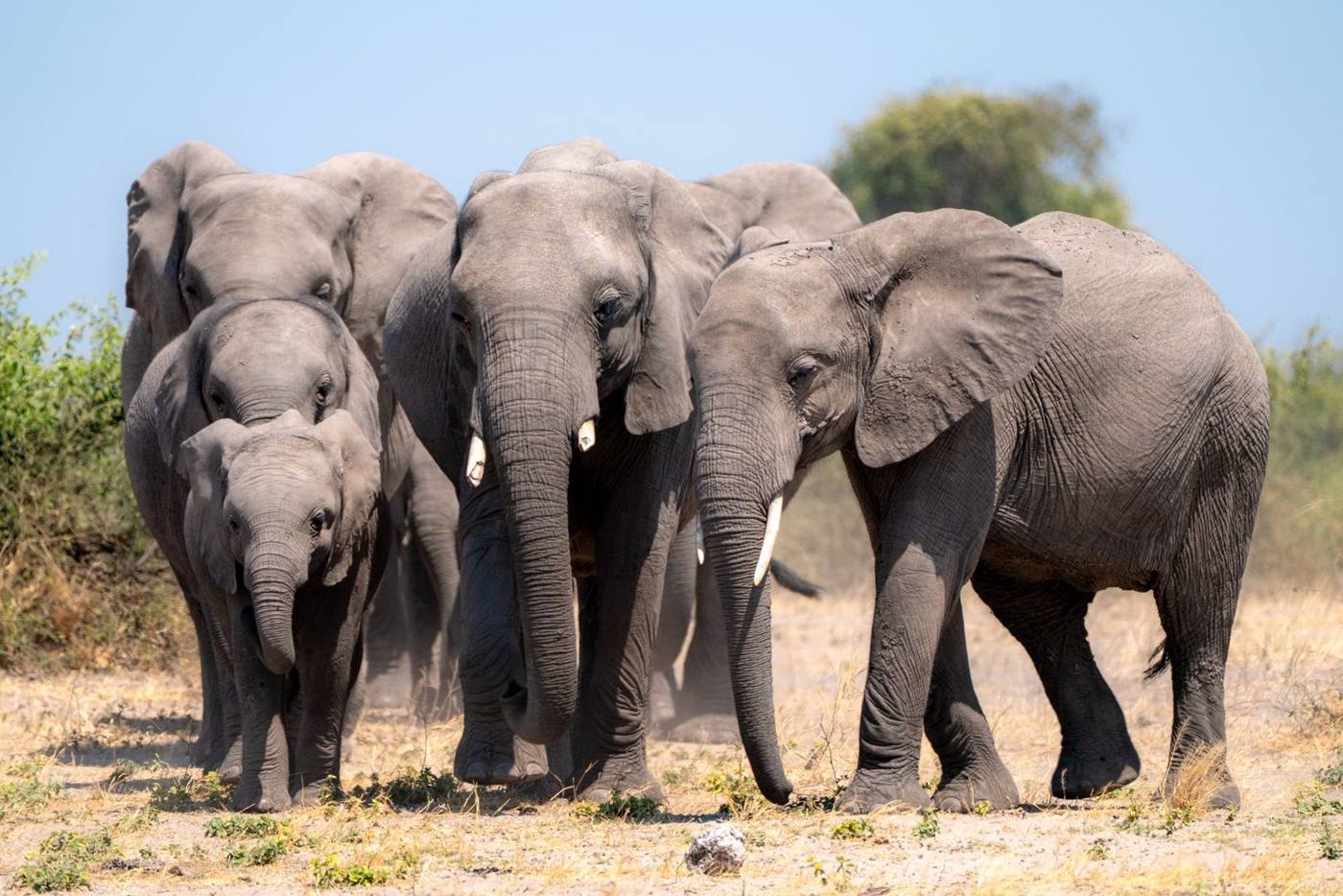
Botswana, Victoria Falls and the Kalahari
A dream journey: Victoria Falls, Chobe, the delta and the Makgadikgadi salt pans with their meerkats.
 17 daysChallenging
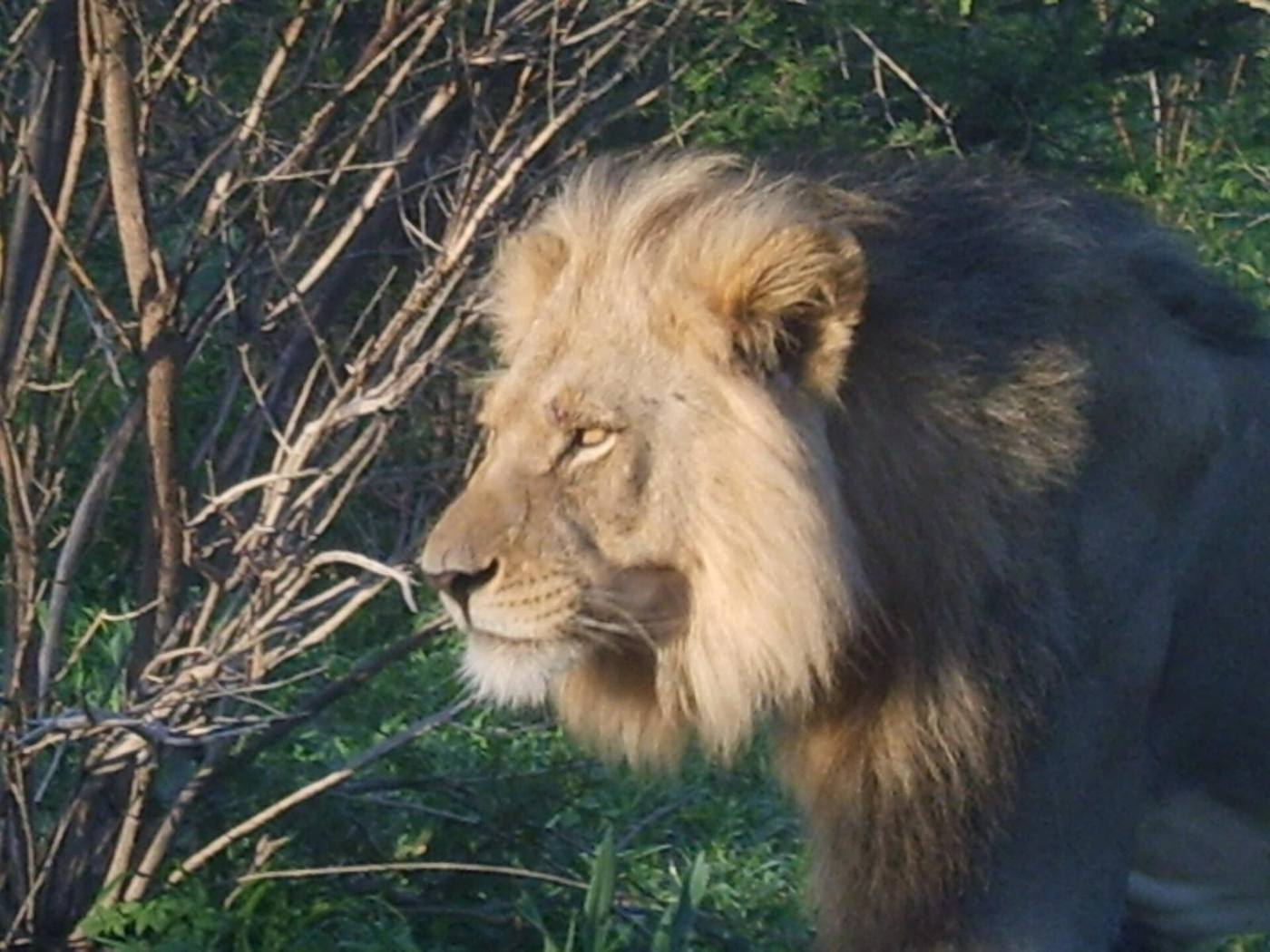
Botswana by 4x4: the Kalahari, the Okavango, Savuti and Chobe
The full crossing from Johannesburg to Victoria Falls, driving on sand and sleeping in the parks' unfenced camps.