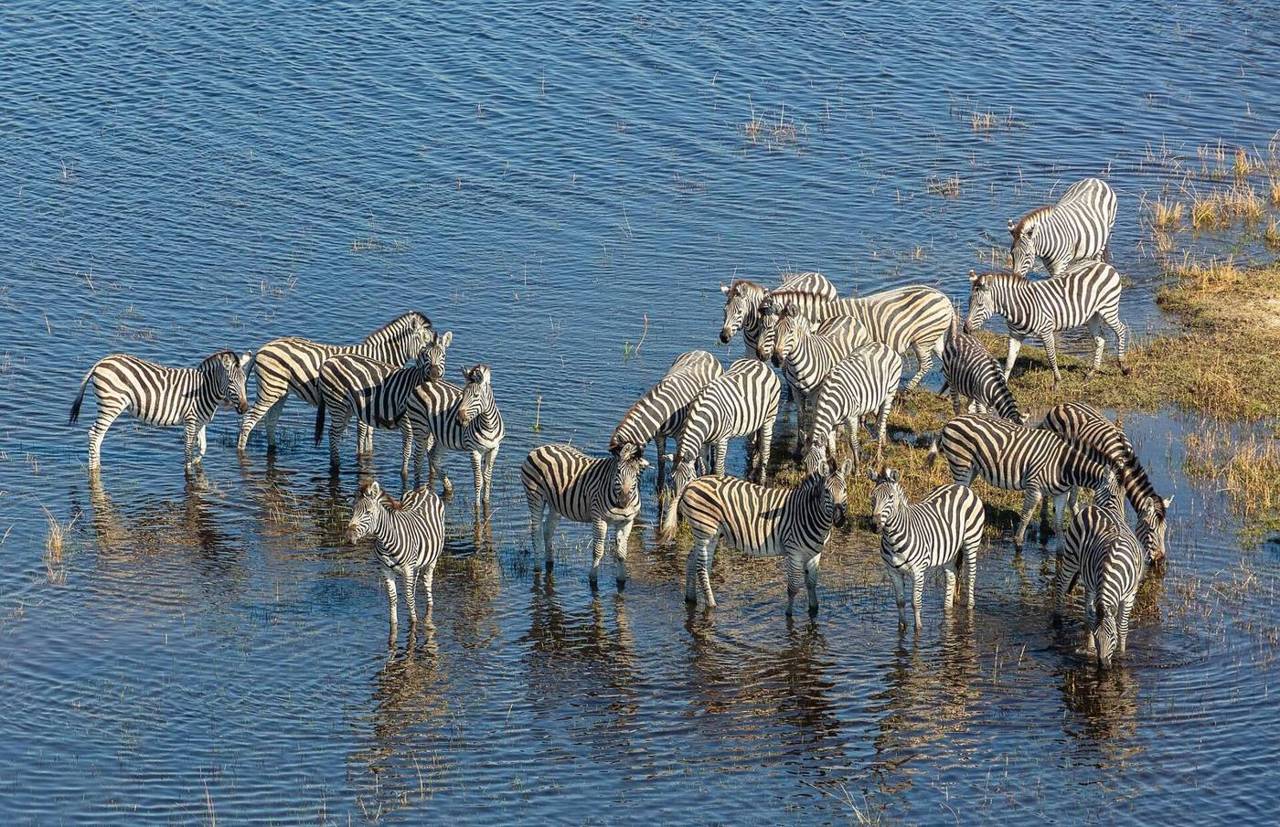
Botswana in lodges, with flights over the delta
Botswana without tents or rough tracks: lodges on the Chobe and in the heart of the Okavango, reached by small planes.
- Victoria Falls
- Chobe
- Okavango
- Maun
Day by day
- Day 1
Victoria Falls and a first evening on the Zambezi
This twelve-day trip is Botswana at its most comfortable: no tents and no long sand tracks. You start with two nights at a hotel on the Zambezi at the Victoria Falls, in Zimbabwe, then spend three nights at a lodge on the Chobe River and four at two lodges in the Okavango Delta, reached by small plane, before ending in Maun.
Before you go: for Zimbabwe the visa is obtained on the official portal evisa.gov.zw or on arrival. According to the British government, the KAZA Univisa, valid for 30 days for Zimbabwe and Zambia, is currently issued at Victoria Falls airport and at the Kazungula border: check the rules for Italian citizens on Viaggiare Sicuri. Italian citizens enter Botswana without a visa for tourism for up to 90 days, with a passport valid for at least six months from arrival and blank pages. Other nationalities should check their own rules. The British government does not advise against any part of Zimbabwe or Botswana, but reports thefts at some lodges in the Chobe area. The whole route is a malaria area: ask your doctor.
You land at Victoria Falls airport and travel to your hotel on the banks of the Zambezi, above the falls. In the afternoon, rest on the terrace, watching the wide, slow river among palm-covered islands.
At sunset, board a boat for a cruise on the Zambezi. You see hippos surfacing, crocodiles on the banks, sometimes elephants crossing to the islands, and in the distance the cloud of spray from the falls turning pink in the last light.
Practical tip: bring US dollars in small notes, widely used in Zimbabwe for tips and small purchases.
- Day 2
The Victoria Falls
Today you visit the falls at leisure. Set off early, when there are fewer visitors and the morning light often forms a rainbow in the mist. The Victoria Falls, Mosi-oa-Tunya in the local language, the smoke that thunders, are a UNESCO World Heritage Site: the Zambezi, about 1,700 metres wide, plunges all at once into a narrow, deep gorge.
On the Zimbabwe side a well-kept path crosses the rainforest opposite the drop, fed by the constant spray. There are many viewpoints, each with a different view: the Devil's Cataract, the Main Falls, the Rainbow Falls. Walk slowly and stop at each one. Check prices and times.
In the afternoon, if you like, book a short helicopter flight over the falls. From above you understand the shape of the gorge, which after the drop zigzags between basalt walls, and you see the Zambezi arriving wide and calm before vanishing into the void. Check prices and times.
Later, walk to the Victoria Falls Bridge, built in 1905, suspended above the gorge between Zimbabwe and Zambia. From the bridge you see the falls side-on and the river boiling at the bottom of the gorge.
In the evening, have a relaxed dinner at the hotel, hearing the distant roar of the water.
Practical tip: between March and May, at high water, you get completely soaked: bring a rain jacket or hire one at the entrance, and a waterproof phone case. In October and November there is less water and you only need sun protection.
- Day 3
To the Chobe and a first cruise
In the morning a transfer takes you from Victoria Falls to the Kazungula border, where you leave Zimbabwe and enter Botswana, and then on to Kasane, on the Chobe River, in just over an hour and a half in all. Your lodge stands on the riverbank, near the entrance to Chobe National Park.
The Chobe, Botswana's first national park, has one of the largest elephant populations in Africa. The area along the river, the riverfront, is the richest in wildlife, especially in the dry season, when the pools inland dry up and the animals come down to the river.
After lunch and a rest, in the afternoon you board the lodge's boat for your first cruise on the Chobe. It is the most relaxing way to watch wildlife: the boat glides along the banks and the grassy islands, and you watch the elephants drinking, playing in the mud and swimming across the river, trunks raised. You also see buffalo, hippos, crocodiles and a great many birds.
At sunset the river turns golden and the outlines of the elephants stand out against the sky. On the far bank lie the plains of Namibia.
Practical tip: at the border have your passport and bookings ready. The British government reports thefts at some riverside lodges in the Chobe area: always lock your room and use the safe.
- Day 4
A jeep safari at dawn and a photo boat
Today the alarm goes off early. After a coffee by the river, you enter Chobe National Park in an open jeep with the lodge guide, as soon as the gates open. The first hours are the best for predators: lions returning from the hunt, sometimes hyenas or a leopard slipping away among the trees.
The sandy tracks follow the river through woods and grasslands. You see giraffes bending down to drink, herds of impala, kudu with spiral horns, sable antelopes, zebras and puku, small golden-coated antelopes which in Botswana are found almost only here. Fish eagles, vultures and hornbills perch on the branches.
Mid-morning you return to the lodge for a hearty breakfast and a rest in the hot hours, by the pool or in your room. Many riverside lodges have a terrace from which you can watch animals pass without moving.
In the afternoon, try a cruise on a boat equipped for photography, with few seats and swivel mounts for cameras. The boat edges slowly towards the bank and waits: an elephant washing, a kingfisher diving, a crocodile basking with its jaws open.
Practical tip: for photography from the boat bring a medium telephoto lens and set a fast shutter speed, because the boat is always moving slightly. Protect your equipment from spray with a bag.
- Day 5
A slow day on the Chobe
Today you enjoy the rhythm of the river. At dawn you can take another jeep safari in the park, or stay at the lodge and watch the morning light on the water, with the birds waking up and the hippos returning to the river after grazing all night.
In the late morning, visit Kasane, the small town on the river. Here you find craft shops with Botswana's woven baskets, made from palm leaves and decorated with traditional patterns, wooden carvings and fabrics. Kasane is also the right place to withdraw cash in pula before the delta, where there are no ATMs.
In the afternoon, head out on the river again, by boat or jeep, for your last safari on the Chobe. In the dry season, towards late afternoon, herds of elephants come down to the bank in long lines, one after another, and the river fills with animals. It is the spectacle that made this park famous.
In the evening, pack for tomorrow. On the small planes into the delta weight is limited, usually around 20 kilos per person, and only soft bags are accepted. The rest can stay in storage and meet you in Maun: ask the lodge how to arrange it.
Practical tip: check the exact weight limit when you book the flights. Wear your heaviest shoes and your jacket on the flight, so your bag weighs less.
- Day 6
A flight over the Okavango Delta
Today a small plane takes you from Kasane to the Okavango Delta. The flight is already a safari: below you the Chobe savannah gives way to a world of water, with blue channels, green islands, round pools and game trails. Look carefully: you often see elephants, buffalo and hippos.
The Okavango Delta, a UNESCO World Heritage Site, is formed by a river that comes down from the highlands of Angola and, instead of reaching the sea, disappears into the sand of the Kalahari. Water from the Angolan rains arrives here months later, so the delta is fullest in the dry season, between June and August, just when the rest of the country is parched.
You land on a dirt airstrip and the lodge guide is waiting with a 4x4. The first lodge stands in a private concession in the wettest part of the delta, which only guests of a few camps may enter. The rooms are large luxury tents or chalets on stilts, with a private bathroom and a view over the water.
In the late afternoon, take your first mokoro trip, in the traditional canoe pushed silently by a poler standing with a long pole. You glide among reeds and water lilies, and see the small painted frogs, kingfishers and lechwe antelopes leaping through the shallows.
Practical tip: in the mokoro stay seated and still, with your hands inside the canoe. If there is a hippo, the poler changes course: always follow his instructions.
- Day 7
The delta by mokoro and by boat
Today you explore the delta from the water. Early in the morning you get back into the mokoro and cross the channels to a nearby island. Here you take a walking safari with your guide, in single file and in silence, learning to read the signs: fresh tracks, giant termite mounds with palms, branches broken by elephants. In the private concessions walking safaris are only allowed with licensed guides.
On foot the animals are seen from further away, but you hear everything: the call of a fish eagle, the snort of a hippo, antelopes rustling through the grass. If you meet a dangerous animal, never run and do exactly what your guide says.
You return to the lodge for a late lunch and a rest in the hot hours. From the terrace you often see elephants crossing the shallows and lechwe grazing on the islands.
In the afternoon, if the water is deep enough, take a motorboat trip along the wider channels and lagoons. In the areas of tall papyrus you see hippos, crocodiles and heronries, where many birds nest in the same trees. At sunset the boat stops in an open lagoon for drinks on the water.
Practical tip: for the walking safari wear neutral colours, such as green, beige or brown, and comfortable closed shoes. Avoid white and very bright colours.
- Day 8
The second lodge and dry land
Today a short flight takes you to the second lodge, in another private concession, in an area where the delta meets dry land: large islands, grasslands, mopane woodland and waterholes. Here safaris are mainly by jeep, and the range of animals is different from that of the first lodge.
Combining a water lodge and a land lodge is the best way to see the whole delta. The dry areas are home to the big predators: lions, leopards, cheetahs, hyenas and wild dogs, of which the delta holds one of the most important populations in Africa.
In the afternoon, take your first safari in an open jeep. Private concessions have different rules from the national parks: the guide may leave the track to follow an animal, with respect for the environment, and there are few vehicles at each sighting. You see zebras, wildebeest, tsessebe, giraffes, elephants and, with a little luck, a pride of lions.
At sunset the jeep stops in an open spot for drinks in the bush. Then, on the way back, the guide switches on the spotlight for the night drive, which is allowed in private concessions: you look for bushbabies, genets, springhares, hyenas and sometimes a hunting leopard.
Practical tip: in the evening it is cold in the jeep from June to August. Bring a fleece, a hat and a windproof jacket, even if the days are hot.
- Day 9
On the trail of predators
Today is devoted to predators. You set off at dawn with the guide and the tracker, the expert who reads the footprints. They often follow the tracks of a lion or leopard that passed in the night, reading the direction of the prints and listening for the alarm calls of impala, baboons and birds.
Following a trail takes patience, but when the jeep stops and in front of you there is a leopard on a branch or a pack of wild dogs getting ready to hunt, you understand why the delta is considered one of the best places in the world for safaris.
Mid-morning you return to the lodge for breakfast and a rest. In the hot hours you can stay by the pool, read on the terrace or spend some time in a hide near the lodge's waterhole, where animals come to drink.
In the afternoon, go out again by jeep. Stop near a waterhole at sunset: the elephants arrive first, then zebras and wildebeest, approaching cautiously, alert to hidden predators. In the evening, after dinner, you listen to the sounds of the night around the fire: a lion's roar can be heard kilometres away.
Practical tip: ask your guide to explain the tracks and alarm calls. After a few days you too will recognise the prints of lion, hyena and leopard, and the safari becomes more interesting.
- Day 10
The last full day in the delta
You can plan your last full day in the delta as you like, with your guide. Many choose a long jeep safari, with breakfast brought into the bush and served in the shade of a big tree, to go further from the lodge and look for the animals still missing from your list.
If the lodge allows it, you can combine an early morning walking safari, when the bush is cool, with a mokoro trip on the nearby lagoons, if the water level allows. Each activity shows a different side of the delta: from the jeep you see the big animals, on foot the tracks and plants, by mokoro the world of the channels.
In the hot hours, rest and enjoy the lodge. Watch the birds around the rooms: glossy starlings, hornbills, doves and, in the evening, small owls.
In the afternoon, take your last jeep safari. At sunset the guide picks a special spot for the last drinks in the bush: a plain with palms, a lagoon with hippos, or a termite mound with a view far into the distance. The sky turns orange and pink, then the stars come out.
In the evening, thank the guides, trackers and staff who looked after you. Tips are usually given at the end of the stay.
Practical tip: ask the lodge how tipping works, whether there is a shared box for the staff and whether you can tip in pula, dollars or euros.
- Day 11
Maun
In the morning, take a last short drive in the bush, then a small plane flies you back to Maun, the town that is the gateway to the delta, on the banks of the Thamalakane River. Here you collect the luggage you left in storage.
Maun is not a beautiful town, but it is lively and full of safari stories. In the afternoon, visit the centre, with its market and craft shops, where you find woven palm baskets, wooden carvings and jewellery made from ostrich eggshell. Or take a walk along the Thamalakane, where at sunset you see herons, storks and the odd hippo.
If you want to see the delta from above once more, you can book a scenic flight by small plane or helicopter from Maun airport. In an hour you see the channels, islands and animals, and understand the shape of the delta, which opens like a hand over the Kalahari. Check prices and times.
In the evening, sleep at a riverside lodge on the outskirts of town and celebrate the end of the trip with a quiet dinner.
Practical tip: the British government reports rising crime in Maun. In the evening, use a licensed taxi or the lodge transfer, keep the doors locked and valuables out of sight.
- Day 12
Departure from Maun
Today you leave from Maun airport, usually with a stop in Johannesburg. If your flight is in the afternoon, enjoy a last breakfast on the terrace, watching the river.
In these twelve days you have seen Botswana in the most comfortable way: the Victoria Falls and the cruise on the Zambezi, the Chobe elephants from the boat and the jeep, the flight over the delta, the channels by mokoro and the walking safaris at the water lodge, then the predators and the night drives at the land lodge. Comfort really makes a difference here: the lodges in the private concessions offer a closeness to nature and a quality of guiding that you do not get from camping. It is also the most expensive safari on the continent.
When to go: the best period is June to October, in the dry season. The delta holds the most water between June and August, the best time for the mokoro; September and October are excellent for wildlife, which gathers near water, but it is very hot. From November to March it rains, the bush is green and full of young animals, and the lodges lower their prices. The falls are fullest between March and May.
Practical tip: continue your antimalarials after you get home, for as long as your doctor told you, and if you have a fever in the following weeks see a doctor straight away.
Botswana is the African country where comfort makes the biggest difference: lodges inside the delta offer an experience camping can't. It's also the continent's most expensive safari. On the small planes luggage is limited to about 20 kg in a soft bag.
Before you go
- Documents and visa
- Passport valid for at least six months from arrival, with blank pages for stamps. Italian citizens enter without a visa for tourism, for stays of up to 90 days. Children must carry their full birth certificate, original or certified copy, and if travelling without one parent, written consent with a copy of that parent's ID. Cash of 10,000 pula or more must be declared on arrival.
- Health and vaccines
- The north of the country, including the Okavango Delta and Chobe, is a malaria area: ask your doctor about antimalarials. A yellow fever vaccination certificate is required if you arrive from a country with a risk of transmission. You need insurance covering medical costs and evacuation, because the parks are far from hospitals. Emergencies: 999 police, 997 ambulance, 998 fire.
- Money and payments
- Botswana pula. Cards work in towns and lodges; there are no ATMs in the parks or remote areas, so withdraw cash in Maun or Kasane before you set off.
- Power sockets
- Types D and G, 230 volts: type G is the British plug, so British plugs fit those sockets.
- Time zone
- UTC+2 all year.
- Safety
- The United States asks travellers to exercise increased caution in Botswana, level 2, because of crime. The British government does not advise against any part of the country, but reports rising crime in Gaborone, Francistown and Maun and thefts at some lodges in the Chobe area. Wild animals and livestock cross the roads: do not drive at night outside towns and always follow park rules. Official advice: GOV.UK.
Information checked in November 2026 for Italian and EU citizens. Rules change: always check before you travel.
Variations
In 8 days: one night at the Victoria Falls, two on the Chobe and three at a single lodge in the delta.
In 15 days: add three nights at a lodge on the Makgadikgadi salt pans, with meerkats and the vast spaces of the Kalahari.
Frequently asked questions
How much luggage can you take on the delta flights?
The limit is low, usually around 20 kilos per person including hand luggage, in a soft bag without rigid wheels. Check the exact limit when you book and leave the rest in storage.
Why two lodges in the delta?
A lodge in a water area offers mokoro and boat trips, one on dry land offers jeep safaris, predators and night drives. Together they show the whole delta.
Do you need a visa for the Victoria Falls?
For Zimbabwe the visa is obtained on the official portal evisa.gov.zw or on arrival. According to the British government, the KAZA Univisa is currently available at Victoria Falls airport and at Kazungula. Check the rules for Italian citizens on Viaggiare Sicuri.
Indicative itinerary written by World Atlas. Before booking, check timetables, seasonal openings, documents and safety.
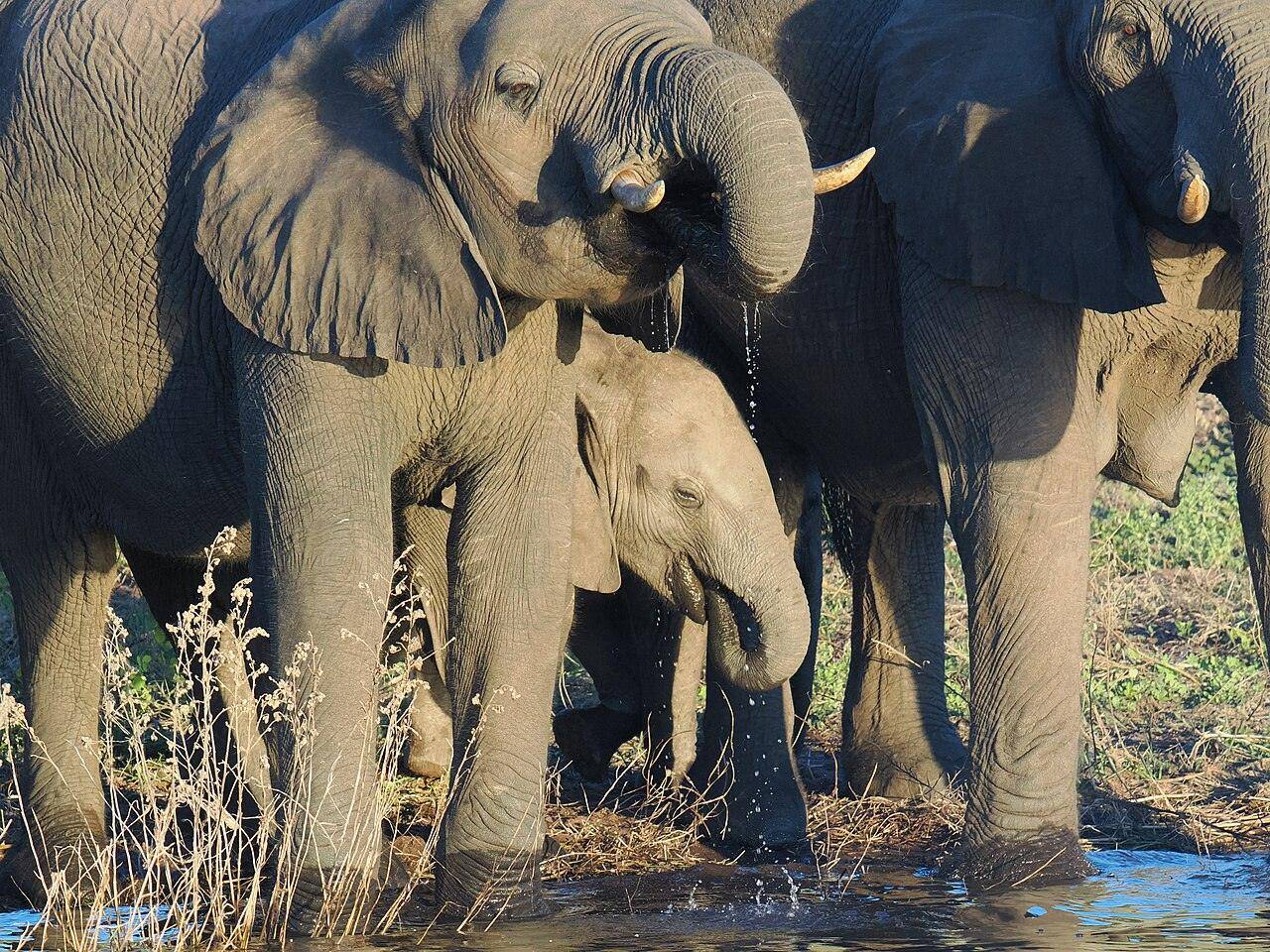 7 daysChallenging
Okavango and Chobe
Africa's most exclusive safari: mokoro canoes through the delta channels and boats among Chobe's elephants.
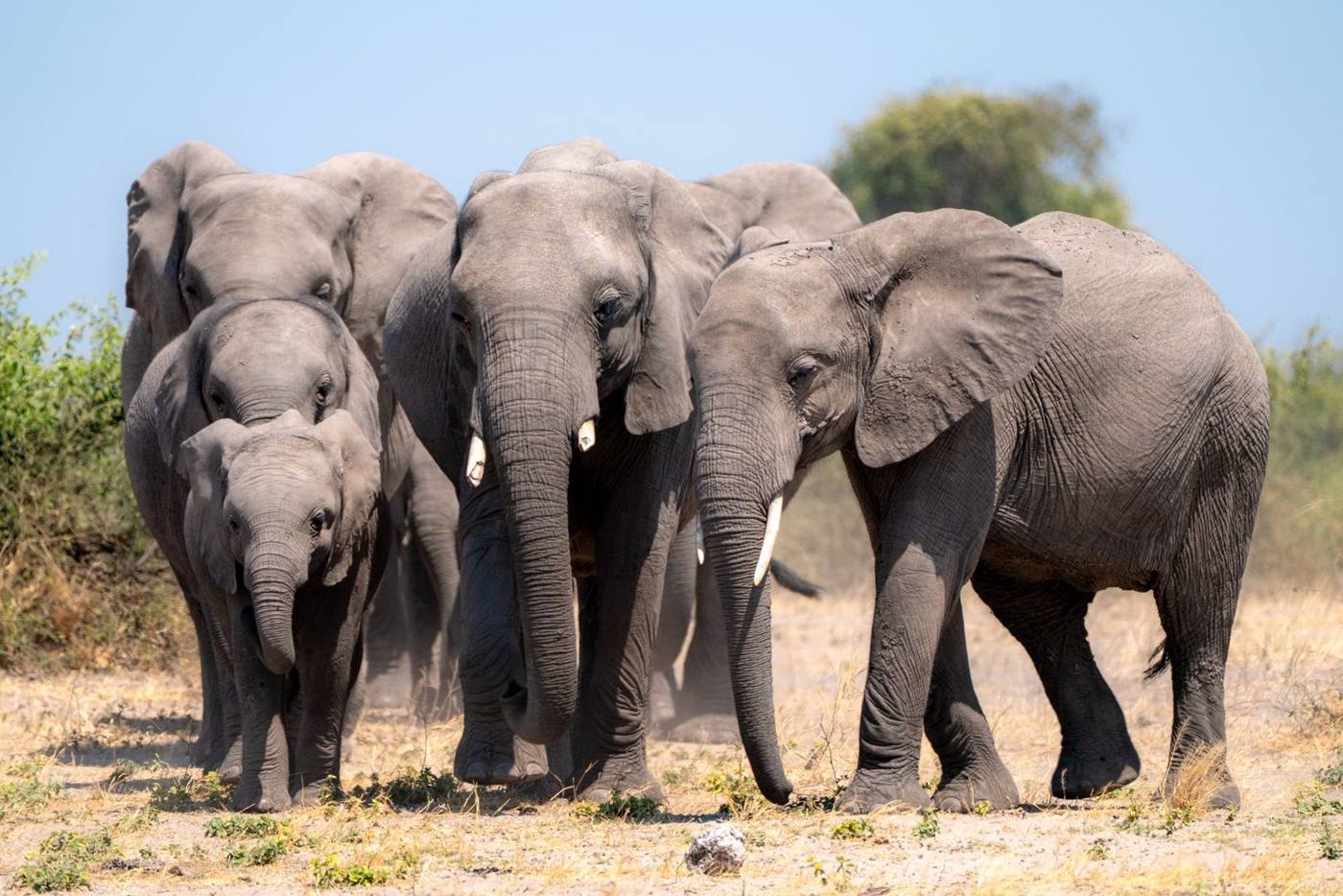 15 daysChallenging
Botswana, Victoria Falls and the Kalahari
A dream journey: Victoria Falls, Chobe, the delta and the Makgadikgadi salt pans with their meerkats.
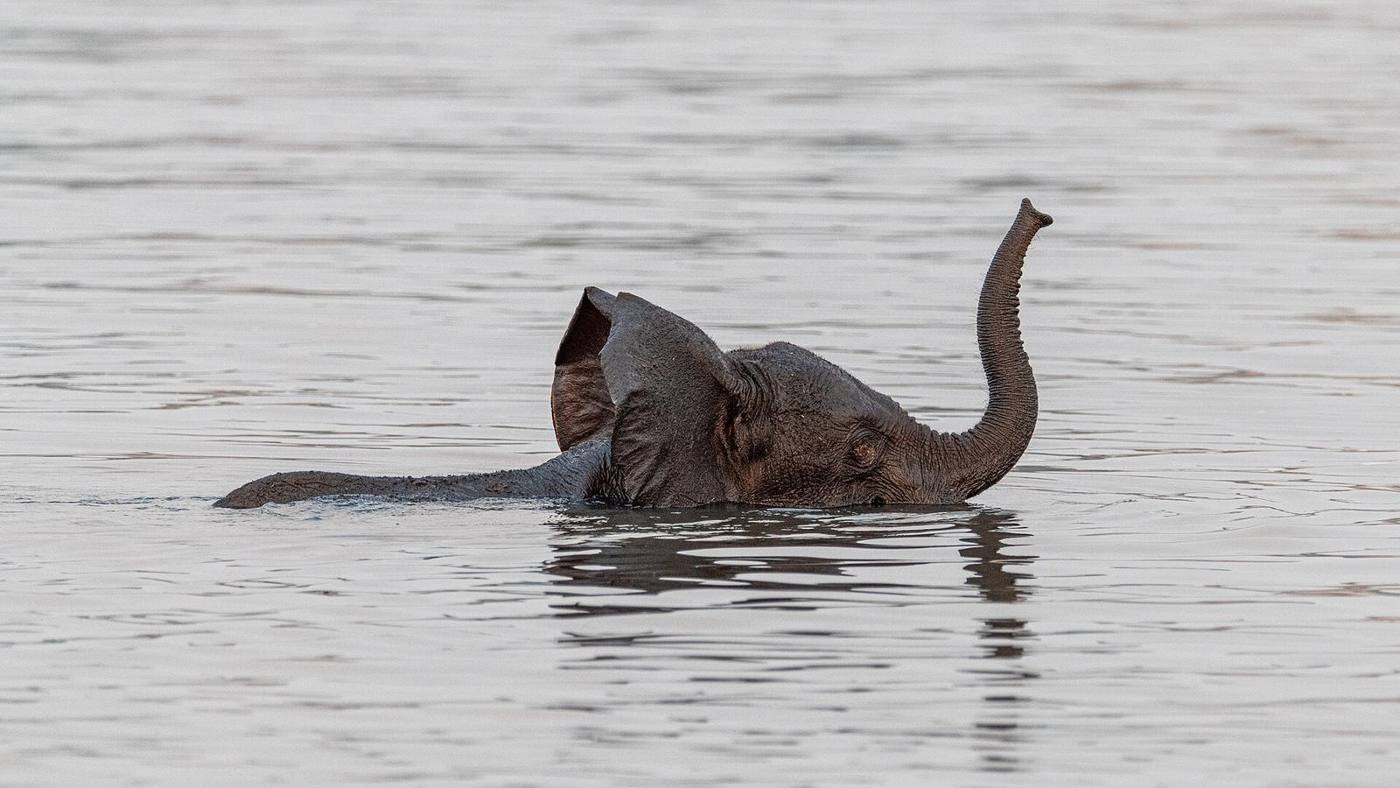 12 daysModerate
Botswana express: Victoria Falls, Chobe and the Okavango
The best of Botswana in under two weeks: the falls, the Chobe elephants and the Okavango Delta by mokoro.