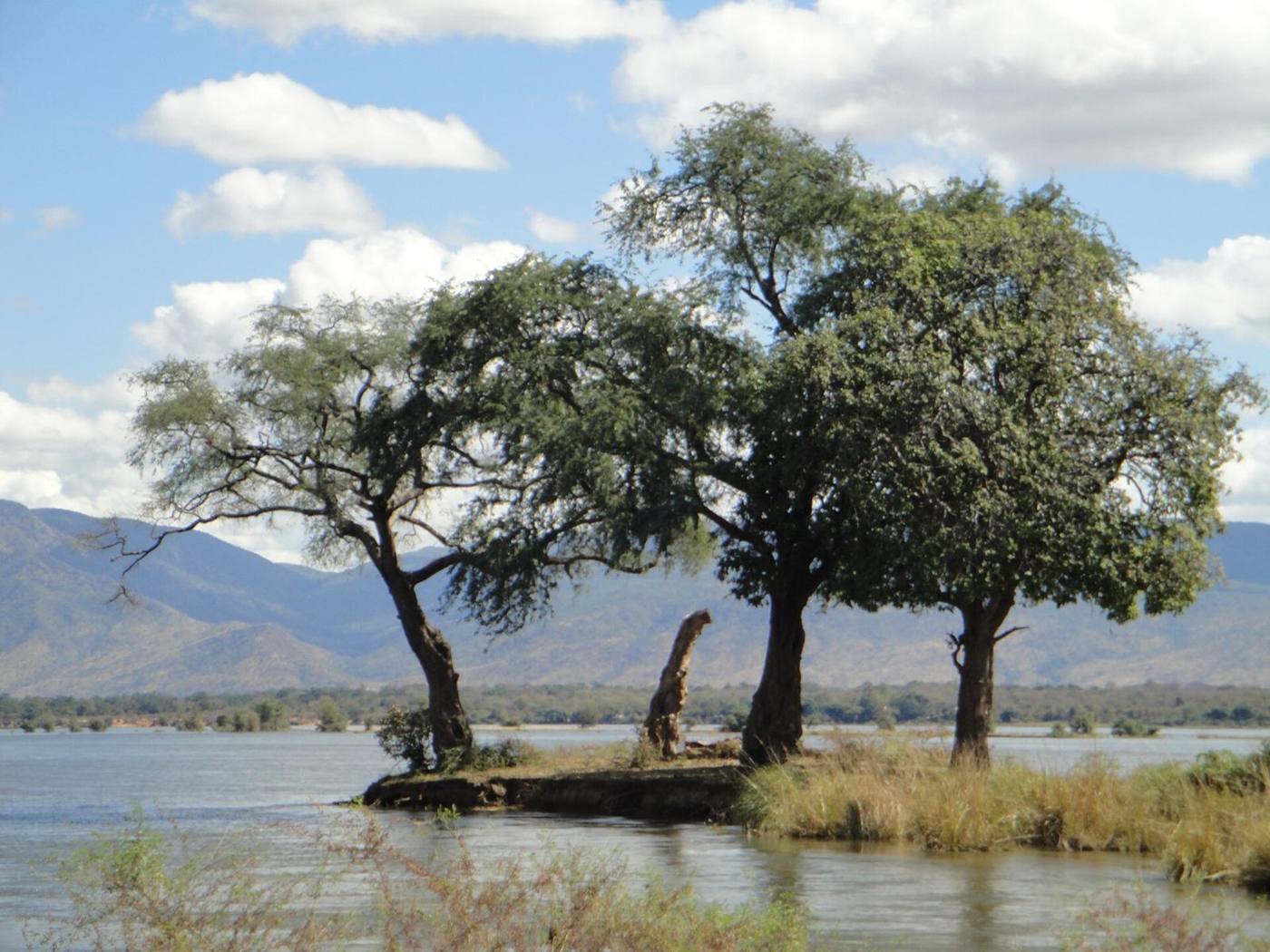
Along the Zambezi: Chobe, Mana Pools and South Luangwa
Four countries along the great river: Botswana, Zimbabwe and Zambia, with some of Africa's wildest parks and the walking safaris of the Luangwa.
- Johannesburg
- Moremi
- Chobe
- Victoria Falls
- Mana Pools
- Lower Zambezi
- South Luangwa
- Lusaka
Day by day
- Day 1
Arrival in Johannesburg
This twenty-day trip follows the Zambezi through four countries: it starts in Johannesburg, crosses Botswana to Moremi and Chobe, passes the Victoria Falls, heads up through Zimbabwe to Lake Kariba and Mana Pools, enters Zambia with the Lower Zambezi and South Luangwa, and ends in Lusaka.
Before you go: Italian citizens enter South Africa without a visa for tourism for up to 90 days, with a passport valid for at least 30 days and two blank pages. Botswana is also without a visa for up to 90 days, with a passport valid for at least six months and blank pages. Zimbabwe requires a visa and a passport valid for at least six months: Viaggiare Sicuri advises applying in advance on the official portal evisa.gov.zw, although the forms can also be filled in at the counter on arrival. According to the British government, the KAZA Univisa, valid for Zimbabwe and Zambia, is issued at Victoria Falls airport and at the Victoria Falls and Kazungula borders. For Zambia you do not need to apply in advance: on arrival you receive a stamp for 30 days; your passport must be valid for at least six months and have three blank pages. Other nationalities should check their own rules. The British government does not advise against any part of Botswana, Zimbabwe or Zambia. Viaggiare Sicuri reports high crime in Johannesburg, with robberies of drivers even near the airport, and political tension in Zimbabwe with possible protests. The whole north of the route is a malaria area: ask your doctor.
You land at O.R. Tambo airport. Reach your accommodation with a booked transfer, in a residential area such as Sandton or Rosebank, and rest: tomorrow the long road north begins.
Practical tip: with four countries and many stamps, travel with a passport that has plenty of blank pages, beyond the minimum each country asks for.
- Day 2
Towards the Botswana border
Today you leave Johannesburg and drive north on the motorway through Limpopo, the northernmost province of South Africa. The landscape changes quickly: the suburbs give way to maize fields, then to low acacia savannah and hills of red rock. At the Botswana border you deal with the formalities, then continue to a small town in the east of the country, where you sleep.
If you are driving a hire car, this is the first of many borders. Before collecting the vehicle, ask the hire company for a letter authorising you to leave South Africa and enter Botswana, Zimbabwe and Zambia, and carry the original registration document of the vehicle. In Botswana a foreign vehicle needs a permit from the revenue authority, BURS, valid for a maximum of 14 days. In the other countries you will pay insurance and road taxes at the border: more on that when you get there. For such a long route, ending in Lusaka, many travellers choose an organised trip with a vehicle and driver instead.
On the way, fill up whenever you can, even with half a tank, because filling stations become rare. Drive only by day: after sunset there are cows, goats and donkeys on the road, and few vehicles have working lights.
In the evening you notice the silence: Botswana has few inhabitants and very dark skies, full of stars.
Practical tip: keep all the car documents, the hire company's letter and copies of your passport in one folder, ready to show at every checkpoint.
- Day 3
From the Nata pans to Maun
Today is a long day on the road towards the north-west. You pass Francistown, the country's second city, and then Nata, a small town on the edge of the Makgadikgadi salt pans. Here the road forks: right towards Kasane, left towards Maun. You take the second.
The stretch between Nata and Maun runs straight for hours across a plain of yellow grass and palms. Now and then the white edge of the pan appears on the horizon. Watch out for animals: elephants and donkeys often cross the tarmac, and cattle stop in the middle of the road in no hurry at all. At the veterinary checkpoints you are stopped to prevent the spread of livestock diseases: sometimes you are asked to wipe your shoes on a disinfectant mat and to show any fresh produce you are carrying.
In the afternoon you reach Maun, the gateway to the Okavango Delta, on the Thamalakane River. It is a town of low houses, small planes and 4x4s loaded with jerrycans. Here you shop and withdraw cash: over the next few days you will find no shops or ATMs. The British government reports rising crime in Maun: leave nothing visible in the car and lock your accommodation carefully.
In the evening pack for Moremi: water, food, extra fuel if you are driving, and a head torch for everyone.
Practical tip: buy fruit and vegetables after the veterinary checkpoints, not before, because some fresh produce can be confiscated.
- Day 4
Moremi and the delta channels
Today you enter Moremi, the reserve that protects the eastern part of the Okavango Delta. From Maun the tarmac soon ends and becomes a track of sand and earth leading to the south gate. The reserve brings together two worlds: dry islands covered in mopane, and the lagoons, channels and flooded plains of the delta.
The delta is a rare phenomenon: the Okavango River comes down from the highlands of Angola and, instead of reaching the sea, disappears into the sands of the Kalahari, creating a maze of fresh water. The water arrives here months after the rains, which is why the delta is fullest in the dry season.
In the afternoon you take your first drive in the reserve. Along the tracks you see impala, lechwe, reddish antelopes that run through shallow water, giraffes, zebras and groups of elephants. Wooden posts with arrows show the names of landmarks, but the tracks change with the water: sometimes a stretch is flooded and you have to turn back.
At sunset the lagoons fill with birds: herons, egrets, jacanas walking on lily pads, and the call of the African fish eagle ringing across the water. At night you hear lions and hyenas around the camp.
Always follow the reserve's rules: drive only by day, do not get out of the car except at permitted spots and do not approach the animals.
Practical tip: in flooded stretches do not drive into the water without knowing how deep it is; if in doubt, wait for another vehicle or change track.
- Day 5
Dawn among Moremi's predators
Today you set off at dawn, when the air is cold and the light is low and golden. It is the best time for predators: lions returning from the night's hunt, wild dogs moving in packs along the tracks and, with a little luck, a leopard climbing down from a tree. Moremi is one of the best places in Africa for African wild dogs, with their patchy coats.
Follow the tracks in the sand: the round prints of lions, the clawed prints of hyenas, the huge ones of elephants. Switch off the engine when you find an animal and watch in silence: often the most interesting behaviour comes after a few minutes of waiting.
Mid-morning, return to camp for lunch and a rest in the hot hours, when the animals hide in the shade. In the afternoon you can take a boat trip or go out in a mokoro, the traditional canoe pushed with a pole, in the channels where the water allows it. You glide among papyrus and water lilies, with frogs singing and hippos snorting not far away. These trips are run by the area's authorised guides: ask in advance.
In the evening, around the fire, count the animals you have seen: in two days Moremi offers a great many.
Practical tip: for dawn drives bring a beanie, light gloves and a jacket: in winter, between June and August, the morning temperature drops close to zero, while at midday it is hot.
- Day 6
The Khwai and the track to Savuti
Today you leave Moremi by the north gate and follow the Khwai River, which marks the edge of the reserve. The pools along the river attract hippos, elephants and large herds of impala, and often predators too. The Khwai area is managed by the local community, and the rules here differ from those in the reserve: find out beforehand what is allowed.
Then the track heads east, through mopane forest, to Chobe. The sand is deep and the 4x4 moves slowly, swaying. If you are driving, let some air out of the tyres as the hire company explains, and do not stop in the softest stretches. The drive takes a good part of the day, but it is never dull: you meet elephants, kudu, giraffes and sometimes a herd of buffalo crossing the track.
In the afternoon you reach Savuti, in the western part of Chobe. It is one of the wildest places in Botswana: no villages, only savannah, a few rocky hills and the Savuti Channel, a fickle watercourse that stayed dry for decades and then flowed again. Savuti is famous for its lions and hyenas, and in the dry season for the bull elephants that come to the waterholes.
In the evening listen to the savannah from the camp. Never leave your tent at night without a torch and without looking carefully around.
Practical tip: bring a portable compressor or check that the 4x4 has one, so you can reinflate the tyres when you are back on tarmac.
- Day 7
The Chobe River and its elephants
Today you cross Chobe from south to north and reach the river, on the border with Namibia. Chobe, Botswana's first national park, is famous for one of the largest elephant populations in Africa. In the dry season, when the pools inland dry up, thousands of elephants come down to the river to drink, bathe and cover themselves in mud.
Along the riverfront, towards Kasane, you drive on sandy tracks with the river always beside you. You see lines of elephants, giraffes, buffalo, kudu and puku, small golden-coated antelopes which in Botswana live almost only here. The grassy plains by the water also attract lions and hyenas.
In the afternoon you board a boat for a cruise on the river. From the water you get closer to the animals than by car: elephants swimming with their trunks raised, snorting hippos, crocodiles lying still on the banks. Birds are everywhere: fish eagles, bee-eaters, storks, herons and kingfishers. At sunset the sun sinks behind the plains of Namibia and the river turns orange.
In the evening you sleep in Kasane, the town at the gates of the park. The British government reports thefts at some accommodation in the Chobe area, especially on the river: always lock doors and windows when you go out and use the safe.
Practical tip: in Kasane, refuel and withdraw cash before leaving for Zimbabwe; keep US dollars in small notes aside for the visa and border fees.
- Day 8
The Kazungula border and the Victoria Falls
Today you enter Zimbabwe at the Kazungula border, where four countries meet: Botswana, Zimbabwe, Zambia and Namibia. The formalities take patience. If you are travelling with a hire car, at the Zimbabwean border you ask for a temporary import permit for the vehicle. The revenue authority, ZIMRA, asks for your passport, the original vehicle registration book and, if you are not the owner, a letter of authority to use the vehicle in Zimbabwe: ask the hire company for it before you set off. At the border you pay third-party insurance, carbon tax and the road access fee: check prices and times. To drive in Zimbabwe, Viaggiare Sicuri says you need an international driving permit.
In about an hour you reach Victoria Falls. From far away you already see the column of spray rising above the forest. The local name of the falls is Mosi-oa-Tunya, the smoke that thunders. They are a UNESCO World Heritage Site and mark the border between Zimbabwe and Zambia: the Zambezi, about 1,700 metres wide, plunges into a narrow, deep gorge.
In the afternoon walk the rainforest path on the Zimbabwean side, with a series of numbered viewpoints right opposite the drop. From here you see most of the curtain of water. Between April and June the water is at its peak and the spray can hide the view; at the end of the dry season some parts are almost dry. Then walk to the old iron bridge linking the two countries above the Batoka Gorge.
Practical tip: bring a light waterproof and a case for your phone, because near the falls you get wet even when the sky is clear.
- Day 9
The road to Lake Kariba
Today you leave the falls and travel north-east to Lake Kariba. It is one of the longest transfers of the trip: allow a full day, set off at dawn and check road conditions beforehand, because some stretches are in poor shape and filling stations are few. Many travellers choose a domestic flight or an organised transfer.
Along the way Zimbabwe shows you its rural side: villages of round huts with thatched roofs, maize fields, children in uniform walking to school, huge baobabs by the roadside. At the roadside markets you find tomatoes, groundnuts and seasonal fruit.
Respect the police roadblocks, which are frequent in Zimbabwe: stop, be polite and show your documents. Viaggiare Sicuri asks you always to carry all the car documents in order and not to drive at night, because of poor lighting, poor signage and roads that are often in bad condition. Never photograph police officers, roadblocks or government buildings.
In the late afternoon you drop down towards the town of Kariba, which overlooks the lake from the hills. From above you see the blue water stretching to the horizon, dotted with islands. In the evening the sky over the lake turns red and the lights of the kapenta fishermen, who catch small sardine-like fish, come on one after another.
Practical tip: in Zimbabwe fuel is sometimes unavailable: Viaggiare Sicuri reports occasional supply problems, so fill the tank at every opportunity.
- Day 10
Lake Kariba
Today you discover Lake Kariba, one of the largest artificial lakes in the world. It was created at the end of the 1950s, when a dam closed the Zambezi in a narrow gorge, and today it stretches for more than two hundred kilometres between Zimbabwe and Zambia. When the water rose, thousands of animals were stranded on the islands and were rescued by boat.
In the morning visit the viewpoint over the dam, a huge curved concrete wall between the rocks. From here you see the lake on one side and, on the other, the Zambezi resuming its course downstream. The dam is on the border between the two countries: respect the photography bans signposted on site.
In the afternoon take a boat on the lake. Along the shores the dry trunks of trees drowned when the lake filled rise out of the water, one of the most photographed landscapes in Zimbabwe. On the banks you see elephants, buffalo and crocodiles, and on the dead trees fish eagles and cormorants drying their wings in the sun. Far away on the other shore you can see the mountains of Matusadona park.
At sunset the lake becomes a red and orange mirror. It is a good moment to rest before Mana Pools, where the days will be intense and the nights without electricity.
Never swim in the lake: there are crocodiles and hippos even near the quietest shores.
Practical tip: in Kariba do a full shop for Mana Pools, with water, food and fuel, because there is nothing to buy in the park.
- Day 11
Down into the Zambezi Valley
Today you reach Mana Pools. From Kariba you climb back onto the plateau to Makuti, then the road drops down the escarpment into the Zambezi Valley. At the park checkpoint you register your arrival and continue on a long dirt track to the river. Use only open tracks and arrive before closing time: check prices and times, and book entry and camping in advance on the website of ZimParks, Zimbabwe's parks authority.
Mana Pools is a UNESCO World Heritage Site together with the nearby Sapi and Chewore areas. Its name, in the Shona language, recalls the four main pools, remains of old branches of the river. The floodplain along the Zambezi is covered with large winter thorn trees, Faidherbia albida, with pale bark and leaves that fall in the rainy season, the opposite of other trees.
In the afternoon take a first drive along the river. Under the trees you see impala, kudu, waterbuck, buffalo and elephants. On the far bank rise the mountains of the Zambian escarpment, purple in the evening light.
There are no fences at the campsite: elephants, hyenas and lions walk between the tents. Keep food locked in the car, do not leave fruit in your tent and do not go out at night without looking carefully around with a torch.
Practical tip: the winter thorn trees drop pods that elephants love: do not park or pitch your tent under a tree heavy with pods.
- Day 12
On foot across the Mana Pools floodplain
Today you live the experience that made Mana Pools famous: walking among big animals. The park's management plan allows visitors to walk even without an escort, a rarity among African parks. Our advice is to do it with a professional guide licensed by the park, who can read the animals' behaviour and decides when to approach and when to turn back.
Set off at dawn, when the light is soft and the animals are active. You walk in single file, in silence, across the open floodplain under the trees. The guide stops at every sign: the prints of a lion from the night, fresh elephant dung, a buffalo's mark in the mud. Then, suddenly, a bull elephant rises on its hind legs to reach the highest pods, a typical Mana Pools scene.
The rules are simple and must be respected: stay behind the guide, never run, do not talk loudly and do not approach animals with young. Lone buffalo, female elephants with calves and hippos out of the water are the most dangerous. The British government points out that activities such as walking and canoe safaris can pose risks to personal safety.
Mid-morning, return to camp, when it gets too hot to walk. In the afternoon sit on the bank and watch the animals coming down to drink.
Practical tip: wear neutral colours such as beige, khaki or olive green, and comfortable, quiet closed shoes: no white and no bright colours.
- Day 13
By canoe on the Zambezi
Today you discover Mana Pools from the water. With a licensed guide you get into a canoe and paddle down the Zambezi, following the channels between the sandbanks. The current is slow and the guide chooses the safest route, away from pods of hippos and from the banks where crocodiles bask in the sun.
From the canoe you see the animals from a different angle: elephants crossing the river from one island to another, buffalo grazing on the banks, bee-eaters with red throats flying in and out of nests dug into the sand. The silence is total, broken only by the snort of hippos and the call of fish eagles.
The rules in a canoe are strict: always stay in line behind the guide, never put your hands in the water and follow every instruction without argument. The guide taps the side of the canoe to warn hippos of your presence.
In the afternoon return to the floodplain and visit one of the pools that give the park its name. Here, in the dry season, animals of every kind gather, and sometimes lions wait hidden in the grass. At sunset the light passes through the branches of the trees and the dust raised by the animals turns golden.
It is your last evening in Zimbabwe: tomorrow you cross the river and enter Zambia.
Practical tip: in the canoe protect everything from water with a dry bag and put on plenty of sun cream, because the reflection off the river burns even your legs and hands.
- Day 14
Chirundu and the Lower Zambezi
Today you leave Mana Pools, climb the escarpment and drop down to Chirundu, the border on the Zambezi between Zimbabwe and Zambia. On the Zambian side you receive the entry stamp, valid for 30 days for Italian citizens. If you are driving a hire car, at Zambian customs you declare the vehicle, have it inspected and pay all the fees due in a single payment; the revenue authority, ZRA, then gives you the receipt and the printed declaration. Viaggiare Sicuri recommends the Carnet de Passages en Douane for imported vehicles: ask the hire company whether you need one and what insurance is included. Check prices and times before you go. An Italian licence is valid for up to 90 days from entry, but many hire companies also ask for an international one.
After the border follow the road along the river, downstream, to Lower Zambezi National Park. The park lies directly opposite Mana Pools, on the other bank: same river, same animals, but the landscape is closed in by the steep mountains of the escarpment, which here come close to the water.
In the afternoon take a drive along the bank. The Lower Zambezi is known for its density of impala, but you also see elephants, buffalo, kudu and, with luck, lions and leopards. Hippos swim in the channels and flocks of herons move along the water.
In the evening the sky above the valley fills with stars and the calls of hippos coming out to graze drift up from the banks.
In Zambia, Viaggiare Sicuri reports roads in poor condition, animals and pedestrians on the road and vehicles without lights, especially after sunset: always arrive before dark.
Practical tip: at the Chirundu border keep your passport, car documents and US dollars in cash ready, and do not accept help from unofficial middlemen.
- Day 15
By canoe in the Lower Zambezi
Today you explore the Lower Zambezi by canoe, the best way to get to know this park. With a licensed guide you paddle down the side channels, narrower and calmer than the main river, where the water flows between banks covered with trees and bushes.
In the channels the animals are very close. Elephants browse on the bank a few metres from you, waterbuck raise their heads with their long horns, baboons run across the sand. In the shallows you see the backs of hippos and, on the banks, crocodiles sliding into the water as you pass. The guides know where the hippos rest and avoid them carefully.
As at Mana Pools, in the canoe always stay in line, do not lean out and never put your hands in the water. If a hippo submerges in front of you, the guide stops and waits for it to resurface before going on.
In the afternoon you can go out by 4x4 or by boat on the main river to watch the sunset. The sun sinks behind the mountains of Zimbabwe, on the other bank, and the valley turns pink. It is one of the most beautiful landscapes of the whole trip.
Tomorrow you leave the Zambezi Valley for a long transfer to South Luangwa.
Practical tip: take a small waterproof pair of binoculars in the canoe, hung around your neck: it lets you watch the birds on the banks without getting too close.
- Day 16
Towards the Luangwa Valley
Today is a transfer day to South Luangwa, in eastern Zambia. The road climbs back onto the plateau and follows the Great East Road, which crosses villages, hills and miombo woodland to Chipata, near the border with Malawi. Then it drops into the Luangwa Valley to Mfuwe, the gateway to the park. The journey is very long: many travellers split it into two stages or take a domestic flight to Mfuwe.
Along the road you see the life of rural Zambia: markets with pyramids of tomatoes and onions, bicycles loaded with charcoal, women carrying large baskets on their heads, brick churches in every village. Stop only in towns and at filling stations, and reach your destination before dark.
In the late afternoon the road descends into the valley and the air gets warmer. In Mfuwe you find a small centre with shops, a market and the bridge over the Luangwa River, which marks the park entrance. From the bridge you often see hippos, crocodiles and elephants.
South Luangwa is considered the birthplace of walking safaris in Zambia: here, in the second half of the twentieth century, the first guided walks in the bush for visitors began.
In the evening elephants often walk through the camp grounds: always follow the staff's instructions.
Practical tip: in the Luangwa Valley there are many mosquitoes, especially near the river: use a strong repellent, wear long clothes in the evening and sleep under a mosquito net.
- Day 17
Walking safari in South Luangwa
Today you go on a walking safari, the experience that makes South Luangwa famous around the world. Book the walk in advance with your accommodation or a licensed guide, and follow to the letter the instructions you receive before setting off.
You leave at dawn, in a small group. You walk in single file, in silence, along the river and across the open savannah. On foot everything changes: you smell the earth, hear the birds, notice the rustle of the grass. The guide shows you the small things you miss from a vehicle: the tracks of a porcupine, an aardvark burrow, weaver nests, the use of plants in traditional medicine.
With a little luck you watch from a distance a Thornicroft's giraffe, a subspecies that lives only in the Luangwa Valley, or a group of elephants crossing the river. South Luangwa also has many hippos, which crowd the bends of the river in the dry season.
The rules are those of any walk in the bush: stay behind the guide, do not run, speak quietly and do not wander away from the group. The British government reminds visitors that wild animals are unpredictable and that walking safaris carry risks: check that your insurance covers these activities.
Return before the heat and rest. In the afternoon take a 4x4 drive along the river.
Practical tip: for the walking safari wear light long trousers and a wide-brimmed hat and carry a small water bottle, because walks last a few hours.
- Day 18
Luangwa's leopards by night
Today is devoted to predators. In the morning take a 4x4 drive on the tracks near the river. South Luangwa has large herds of buffalo, many zebras and a wide variety of antelopes, and lions follow the herds. In the lagoons you see storks, crowned cranes and groups of ibis.
In the hottest months of the dry season, on the river's sandy banks, carmine bee-eaters dig their nests: thousands of red and blue birds flying in and out of holes in the sand.
The most awaited moment comes in the evening. South Luangwa is famous for its night drives by 4x4, with a guide and a hand-held spotlight. As the sun goes down you stop for tea on the bank, then the guide switches on the spotlight and looks for the animals' eyes in the dark. These are the hours when the leopard goes out hunting: the Luangwa is one of the best places in Africa to see one. You also see genets, civets, hyenas and hippos leaving the water to graze.
During the drive stay seated, keep your arms inside the vehicle and do not use the flash: strong light blinds the animals and exposes them to predators. Book the night drive with a licensed guide and ask beforehand which park rules apply.
In the evening, back at camp, listen to the valley: it is the last night in the bush on this trip.
Practical tip: for the night drive bring a jacket, because in winter it gets cold after sunset, and a camera that works well in low light.
- Day 19
Lusaka, the capital
Today you leave the Luangwa Valley and return to Lusaka, the capital of Zambia, on a domestic flight from Mfuwe or with a long day's drive along the Great East Road. If you drive, set off at dawn and plan your timing carefully to arrive before dark.
Lusaka is a young city, founded as a capital in the colonial period and grown quickly. It has no great monuments, but it is a good place to see everyday life in Zambia. Visit the Lusaka National Museum, which tells the country's story from the first communities to the struggle for independence, with a section of contemporary art. Check prices and times.
Then go to one of the city's markets, among stalls of colourful cloth called chitenge, woven baskets, wooden carvings and mountains of fruit. Try nshima, the white maize porridge served with almost every meal, with vegetables, fish or stewed meat.
If you have driven a hire car, return it as agreed with the hire company, with all the border permits and receipts.
Viaggiare Sicuri recommends avoiding the compounds, the poorer districts of the big cities, especially after sunset. Get around by a taxi called by your accommodation, keep your phone in your pocket at the markets and do not walk in the evening.
Practical tip: keep the receipts for all the fees paid at the borders until the end of the trip: they may be needed when you return the car or at checkpoints.
- Day 20
Departure from Lusaka
Today is departure day. If your flight leaves late, take a last walk around a craft market to buy a chitenge, a basket or a small carving, then reach the airport in good time.
In twenty days you have followed the Zambezi and its tributaries through four countries. You have seen the channels of Moremi, the wild dogs and lions of the delta, the savannah of Savuti and the elephants of Chobe, the smoke that thunders at the Victoria Falls and the drowned trees of Lake Kariba. Then you walked among the elephants of Mana Pools, paddled a canoe in the Lower Zambezi and followed leopards by night in South Luangwa. It is a long and tiring trip, with many hours on the road and many borders, but for those who have already done a classic safari it is one of the most authentic ways to experience Africa.
When to go: the best period is June to October, in the dry season. Animals gather near water, the tracks are passable and there are fewer mosquitoes. June and July are cool, especially at night; September and October are very hot, but it is the best time for wildlife. Avoid the rainy season, from November to April, when many tracks are impassable and some camps in the parks close.
Practical tip: before leaving, check that your passport has all the exit stamps of the countries you crossed, because a missing stamp can cause problems on your next trip.
For those who have done a classic safari and want Africa at its most authentic. Mana Pools and South Luangwa are among the few parks where you walk among big animals with an armed guide. It's long and tiring, but for many experienced travellers it's the finest safari of all. Season: June-October.
Before you go
- Documents and visa
- Passport valid for at least six months from arrival, with blank pages for stamps. Italian citizens enter without a visa for tourism, for stays of up to 90 days. Children must carry their full birth certificate, original or certified copy, and if travelling without one parent, written consent with a copy of that parent's ID. Cash of 10,000 pula or more must be declared on arrival.
- Health and vaccines
- The north of the country, including the Okavango Delta and Chobe, is a malaria area: ask your doctor about antimalarials. A yellow fever vaccination certificate is required if you arrive from a country with a risk of transmission. You need insurance covering medical costs and evacuation, because the parks are far from hospitals. Emergencies: 999 police, 997 ambulance, 998 fire.
- Money and payments
- Botswana pula. Cards work in towns and lodges; there are no ATMs in the parks or remote areas, so withdraw cash in Maun or Kasane before you set off.
- Power sockets
- Types D and G, 230 volts: type G is the British plug, so British plugs fit those sockets.
- Time zone
- UTC+2 all year.
- Safety
- The United States asks travellers to exercise increased caution in Botswana, level 2, because of crime. The British government does not advise against any part of the country, but reports rising crime in Gaborone, Francistown and Maun and thefts at some lodges in the Chobe area. Wild animals and livestock cross the roads: do not drive at night outside towns and always follow park rules. Official advice: GOV.UK.
Information checked in November 2026 for Italian and EU citizens. Rules change: always check before you travel.
Variations
In 16 days: skip South Luangwa and, after the Lower Zambezi, drive to Lusaka for your flight home.
In 24 days: add two nights in the Okavango Delta by mokoro and a stop in Kasane to rest before Zimbabwe.
Frequently asked questions
Can you walk on your own in Mana Pools?
The park's management plan allows visitors to walk even without an escort, but it is much safer to do so with a licensed professional guide. Lions, buffalo and elephants are everywhere and they are unpredictable.
Can I take a hire car into all four countries?
Yes, if the hire company authorises it in writing. You need the vehicle documents and the border permits for each country; in Botswana the permit lasts a maximum of 14 days, in Zimbabwe you pay insurance and fees at the border, and in Zambia the fees at customs.
Do I need a different visa for each country?
Italian citizens enter South Africa and Botswana without a visa. Zimbabwe requires a visa, on the official portal or with the KAZA Univisa; in Zambia you receive a 30-day stamp on arrival. Check everything on Viaggiare Sicuri before you go.
Indicative itinerary written by World Atlas. Before booking, check timetables, seasonal openings, documents and safety.
 7 daysChallenging
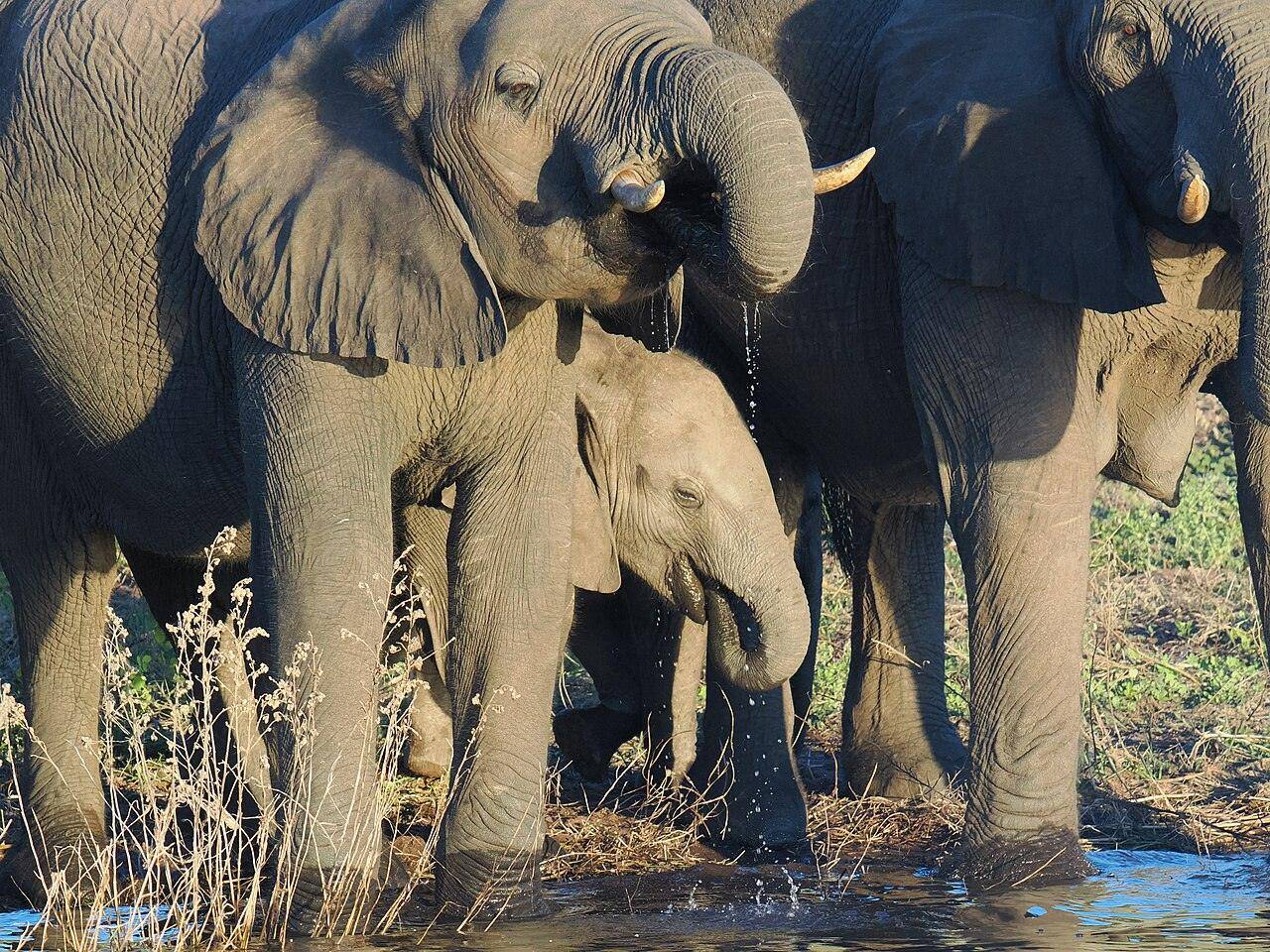
Okavango and Chobe
Africa's most exclusive safari: mokoro canoes through the delta channels and boats among Chobe's elephants.
 15 daysChallenging
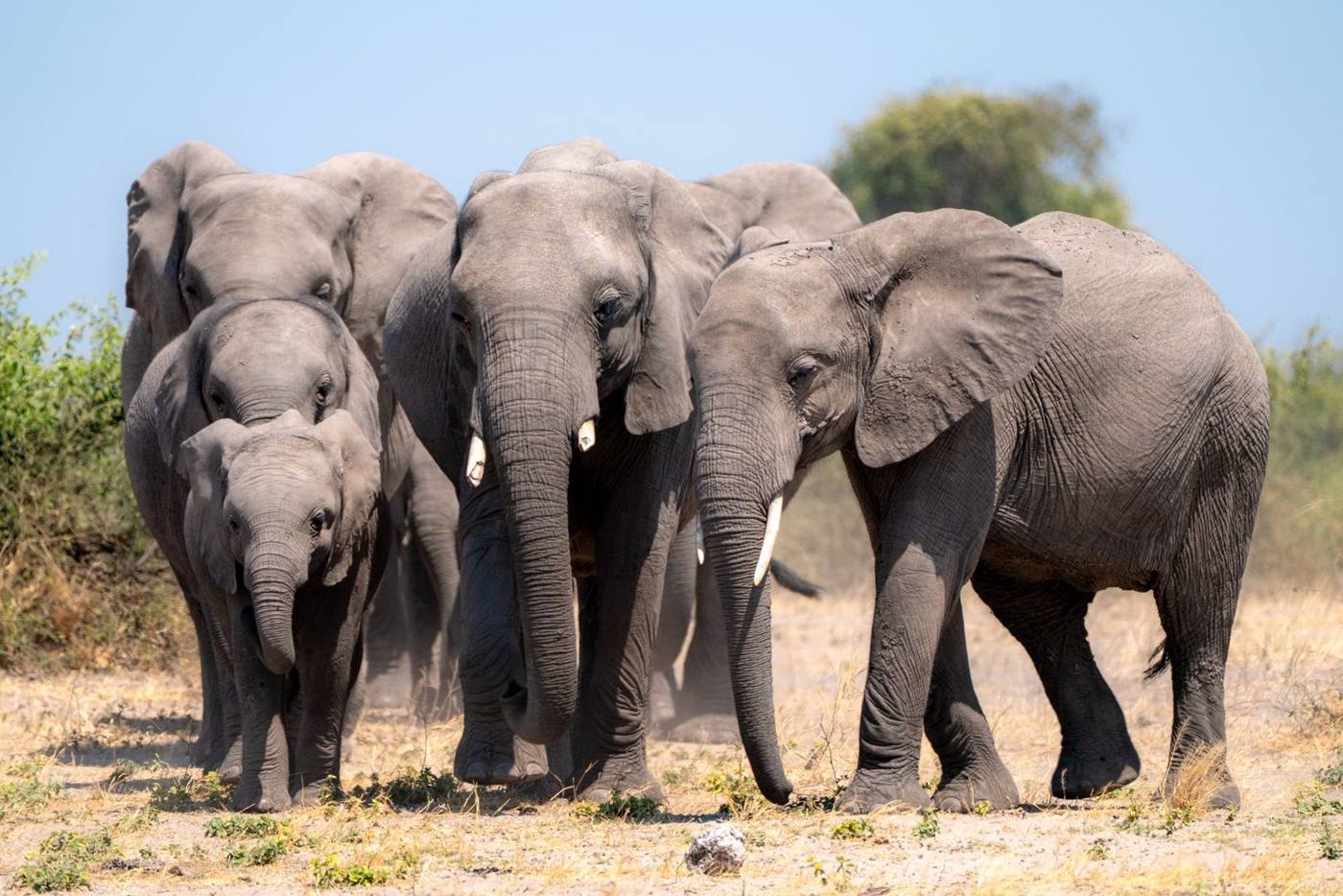
Botswana, Victoria Falls and the Kalahari
A dream journey: Victoria Falls, Chobe, the delta and the Makgadikgadi salt pans with their meerkats.
 12 daysModerate
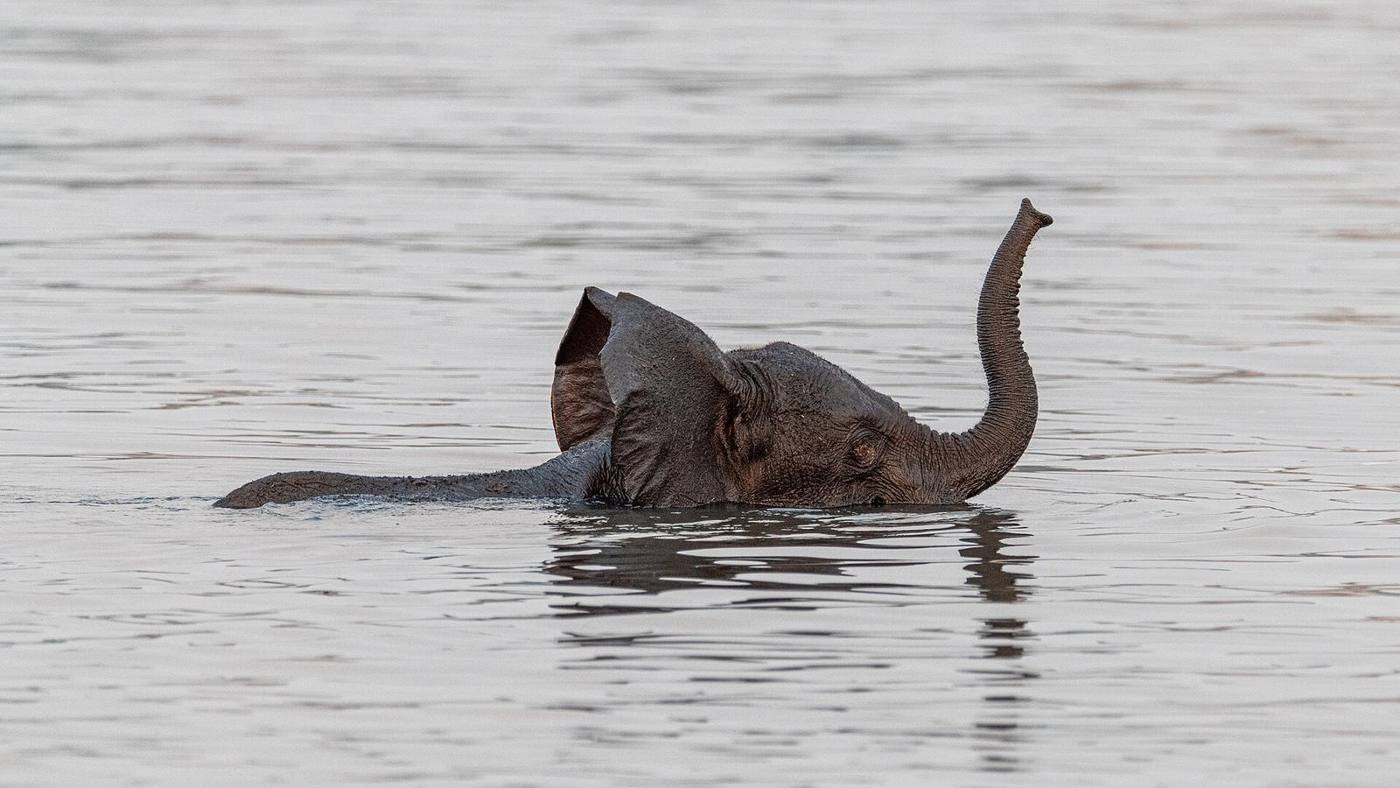
Botswana express: Victoria Falls, Chobe and the Okavango
The best of Botswana in under two weeks: the falls, the Chobe elephants and the Okavango Delta by mokoro.