Travnik and central Bosnia
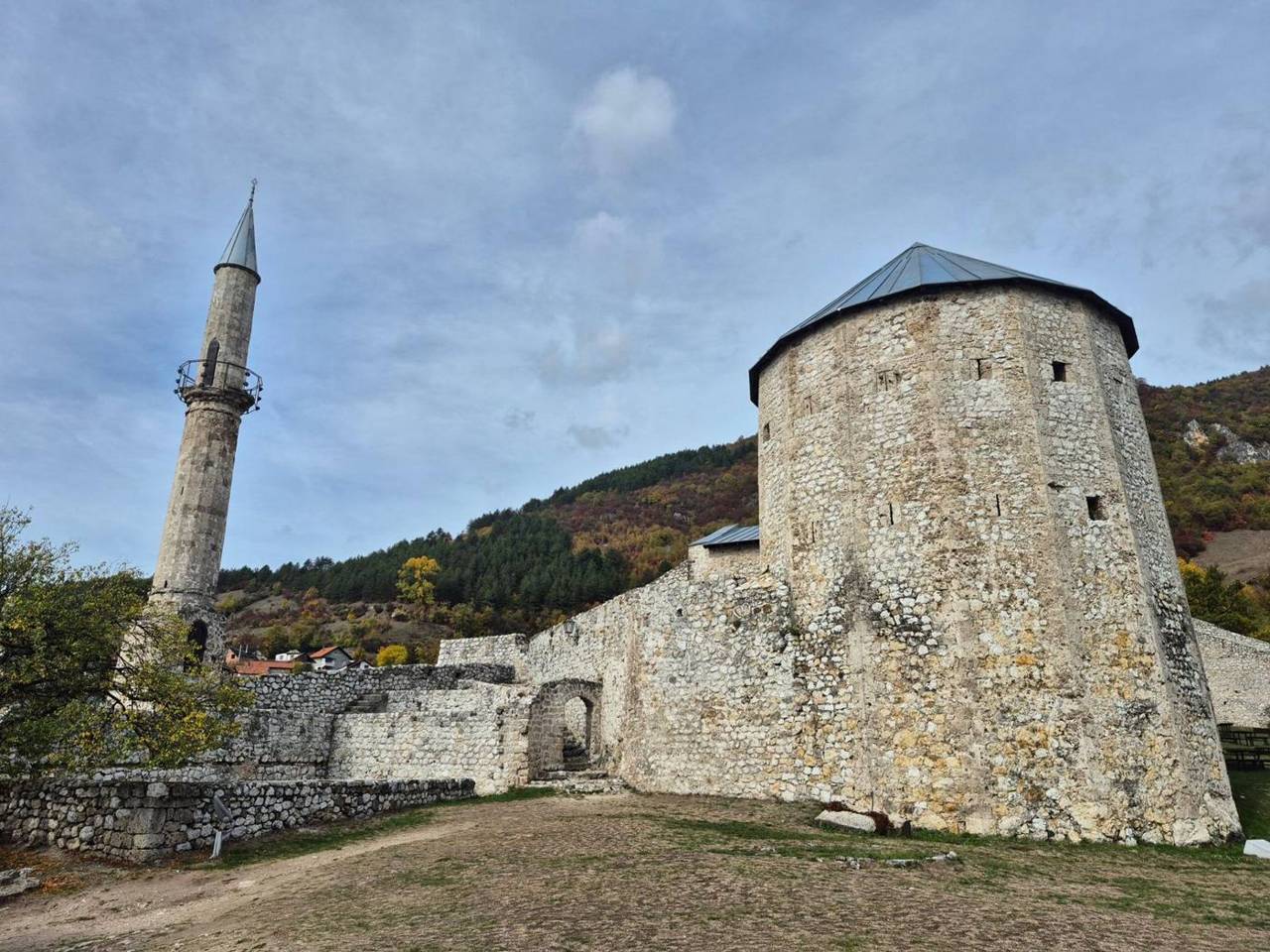
Travnik, the city of the viziers with its painted mosque and fortress, the Plava Voda spring, Vranduk fortress and the Franciscan monastery of Kraljeva Sutjeska.
- Sarajevo
- Kraljeva Sutjeska
- Vranduk
- Travnik
Day by day
- Day 1
Kraljeva Sutjeska and Vranduk fortress
This trip crosses central Bosnia, where Catholics, Muslims and Orthodox Christians live a few kilometres from each other: the Franciscan monastery of Kraljeva Sutjeska, the small fortress of Vranduk on the Bosna river, and Travnik, the town of the viziers, with its painted mosque, fortress and the Plava Voda spring.
Before you go: Italian citizens can enter Bosnia and Herzegovina with a passport or an electronic identity card, valid for at least three months beyond the length of the stay; no visa is needed for up to 90 days in six months. Foreigners must register within 48 hours of arrival: hotels do this for you. Other nationalities should check their own rules. Italy's travel advice does not list any areas to avoid, but landmines from the 1992 to 1995 war remain in the country: always stay on paved roads and marked paths, and do not enter overgrown fields, woods away from paths or abandoned houses.
From Sarajevo drive north-west for about an hour to Kraljeva Sutjeska, a village in a green valley near Kakanj. Here stands the Franciscan monastery, one of the oldest in Bosnia, with a church, a small museum and a library of old books. The village also has one of the oldest mosques in the country, a few steps from the monastery: a good example of how the communities have lived side by side for centuries. Not far away, in the woods, are the ruins of Bobovac, the old seat of the kings of Bosnia.
In the afternoon continue towards Zenica and then north to Vranduk, a small medieval fortress on a rocky spur above the gorge of the Bosna river. Climb between the village houses to the restored walls and look down on the river and the railway in the valley.
In the evening you reach Travnik.
Sleep in Travnik.
Practical tip: at places of worship dress modestly and always ask before taking photos inside.
- Day 2
Travnik: the fortress, the painted mosque and Plava Voda
Today you discover Travnik, which for about a century and a half was the seat of the Ottoman viziers of Bosnia.
In the morning climb to the fortress, which looks down on the town from the top of a hill. Its walls and stone towers, from the fifteenth century in the oldest parts, offer a view over the whole Lašva valley and the roofs of the town. Check prices and times.
Then go down to the centre and visit the Šarena džamija, the painted mosque, famous for the colourful decoration on its outer walls, with floral and geometric patterns. Nearby are the old clock towers and the turbe, the tombs of the viziers, with their small domes.
Travnik is also the birthplace of Ivo Andrić, winner of the Nobel Prize in Literature, who set his novel Bosnian Chronicle here. In the centre there is a house museum dedicated to him. Check prices and times.
In the afternoon walk to Plava Voda, the blue spring at the foot of Mount Vlašić, where clear water flows out of the rock and runs between small bridges, mills and open-air cafés. It is the locals' favourite place for a cool break.
For dinner try Travnik ćevapi and the area's famous white cheese, salty and creamy, with warm bread.
Sleep in Travnik.
Practical tip: buy Travnik cheese at the market in the morning, when it is freshest, and ask for it to be vacuum packed if you are travelling on.
- Day 3
On to Jajce or back to Sarajevo
On the last day you choose whether to carry on west to Jajce or return to Sarajevo.
If you go to Jajce, drive west for about an hour and a quarter. The town is famous for the waterfall in its centre, where the Pliva river plunges into the Vrbas in a spectacular drop. Above the waterfall are the fortress, the catacombs carved into the rock and the streets of the old town. Just outside town, on the Pliva lakes, small wooden mills stand on the water, one beside the other. Check prices and times for the sites.
If you return to Sarajevo instead, take a morning walk along the river in Travnik before leaving and then drive back, in about an hour and a half.
Either way, outside the towns stay on paved roads and marked paths: the area of Mount Vlašić and the surrounding hills were on the front line during the war.
Trip summary: three easy days in the heart of Bosnia, with the Franciscan monastery of Kraljeva Sutjeska, the fortress of Vranduk, Travnik with its fortress, painted mosque, Andrić's house and the Plava Voda spring, and if you wish the waterfall at Jajce.
When to go: from May to October, when the gardens and springs are at their best and the mountain roads are clear of snow. In autumn the woods around Travnik turn yellow and red.
Practical tip: at Jajce arrive early to see the waterfall without crowds; the best viewpoint is below the town, along the river.
Bosnia at its most authentic, with Catholics, Muslims and Orthodox a few kilometres apart. Travnik cheese is famous. It links well with Jajce.
Before you go
- Documents and visa
- British passport issued less than 10 years before arrival and valid for at least 90 days after departure. No visa needed for up to 90 days in any 6-month period. All foreign nationals must register with the police within 72 hours; hotels usually do this.
- Health and vaccines
- No compulsory vaccinations. Medical facilities are limited, especially outside Sarajevo: you need travel insurance covering treatment and medical evacuation. Emergencies: police 122, fire 123, ambulance 124.
- Money and payments
- Convertible mark (KM or BAM), at a fixed rate of 1.9558 KM to the euro. Cash is common; Visa and Mastercard work in shops and hotels in the larger towns, where there are cash machines.
- Power sockets
- Types C and F, 230 volts: you need an adapter for British plugs.
- Time zone
- One hour ahead of the UK all year.
- Safety
- There are no areas the UK advises against, but landmines and unexploded weapons remain from the 1992 to 1995 war. Do not step off roads and paved areas without an experienced guide, and take extra care near former front lines, abandoned buildings, neglected land, woods and orchards. Thefts from cars are rising in tourist areas. Official advice: GOV.UK.
Information checked in November 2026 for Italian and EU citizens. Rules change: always check before you travel.
Variations
Short version: two days, with Kraljeva Sutjeska on the first day and Travnik on the second, returning to Sarajevo in the evening.
Long version: add two days in Jajce and the Pliva lakes, then carry on to Banja Luka through the Vrbas canyon.
Frequently asked questions
How far is Travnik from Sarajevo?
About an hour and a half by road, heading north-west.
What should you eat in Travnik?
Ćevapi and Travnik white cheese, salty and creamy, which you can buy at the market.
Are there risks from landmines?
Not in town. Around Mount Vlašić and in the hills stay on paved roads and marked paths, because they were on the front line during the war.
Indicative itinerary written by World Atlas. Before booking, check timetables, seasonal openings, documents and safety.
 3 daysEasy
Banja Luka and the Vrbas
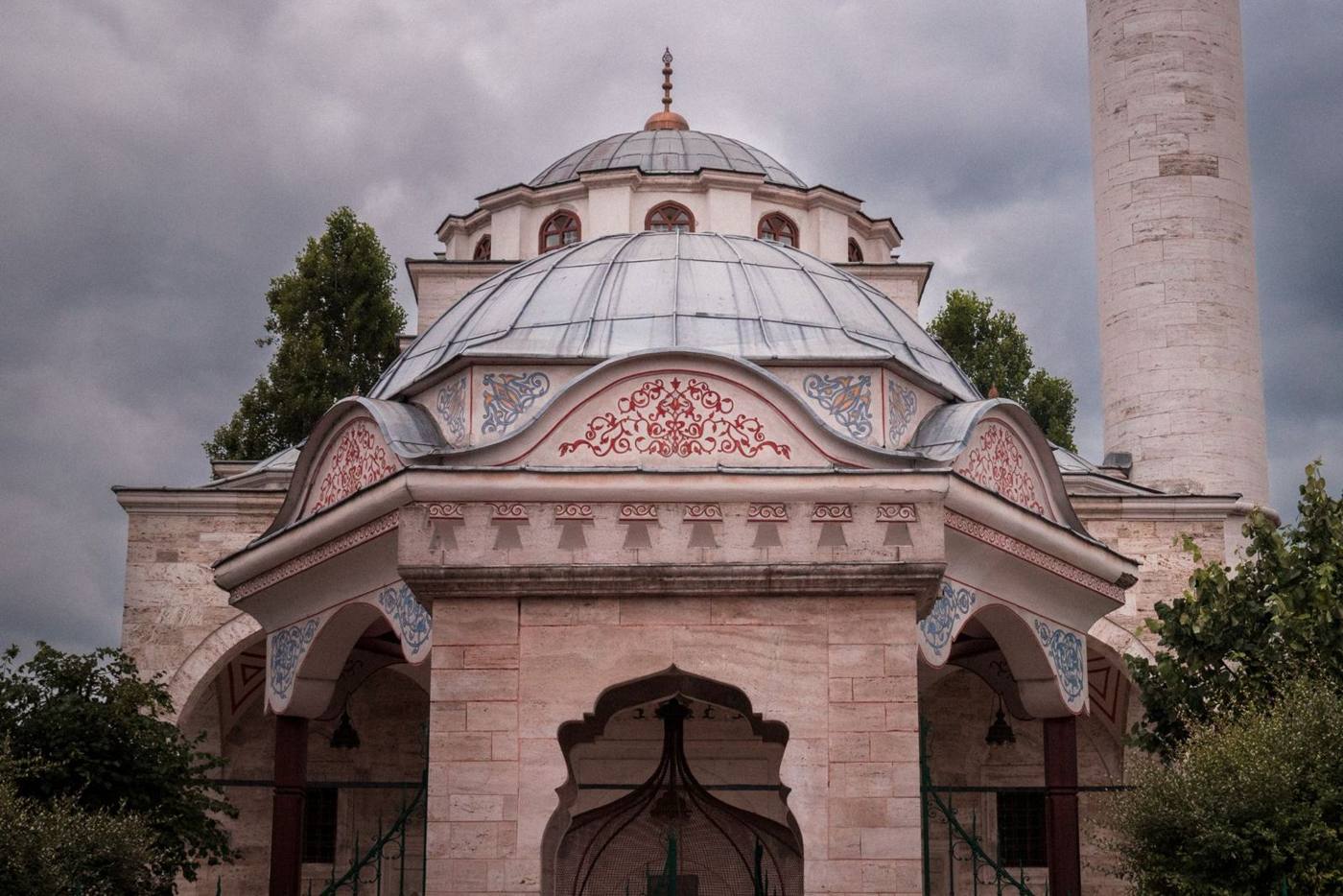
The capital of Republika Srpska with Kastel fortress, the Vrbas canyon for rafting and kayaking, and the waterfalls and mills of Krupa na Vrbasu.
 6 daysEasy
Sarajevo and Mostar
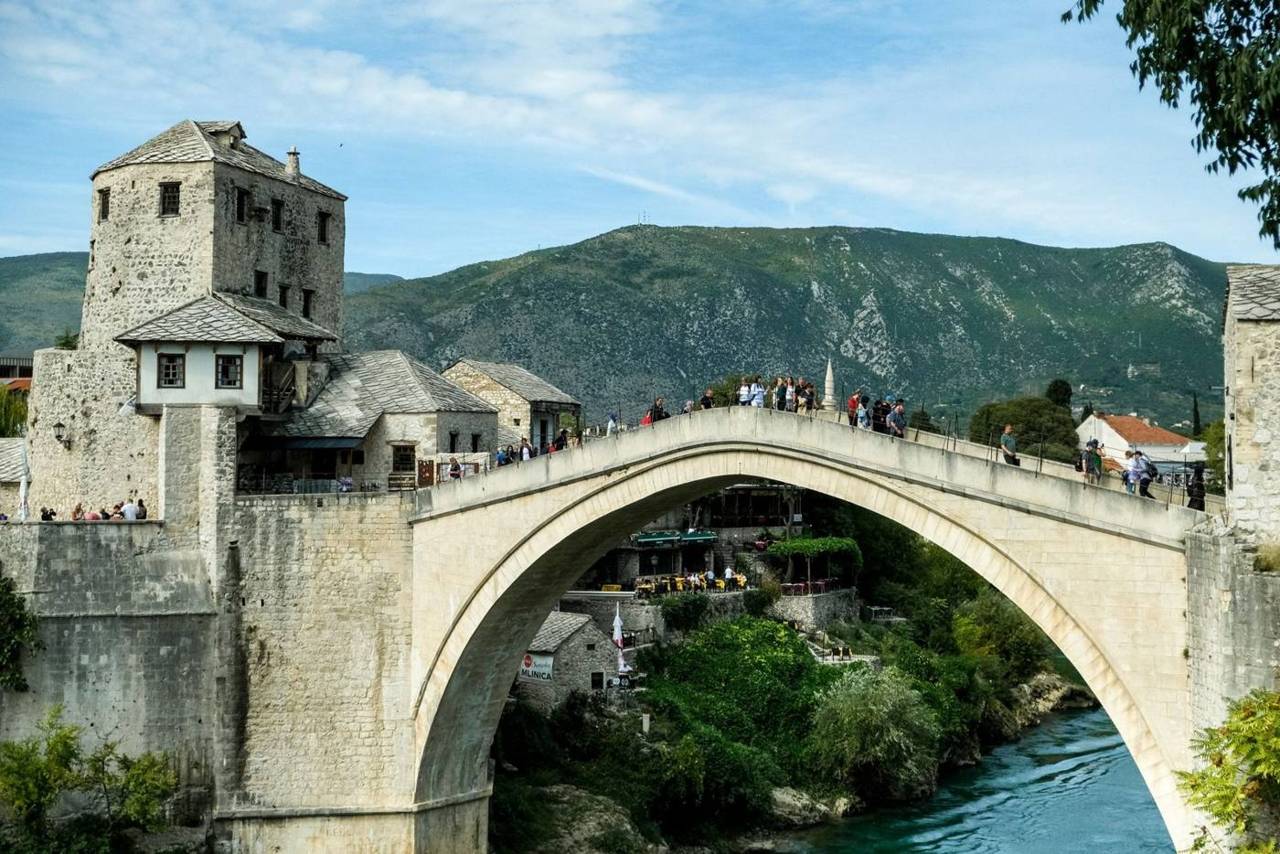
The Ottoman Baščaršija, the Tunnel of Hope, the train down the Neretva valley, Mostar's Old Bridge, Blagaj and the Kravica waterfalls.
 7 daysModerate
Mountains and lakes of Bosnia
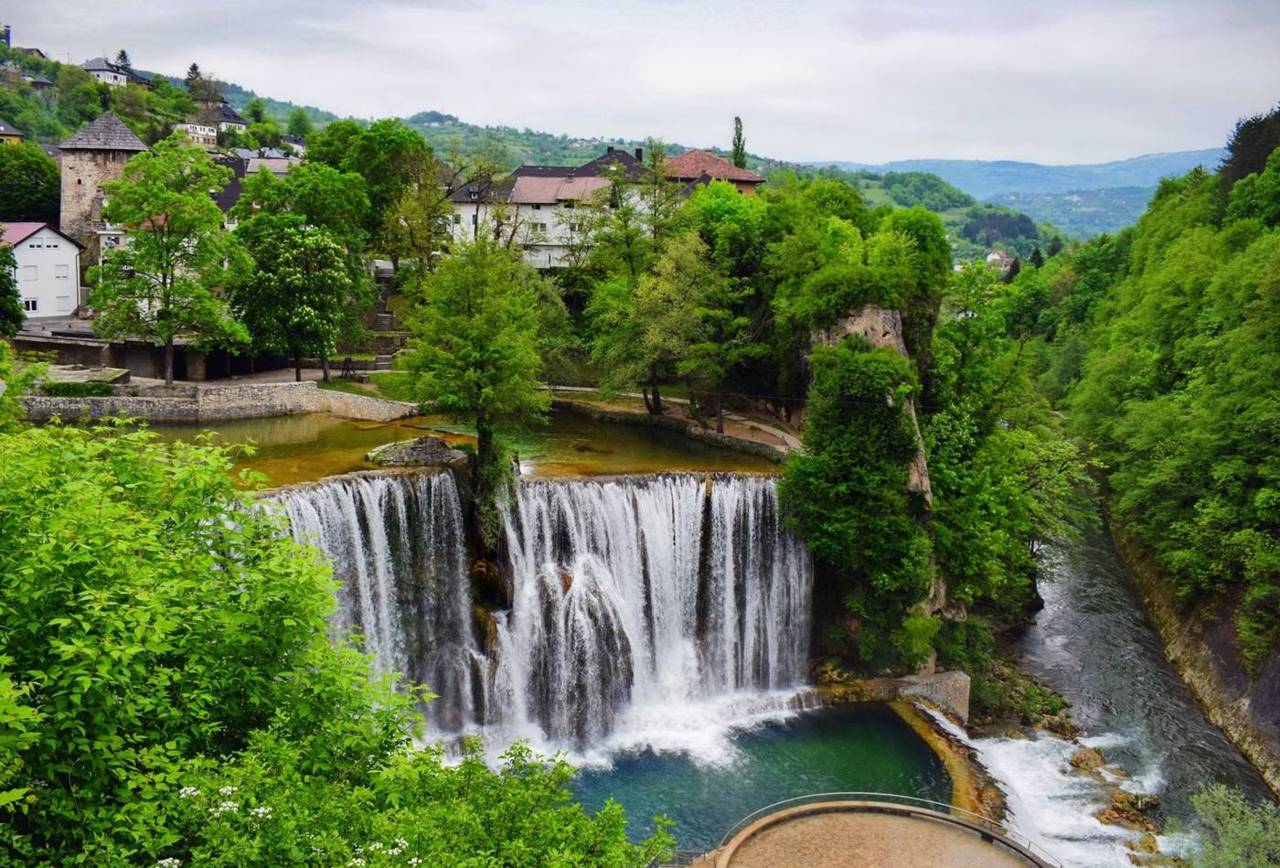
The stone villages of Lukomir, Sutjeska National Park with Perućica forest, the Jajce waterfall, the Pliva lakes and the Una river.