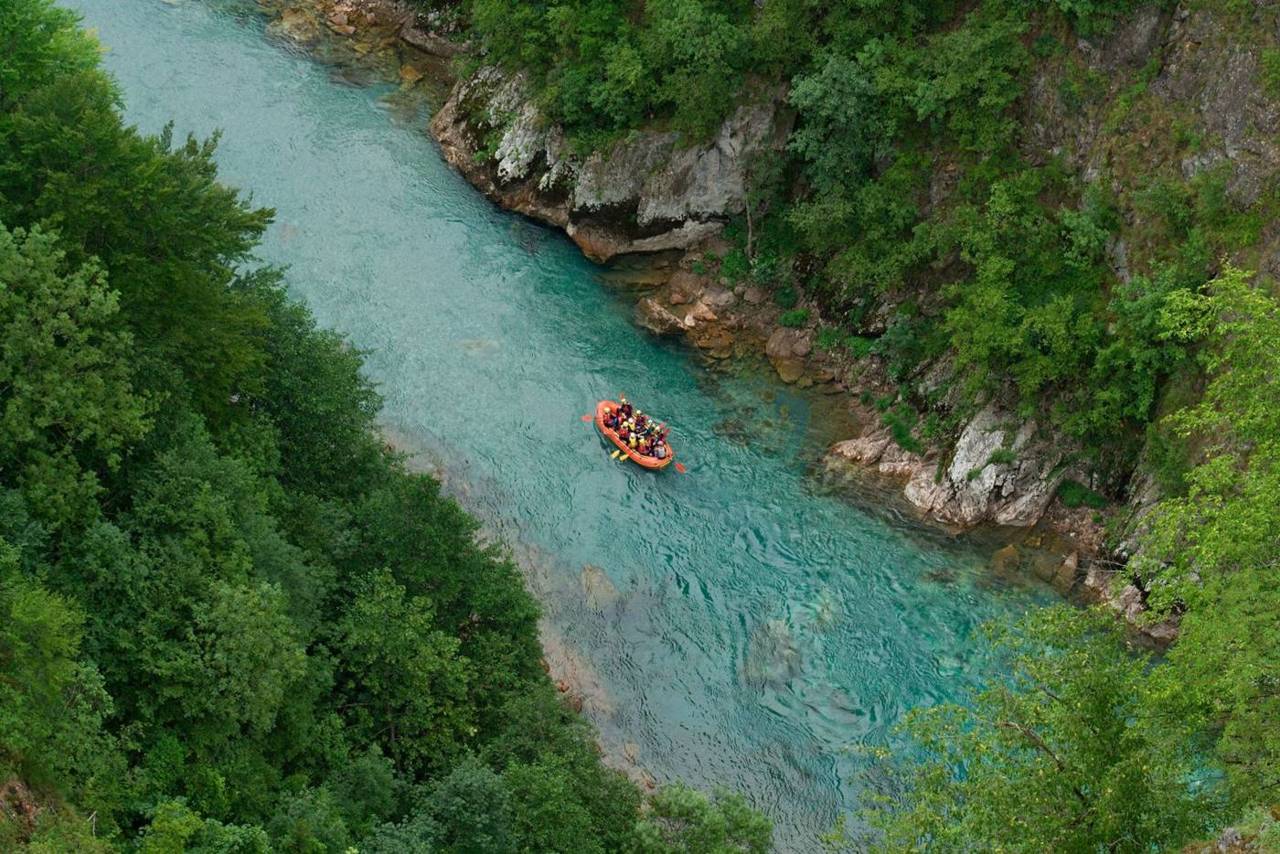
Rafting on the Tara
The Bosnian stretch of the Tara canyon, rafting from the Montenegrin border to Šćepan Polje and the rafting camps on the Drina near Foča.
- Foča
- Bastasi
- Tara
- Šćepan Polje
Day by day
- Day 1
From Sarajevo to Foča and the camp at Bastasi
This trip is about rafting on the Tara, one of the clearest rivers in Europe, where it marks the border between Bosnia and Herzegovina and Montenegro: the camps on the Drina near Foča, the descent to Šćepan Polje and the confluence where the Drina is born.
Before you go: Italian citizens can enter Bosnia and Herzegovina with a passport or an electronic identity card, valid for at least three months beyond the length of the stay; no visa is needed for up to 90 days in six months. Foreigners must register within 48 hours of arrival: hotels or camps do this for you. Other nationalities should check their own rules. The rafting trip crosses the border with Montenegro, which accepts a passport or an electronic identity card valid for travel: always carry your document. Italy's travel advice does not list any areas to avoid, but landmines from the 1992 to 1995 war remain in Bosnia: always stay on paved roads and marked paths, and do not enter overgrown fields, woods away from paths or abandoned houses.
From Sarajevo drive south-east to Foča, in about two hours, along the Drina valley. In town stop at the Aladža mosque, from the sixteenth century, famous for its painted decoration, destroyed during the war and rebuilt.
Then continue south for about half an hour to Bastasi, where the rafting camps line the Drina, among forests and mountains. You sleep in wooden cabins or tents, have dinner together and listen to the river in the evening.
Sleep at the camp in Bastasi.
Practical tip: book the rafting in advance and ask in writing who handles the border formalities and which document you need.
- Day 2
Down the Tara to Šćepan Polje
Today is river day: the descent of the most famous stretch of the Tara.
In the morning, at the camp, you are given a wetsuit, life jacket, helmet and neoprene shoes, and you listen to the guide's instructions. Then an off-road vehicle takes the group to the starting point, usually Brštanovica: to get there you generally cross the border at Šćepan Polje, because the road runs on the Montenegrin side. Keep your document in a waterproof bag.
The classic stretch, from Brštanovica to Šćepan Polje, is about twenty kilometres long. For much of it the river marks the border: one bank is in Bosnia and Herzegovina, in the municipality of Foča, the other in Montenegro. The water is green and clear, the canyon walls rise steep and wooded, and along the way there are rapids, small waterfalls and bends where you stop to swim. The time it takes varies a lot with the season: in spring, with high water, you go down quickly through strong waves, in summer it takes a few hours.
The trip ends at Šćepan Polje, where the Tara meets the Piva and together they form the Drina. From here you return to the camp, crossing the border again.
Choose only authorised organisers, with qualified guides, and check that your insurance covers rafting. Ask about the minimum age and the requirements for the day's water level.
Sleep at the camp in Bastasi.
Practical tip: in May the water is very strong and icy, suitable only for fit people who can swim; from July it is calmer and suits families.
- Day 3
Tjentište and the return to Sarajevo
On the last day you leave the river and head back towards Sarajevo, with a stop in a national park.
In the morning, if you still have energy, take a short walk along the Drina near the camp, only on well-trodden paths. Then set off towards Foča.
With a short detour from the road you reach Tjentište, at the entrance to Sutjeska National Park, the oldest in Bosnia and Herzegovina. Here stands a large concrete monument to the Battle of the Sutjeska in 1943, when Yugoslav partisans broke out of the encirclement by Axis forces. Its abstract shapes, like two great split rocks, make it one of the most photographed Yugoslav monuments. The park is also home to the Perućica forest, one of the last primeval forests in Europe, which you can visit only with a guide.
In the afternoon return to Sarajevo, in about two hours.
Trip summary: three active days between the camps at Bastasi on the Drina, the rafting descent of the Tara from Brštanovica to Šćepan Polje along the border with Montenegro and the Tjentište monument in Sutjeska National Park.
When to go: May and June for high water and the most thrilling rafting, from July to September for calmer rafting suited to families. Out of season many camps are closed.
Practical tip: in Sutjeska park never leave the marked paths and book a local guide for Perućica, also because of the risk of mines in isolated areas.
One of Europe's best rafting trips, at low prices. In May the water is strong and cold: only for the fit. A passport is needed because the river forms the border.
Before you go
- Documents and visa
- British passport issued less than 10 years before arrival and valid for at least 90 days after departure. No visa needed for up to 90 days in any 6-month period. All foreign nationals must register with the police within 72 hours; hotels usually do this.
- Health and vaccines
- No compulsory vaccinations. Medical facilities are limited, especially outside Sarajevo: you need travel insurance covering treatment and medical evacuation. Emergencies: police 122, fire 123, ambulance 124.
- Money and payments
- Convertible mark (KM or BAM), at a fixed rate of 1.9558 KM to the euro. Cash is common; Visa and Mastercard work in shops and hotels in the larger towns, where there are cash machines.
- Power sockets
- Types C and F, 230 volts: you need an adapter for British plugs.
- Time zone
- One hour ahead of the UK all year.
- Safety
- There are no areas the UK advises against, but landmines and unexploded weapons remain from the 1992 to 1995 war. Do not step off roads and paved areas without an experienced guide, and take extra care near former front lines, abandoned buildings, neglected land, woods and orchards. Thefts from cars are rising in tourist areas. Official advice: GOV.UK.
Information checked in November 2026 for Italian and EU citizens. Rules change: always check before you travel.
Variations
Short version: two days, with arrival at the camp and the rafting, returning to Sarajevo on the evening of the second day.
Long version: add two days in Montenegro, with the Tara canyon seen from above from the Đurđevića Tara bridge and Durmitor National Park.
Frequently asked questions
Is the Tara stretch in Bosnia or Montenegro?
On the classic stretch from Brštanovica to Šćepan Polje the river largely marks the border: one bank is in Bosnia, the other in Montenegro. You usually cross the border at Šćepan Polje.
Which documents do you need?
For Italian citizens, a passport or an electronic identity card, accepted by both countries. Always carry it during the rafting, in a waterproof bag.
Is rafting on the Tara suitable for children?
From July to September the water is calmer and many organisers accept families. Always ask the organiser about the minimum age and requirements.
Indicative itinerary written by World Atlas. Before booking, check timetables, seasonal openings, documents and safety.
 2 daysEasy
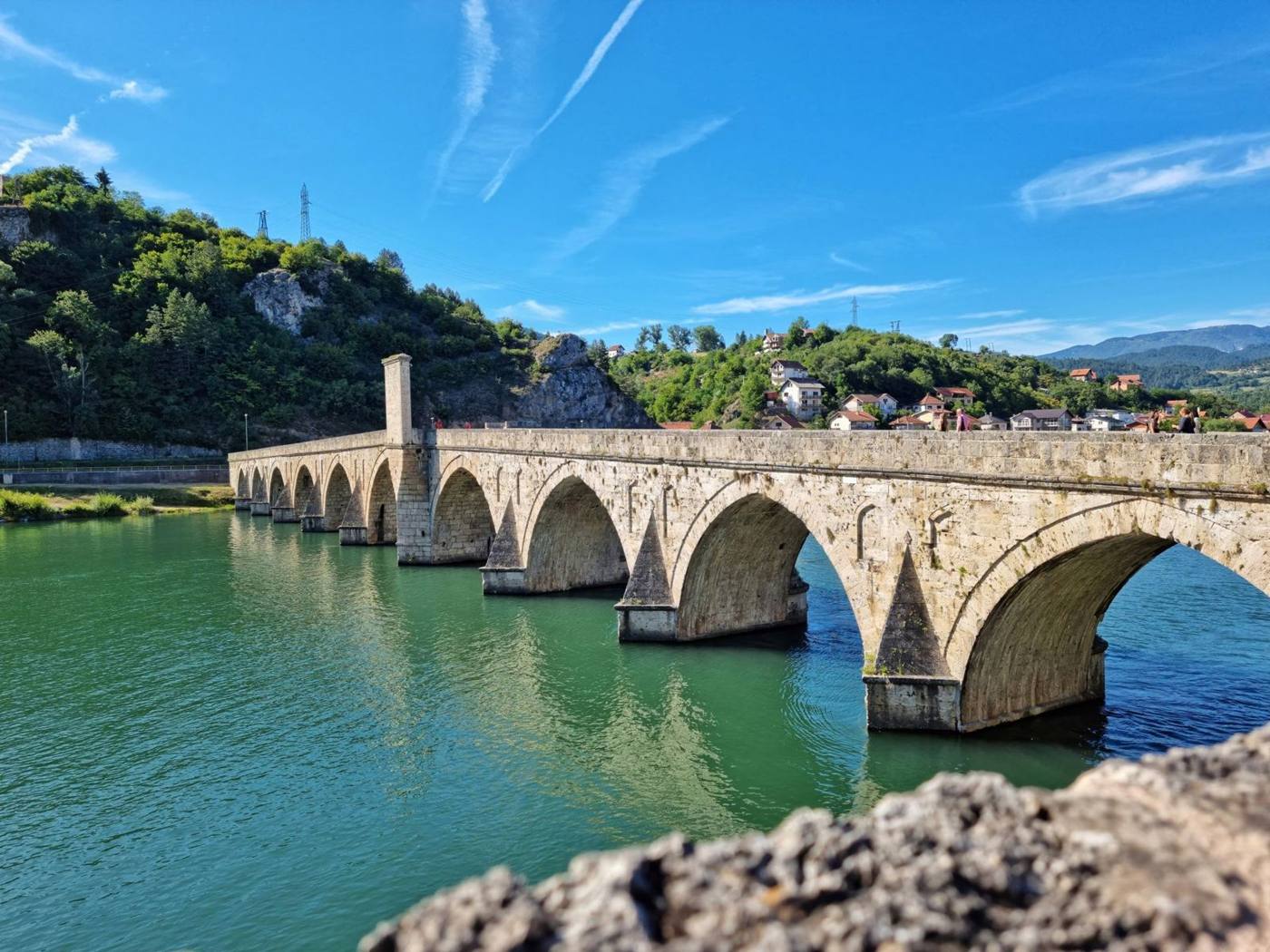
Višegrad and the Drina
The UNESCO Ottoman bridge of Mehmed Paša Sokolović made famous by Ivo Andrić's novel, the Andrićgrad quarter and the Mokra Gora steam train just over the border.
 3 daysEasy
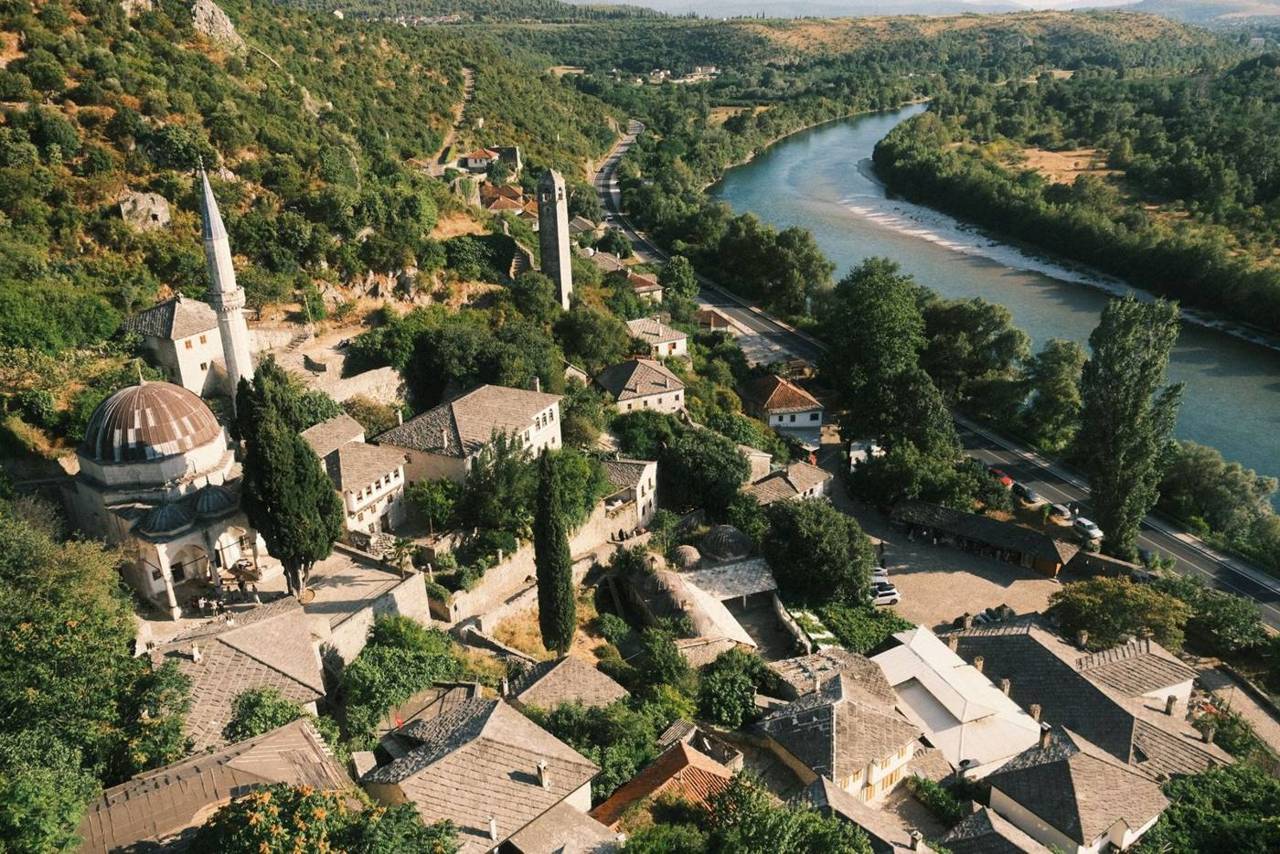
Počitelj and Stolac
The Ottoman stone village of Počitelj on the Neretva, the medieval stećci tombstones of Radimlja, Stolac with its mills and the Hutovo Blato marsh with its birds.
 3 daysEasy
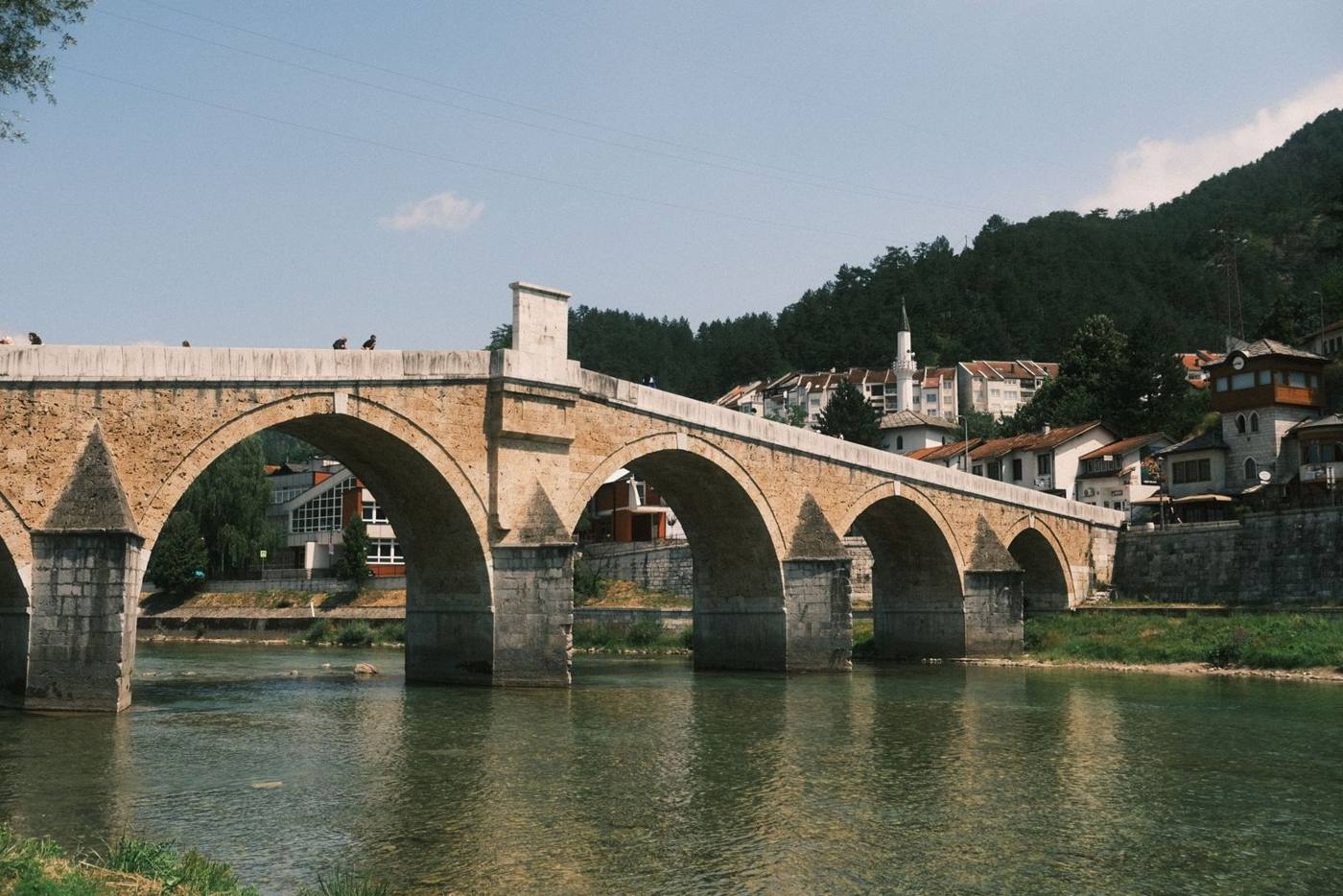
Konjic and Jablanica
Tito's secret nuclear bunker at Konjic, now an art gallery, the Ottoman bridge on the Neretva, Lake Jablanica and the destroyed bridge of the Battle of the Neretva.