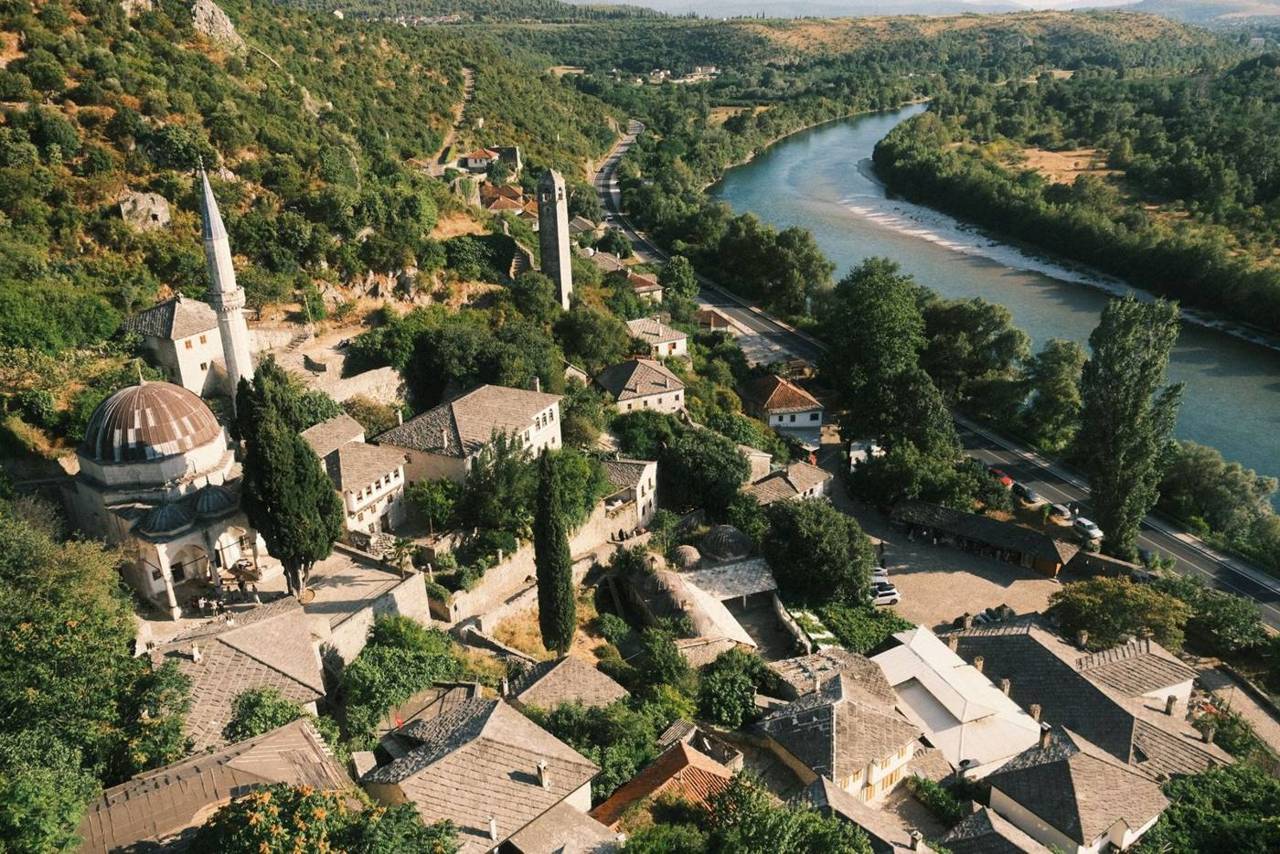
Počitelj and Stolac
The Ottoman stone village of Počitelj on the Neretva, the medieval stećci tombstones of Radimlja, Stolac with its mills and the Hutovo Blato marsh with its birds.
- Mostar
- Počitelj
- Stolac
- Radimlja
- Hutovo Blato
Day by day
- Day 1
Počitelj early in the morning
This trip shows a slow side of Herzegovina, south of Mostar: the Ottoman stone village of Počitelj on the Neretva, the medieval tombstones of Radimlja, the small town of Stolac with its mills on the Bregava river and the Hutovo Blato marsh, full of birds.
Before you go: Italian citizens can enter Bosnia and Herzegovina with a passport or an electronic identity card, valid for at least three months beyond the length of the stay; no visa is needed for up to 90 days in six months. Foreigners must register within 48 hours of arrival: hotels do this for you. Other nationalities should check their own rules. Italy's travel advice does not list any areas to avoid, but landmines from the 1992 to 1995 war remain in the country: always stay on paved roads and marked paths, and do not enter overgrown fields, woods away from paths or abandoned houses.
From Mostar you reach Počitelj in about half an hour, following the Neretva downstream. Go early, before the coaches from the coast arrive: the village is at its best in the morning light, when the river is still in shade.
Počitelj is a fortified village built on a rocky slope, with pale stone houses, slab roofs and gardens with pomegranates and figs. Climb the steps to the Hadži Alija mosque, from the sixteenth century, with its dome and slender minaret. Higher up are the clock tower and the fortress tower, with a view over the whole valley. The village was badly damaged during the war and later restored.
In the afternoon rest in the shade and taste the pomegranate juice or fresh figs sold by village women.
Sleep in Počitelj or nearby.
Practical tip: wear shoes with a good grip, because the stone steps are steep and slippery, and in summer visit before ten, while it is still cool.
- Day 2
The tombstones of Radimlja and Stolac
Today you see one of the most important medieval necropolises in the Balkans and a small town on the water.
In the morning drive east to Radimlja, just before Stolac. Beside the road is a field with many dozens of stećci, the large medieval tombstones typical of these lands. Some are shaped like houses, others like blocks or slabs, and many are carved with spirals, rosettes, hunting scenes, circle dances and human figures with a raised hand. The tombstones of Radimlja belong to the stećci cemeteries on the UNESCO World Heritage List. Walk slowly among the stones and look at the reliefs up close.
Then enter Stolac, a small town built along the Bregava river, with stone bridges, old watermills and Ottoman houses. In the centre is a mosque rebuilt after the war, and on the hill above town the walls of a fortress remain.
If you have time, climb to the site of Daorson, an ancient fortified Illyrian town with great walls of stone blocks, a few kilometres from Stolac. Follow only the marked path.
In the evening walk along the Bregava, when the golden light falls on the water and the mills.
Sleep in Stolac or Počitelj.
Practical tip: at Radimlja the best light for the reliefs is in the morning or late afternoon, when the sun is low and the carved figures stand out.
- Day 3
By boat in the Hutovo Blato marsh and the return
The last day is for nature, in a large wetland near the border with Croatia.
Early in the morning reach Hutovo Blato nature park, a short distance from Počitelj. It is a marsh of lakes, channels and reed beds, fed by karst springs, where many birds stop during migration: herons, cormorants, ducks, coots and birds of prey. The best way to see it is a boat trip with a park guide, gliding silently through the reeds. Check prices and times at the visitor centre and book if you can.
After the boat you can walk for a while on the park's marked paths, up to a viewpoint over the lakes. Do not leave the paths and do not enter the reed beds or overgrown fields: here too, away from the routes, there may be mines.
For lunch try freshwater fish or eel, typical of the area, then head back towards Mostar. If you want a last stop, the Kravica waterfalls are not far away.
Trip summary: three easy, slow days south of Mostar, with the Ottoman village of Počitelj, the UNESCO medieval tombstones of Radimlja, Stolac with its mills and the Hutovo Blato marsh with its birds.
When to go: from April to June and from September to October. In spring and autumn there are more birds and the heat is bearable; in July and August Herzegovina often goes above 35 degrees.
Practical tip: bring binoculars and a light jacket for the boat trip, because it is cool on the water in the morning.
A slow Herzegovina, minutes from Mostar and Kravica. In Počitelj the steps are steep and summers are very hot. The Radimlja tombstones are UNESCO heritage.
Before you go
- Documents and visa
- British passport issued less than 10 years before arrival and valid for at least 90 days after departure. No visa needed for up to 90 days in any 6-month period. All foreign nationals must register with the police within 72 hours; hotels usually do this.
- Health and vaccines
- No compulsory vaccinations. Medical facilities are limited, especially outside Sarajevo: you need travel insurance covering treatment and medical evacuation. Emergencies: police 122, fire 123, ambulance 124.
- Money and payments
- Convertible mark (KM or BAM), at a fixed rate of 1.9558 KM to the euro. Cash is common; Visa and Mastercard work in shops and hotels in the larger towns, where there are cash machines.
- Power sockets
- Types C and F, 230 volts: you need an adapter for British plugs.
- Time zone
- One hour ahead of the UK all year.
- Safety
- There are no areas the UK advises against, but landmines and unexploded weapons remain from the 1992 to 1995 war. Do not step off roads and paved areas without an experienced guide, and take extra care near former front lines, abandoned buildings, neglected land, woods and orchards. Thefts from cars are rising in tourist areas. Official advice: GOV.UK.
Information checked in November 2026 for Italian and EU citizens. Rules change: always check before you travel.
Variations
Short version: a single day from Mostar with Počitelj in the morning and Radimlja and Stolac in the afternoon.
Long version: add two days in Mostar and a day at the Kravica waterfalls and the dervish lodge at Blagaj.
Frequently asked questions
When should you visit Počitelj?
Early in the morning, before the coaches from the coast and the heat. The steps are steep: wear shoes with a good grip.
What are stećci?
They are large medieval tombstones, often carved, typical of Bosnia and Herzegovina and neighbouring countries. The stećci cemeteries, including Radimlja, are a UNESCO World Heritage Site.
Are there landmine risks at Hutovo Blato?
Stay on the park's marked paths and do not enter the reed beds or overgrown fields. Boat trips with park guides are the safest way to visit.
Indicative itinerary written by World Atlas. Before booking, check timetables, seasonal openings, documents and safety.
 3 daysEasy
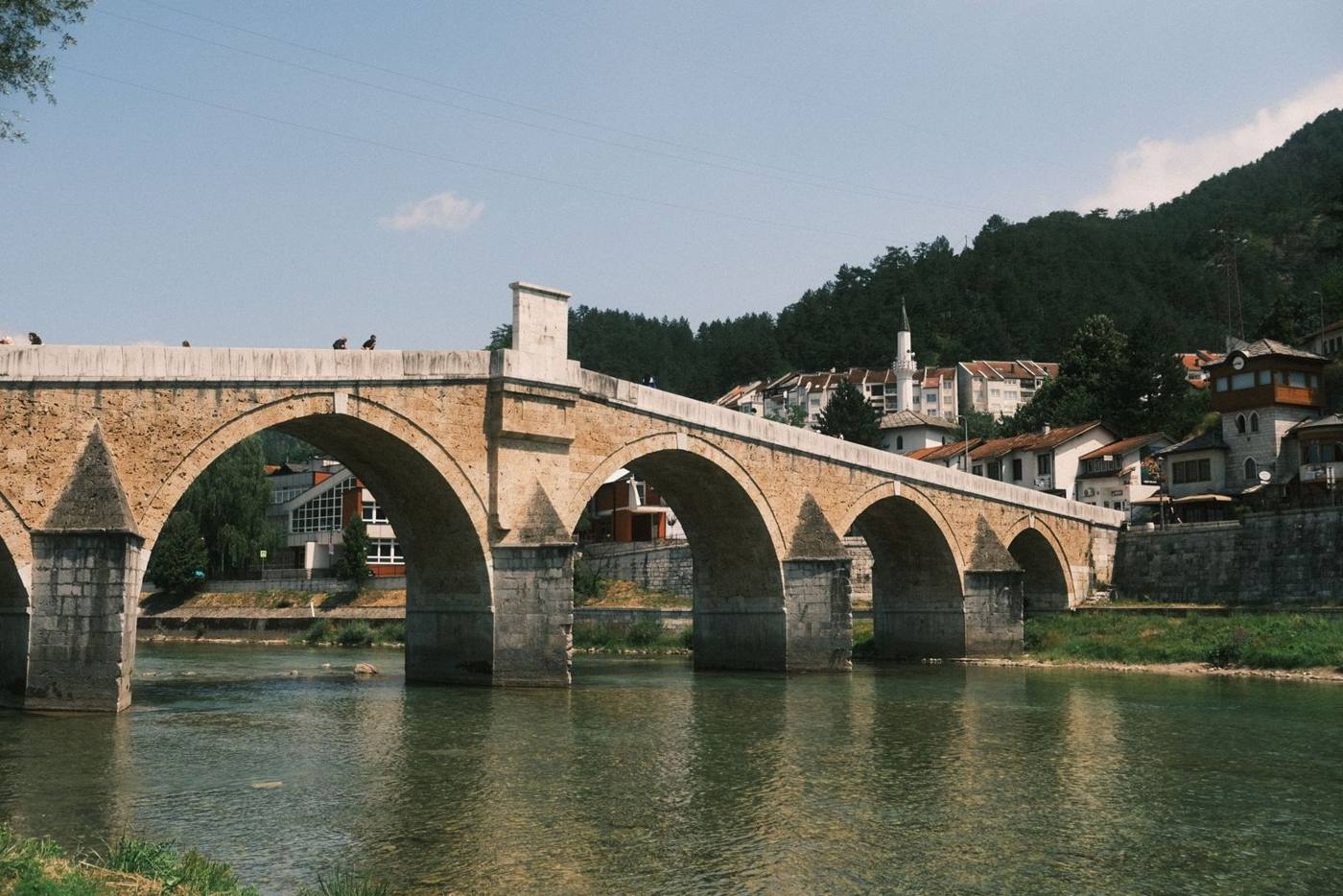
Konjic and Jablanica
Tito's secret nuclear bunker at Konjic, now an art gallery, the Ottoman bridge on the Neretva, Lake Jablanica and the destroyed bridge of the Battle of the Neretva.
 3 daysEasy
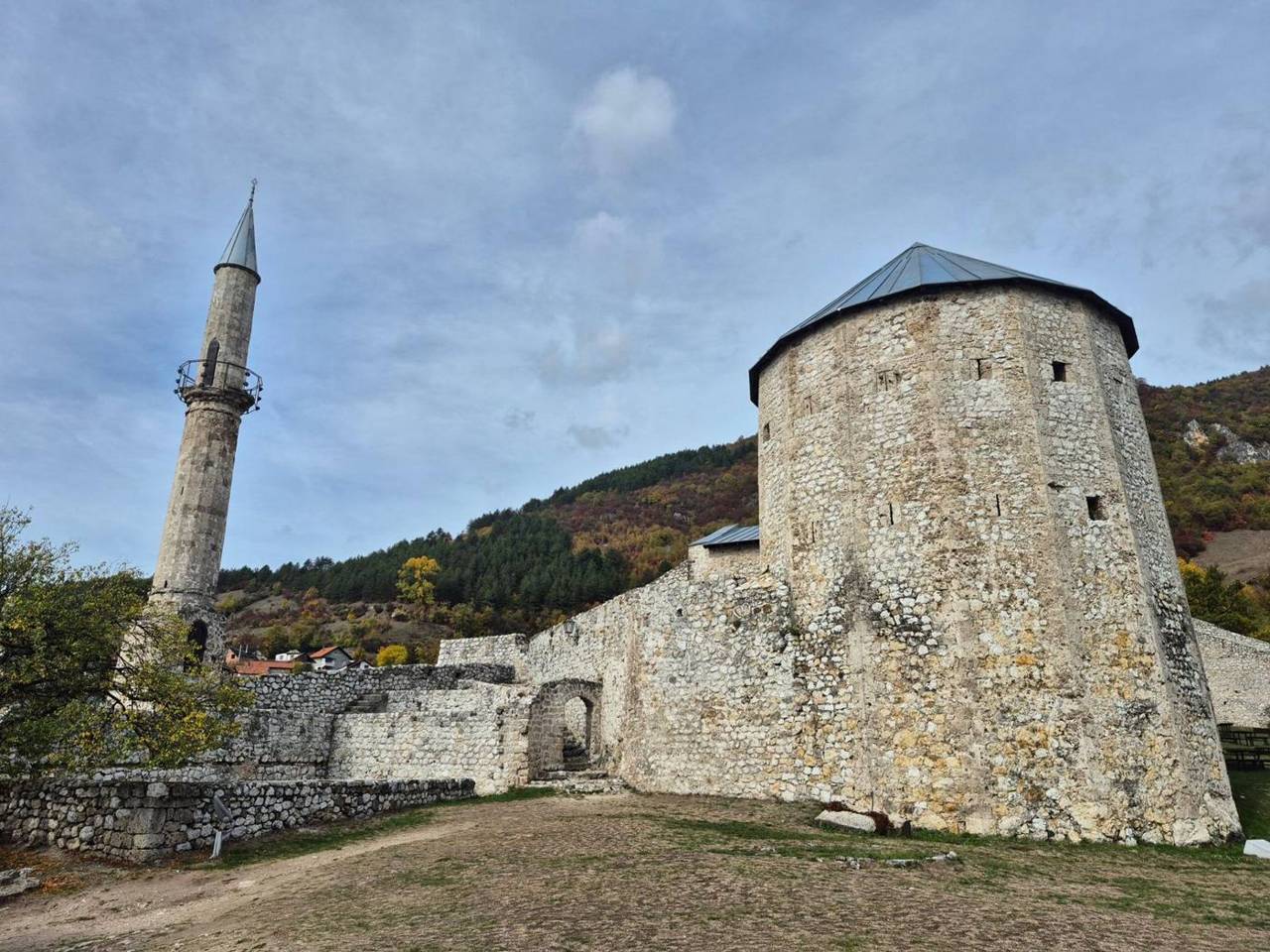
Travnik and central Bosnia
Travnik, the city of the viziers with its painted mosque and fortress, the Plava Voda spring, Vranduk fortress and the Franciscan monastery of Kraljeva Sutjeska.
 3 daysEasy
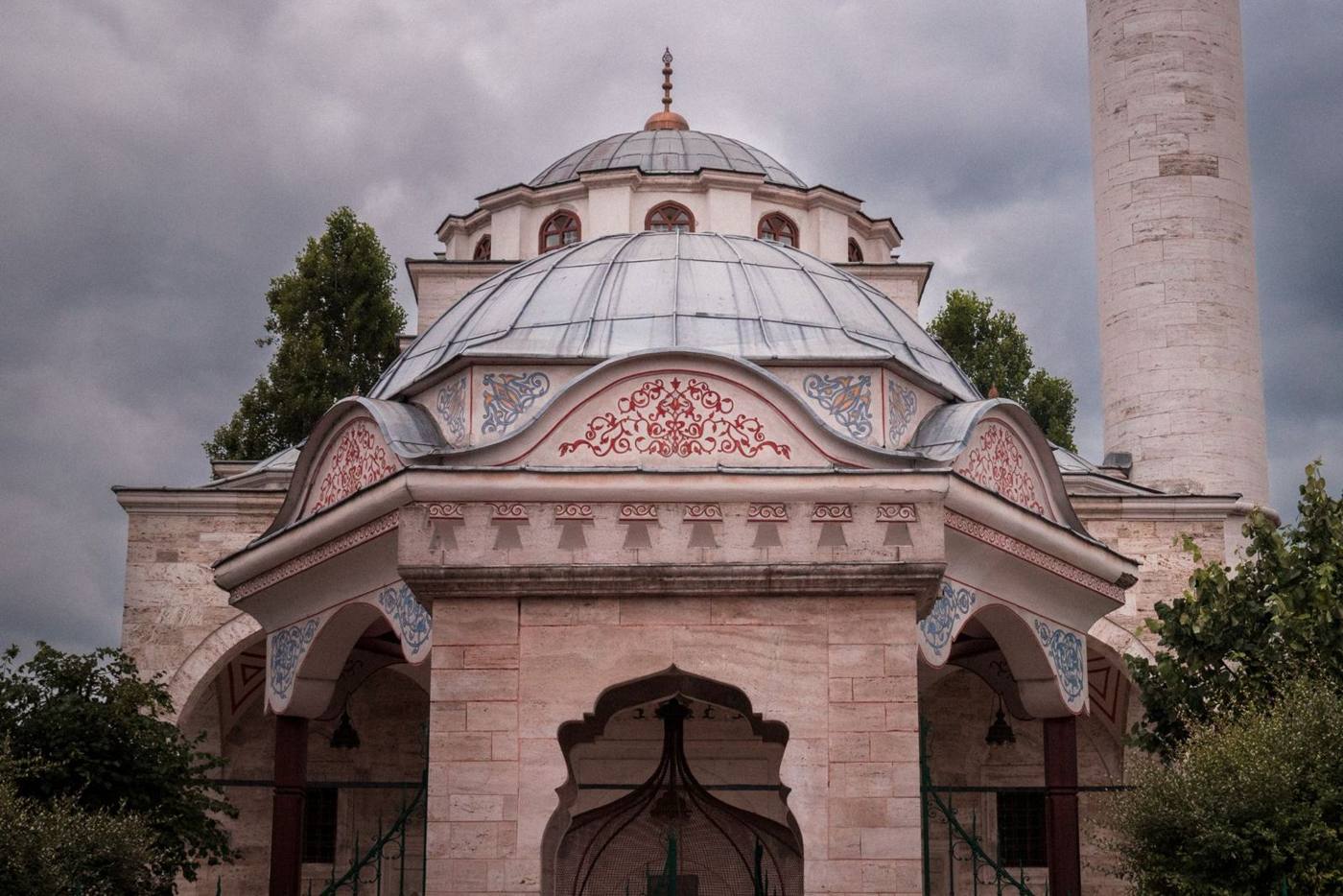
Banja Luka and the Vrbas
The capital of Republika Srpska with Kastel fortress, the Vrbas canyon for rafting and kayaking, and the waterfalls and mills of Krupa na Vrbasu.