Konjic and Jablanica
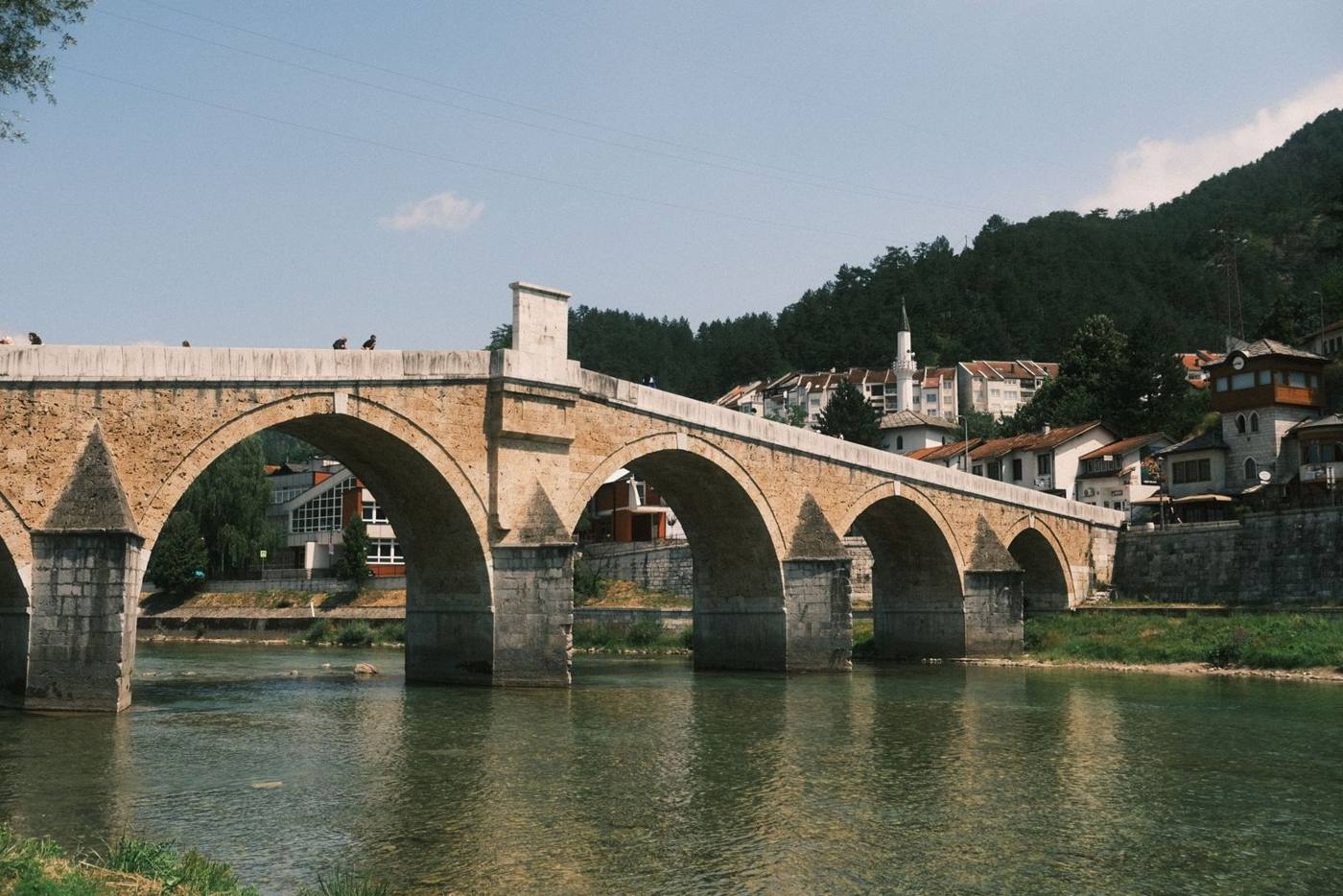
Tito's secret nuclear bunker at Konjic, now an art gallery, the Ottoman bridge on the Neretva, Lake Jablanica and the destroyed bridge of the Battle of the Neretva.
- Sarajevo
- Konjic
- Bunker ARK D-0
- Jablanica
Day by day
- Day 1
Konjic and Tito's bunker
This trip follows the Neretva valley between Sarajevo and Mostar: Konjic with its Ottoman bridge and the secret nuclear bunker built for Tito, the river for easy rafting or a kayak trip, and Jablanica, with the destroyed bridge of the Battle of the Neretva and spit-roast lamb.
Before you go: Italian citizens can enter Bosnia and Herzegovina with a passport or an electronic identity card, valid for at least three months beyond the length of the stay; no visa is needed for up to 90 days in six months. Foreigners must register within 48 hours of arrival: hotels do this for you. Other nationalities should check their own rules. Italy's travel advice does not list any areas to avoid, but landmines from the 1992 to 1995 war remain in the country: always stay on paved roads and marked paths, and do not enter overgrown fields, woods away from paths or abandoned houses.
From Sarajevo you reach Konjic in about an hour, by car or by train along the valley. In the morning visit the ARK D-0 bunker, dug under a hill near the town between the 1950s and the 1970s to protect Tito and Yugoslavia's leaders from a nuclear attack. Inside are long corridors, meeting rooms, dormitories and air and water systems, all left as they were. Today it also hosts contemporary art. Entry is only by booked guided tour: check prices and times.
In the afternoon walk through the centre of Konjic to the Old Bridge over the Neretva, a stone Ottoman bridge destroyed in 1945 and later rebuilt. Konjic is also famous for woodcarving, a tradition recognised by UNESCO: step into a workshop to see hand-carved furniture and panels.
Sleep in Konjic.
Practical tip: the bunker is cool all year round, so bring a sweatshirt even in August.
- Day 2
Easy rafting on the Neretva or kayaking on the lake
Today you spend the day on the water, choosing between the river and the lake.
Upstream of Konjic the Neretva runs green and clear through a narrow valley, with gentle rapids that in summer suit families too. A rafting trip lasts a few hours, with stops to swim in the bends and for lunch on the bank. You are given a wetsuit, life jacket and helmet, and a guide explains how to paddle. The water is very cold even in August, because it comes from the mountains.
If you prefer calm water, hire a kayak or canoe on Lake Jablanica, the large reservoir that stretches downstream of Konjic. Its shores are wooded, with small beaches and bays to stop in.
Choose registered organisers, with qualified guides and equipment in good condition, and check that your insurance covers rafting. In spring the Neretva is higher and faster: always ask about the river level.
When you go ashore for a break, use only the spots your guide points out and well-trodden paths: do not walk into the woods or overgrown fields along the river.
In the evening return to Konjic and have dinner with river fish or burek, pastry filled with meat, cheese or potatoes.
Sleep in Konjic.
Practical tip: bring water-resistant sun cream, a hat and a bottle of water; on the river the summer sun is strong even if the water is cold.
- Day 3
Jablanica, the battle bridge and arrival in Mostar
On the last day you head down the Neretva to Jablanica and then on to Mostar.
In the morning drive for about half an hour to Jablanica. Here, in 1943, Yugoslav partisans fought the Battle of the Neretva and blew up the railway bridge over the river, then managed to cross it with thousands of wounded. The remains of the bridge are still in the river, like a monument, and next to it is a museum about the battle, with weapons, photographs and documents. The bridge also became famous thanks to a 1969 film. Check the museum's prices and times.
For lunch try spit-roast lamb, the speciality of Jablanica: along the main road you will see lambs turning slowly over the embers in front of the restaurants. It is eaten with bread, onion and salad.
In the afternoon continue south through the Neretva gorge, one of the most beautiful roads in the country, between rock walls and emerald green water. In less than an hour you reach Mostar.
Trip summary: three easy days in the Neretva valley, with Tito's bunker in Konjic, the Ottoman bridge and the woodcarving, the river and the lake by raft or kayak, and Jablanica with its bridge and spit-roast lamb, before Mostar.
When to go: from April to October. For easy rafting choose June, July or August; April and May are greener but the water is stronger.
Practical tip: in the Neretva gorge stop only in the lay-bys for photos, because the road is narrow and busy.
An ideal stop between Sarajevo and Mostar. The bunker can only be seen on a booked guided tour. Jablanica's spit-roast lamb is a local tradition.
Before you go
- Documents and visa
- British passport issued less than 10 years before arrival and valid for at least 90 days after departure. No visa needed for up to 90 days in any 6-month period. All foreign nationals must register with the police within 72 hours; hotels usually do this.
- Health and vaccines
- No compulsory vaccinations. Medical facilities are limited, especially outside Sarajevo: you need travel insurance covering treatment and medical evacuation. Emergencies: police 122, fire 123, ambulance 124.
- Money and payments
- Convertible mark (KM or BAM), at a fixed rate of 1.9558 KM to the euro. Cash is common; Visa and Mastercard work in shops and hotels in the larger towns, where there are cash machines.
- Power sockets
- Types C and F, 230 volts: you need an adapter for British plugs.
- Time zone
- One hour ahead of the UK all year.
- Safety
- There are no areas the UK advises against, but landmines and unexploded weapons remain from the 1992 to 1995 war. Do not step off roads and paved areas without an experienced guide, and take extra care near former front lines, abandoned buildings, neglected land, woods and orchards. Thefts from cars are rising in tourist areas. Official advice: GOV.UK.
Information checked in November 2026 for Italian and EU citizens. Rules change: always check before you travel.
Variations
Short version: one day from Sarajevo with the Konjic bunker and lunch in Jablanica, reaching Mostar in the evening.
Long version: add two days in Mostar, with the Old Bridge, Blagaj and the Kravica waterfalls.
Frequently asked questions
How do you visit Tito's bunker?
Only by booked guided tour. Check prices and times and bring a sweatshirt: it is cool inside all year round.
Is rafting on the Neretva suitable for families?
In summer, yes: the stretch upstream of Konjic has gentle rapids. In spring the water is higher and faster.
Are there risks from landmines?
Not in towns or on main roads. Along the river and in the countryside stay on well-trodden paths and paved roads.
Indicative itinerary written by World Atlas. Before booking, check timetables, seasonal openings, documents and safety.
 3 daysEasy
Travnik and central Bosnia
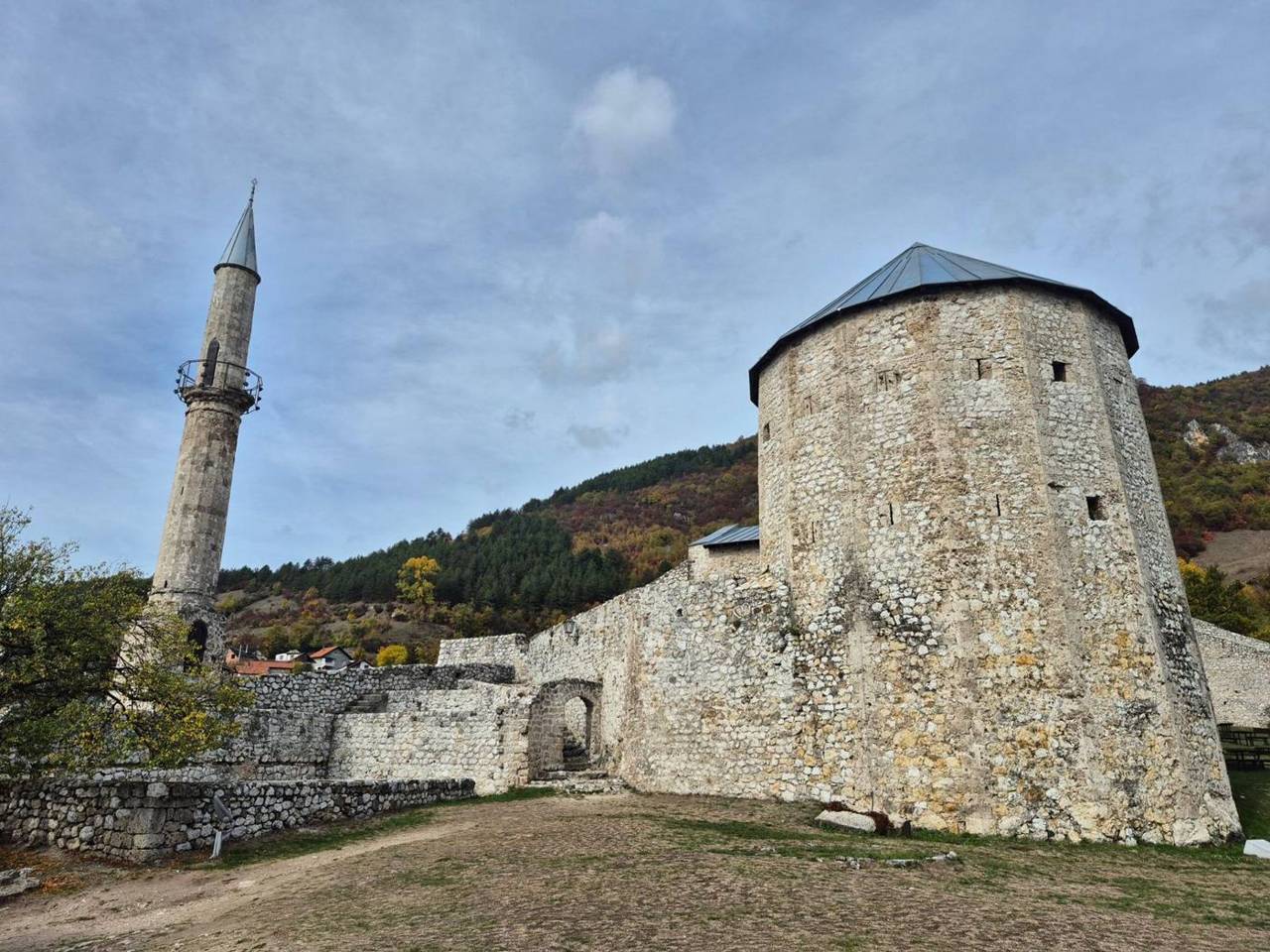
Travnik, the city of the viziers with its painted mosque and fortress, the Plava Voda spring, Vranduk fortress and the Franciscan monastery of Kraljeva Sutjeska.
 3 daysEasy
Banja Luka and the Vrbas
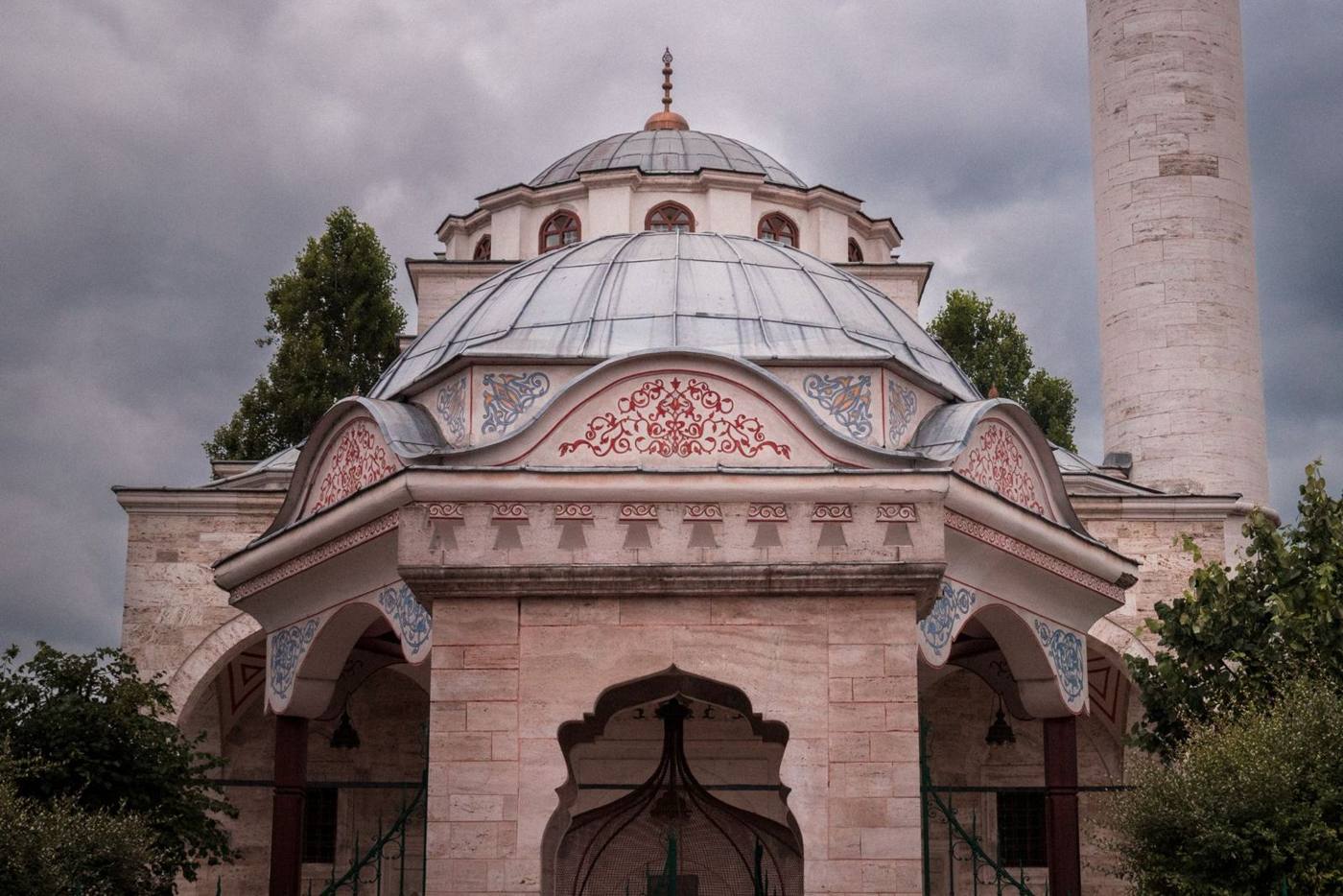
The capital of Republika Srpska with Kastel fortress, the Vrbas canyon for rafting and kayaking, and the waterfalls and mills of Krupa na Vrbasu.
 6 daysEasy
Sarajevo and Mostar
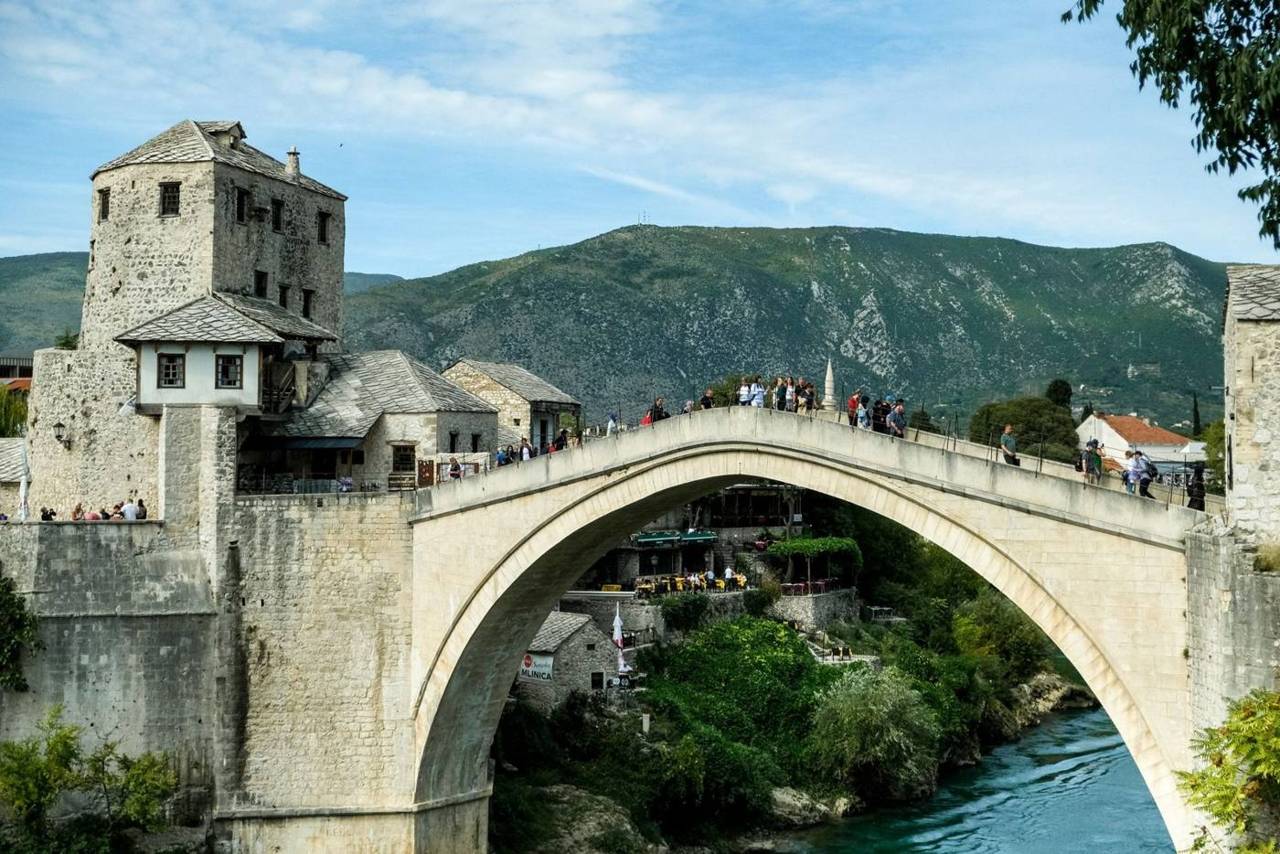
The Ottoman Baščaršija, the Tunnel of Hope, the train down the Neretva valley, Mostar's Old Bridge, Blagaj and the Kravica waterfalls.