Herzegovina and its wine
Žilavka and Blatina wineries around Mostar and Čitluk, Trebinje with its plane trees and Tvrdoš monastery.
- Mostar
- Čitluk
- Stolac
- Trebinje
- Tvrdoš
Day by day
- Day 1
Mostar and the vineyards of Čitluk
This four-day trip takes you to Herzegovina, the sunny southern part of Bosnia and Herzegovina, among vineyards of native grapes, Ottoman towns, medieval tombs and Orthodox monasteries, as far as Trebinje, half an hour from Dubrovnik.
Before you go: Italian citizens can enter Bosnia and Herzegovina with a passport or an electronic identity card, valid for at least three months beyond the length of the stay; no visa is needed for up to 90 days in six months. Foreigners must register within 48 hours of arrival: hotels do this for you. Other nationalities should check their own rules. Italy's travel advice does not list any areas to avoid, but landmines from the 1992 to 1995 war remain in the country, especially in the countryside: always stay on paved roads and marked paths, and do not enter overgrown fields, woods away from paths, abandoned vineyards or ruined houses. In tourist areas watch out for pickpockets and bag snatchers.
In the morning you are in Mostar. Walk to the Old Bridge, the Stari Most, built by the Ottomans in 1566, destroyed in 1993 during the war and rebuilt in 2004, a UNESCO World Heritage Site. Around it is the Kujundžiluk, the old coppersmiths' bazaar, with its stone workshops.
In the afternoon drive south-west to Čitluk, about twenty kilometres, on the Brotnjo plateau, the main wine area of Herzegovina. Here the soil is stony and the sun strong, and two local grapes are grown: žilavka, a dry, aromatic white, and blatina, a soft red, a variety that cannot pollinate itself and must be planted next to other vines. Book a tasting at one of the wineries in the area.
Sleep in Mostar or Čitluk.
Practical tip: if you taste a lot of wine, arrange a driver or a guided tour, because drink-driving checks are frequent in Bosnia and Herzegovina.
- Day 2
Stolac and the Radimlja necropolis
Today you visit one of the oldest towns in Bosnia and Herzegovina and its medieval tombs.
In the morning drive south-east to Stolac, about three quarters of an hour from Mostar, on roads among stony hills, figs and pomegranates. Just before the town stop at the Radimlja necropolis, one of the most important sites of stećci, the great medieval stone tombs of Bosnia, Herzegovina and neighbouring countries, a UNESCO World Heritage Site since 2016. There are more than a hundred here, shaped like slabs, chests or small houses with roofs, many decorated with reliefs: rosettes, spirals, hunting and dancing scenes, and the figure of a man with his right hand raised and open. Check prices and times.
Then enter Stolac, stretched along the river Bregava, with its old mills, stone bridges, mosques rebuilt after the war and the Vidoški fortress on the hill. Walk through the centre and along the river bank, where the water runs fast beneath the plane trees.
In the afternoon, if you have time, visit the remains of Daorson, an ancient Illyrian town a few kilometres away, with great stone walls from the Hellenistic period. Check prices and times.
In the evening return towards Mostar or continue to Trebinje, about an hour and a half.
Sleep in Stolac or Trebinje.
Practical tip: at Radimlja and Daorson walk only on the marked routes and do not enter the surrounding fields; in summer visit the sites early in the morning, because it is very hot and there is little shade.
- Day 3
Trebinje, the Arslanagić bridge and Tvrdoš monastery
Today you visit the southernmost town in Bosnia and Herzegovina, quiet and full of plane trees.
In the morning walk across the main square of Trebinje, in the shade of its great plane trees, where the market sells fruit, cheese, honey and local wine. Then enter the old town, the Kastel, along the river Trebišnjica, with its Ottoman walls, stone houses and mosque.
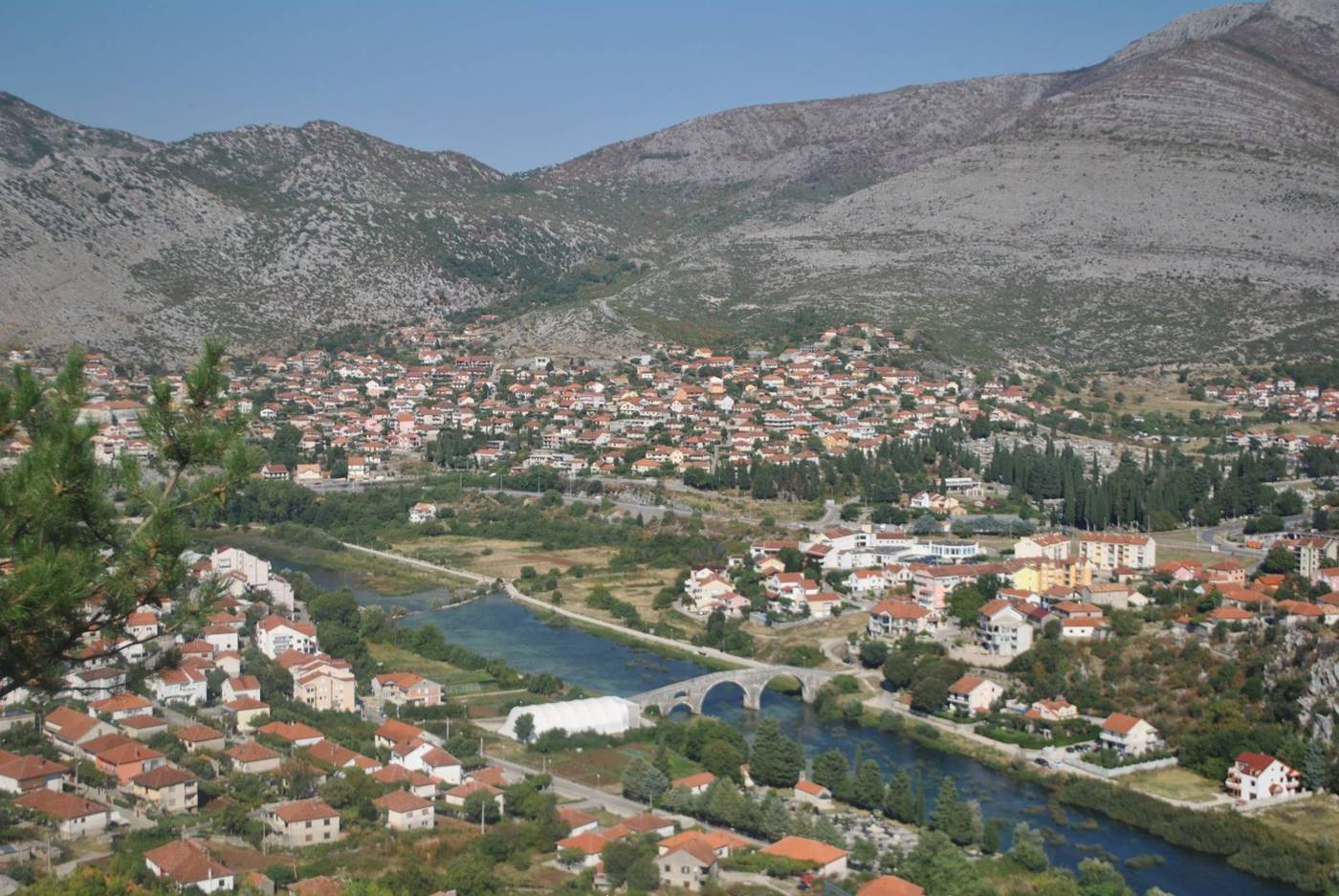
Just outside the centre you see the Arslanagić bridge, a multi-arched Ottoman bridge commissioned in the sixteenth century by the grand vizier Mehmed Paša Sokolović, which in the 1970s was dismantled and rebuilt stone by stone further downstream, because its original site was about to be flooded by a dam.
In the afternoon climb the hill of Crkvina, above the town, where the Hercegovačka Gračanica stands, a recent Orthodox church with a bell tower, built on the model of a famous medieval monastery in Kosovo. From the terrace you see the whole valley.
Then go to Tvrdoš monastery, a few kilometres away, along the river. It is an Orthodox monastery with medieval roots, rebuilt several times, where the monks still make wine. You can visit the church with its frescoes and, if it is open, the old stone cellar. Respect the life of the monks and dress covering shoulders and legs.
Sleep in Trebinje.
Practical tip: at Trebinje market buy local cheese and honey directly from the producers, in the morning, when there is more choice.
- Day 4
A last morning in Trebinje and departure for Dubrovnik
The last day is for a few final discoveries and the crossing to the coast.
In the morning, if you like walking, follow the promenade along the river Trebišnjica, among gardens and bridges, to the meadows where locals swim in summer. Alternatively visit the Museum of Herzegovina, in the old town, with archaeological finds, traditional costumes and a section on the history of the region. Check prices and times.
Then sit down in a café on the square and order a Bosnian coffee, served in a džezva, the small copper pot, with a sugar cube and a piece of rahat lokum.
In the early afternoon leave for Dubrovnik, about half an hour by road. You cross the border into Croatia, which is in the European Union and the Schengen area: keep your document at hand and allow for some waiting in summer.
In these four days you have seen the Old Bridge and the bazaar of Mostar, tastings of žilavka and blatina on the Čitluk plateau, the stećci of Radimlja, Stolac and the river Bregava, Daorson, the square of plane trees and the Arslanagić bridge in Trebinje and Tvrdoš monastery.
When to go: from May to October. September is the grape harvest month and the best time for a wine trip. In July and August Herzegovina is very hot, often above 35 degrees: spring or early autumn are better.
Practical tip: if you have a hire car, check beforehand that the contract allows you to cross the border between Bosnia and Herzegovina and Croatia and that the insurance is valid in both countries.
A short, tasty trip, perfect to pair with Dubrovnik. Native wines little known outside the Balkans, at honest prices. Summer heat in Herzegovina is intense: spring or September are better.
Before you go
- Documents and visa
- British passport issued less than 10 years before arrival and valid for at least 90 days after departure. No visa needed for up to 90 days in any 6-month period. All foreign nationals must register with the police within 72 hours; hotels usually do this.
- Health and vaccines
- No compulsory vaccinations. Medical facilities are limited, especially outside Sarajevo: you need travel insurance covering treatment and medical evacuation. Emergencies: police 122, fire 123, ambulance 124.
- Money and payments
- Convertible mark (KM or BAM), at a fixed rate of 1.9558 KM to the euro. Cash is common; Visa and Mastercard work in shops and hotels in the larger towns, where there are cash machines.
- Power sockets
- Types C and F, 230 volts: you need an adapter for British plugs.
- Time zone
- One hour ahead of the UK all year.
- Safety
- There are no areas the UK advises against, but landmines and unexploded weapons remain from the 1992 to 1995 war. Do not step off roads and paved areas without an experienced guide, and take extra care near former front lines, abandoned buildings, neglected land, woods and orchards. Thefts from cars are rising in tourist areas. Official advice: GOV.UK.
Information checked in November 2026 for Italian and EU citizens. Rules change: always check before you travel.
Variations
In 3 days: Mostar with Čitluk, Stolac with Radimlja, and Trebinje with Tvrdoš.
In 6 days: add Blagaj, Počitelj and the Kravica waterfalls, and a day in Dubrovnik.
Frequently asked questions
What are the typical wines of Herzegovina?
Žilavka, a dry, aromatic white, and blatina, a soft red. They are grown mainly on the Brotnjo plateau, around Čitluk, and in the Trebinje area.
What are stećci?
They are medieval stone tombs, shaped like slabs, chests or small houses, often decorated with reliefs. They have been a UNESCO World Heritage Site since 2016; one of the most important necropolises is Radimlja, near Stolac.
Which document do you need for Bosnia and Herzegovina?
Italian citizens can enter with a passport or an electronic identity card, valid for at least three months beyond the stay, without a visa for up to 90 days. Other nationalities should check their own rules.
Indicative itinerary written by World Atlas. Before booking, check timetables, seasonal openings, documents and safety.
 3 daysEasy
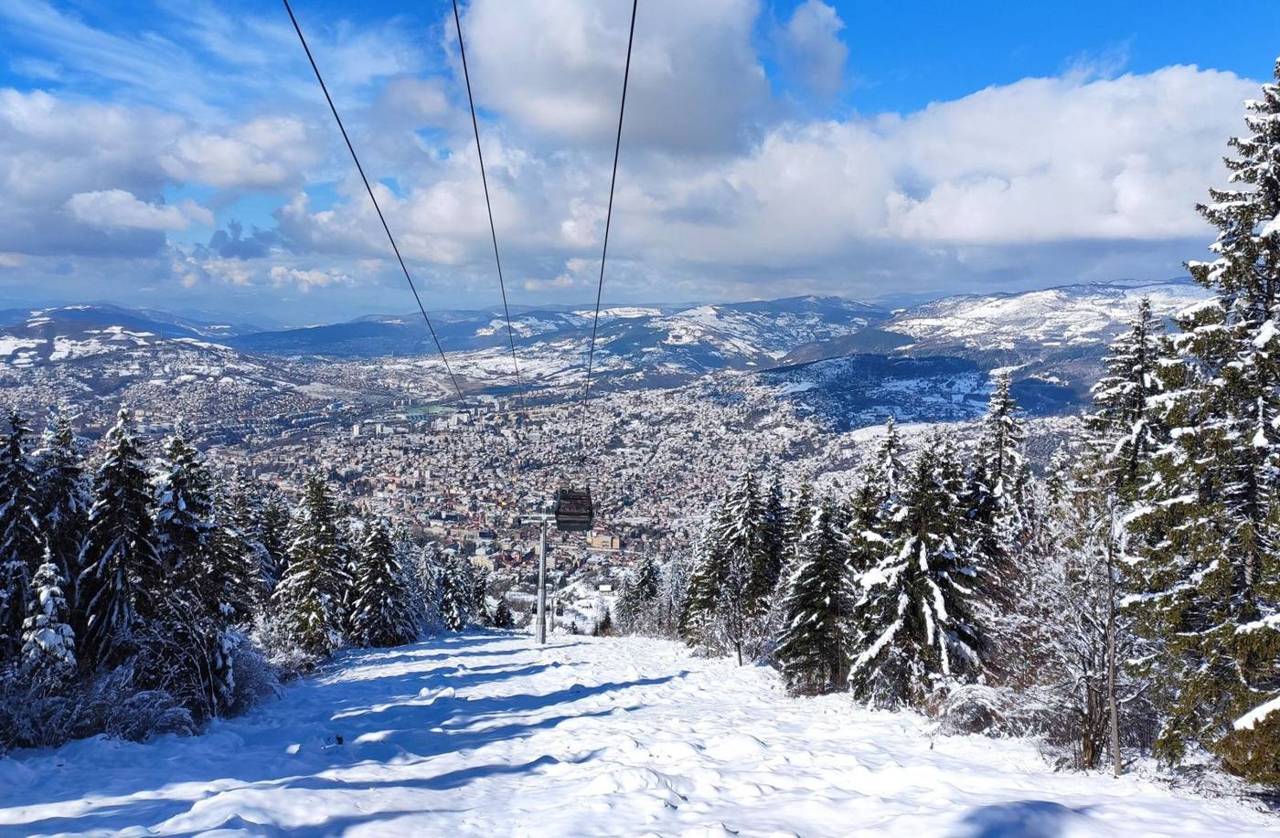
Sarajevo and Mount Trebević
The Trebević cable car, the old graffiti-covered Olympic bobsled track, the 11/07/95 gallery, the Vijećnica and Bosnian coffee in the Baščaršija.
 3 daysModerate
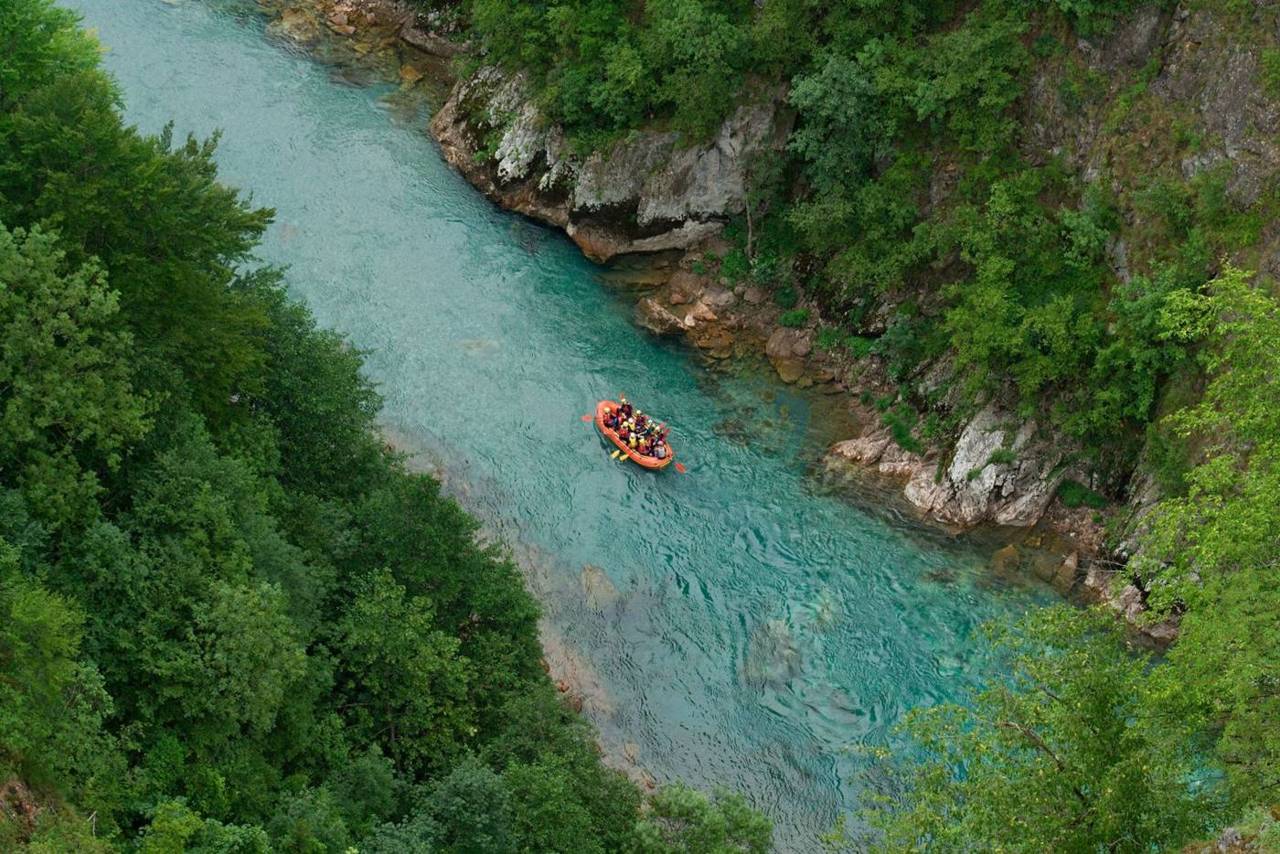
Rafting on the Tara
The Bosnian stretch of the Tara canyon, rafting from the Montenegrin border to Šćepan Polje and the rafting camps on the Drina near Foča.
 2 daysEasy
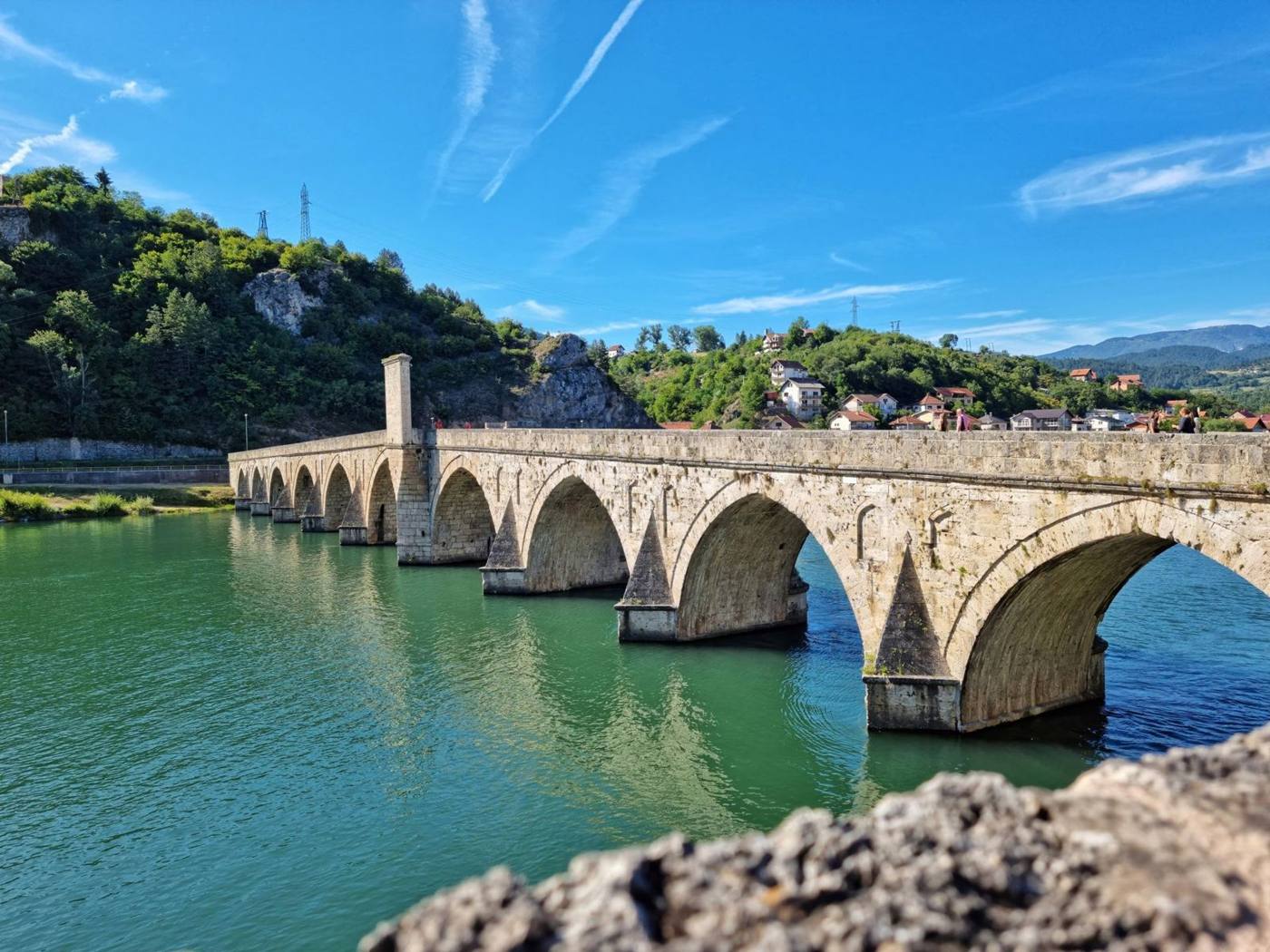
Višegrad and the Drina
The UNESCO Ottoman bridge of Mehmed Paša Sokolović made famous by Ivo Andrić's novel, the Andrićgrad quarter and the Mokra Gora steam train just over the border.