The Paro festival
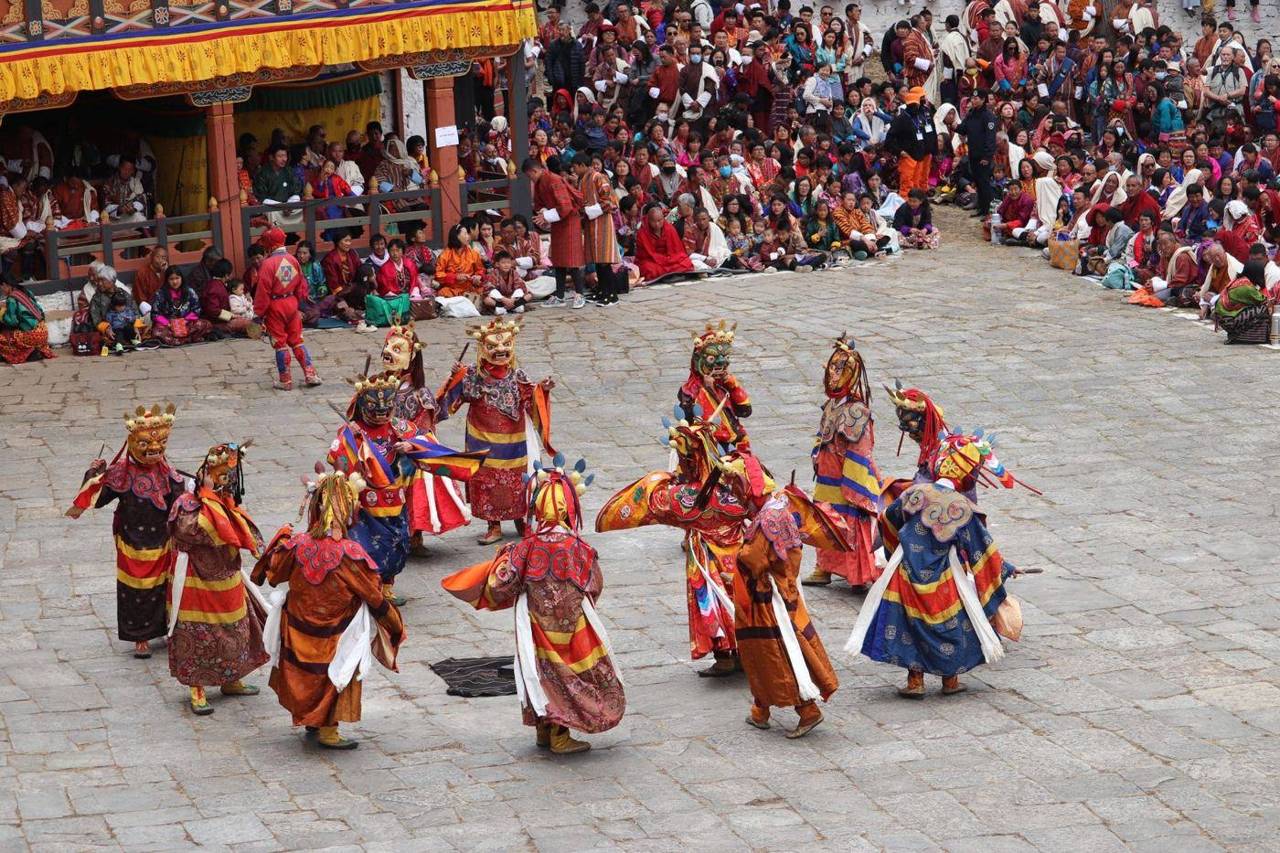
The Paro tsechu in spring, with masked dances in the dzong courtyard and the huge thangka unveiled at dawn on the last day, with Thimphu and Taktsang.
- Paro
- Rinpung Dzong
- Thimphu
- Taktsang
Day by day
- Day 1
Arrival in Paro and Rinpung Dzong
This six day trip is built around the Paro tsechu, one of the most important religious festivals in Bhutan. You watch the masked dances in the courtyard of the dzong and the great thangka unveiled at dawn on the last day, then you visit Thimphu and climb to Taktsang, the Tiger's Nest.
Before you go: for Bhutan you need a passport valid for at least six months after you leave the country and a visa, applied for in advance online on the official immigration portal; it costs 40 dollars, non refundable, and is stamped on arrival. For every night you pay the Sustainable Development Fee, the SDF: 100 dollars a night for an adult, 50 for children aged 6 to 11, while children under 6 do not pay; the government has confirmed this rate until 31 December 2029. You must be accompanied at all times by a licensed guide, but you do not have to book through a tour operator: you can arrange certified hotels, a guide and a car yourself. Insurance is not compulsory, but it is strongly recommended. Other nationalities should check their own rules.
The dates of the tsechu follow the lunar calendar and change every year, usually between March and April. Check the dates on the official Bhutan tourism website before you buy flights: in those days planes and hotels fill up very early.
The landing at Paro, between steep mountains, is already a show. Your guide waits for you at the exit. In the afternoon walk to Rinpung Dzong, the fortress monastery above the river, where the festival takes place. Cross the covered wooden bridge and look at the courtyard where the monks will dance tomorrow.
Practical tip: rest on the first day. Paro is above 2,000 metres and the festival means many hours on your feet.
- Day 2
The first day of dances
Today you reach the heart of the festival. The tsechu honours Guru Rinpoche, the master who, according to tradition, brought Buddhism to Bhutan. For local people it is not a show but a time of prayer: watching the dances brings merit and protection.
Arrive early. Families come in from the villages in their best clothes: men in the gho, women in the kira, everyone with the ceremonial scarf. They sit on the steps and on rugs around the courtyard, with flasks of tea and baskets of rice.
The dances, called cham, are performed by monks and by lay dancers. They wear painted wooden masks of animals, deities and demons, and silk costumes that swirl at every step. Each dance tells a story: the victory of good over evil, the journey of the soul after death, the protection of the place.
Between dances the atsara come in, the clowns with red nosed masks. They joke with the crowd, tease the tourists and keep the audience in order. Laugh with them, and do not take offence if they pick you as a target.
Respect in the dzong: cover your shoulders and knees, take off your hat when you enter the courtyard and do not sit with your feet pointing at people or at the altar. Photos outdoors are usually allowed, but no flash, never step into the dancers' space and do not stand in front of people who are sitting. You cannot take photographs inside the temples.
Practical tip: bring a cushion or a small mat to sit on the stone, and a sun hat to wear outside the courtyard.
- Day 3
The second day and the festival market
Go back to the dzong for another day of dances. The programme changes every day and your guide can explain the meaning of each cham. Some dances are slow and solemn, with long drums and the monks' horns; others are fast, with jumps and spins.
If you like, spend the morning at the dances and take a break in the afternoon. Around the dzong and in the square below the fortress there are stalls with food, games and small objects. Try momo, steamed dumplings, and ema datshi, the national dish of chillies and cheese, very spicy. Always ask how hot it is before you order.
In the afternoon, if you feel like it, climb to Ta Dzong, the old watchtower above Rinpung Dzong that now houses the National Museum. The rooms tell the story of the country's art, masks and traditions, and it helps you understand what you saw at the festival. Check prices and times.
In the evening the town is full of people celebrating. Walk along the main street of Paro, with its painted wooden houses, and watch the families heading home.
During these days try to be discreet. Keep your voice low near the monks, do not touch the masks and costumes on display and do not use drones: in general tourists are not allowed to bring them into Bhutan.
Practical tip: go to bed early tonight. Tomorrow the thangka is displayed before dawn and you have to leave in the dark.
- Day 4
The thangka at dawn and the drive to Thimphu
Today is the last day of the tsechu and the most awaited moment. Before dawn, on the wall of a large open space near the dzong, the monks unroll the thongdrel, a huge embroidered thangka showing Guru Rinpoche and his companions. According to tradition, seeing it frees you from sin.
Leave in the dark, with a head torch and a warm jacket. When you arrive, the crowd is already there. People queue to touch the cloth with their heads and receive the blessing. Dances and prayers take place below the thangka. With the first sun the monks roll it up again, because direct light must not damage it.
Have breakfast and leave for Thimphu, the capital, just over an hour's drive along the river. In the afternoon visit the Memorial Chorten, the large white stupa where old people walk round all day, turning the prayer wheels. Join them and walk clockwise.
Then go up to Buddha Dordenma, the huge golden statue of the seated Buddha that looks down on the valley. At sunset go to Tashichho Dzong, seat of the government and of the monastic body, if your guide confirms the visiting time.
Practical tip: do not push to touch the thangka. Let the elderly and the families go first, as they have often been waiting for hours.
- Day 5
The climb to Taktsang
Head back early to Paro for the most famous walk in Bhutan. Taktsang, the Tiger's Nest, is a monastery clinging to a rock face, hundreds of metres above the valley. Tradition says that Guru Rinpoche flew here on the back of a tigress and meditated in a cave. The monastery was built at the end of the seventeenth century.
The climb takes four to five hours in all, there and back. The path rises through pines and prayer flags, steep but with no technical difficulty. Halfway there is a viewpoint with a refreshment stop, where many people pause for tea. From here you see the monastery opposite, white on the rock.
The last stretch goes down and up again on many steps, past a waterfall. At the entrance you leave your bag, phone and camera: you cannot take photographs inside. Visit the temples with your guide, who tells you the stories of each room.
Walk slowly and drink often: you are close to 3,000 metres. If you have health problems, ask your doctor before you leave whether the climb is right for you. There are also horses for the first part of the ascent, but you walk down on foot.
In the afternoon, if you still have energy, visit Kyichu Lhakhang, one of the oldest temples in the country, in the Paro valley.
Practical tip: start early, wear walking boots and carry water, a warm layer and a rain jacket. Check prices and entry times with your guide.
- Day 6
Departure from Paro
The last morning is quiet. If your flight leaves late, take a walk along the Paro river or among the rice fields of the valley, with the traditional three storey houses and prayer flags on the roofs. You can also stop to look at Rinpung Dzong from a distance, silent now after the festival days.
Before going to the airport, look for a souvenir of the festival. In the shops of Paro you find small wooden masks, textiles, incense and prayer flags. Ask your guide where to buy items made in Bhutan.
Trip summary: in six days you have seen the Paro tsechu, with two days of masked dances in the courtyard of Rinpung Dzong and the great thangka unveiled at dawn on the last day. You have visited Thimphu, with the Memorial Chorten, Buddha Dordenma and Tashichho Dzong, and you have climbed to Taktsang, the monastery on the rock. It is an easy trip, suited to anyone who loves culture and wants to see Bhutan at its liveliest.
When to go: the Paro tsechu takes place in spring, usually between March and April, according to the lunar calendar. The official dates come out year by year, so check them before you book. If you cannot find a place, consider other tsechus: in autumn there are the ones in Thimphu and in other valleys. To see just classic Bhutan, the best months are March, April, May, October and November.
Practical tip: get to the airport early. After the festival many visitors leave on the same day and the checks can take longer.
A dive into Bhutanese spirituality, attended by locals in their finest clothes. The trip is arranged through a licensed operator and the daily Sustainable Development Fee applies, currently 100 dollars per person per night, confirmed until the end of 2029. Flights and hotels fill up: book very early.
Before you go
- Documents and visa
- Passport valid for at least six months after you leave the country and a visa applied for in advance online on the official immigration portal (40 dollars, non refundable), stamped on arrival. Sustainable Development Fee (SDF): 100 dollars a night per adult, 50 for children aged 6 to 11, nothing under 6, confirmed until 31 December 2029. A licensed guide is compulsory for the whole trip; booking through a tour operator is not.
- Health and vaccines
- No compulsory vaccinations if you arrive from the UK. Watch out for altitude on passes above 3,000 metres: climb slowly and drink plenty. Drink bottled or boiled water. Insurance is no longer compulsory but is strongly recommended, covering medical costs and evacuation. Emergencies: ambulance 112, police 113, fire 110.
- Money and payments
- Ngultrum, equal in value to the Indian rupee, which is accepted almost everywhere. Cards work in hotels and some city shops; elsewhere you need cash. Bring dollars or euros to change.
- Power sockets
- Types D, F and G, 230 volts: British plugs often fit, but bring a universal adapter.
- Time zone
- UTC+6 all year, six hours ahead of the UK in winter, five in summer.
- Safety
- Bhutan is a safe country with low crime, and the UK does not advise against any area. The main risk is the mountain roads, narrow and slow, with landslides in the monsoon: avoid travelling at night. Guides are compulsory for visiting places of interest. Official advice: GOV.UK.
Information checked in November 2026 for Italian and EU citizens. Rules change: always check before you travel.
Variations
Shorter version: four days, with two days of festival, the thangka at dawn and Taktsang.
Longer version: add three days for the Dochula pass and the Punakha valley.
Frequently asked questions
When is the Paro festival?
In spring, usually between March and April. The dates follow the lunar calendar and change every year: check them on the official Bhutan tourism website before you book.
What should I wear at the festival?
Cover your shoulders and knees, with clean and modest clothes. Take off your hat in the courtyard of the dzong and do not stand in front of people who are sitting.
Can I take photos?
Photos of the dances outdoors are usually allowed, without flash and without stepping into the dancers' space. You cannot take photographs inside the temples: always ask your guide.
Indicative itinerary written by World Atlas. Before booking, check timetables, seasonal openings, documents and safety.
 3 daysEasy
The Haa valley
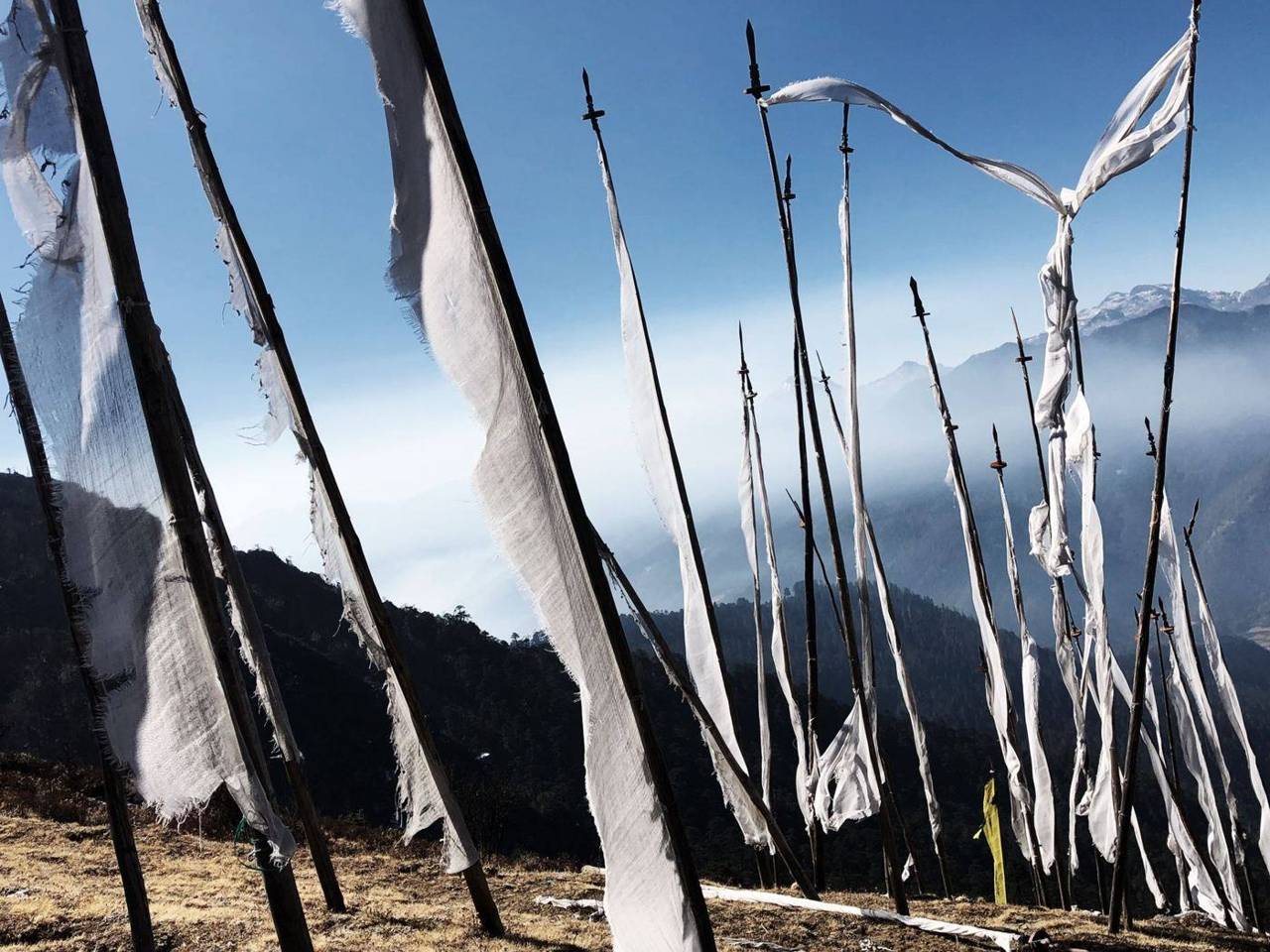
Chele La pass at nearly 4,000 metres with its prayer flags and view of Jomolhari, the Haa valley with its white and black temples and a night in a farmhouse.
 9 daysChallenging
The Jomolhari trek
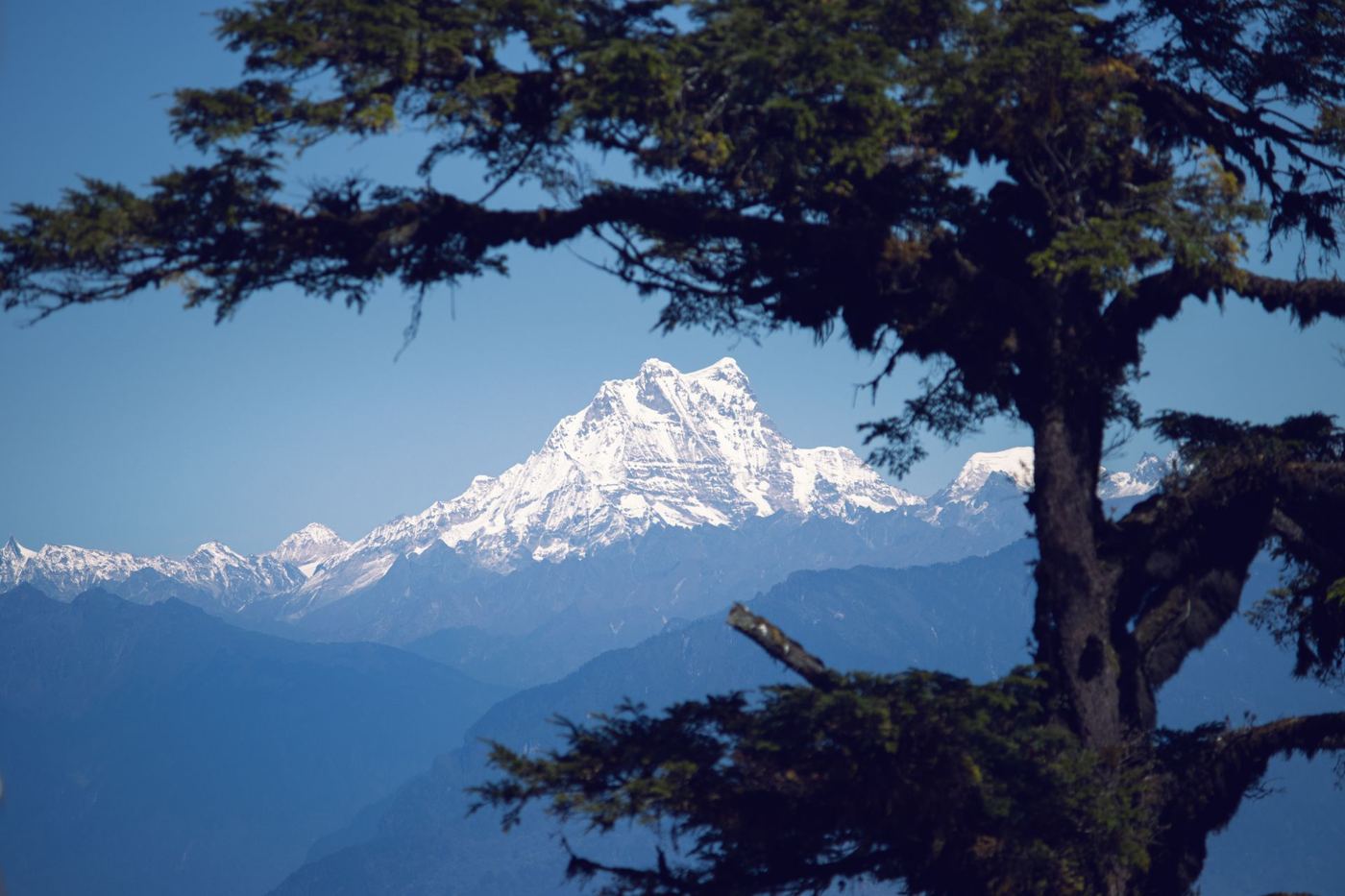
Bhutan's classic trek to the Jomolhari base camp at over 4,000 metres, among yak herders, glacial lakes and passes above 4,800 metres.
 9 daysModerate
Eastern Bhutan
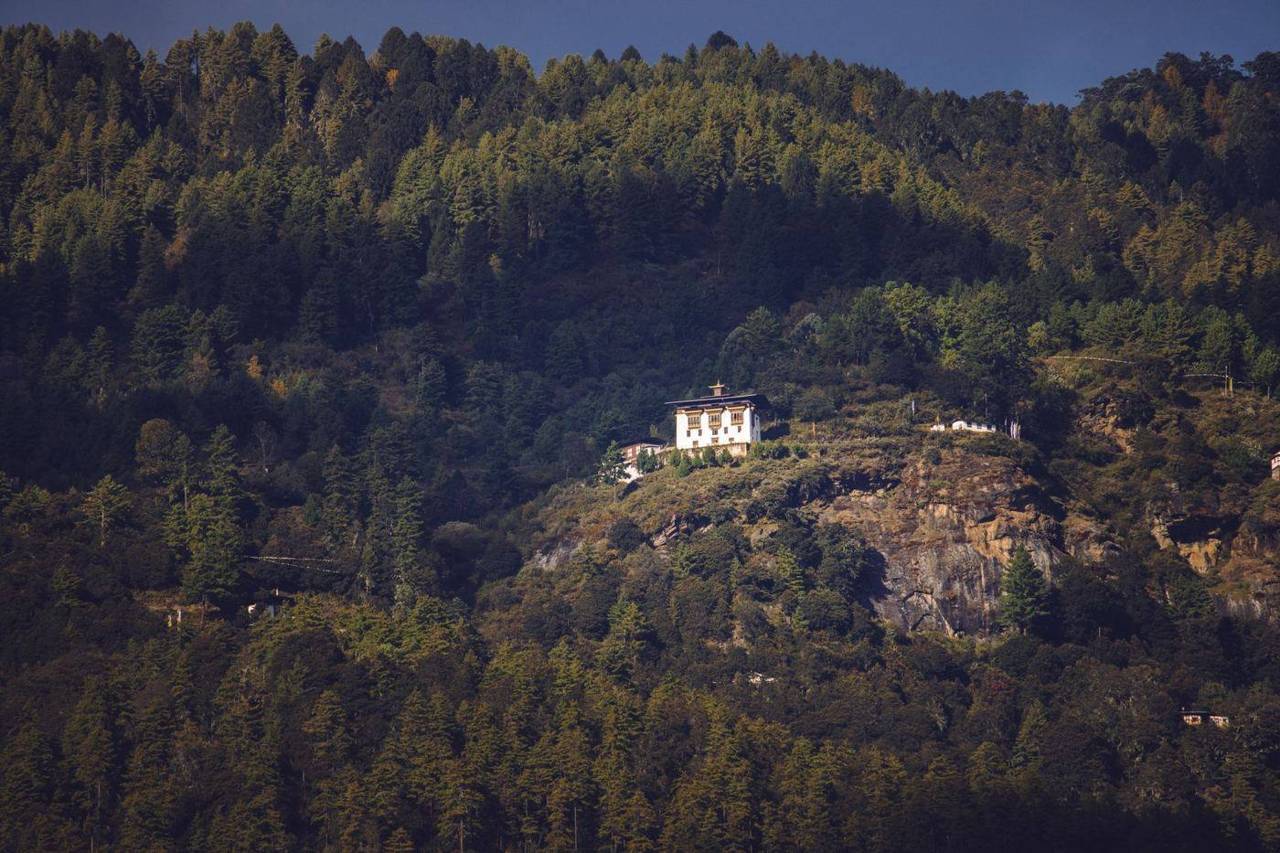
The least visited part of the kingdom: the road from Bumthang to Mongar, Trashigang dzong, the Gom Kora chorten and Trashi Yangtse valley with its craftspeople.