The Maya villages of Toledo
The most remote south: nights in Q'eqchi' and Mopan village homes, local cacao chocolate, the ruins of Lubaantun and Nim Li Punit and the Blue Creek cave.
- Punta Gorda
- Nim Li Punit
- Lubaantun
- Blue Creek
Day by day
- Day 1
Flight to Punta Gorda and a cacao farm
This trip takes you to Toledo, the southernmost and most remote district of Belize, among Maya villages, forest, cacao plantations and two ancient Maya cities, Nim Li Punit and Lubaantun.
Before you go: Italian citizens enter Belize without a visa for stays of up to 30 days, with a passport valid for at least six months on arrival and a return ticket. Other nationalities should check their own rules. Italy's official travel advice strongly advises against the areas right next to the border with Guatemala, where there have been armed clashes: the route stays to the east, more than fifteen kilometres from the border, and does not continue to the border villages or to the Sarstoon River. Since 1 November 2026 a state of emergency has been in force in parts of Belize City and the Belize and Cayo Districts: for this reason you fly from the international airport straight to Punta Gorda.
The small plane follows the coast south, with short stops, over lagoons, forests and islets. Punta Gorda, which everyone here calls PG, is a quiet little town on the Gulf of Honduras, with wooden houses, a seafront and a small market.
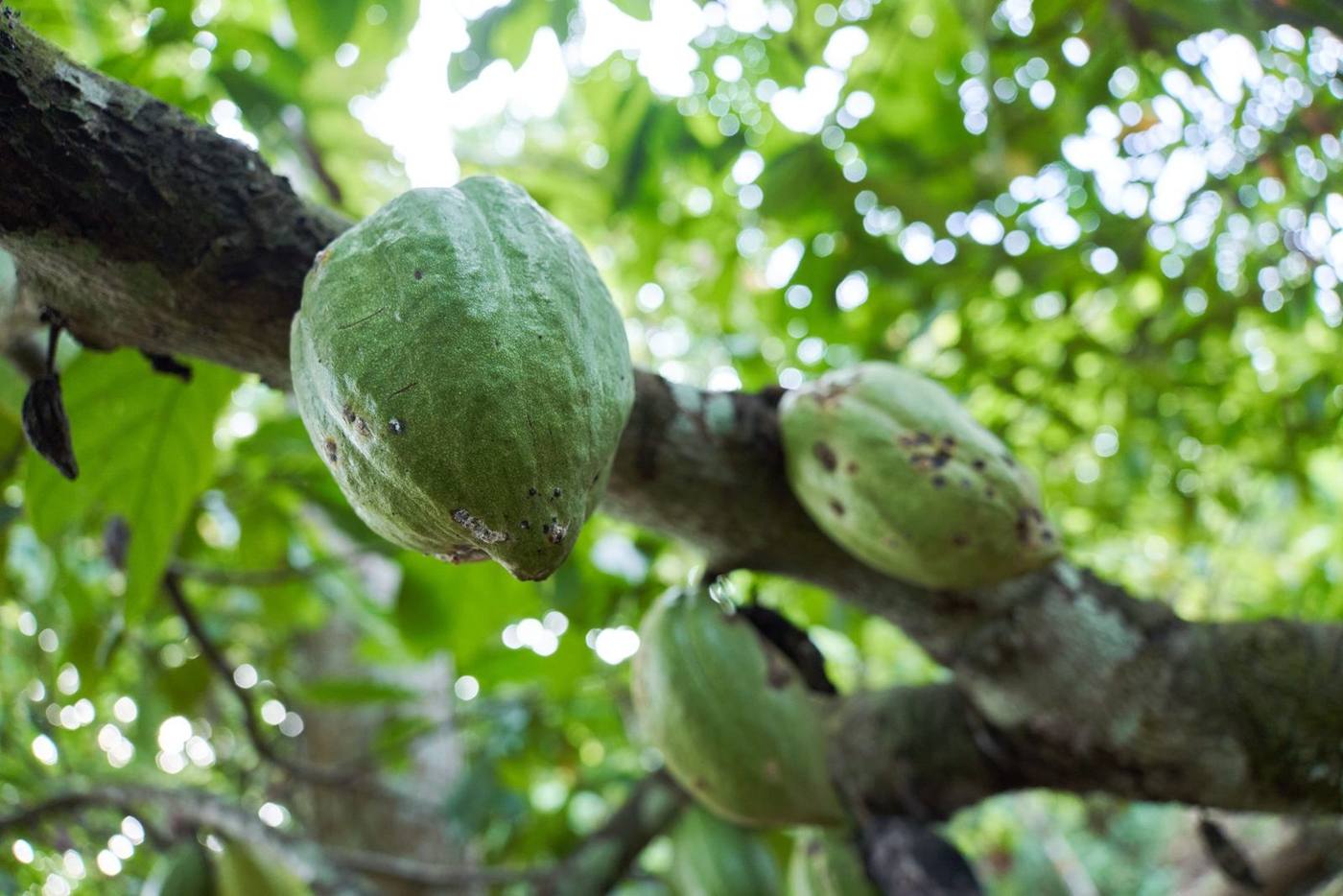
In the afternoon visit a cacao farm in the forest with a guide. Here cacao grows in the shade of tall trees, as the Maya grew it. You see the pods, open one and taste the sweet pulp, then roast the beans and grind them on a stone to make chocolate by hand.
In the evening have dinner on the seafront with fish and rice and beans.
Practical tip: in Toledo carry cash in Belize dollars, because cards do not work in the villages and cash machines are rare outside Punta Gorda.
- Day 2
Nim Li Punit and a night in a village
Today you visit the first Maya city of the trip and spend the night in a village home.
In the morning head north along the Southern Highway, the paved road of the south, to Nim Li Punit, on a hill above the forest. The name, in the Q'eqchi' language, means big hat, after a stela that shows a figure wearing a huge headdress. The site is small but famous for its carved stelae, some displayed in the visitor centre. From the upper plaza you see the green valley down to the sea. Check prices and times.
In the afternoon reach a Maya village in the hills, Q'eqchi' or Mopan, which welcomes travellers in a family home or a village guesthouse. The houses have palm-leaf roofs and earth floors, and around them are fields of maize, beans and cacao.
Help make maize tortillas by hand over a wood fire, and for dinner eat caldo, a chicken soup with spices and vegetables. After dinner, sometimes, someone plays traditional music or tells the stories of the village. Sleep in a simple bed or a hammock, with the sound of the forest.
This is real community tourism: comforts are few, but the money stays in the village.
Practical tip: bring a head torch, repellent, a light mosquito net and a small useful gift for the family, such as notebooks or pencils for the children; always ask before taking photographs.
- Day 3
Lubaantun and the Blue Creek cave
Today you see the second Maya city and swim in a river that flows out of a cave.
In the morning, after breakfast with the family, go to Lubaantun, near the village of San Pedro Columbia. The name means place of fallen stones. It was built at the end of the Classic period with carefully cut stone blocks laid one on top of another without mortar, with rounded corners, a way of building that is rare in the Maya world. There are plazas, low pyramids and ball courts. This is also where the legend of the crystal skull was born, which a traveller claimed to have found in the 1920s: today scholars do not consider it credible. Check prices and times.
In the afternoon go to the village of Blue Creek. From here a path of about twenty minutes through the forest leads to Hokeb Ha cave, where the river comes out of the mountain. The water is clear and blue, excellent for swimming. With a village guide, a life jacket and a torch you go into the cave, among stalactites, pools and small waterfalls. Archaeologists found Maya pottery and an altar inside: it was a place of ceremonies.
In the evening return to Punta Gorda for the last night.
Practical tip: you can only enter the cave with a local guide; wear water shoes and keep your documents dry in a waterproof bag. Do not continue west towards the border villages.
- Day 4
The last morning in Punta Gorda and the way home
Today is the last day, with a morning in town before the flight.
In the morning walk along the Punta Gorda seafront, where fishermen sort their nets and boats. On market days women from the villages arrive with vegetables, fruit, herbs and tortillas, and you hear Kriol, English, Spanish and Maya languages. Maya, Garifuna, Creoles, Mestizos and descendants of people from India live here together.
Buy a bar of Toledo chocolate, made with cacao from the villages, or a basket woven by hand by Maya women.
Then go back to the small Punta Gorda airport and take the flight to the international airport, with short stops along the coast, to connect with your flight home without passing through Belize City.
In these four days you have seen the forest of the south, the stelae of Nim Li Punit and the mortarless stones of Lubaantun, made chocolate by hand and swum in the river at Blue Creek, and slept in a Maya village. It is the most authentic and least touristy side of Belize, with minimal comforts and real encounters.
When to go: from February to May, in the dry season, when the dirt roads are easier. Toledo is the wettest part of the country, and from June to November it rains a lot and hurricanes can arrive.
Practical tip: in heavy rain the low bridges and roads of the south can flood; keep a spare day before your international flight.
Real, simple community tourism. Minimal comforts in the villages. Travel with local guides; the district borders Guatemala.
Before you go
- Documents and visa
- Passport with at least six months' validity on arrival, a return ticket and enough funds for the stay; no visa is needed for stays of up to 30 days, which can be extended for a fee at an immigration office. If you leave by land or by sea for Mexico or Guatemala, you pay a departure tax.
- Health and vaccines
- The WHO certified in 2023 that Belize had eliminated malaria, but in 2025 there were local cases in Cayo District near Guatemala. There is a risk of dengue, chikungunya and Zika: protect yourself from mosquitoes during the day too. Drink bottled water. Emergencies: 911.
- Money and payments
- Belize dollar, pegged to the US dollar, which is accepted almost everywhere. Carry cash for villages and boat trips; cards work at accommodation and in tourist areas.
- Power sockets
- Types A, B and G, 110 or 220 volts: bring a universal adapter and check the voltage.
- Time zone
- UTC-6 all year.
- Safety
- The United States advises increased caution across the country because of crime, with a higher risk in Belize City, especially south of Haulover Creek. Since 1 November 2026 the government has declared a state of emergency in parts of Belize City and the Belize and Cayo Districts: expect checkpoints and always carry ID. The United Kingdom reports armed criminals in remote forest near the Guatemalan border. For boat trips and diving use only registered operators. Official advice: GOV.UK.
Information checked in November 2026 for Italian and EU citizens. Rules change: always check before you travel.
Variations
Shorter: three days, with the cacao, Nim Li Punit and Lubaantun, without the night in the village.
Longer: add two days in Placencia, by plane from Punta Gorda, for the sea and the reef.
Frequently asked questions
Is Toledo safe?
Italy's official travel advice strongly advises against the areas right next to the border with Guatemala. This route stays more than fifteen kilometres from the border, is done with local guides and does not go to the border villages or the Sarstoon River.
What is it like to sleep in the villages?
You stay in family homes or village guesthouses, with simple beds or hammocks, basic bathrooms and meals with the family. Comforts are few: bring a torch, repellent and a towel.
Can you visit the Blue Creek cave on your own?
No, you need a village guide, with a life jacket and a torch. At the entrance the water is calm, but inside the cave there are dark passages and currents.
Indicative itinerary written by World Atlas. Before booking, check timetables, seasonal openings, documents and safety.
 6 daysEasy
The barrier reef and Caye Caulker
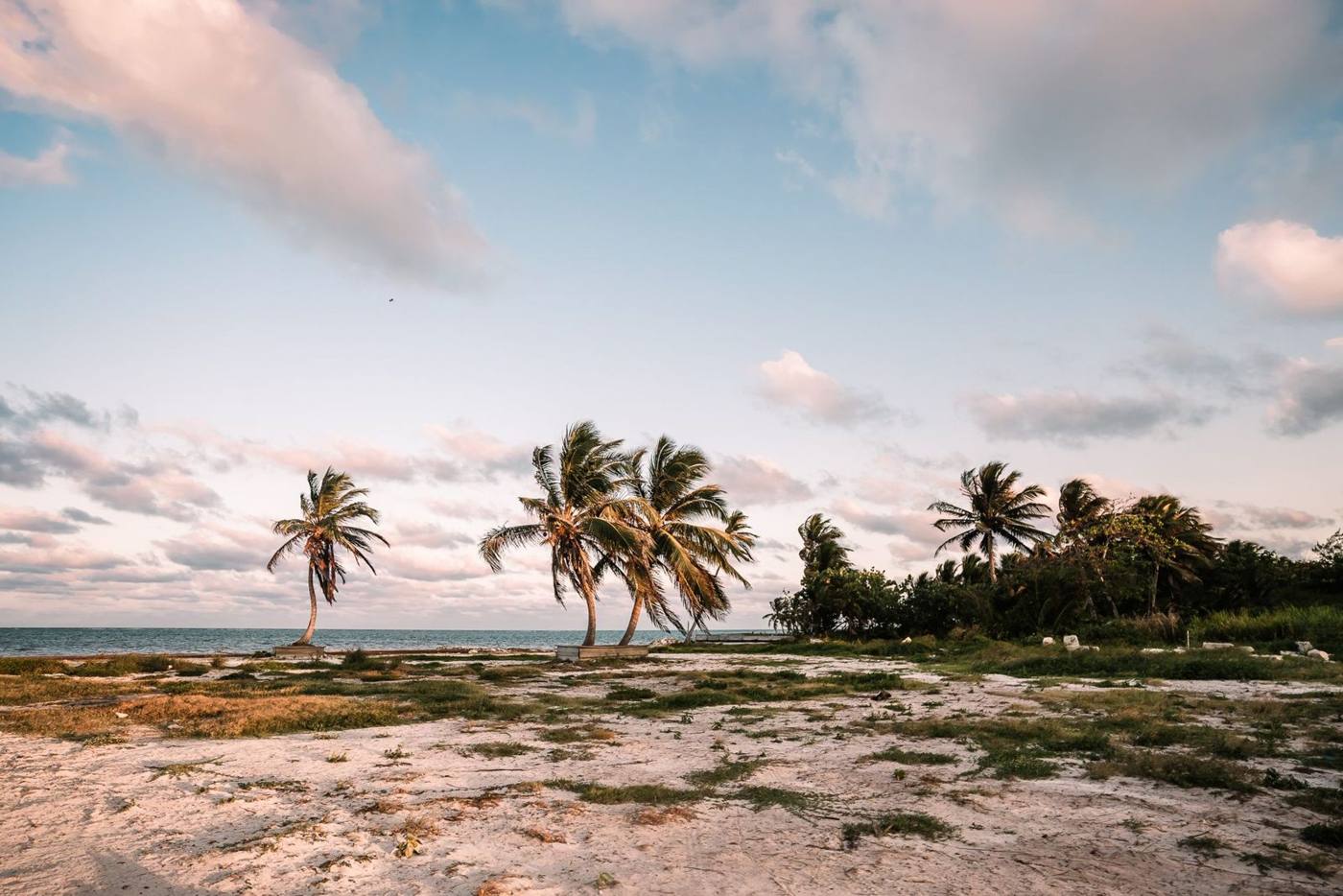
The world's second-largest barrier reef: Hol Chan and Shark Ray Alley, the Great Blue Hole and laid-back Caye Caulker.
 5 daysModerate
Jungle and Maya ruins
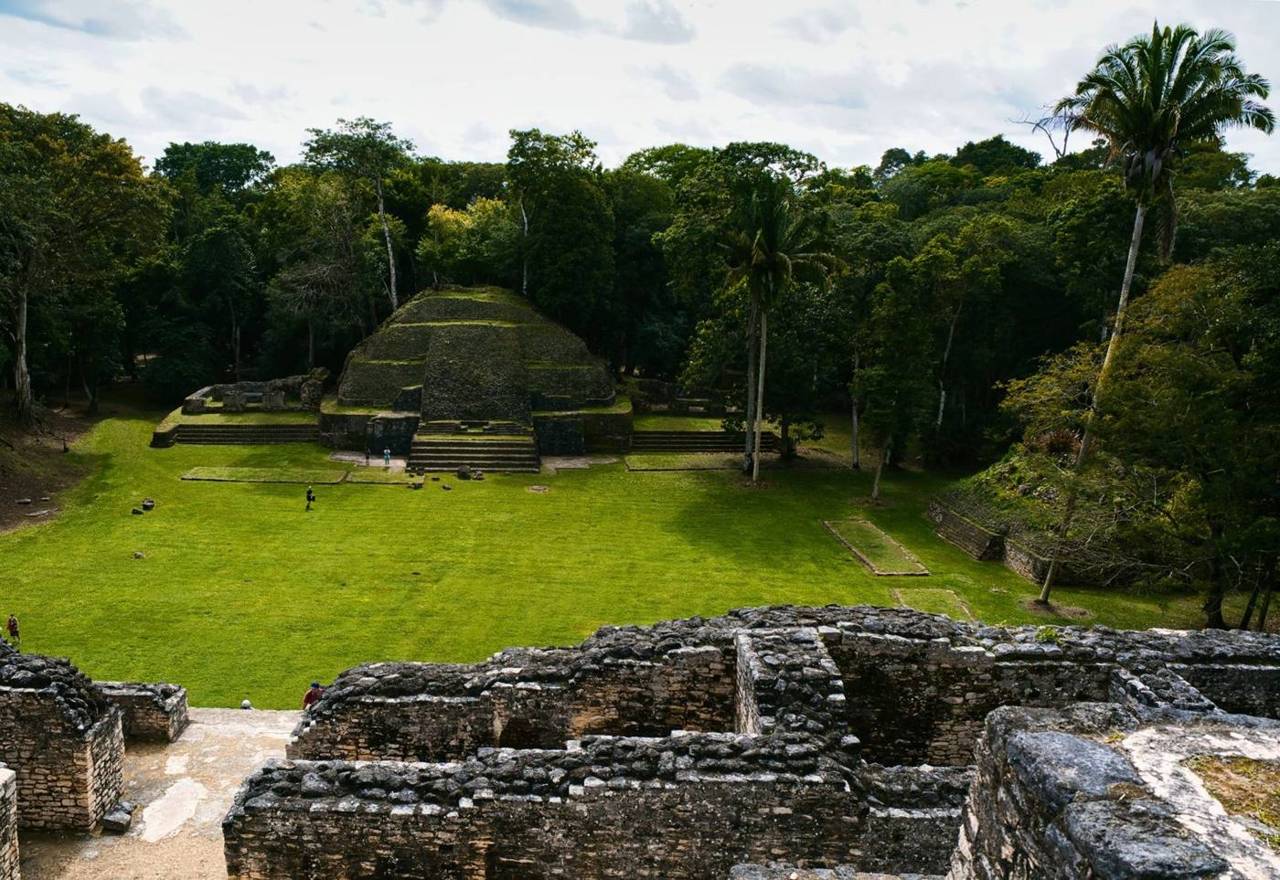
Actun Tunichil Muknal cave with its Maya skeletons, the ruins of Xunantunich and Caracol and the Mountain Pine Ridge reserve.
 5 daysEasy
Placencia and the south
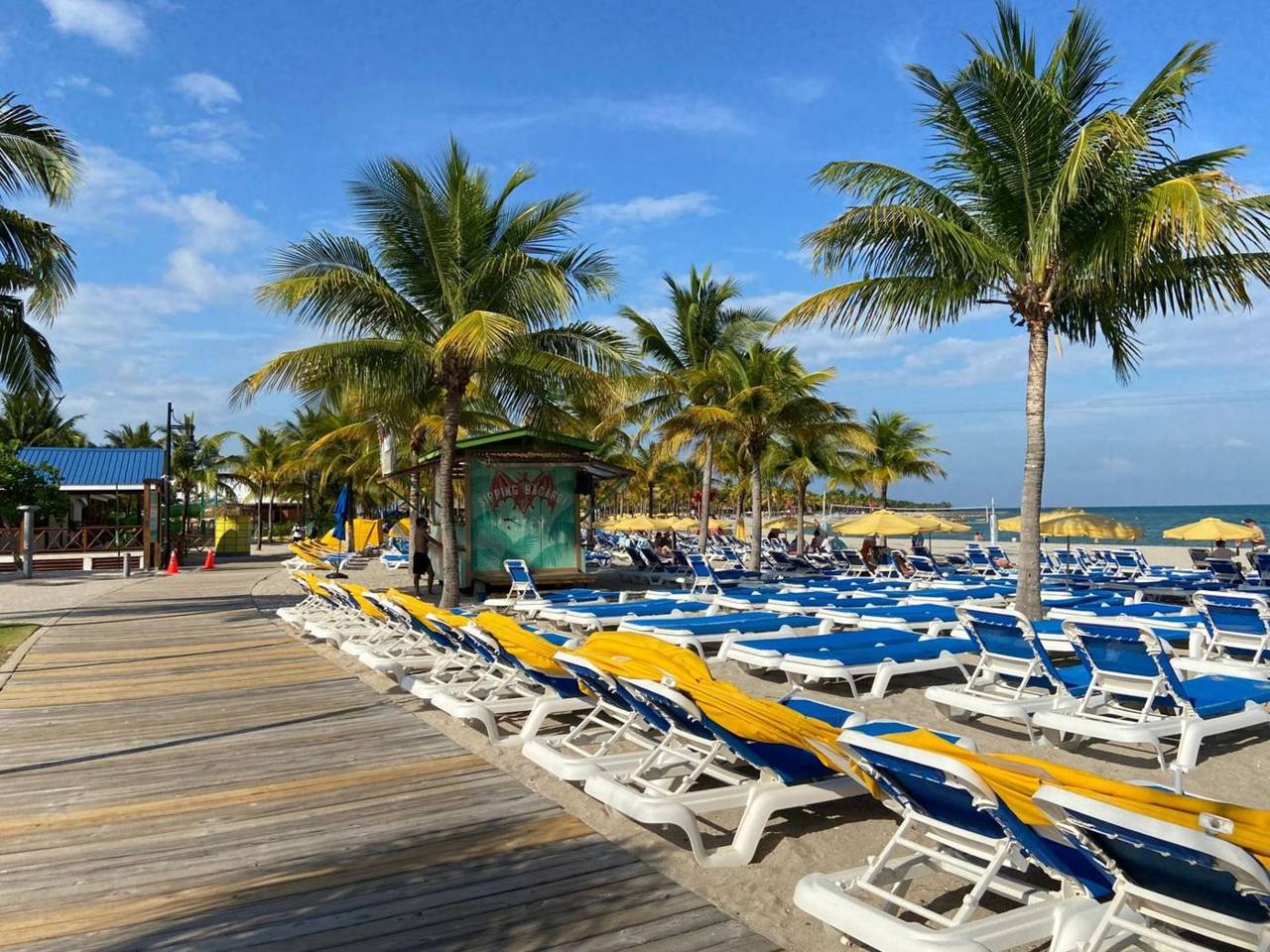
The Placencia peninsula, the Cockscomb Basin jaguar reserve, the Gladden Spit whale sharks in spring and Garifuna culture in Hopkins.