The Flemish art cities
A week by train between Brussels, Antwerp with Rubens and fashion, Mechelen, Leuven, Ghent and Bruges.
- Brussels
- Leuven
- Mechelen
- Antwerpen
- Gent
- Brugge
Day by day
- Day 1
Brussels: the Grand-Place, the galleries and the cathedral
This seven-day trip crosses the Belgium richest in art, all by train and with very short distances: Brussels, Leuven, Mechelen, Antwerp, Ghent and Bruges. In Brussels people mostly speak French, in Flanders Dutch; English works everywhere.
Before you go: Belgium is part of the European Union and the Schengen area and uses the euro. Italian citizens only need an electronic identity card valid for travel abroad or a passport; the paper identity card has not been valid for travel abroad since 3 August 2026. Other nationalities should check their own rules. Since 23 July 2026 the United States has rated Belgium level 2 for crime, terrorism and unrest, and the Belgian government keeps the terrorist threat at level 3, serious. The UK warns of pickpockets at Midi and Nord stations, on international trains and in the European quarter: keep an eye on your bag and phone.
In the morning walk into the Grand-Place, a UNESCO World Heritage Site, with the fifteenth century Gothic town hall and the guild houses with their gilded façades, rebuilt after the French bombardment of 1695. The King's House holds the city museum. Check prices and times.
Then pass through the Royal Saint-Hubert Galleries, opened in 1847, among the first covered arcades in Europe, and climb to the Cathedral of Saints Michael and Gudula, Gothic, with two white towers and great sixteenth century stained glass windows.
In the afternoon follow the comic strip mural route and visit the Belgian Comic Strip Center, in an Art Nouveau warehouse by Victor Horta. Check prices and times. Then stop to greet the Manneken Pis.
In the evening try mussels with chips, a Brussels classic.
Sleep in Brussels.
Practical tip: buy a multi-journey rail pass, which pays off on a trip like this with many short train rides.
- Day 2
Brussels: Bruegel, Magritte, the Sablon and the Horta House
Today is the day of the great museums of Brussels.
In the morning visit the Royal Museums of Fine Arts, on the Mont des Arts. In the Old Masters Museum you see the Flemish Primitives, Rubens and above all Pieter Bruegel the Elder, with the Fall of the Rebel Angels and the Census at Bethlehem, a Flemish village under snow. Next door is the Magritte Museum, with the largest collection in the world of works by the Surrealist painter. Allow at least three hours. Check prices and times.
Then walk down to the Sablon, the elegant antiques district, with the Gothic church of Notre-Dame du Sablon and its stained glass, and the small Petit Sablon garden, surrounded by bronze statues of the old guilds. There are many chocolate makers here: taste a praline. A little further on you see the huge nineteenth century Palace of Justice, with a public lift that goes down to the working-class Marolles district.
In the afternoon take the tram to Saint-Gilles and visit the Horta House, the home and studio of the architect Victor Horta, a UNESCO World Heritage Site, where every detail is Art Nouveau, from the staircase to the door handles. It must be booked. Check prices and times. Then walk the streets around it, full of Art Nouveau façades.
In the evening taste a Brussels waffle, rectangular and light.
Sleep in Brussels.
Practical tip: book the Horta House a few days ahead, because visitor numbers are limited and opening hours are short.
- Day 3
Leuven and its university, Mechelen and Saint Rumbold's Tower
Today you visit two cities close to each other, half an hour by train from Brussels.
In the morning take the train to Leuven, home of one of the oldest universities in Europe, founded in 1425. On the Grote Markt stands the Gothic town hall, its façade covered with more than two hundred statues. Opposite is Saint Peter's Church, which holds the Last Supper by Dieric Bouts, painted in the fifteenth century. Check prices and times.
Then walk to the University Library, burned in 1914 and again in 1940 and rebuilt, with its tower and carillon, and to the Great Béguinage, a quarter of red brick houses along the river, a UNESCO World Heritage Site, now home to students and professors.
In the early afternoon take the train to Mechelen, about twenty minutes. In the sixteenth century it was the capital of the Burgundian Netherlands, with the court of Margaret of Austria. Climb the tower of Saint Rumbold's Cathedral, 97 metres high, with 538 steps and two carillons: at the top there is a glass platform with a view over the plain. Check prices and times. Mechelen also has the world's first carillon school.
Before leaving visit Kazerne Dossin, the memorial in the barracks from which trains left for Auschwitz between 1942 and 1944. Check prices and times.
Sleep in Antwerp, a quarter of an hour away by train.
Practical tip: Saint Rumbold's Tower is climbed at set times; book your slot online and go up before the afternoon.
- Day 4
Antwerp: the station, Rubens, the cathedral and the MAS
Today you discover Antwerp, the city of Rubens, the port and fashion.
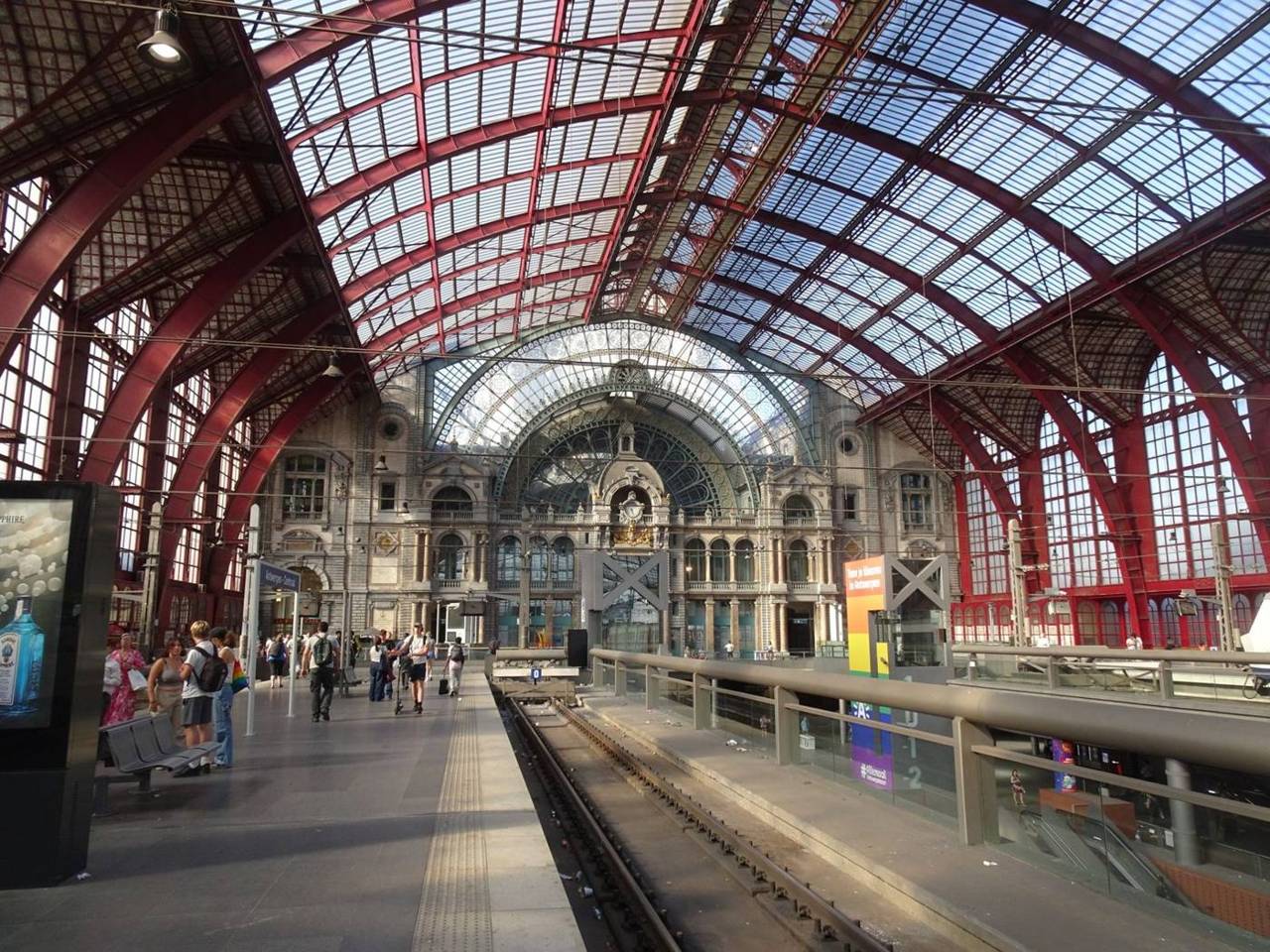
In the morning start at Central Station, opened in 1905, with its great dome, marble and a waiting hall that looks like a palace: it is considered one of the most beautiful stations in the world.
Then walk to the Rubenshuis, the house of Peter Paul Rubens. The historic house is closed for restoration and will not reopen before 2030, but the garden, the new visitor building with a multimedia experience about the painter and the library are open. Check prices and times.
Continue to the Cathedral of Our Lady, the largest Gothic church in Belgium, with a tower 123 metres high. Inside are four large paintings by Rubens, including the Raising of the Cross and the Descent from the Cross. Check prices and times. Outside, on the Grote Markt, you see the Brabo fountain and the Renaissance town hall.
In the afternoon visit the Plantin-Moretus Museum, the home and printing works of a sixteenth century family of printers, a UNESCO World Heritage Site, with the oldest surviving printing presses in the world. Check prices and times.
Towards evening walk to the MAS, the museum on the river in the old port district: ride the escalators up to the roof for the view over the city at sunset.
Sleep in Antwerp.
Practical tip: book the Plantin-Moretus and the Rubenshuis in advance and ask which rooms are open, because work on Rubens' house is proceeding in phases.
- Day 5
Ghent: the Mystic Lamb, the Graslei and the castle
Today you move to Ghent, the liveliest university city in Flanders.
In the morning take the train from Antwerp to Ghent, just under an hour. Start at Saint Bavo's Cathedral, which holds the Ghent Altarpiece, the Adoration of the Mystic Lamb by the brothers Hubert and Jan van Eyck, completed in 1432, one of the masterpieces of European painting, after the Primitives you saw in Brussels. You see it with a timed ticket, and an augmented reality tour in the crypt tells its story. Check prices and times.
Then climb the belfry of Ghent, with a golden dragon on top, for the view over the centre. Check prices and times.
Walk to Saint Michael's Bridge, from which you see the city's three towers in a line, and go down to the Graslei and the Korenlei, the quays on the river Lys with the guild houses.
In the afternoon visit the Gravensteen, the castle of the Counts of Flanders, built in 1180, with battlements and a moat. Check prices and times. Then stroll through the Patershol, the old quarter of lanes, and the graffiti alley, the Werregarenstraatje.
In the evening try waterzooi, the creamy chicken or fish soup typical of Ghent, and stay out until dark: the monuments are lit with a specially designed lighting plan.
Sleep in Ghent.
Practical tip: book the Mystic Lamb on the official website a few days ahead and choose the first slot of the morning.
- Day 6
Bruges: the Markt, the belfry and the canals
Today you arrive in Bruges, the most famous medieval city in Belgium.
In the morning take the train from Ghent to Bruges, about half an hour, and walk to the Markt, the great square with its colourful stepped gables. Climb the belfry, the Belfort, 83 metres high, with its 366 steps, for the view over the red roofs. Check prices and times.
Then go on to the Burg, the square of the Gothic town hall, with the Basilica of the Holy Blood, which keeps a relic brought, according to tradition, from the Holy Land in the Middle Ages.
In the afternoon visit the Groeninge Museum, the city's fine arts museum, with the Madonna with Canon van der Paele by Jan van Eyck and works by Hans Memling and Gerard David. Check prices and times. Then enter the Church of Our Lady, whose brick tower is among the tallest in Europe, which holds the Madonna of Bruges, a marble sculpture by Michelangelo, one of the few of his works to leave Italy during his lifetime.
Towards evening take a boat trip on the canals, to see the stone bridges and hidden gardens from the water, and pass the Rozenhoedkaai at sunset.
Sleep in Bruges.
Practical tip: by day Bruges is full of groups; sleeping in the city lets you see it early in the morning and in the evening, when the streets are quiet.
- Day 7
The béguinage of Bruges and departure
On the last day you enjoy Bruges at leisure before leaving.
Early in the morning enter the béguinage, the Begijnhof, an enclosure of white houses around a lawn with tall trees, founded in the thirteenth century for the beguines, lay women who lived in community. Today Benedictine nuns and other women live here: walk in silence. Next to it is the Minnewater, the lake of love, with its swans.
Then visit Saint John's Hospital, one of the oldest hospitals in Europe, with its medieval wards and the museum dedicated to Hans Memling, which keeps some of his masterpieces in the place they were painted for. Check prices and times.
In the early afternoon walk along the eastern ramparts, among the windmills, and then go to the station for the train to Brussels and the airport, about an hour and a half.
In these seven days you have seen the Grand-Place, Bruegel and Magritte and the Horta House in Brussels, the university and béguinage of Leuven, Saint Rumbold's Tower in Mechelen, the station, Rubens' cathedral and the Plantin-Moretus in Antwerp, the Mystic Lamb and the Gravensteen in Ghent, and the Markt, the Groeninge and the béguinage of Bruges.
When to go: from April to October, with long days and mild temperatures. In December there are Christmas markets, but the days are short. Avoid summer weekends in Bruges, the busiest.
Practical tip: trains between the Flemish cities are frequent, but on Sundays some services run less often; check the timetable the evening before.
Belgium at its richest in art, all by train with very short distances. A multi-journey rail ticket is worth buying. Part of the Rubens House in Antwerp is being renovated until the end of the decade, so check what is open. French is spoken in Brussels and Dutch in Flanders; English works everywhere.
Before you go
- Documents and visa
- EU citizens need a valid identity card or passport: Belgium is in the EU and the Schengen area. Always carry your document. Other nationalities should check the Schengen rules.
- Health and vaccines
- No vaccines required. EU citizens should bring their EHIC. Emergencies: 112.
- Money and payments
- Euro. Cards are accepted almost everywhere, even for small amounts.
- Power sockets
- Type E, 230 volts.
- Time zone
- Central European Time (UTC+1, summer UTC+2).
- Safety
- A safe country, but since 23 July 2026 the United States has rated Belgium level 2 for crime, terrorism and unrest. The Belgian government keeps the terrorist threat at level 3, serious. Watch out for pickpockets at Brussels Midi and Nord stations, on international trains and in crowded places; strikes can stop transport at short notice. Official advice: GOV.UK.
Information checked in November 2026 for Italian and EU citizens. Rules change: always check before you travel.
Variations
In 5 days: one day in Brussels, then Antwerp, Ghent and two days in Bruges.
In 9 days: add two days on the Belgian coast by tram, from Ostend to De Haan.
Frequently asked questions
Is the Rubens House in Antwerp open?
The historic house is closed for restoration and will not reopen before 2030. The garden, the new visitor building with an experience about the painter and the library are open. Check prices and times.
Is the train a good choice for this trip?
Yes: all the cities are linked by frequent trains and distances are short. A multi-journey pass is better value than single tickets.
Which document do you need for Belgium?
Italian citizens only need an electronic identity card valid for travel abroad or a passport. Other nationalities should check their own rules.
Indicative itinerary written by World Atlas. Before booking, check timetables, seasonal openings, documents and safety.
 5 daysEasy
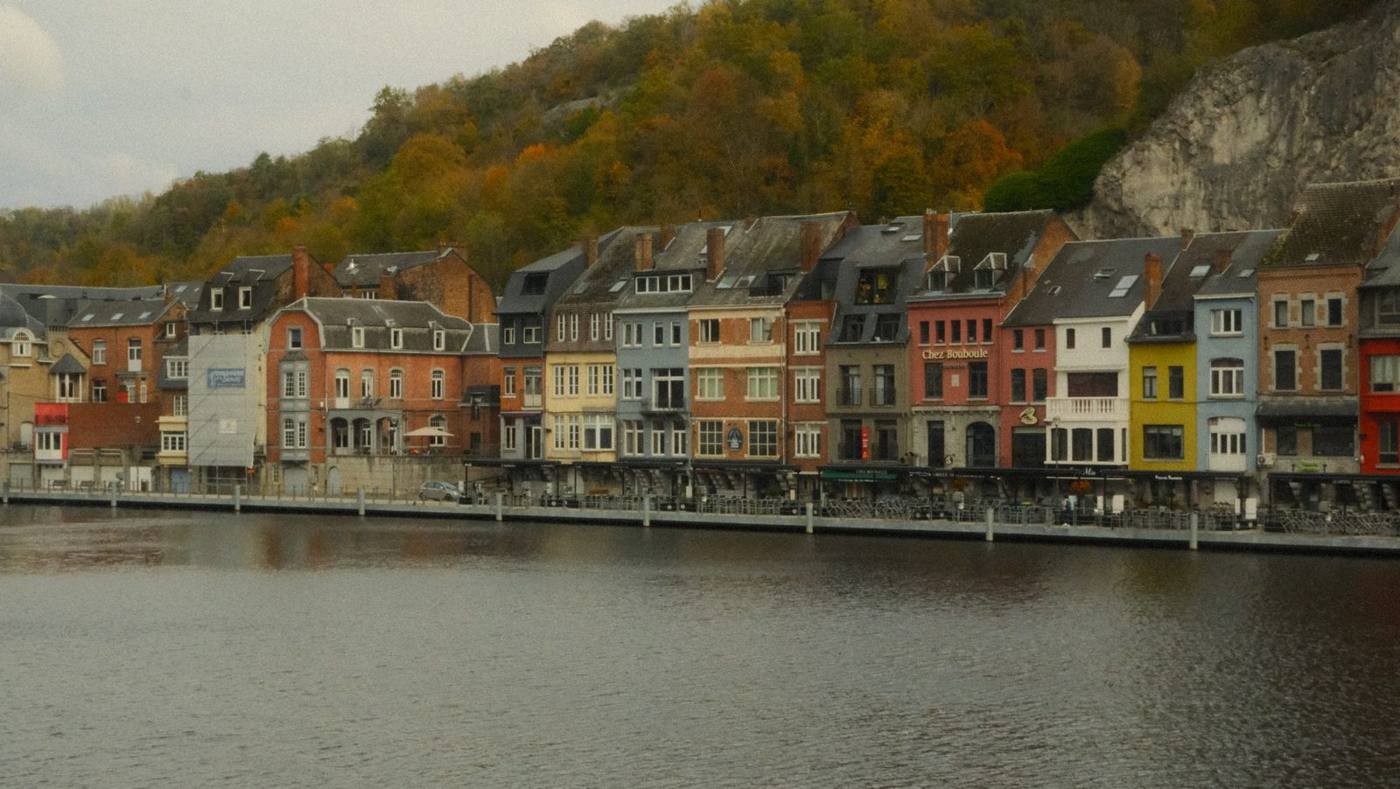
The Belgian Ardennes
Dinant and the Meuse, Durbuy, the 'smallest town in the world', La Roche-en-Ardenne, the Han caves and kayaking on the Lesse.
 5 daysEasy
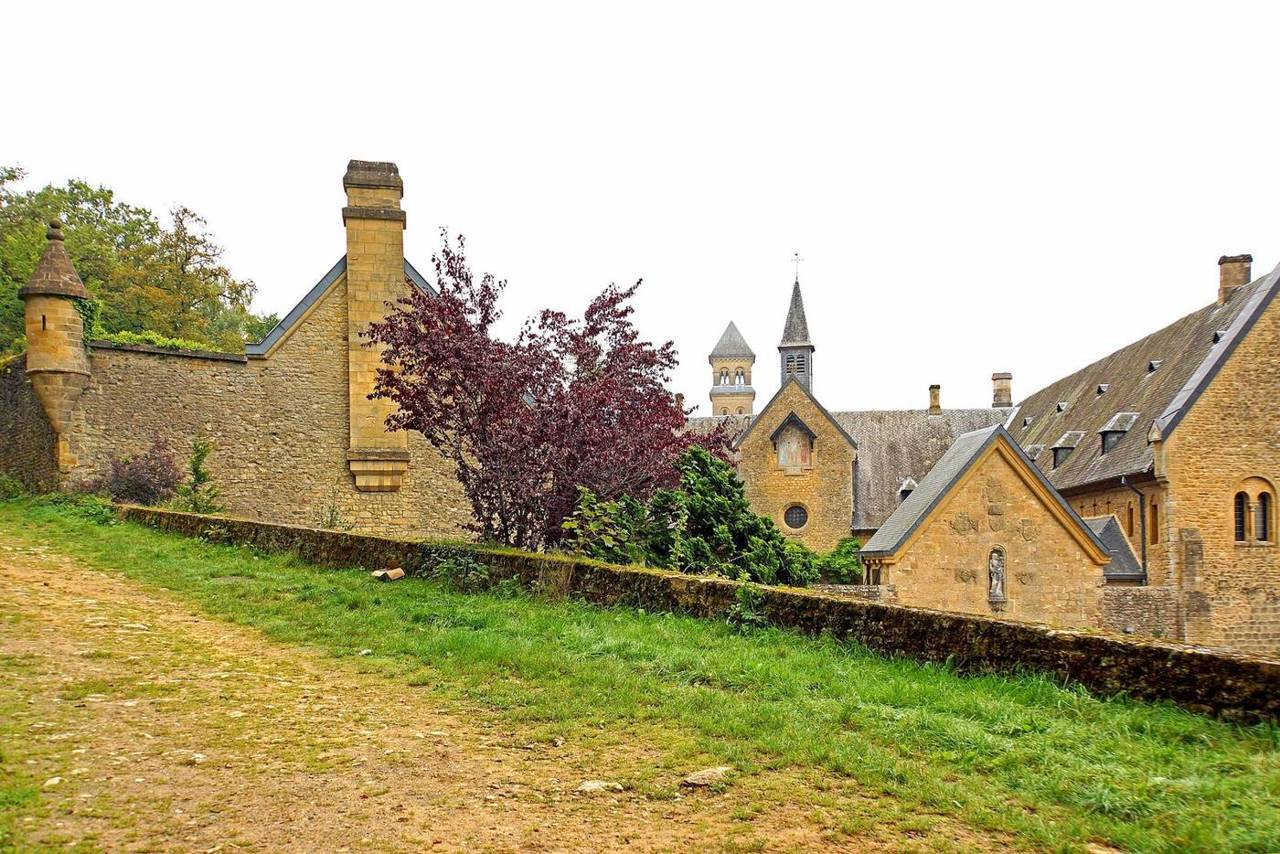
Trappist beers and abbeys
A tour of Belgium's Trappist abbeys: Westvleteren, Chimay, Orval, Rochefort and Westmalle, with the historic breweries of Brussels and Bruges.
 4 daysEasy
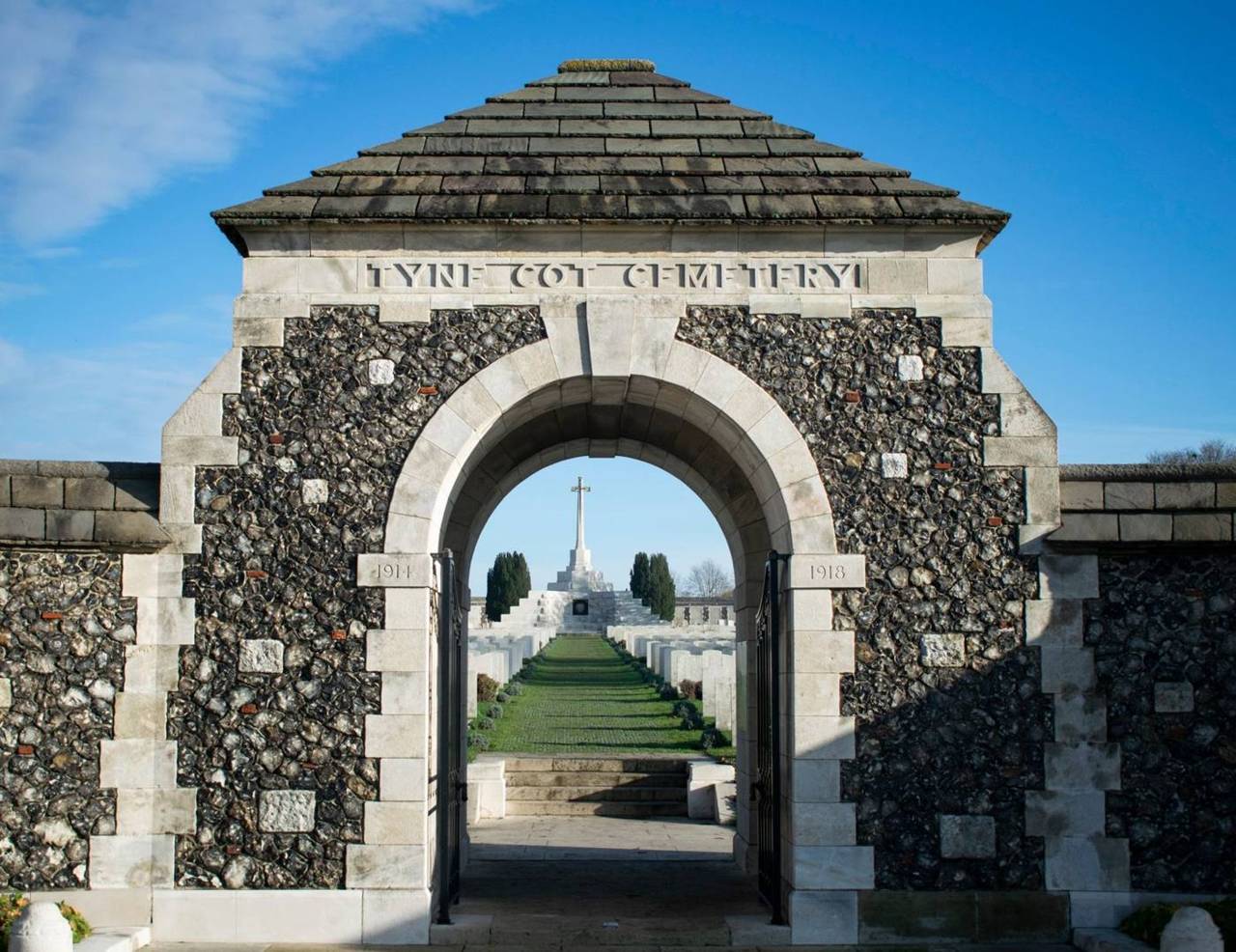
Ypres, Flanders Fields and Waterloo
The Great War at Ypres with the Last Post under the Menin Gate, Tyne Cot cemetery, Passchendaele and the battlefield of Waterloo.