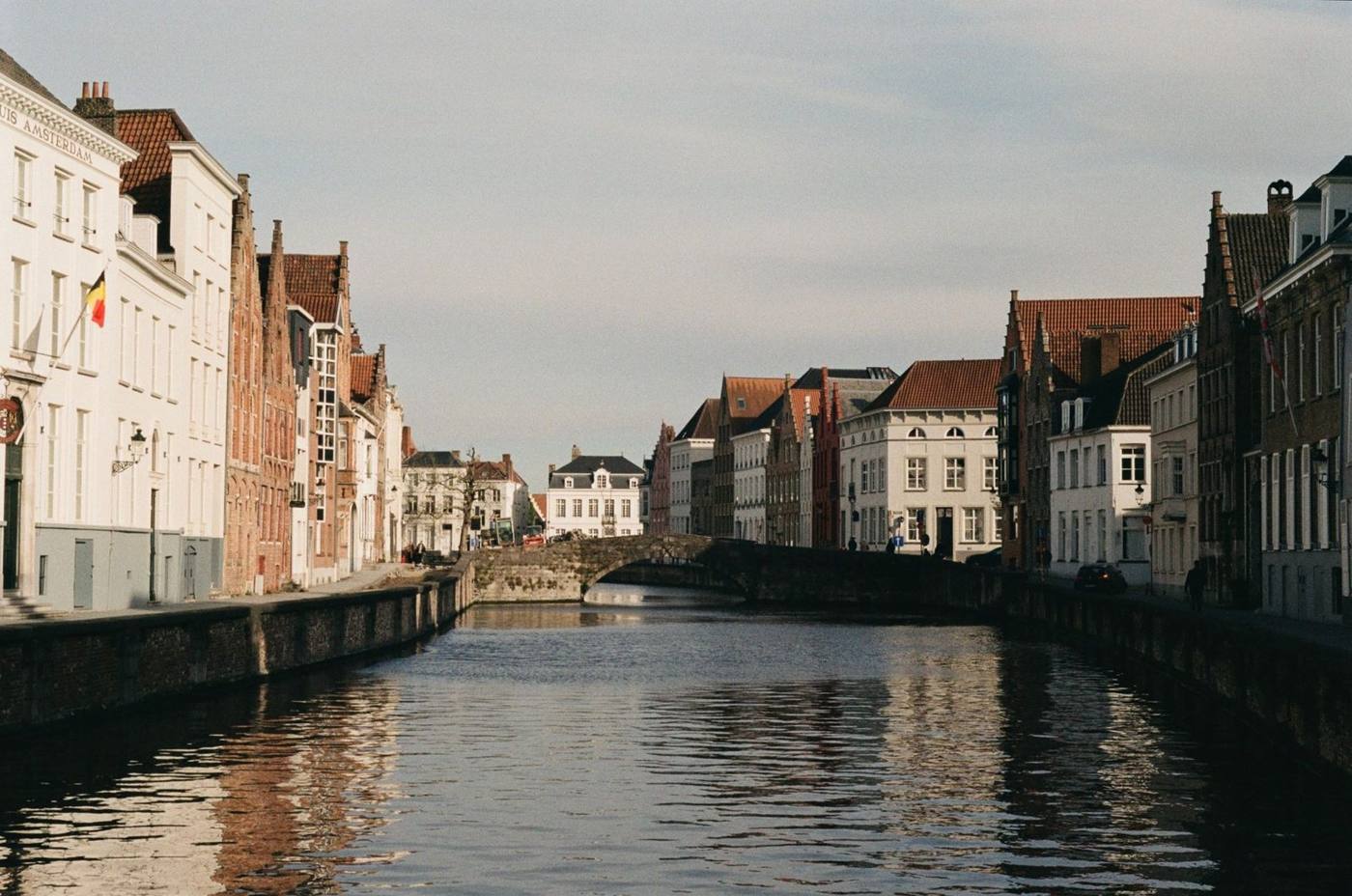
Bruges and Ghent
The canals and béguinage of Bruges, its belfry and beer, then Ghent with the Ghent Altarpiece and the Castle of the Counts.
- Brugge
- Damme
- Gent
Day by day
- Day 1
Bruges: the Markt, the belfry and the canals
This four-day trip takes you to the two most beautiful medieval cities in Belgium, Bruges and Ghent, less than half an hour apart by train, with a bike ride to the village of Damme.
Before you go: Belgium is part of the European Union and the Schengen area and uses the euro. Italian citizens only need an electronic identity card valid for travel abroad or a passport; the paper identity card has not been valid for travel abroad since 3 August 2026. Other nationalities should check their own rules. Since 23 July 2026 the United States has rated Belgium level 2 for crime, terrorism and unrest, and the Belgian government keeps the terrorist threat at level 3, serious. The UK warns of pickpockets at Midi and Nord stations, on international trains and in the European quarter: keep an eye on your bag and phone.
You reach Bruges by train from Brussels in about an hour. From the station walk to the Markt, the great square with its colourful stepped gables and the belfry, the Belfort, 83 metres high and a UNESCO World Heritage Site together with the other belfries of Flanders. Climb its 366 steps for the view over the red roofs. Check prices and times.
Nearby is the Burg, the square of the Gothic town hall, with the Basilica of the Holy Blood, which keeps a relic brought, according to tradition, from the Holy Land in the Middle Ages. The lower Romanesque chapel is dark and plain, the upper one richly decorated.
In the afternoon take a boat trip on the canals: from the water you see the stone bridges, hidden gardens and the oldest façades. At sunset walk along the Rozenhoedkaai, the most photographed corner of the city.
Sleep in Bruges.
Practical tip: climb the belfry as soon as it opens, because the number of people allowed inside is limited and by mid-morning the queue gets long.
- Day 2
The béguinage, the Flemish Primitives and Damme by bike
Today you see the quietest side of Bruges and then head into the countryside along a canal.
Early in the morning enter the béguinage, the Begijnhof, an enclosure of white houses around a lawn with tall trees, founded in the thirteenth century for the beguines, lay women who lived in community. Today Benedictine nuns and other women live here: walk in silence. The Flemish béguinages are a UNESCO World Heritage Site. Next to it is the Minnewater, the lake of love, with its swans.
Then visit the Groeninge Museum, the city's fine arts museum, with the Flemish Primitives: the Madonna with Canon van der Paele by Jan van Eyck, works by Hans Memling and Gerard David and a Last Judgement triptych by Hieronymus Bosch. Allow an hour and a half. Check prices and times.
In the early afternoon hire a bicycle and follow the canal north-east, on a flat tree-lined road, to Damme, about seven kilometres away. Damme was the port of Bruges in the Middle Ages, before the sea inlet silted up. Today it is a quiet village with a Gothic town hall, the statue of the poet Jacob van Maerlant and the large Church of Our Lady with a tower you can climb.
Ride back to Bruges at an easy pace, perhaps passing the windmills on the eastern ramparts of the city, along the old moat.
In the evening try carbonade, beef stew cooked in beer, with chips.
Sleep in Bruges.
Practical tip: in Belgium cyclists use the marked cycle paths and give way to pedestrians in historic centres; in summer bring a windproof jacket, because the plain is often windy.
- Day 3
Ghent: the Mystic Lamb, the Graslei and the Castle of the Counts
Today you move to Ghent, the liveliest university city in Flanders.
In the morning take the train to Ghent, about half an hour, and from Sint-Pieters station reach the centre by tram. Start at Saint Bavo's Cathedral, which holds the Ghent Altarpiece, the Adoration of the Mystic Lamb by the brothers Hubert and Jan van Eyck, completed in 1432, one of the masterpieces of European painting. You see the altarpiece with a timed ticket, and an augmented reality tour in the crypt tells its story, including the thefts: one panel, the Just Judges, stolen in 1934, has never been found. Check prices and times.
Opposite rises the belfry of Ghent, with a golden dragon on top, and next to it Saint Nicholas' Church.
Then walk to Saint Michael's Bridge, from which you see the three towers of the city in a line. Below you are the Graslei and the Korenlei, the two quays on the river Lys with the guild houses, some from the Middle Ages.
In the afternoon visit the Gravensteen, the castle of the Counts of Flanders, built in 1180 by Philip of Alsace, with battlements, a moat and towers. The tour also tells the story of medieval justice. From the walls you see the roofs of the Patershol, the old quarter of narrow lanes.
In the evening try waterzooi, a creamy soup of chicken or fish with vegetables, typical of Ghent.
Sleep in Ghent.
Practical tip: book the Mystic Lamb on the official website a few days ahead, especially at weekends, and choose the first slot of the day.
- Day 4
Ghent between markets, museums and lights, then departure
On the last day you stay in Ghent, which is best enjoyed without hurrying.
In the morning walk to the Vrijdagmarkt, the Friday market square, with the statue of Jacob van Artevelde, the leader of the city in the fourteenth century. Not far away is the Werregarenstraatje, a lane where graffiti is allowed and changes all the time.
Then choose a museum: the MSK, the Museum of Fine Arts, near Citadel Park, with Flemish works from the Middle Ages to the twentieth century, or STAM, the city museum, with a large aerial map of Ghent on the floor. Check prices and times.
In the afternoon stop at the Groentenmarkt and taste cuberdons, cone-shaped sweets, purple and soft inside, typical of Ghent.
If you leave in the evening, stay until dark: Ghent has a lighting plan designed for its monuments, and the Graslei and the castle are very beautiful with the lights on. Then return to the station for the train to Brussels.
In these four days you have seen the Markt and the belfry of Bruges, the Holy Blood, the canals, the béguinage, the Flemish Primitives at the Groeninge, the ride to Damme, the Mystic Lamb in Saint Bavo's, the Graslei and the Gravensteen.
When to go: from April to October the days are long and cycling is pleasant; in December there are Christmas markets and the cities are lit up. If you can, avoid summer weekends in Bruges, when many groups arrive.
Practical tip: trains between Bruges, Ghent and Brussels are frequent; buy your ticket on the app or at the station before boarding.
Belgium's two most beautiful medieval cities, half an hour apart by train. Bruges is overrun by groups during the day: stay overnight to enjoy it in the evening and morning. Ghent is livelier, a university town, and cheaper. The Ghent Altarpiece is seen with a timed ticket.
Before you go
- Documents and visa
- EU citizens need a valid identity card or passport: Belgium is in the EU and the Schengen area. Always carry your document. Other nationalities should check the Schengen rules.
- Health and vaccines
- No vaccines required. EU citizens should bring their EHIC. Emergencies: 112.
- Money and payments
- Euro. Cards are accepted almost everywhere, even for small amounts.
- Power sockets
- Type E, 230 volts.
- Time zone
- Central European Time (UTC+1, summer UTC+2).
- Safety
- A safe country, but since 23 July 2026 the United States has rated Belgium level 2 for crime, terrorism and unrest. The Belgian government keeps the terrorist threat at level 3, serious. Watch out for pickpockets at Brussels Midi and Nord stations, on international trains and in crowded places; strikes can stop transport at short notice. Official advice: GOV.UK.
Information checked in November 2026 for Italian and EU citizens. Rules change: always check before you travel.
Variations
In 3 days: two days in Bruges with Damme and one full day in Ghent.
In 6 days: add Antwerp and Brussels, less than an hour away by train.
Frequently asked questions
Do you need to book the Mystic Lamb?
Yes, it is a good idea: you see the altarpiece with a timed ticket in Saint Bavo's Cathedral. Book on the official website and check prices and times.
Is it better to sleep in Bruges or Ghent?
Sleep at least one night in Bruges, to see it in the evening and early morning without the groups, and one in Ghent, which is livelier and usually cheaper.
Which document do you need for Belgium?
Italian citizens only need an electronic identity card valid for travel abroad or a passport. Other nationalities should check their own rules.
Indicative itinerary written by World Atlas. Before booking, check timetables, seasonal openings, documents and safety.
 7 daysEasy
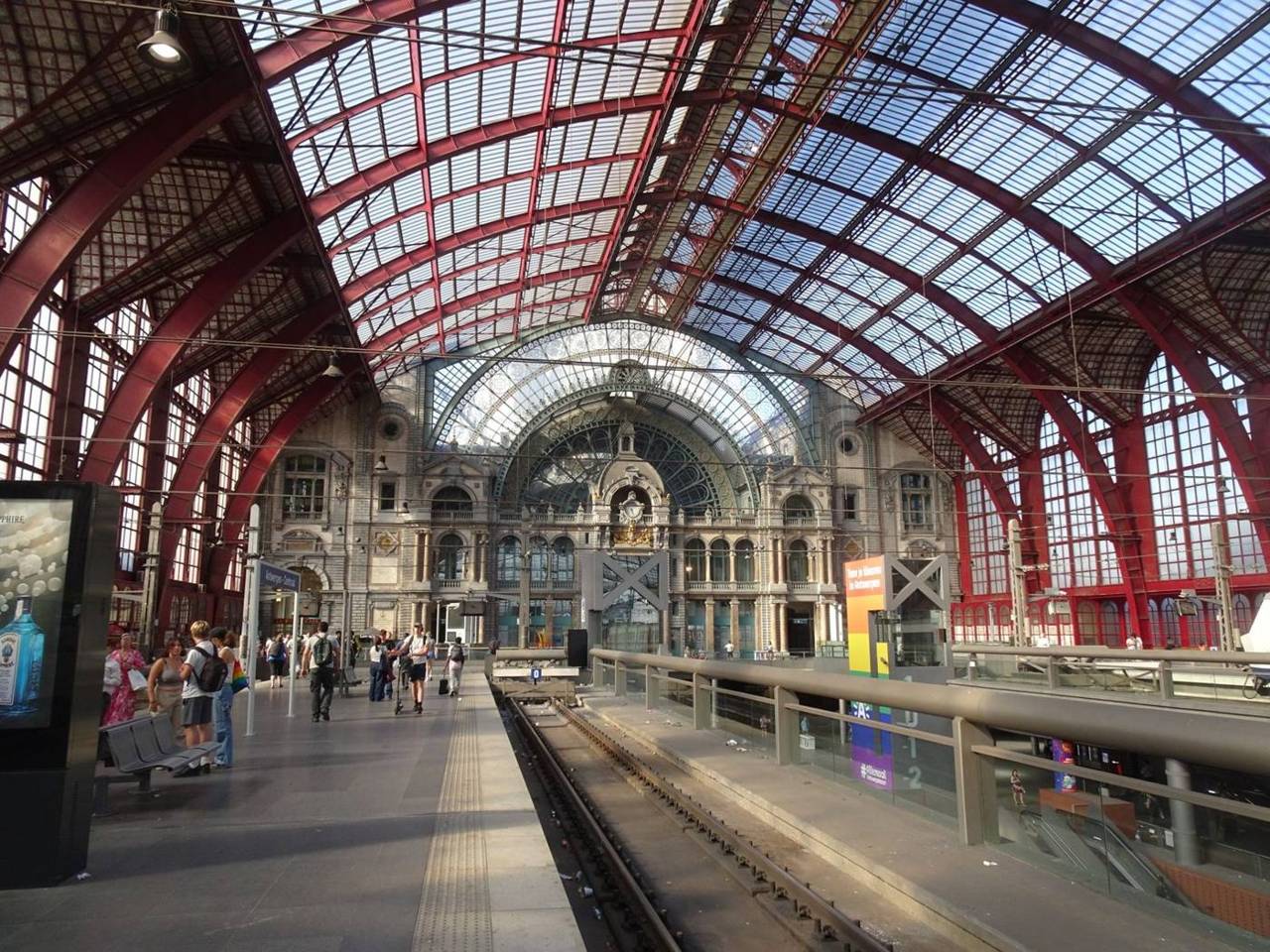
The Flemish art cities
A week by train between Brussels, Antwerp with Rubens and fashion, Mechelen, Leuven, Ghent and Bruges.
 5 daysEasy
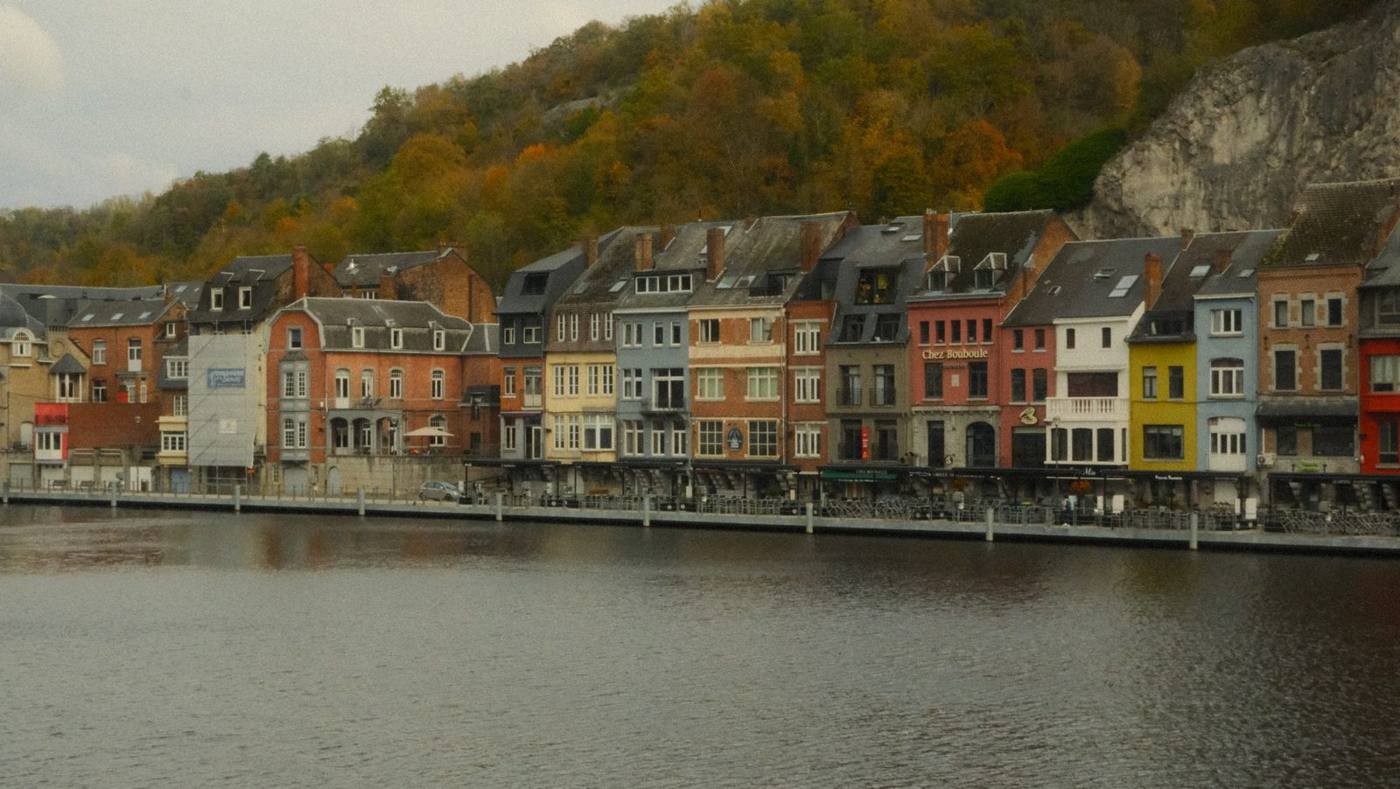
The Belgian Ardennes
Dinant and the Meuse, Durbuy, the 'smallest town in the world', La Roche-en-Ardenne, the Han caves and kayaking on the Lesse.
 5 daysEasy
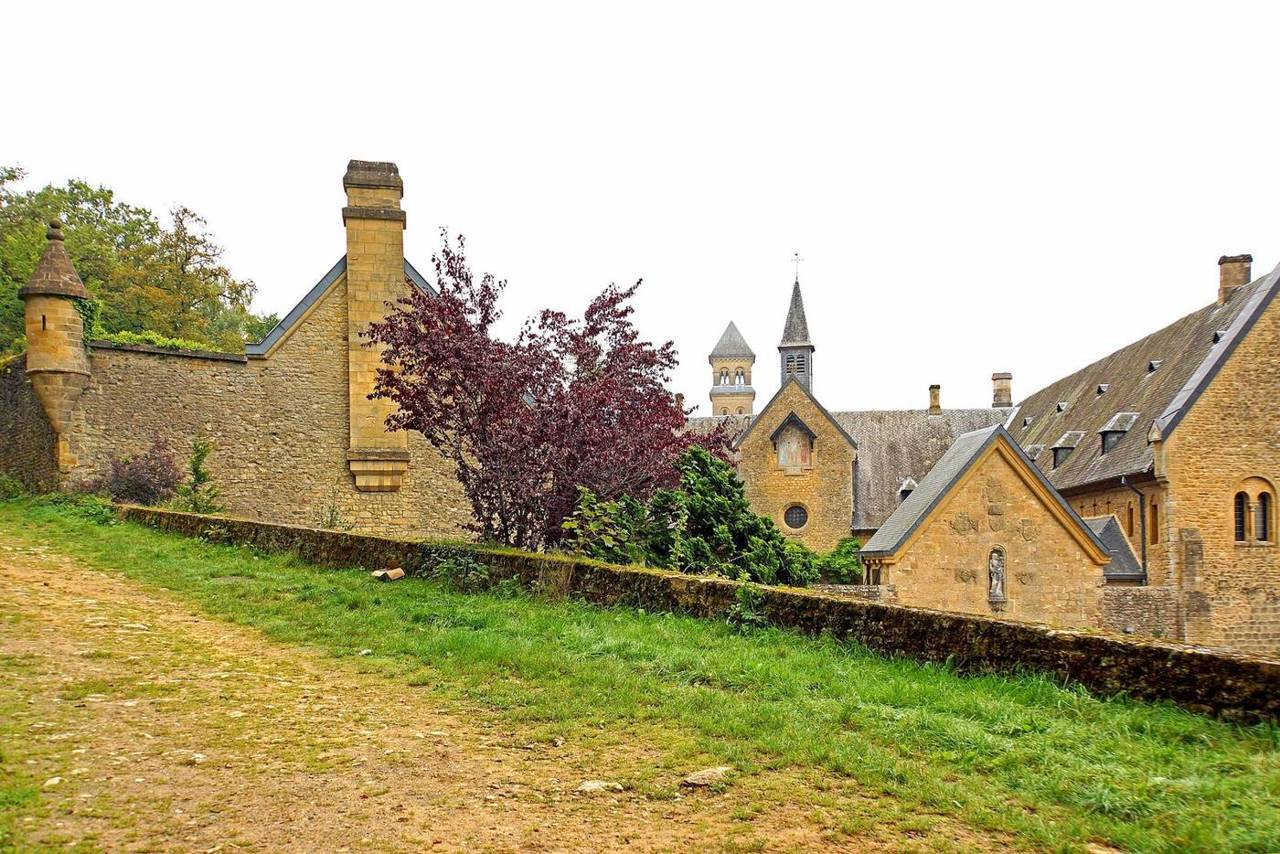
Trappist beers and abbeys
A tour of Belgium's Trappist abbeys: Westvleteren, Chimay, Orval, Rochefort and Westmalle, with the historic breweries of Brussels and Bruges.