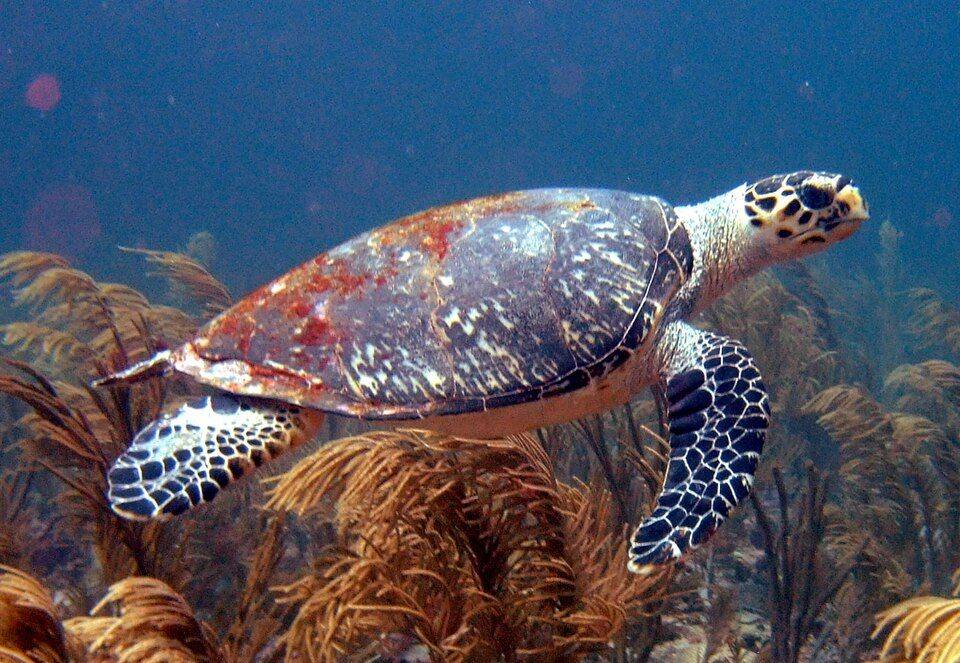
Turtles and wrecks
The calm west coast: snorkelling with turtles, the shallow wrecks of Carlisle Bay, the beaches of Mullins and Holetown and a catamaran trip.
- Carlisle Bay
- Holetown
- Mullins Beach
- Speightstown
Day by day
- Day 1
Carlisle Bay and the wrecks
This trip is devoted to the calm sea of the west and south-west coasts of Barbados: snorkelling over the wrecks of Carlisle Bay, a catamaran trip among the turtles, and the beaches and towns between Holetown and Speightstown. It suits people who are not strong swimmers too.
Before you go: Italian citizens enter Barbados without a visa for tourism, with a passport valid for the whole stay and a return ticket; before arrival you fill in the online immigration and customs form on the official website travelform.gov.bb. Other nationalities should check their own rules. The United States rates Barbados at level 1; the United Kingdom reports a rise in gang-related gun crime, and reminds visitors that currents can be strong even on some south and west coast beaches.
Today go to Carlisle Bay, the large bay next to Bridgetown, with pale sand and clear water. In the bay there is a marine park with several wrecks a few metres down, including the Berwyn, a tug sunk in 1919 and now covered in coral and sponges. You can swim from the beach with mask and snorkel, or go out in a small boat that stops above the wrecks. You will see parrotfish, trumpetfish, sergeant majors and often a turtle too.
In the afternoon stay on the beach, with sailing boats at anchor and a view of the town.
At sunset head back towards Bridgetown and have flying fish for dinner, the symbol of the island.
Sleep on the south or west coast, for three nights.
Practical tip: always swim in marked areas, away from speedboats and jet skis, and if you go out by boat choose someone who gives you a life jacket and a guide in the water.
- Day 2
By catamaran with the turtles
Today you spend the day at sea along the west coast, also called the Platinum Coast for its pale sand and seafront villas.
In the morning board a catamaran: trips usually leave from Bridgetown and last half a day or a full day. The boat sails up the coast and stops at two or three places for swimming. The most awaited moment is snorkelling with the turtles: these waters are home mainly to hawksbill and green turtles, which come up to the surface to breathe and graze on the sandy bottom. There is often a stop at a shallow wreck too, with colourful fish all around.
Do not touch or feed the turtles, and stay at least a few metres away: contact and food get them used to boats and make them ill. Choose operators who respect this and who do not throw food into the water.
In the afternoon, after the trip, rest on a west coast beach. In Barbados all beaches are public: you can go in front of the big hotels too, using the marked access paths.
Hawksbill turtles also lay their eggs on the island's beaches, at night, mainly between spring and autumn. If you find a nest or a turtle on the sand, do not use lights and do not go near it.
Practical tip: put on sun cream at least half an hour before going into the water, or better still wear a sun shirt, because creams damage coral and at sea the sun burns even when there is wind.
- Day 3
Holetown, Mullins and Speightstown
Today you travel up the west coast by bus or car and discover the oldest towns on the island.
In the morning stop at Holetown, in the parish of St James. The first English settlers landed here in 1627, and a monument marks their arrival. Visit St James Church, one of the oldest in Barbados, among the palms by the sea. In February the town holds a festival with music, crafts and food.
Then carry on north to Mullins Beach, in the parish of St Peter, a beach with calm, clear water, excellent for snorkelling near the rocks. Have lunch with a roti, the flatbread filled with curry that came with Indian immigrants, or a cutter, the fish sandwich.
In the afternoon reach Speightstown, the second town of the island, once the port that shipped sugar to England. Walk among the old warehouses, the houses with wooden balconies and the fishermen's jetty. If it is open, visit Arlington House, an eighteenth-century house turned into a museum. Check prices and times.
In these three days you have swum over the wrecks of Carlisle Bay and with the turtles of the west coast, and you have seen Holetown, Mullins and Speightstown. It is an easy, calm sea, suitable for the whole family.
When to go: from December to April, when the sea is calmer and there is less rain. June to November is the hurricane season.
Practical tip: local buses along the west coast are frequent and cheap, with a fixed fare; have coins ready, because drivers often do not give change.
Sea suited to everyone, even weak swimmers. Do not touch or feed the turtles; choose operators who respect them.
Before you go
- Documents and visa
- Passport valid for the whole stay and a return or onward ticket; no visa is needed for tourism and the length of stay is decided on arrival. Before travelling everyone must fill in the online immigration and customs form on the official website travelform.gov.bb.
- Health and vaccines
- Tap water is considered safe to drink. There is a risk of dengue: protect yourself from mosquitoes during the day too. If you arrive from a country with yellow fever, you need a vaccination certificate. Emergencies: police 211, ambulance 511, fire 311.
- Money and payments
- Barbados dollar, pegged to the US dollar, which is accepted almost everywhere. Cards work well; cash machines give only local currency and taxis often want cash.
- Power sockets
- Types A and B, about 110 volts: you need an adapter for American plugs, and check that your devices accept this voltage.
- Time zone
- UTC-4 all year.
- Safety
- The United States rates Barbados at level 1, normal precautions. The United Kingdom reports a rise in gang and gun crime: avoid isolated areas and beaches after dark, use only licensed taxis and agree the fare first. On the east coast the currents are very strong and swimming is not recommended. Hurricanes are possible from June to November. Official advice: GOV.UK.
Information checked in November 2026 for Italian and EU citizens. Rules change: always check before you travel.
Variations
Shorter: two days, with Carlisle Bay and the catamaran trip.
Longer: add two days inland, with Harrison's Cave and the gardens.
Frequently asked questions
Do you need to be a good swimmer?
No, in Carlisle Bay and on the west coast the water is usually calm and the wrecks are shallow. On the boat ask for a life jacket.
Can you touch the turtles?
No, do not touch or feed them. Stay a few metres away and choose operators who do not throw food into the water.
Are the beaches in front of hotels private?
No, in Barbados all beaches are public. You get in through the marked public access paths.
Indicative itinerary written by World Atlas. Before booking, check timetables, seasonal openings, documents and safety.
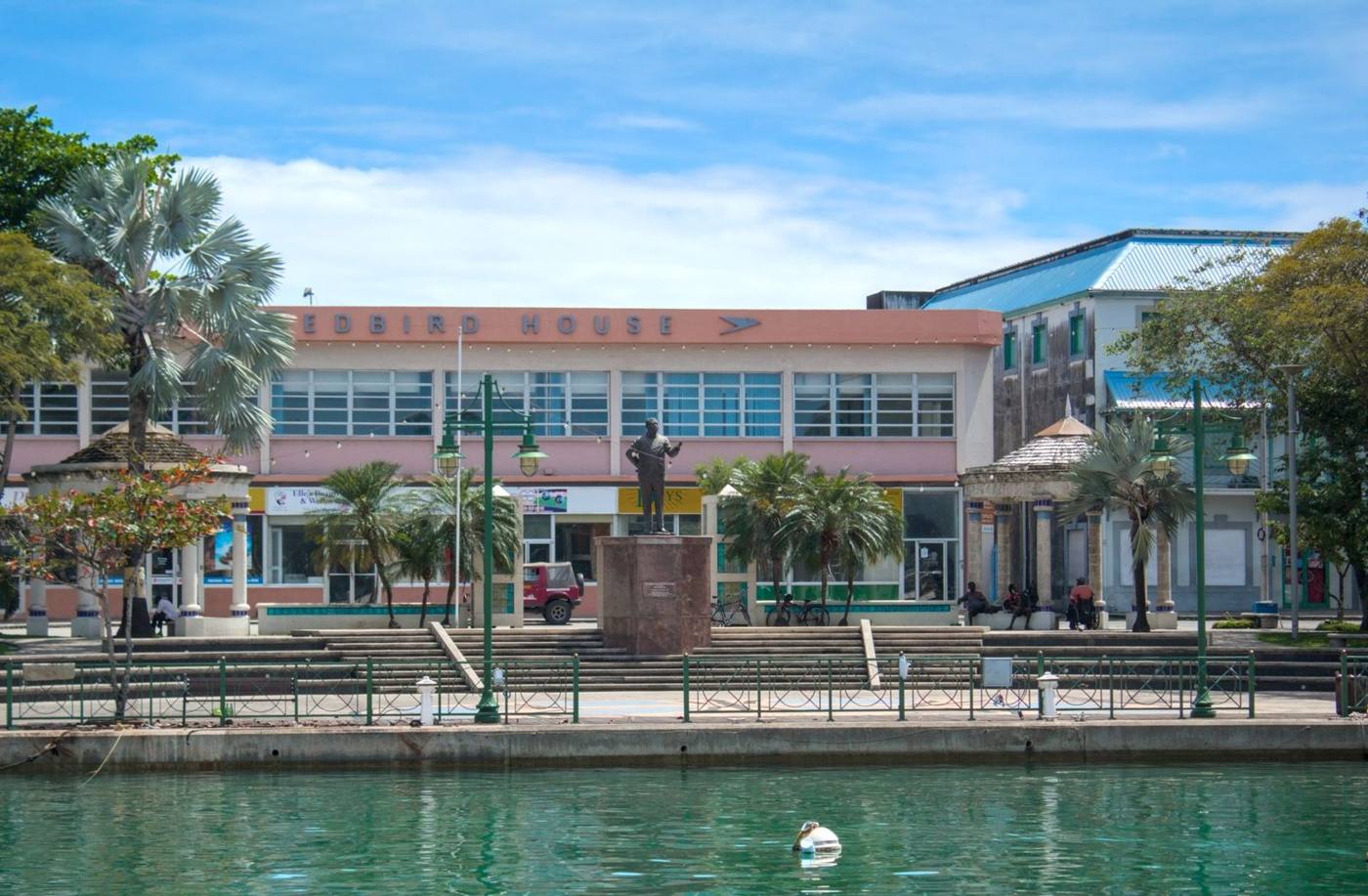 6 daysEasy
Around the island
Bridgetown and its UNESCO garrison, the Atlantic coast at Bathsheba, Harrison's Cave, the rum distilleries and the Friday fish fry at Oistins.
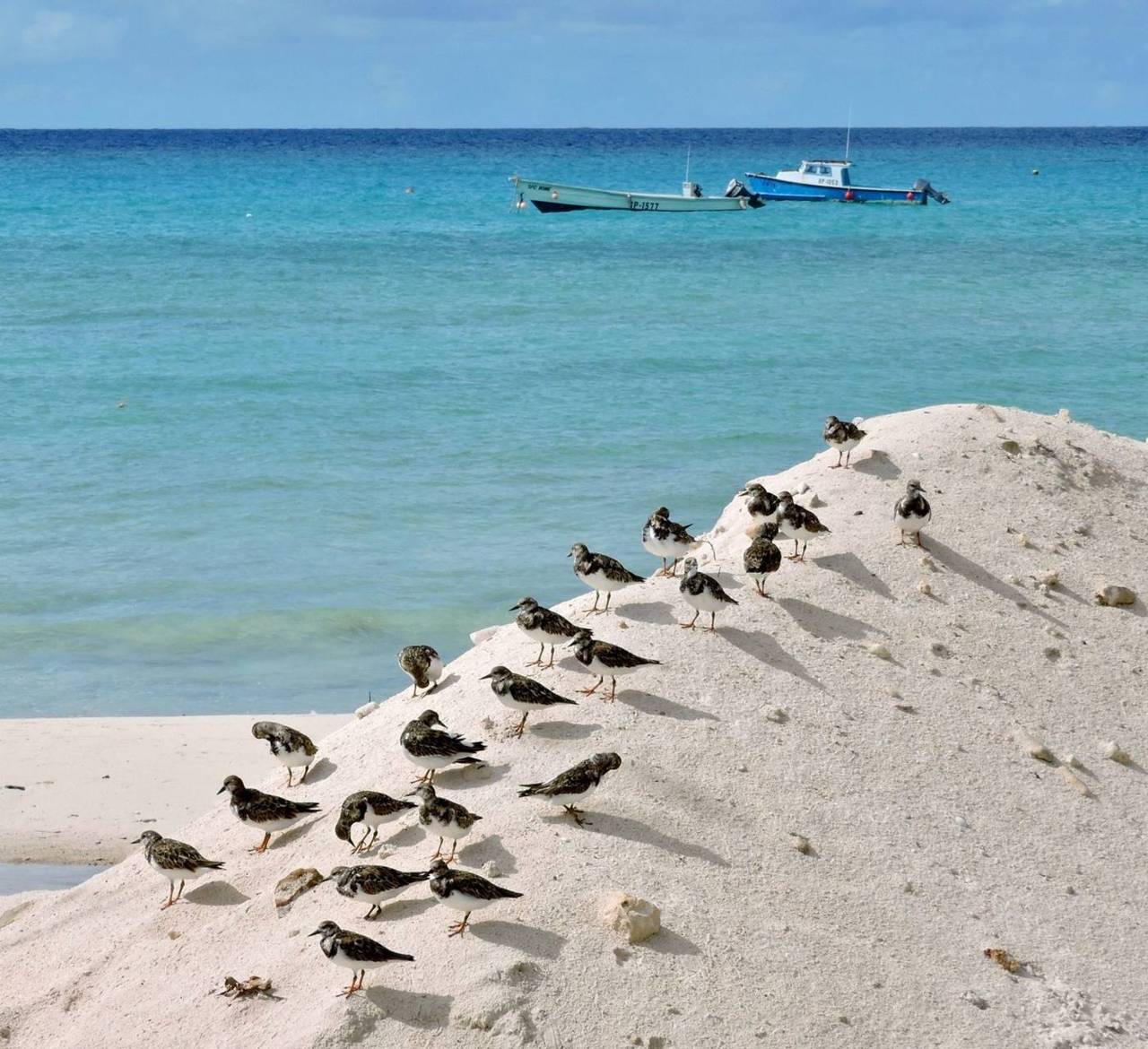 4 daysEasy
Surf and the east coast
The Soup Bowl waves at Bathsheba, the old railway trail, Farley Hill park and the cliffs of Animal Flower Cave.
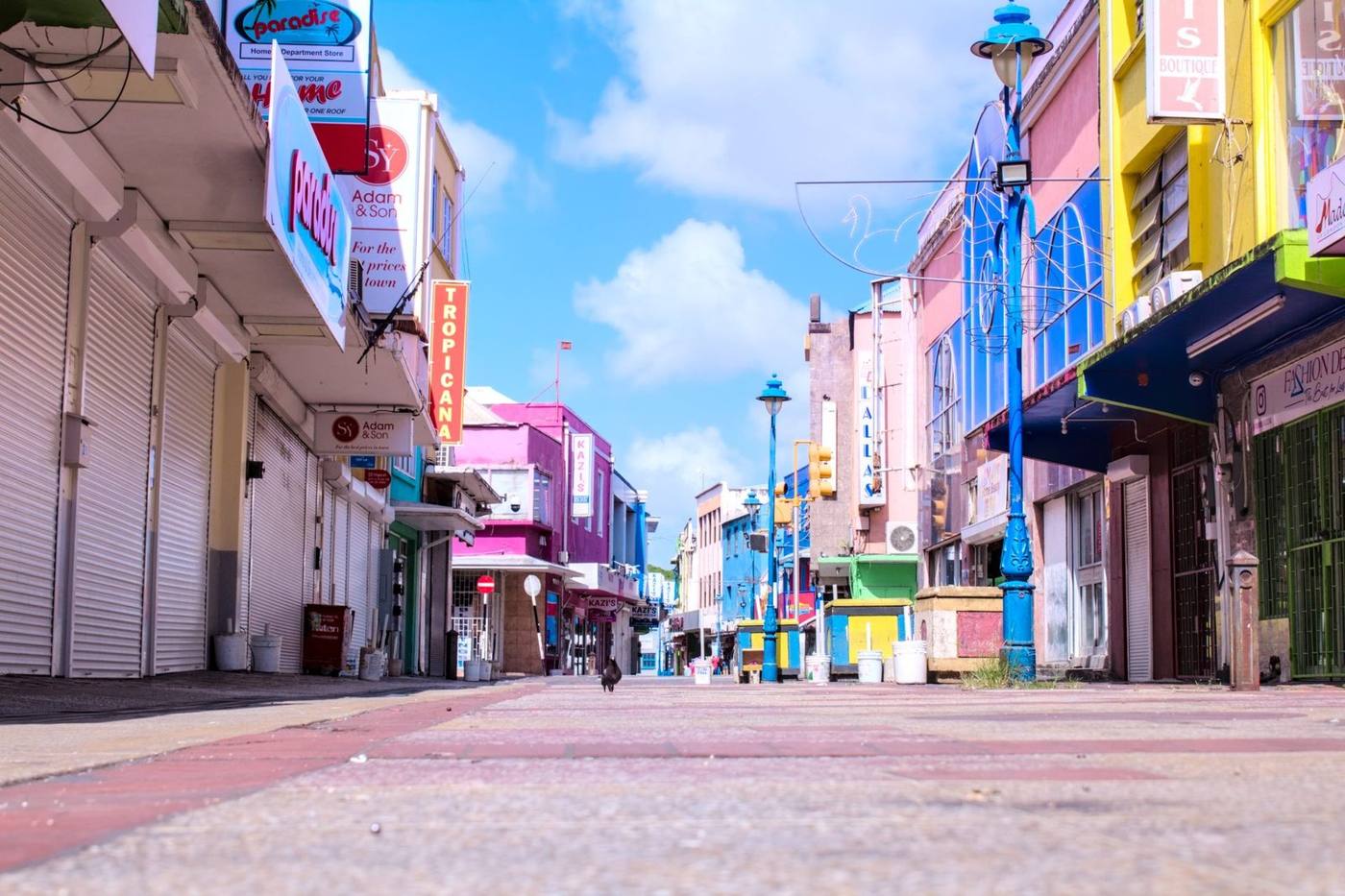 2 daysEasy
Bridgetown and rum
The capital and its Garrison, a UNESCO site, the Nidhe Israel synagogue, the George Washington House and the historic rum distilleries, with an evening at the Oistins Fish Fry.