Ganja and Göygöl
The country's second city with the mausoleum of the poet Nizami and the Bottle House, then Lake Göygöl in its national park and the town of Göygöl founded by German settlers.
- Ganja
- Göygöl
- Lake Göygöl
Day by day
- Day 1
Ganja, the Nizami mausoleum and the Bottle House
This three-day trip takes you to Ganja, the second city of Azerbaijan, then to Lake Göygöl and the small town of the German settlers.
Before you go: Italian citizens need a passport, valid for at least three months beyond the expiry of the visa, and an e-visa, applied for online only on the official website evisa.gov.az: it is valid for one entry and up to 30 days and is not issued at the airport. Other nationalities should check their own rules. Today you can only enter Azerbaijan by air. Viaggiare Sicuri, the Italian government's travel service, advises against the areas along the Armenian border; the UK also advises against all but essential travel to the districts around Karabakh, such as Kelbajar, which begins south of the Göygöl park, and the United States, at level 3 since 2026, warns of landmines. Stay on marked routes and do not go beyond the lake.
You arrive in Ganja in the morning on the night train from Baku or on a domestic flight. Drop your bags and visit the mausoleum of Nizami Ganjavi, the twelfth century Persian poet born here, author of the tales of Layla and Majnun. The mausoleum, a cylindrical tower of dark stone, was rebuilt at the end of the twentieth century and is surrounded by a garden with sculptures inspired by his works.
In the afternoon walk along the pedestrian Javad Khan street, then visit the Shah Abbas mosque, from the early seventeenth century, with red brick minarets, and the nearby bathhouse.
Not far away is the Bottle House, a private house covered with tens of thousands of glass bottles, built in the 1960s by a resident in memory of his brother lost in the war. You look at it from outside.
Sleep in Ganja.
Practical tip: book the night train a few days ahead on the Azerbaijani railways website and choose a berth, more comfortable than a seat.
- Day 2
Lake Göygöl in the national park
Today you climb into the mountains of the Lesser Caucasus to the most famous lake in the country.
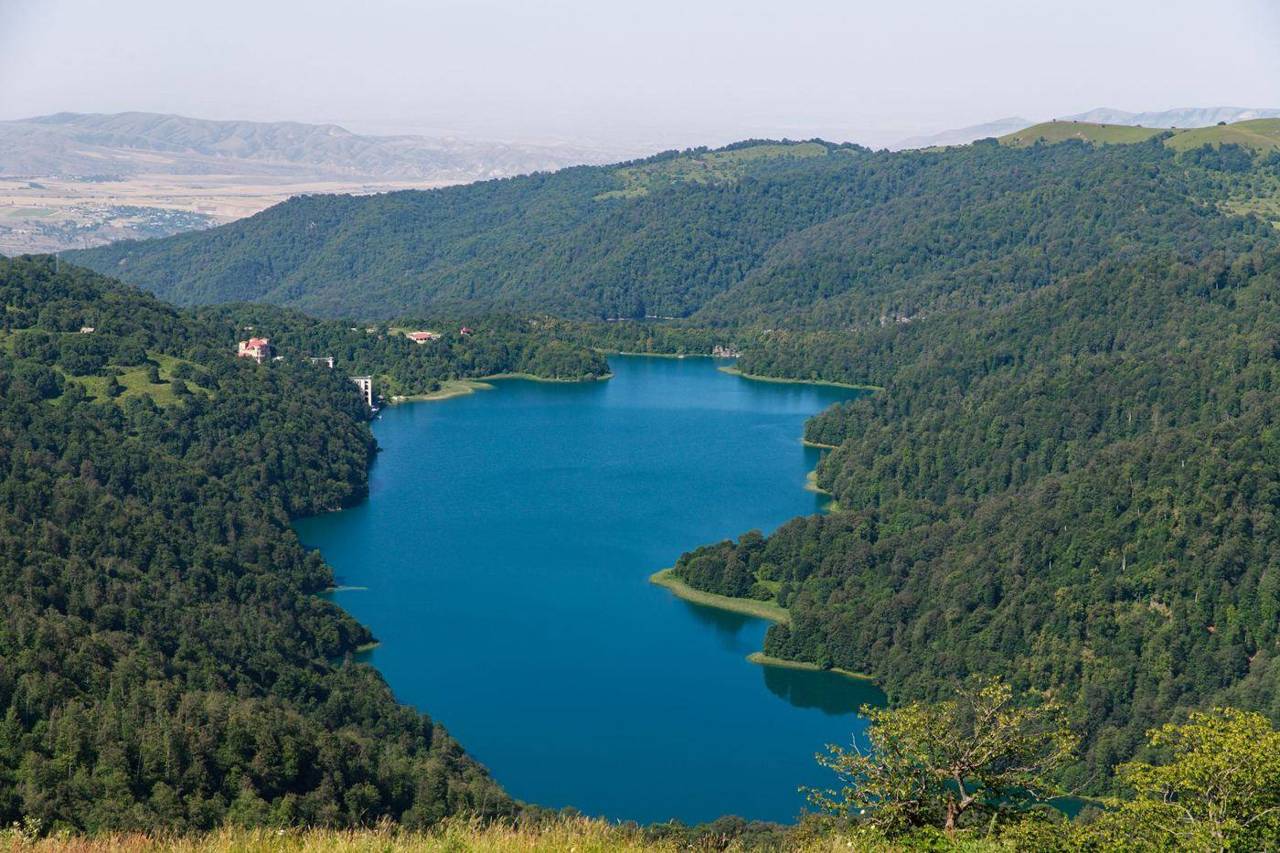
In the morning leave Ganja southwards, by car or taxi, through the town of Göygöl and then an ever greener valley. In about an hour you reach the entrance of Göygöl National Park, a protected area of beech, oak and hornbeam woods below Mount Kapaz.
Lake Göygöl, which means blue lake, formed according to the chronicles in 1139, when an earthquake brought down part of Mount Kapaz and the landslide blocked a river. The water gathered in a narrow hollow among the woods, at more than 1,500 metres, and today its colour changes from green to turquoise with the light. Check park prices and times.
Walk along the paths and viewing terraces on the shore: the lake is protected, so you cannot swim or take a boat. Higher up are other lakes created by the same landslide, but access is regulated: ask at the park entrance which paths are open and never leave the marked routes.
Bring a picnic and sit under the trees: families from Ganja come here to spend summer Sundays, but on weekdays the park is quiet.
In the afternoon go back down to Göygöl and sleep in town, or return to Ganja.
Practical tip: even in summer it is cool at altitude and the weather changes quickly; bring a waterproof jacket and shoes with a good sole for the park paths.
- Day 3
Göygöl, the former Helenendorf, and back
Today you discover a small German story in the Caucasus and return to Baku.
The town of Göygöl was founded in 1819 under the name Helenendorf by German settlers from Swabia, in what was then the Russian Empire. For more than a century German was spoken here and vines were grown: the settlers built wine cellars, stone houses with steep roofs and straight tree-lined avenues, as in the villages of Württemberg. In 1941 the Soviet government deported almost all the Germans to Central Asia, but the orderly street plan and many houses remain.
In the morning walk through the streets of the centre and reach the Lutheran church of St. John, from the nineteenth century, with its tall slender bell tower, one of the clearest signs of the German community. Check times.
Then walk in the streets around the church and look for the old settlers' houses, with vaulted cellars below the ground floor and inner courtyards. Wine is still made in the surrounding hills: if you are interested, ask in town which estates receive visitors by appointment.
For lunch taste piti, mutton and chickpea soup cooked in a clay pot, or lamb kebab with sumac.
In the afternoon return to Ganja and head back to Baku by train or plane.
In these three days you have seen Ganja and its poet, the lake born from an earthquake and the town of the German settlers.
When to go: the best time is from May to October, when the park road is open and the woods are green. October is beautiful for the colours of the beeches.
Practical tip: from Monday to Friday trains and flights are less full; if you travel at a summer weekend, book your return to Baku in advance.
A natural stop between Baku and the north-west. The night train from Baku is comfortable. Do not head towards Karabakh without official permission.
Before you go
- Documents and visa
- Passport valid for at least three months beyond the expiry of the visa, and an e-visa, applied for online only on the official website evisa.gov.az: it is valid for one entry and up to 30 days, with an urgent service at a higher cost. Visas are not issued at the airport. Today you can only enter by air: land borders are closed to arrivals, except in exceptional authorised cases. A previous visit to Karabakh without Azerbaijani permission can lead to refused entry. Stays over 15 days require registration with the State Migration Service, which hotels often do for you.
- Health and vaccines
- No compulsory vaccinations. Tap water is not safe to drink: drink bottled water. You need insurance covering medical costs and repatriation. Air pollution is high in Baku. Emergencies: 112.
- Money and payments
- Azerbaijani manat. In Baku cards are accepted almost everywhere; in villages and markets carry cash.
- Power sockets
- Types C and F, 220 volts.
- Time zone
- UTC+4 all year.
- Safety
- The UK advises against all travel within 5 km of the Armenian border and against all but essential travel to the war-affected districts of the south-west, around Karabakh, which are full of mines and need an official permit. In 2026 the United States raised the country to level 3 and advises against travel to the border region with Iran. Official advice: GOV.UK.
Information checked in November 2026 for Italian and EU citizens. Rules change: always check before you travel.
Variations
In 2 days: Ganja and Lake Göygöl, with the night train both ways.
In 6 days: continue north from Ganja to Sheki, Qax and Zaqatala, in the greenest corner of the country.
Frequently asked questions
Is Lake Göygöl close to dangerous areas?
The park borders the Kelbajar district to the south, where the UK advises against all but essential travel and there are landmines. The lake and the paths open to visitors lie outside that area: stay on the marked routes.
How do you get from Baku to Ganja?
By the Azerbaijani railways night train or by a domestic flight. The train arrives in the morning and is comfortable if you book a berth.
Can you swim in the lake?
No. Lake Göygöl is protected: you walk on the shore and the paths, but you do not swim or take a boat.
Indicative itinerary written by World Atlas. Before booking, check timetables, seasonal openings, documents and safety.
 2 daysEasy
Shamakhi and wine
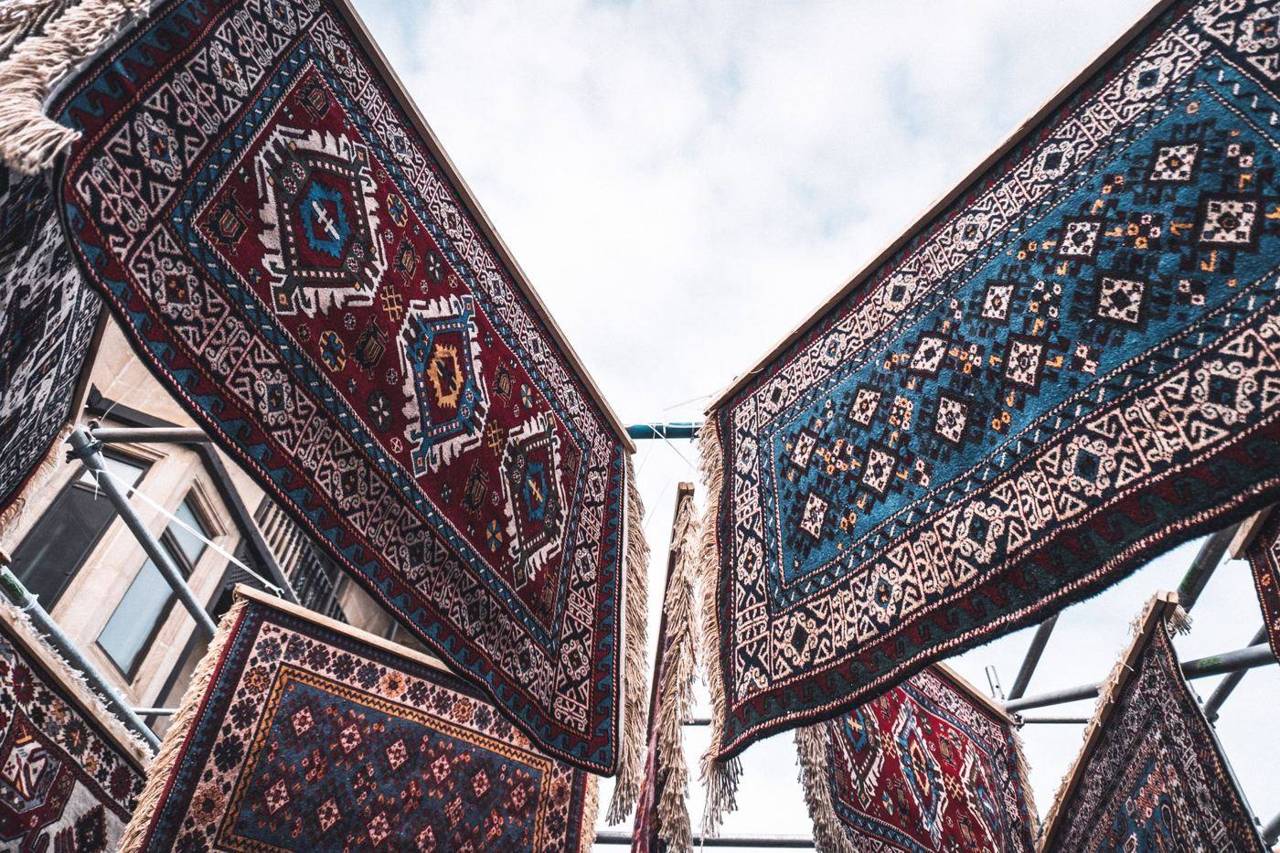
The old capital of Shirvan with its Friday Mosque, the Yeddi Gumbaz mausoleums, the astrophysical observatory and the wineries around Meysari.
 3 daysEasy
Shahdag and Laza
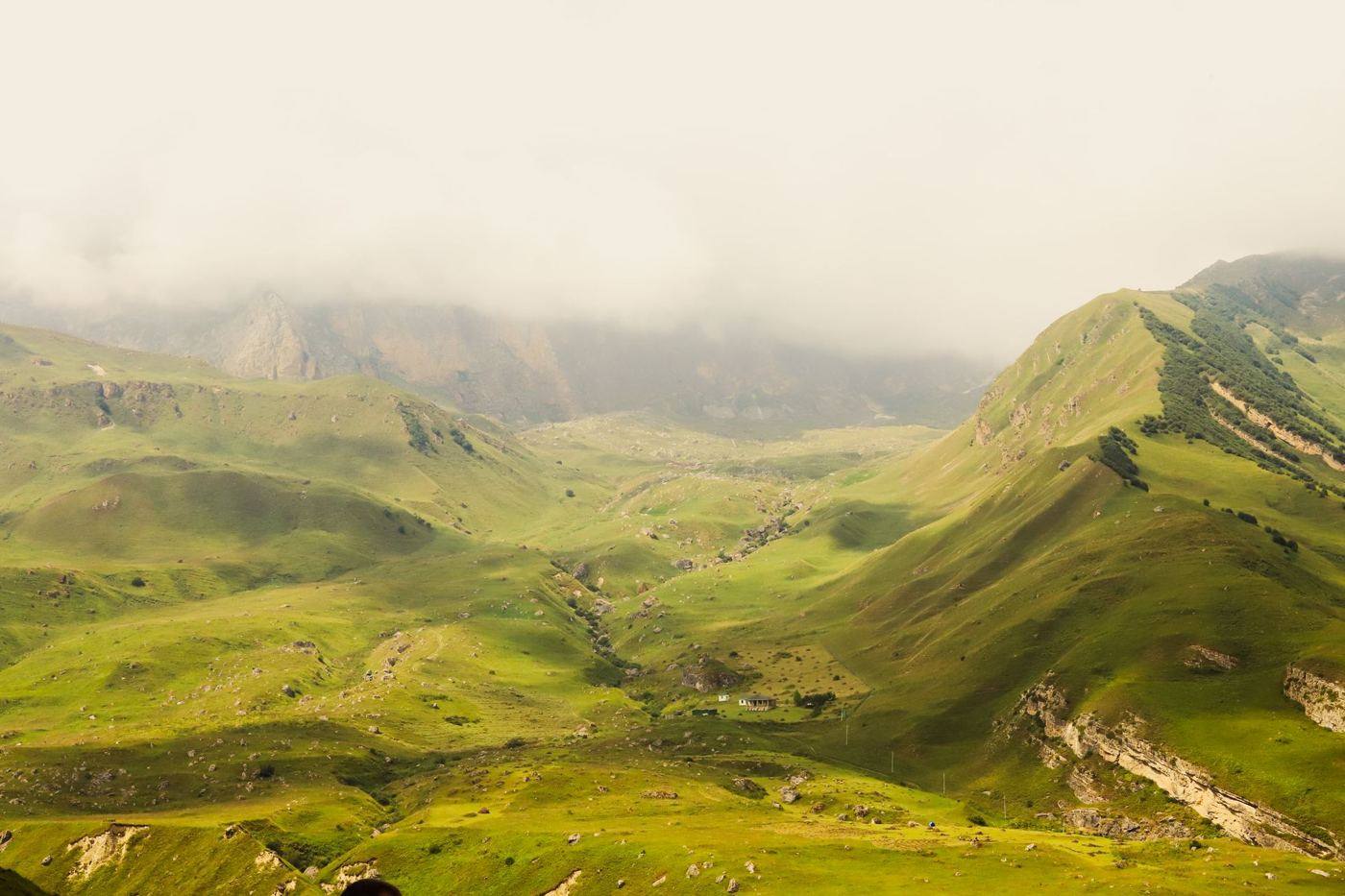
The Shahdag mountain resort, skiing in winter and cable cars in summer, and the village of Laza with its waterfalls beneath towering walls.
 4 daysEasy
Zaqatala and Ilisu
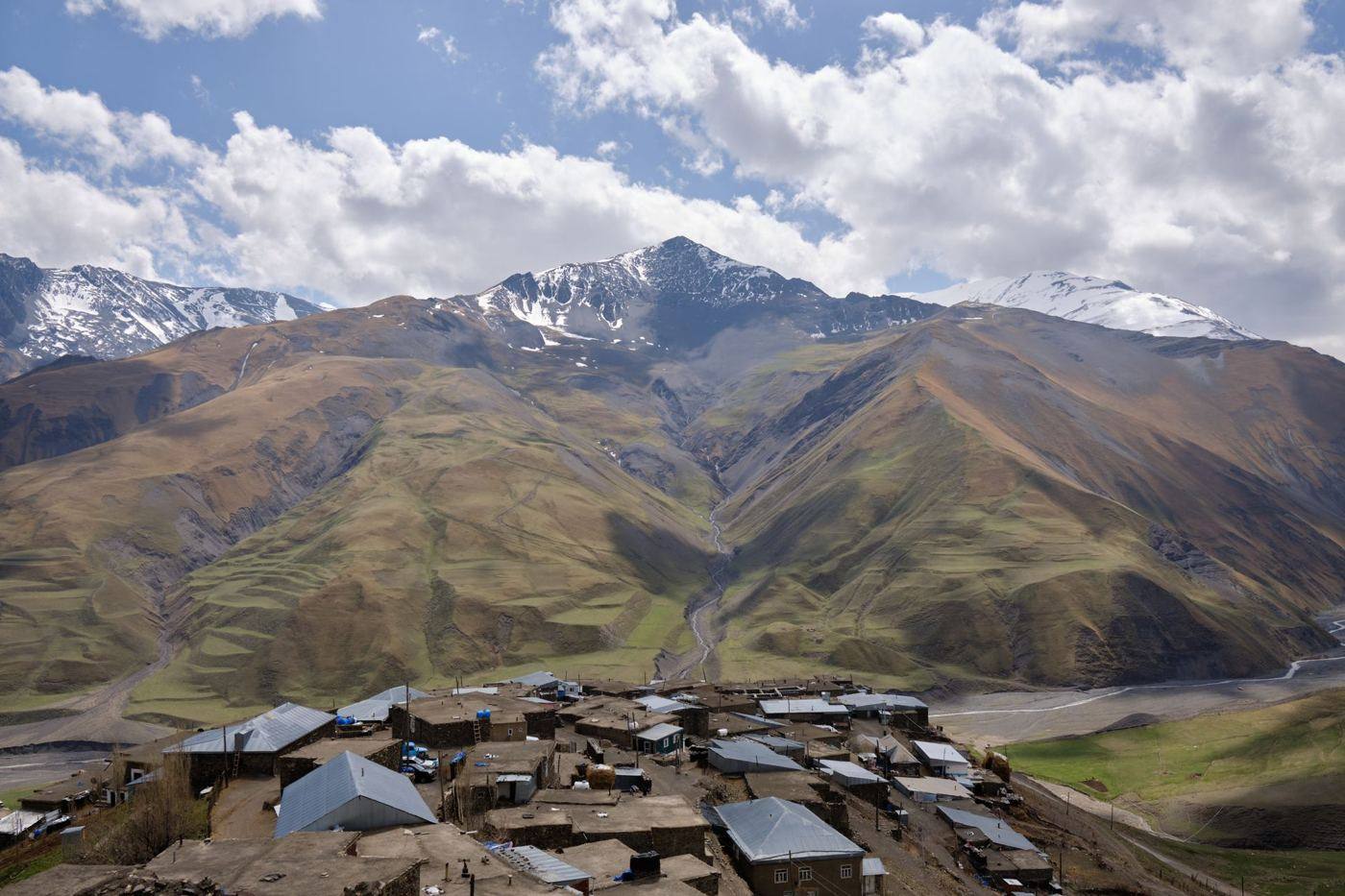
The green north-west towards Georgia: Zaqatala with its giant plane trees and walnuts, the stone village of Ilisu with its towers, and Qax.