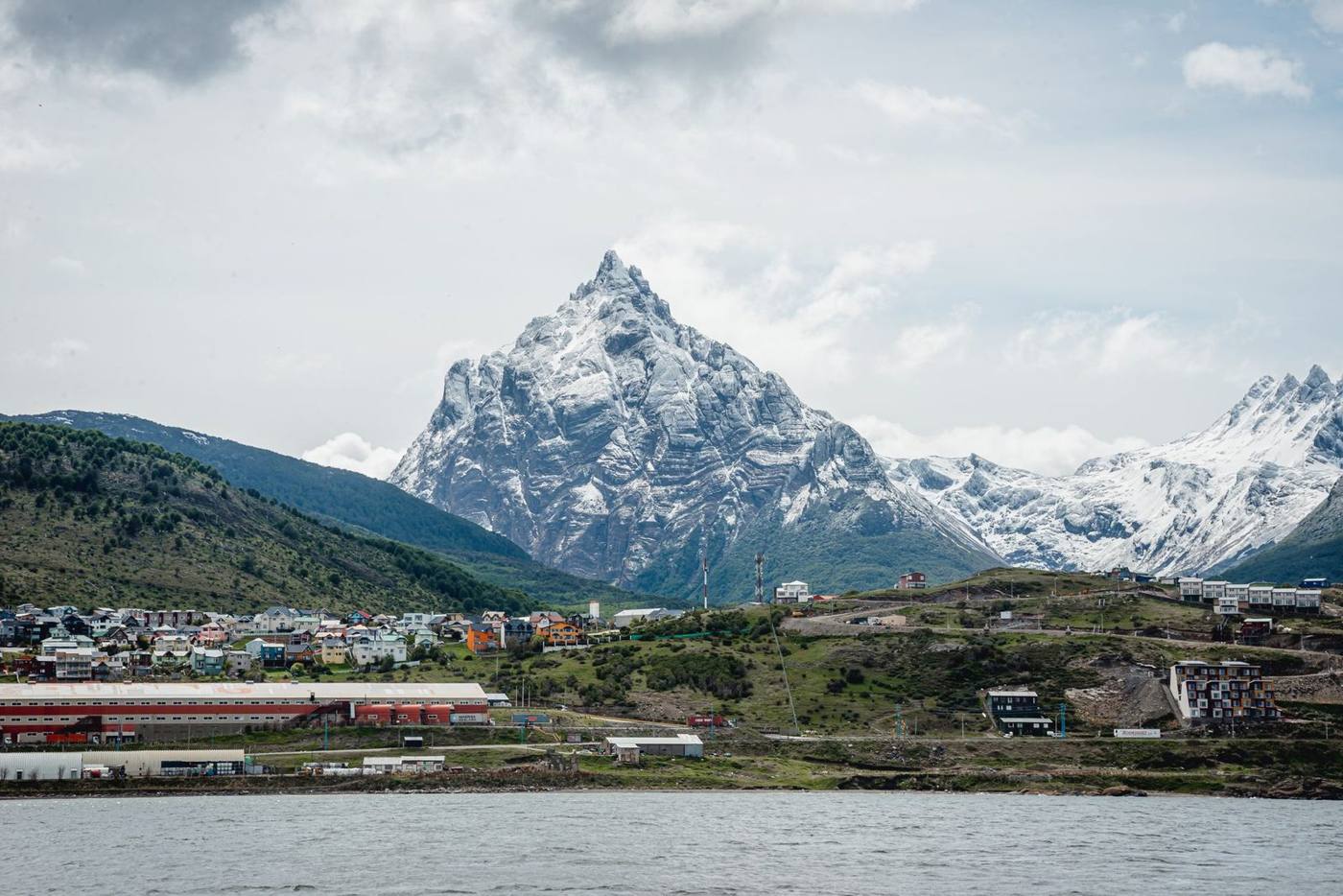
Ushuaia and Tierra del Fuego
The southernmost city in the world between mountains and sea: sailing the Beagle Channel among islands of sea lions and cormorants, the penguins of Martillo Island, Tierra del Fuego National Park, the Martial glacier and the old prison museum.
- Ushuaia
- Beagle Channel
- Isla Martillo
- Parque Nacional Tierra del Fuego
- Laguna Esmeralda
Day by day
- Day 1
Ushuaia: the Presidio museum, the harbour and the Martial glacier
EU citizens can enter Argentina without a visa for tourism for up to ninety days with a valid passport; check the rules for your nationality. Ushuaia is about three and a half hours by plane from Buenos Aires; the airport is about ten minutes from town.
Ushuaia, capital of Argentine Tierra del Fuego, is considered the southernmost city in the world, spread between the snowy Martial range and the Beagle Channel, the arm of sea linking the Atlantic and the Pacific. Ships for Antarctica leave from here. The climate is cool and changeable all year: even in summer, December to February, temperatures stay around ten to fifteen degrees, with wind and sudden showers.
In the morning visit the Presidio museum, in the old prison building, built in the early twentieth century with convict labour, which until 1947 was one of Argentina's most feared prisons, for the most dangerous criminals and political prisoners. You visit the wings with their cells, one left as it was, and museums on maritime history, Antarctica and the native peoples of Tierra del Fuego, the Yámana and Selk'nam.
In the afternoon head up to the Martial glacier above town: a taxi takes you to the foot of the valley, then you walk for about an hour and a half on a steep trail through lenga forest and rock to the glacier tongue, with views over the town and channel.
In the evening stroll along the harbour and try centolla, Patagonian king crab, and roast Fuegian lamb.
Practical tip: dress in layers and always carry a waterproof, windproof jacket, even in summer.
- Day 2
The Beagle Channel: Les Eclaireurs lighthouse, sea lions and penguins
Today is a boat trip on the Beagle Channel, sailed in 1833 by the British ship Beagle, which carried the young naturalist Charles Darwin. Trips leave from Ushuaia's tourist pier on catamarans or smaller boats and last from three hours to a full day.
The boat passes close to Isla de los Lobos, home to colonies of South American sea lions with maned males, and Isla de los Pájaros, covered with imperial and rock cormorants. Then it reaches Les Eclaireurs lighthouse, the small red and white lighthouse on a rock in the middle of the channel, one of Ushuaia's symbols, often mistakenly called the lighthouse at the end of the world.
Longer trips continue east to Martillo Island near Estancia Harberton, where Magellanic penguins and some gentoo penguins nest from October to March or April. Boats approach the shore to watch them, while landing on the island to walk among the penguins, with very limited numbers, is allowed for only one licensed operator, to be booked well ahead.
In the afternoon, back in Ushuaia, visit the End of the World Museum in the old bank, with a ship's figurehead and the birds of Tierra del Fuego.
Practical tip: the channel is cold and windy even on sunny days; bring gloves and a hat, and something for seasickness if the channel is rough.
- Day 3
Tierra del Fuego National Park and the End of the World Train
In the morning go to Tierra del Fuego National Park, about twelve kilometres west of Ushuaia, the only Argentine national park with mountains, forests and sea coast. Since 1 June 2026 foreign visitors pay 40,000 pesos, and a second consecutive day costs half.
You can get there by car, by minibus from town or on the End of the World Train, the Tren del Fin del Mundo, a small narrow-gauge steam railway following the route of the old convict train that once took prisoners from the jail to cut wood in the forest. The trip takes about an hour, along the Pipo river and through the woods, with commentary on the prison's history.
In the park follow the well-marked trails: the Senda Costera along the Beagle Channel shore, through woods and bays, in about three to four hours; the trail to Laguna Negra, a dark lagoon in the peat bog; and the Bahía Lapataia viewpoint, where Ruta 3, the national road from Buenos Aires, ends, with a sign showing the distance to Alaska, about seventeen thousand kilometres. You often see red foxes, wild geese and dams built by beavers, introduced by humans and now a problem for the forest.
In the evening return to Ushuaia.
Practical tip: bring water and a packed lunch to the park; there are few facilities.
- Day 4
The Laguna Esmeralda hike
Today is Ushuaia's most famous hike, to Laguna Esmeralda, a small emerald-green lake at the foot of the Ojo del Albino glacier in the Tierra Mayor valley, about twenty kilometres from Ushuaia on Ruta 3.
A taxi or minibus takes you to the car park at the trailhead. The route, about four and a half kilometres one way with moderate climbing, takes about two hours each way. You walk first through lenga forest, Patagonia's typical trees, then cross a waterlogged peat bog on boardwalks and muddy stretches, and finally climb beside a stream among rocks to the lagoon, surrounded by mountains and glaciers. Along the way you see beaver dams and valleys where beavers have flooded the forest.
At the lagoon have a picnic with views of the glacier. Experienced walkers can climb higher towards the glacier, but only in good weather.
In the afternoon return to Ushuaia. In winter, June to September, the Tierra Mayor valley is covered in snow and becomes an area for cross-country skiing, snowshoeing and dog-sledding.
In the evening relax in town.
Practical tip: the trail is often muddy and the bog is wet; you need waterproof hiking boots, gaiters if possible and a rain jacket.
- Day 5
Estancia Harberton or Lake Fagnano, then departure
On the last day you have two options, depending on your flight time.
The first is Estancia Harberton, about eighty-five kilometres east of Ushuaia on a partly unpaved road along the Beagle Channel. It is the first farm in Tierra del Fuego, founded in 1886 by the English missionary Thomas Bridges, who wrote a dictionary of the Yámana language. It is still lived in by his descendants. You visit the house, the family cemetery and the gardens, and above all the Acatushún museum, devoted to the birds and marine mammals of the far south, with one of the world's largest collections of dolphin and whale skeletons. Along the road you see flag trees, bent by the wind in a single direction.
The second is a trip north over Garibaldi Pass, with views of Lake Escondido, to Lake Fagnano, a large glacial lake about a hundred kilometres long crossing the border into Chile, with the village of Tolhuin, famous for a bakery where every traveller stops.
In the afternoon go to the airport, about ten minutes from town.
Things to take home: handmade chocolate, berry liqueurs, tinned centolla, wood and wool handicrafts, and the end of the world stamp in your passport at the tourist office.
Practical tip: in Argentina inflation means prices change often; carry dollars or euros in cash and find out the best way to pay. Check your government's travel advice before leaving.
It combines well with El Calafate or an Antarctic cruise, which leaves from here. The weather changes fast and it is cool even in summer. Walking among the Martillo penguins has very limited places, booked with the only licensed operator. Italians need no visa for up to 90 days; Argentina requires tourists to hold health insurance valid for the whole stay.
Before you go
- Documents and visa
- Valid passport; no visa for tourism up to 90 days for EU citizens.
- Health and vaccines
- No compulsory vaccines arriving from Europe; yellow fever is recommended for Misiones and Corrientes. In Patagonia beware of hantavirus in forests and closed huts. Emergencies: 911.
- Money and payments
- Argentine peso. Inflation changes prices often; foreign cards work almost everywhere and paying by card is usually best, keeping some cash.
- Power sockets
- Types I and C, 220 volts: you need an adapter for the angled flat-pin plugs.
- Time zone
- UTC-3 all year: Argentina does not use daylight saving time.
- Safety
- The United States rates Argentina level 1, with level 2 for Rosario. In Buenos Aires watch out for pickpockets; in the mountains and Patagonia the main risks are wind and weather. Official advice: GOV.UK.
Information checked in November 2026 for Italian and EU citizens. Rules change: always check before you travel.
Variations
In 3 days: Ushuaia and the Presidio museum, the Beagle Channel trip and Tierra del Fuego National Park.
In 10 days: add El Calafate with the Perito Moreno glacier and El Chaltén with Fitz Roy, or an Antarctic cruise from Ushuaia.
Frequently asked questions
Do I need a visa for Argentina?
EU citizens need no visa for tourist stays of up to ninety days, with a valid passport.
How much is Tierra del Fuego National Park?
Since 1 June 2026 foreign visitors pay 40,000 pesos; a second consecutive day costs half.
When can you see penguins on Martillo Island?
From October to March or April. Boats approach the shore; landing to walk among the penguins is reserved for a single licensed operator, to be booked well ahead.
Indicative itinerary written by World Atlas. Before booking, check timetables, seasonal openings, documents and safety.
 6 daysEasy
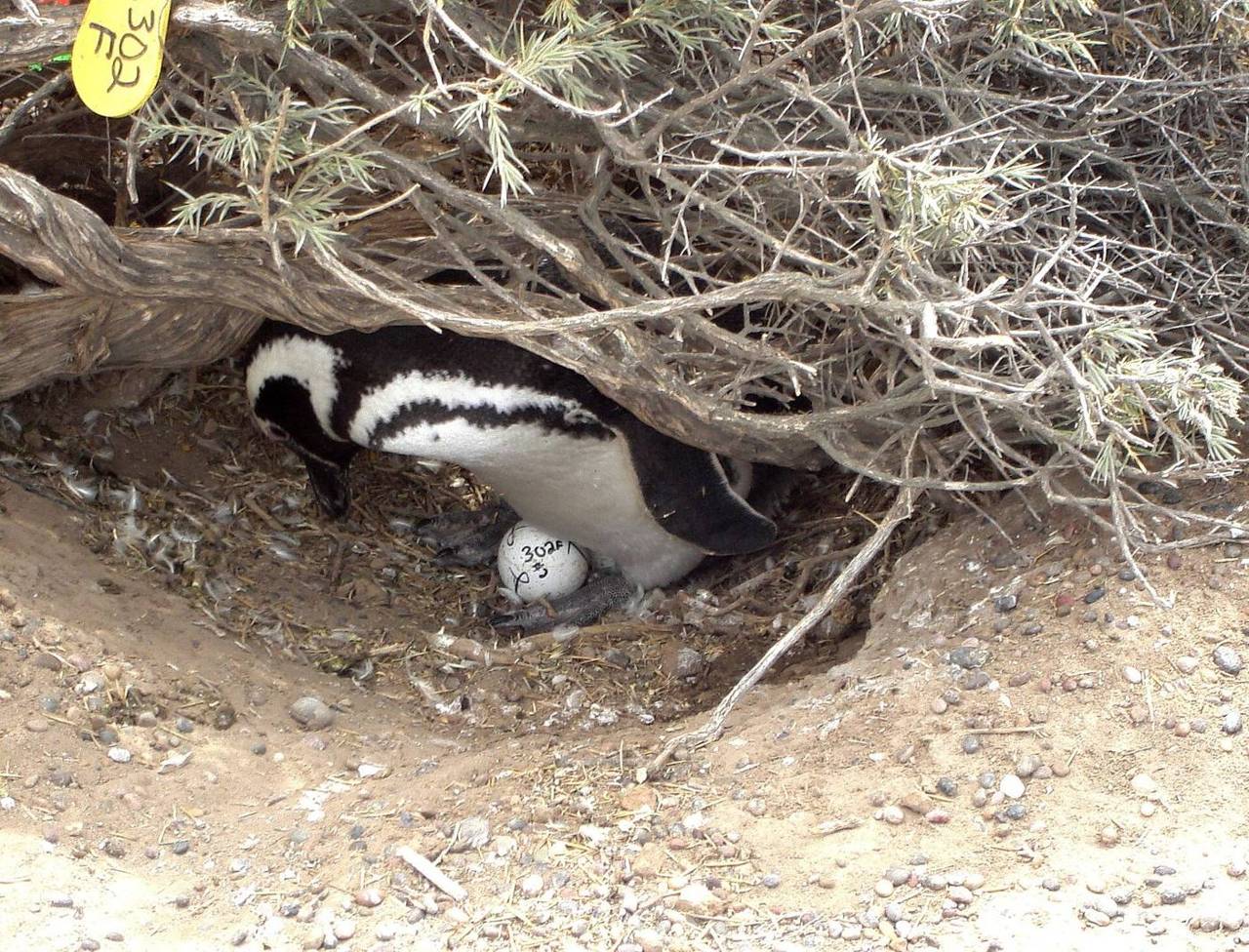
Chubut: whales, penguins and Welsh towns
The Atlantic Patagonian coast in depth: southern right whales entering the gulfs of the Valdés Peninsula in winter and spring, the Magellanic penguin colony of Punta Tombo, the dolphins of Rawson and the tea houses of the Welsh settlers in Gaiman.
 5 daysEasy
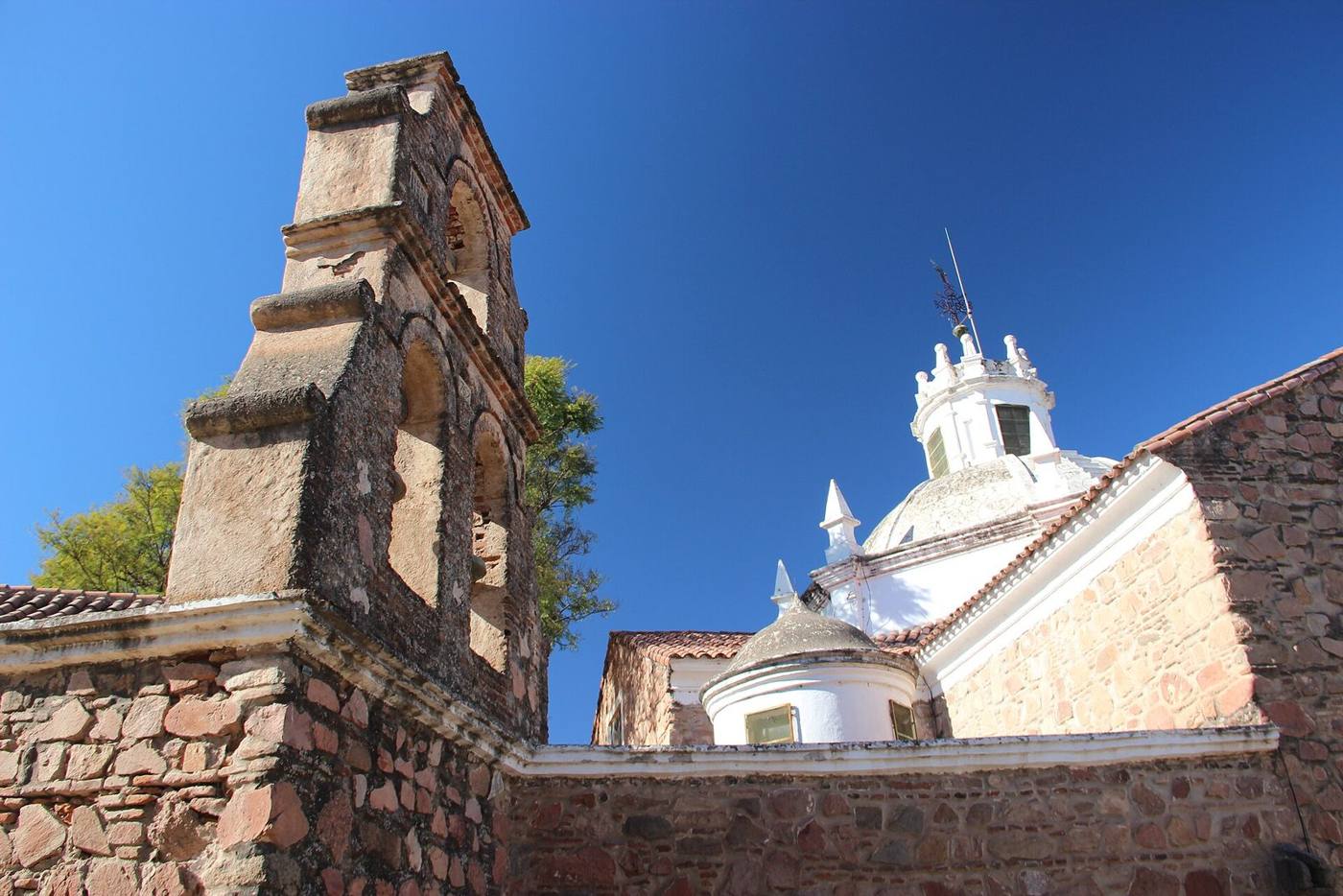
Córdoba and the Jesuit estancias
The colonial heart of Argentina: the Jesuit Block of Córdoba with the country's oldest university and the Jesuit estancias of Jesús María, Santa Catalina and Alta Gracia, a UNESCO World Heritage site, then the hills of the Sierras with the Alpine village of La Cumbrecita.
 5 daysEasy
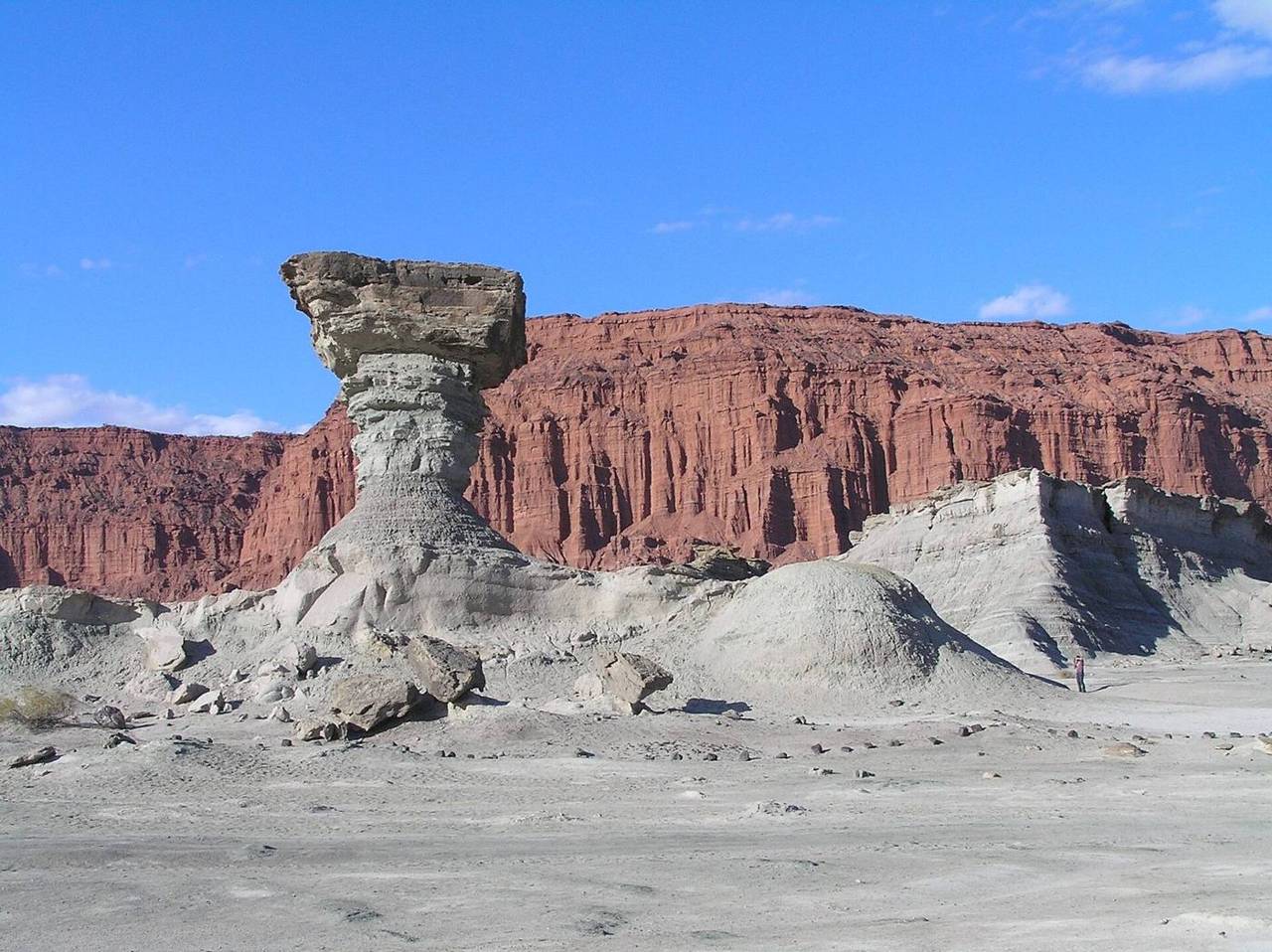
Ischigualasto and Talampaya
Two desert parks between San Juan and La Rioja, a UNESCO World Heritage site: the Valley of the Moon at Ischigualasto with wind-carved rocks and fossils of the earliest dinosaurs, and the red canyons of Talampaya with 150-metre walls and rock carvings.