Buenos Aires in depth
The tango capital at a gentle pace: San Telmo and its Sunday fair, the colours of La Boca, Recoleta cemetery, the Teatro Colón, historic cafés, Palermo with its parks and restaurants, an evening milonga and the parrillas serving the best beef.
- Buenos Aires
- San Telmo
- La Boca
- Recoleta
- Palermo
Day by day
- Day 1
Plaza de Mayo, the Casa Rosada and Avenida de Mayo
EU citizens enter Argentina without a visa for tourist stays of up to 90 days. Ezeiza International Airport is forty minutes to an hour from central Buenos Aires; take an official taxi booked at the counter inside the airport or a ride-hailing app. To stay, choose Palermo, Recoleta or San Telmo, pleasant and well connected districts.
Start at the political and historic heart of the city, Plaza de Mayo, where in 1810 the revolution that led to independence began. Around the square stand the Casa Rosada, the government palace with the balcony from which Perón and Evita spoke, the Cabildo, the old colonial town hall, and the metropolitan cathedral, where Jorge Bergoglio, later Pope Francis, was archbishop and where General San Martín, hero of independence, is buried. On Thursday afternoons the Mothers of Plaza de Mayo walk in a circle wearing white headscarves, in memory of the children who disappeared during the dictatorship.
From here walk along Avenida de Mayo, the great European-style avenue built at the end of the nineteenth century, with Belle Époque buildings, the Palacio Barolo, inspired by Dante's Divine Comedy and open for guided tours, and the city's oldest historic café, with marble tables and stained glass.
The avenue ends at Congress, with its green dome. In the evening try an asado, the Argentine barbecue, with a glass of malbec. Practical tip: in Buenos Aires people dine late, rarely before nine in the evening.
- Day 2
San Telmo, the Sunday fair and La Boca
Today two of the city's oldest and most popular districts. If possible, choose a Sunday for San Telmo: Defensa street becomes a long fair with antique dealers, craftspeople, sellers of old records and coloured soda siphons, and in Plaza Dorrego couples dance tango under the trees. San Telmo is the district of colonial houses, courtyards, churches and old conventillos, the tenements where immigrants from Europe lived, many of them from Italy. The covered San Telmo market, from 1897, has fruit stalls, antiques and small places to eat.
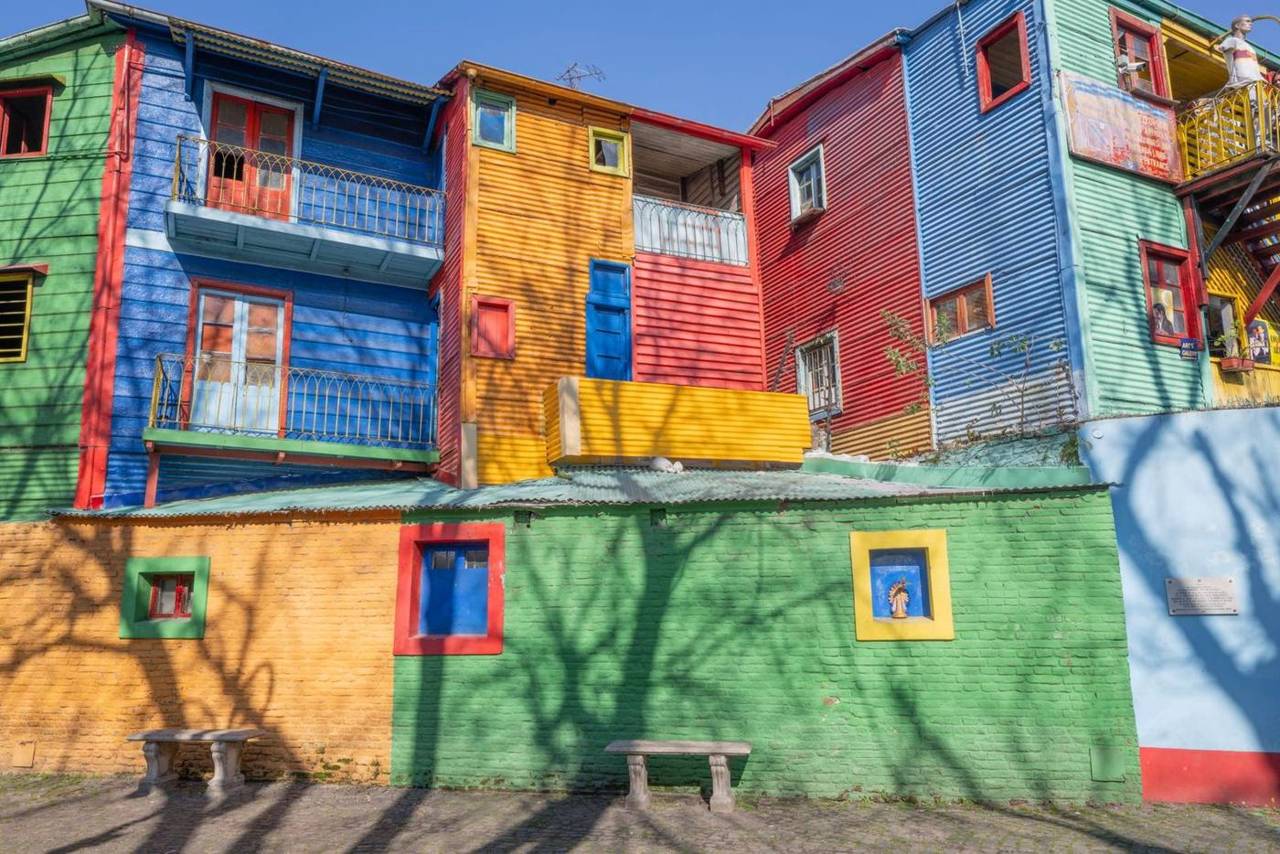
In the afternoon take a taxi to La Boca, the port district where mainly Genoese immigrants settled in the late nineteenth century. Caminito street, with corrugated iron houses painted in bright colours with leftover ship paint, is the most photographed place in the city, full of tango dancers, artists and stalls. Nearby are the Bombonera stadium, home of Boca Juniors, with its own museum, and the Proa foundation, a contemporary art centre in a building on the river.
In the evening return to San Telmo, which has many venues for live tango. Practical tip: in La Boca stay in the area of Caminito and the well-policed tourist streets; do not wander off on foot and leave before sunset, by taxi or app.
- Day 3
Recoleta: the cemetery, MALBA and the Teatro Colón
In the morning visit Recoleta, the city's most elegant district, with Parisian-style buildings, grand avenues and parks. Recoleta Cemetery, from 1822, is a true city of the dead, with streets, squares and more than four thousand marble and granite mausoleums, chapels, statues and sculptures, where presidents, writers, scientists and wealthy families are buried. The most visited tomb is that of Eva Perón, Evita, in the Duarte family chapel, always covered in flowers.
Next door are the Basílica del Pilar, a white eighteenth-century colonial church, and the Recoleta Cultural Centre. In the nearby square there is a huge rubber tree whose branches are propped up on pillars.
In the afternoon walk to MALBA, the Latin American Art Museum of Buenos Aires, with works by Frida Kahlo, Diego Rivera, Xul Solar, Fernando Botero and many other artists from the continent. On the way you pass the Floralis Genérica, a large steel sculpture shaped like a flower that opens by day and closes at night.
Towards evening visit the Teatro Colón, one of the world's most important opera houses for its acoustics, opened in 1908. Guided tours show the auditorium, the foyer and the workshops; if you can, book a performance. Practical tip: Colón guided tours sell out, especially at weekends; book online a few days ahead.
- Day 4
Palermo: the Rosedal, the Japanese Garden and a milonga
In the morning stroll through the Bosques de Palermo, the city's great park, with lakes, tree-lined avenues and the Rosedal, a garden with thousands of roses of hundreds of varieties, a white bridge over the lake and a poets' garden with busts of writers. On Sundays the park is full of families, cyclists and runners.
Nearby are the Japanese Garden, one of the largest outside Japan, with a koi pond, red bridges and a tea house, and the planetarium, shaped like a flying saucer. The Evita Museum, in a house where Eva Perón's foundation sheltered women and children, tells the life of the most loved and controversial woman in Argentine history.
In the afternoon walk around Palermo Soho, with tree-lined streets full of designer boutiques, bookshops, galleries, cafés and murals. Next door, Palermo Hollywood is the district for nightlife and modern cooking. Plaza Serrano, at the heart of Palermo Soho, has a small craft market at weekends.
In the evening go to a milonga, a dance hall where Buenos Aires residents dance tango every night of the week. Many start with a beginners' class, then the floor opens. It is very different from tourist shows: there are old rules, such as the glance used to invite someone to dance. Practical tip: milongas start late and last until dawn; go after eleven at night.
- Day 5
Puerto Madero, the ecological reserve and departure
The last day depends on your flight time. In the morning visit Puerto Madero, the old port with red-brick warehouses turned into offices, flats and restaurants along the docks, with modern skyscrapers behind. Puente de la Mujer, a white footbridge designed by Santiago Calatrava, recalls a couple dancing tango. In the dock lies the frigate Presidente Sarmiento, a nineteenth-century training ship turned into a museum.
Behind Puerto Madero lies the Costanera Sur ecological reserve, a natural area created on reclaimed land along the Río de la Plata, with lagoons, reed beds and paths where hundreds of bird species live. You walk or cycle to the riverbank, so wide it looks like the sea. Check opening times, as the reserve closes on Mondays.
Before leaving try empanadas once more, the meat-filled pastries, and dulce de leche in desserts and ice cream.
Things to take home: Mendoza malbec, dulce de leche, alfajores, a mate cup and bombilla, leather goods, tango records, and books by Borges and Cortázar.
Practical tip: Ezeiza airport is far from the centre and traffic can be heavy; leave in good time and arrive at least three hours before international flights. If you arrive or leave from Aeroparque, it is much closer to the centre.
A great city both European and Latin. La Boca is visited by day and only around the Caminito. Dinner is late, after 9 pm. Watch out for pickpockets on public transport and in tourist areas. Italians need no visa for up to 90 days; Argentina requires tourists to hold health insurance valid for the whole stay.
Before you go
- Documents and visa
- Valid passport; no visa for tourism up to 90 days for EU citizens.
- Health and vaccines
- No compulsory vaccines arriving from Europe; yellow fever is recommended for Misiones and Corrientes. In Patagonia beware of hantavirus in forests and closed huts. Emergencies: 911.
- Money and payments
- Argentine peso. Inflation changes prices often; foreign cards work almost everywhere and paying by card is usually best, keeping some cash.
- Power sockets
- Types I and C, 220 volts: you need an adapter for the angled flat-pin plugs.
- Time zone
- UTC-3 all year: Argentina does not use daylight saving time.
- Safety
- The United States rates Argentina level 1, with level 2 for Rosario. In Buenos Aires watch out for pickpockets; in the mountains and Patagonia the main risks are wind and weather. Official advice: GOV.UK.
Information checked in November 2026 for Italian and EU citizens. Rules change: always check before you travel.
Variations
In 3 days: Plaza de Mayo and San Telmo on day one, La Boca and Recoleta on day two, Palermo with a milonga on day three.
In 8 days: add a ferry trip to Colonia del Sacramento in Uruguay, the Tigre delta and a day at a pampas estancia in San Antonio de Areco.
Frequently asked questions
Do I need a visa for Argentina?
No, EU citizens enter without a visa for tourist stays of up to 90 days, with a valid passport.
Where can I dance tango in Buenos Aires?
At milongas, the halls where locals dance, every night of the week. Many begin with a beginners' class. Tango shows for tourists are something else.
Is Buenos Aires safe?
With normal precautions, yes. Watch out for pickpockets on public transport and in crowded areas; in La Boca stay in the tourist streets of Caminito and take a taxi there and back.
Indicative itinerary written by World Atlas. Before booking, check timetables, seasonal openings, documents and safety.
 7 daysEasy
Bariloche and the Seven Lakes Route
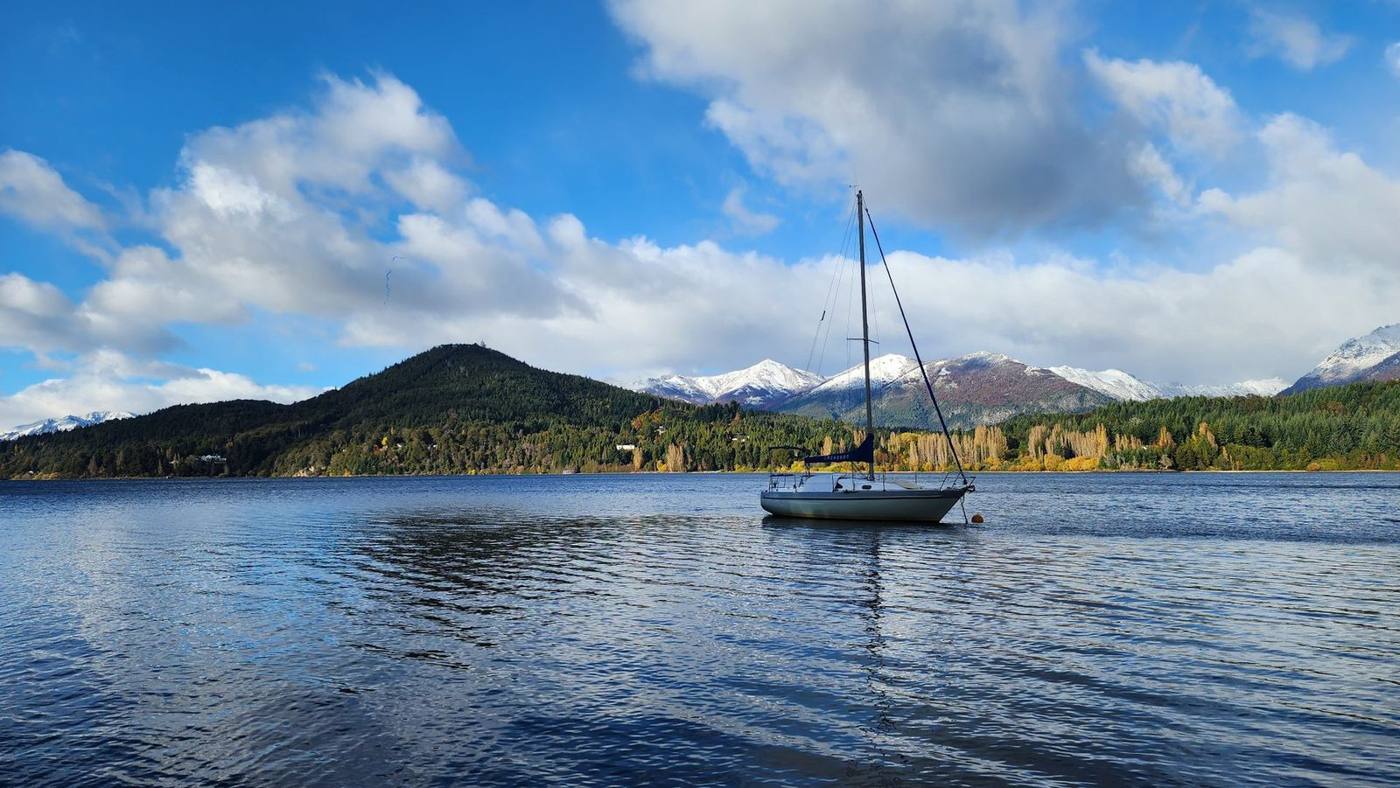
The Switzerland of Patagonia: Bariloche on Lake Nahuel Huapi, the Circuito Chico and Cerro Campanario, the scenic Seven Lakes road to San Martín de los Andes, Villa La Angostura and the forest of cinnamon-barked arrayanes.
 5 daysEasy
Ushuaia and Tierra del Fuego
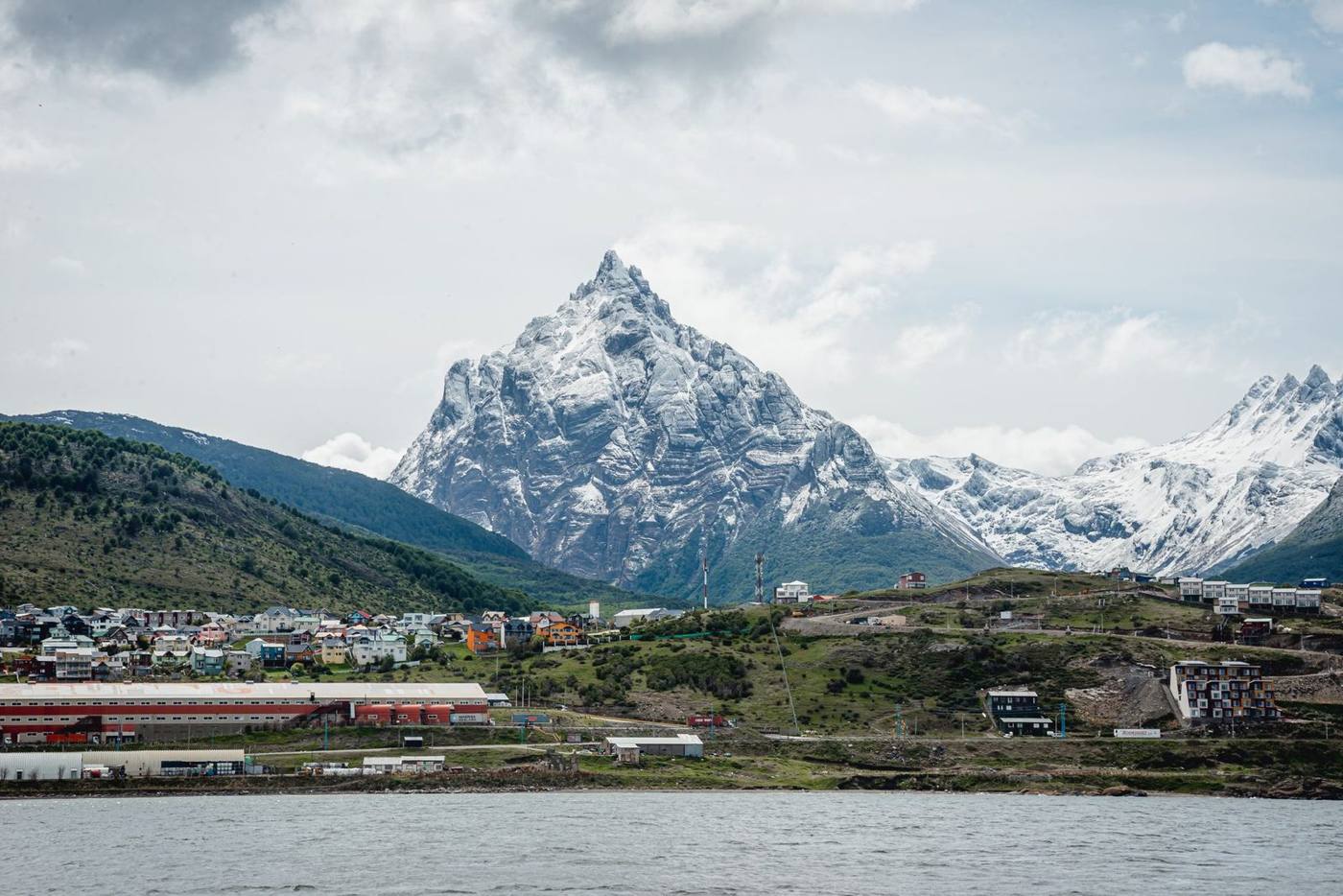
The southernmost city in the world between mountains and sea: sailing the Beagle Channel among islands of sea lions and cormorants, the penguins of Martillo Island, Tierra del Fuego National Park, the Martial glacier and the old prison museum.
 6 daysEasy
Chubut: whales, penguins and Welsh towns
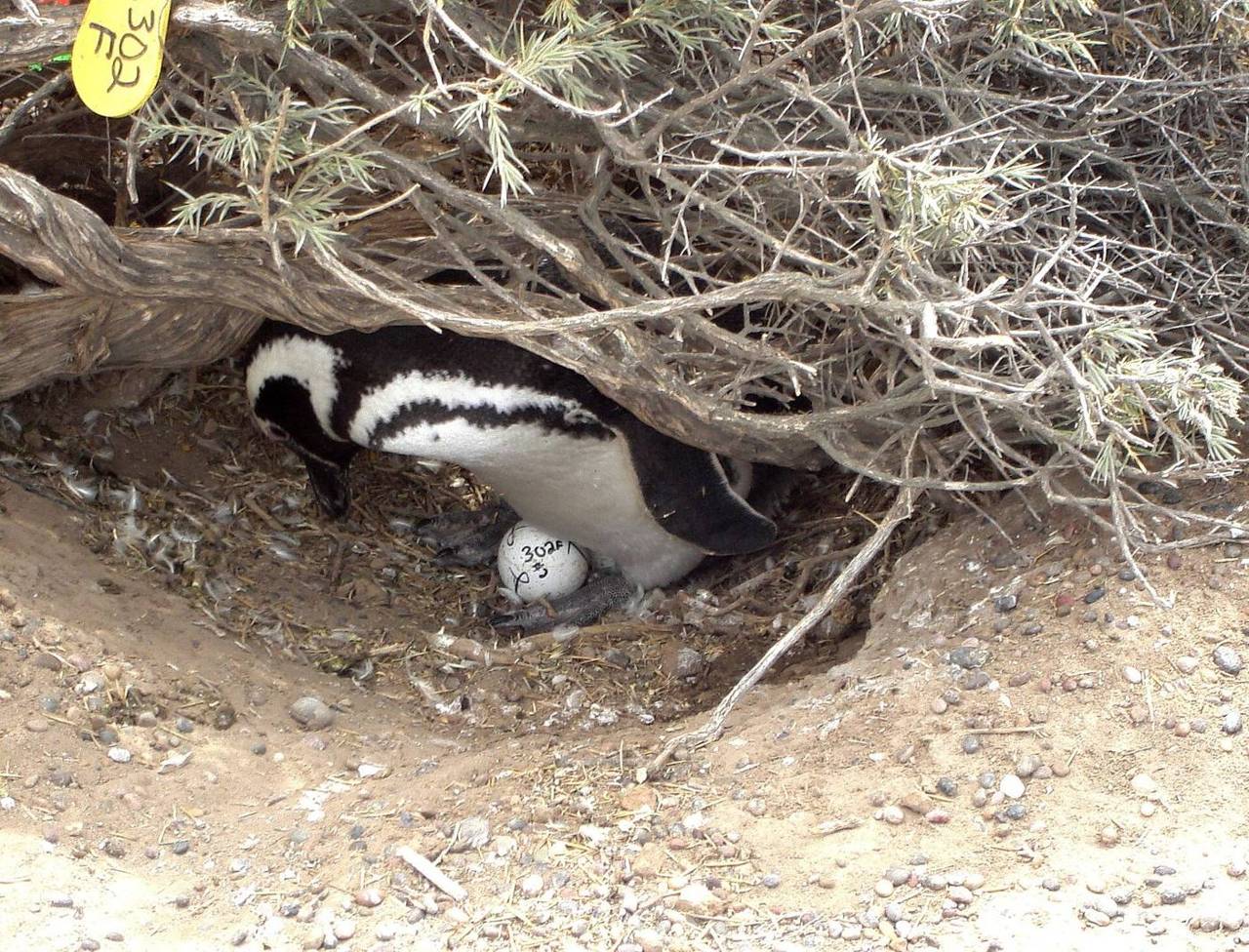
The Atlantic Patagonian coast in depth: southern right whales entering the gulfs of the Valdés Peninsula in winter and spring, the Magellanic penguin colony of Punta Tombo, the dolphins of Rawson and the tea houses of the Welsh settlers in Gaiman.