Lubango and the Serra da Leba
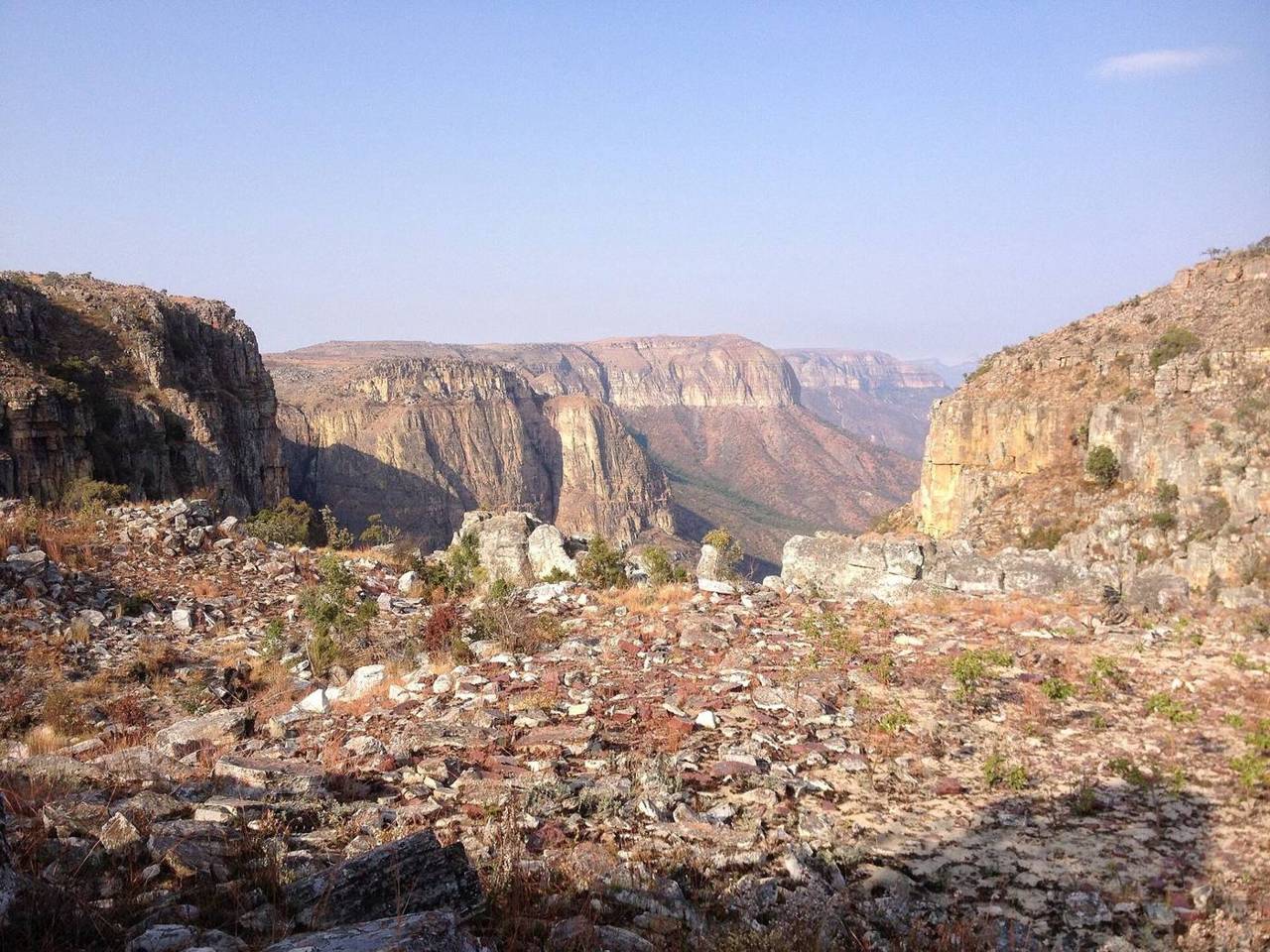
The southern plateau: the Cristo Rei above Lubango, the Tundavala gap, the hairpin road of the Serra da Leba descending towards the desert and the sea at Namibe.
- Lubango
- Tundavala
- Serra da Leba
- Namibe
Day by day
- Day 1
Flight to Lubango and the Cristo Rei
This trip takes you to southern Angola, onto the Huíla plateau, and then down to the desert and the ocean at Namibe. In four days you see the Cristo Rei above Lubango, the Tundavala chasm, the hairpin bends of the Serra da Leba and the ancient plants of the desert. You travel with a domestic flight and a driver.
Before you go: Italian citizens enter Angola without a visa for tourism, for up to 30 days per entry and up to 90 days a year. The passport must be valid for more than six months and you need the international certificate of vaccination against yellow fever. Other nationalities should check their own rules. The United States rates Angola at level 2, increased caution, because of crime and health care. The British government advises against Cabinda province, except the city, and the Lunda provinces, which are far from this route. Landmines remain in many rural areas: always stay on roads and well-used paths.
In the morning, take the domestic flight from Luanda to Lubango. The city lies at about 1,760 metres, so the air is cool and dry, very different from the humid heat of the coast.
In the afternoon, drive up to the Cristo Rei, a white statue about thirty metres high built in 1957 on the Serra da Chela, inspired by Christ the Redeemer in Rio de Janeiro. From the terrace you see the whole city spread out in its basin, surrounded by mountains. Stay until sunset, when the light turns golden.
In the evening, try chicken muamba, a stew with palm oil, served with funge, a thick porridge of cassava or maize.
Practical tip: nights in Lubango are cold, especially from June to August. Bring a heavy jumper and a jacket, even if it is hot in Luanda.
- Day 2
Tundavala at dawn
Wake up very early. With your driver, head north-west for just under half an hour, on a road that climbs between granite rocks, sparse woodland and grassland, to the Tundavala gap, the point where the Huíla plateau suddenly ends.
You arrive just before dawn. Walk to the edge, on the flat rocks, and look: in front of you the mountain drops for hundreds of metres in sheer walls, and below opens the plain that runs down towards the Namibe desert. In the morning the valley is often full of cloud, and the rising sun colours it pink and orange. It is one of the most spectacular landscapes in southern Africa, and there are very few tourists here.
Walk slowly along the edge to see the gorge from different points. Here the cool air of the plateau flows down towards the hot plain, and the wind can be strong. You may meet herders and Mumuíla families, one of the peoples of the region, known for the women's hairstyles with beads and clay. If you want to photograph people, always ask first.
Go back to town for a late breakfast. In the afternoon, take a walk in the centre of Lubango and visit the market, where fruit, vegetables, fabrics and everyday goods are sold. Then rest: tomorrow is a long day.
In the evening, sleep in Lubango again.
Practical tip: there are no railings at Tundavala. Do not go too close to the edge, especially in wind or fog, and hold children by the hand.
- Day 3
The Serra da Leba and the descent to Namibe
Today you cross the escarpment that separates the plateau from the desert. Leave after breakfast heading west, on the road to Namibe. In less than an hour you reach the top of the Serra da Leba, where a viewpoint looks over the most famous road in Angola.
From above you see it all: a ribbon of tarmac that winds down the mountain wall in a series of tight hairpin bends, one above the other, to the plain. It was built in the last years of the colonial period to link Lubango with the port of Namibe and is the symbol of the province. Spend time at the viewpoint and take photos in the morning light.
Then the descent begins. Your driver goes slowly, in second or third gear, while the road turns constantly along the wall and the temperature rises bend after bend. Below, the landscape changes completely: the grassland disappears and you see dry bush, bare rock and then sand.
Continue west for about three hours across arid plains, with few villages and herds of cattle led by Mucubal herders, a semi-nomadic people of this region. In the afternoon you reach Namibe, a fishing town on the Atlantic Ocean, with its seafront, harbour and colonial houses.
The sea here is cold because of the Benguela current, and there is often fog in the morning. In the evening, eat grilled fish, the town's speciality.
Practical tip: on the Serra da Leba, stop only in lay-bys and at viewpoints, never on the bends. Travel only by day and with a driver who knows the road.
- Day 4
The desert near Namibe and the flight back
Last day. In the morning, leave town by 4x4 with a guide for the Namibe desert, the Angolan part of the Namib desert, considered one of the oldest in the world.
Welwitschia grows here, a strange plant found only in this desert, between Angola and Namibia. It has just two broad leaves that grow throughout its life, split in the wind and stretch across the sand like twisted ribbons. Some plants live for more than a thousand years and survive thanks to the moisture of the fog that comes in from the ocean. Look at them closely, but do not step on them or touch them.
Then your guide takes you among sandstone canyons, dunes and gravel plains. If there is time, go to the Arco area, where erosion has carved rock arches near a small lagoon in the middle of the desert. The contrast between the green water, the pale rock and the sand is striking.
In the afternoon, return to Namibe airport for the flight to Luanda, or drive back up to Lubango to fly from there.
In these four days you have seen southern Angola: the cool city of Lubango, the Cristo Rei, dawn over the Tundavala gap, the hairpin bends of the Serra da Leba, the Namibe coast and the welwitschias of the desert, meeting almost no other tourists.
When to go: the best months are from May to October, in the dry season, with clear skies, mild days and cold nights on the plateau. From November to April it rains and fog often covers Tundavala.
Practical tip: in the desert, carry plenty of water, sun cream and a hat. For visits, check prices and times with your guide.
Grand landscapes with almost no tourists. The United States is at level 2 for crime and health; Cabinda and the Lunda provinces remain excluded. Travel with a driver and only by day.
Before you go
- Documents and visa
- Passport valid for more than six months. Italian citizens enter without a visa for tourism, for up to 30 days per entry and up to 90 days a year. A yellow fever vaccination certificate is required.
- Health and vaccines
- Yellow fever vaccination certificate required from 9 months of age. High malaria risk: ask your doctor about antimalarials. Health facilities are limited outside the big cities: you need insurance covering medical costs and repatriation. Drink only bottled water. Emergencies: 113 police, 112 ambulance, 115 fire.
- Money and payments
- Angolan kwanza. ATMs can be hard to find: bring enough cash in euros or dollars to change at banks or authorised exchange offices. Amounts over 10,000 US dollars must be declared on arrival.
- Power sockets
- Types C and F, 230 volts: you need an adapter for British plugs.
- Time zone
- UTC+1 all year.
- Safety
- The United States rates Angola at level 2 (crime, health). The British government advises against all but essential travel to Cabinda province, except the city, and within 1 km of the border with the DRC in Lunda Norte; it also advises avoiding the rest of Lunda Norte and Lunda Sul unless absolutely necessary. Violent crime is common in Luanda; outside the city do not drive at night and stay on well-used roads because of landmines. Official advice: GOV.UK.
Information checked in November 2026 for Italian and EU citizens. Rules change: always check before you travel.
Variations
In 3 days: Lubango, the Cristo Rei, Tundavala at dawn and the Serra da Leba, returning to Lubango without going down to Namibe.
In 6 days: add two days in the Namibe desert, with a night at a camp near Arco and more time among the welwitschias.
Frequently asked questions
What documents do I need for Angola?
Italian citizens enter without a visa for tourism for up to 30 days per entry and 90 a year. You need a passport valid for more than six months and a yellow fever vaccination certificate. Other nationalities should check their own rules.
Is it safe to drive on the Serra da Leba?
The road is tarmac but steep and full of bends. The British government advises not driving at night and, outside the cities, travelling with people who know the area: it is better to have a driver.
How long do I need for Tundavala?
Two or three hours are enough. Ideally, arrive before dawn, when the valley is often covered in cloud and the light is at its best.
Indicative itinerary written by World Atlas. Before booking, check timetables, seasonal openings, documents and safety.
 2 daysEasy
Kissama National Park
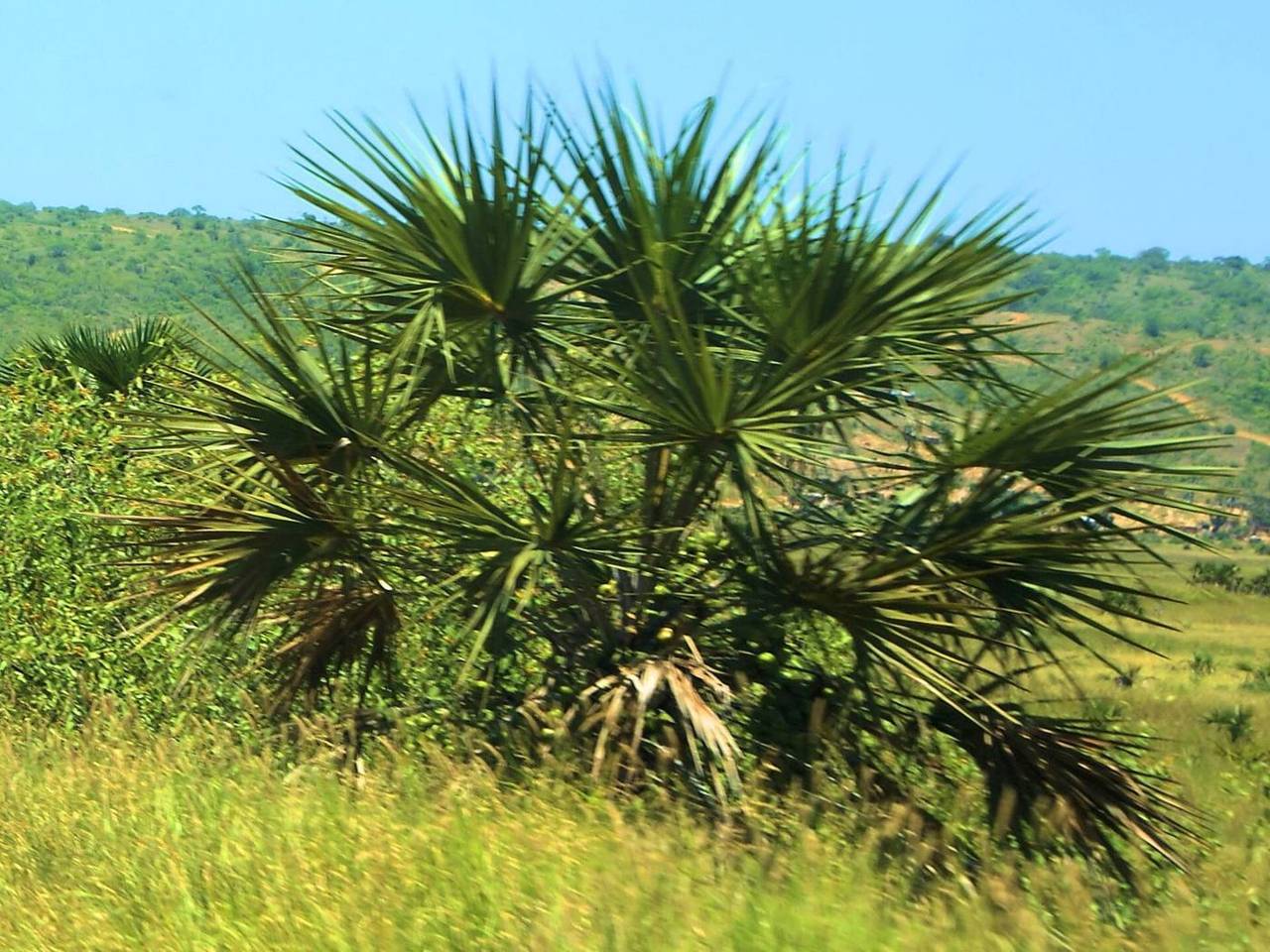
The park south of Luanda restocked with elephants, giraffes and zebras brought from other countries, among baobabs, savannah and the mouth of the Cuanza River, with a stop at the Moon viewpoint.
 6 daysModerate
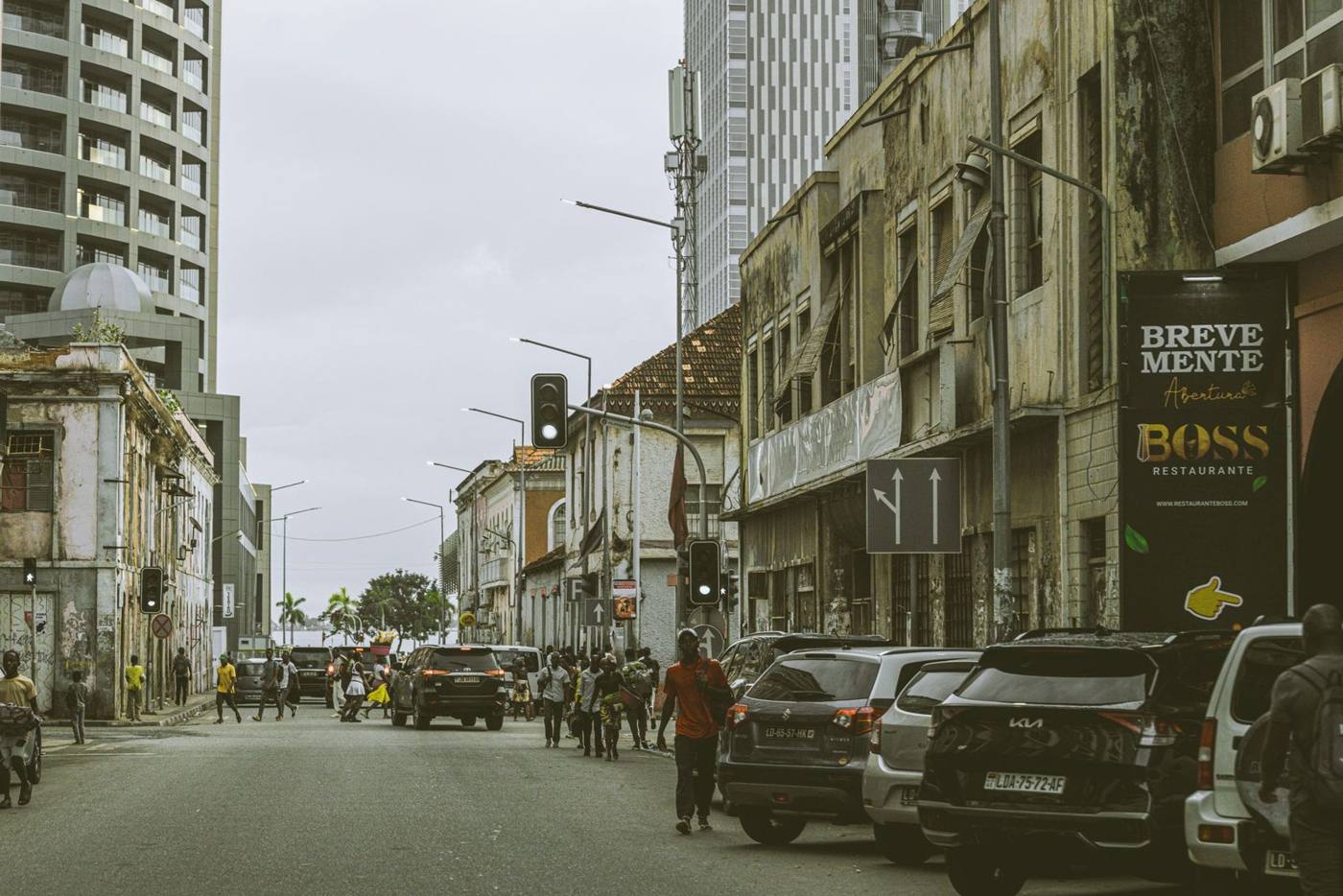
Luanda and the Kalandula falls
Luanda's Marginal and São Miguel fortress, the Miradouro da Lua, the Kalandula falls, among Africa's largest, and the Pedras Negras of Pungo Andongo.