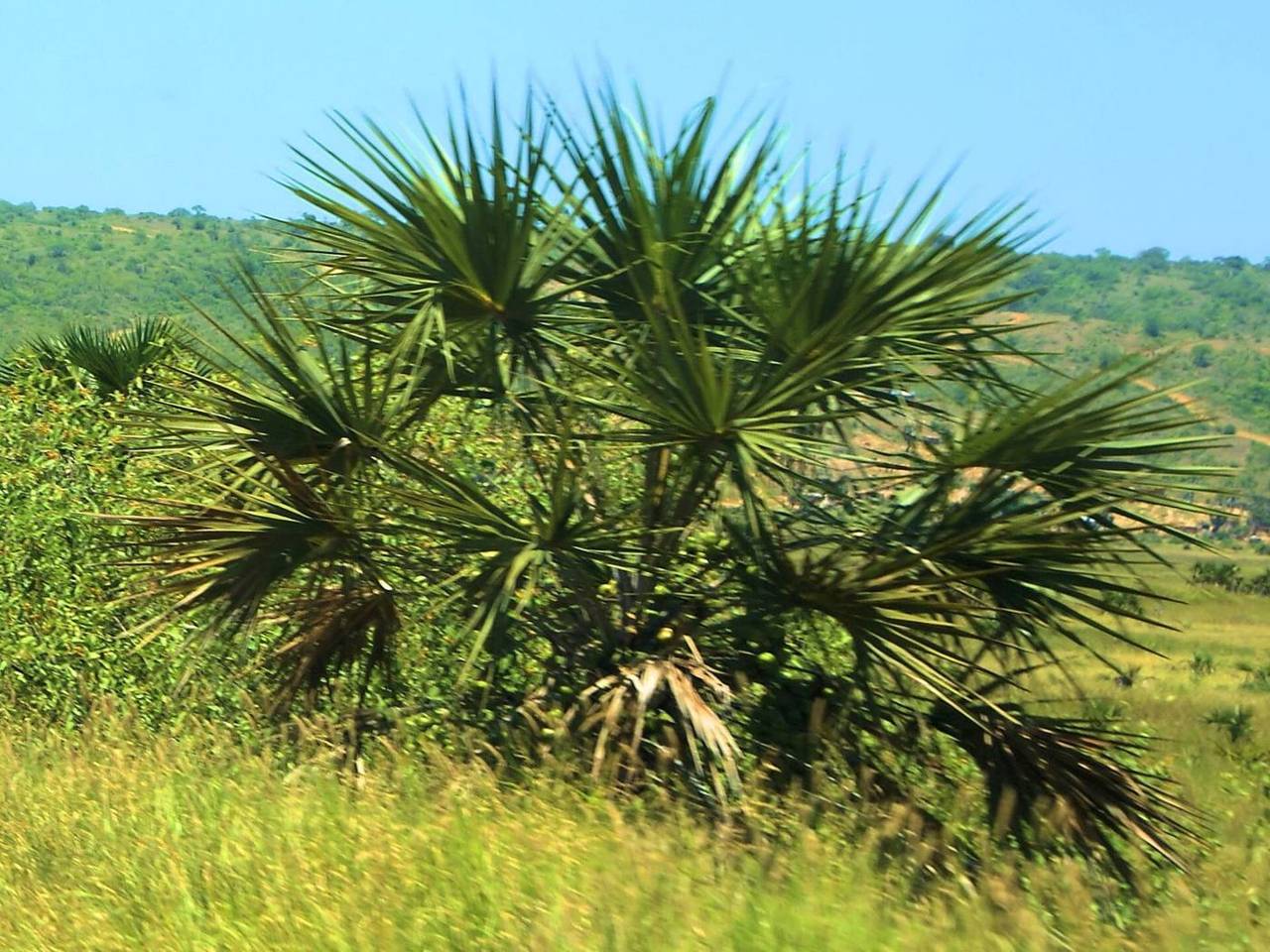
Kissama National Park
The park south of Luanda restocked with elephants, giraffes and zebras brought from other countries, among baobabs, savannah and the mouth of the Cuanza River, with a stop at the Moon viewpoint.
- Luanda
- Miradouro da Lua
- Kissama
Day by day
- Day 1
From Luanda to the Miradouro da Lua and Kissama
This short trip takes you to Kissama National Park, also spelt Quiçama, the park closest to Luanda, about seventy kilometres south of the capital. The park is bordered to the north by the Cuanza River, to the south by the Longa River and to the west by about one hundred and twenty kilometres of Atlantic coast. After the civil war the animals had almost disappeared: from 2001 a project called Operation Noah's Ark brought elephants and other animals here from Botswana and South Africa.
Before you go: Italian citizens enter Angola without a visa for tourism, for up to 30 days per entry and up to 90 days a year. The passport must be valid for more than six months and you need the international certificate of vaccination against yellow fever. Other nationalities should check their own rules. The United States rates Angola at level 2, increased caution, because of crime and health care. The British government advises against Cabinda province, except the city, and the Lunda provinces, which are far from this route. Malaria is present: ask your doctor.
Leave Luanda early in the morning, with a driver and a 4x4, on the coastal road south. After about forty kilometres, stop at the Miradouro da Lua, the Moon viewpoint: a clay escarpment carved by rain and wind into red, yellow and white pinnacles and gullies that drop towards the ocean. The light is best early in the morning or late in the afternoon.
Then you cross the bridge over the Cuanza, at the river mouth, and enter the park among savannah, bush and huge baobabs. In the afternoon, take a first drive, and in the evening sleep inside the park or near the entrance.
Practical tip: always carry your original passport, because police at checkpoints often ask for it, and do not travel after sunset.
- Day 2
By 4x4 through Kissama and back to Luanda
Get up at dawn, when it is cooler and the animals are moving. You visit the park by 4x4 with a guide, on sand and dirt tracks that cross the savannah. Do not expect the large numbers of Kruger or the Serengeti here: there are fewer animals, they are shyer, and finding them takes patience.
With some luck you see the elephants brought by Operation Noah's Ark and their calves born in the park, then giraffes, zebras, wildebeest, ostriches and several antelopes. Look at the baobabs too, huge and pot-bellied, which lose their leaves in the dry season and become grey shapes against the sky. Many water birds live along the banks of the Cuanza, herons, kingfishers and fish eagles.
Towards late morning, go down to the mouth of the Cuanza, where the wide, dark river meets the ocean between sandbanks and mangroves. It is one of the most beautiful landscapes on the Angolan coast, also much loved for sport fishing.
After lunch, head back to Luanda so that you arrive before evening. In two days you have seen the Moon viewpoint, the baobab savannah and the mouth of the largest river entirely within Angola: a short, easy safari, to take as a discovery rather than a classic safari.
When to go: the best months are from June to October, in the dry season, called cacimbo, with often grey skies, lower temperatures and short grass that makes animals easier to spot. From November to April it rains, it is hot and some tracks become difficult.
Practical tip: bring binoculars, a hat and mosquito repellent. For park entry and the guided visit, check prices and times before you go.
A short, easy safari, but with fewer animals than southern Africa's great parks: treat it as a discovery, not a classic safari.
Before you go
- Documents and visa
- Passport valid for more than six months. Italian citizens enter without a visa for tourism, for up to 30 days per entry and up to 90 days a year. A yellow fever vaccination certificate is required.
- Health and vaccines
- Yellow fever vaccination certificate required from 9 months of age. High malaria risk: ask your doctor about antimalarials. Health facilities are limited outside the big cities: you need insurance covering medical costs and repatriation. Drink only bottled water. Emergencies: 113 police, 112 ambulance, 115 fire.
- Money and payments
- Angolan kwanza. ATMs can be hard to find: bring enough cash in euros or dollars to change at banks or authorised exchange offices. Amounts over 10,000 US dollars must be declared on arrival.
- Power sockets
- Types C and F, 230 volts: you need an adapter for British plugs.
- Time zone
- UTC+1 all year.
- Safety
- The United States rates Angola at level 2 (crime, health). The British government advises against all but essential travel to Cabinda province, except the city, and within 1 km of the border with the DRC in Lunda Norte; it also advises avoiding the rest of Lunda Norte and Lunda Sul unless absolutely necessary. Violent crime is common in Luanda; outside the city do not drive at night and stay on well-used roads because of landmines. Official advice: GOV.UK.
Information checked in November 2026 for Italian and EU citizens. Rules change: always check before you travel.
Variations
In one day: the Miradouro da Lua and a quick drive in the park, back in Luanda before evening.
In 4 days: add two nights in the park, with more time on the tracks and a day at the mouth of the Cuanza.
Frequently asked questions
Do I need special documents for Angola?
Italian citizens enter without a visa for tourism for up to 30 days per entry and 90 a year, with a passport valid for more than six months and a yellow fever vaccination certificate. Other nationalities should check their own rules.
Can you see the Big Five in Kissama?
No. The park was restocked after the war and there are fewer animals: elephants, giraffes, zebras, wildebeest and antelopes. It is a discovery safari, not a classic safari.
Can I drive there on my own?
It is better not to. The British government advises travelling with people who know the area outside the cities and not driving at night. With a driver and a guide everything is simpler and safer.
Indicative itinerary written by World Atlas. Before booking, check timetables, seasonal openings, documents and safety.
 6 daysModerate
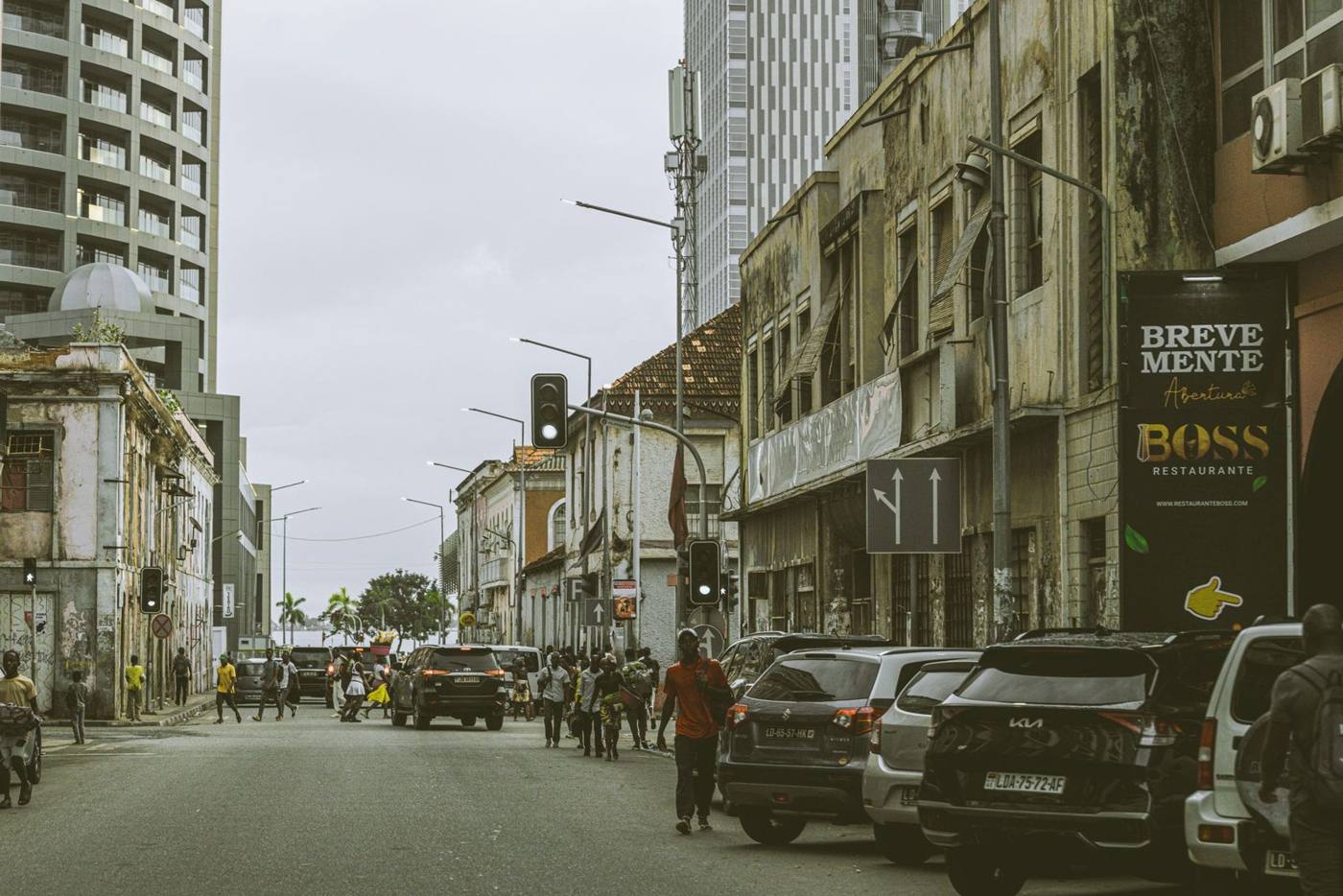
Luanda and the Kalandula falls
Luanda's Marginal and São Miguel fortress, the Miradouro da Lua, the Kalandula falls, among Africa's largest, and the Pedras Negras of Pungo Andongo.
 4 daysModerate
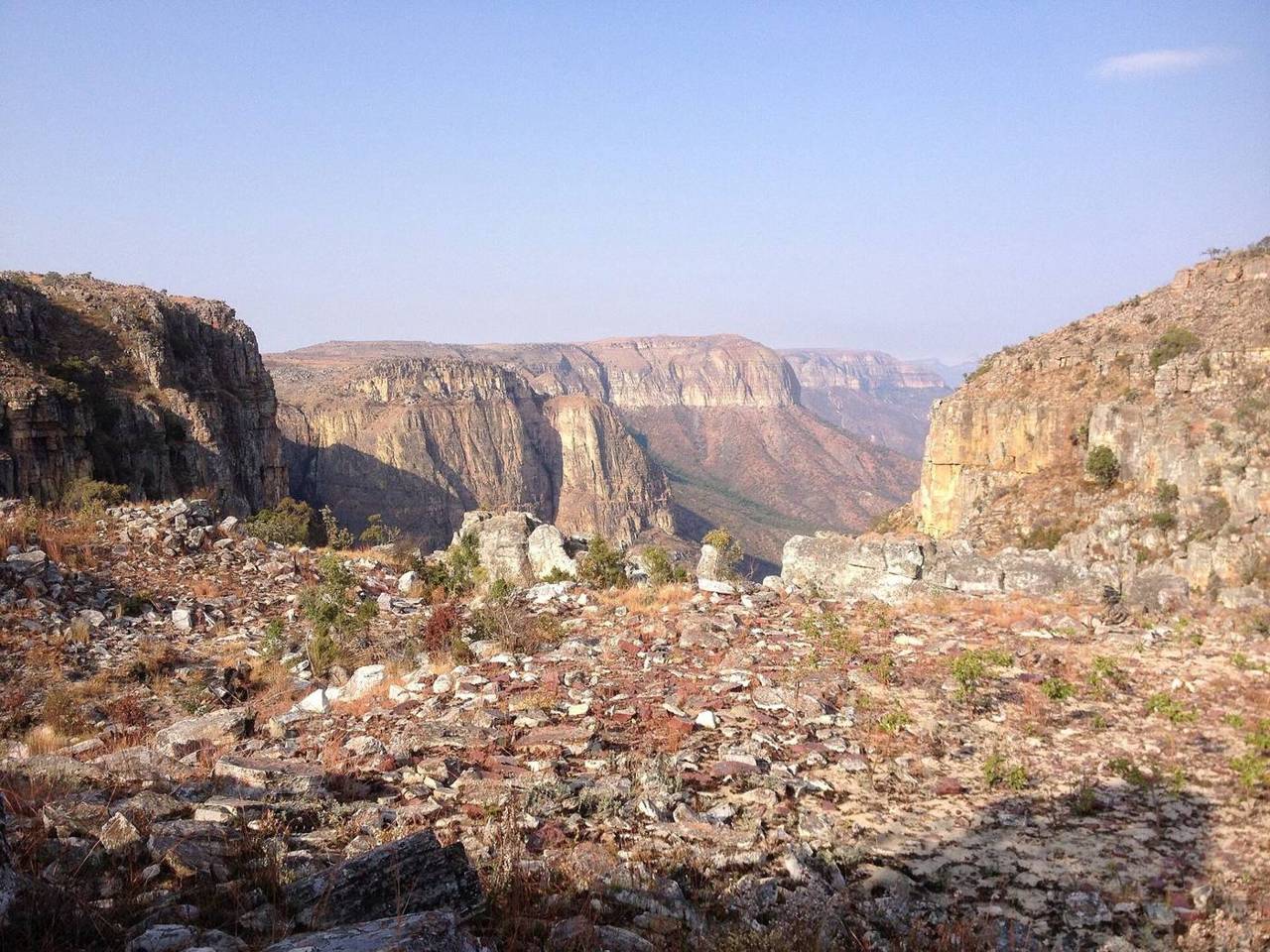
Lubango and the Serra da Leba
The southern plateau: the Cristo Rei above Lubango, the Tundavala gap, the hairpin road of the Serra da Leba descending towards the desert and the sea at Namibe.