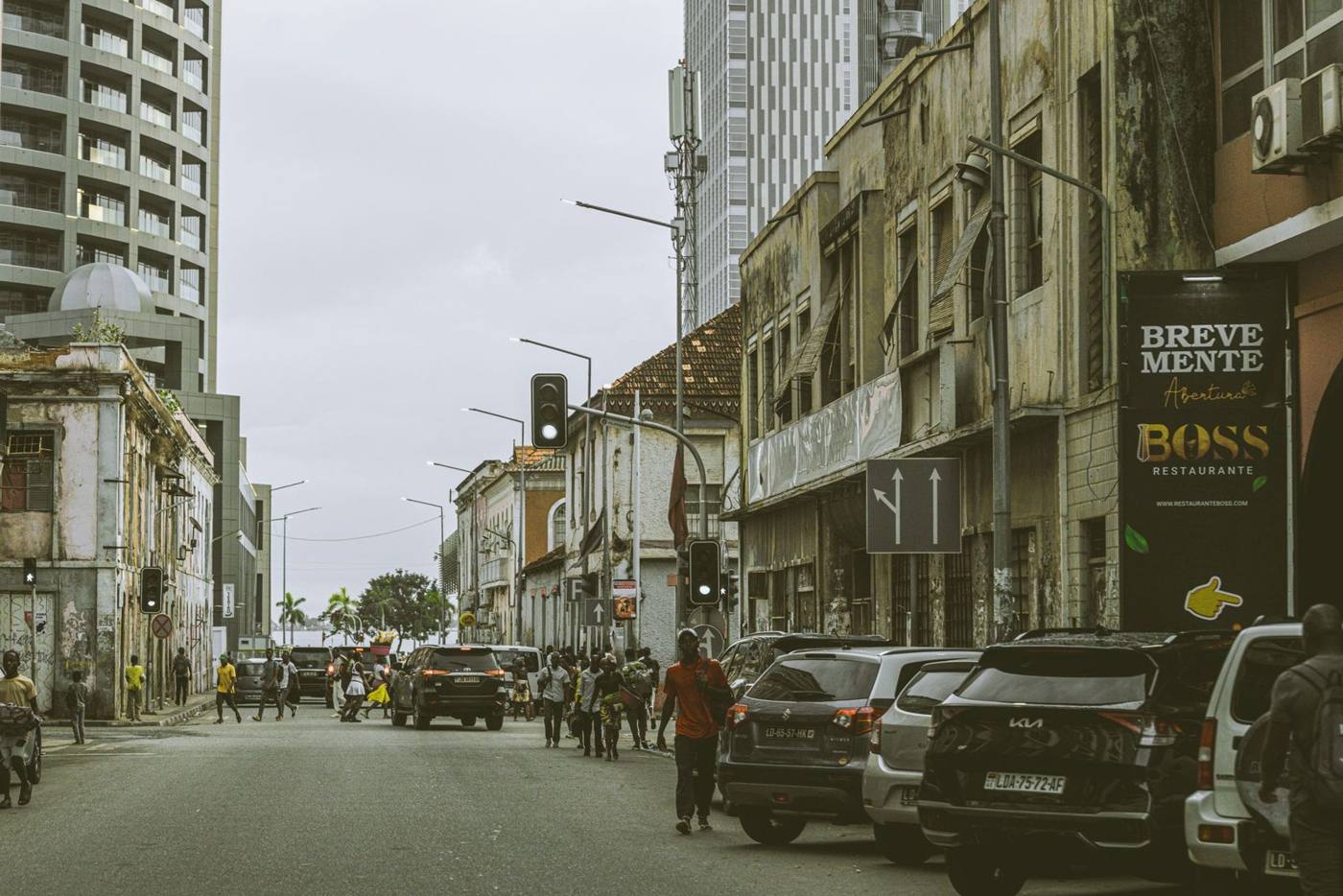
Luanda and the Kalandula falls
Luanda's Marginal and São Miguel fortress, the Miradouro da Lua, the Kalandula falls, among Africa's largest, and the Pedras Negras of Pungo Andongo.
- Luanda
- Miradouro da Lua
- Malanje
- Kalandula
- Pungo Andongo
Day by day
- Day 1
Luanda: the Marginal, the fortress and the Ilha
This six-day trip links Angola's capital with the green interior of Malanje province: two days in Luanda and on the coast south of the city, then the long road east to the Kalandula Falls, among the largest in Africa by volume of water, and the black rocks of Pungo Andongo. You travel with a driver and a 4x4.
Before you go: Italian citizens enter Angola without a visa for tourism, for up to 30 days per entry and up to 90 days a year. The passport must be valid for more than six months and you need the international certificate of vaccination against yellow fever. Other nationalities should check their own rules. The United States rates Angola at level 2, increased caution, because of crime and health care. The British government advises against Cabinda province, except the city, and the strip within one kilometre of the border with the DRC in Lunda Norte: these areas are far from this route, which stays in the provinces of Luanda, Bengo, Cuanza Norte and Malanje. Malaria is present throughout the country: ask your doctor.
You arrive in Luanda and, after a rest, walk along the Marginal, the palm-lined seafront facing the bay. On the hill above the port stands the fortress of São Miguel, built by the Portuguese in the sixteenth century, with white walls and azulejo tile panels telling the story of the colony. Inside is the armed forces museum: check prices and times.
At sunset, go to the Ilha, the long tongue of sand that closes the bay, to see the city lights reflected on the water.
Practical tip: in Luanda, travel with a trusted driver even for short trips, do not walk alone after dark and keep your phone out of sight on the street.
- Day 2
The Miradouro da Lua and the beach
Today you leave the city heading south on the coastal road. Luanda's traffic is heavy: leave early, before eight, and in less than an hour you are among dunes and dry bush.
The first stop is the national slavery museum, in a small white chapel on a headland above the ocean, at the place from which, for centuries, ships loaded with captives sailed for the Americas. The rooms are few but moving, with chains, documents and maps of the routes. Check prices and times.
Then continue to the Miradouro da Lua, the Moon viewpoint, about forty kilometres from Luanda. It is a clay escarpment carved by rain and wind into pinnacles, ridges and gullies that drop towards the sea, in colours ranging from red to yellow and white. Walk along the edge, but not too close: the ground is crumbly and can give way.
In the afternoon, head back towards the city and stop at one of the beaches on the southern coast, or take a boat to the Mussulo peninsula, a strip of sand with the calm water of the lagoon, much loved by Luanda's residents at weekends. Only swim where others are swimming, because Atlantic currents can be strong.
In the evening, return to Luanda and pack for tomorrow's departure inland.
Practical tip: bring water, a hat and sunscreen to the Miradouro da Lua, because there is no shade. The best light for photos is early in the morning or late in the afternoon.
- Day 3
The road to Malanje
Today is a travel day heading east, about four hundred kilometres on a tarmac road that climbs slowly from the coast to the plateau. Leave at dawn so you arrive in daylight.
You leave the dry plain around Luanda, cross Bengo province and then enter Cuanza Norte, where the landscape becomes greener and hillier, with forests, plantations and villages of red brick houses. A good lunch stop is N'dalatando, the provincial capital, a quiet town surrounded by hills covered in vegetation. At the market you find tropical fruit, bananas, pineapples and, in season, mangoes.
In the afternoon you continue towards Malanje, across the great plain of the interior, where the air is cooler and drier. Along the road you see fields of maize and cassava, and women carrying baskets and water containers on their heads. Malanje is the main town of the region, with a centre of colonial buildings, a cathedral and wide avenues. It is the best base for the falls and the rocks of Pungo Andongo.
Arrive before dark and settle in for two nights. In the evening, try the local food: funge, a thick porridge of cassava or maize, served with dried fish, chicken or vegetables in palm oil sauce, known as muamba.
Practical tip: there are several police checkpoints along this road. Keep your original passport and the car documents to hand, stay calm and polite, and never travel after sunset.
- Day 4
The Kalandula Falls
Today is the day you have been waiting for. From Malanje you drive north-west for about an hour and a half to the Kalandula Falls, on the Lucala River. In colonial times they were called the Duke of Braganza Falls. The river drops about 105 metres along a front of about 400 metres, into a basin covered in forest: by volume of water they are among the largest falls in Africa.
You arrive first at the upper edge, where a viewpoint looks over the drop. From here you hear the roar of the water and see the cloud of spray rising from the gorge, often with a rainbow in sunny hours. Stay behind the barriers and keep away from the wet edge, because the rocks are slippery.
Then, with a local guide, walk down the steep path to the foot of the falls. It takes about half an hour to go down and a little longer to climb back up. From below the drop is even more impressive: the mist soaks you and you see the whole wall of dark rock covered in white foam.
The flow changes a lot with the seasons. At the end of the rains, between April and May, the water is at its highest; in the dry season the falls are narrower but the path is safer and drier.
In the afternoon, have a picnic in the shade near the river, then return to Malanje for the night.
Practical tip: wear shoes with a good grip and bring a light rain jacket and a waterproof phone case. Ask a local guide to take you down and agree the fee beforehand.
- Day 5
The Pedras Negras of Pungo Andongo
Today you explore the Pedras Negras of Pungo Andongo, the black stones, south of Malanje, towards the town of Cacuso. They are huge monoliths of dark rock rising suddenly from the green savannah, tens of metres high, with rounded shapes that change colour with the light of the day.
The rocks are linked to the story of Queen Njinga, ruler of the kingdoms of Ndongo and Matamba in the seventeenth century, who fought the Portuguese for decades and is today a national symbol of Angola. According to tradition, her footprints are pressed into a slab of stone: a guide from the village takes you to see them and tells you the legend.
Walk among the boulders on the paths that climb to the viewpoints. From up there you see the plain dotted with villages and fields, and the other black rocks emerging from the green like islands. In the area there are also the remains of the old Portuguese garrison. Many of these rocks are considered sacred places by local communities: ask your guide where you may climb and whether you may take photos.
In the afternoon, with lower light, the stones turn almost purple and the landscape is at its best. Then return towards Malanje or sleep in a simple place in the Cacuso area, to shorten tomorrow's journey.
Practical tip: always stay on well-used paths and main roads. In some rural parts of Angola landmines from the civil war remain: do not walk into fields or bush without a local guide.
- Day 6
Back to Luanda
Today you return to Luanda, with a full day on the road heading west. Leave early, because the journey takes many hours and the last stretch, at the entrance to the capital, is often jammed with traffic.
On the way, stop at N'dalatando or in one of the villages of Cuanza Norte for a break and to buy fresh fruit at the market. Watch the landscape change again: from the green, humid hills of the interior to the dry coastal plain, with more and more baobabs as you approach the sea.
If you arrive in time, in the late afternoon visit the mausoleum of Agostinho Neto, the first president of independent Angola, a large concrete tower in the south of the city, or take a last walk along the Marginal at sunset. Check prices and times.
In six days you have seen two faces of Angola: the capital on the Atlantic, with the Portuguese fortress, the Ilha and the red cliffs of the Moon viewpoint, and the green interior of Malanje, with the great drop of Kalandula and the black rocks linked to Queen Njinga. It is a country still little visited, with long distances and basic services outside the capital, but with grand landscapes and almost no tourists.
When to go: the best months are May to October, in the dry season, called cacimbo, with cooler temperatures and easier roads. The falls are fullest at the end of the rains, around April and May.
Practical tip: Luanda is one of the most expensive cities in Africa. Bring enough cash in euros or dollars to change at a bank, because foreign cards do not always work.
A country opening up to tourism, with vast landscapes and few visitors. Luanda is one of Africa's most expensive cities and needs care at night. Many Europeans can now enter without a visa for short tourist stays: check beforehand.
Before you go
- Documents and visa
- Passport valid for more than six months. Italian citizens enter without a visa for tourism, for up to 30 days per entry and up to 90 days a year. A yellow fever vaccination certificate is required.
- Health and vaccines
- Yellow fever vaccination certificate required from 9 months of age. High malaria risk: ask your doctor about antimalarials. Health facilities are limited outside the big cities: you need insurance covering medical costs and repatriation. Drink only bottled water. Emergencies: 113 police, 112 ambulance, 115 fire.
- Money and payments
- Angolan kwanza. ATMs can be hard to find: bring enough cash in euros or dollars to change at banks or authorised exchange offices. Amounts over 10,000 US dollars must be declared on arrival.
- Power sockets
- Types C and F, 230 volts: you need an adapter for British plugs.
- Time zone
- UTC+1 all year.
- Safety
- The United States rates Angola at level 2 (crime, health). The British government advises against all but essential travel to Cabinda province, except the city, and within 1 km of the border with the DRC in Lunda Norte; it also advises avoiding the rest of Lunda Norte and Lunda Sul unless absolutely necessary. Violent crime is common in Luanda; outside the city do not drive at night and stay on well-used roads because of landmines. Official advice: GOV.UK.
Information checked in November 2026 for Italian and EU citizens. Rules change: always check before you travel.
Variations
In 4 days: one day in Luanda, then Malanje and the Kalandula Falls, returning directly without Pungo Andongo.
In 8 days: add Kissama National Park south of Luanda and Cangandala National Park, near Malanje.
Frequently asked questions
Do you need special documents for Angola?
Italian citizens enter without a visa for tourism for up to 30 days per entry and 90 days a year, with a passport valid for more than six months and a yellow fever vaccination certificate. Other nationalities should check their own rules.
Is the route to Kalandula safe?
The British government advises only against Cabinda province, except the city, and the border strip with the DRC in Lunda Norte, far from Malanje. There are checkpoints on the road and landmines remain in the countryside: travel by day, with a driver, and stay on main roads.
When are the Kalandula Falls at their best?
At the end of the rainy season, between April and May, the flow is at its highest. In the dry season, from June to October, there is less water but the roads and the path to the foot of the falls are easier.
Indicative itinerary written by World Atlas. Before booking, check timetables, seasonal openings, documents and safety.
 4 daysModerate
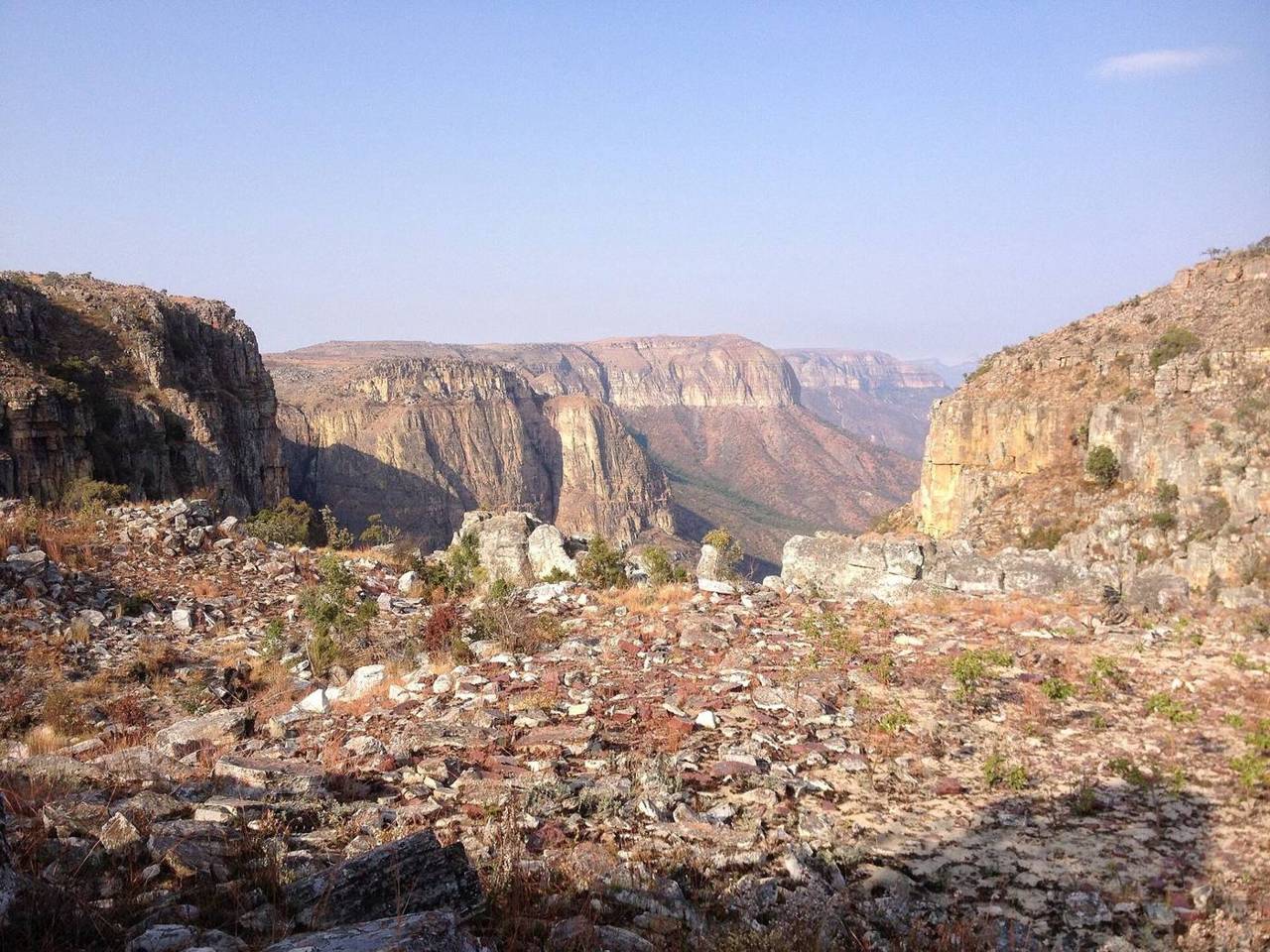
Lubango and the Serra da Leba
The southern plateau: the Cristo Rei above Lubango, the Tundavala gap, the hairpin road of the Serra da Leba descending towards the desert and the sea at Namibe.
 2 daysEasy
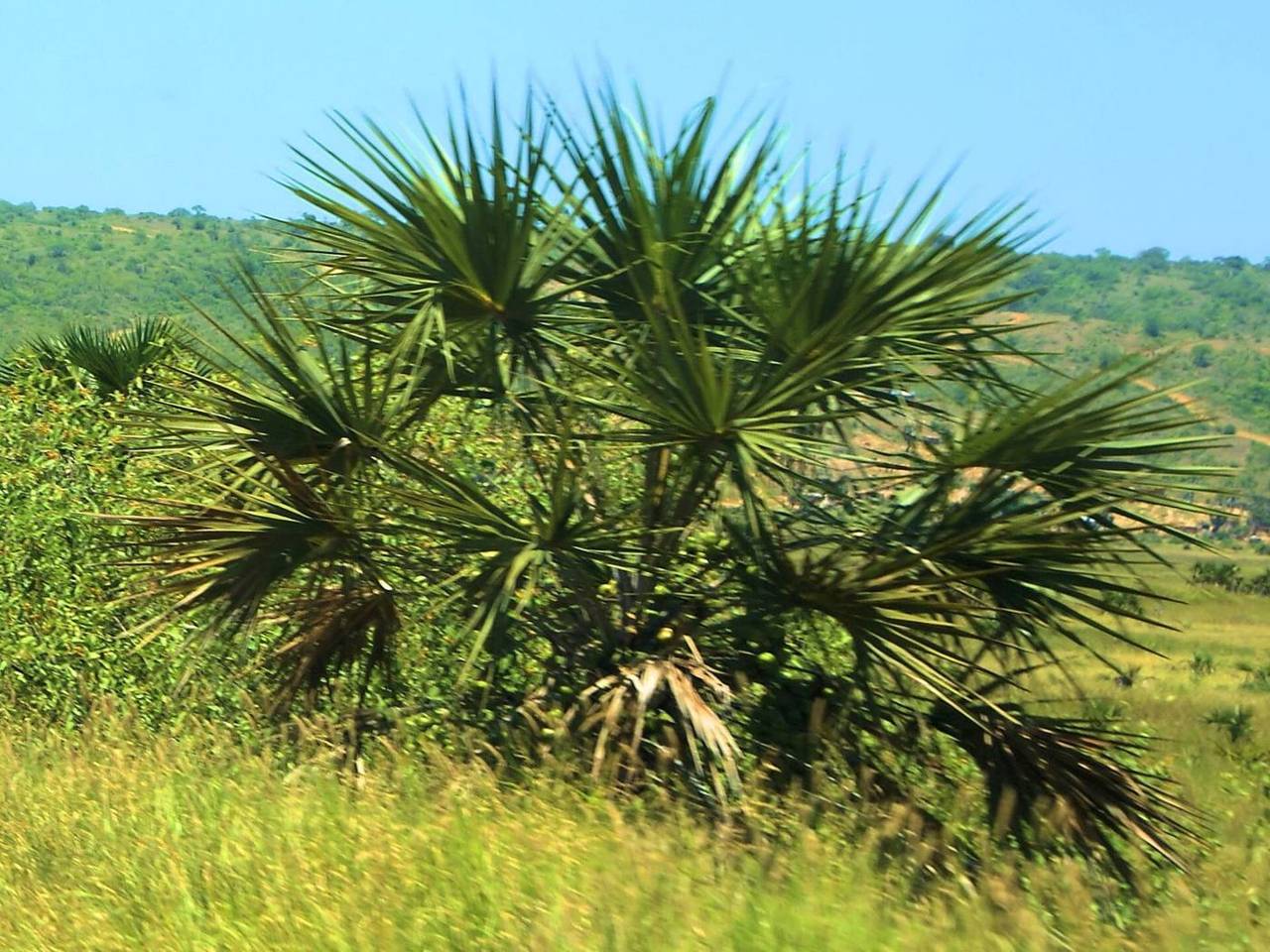
Kissama National Park
The park south of Luanda restocked with elephants, giraffes and zebras brought from other countries, among baobabs, savannah and the mouth of the Cuanza River, with a stop at the Moon viewpoint.