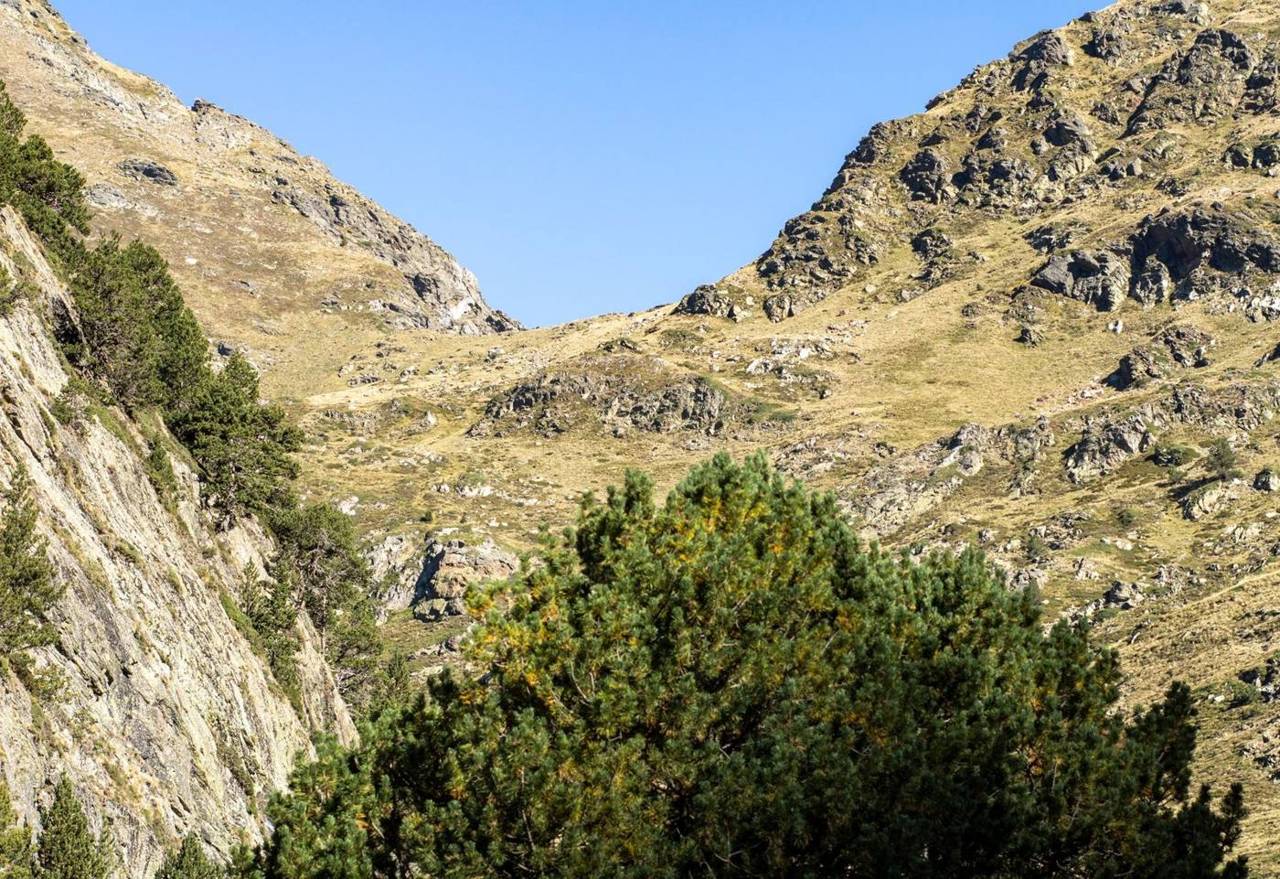
Andorra lakes trek
The UNESCO Madriu-Perafita-Claror valley, the Tristaina and Juclar lakes and a night in a mountain hut.
- Escaldes-Engordany
- Madriu Valley
- Illa refuge
- Tristaina Lakes
- Juclar Lakes
Day by day
- Day 1
The Madriu valley to the Illa refuge
This trip is a four day trek among the lakes of Andorra: the glacial Madriu-Perafita-Claror valley, a UNESCO World Heritage Site since 2004, with a night in the Illa refuge, then the Tristaina lakes circuit and the climb to the Juclar lakes, the largest in the Principality.
Before you go: Andorra is not part of the European Union or the Schengen area. Italian citizens enter with a valid electronic identity card or passport, without a visa for up to 90 days, with customs checks at the border. You can only arrive from Spain or France, so your document must also be valid for the Schengen area. Italian paper identity cards are no longer valid for travel abroad from 3 August 2026. Other nationalities should check their own rules. The European health insurance card is not valid in the Principality: you need insurance with mountain rescue. Emergencies: 112.
The path starts in the upper part of Escaldes-Engordany, on the road to La Comella, just after the junction with the road to Engolasters, and is signposted. Climb the old stone mule track through the woods to the bordes of Entremesaigües and Ràmio, the old barns, then to the Fontverd unstaffed hut, at 1,880 metres.
The valley opens out: meadows, pines, streams and the remains of shepherds' huts and the forges where iron was once worked. You can see chamois and marmots. Higher up you pass the Riu dels Orris hut and Lake Bova, and finally reach the Illa refuge, at 2,488 metres, on the shore of its lake. It is staffed and open all year. Allow a full day, six or seven hours of walking, with more than a thousand metres of ascent.
Sleep at the Illa refuge.
Practical tip: book the Illa refuge before you leave and leave heavy luggage at your hotel in Escaldes: carry only a light rucksack.
- Day 2
The lakes around Illa and the descent
Today you wake up among the lakes and walk back down to the valley.
At dawn step outside the refuge and watch the light on Lake Illa and the peaks around it, when the water is as still as a mirror. If you have the energy, take a short walk to the nearby lakes above the refuge, following the trail markings.
After breakfast start the descent down the same Madriu valley. Now that you are going down you see the landscape better: the stone terraces of the old fields, the dry stone walls, the bridges over the stream and the bordes used by shepherds in summer. This is why the valley is a UNESCO World Heritage Site as a cultural landscape: it shows how the people of the Pyrenees lived for centuries from pasture, timber and iron.
Halfway down stop at Fontverd for a break in the shade, near the spring. Then carry on through the woods to Escaldes-Engordany, where you arrive in the early afternoon. The descent is long and hard on the knees: use walking poles.
In the afternoon rest. If you like, relax your legs in the thermal waters of Escaldes, which give the town its name. Check prices and times.
In the evening move your luggage north, to Ordino or La Massana, closer to the trails of the next days.
For dinner try escudella, the meat and vegetable soup, and mountain cheeses.
Sleep in Ordino.
Practical tip: there are no shops in the Madriu: fill your water bottle at the signposted springs and carry out all your rubbish.
- Day 3
The Tristaina lakes circuit
Today you do an easy and very beautiful circuit in the upper Ordino valley.
In the morning take the road north from Ordino, beyond El Serrat, to the Ordino Arcalís ski resort. The path starts from the La Coma car park. You climb gently through meadows and rocks towards the back of the glacial cirque, below the Pic de Tristaina, 2,878 metres high.
The circuit is about 4.4 kilometres, with just over 200 metres of ascent, and passes three lakes one after another. The first, Estany Primer, is the smallest and has the bluest water. The second, Estany del Mig, is surrounded by scree and hills. The third, Estany de Més Amunt, at 2,330 metres, is the largest, almost round, at the foot of the peak: in summer some people swim, but the water is very cold.
In all it takes two to three hours with stops. Fit walkers can also climb the Pic de Tristaina, on a steep path with a few rocky steps, only in good weather.
In the afternoon return to Ordino and walk through the stone village, with its church and the Areny-Plandolit house, now a museum. Check prices and times.
For dinner try mountain trout or wild boar stew.
Sleep in Ordino.
Practical tip: set off early even though the walk is short: in summer many walkers come to the Tristaina lakes and a storm can arrive in the afternoon.
- Day 4
The Juclar lakes from the Incles valley
On the last day you climb to the largest lake in Andorra and then head home.
In the morning go to Canillo and take the narrow road into the Incles valley. In summer the valley is closed to cars: you go up on the little electric train. The path starts at kilometre 3, just after the Baladosa bridge.
The climb is about 4.6 kilometres long, with around 465 metres of ascent, and takes just over two hours. The path climbs through pines and then rocks, beside the stream, to the Juclar refuge, staffed in summer, which also serves meals. Just above is Lake Juclar, the largest in Andorra, with more than 21 hectares of water. The first lake is home to the Pyrenean newt, which needs very pure water: do not wash anything in the lake.
Take a break on the shore, then go down the same path, in about an hour and forty minutes.
In the afternoon leave for Barcelona or Toulouse. At the border there are customs checks.
In four days you have walked to the finest lakes in Andorra: the Madriu valley with the Illa refuge, the three Tristaina lakes and the great Lake Juclar.
When to go: from late June to September, when the paths above 1,700 metres are clear of snow. In July and August afternoon thunderstorms are frequent: always set off early and come down by the early afternoon.
Practical tip: hikes of four to seven hours like these suit people who walk regularly: train for a few weeks before the trip.
Excellent Pyrenean trails with many staffed or no-cost huts. Hikes of 4-7 hours, for regular walkers. Afternoon thunderstorms are frequent in summer: set off early.
Before you go
- Documents and visa
- Andorra is outside the EU and the Schengen area and has no airport or railway, so you always enter through France or Spain and must meet Schengen entry rules. For British citizens the passport must have been issued less than 10 years before arrival and be valid for at least 3 months after you leave the Schengen area. No visa is needed for stays of up to 3 months. EU citizens can use a valid passport or electronic identity card.
- Health and vaccines
- No compulsory vaccinations. Hospitals are good, but treatment is private and paid on the spot, so you need insurance that covers medical costs, mountain rescue and repatriation. Emergencies: 112 (also mountain rescue), 116 ambulance, 110 police, 118 fire.
- Money and payments
- Euro, even though Andorra is not in the EU. Mobile roaming does not follow EU rules: check charges with your provider. France and Spain strictly limit the tobacco and alcohol you can take out of Andorra.
- Power sockets
- Types C and F, 230 volts: you need an adapter for British plugs.
- Time zone
- UTC+1, UTC+2 in summer, one hour ahead of the UK.
- Safety
- Street crime is rare. Drug laws are very strict, even for small amounts, and drinking alcohol in the street is illegal. From 1 November to 15 May you must use winter tyres or carry snow chains. In the mountains the real risks are summer thunderstorms and avalanches in winter. Official advice: GOV.UK.
Information checked in November 2026 for Italian and EU citizens. Rules change: always check before you travel.
Variations
In 2 days: just the Tristaina circuit and the climb to Juclar, without the night in the refuge.
In 6 days: add the ascent of Comapedrosa from Arinsal and the walk in the Sorteny park.
Frequently asked questions
Is the trek difficult?
The hikes last four to seven hours and suit people who walk regularly. The hardest day is the first, with more than a thousand metres of ascent to the Illa refuge.
Do the refuges need booking?
Yes. The Illa refuge is staffed all year and must be booked. Andorra also has many unstaffed huts, open for emergencies.
What documents do I need for Andorra?
Italian citizens enter with a valid electronic identity card or passport, without a visa. Andorra is not in the European Union or the Schengen area and you pass through France or Spain. Other nationalities should check their own rules.
Indicative itinerary written by World Atlas. Before booking, check timetables, seasonal openings, documents and safety.
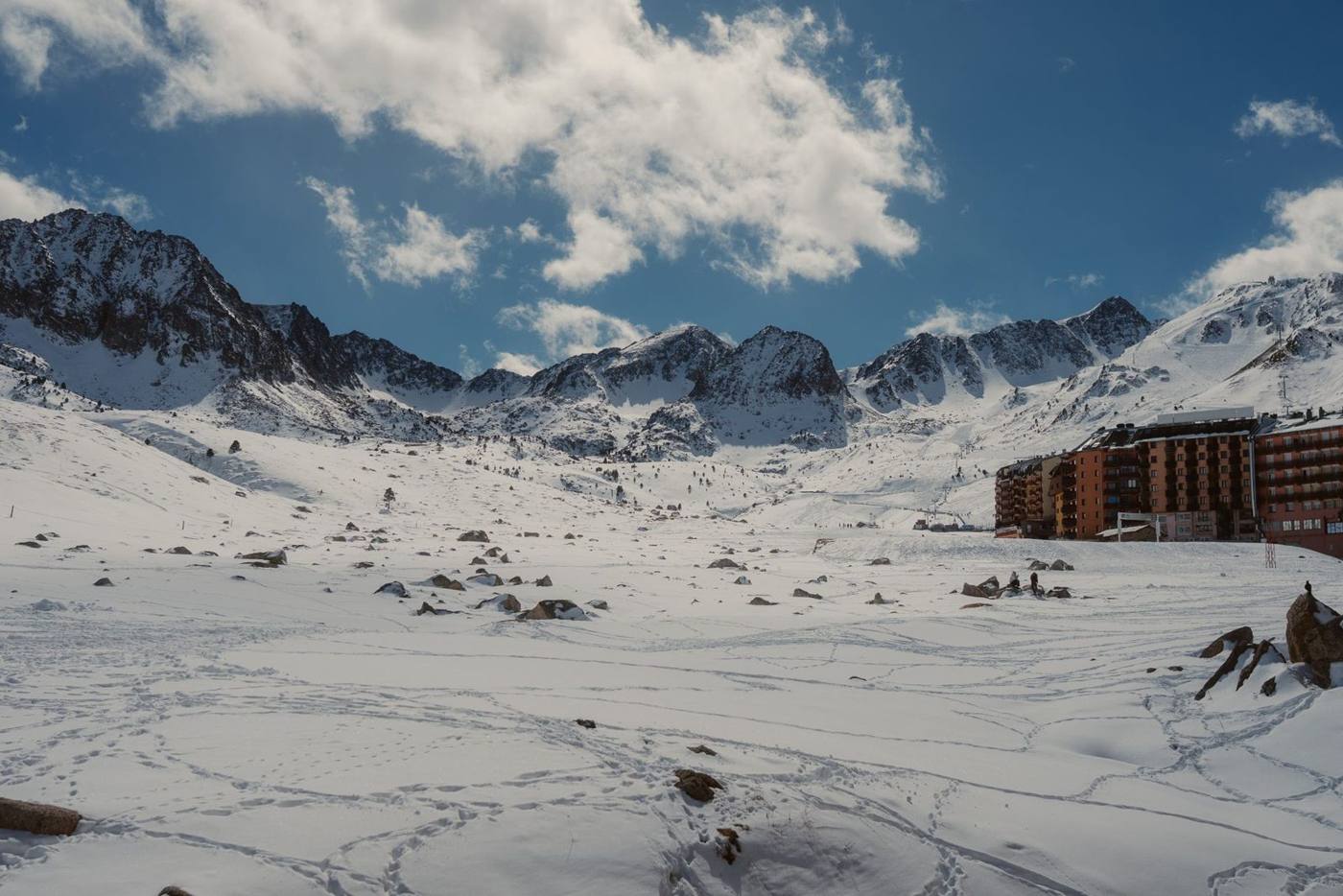 5 daysEasy
Winter on the snow
The slopes of Grandvalira and Ordino Arcalís, snowshoeing in the valleys and recovering at Caldea spa.
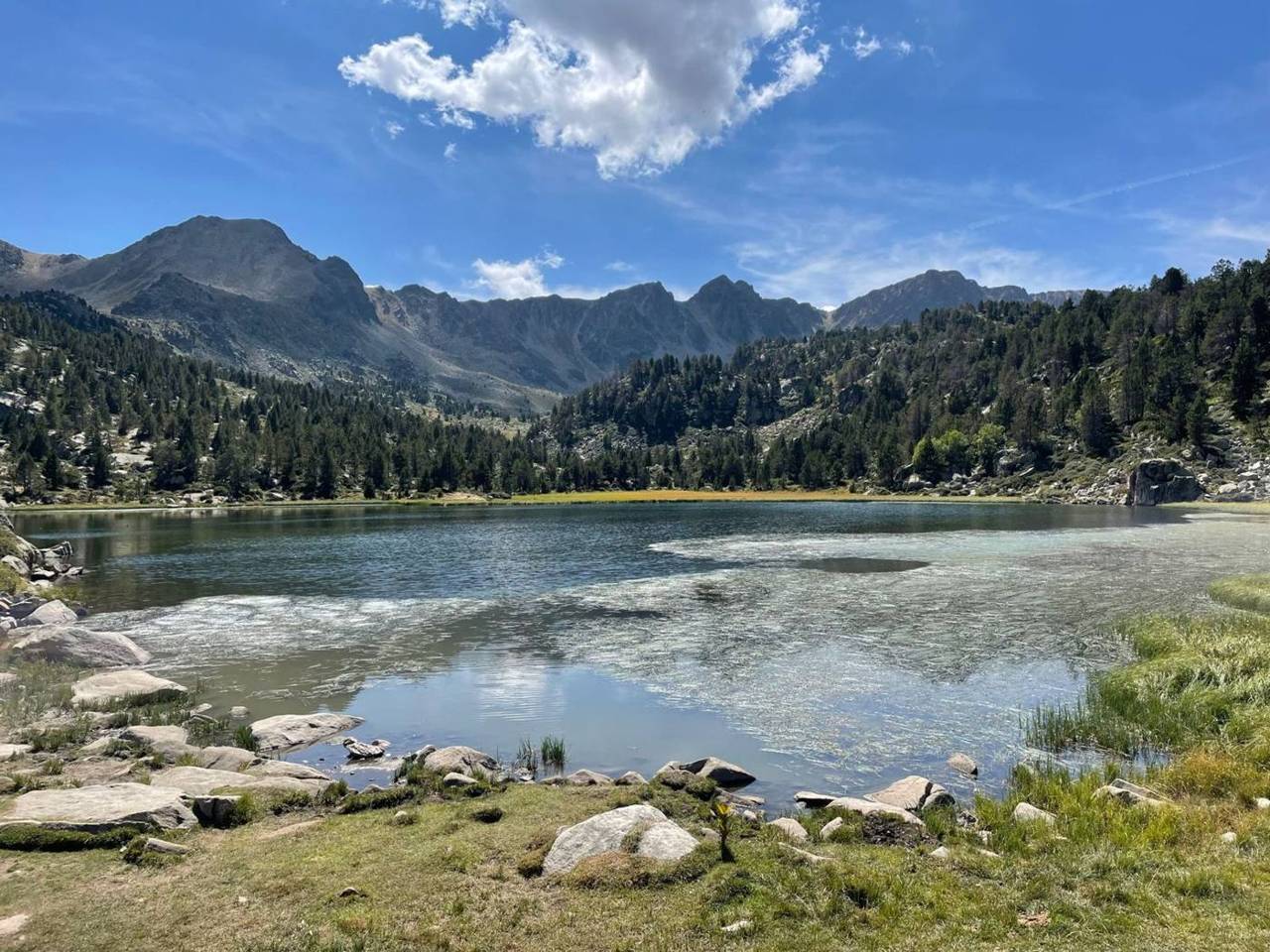 2 daysChallenging
Climbing Comapedrosa
Andorra's highest peak, 2,942 metres, from the Comapedrosa valley nature park, with its refuge and the Estany Negre lake.
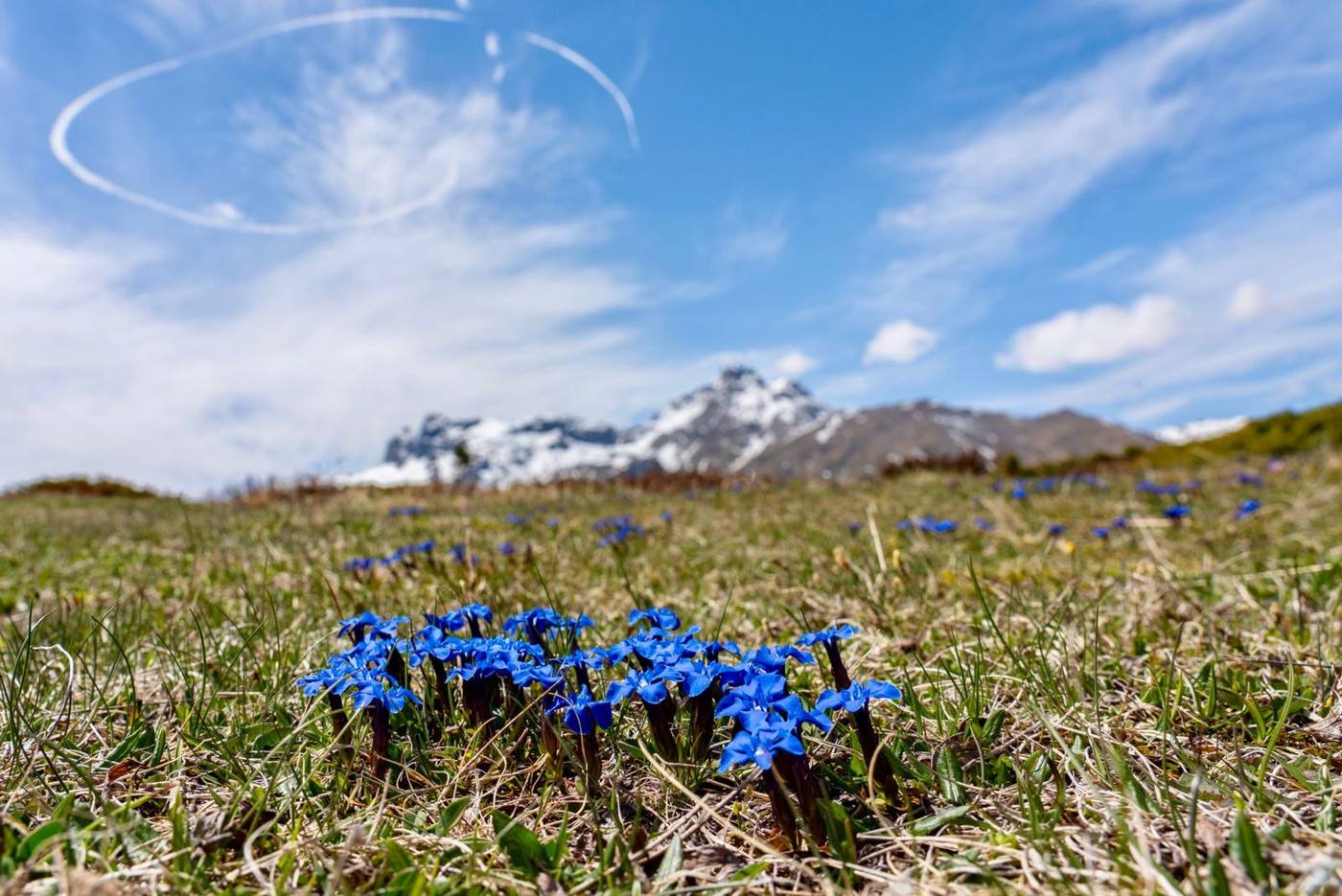 2 daysEasy
Sorteny and the flowers of Ordino
The Sorteny valley nature park with its hundreds of mountain flower species, the botanical garden and the stone village of Ordino.