The Albanian Riviera and Ottoman towns
Turquoise sea at low prices, the site of Butrint and the stone towns of Gjirokastër and Berat.
- Tirana
- Berat
- Gjirokastër
- Butrint
- Ksamil
- Himara
Day by day
- Day 1
Arrival in Tirana, among squares and new districts
In one week this trip brings together Albania's two Ottoman stone towns, Berat and Gjirokastër, the ancient site of Butrint and the sea of the riviera, from Ksamil to Himarë, up to the Llogara pass and Vlorë. You travel by rental car or with a driver, with stages of two or three hours a day.
Before you go: Italian citizens can enter Albania with an electronic identity card or a passport, valid for at least three months after leaving the country, without a visa for tourist stays. Italian paper identity cards are no longer valid for travel abroad from 3 August 2026. Other nationalities should check their own rules. The United States rates Albania at level 2 because of crime, with no areas to avoid; on the coast, watch out for narrow roads and fast driving.
You land at Tirana airport and pick up the car. In the centre, drop your bags and walk to Skanderbeg Square, large and pedestrianised, with the equestrian statue of the national hero. From there, follow the main boulevard south, across the Lana river, to the Grand Park and its artificial lake, where families stroll in the evening.
For dinner, choose a place around Blloku and try qofte, fried meatballs, with a tomato salad and white cheese.
Overnight in Tirana.
Practical tip: if you rent a car, photograph the bodywork and check the spare wheel before setting off, because the minor roads of the south are often in poor condition.
- Day 2
Berat, the town of a thousand windows
Leave early heading south: Berat is about two and a half hours from Tirana, via Durrës and Lushnjë. The town is a UNESCO World Heritage Site together with Gjirokastër, and it appears suddenly, with white facades full of windows climbing the hill above the Osum river.
Leave the car near the centre and walk up to the citadel, the Kalaja. People still live inside the walls: there are inhabited houses, vegetable gardens, small Byzantine churches and the remains of a mosque. In the Church of the Dormition you find the Onufri Museum, with icons by the sixteenth century painter who used a red so intense that it carries his name. Check prices and times.
Then go down into the Mangalem quarter, below the castle, with its paved lanes and the Bachelors' Mosque. Cross the stone bridge of Gorica to see Mangalem from the opposite bank, the spot where you understand why Berat is called the town of a thousand windows.
In the evening the riverside boulevard fills with people for the passeggiata, the xhiro. Sit outside and taste tavë dheu, meat and liver baked in an earthenware dish, with a glass of local wine.
Overnight in Berat, in a traditional house in Mangalem or Gorica.
Practical tip: wear shoes with a good sole to climb to the citadel, because the steep cobbles are smooth and slippery even when they are dry.
- Day 3
Gjirokastër and the Blue Eye spring
Today is the longest day in the car. From Berat you head south via Fier and Tepelenë, along the Vjosa valley and then the Drino valley: it takes about three and a half hours to reach Gjirokastër.
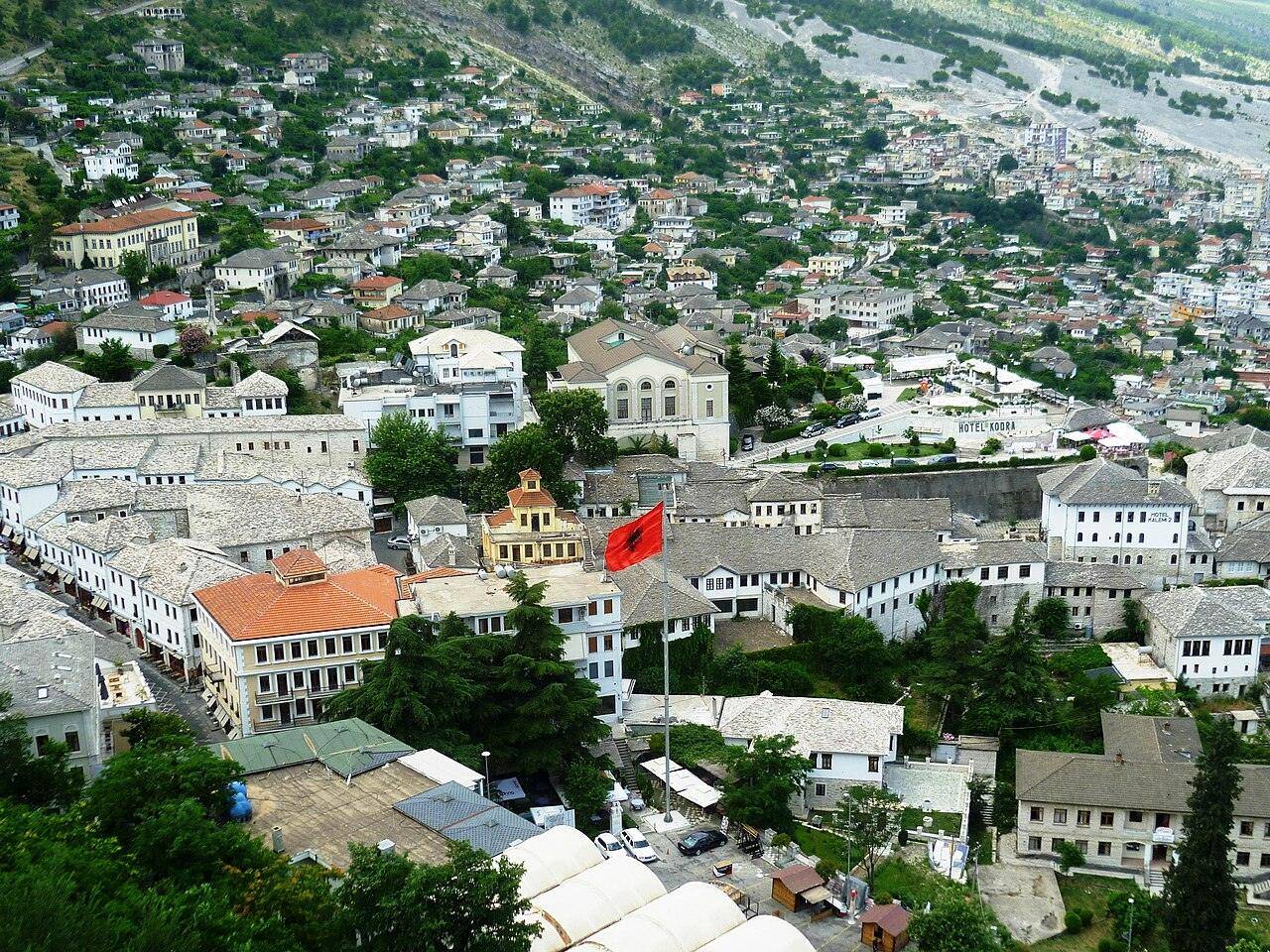
Gjirokastër is the stone town: the Ottoman houses have grey walls and roofs of slate slabs, and they look like small castles. Climb to the castle, which dominates the valley, with its weapons museum and an old American military plane on the walls. Then visit one of the large fortified houses, such as the Skenduli House, with its guest rooms and painted wooden ceilings. Check prices and times. The writer Ismail Kadare was born here, and his birthplace is now a museum.
Have lunch in the old bazaar with qifqi, rice and egg balls with mint, a speciality of the town.
In the afternoon, continue towards Sarandë and stop at Syri i Kaltër, the Blue Eye: a spring where the water rises forcefully from the bottom into a pool of very deep blue, in the middle of the woods. From the car park it is a walk of a few minutes. Swimming is usually not allowed, and the water is very cold all year anyway.
In the evening you reach the coast.
Overnight in Ksamil or Sarandë, for two nights.
Practical tip: reach the Blue Eye before ten in the morning or after five in the afternoon, because in the middle of the day the coaches arrive from the coast.
- Day 4
Butrint and the beaches of Ksamil
In the morning, go to Butrint, a few kilometres south of Ksamil. It is the most important archaeological site in Albania, a UNESCO World Heritage Site, in a national park between a lake and the Vivari channel, covered with woodland.
Follow the circular route: in just over two hours you see the Greek theatre, which partly floods in spring, the baptistery with its mosaic floor, the great basilica, the Lion Gate and the walls. At the top of the hill stands the Venetian castle, with a small museum and a fine view over the channel and the marshes. Check prices and times.
In the afternoon, return to Ksamil for the sea. The beaches are small and the water is crystal clear, with four islets off the shore. You can reach them by kayak or, in the warm months, with the little boats that shuttle from the beach.
At sunset, go to Sarandë for a walk along the seafront and, if you still have the energy, climb to Lëkurësi castle above the town to watch the sun go down behind Corfu.
Have dinner with the catch of the day or with mussels from Lake Butrint, which have been farmed here for a long time.
Overnight in Ksamil or Sarandë.
Practical tip: at Butrint, go in as soon as it opens and bring water and mosquito repellent, because the site is surrounded by wetlands and there is little shade in the hot hours.
- Day 5
The riviera: Himarë and Gjipe beach
Today you drive back north along the riviera road, which runs halfway up the slopes above the Ionian Sea, with endless bends and villages clinging to the hills. From Sarandë to Himarë it takes about two hours without stops.
Stop at Porto Palermo, an enclosed bay with a small fortress attributed to Ali Pasha of Tepelenë, on a peninsula joined to the mainland. You can visit it in half an hour. Then continue to Himarë, which has a modern part by the sea and an old village higher up, inside the castle walls, with stone houses and Orthodox churches.
In the afternoon, go to Gjipe, one of the most beautiful beaches on the coast, at the end of a canyon between rock walls. You leave the car near the Monastery of Saint Theodore, above Dhërmi, and walk down a dirt road and then a path, about half an hour. On the way back you will feel the climb.
After your swim, if you have time, walk for a few minutes into the canyon behind the beach, which stays cool even in summer.
In the evening, have dinner in Himarë or Dhërmi with grilled fish and local figs.
Overnight in Himarë or Dhërmi.
Practical tip: at Gjipe, bring everything you need, water included, because in the low season months there are no services at all on the beach.
- Day 6
The Llogara pass and Vlorë
In the morning, have one more swim at Dhërmi or Jalë, then set off north. Just after Dhërmi the road climbs in hairpin bends towards the Llogara pass, at about a thousand metres, in the national park of the same name.
At the top, stop at the viewpoint: below you lies the whole coast as far as Himarë, and on clear days you can even see Corfu. The park is covered with black pines and firs, and the air is cool even in July. You can take a short walk in the woods and look for the pines bent by the wind, which locals call flag pines.
Then drive down towards the bay of Vlorë, through Orikum, where you find the ruins of ancient Oricum, near the lagoon. Check prices and times.
In Vlorë, go to Flag Square, where the Independence Monument stands: it was in this town, on 28 November 1912, that Albania's independence was proclaimed. Nearby is the Muradie Mosque, from the sixteenth century. At sunset, climb to Kaninë castle, on the hill above the town, to see the bay and the island of Sazan.
Dinner on the seafront, with fish and an Albanian beer.
Overnight in Vlorë.
Practical tip: on the Llogara climb, drive calmly and stop only in the lay-bys, because the bends are tight and there are often cows and goats on the road.
- Day 7
Return to Tirana
From Vlorë to Tirana it is about two and a half hours, almost all of it on fast roads. If your flight is in the afternoon, in the morning you can stop at the Zvërnec monastery, on an islet in the Narta lagoon, joined to the shore by a long wooden bridge. Along the lagoon you sometimes see flamingos.
Once in Tirana, if you have time, visit Bunk'Art 2, the nuclear shelter of the Interior Ministry turned into a museum about the secret police, a short walk from Skanderbeg Square. Check prices and times. Then return the car and go to the airport.
In seven days you have seen the most classic Albania: the capital and its squares, the thousand windows of Berat, the stone houses of Gjirokastër, the water of the Blue Eye, the ruins of Butrint in the woods, the sea at Ksamil and Gjipe, the village of Himarë, the Llogara pass and Vlorë, the town of independence. It is an easy trip, suitable also for a first visit to Albania.
When to go: the best months are May, June and September, with the sea already warm, pleasant towns and an uncrowded coast. In August Ksamil and Sarandë are packed and prices rise a lot. In spring and autumn the Ottoman towns are lovely, but the sea is still cool.
Practical tip: always keep a few coins and small lek notes, useful for car parks, roadside cafes and the toilets at rest stops.
The best-value week by the sea in the Mediterranean, with two UNESCO towns along the way. Berat and Gjirokastër each deserve a night, not a rushed visit. In August Ksamil is crowded and expensive: June and September are far better.
Before you go
- Documents and visa
- Electronic identity card or passport for EU citizens, valid for at least three months after leaving Albania. Italian paper identity cards are no longer valid for travel abroad from 3 August 2026. No visa is needed for tourist stays of up to 90 days.
- Health and vaccines
- No compulsory vaccinations. Outside Tirana medical facilities are limited: you need insurance covering medical costs and repatriation. Drink sealed bottled water. Emergencies: 127 ambulance, 129 police, 128 fire.
- Money and payments
- Albanian lek. Cash machines and cards work mainly in cities and tourist areas; in villages and small shops you need cash.
- Power sockets
- Types C and F, 230 volts: you need an adapter for British plugs.
- Time zone
- UTC+1, UTC+2 in summer, one hour ahead of the UK.
- Safety
- The United States rates Albania at level 2 because of crime, with no areas to avoid. The UK advises staying away from demonstrations in central Tirana. In winter mountain roads can be blocked by snow. Official advice: GOV.UK.
Information checked in November 2026 for Italian and EU citizens. Rules change: always check before you travel.
Variations
In 5 days: Tirana, Berat, Gjirokastër, Butrint and Ksamil, with a direct return from Sarandë to Tirana.
In 10 days: add two nights in Himarë for the riviera beaches and a day in Përmet and the Vjosa valley.
Frequently asked questions
What document do I need for Albania?
Italian citizens can enter with an electronic identity card or a passport, valid for at least three months after leaving, without a visa for tourist stays of up to 90 days. Other nationalities should check their own rules.
Is it worth renting a car for the riviera?
Yes, it is the easiest way to stop at Porto Palermo, the Llogara pass and the beaches. The main roads are good, but the coast road has many bends and a lot of traffic in summer: drive in daylight and take your time.
When is Ksamil too crowded?
In July and above all in August the beaches of Ksamil are full and prices are higher. In June and September the sea is warm and there are far fewer people.
Indicative itinerary written by World Atlas. Before booking, check timetables, seasonal openings, documents and safety.
 10 daysModerate
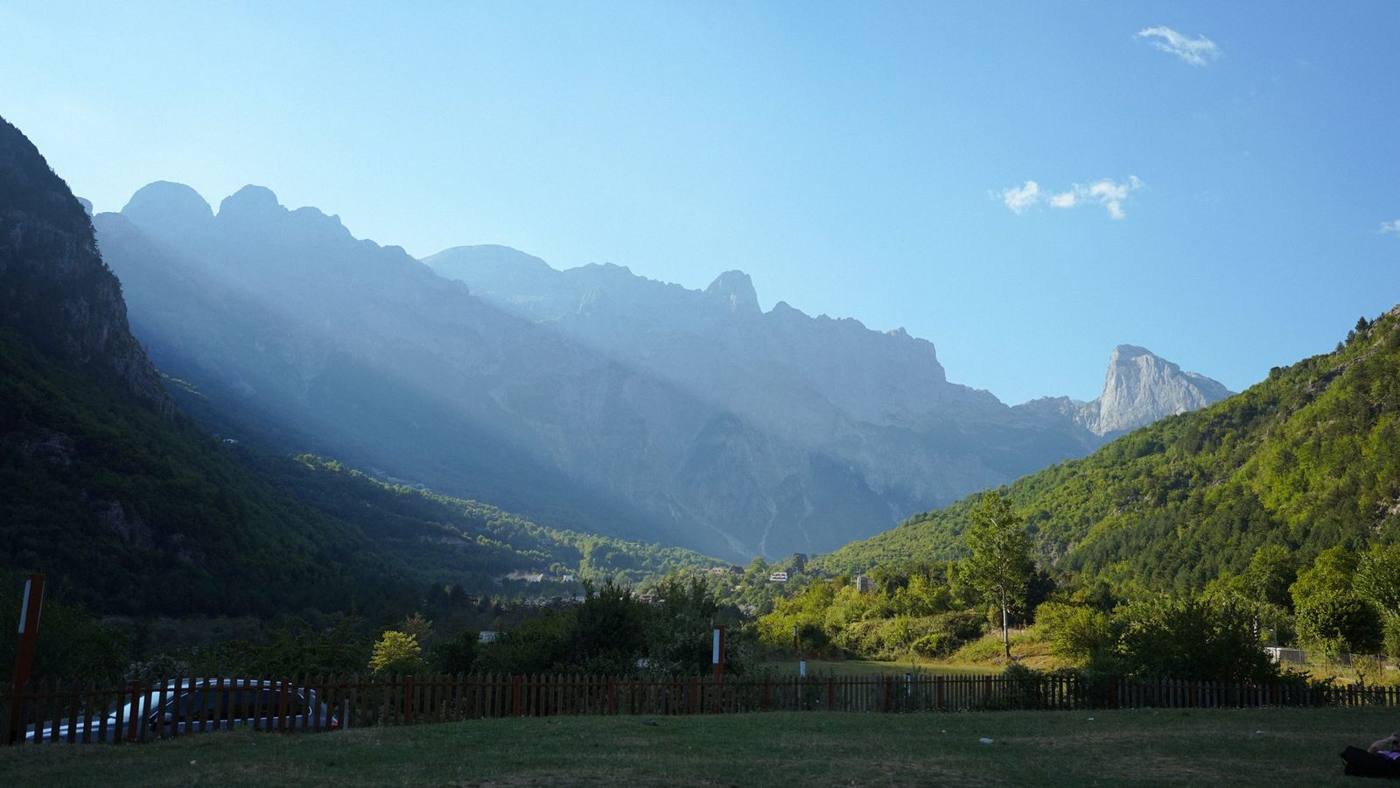
Albanian Alps: Theth, Valbona and Lake Koman
The Lake Koman ferry, the trek between Valbona and Theth and a finale by the sea.
 15 daysModerate
Kruger, the Garden Route and Cape Town
The great classic: a Kruger safari, the scenic Garden Route and a finale in Cape Town.
 7 daysEasy
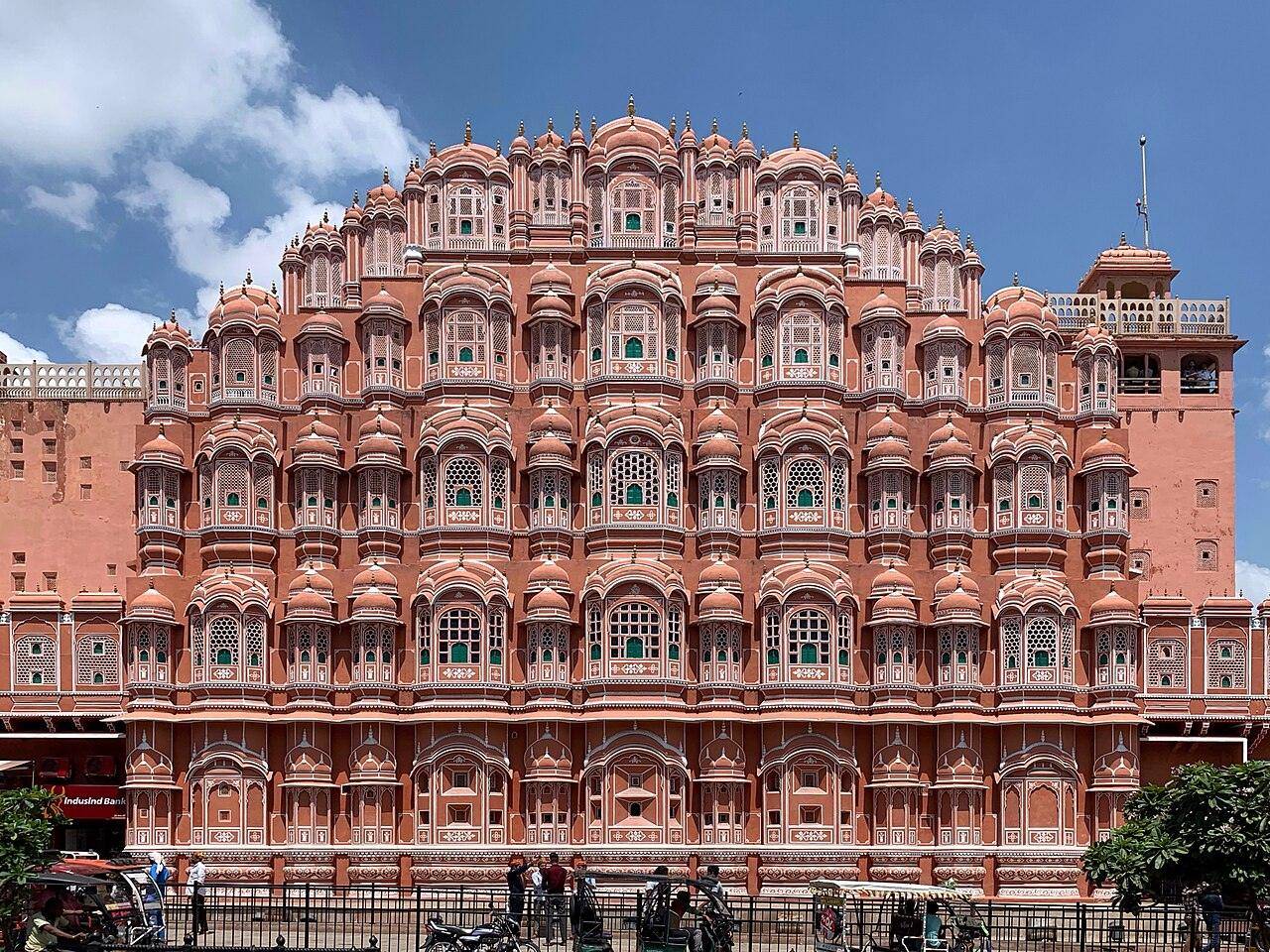
The Golden Triangle: Delhi, Agra and Jaipur
A first time in India: the Taj Mahal at dawn, the forts of Rajasthan and the life of Old Delhi, in one week.