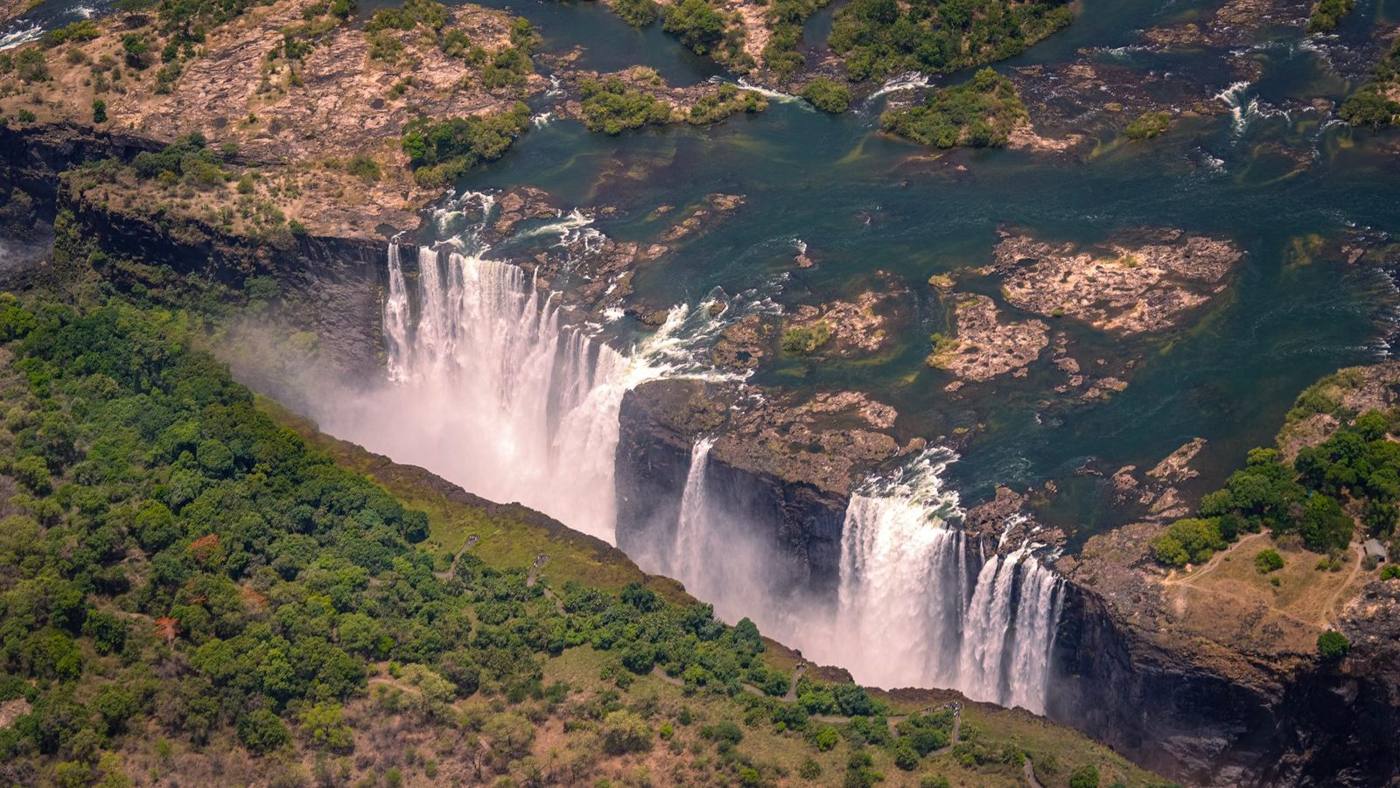
Victoria Falls and Hwange
The head-on view of the falls from the Zimbabwe side, then Hwange National Park with its great elephant herds at the waterholes.
- Victoria Falls
- Zambesi
- Hwange
- Main Camp
- Linkwasha
Day by day
- Day 1
Arrival in Victoria Falls and the falls on foot
This six-day trip combines the Victoria Falls, seen head-on from the Zimbabwe side, with Hwange National Park, famous for the great herds of elephants that come to the waterholes in the dry season.
Before you go: Italian citizens need a visa and a passport valid for at least six months, with blank pages. Viaggiare Sicuri says you must complete the arrival forms online before departure, on the official portal evisa.gov.zw. According to the British government, the KAZA Univisa, valid for Zimbabwe and Zambia, is issued at Harare, Bulawayo and Victoria Falls airports and at the Victoria Falls and Kazungula borders. Other nationalities should check their own rules. Viaggiare Sicuri reports political tension, theft and roads in poor condition: avoid demonstrations and do not travel at night. Victoria Falls and Hwange are in a malaria area: ask your doctor about prevention.
You land at Victoria Falls airport and soon reach the town. In the afternoon enter the falls park: check prices and times at the entrance. The path crosses a rainforest that exists thanks to the constant spray and reaches the 16 viewpoints, from the Livingstone statue and Devil's Cataract to the Main Falls and Danger Point. The roar of the water falling into the gorge can be heard from far away, which is why the local name means the smoke that thunders.
Walk slowly and stop at every viewpoint. In high water the spray is so strong that you get soaked as if in rain; in low water you see the rock walls better.
Practical tip: bring a waterproof jacket and a dry bag for your phone and camera. In the high-water months the spray soaks everything.
- Day 2
The town, the bridge and the sunset cruise
In the morning go back early to the falls if you want to see them in the morning light with fewer people. On sunny days you often see a rainbow over the gorge in the first hours.
Then walk to the Victoria Falls Bridge, built at the start of the twentieth century over the Zambezi gorge, on the border with Zambia. From the bridge you see the basalt walls and the river flowing green far below. To reach the bridge you pass the Zimbabwe border post: bring your passport and ask about the current rules. From the bridge you can also see bungee jumpers and the train that sometimes crosses the gorge.
In the late afternoon set off on the cruise on the upper Zambezi, above the falls. The river is wide and calm, with islets covered in palms. You see hippos snorting in the water, crocodiles on the banks, elephants crossing between the islands and many birds, such as fish eagles. At sunset the sky turns orange behind the palms.
In the evening eat in town and try sadza, the white maize porridge served with stewed meat and vegetables, Zimbabwe's everyday dish. Go back by taxi, even for short distances: after dark elephants sometimes cross the town's streets.
Practical tip: Viaggiare Sicuri reports that dollar withdrawals are limited. Bring small notes in good condition for tips, taxis and small purchases, because change is often missing.
- Day 3
To Hwange and the first safari
In the morning you leave Victoria Falls and travel south-east to Hwange National Park, the largest in Zimbabwe. The drive takes a few hours on a main road with potholes, lorries and animals: it is better with a local driver or an organised transfer, and always in daylight.
You arrive in the Main Camp area, at the north-eastern entrance of the park, where you pay the permits: check prices and times. Drop your bags, have a cold drink and get ready for the first afternoon safari, in an open vehicle with the guide.
Hwange has few permanent rivers and in the dry season the animals depend on the waterholes, many fed by pumps. This is why, at the end of the southern winter, around a single waterhole you can see dozens of elephants drinking, playing in the mud and pushing their young towards the water. You also see zebras, giraffes, kudu and groups of buffalo.
At sunset return to camp before the gates close, because in the parks night driving is forbidden or allowed only with special permits. After dinner shower early: power cuts are frequent.
Practical tip: wear neutral colours, such as beige and olive green. Bright colours and dark blue attract tsetse flies, found in some low-lying areas.
- Day 4
The waterholes of Main Camp
Today you explore the Main Camp area with an experienced guide. Set off at dawn, when the air is cool and predators are still active. In the dry months the early morning is cold: bring a fleece and a hat, which you will take off around ten.
The sandy tracks pass through teak and acacia woodland and open onto grassy plains. Visit the main waterholes of the area, where there are often platforms or viewing points. Sit quietly and wait: the animals arrive in turn. First impala and warthogs, then zebras, finally the great herds of elephants coming down in single file. With some luck you see lions waiting near the water or hyenas moving in the morning.
At midday rest at camp, when it is hot and the animals look for shade. Read, download your photos and drink plenty. In the afternoon go out again for another drive until sunset, when the low light turns the dust raised by the elephants red.
Along the way look at the birds too: Hwange has hundreds of species, from ground hornbills to brightly coloured rollers.
Practical tip: always stay in the vehicle unless the guide says otherwise. The British government points out that animals have injured and killed visitors: keep your distance and choose licensed guides.
- Day 5
Linkwasha and the painted dogs
Today you move to the Linkwasha area, in the south-east of the park, with wide open plains, palms and waterholes where many animals gather. It is a less visited and wilder area, reached by 4x4 with a guide. The drive inside the park is slow, on sandy tracks, and is already a safari.
On the plains you see herds of zebra and wildebeest, giraffes feeding on acacias and often lions. It is also one of the areas where you can meet painted dogs, the African wild dogs, rare and endangered. They live in packs and move a lot, so seeing them is always lucky: the guide follows tracks and news from other rangers.
If the camp offers it, take a short walk with an armed, licensed guide. On foot you learn to read footprints, dung and the signs left by animals, and you feel the savannah in a different way.
In the evening, around the fire, listen to the guides' stories about the park and elephant conservation. Hwange's sky, far from the cities, is full of stars and on clear nights you easily see the Southern Cross.
Practical tip: bring binoculars for each person. On the open plains the animals are often far away and with binoculars you avoid getting too close.
- Day 6
Back to Victoria Falls and departure
Take a last short safari at dawn, when the elephants come back to the waterholes after the night. Then have breakfast and leave for Victoria Falls, in daylight.
If you have time before your flight, stop at the town's craft market, where you find wood and stone carvings, baskets and fabrics. Bargain politely and pay in small dollar notes. Shona stone sculptures are among the finest souvenirs of the country, but they are heavy: think about your luggage before you buy.
In six days you have seen two of the strongest experiences in southern Africa: the Victoria Falls, with the 16 viewpoints and the sunset cruise on the Zambezi, and Hwange National Park, with waterholes full of elephants, lions and, with luck, painted dogs. The Zimbabwe side offers the best view of the falls for most of the year.
When to go: from July to October, in the dry season, the animals gather at Hwange's waterholes and it is the best time for safaris. The falls carry most water from February to May, with very heavy spray, and less water at the end of the year. From November to March is the rainy season and the malaria risk rises.
Practical tip: arrive at the airport early and keep your passport and visa receipt to hand. The checks can be slow.
The Zimbabwe side offers the best view of the falls for most of the year. At the end of the dry season Hwange has some of Africa's highest elephant concentrations. Bring US dollars in small notes: local cash is complicated.
Before you go
- Documents and visa
- Passport valid for at least six months, with blank pages, and a visa is compulsory. Before departure complete the arrival forms online on the official portal evisa.gov.zw, where you can also apply for an eVisa. The KAZA Univisa, valid for Zimbabwe and Zambia and for day trips into Botswana from Kazungula, is issued at Harare, Bulawayo and Victoria Falls airports and at the Victoria Falls and Kazungula borders. To drive you need an international driving permit.
- Health and vaccines
- There is seasonal malaria in the lowlands, especially from January to April: ask your doctor about prevention. The lowlands also have tsetse fly. A yellow fever certificate is required if you arrive from a country at risk. Drink only bottled water. Emergencies: 112.
- Money and payments
- The US dollar is the main currency in use; the official currency is the ZiG, used only inside the country. Withdrawing dollars is difficult: bring small notes in good condition. You cannot leave the country with more than 2,000 US dollars in cash.
- Power sockets
- Type D and type G, 220 volts: bring a universal adapter.
- Time zone
- UTC+2 all year.
- Safety
- The country is going through a period of political tension: avoid crowds and demonstrations and do not photograph police or protests. Theft, bag snatching and robberies of stationary vehicles are common, especially in cities and after dark. Roads are often in poor condition, with potholes and animals: do not drive at night. Fuel is sometimes unavailable and power cuts can be long. In the rainy season the east and south can be hit by cyclones. For walking and canoe safaris choose licensed guides and always keep your distance from animals. Official advice: GOV.UK.
Information checked in November 2026 for Italian and EU citizens. Rules change: always check before you travel.
Variations
In four days keep the falls and two days in Hwange.
With nine days add a trip to Chobe National Park in Botswana and rafting on the Zambezi.
Frequently asked questions
Is it better to see the falls from the Zimbabwe or the Zambia side?
The Zimbabwe side offers the frontal and wider view for most of the year. The Zambia side is closer to the water at some points, but at the end of the year it can be almost dry.
Can you see the Big Five in Hwange?
Hwange has elephants, lions, leopards and buffalo. Rhinos are very rare and hard to see: do not count on them.
How much cash do you need?
Bring US dollars in small notes in good condition. Withdrawals are limited and change is often missing, while cards do not work everywhere.
Indicative itinerary written by World Atlas. Before booking, check timetables, seasonal openings, documents and safety.
 7 daysModerate
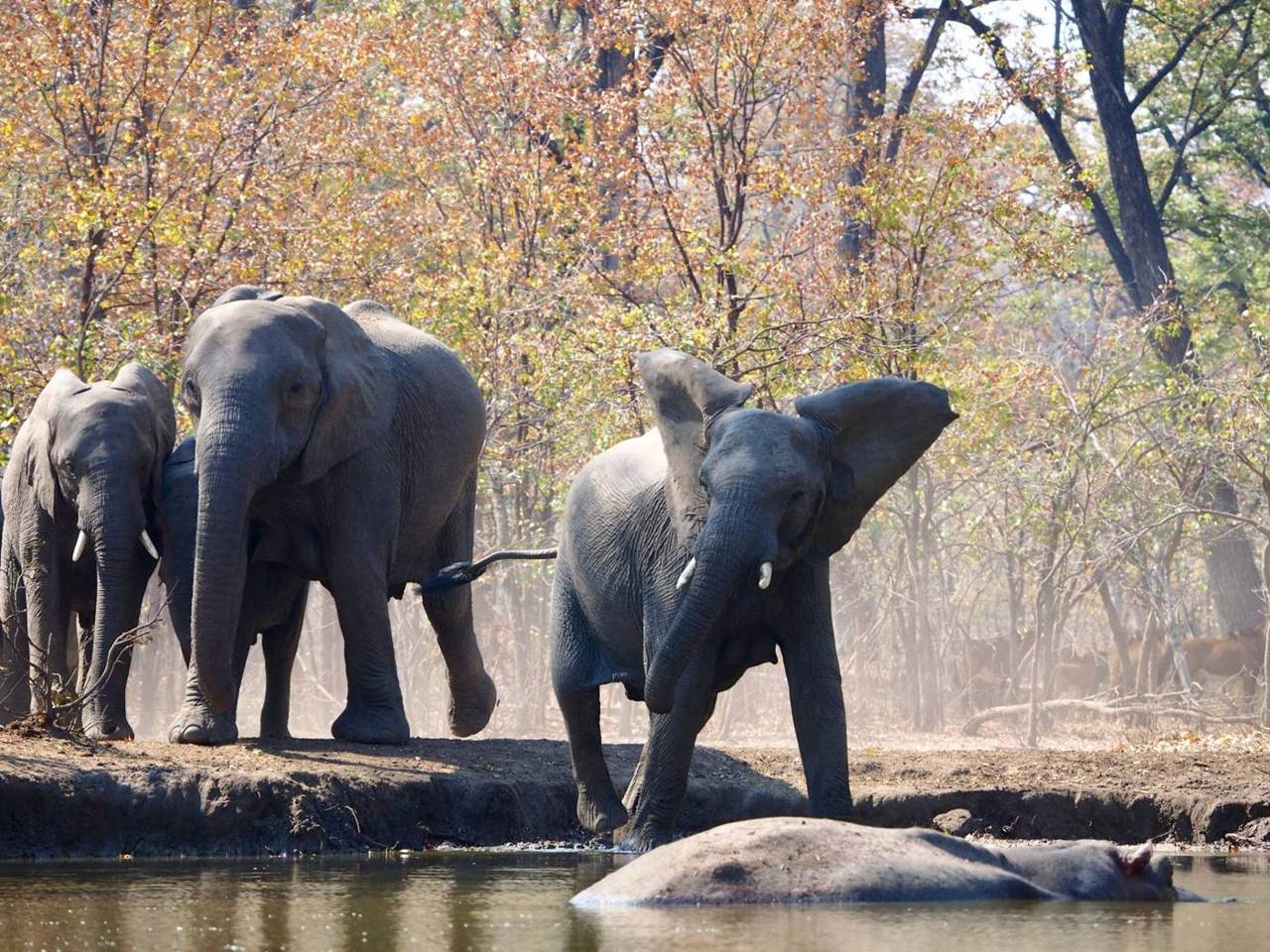
Mana Pools and Lake Kariba
Mana Pools, a UNESCO site where you walk among elephants and acacias along the Zambezi, and a houseboat on Lake Kariba with drowned trees.
 6 daysEasy
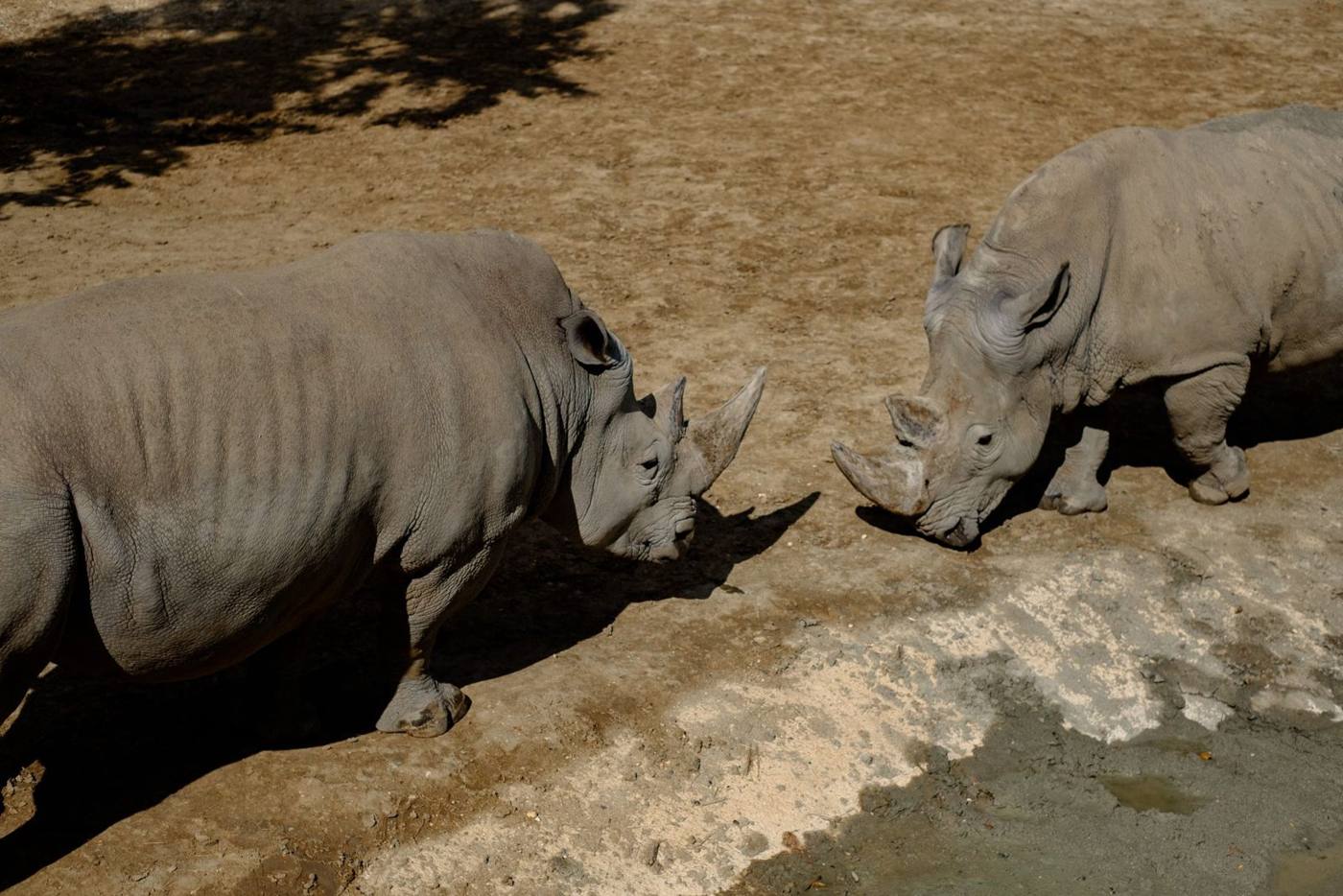
Great Zimbabwe and Matobo
The stone ruins of Great Zimbabwe, the granite hills of Matobo with rock art and rhinos tracked on foot, and Bulawayo.
 5 daysModerate
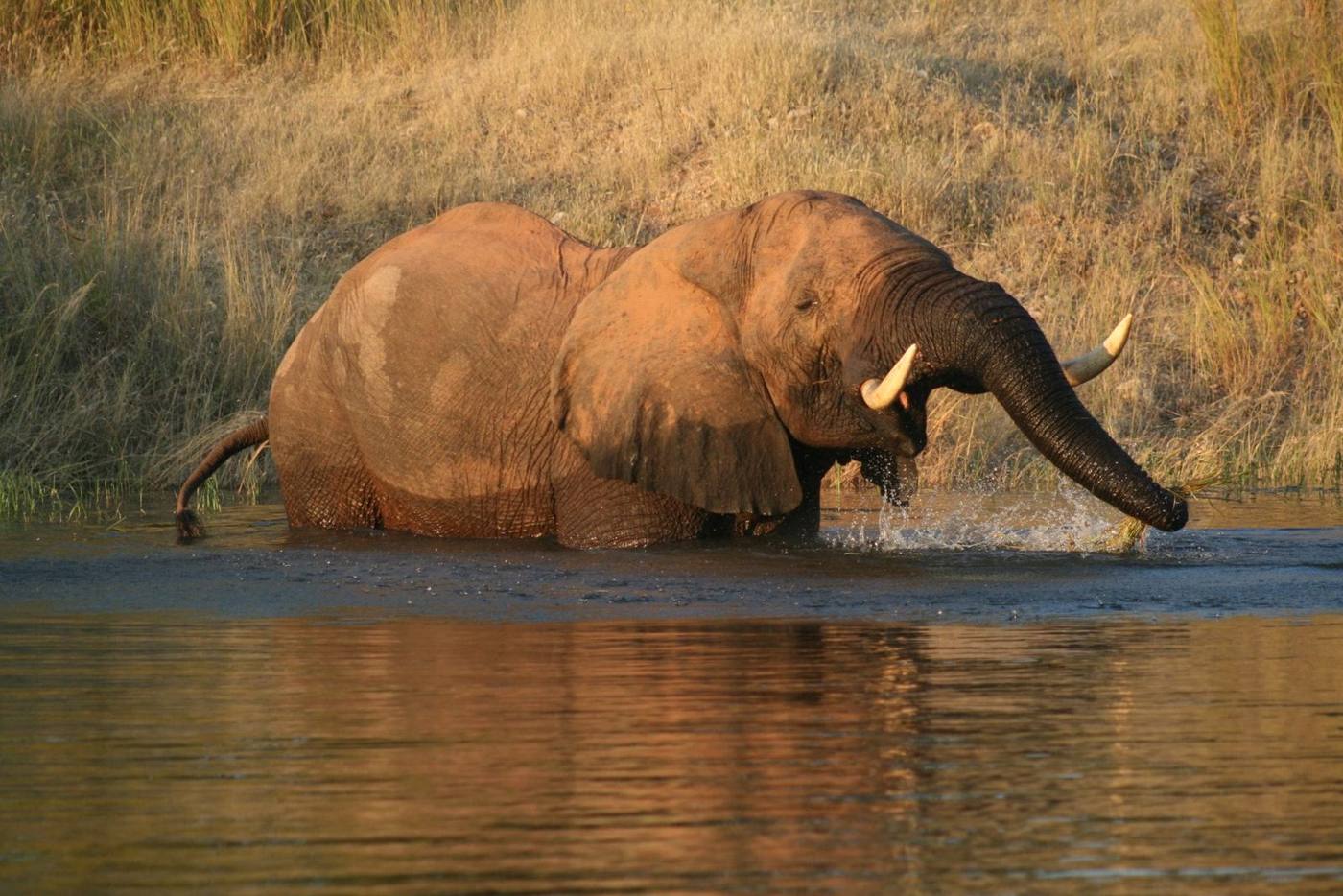
Gonarezhou
The 'place of elephants' in the south-east: the red Chilojo cliffs above the Runde river, large elephant herds and almost empty landscapes.