Great Zimbabwe and Matobo
The stone ruins of Great Zimbabwe, the granite hills of Matobo with rock art and rhinos tracked on foot, and Bulawayo.
- Harare
- Masvingo
- Great Zimbabwe
- Bulawayo
- Matobo
Day by day
- Day 1
From Harare to Masvingo
This six-day trip tells the ancient history of southern Africa: the stone ruins of Great Zimbabwe, the largest stone site south of the Sahara, and the granite hills of Matobo, with rock paintings and rhinos tracked on foot, and Bulawayo.
Before you go: Italian citizens need a visa and a passport valid for at least six months, with blank pages. Viaggiare Sicuri says you must complete the arrival forms online before departure, on the official portal evisa.gov.zw. According to the British government, the KAZA Univisa, valid for Zimbabwe and Zambia, is issued at Harare, Bulawayo and Victoria Falls airports and at the Victoria Falls and Kazungula borders. Other nationalities should check their own rules. Viaggiare Sicuri reports political tension, theft in cities, including Harare and Bulawayo, and roads in poor condition: avoid demonstrations and do not travel at night. Ask your doctor whether you need malaria prevention for your travel period.
Leave Harare in the morning and travel south to Masvingo, the town closest to Great Zimbabwe. The drive takes a few hours on a main road, with police roadblocks, slow lorries and some potholes. The roads are long and there can be fuel shortages: it is better to travel with a local driver.
Along the road you see villages, maize fields and large rounded granite boulders, typical of the highveld. Take a break halfway.
In the afternoon you reach Masvingo and continue to the hills near the site, where you sleep.
Practical tip: the British government reports smash-and-grab thefts on the road to Harare airport. Keep bags and phones off the seats and the windows closed in traffic.
- Day 2
Great Zimbabwe
Today you visit Great Zimbabwe, a UNESCO World Heritage Site, the stone city that gave its name to the country. Between the eleventh and the fifteenth centuries it was the capital of a Shona kingdom that traded gold and ivory as far as the Indian Ocean coast. Check prices and times at the entrance and take a site guide: they tell the story better than any sign.
Start early with the Hill Complex, on the hill. The path climbs among huge boulders and walls built without mortar, with cut stones laid one on top of the other. From the top you see the whole valley and understand why this was the place of the king.
Then go down to the Great Enclosure, the large enclosure with very high, curving walls and a conical tower in the middle, still a mystery to scholars. Walk through the narrow passage between two parallel walls and look at the zigzag patterns on top of the walls.
In the site museum you see the birds carved in soapstone found among the ruins, which became the symbol of Zimbabwe and appear on the flag.
Outside the site, women from nearby villages sell baskets and small carvings: it is a good way to support the local community. In the late afternoon, if you still have energy, go to nearby Lake Mutirikwi to watch the sunset over the water.
Practical tip: bring water, a hat and comfortable shoes. The site is large, the paths are steep and at midday the sun is strong.
- Day 3
The road to Bulawayo
In the morning leave Masvingo heading west to Bulawayo, Zimbabwe's second city. The drive takes several hours: leave early to arrive in daylight.
The road crosses the central plateau, through savannah, villages and small farming towns. Fill up when you find fuel and bring snacks and water for the journey. At police roadblocks stop, show your documents and stay calm and polite.
Bulawayo is a quiet city, with very wide streets built in colonial times so that ox wagons could turn. In the centre you see historic buildings, arcaded blocks and flowering trees. Drop your bags at your accommodation and rest a little after the long drive.
In the afternoon, if you have time, visit the Natural History Museum, one of the most important in southern Africa, with collections of animals, minerals and a section on the history of the country. Check prices and times.
In the evening have dinner in town and try local dishes, such as sadza with stewed meat or leafy greens cooked with peanuts. Do not walk around the centre in the evening: take a taxi even for short distances.
Practical tip: always carry small US dollar notes. At petrol stations and in shops change is often missing and cards do not always work.
- Day 4
Matobo: rhinos on foot
Today you enter Matobo National Park, south of Bulawayo, a UNESCO World Heritage Site. The granite hills, smoothed by time, form domes, towers and boulders balanced on top of each other. It is a sacred landscape for local people. Check prices and times at the park entrance.
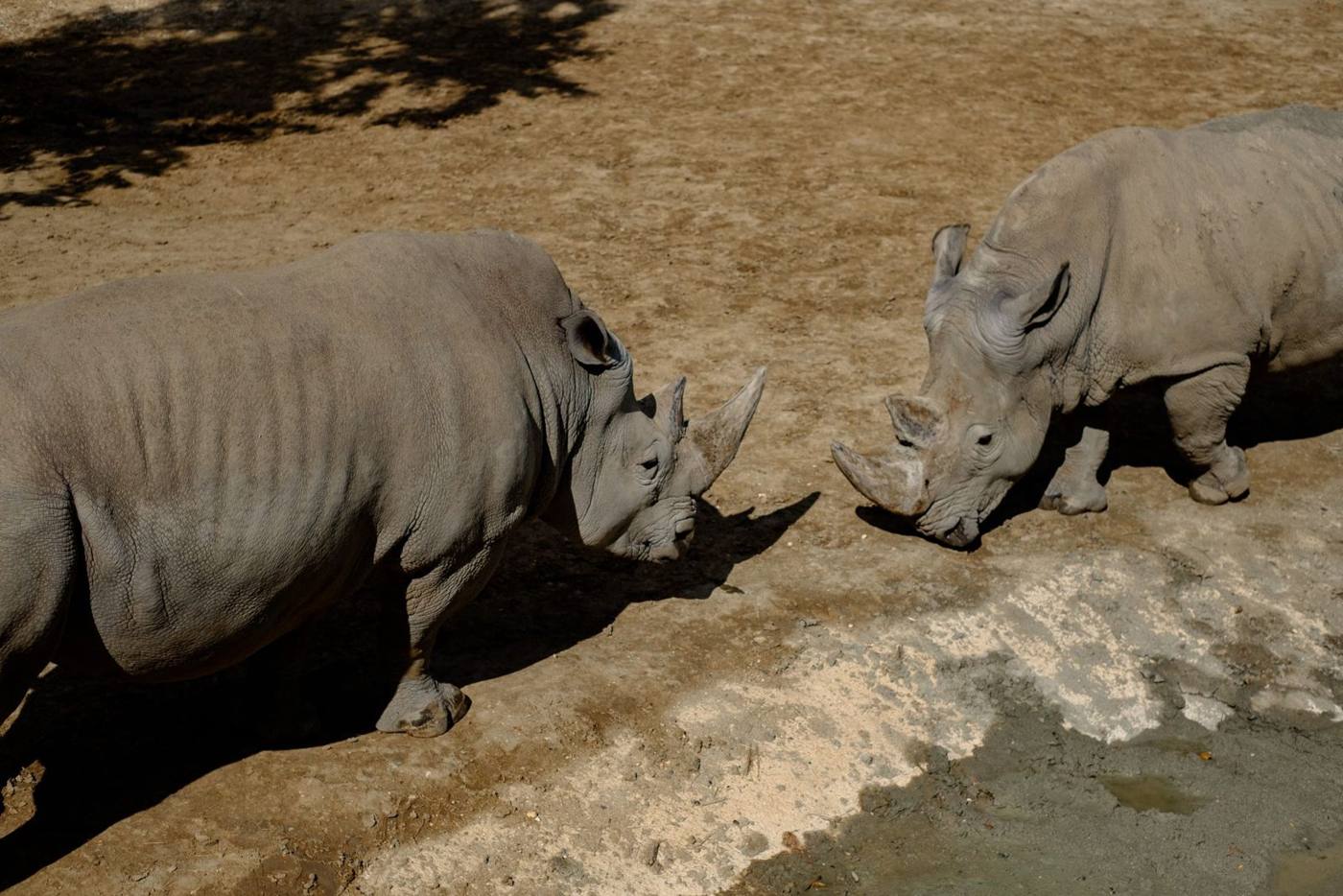
Early in the morning set off for rhino tracking on foot, with rangers and licensed guides. Before you start, listen to the briefing: you walk in single file, quietly, without talking and without sudden movements. The guide follows footprints and fresh dung until the animals are found. Seeing them a few steps away, grazing in the grass, is a very powerful moment.
Always follow the guide's instructions, stay behind them and never approach on your own. The rhinos are protected and watched day and night, to defend them from poachers.
In the afternoon rest in the shade of the rocks and take a drive on the park tracks, home to zebras, impala, giraffes and many birds of prey. Matobo has one of the highest concentrations of black eagles in the world, which nest on the granite cliffs. At sunset return to your accommodation before the gates close.
Practical tip: wear neutral colours and comfortable, quiet shoes. Avoid perfume and light colours, which animals notice from far away.
- Day 5
World's View and the painted caves
In the morning climb World's View, a large granite dome from which you see the Matobo Hills to the horizon. Its local name means hill of the spirits. At the top there are huge rounded boulders and the grave of Cecil Rhodes, a contested figure in the country's history. Climb slowly: the rock is smooth and steep.
Then visit some of the caves and shelters with rock paintings left by the San, the ancient hunter-gatherers. You see figures of people, giraffes, antelopes and hunting scenes drawn in red and ochre. Some shelters, such as Nswatugi and Pomongwe, can be reached on short walks. Do not touch the paintings and do not use flash: strong light and sweat from hands damage the ancient colours.
In the afternoon stop by the lake or at a viewpoint among the rocks. The hills change colour in the sunset light and the baboons climb onto the boulders for the night.
In the evening return to your accommodation near the park or in Bulawayo, in daylight. After dinner look at the sky: away from the city the stars shine brightly above the hills.
Practical tip: a local guide takes you to the lesser-known paintings and explains their meaning. Ask them too for permission before photographing sacred places.
- Day 6
Departure from Bulawayo
On the last morning stroll through the centre of Bulawayo, among the historic buildings and wide streets. If you are interested in railway history, the city also has a railway museum with old steam locomotives: check prices and times.
Then reach Bulawayo airport for your flight home, or take the road to Harare or Victoria Falls if your trip continues. In that case leave early and plan your overnight stop before dark.
In six days you have seen the ancient history of southern Africa, still little known: the stone city of Great Zimbabwe with the Hill Complex and the Great Enclosure, Bulawayo and its museum, the sacred hills of Matobo with rhinos tracked on foot, World's View and the painted caves. The roads are long and fuel is sometimes short: travelling with a driver makes everything simpler.
When to go: from April to October, in the dry season, the sky is clear, the tracks are dry and the heat is bearable. Nights in June and July are cool, sometimes cold. From November to March is the rainy season, with heavy storms and more difficult roads.
Practical tip: before leaving the country remember that, according to the British government, you cannot leave Zimbabwe with more than 2,000 US dollars in cash.
Little-known ancient history of southern Africa. Great Zimbabwe is the largest stone site south of the Sahara. Roads are long and fuel shortages can occur: travel with a driver.
Before you go
- Documents and visa
- Passport valid for at least six months, with blank pages, and a visa is compulsory. Before departure complete the arrival forms online on the official portal evisa.gov.zw, where you can also apply for an eVisa. The KAZA Univisa, valid for Zimbabwe and Zambia and for day trips into Botswana from Kazungula, is issued at Harare, Bulawayo and Victoria Falls airports and at the Victoria Falls and Kazungula borders. To drive you need an international driving permit.
- Health and vaccines
- There is seasonal malaria in the lowlands, especially from January to April: ask your doctor about prevention. The lowlands also have tsetse fly. A yellow fever certificate is required if you arrive from a country at risk. Drink only bottled water. Emergencies: 112.
- Money and payments
- The US dollar is the main currency in use; the official currency is the ZiG, used only inside the country. Withdrawing dollars is difficult: bring small notes in good condition. You cannot leave the country with more than 2,000 US dollars in cash.
- Power sockets
- Type D and type G, 220 volts: bring a universal adapter.
- Time zone
- UTC+2 all year.
- Safety
- The country is going through a period of political tension: avoid crowds and demonstrations and do not photograph police or protests. Theft, bag snatching and robberies of stationary vehicles are common, especially in cities and after dark. Roads are often in poor condition, with potholes and animals: do not drive at night. Fuel is sometimes unavailable and power cuts can be long. In the rainy season the east and south can be hit by cyclones. For walking and canoe safaris choose licensed guides and always keep your distance from animals. Official advice: GOV.UK.
Information checked in November 2026 for Italian and EU citizens. Rules change: always check before you travel.
Variations
In four days keep Great Zimbabwe and one day in Matobo.
With ten days add the Victoria Falls and Hwange National Park.
Frequently asked questions
How long do you need for Great Zimbabwe?
At least half a day, better a full day with a guide, to see the Hill Complex, the Great Enclosure, the valley and the museum.
Is rhino tracking safe?
It is done only with rangers and licensed guides who know the animals. Always follow their instructions, walk in single file and in silence and never approach on your own.
Can you drive yourself?
It is possible with an international driving permit, but the roads are long, with potholes and roadblocks, and fuel is sometimes short. With a local driver the trip is simpler.
Indicative itinerary written by World Atlas. Before booking, check timetables, seasonal openings, documents and safety.
 5 daysModerate
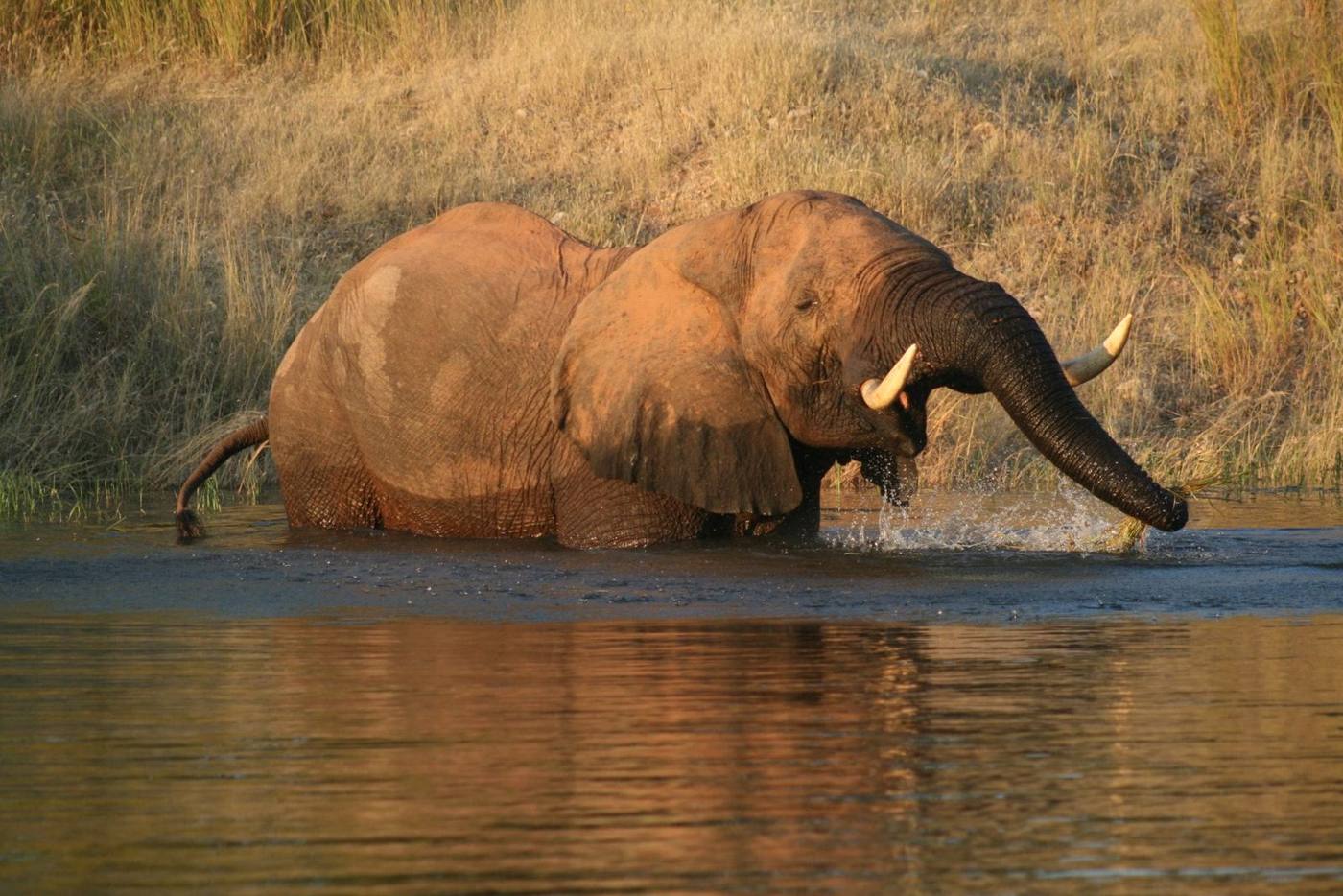
Gonarezhou
The 'place of elephants' in the south-east: the red Chilojo cliffs above the Runde river, large elephant herds and almost empty landscapes.
 4 daysEasy
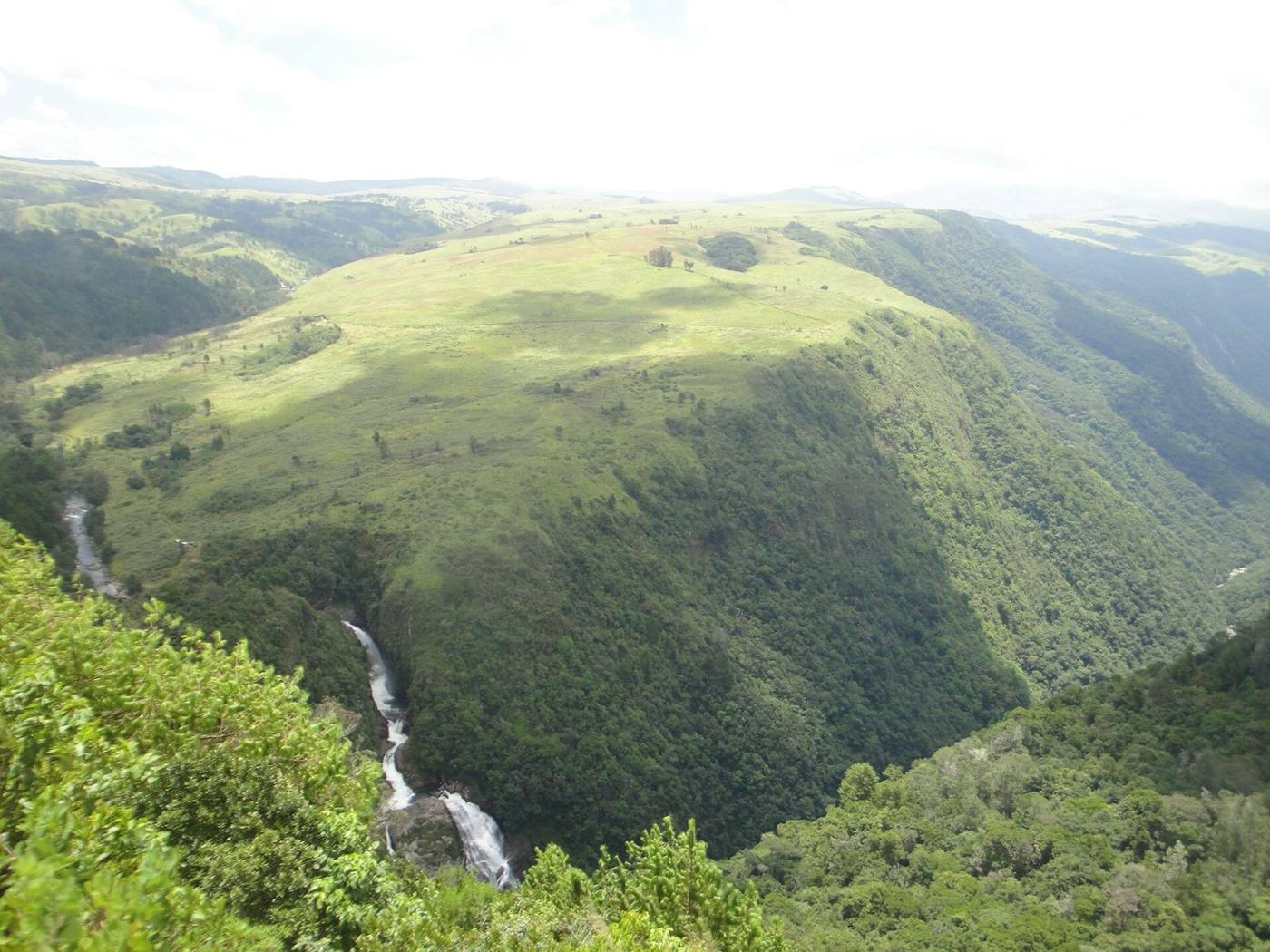
Nyanga and the Eastern Highlands
The green mountains on the Mozambique border: Mount Nyangani, the Mutarazi falls among Africa's tallest, the Honde valley and the tea plantations.
 4 daysModerate
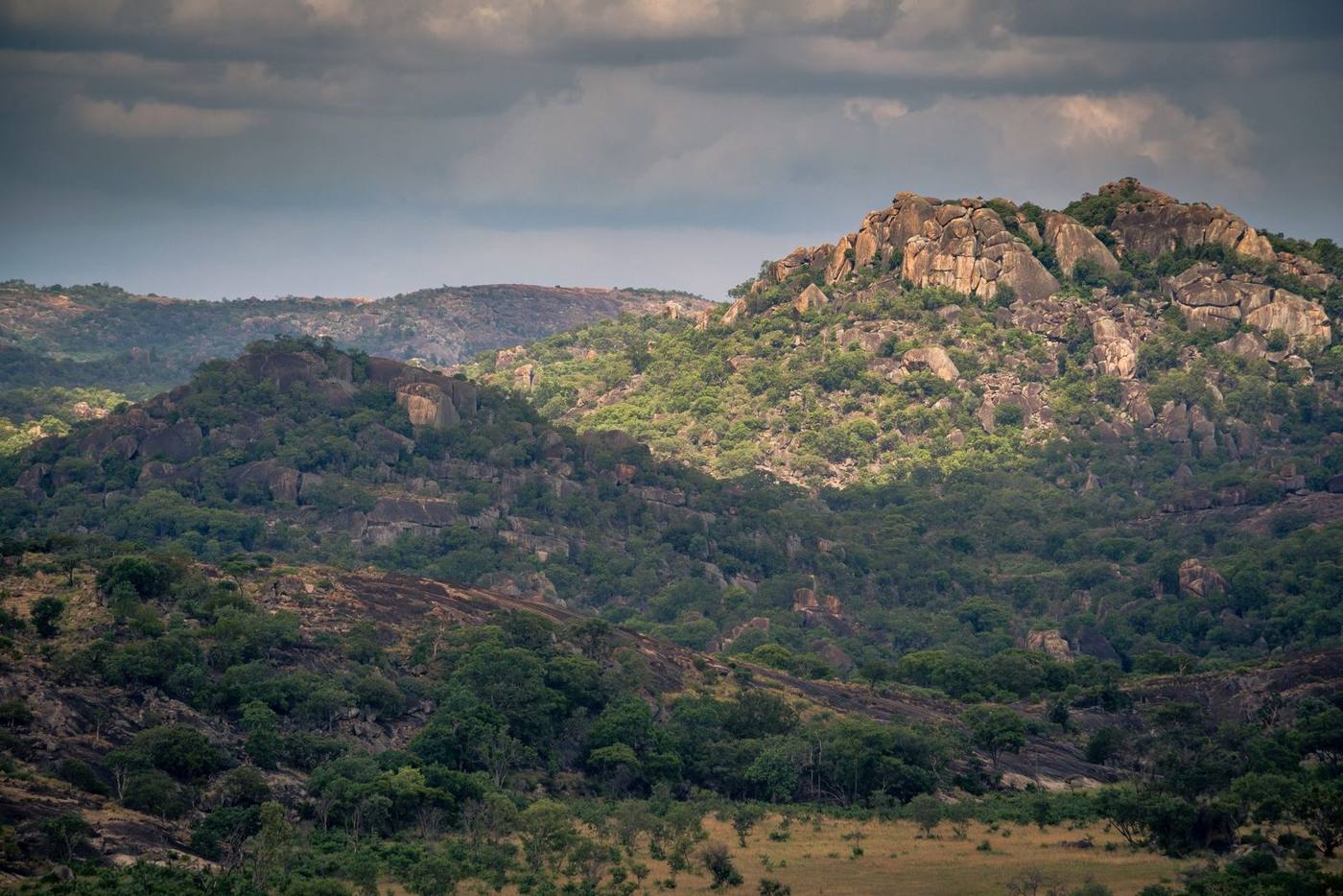
Chimanimani
The quartzite mountains of Chimanimani, with trails, natural pools, caves to sleep in and views over Mozambique.