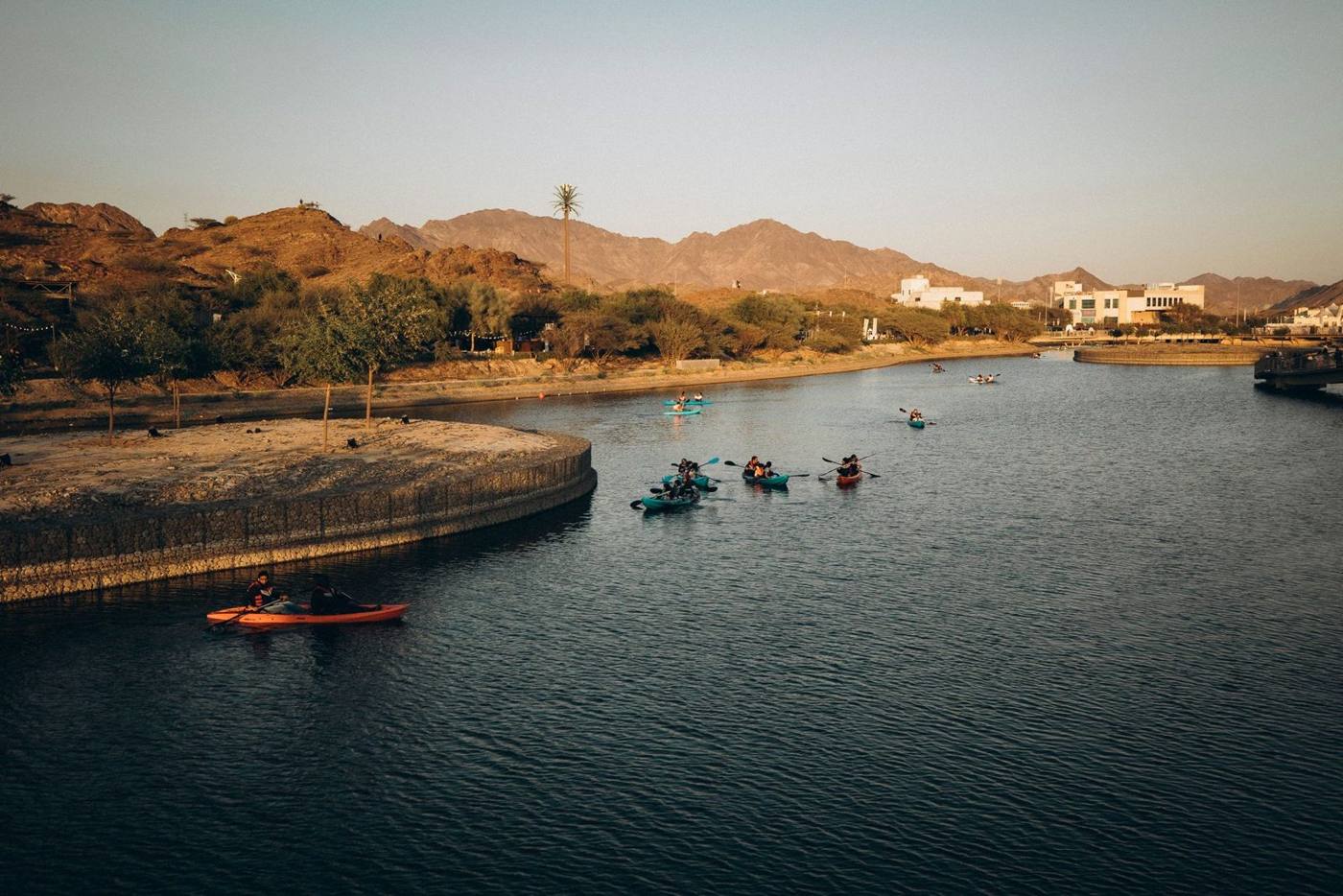
Hatta and the mountains
Dubai's mountain enclave in the Hajar range: kayaking on the turquoise Hatta dam, mountain biking, the heritage village and nights in lodges or camping.
- Dubai
- Hatta
- Hatta Dam
- Hatta Heritage Village
- Wadi Hub
Day by day
- Day 1
The road to Hatta and the heritage village
This three-day trip takes you to Hatta, the Dubai enclave in the Hajar Mountains, on the border with Oman. You kayak on the turquoise water of the dam, ride mountain trails, visit a village of mud and stone and walk at dawn among dark rocks and palm groves.
Before you go: Italian citizens enter the Emirates with a passport valid for at least six months from the date of arrival; an identity card is not enough. The tourist visa is issued on arrival, with no need to apply in advance, for stays of up to 90 days. Other nationalities should check their own rules.
Some areas on this trip are close to borders or places where the situation changes often: check your government's travel advice before booking and again before you leave.
In the morning leave Dubai by car: Hatta is about an hour and a half away. Some roads pass briefly through Oman, where you would need other documents and insurance valid for Oman: choose the inland route that stays entirely in the Emirates and check your navigation before leaving. The landscape changes slowly: from red dunes you move into the first mountains of dark rock.
In the afternoon visit Hatta Heritage Village, with houses of mud and stone, a small fort, two watchtowers on the hills and a falaj, the channel that brings water to the palm groves. In the reconstructed rooms you see how people lived in the mountains. Check prices and times.
Sleep in Hatta, for two nights, in mountain accommodation or an equipped campsite.
Practical tip: fill up the tank before leaving Dubai and bring plenty of water: in the mountains fuel stations and shops are few.
- Day 2
Kayaking on the dam and mountain biking
Today is the day for outdoor activities, the main reason to come to Hatta.
In the morning go to Hatta Dam: from the car park walk up the stairs to the reservoir, a lake of surprising turquoise enclosed by mountains. Hire a kayak or canoe and paddle between the rock walls, into the small inlets where the water is calmest. There are also pedal boats for those who prefer something quieter. Check prices and times.
At lunchtime stop at one of the rest areas near the dam.
In the afternoon go to Hatta's outdoor activity centre, at the foot of the mountains, where dozens of kilometres of mountain bike trails start, graded by difficulty. You can hire a bike and helmet on site. Beginners find easy, wide routes, while experienced riders can choose steep, technical descents. There are also climbing walls and other activities. Check prices and times.
At sunset watch the mountains turn red and purple.
In the evening, if you are camping, light a fire in the permitted areas and look at the starry sky, much darker than in Dubai.
Practical tip: even in winter the midday sun is strong: ride early in the morning or late in the afternoon and drink often.
- Day 3
A dawn hike and the way back
On the last day you get up early to walk in the best light.
At dawn set off on one of the marked hikes around Hatta, which climb rocky hills with views over the dam, the palm groves and the mountains towards Oman. The easiest routes take an hour or two. The ground is stones and rock: you need hiking shoes. Do not go near the border and always stay on the marked trails.
After breakfast take a last walk: stop at the natural rock pools along the wadi, the dry riverbed, where in some seasons a little water remains.
Late in the morning take the inland road back to Dubai.
In these three days you have seen the simplest way to get to know the mountains of the Emirates: turquoise water, dark rocks, old villages and trails, a short distance from the city. At weekends and during local holidays Hatta is crowded with residents: if you can, come on weekdays.
When to go: from October to April. In winter mountain nights are cool, while in summer it is too hot for cycling and walking.
Practical tip: never enter the wadis if it is raining or if the sky is black over the mountains: water can arrive suddenly and sweep away people and cars.
The easiest way to see the Emirates' mountains, an hour and a half from Dubai. Weekends are crowded with residents. Some route variants briefly cross Oman: use the internal UAE road.
Before you go
- Documents and visa
- Passport valid for at least six months from the date of arrival. Italian, EU and British citizens receive a tourist visa on arrival, with no need to apply in advance, for stays of up to 90 days. Some medicines that are common in Europe (for example for pain, anxiety or sleep) need prior approval from the UAE Ministry of Health: check before you travel and carry the prescription.
- Health and vaccines
- No compulsory vaccinations, except a yellow fever certificate if you arrive from a risk country. Healthcare is excellent but very expensive: get insurance with high medical cover. From May to September the heat is extreme: drink often and stay in the shade in the middle of the day. Tap water is treated, but almost everyone drinks bottled water. Emergencies: 999 police, 998 ambulance.
- Money and payments
- UAE dirham, pegged to the US dollar. Cards are accepted almost everywhere, including taxis; keep some cash for the souks, the abras on the Creek and small kiosks.
- Power sockets
- Type G, 230 volts: the same sockets as in the UK.
- Time zone
- UTC+4 all year, four hours ahead of the UK in winter and three in summer.
- Safety
- The situation in the Gulf region can change quickly, including sudden airspace closures: check the advice and the status of your flights before leaving. The laws are strict and apply to tourists too. Alcohol: you may drink only in licensed venues and from the age of 21; drinking or being drunk in public is an offence and there is zero tolerance for drink-driving; alcohol is banned in the emirate of Sharjah. Clothing: in public places, including shopping centres, cover shoulders and knees; swimwear is for beaches and pools only; in mosques you need long clothes and, for women, a headscarf. Ramadan: during the day do not eat, drink, smoke or chew gum in public, even in your car. Photos: do not photograph people without their permission, or government buildings, military sites or airports; drones need a permit. Public displays of affection, swearing and rude gestures, online too, can lead to arrest. Zero tolerance for drugs, even traces in the blood. In the desert travel only in an equipped 4x4, with a guide or other vehicles. Official advice: GOV.UK.
Information checked in November 2026 for Italian and EU citizens. Rules change: always check before you travel.
Variations
In a day from Dubai you can kayak on the dam and visit the heritage village.
With one more day add Ras al-Khaimah and Jebel Jais, the highest mountain in the Emirates.
Frequently asked questions
Do you pass through Oman to reach Hatta?
Some roads do: use the inland route that stays in the Emirates, so you need no other documents.
Do I need experience for mountain biking?
No: there are easy routes for beginners and children, as well as hard ones for experts.
Where can I stay?
There is mountain accommodation, equipped campsites and caravans to rent; at weekends it is best to book early.
Indicative itinerary written by World Atlas. Before booking, check timetables, seasonal openings, documents and safety.
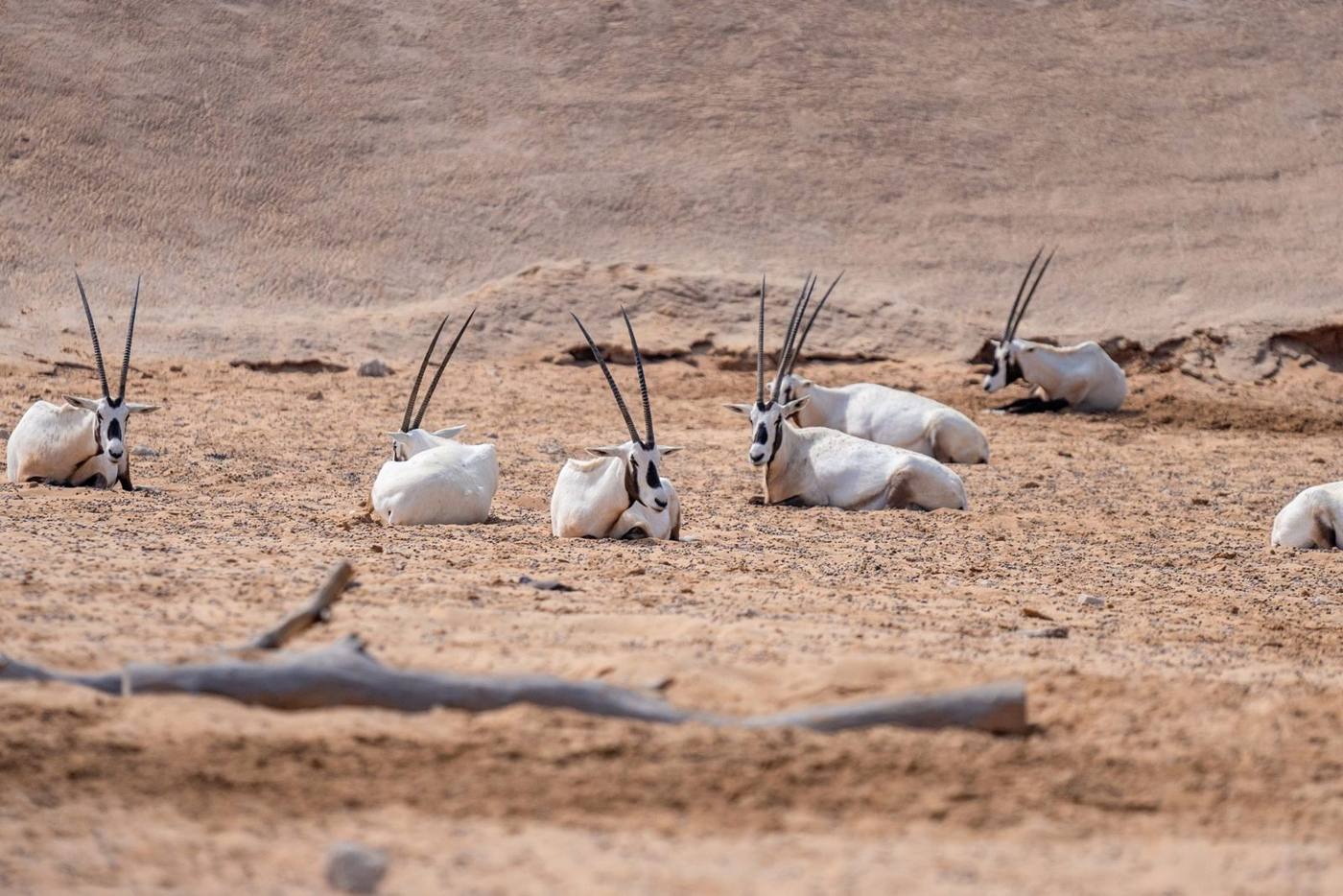 3 daysEasy
Sir Bani Yas
An island reserve in the Gulf with giraffes, cheetahs, Arabian oryx and gazelles roaming wild, a 7th-century Christian monastery and quiet beaches.
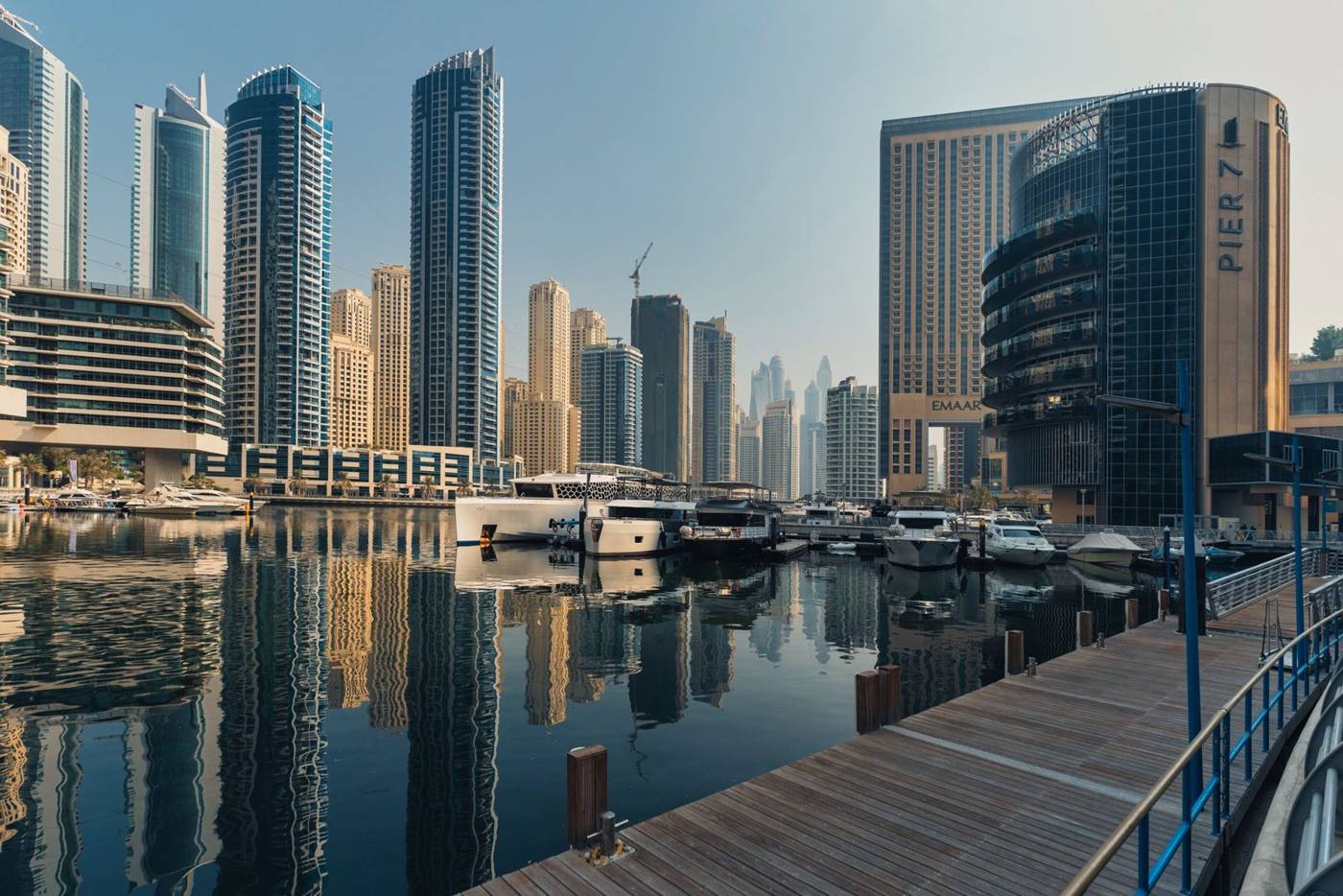 5 daysEasy
Dubai with children
An easy family holiday week: the Dubai Mall aquarium, water parks, the Museum of the Future, Green Planet, Jumeirah beaches and an evening in the desert.
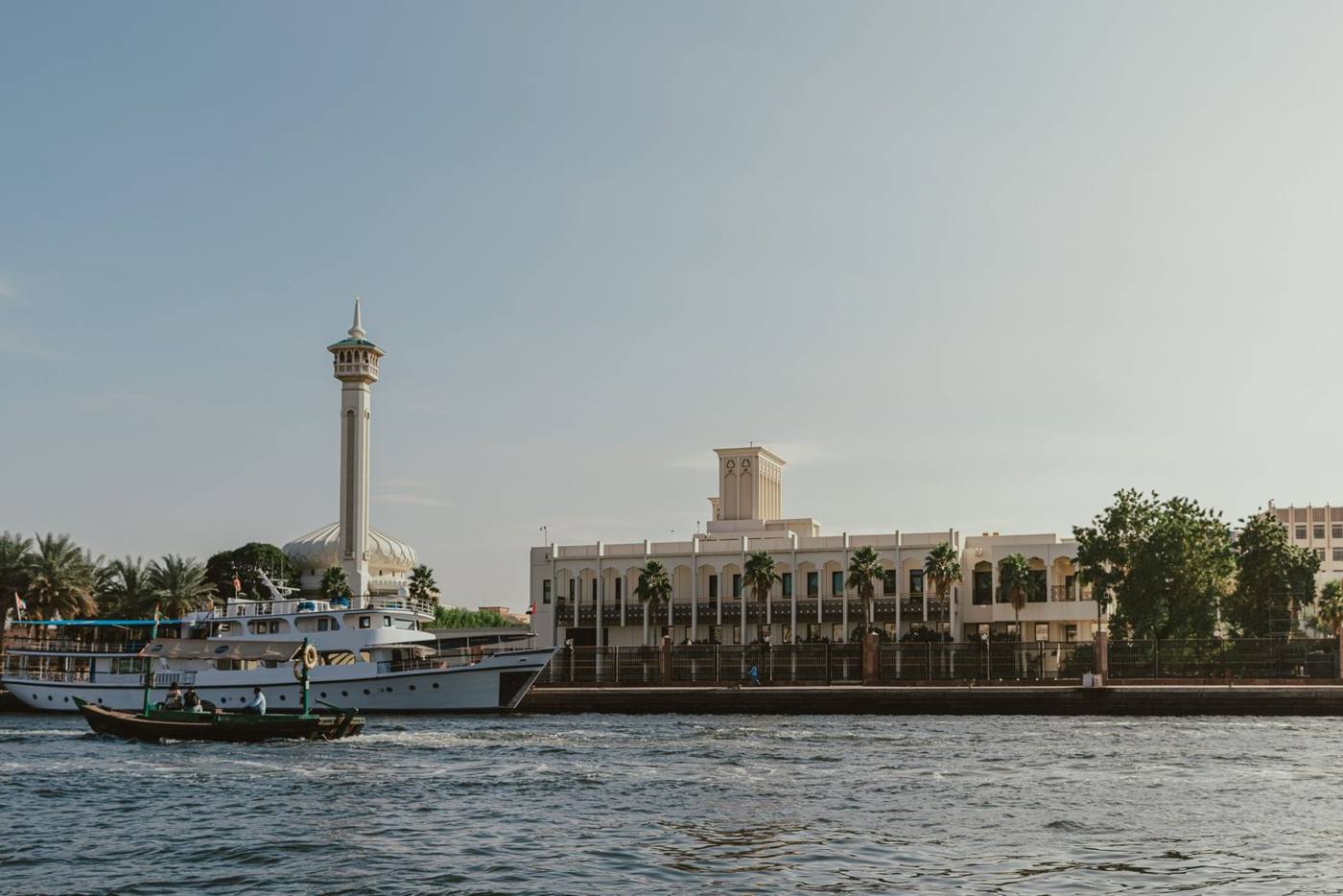 3 daysEasy
Historic Dubai and street food
Dubai's real side: Al Seef and Al Fahidi, the abra across the Creek, the Indian, Pakistani and Emirati eateries of Deira and Karama and the Deira fish market.