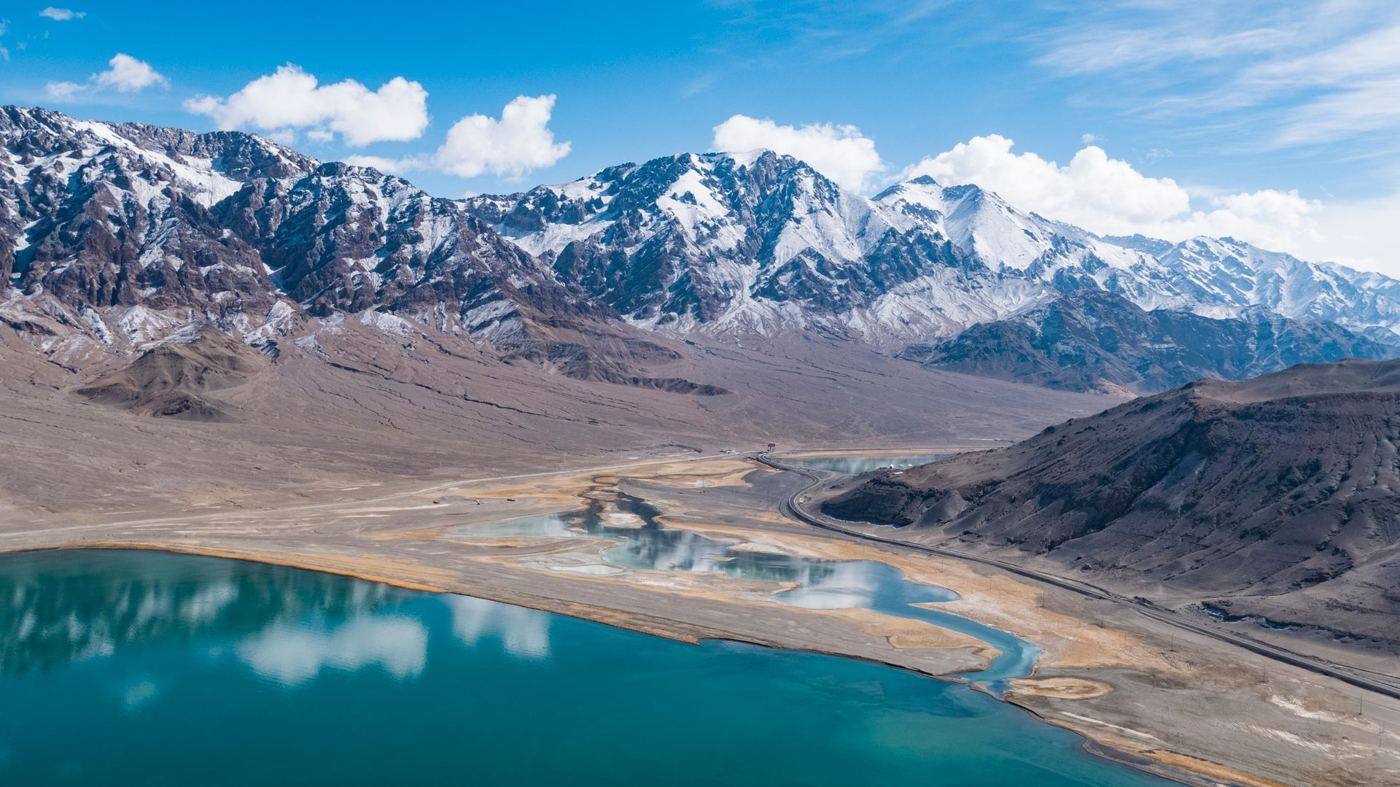
Murghab and Lake Zorkul
The eastern Pamir plateau above 3,600 metres, with the Kyrgyz yurts of Murghab, Marco Polo sheep and Lake Zorkul in its nature reserve.
- Murghab
- Alichur
- Zorkul
Day by day
- Day 1
Murghab, on the roof of the Pamirs
This five-day trip explores the eastern Pamir plateau, above 3,600 metres: the small town of Murghab, the yurts of the Kyrgyz herders of Alichur and Lake Zorkul, in a nature reserve where Marco Polo sheep live. It is one of the most remote places on Earth, with cold, high altitude and no rescue services nearby.
Before you go: Italian citizens can enter Tajikistan without a visa for tourism for up to 30 days, with a passport valid for at least six months. If you stay more than 10 working days without an e-visa you must register with the immigration office. For the Pamirs you also need a GBAO permit, and for Lake Zorkul a permit for the reserve. Other nationalities should check their own rules. Some areas on this trip are close to borders or places where the situation changes often: check your government's travel advice before booking and again before you leave. Travel with a local guide and driver, never go near the border and do not travel at night.
You reach Murghab along the Pamir Highway. The town, at about 3,600 metres, is the highest in the country and is home mainly to Kyrgyz people. The houses are low and white, with flat roofs, and around them stretches a wide, bare plateau ringed by mountains.
In the afternoon walk slowly through the bazaar, made of old metal containers, selling flour, meat, clothes, spare parts and Chinese food. Then rest.
Sleep in Murghab.
Practical tip: on your first day at this altitude move slowly, drink plenty and avoid alcohol. If your headache gets worse, tell your guide at once.
- Day 2
Alichur and the herders' yurts
Today you reach Alichur and spend a day with the herders of the plateau.
In the morning head west along the Pamir Highway, which crosses an immense landscape: wide valleys, lakes, yellow grassland and mountains in many colours, from grey to red. You cross a mountain pass and drop into the Alichur plain, at around 3,800 metres.
Alichur is a village of low houses scattered across the plain, where the wind blows almost all the time. Near the village visit the Ak-Balyk spring, a sacred spring with crystal-clear water, home to small fish that local people do not catch and consider sacred.
In the afternoon reach the summer pastures, where Kyrgyz families live in yurts, the large round felt tents, with yaks, sheep and horses. Step inside a yurt if you are invited: inside are colourful carpets, folded blankets and the stove in the centre. You are offered tea, bread and kaymak, thick cream, and sometimes kumys, fermented mare's milk.
Watch the women milking the yaks and the children rounding up the animals at sunset.
Sleep in a yurt near Alichur.
Practical tip: nights in the yurts are very cold even in summer. Bring a warm sleeping bag, a hat and woollen socks, and ask the family whether the stove can stay lit.
- Day 3
By 4x4 towards Lake Zorkul
Today you set off by 4x4 towards Lake Zorkul, one of the most isolated lakes in Central Asia.
In the morning check the permits with your guide: to enter the reserve you need the GBAO permit and the reserve permit, which are checked at the checkpoints. Always carry copies and your passport.
Then the 4x4 leaves the tarmac and follows dirt and gravel tracks across the plateau. The journey is long and slow, with fords, sandy stretches and climbs. You cross wide, empty valleys, with pastures, small lakes and rounded mountains, and you meet almost nobody.
Watch the landscape carefully: on the slopes you may see marmots near their burrows, herds of yaks and, with some luck and good binoculars, Marco Polo sheep, with their great spiral horns.
In the afternoon you arrive near the lake, at over 4,000 metres. Zorkul is long and narrow, deep blue, with snowy mountains behind it. The lake marks the border with Afghanistan: always stay on the Tajik side, with your guide, and do not approach the shore where it is not allowed.
The evening is very cold and the wind is strong. Eat something hot and go to bed early.
Sleep at the rangers' post or in a tent, as your guide advises.
Practical tip: carry food and water for at least one extra day, because a breakdown or a difficult ford can make the journey longer.
- Day 4
Lake Zorkul and the reserve
Today you spend a full day at Lake Zorkul.
Get up at dawn, when the wind is lighter and the light is soft. The lake reflects the mountains and the sky, and all around there is total silence. In this season many birds live on the shores, such as bar-headed geese, which migrate between Central Asia and India flying over the Himalaya, and other waterbirds.
With your guide walk along the permitted areas, slowly, without hurrying: you are above 4,000 metres and every step takes effort. Use binoculars to watch the animals from a distance, without disturbing them. The reserve is home to Marco Polo sheep, ibex and wolves, and to the snow leopard, very rare and almost impossible to see.
The lake is the source of the Pamir river, which further west joins the Wakhan Darya to form the Panj and then the Amu Darya, the great river of Central Asia. In the nineteenth century the British explorer John Wood came here and believed he had found one of the sources of the Oxus, the ancient name of the Amu Darya.
In the afternoon rest at the camp. If the sky is clear, go out in the evening to look at the stars: there are no lights here and the sky is packed with them.
Sleep at the rangers' post or in a tent.
Practical tip: leave no rubbish in the reserve and take it all back with you, including food scraps, which attract animals.
- Day 5
Back to Murghab
Today you return to Murghab, on a long day by 4x4.
Leave early, when the streams are lower and the morning light falls across the plateau. The 4x4 retraces the tracks through the reserve, then returns to the Pamir Highway. Stop for last photos of the lake and the valleys, and to watch once more the herds of yaks and the yurts scattered across the plain.
If you have time and your guide agrees, stop again at Alichur for tea with the family who hosted you, or by one of the lakes along the road.
In the afternoon you reach Murghab. Have a hot shower if you can, and rest. In the evening walk one last time through the container bazaar and watch the sunset over the mountains around the plateau.
In five days you have seen Murghab, the highest town in Tajikistan, the yurts of the Kyrgyz herders of Alichur, the sacred Ak-Balyk spring and Lake Zorkul in its nature reserve, with migrating birds and Marco Polo sheep.
When to go: from July to September, when the tracks are open and the herders are on their summer pastures. Even in summer nights can drop below freezing. From October to May it is extremely cold and many tracks are closed.
Practical tip: before leaving Murghab fill up with fuel and cash, because along the Pamir Highway petrol stations and cash machines are very rare.
One of the most remote places on Earth. Besides the GBAO permit, a Zorkul reserve permit is needed. High altitude, cold and no rescue nearby.
Before you go
- Documents and visa
- Passport valid for at least six months with two blank pages. Italian citizens can enter for tourism without a visa for up to 30 days; anyone staying more than 10 working days without an e-visa must register with the immigration office. Alternatively, you can apply for an e-visa on the official Ministry of Foreign Affairs portal at least two weeks ahead. For the Gorno-Badakhshan Autonomous Region, the Pamirs, you also need a GBAO permit, requested with the e-visa or from the Ministry of Foreign Affairs, which can be suspended at short notice.
- Health and vaccines
- Check vaccines with your doctor at least eight weeks before you leave. Medical care is generally poor, and outside Dushanbe almost absent: you need insurance that covers treatment and evacuation. Altitude sickness is a risk in the mountains. Drink bottled water and wash fruit and vegetables. Ambulance: 103 from a mobile.
- Money and payments
- Tajik somoni (TJS). Cash is essential; cards work only in some Dushanbe hotels and cash machines are rare outside the cities. Bring clean, new dollar or euro notes to change.
- Power sockets
- Type C and F, 220 volts: you need an adapter for British plugs.
- Time zone
- UTC+5 all year.
- Safety
- There have been cross-border attacks and armed clashes near the Afghan border in 2025 and 2026, including in Darvoz; the United States advises reconsidering travel near that border and in Gorno-Badakhshan. There is a risk of unrest in Khorog and some roads can be closed. On the Kyrgyz border, especially near Isfara and the Vorukh enclave, there have been clashes in the past: check the situation first. Near the Afghan and Uzbek borders there are marked and unmarked minefields, so never leave roads and marked paths. Do not photograph government or military buildings. Official advice: GOV.UK.
Information checked in November 2026 for Italian and EU citizens. Rules change: always check before you travel.
Variations
In three days: Murghab and Alichur with a night in a yurt, without Lake Zorkul.
In nine days: combine this trip with the Wakhan, coming up from Langar to Murghab along the Pamir Highway.
Frequently asked questions
Which permits do I need for Lake Zorkul?
You need the GBAO permit for the Pamir region and a permit for the Zorkul reserve. Ask your guide how to obtain them before you leave. Other nationalities should check their own rules.
Is the altitude a problem?
Yes, Murghab is at about 3,600 metres and Lake Zorkul is above 4,000. Climb gradually, drink plenty and tell your guide if you feel unwell. There are no hospitals nearby.
Will I see Marco Polo sheep?
Sometimes, from a distance, with good binoculars and a guide who knows the area. Do not approach or disturb the animals.
Indicative itinerary written by World Atlas. Before booking, check timetables, seasonal openings, documents and safety.
 4 daysModerate
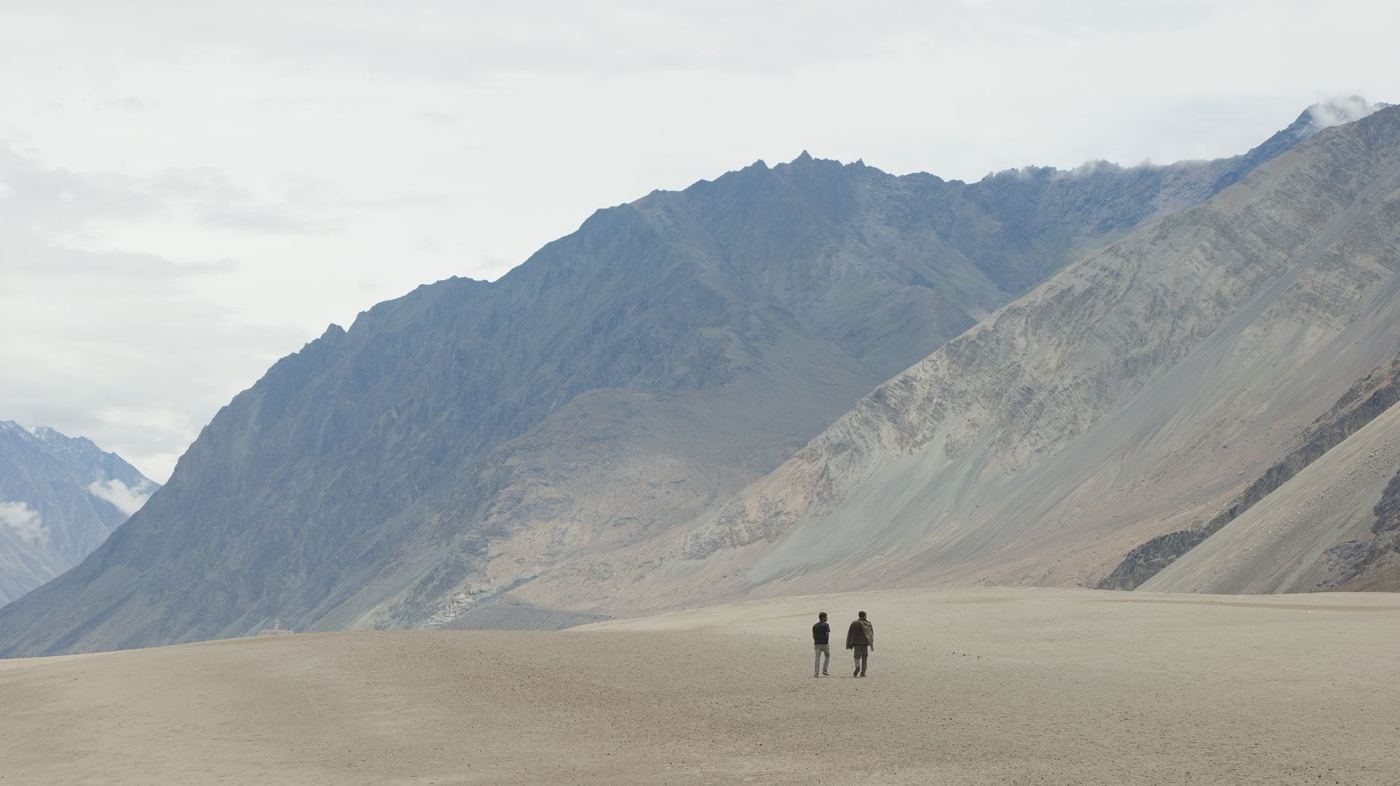
The Wakhan and its hot springs
The Wakhan valley at a slower pace: the fortresses of Yamchun and Khaakha, the Bibi Fatima and Garm Chashma hot springs, petroglyphs and views of the Hindu Kush.
 10 daysChallenging
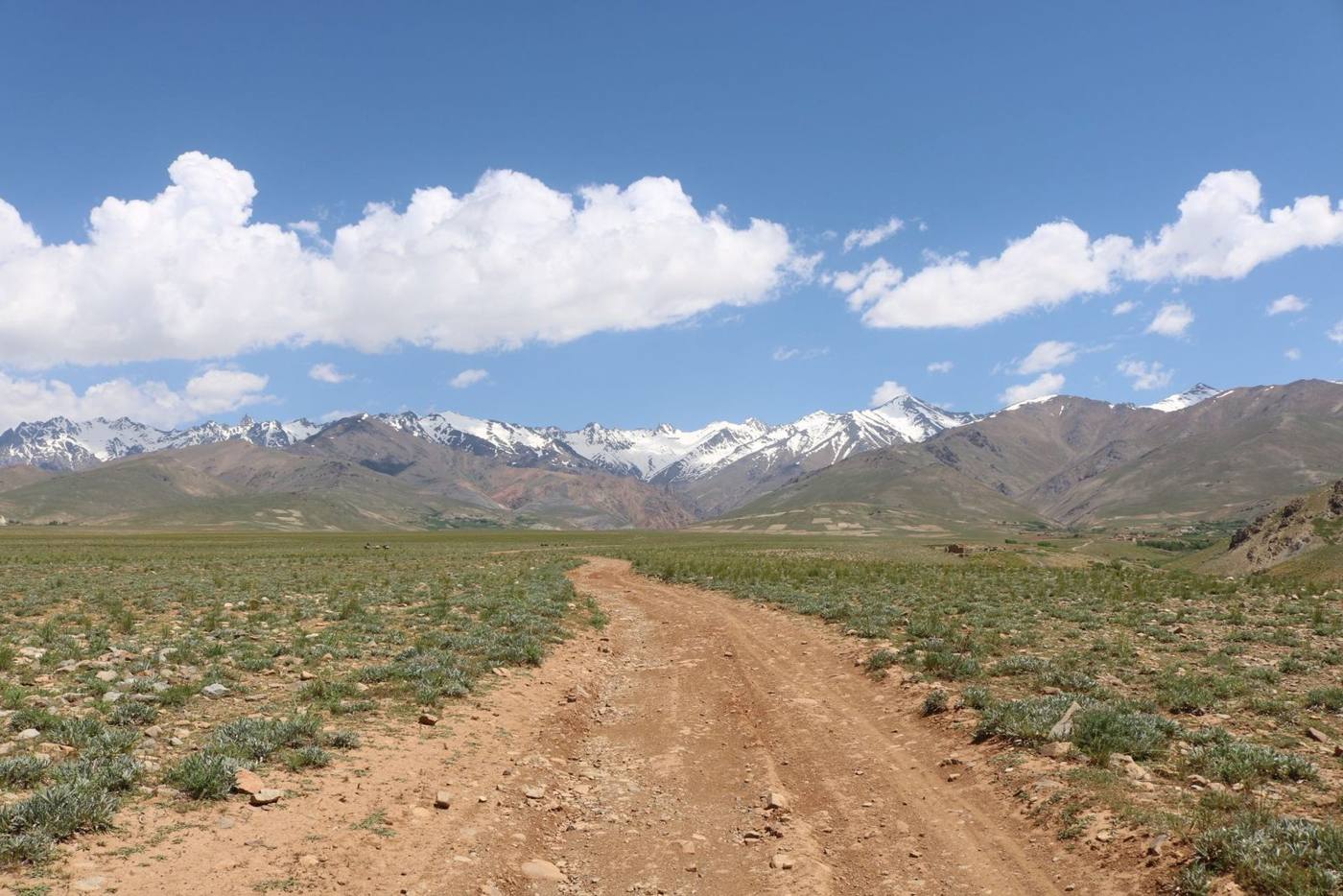
The Pamir Highway
One of the world's highest roads: from Dushanbe to Khorog, the Wakhan valley with Afghanistan across the river, Murghab and Lake Karakul, to Osh.
 6 daysModerate
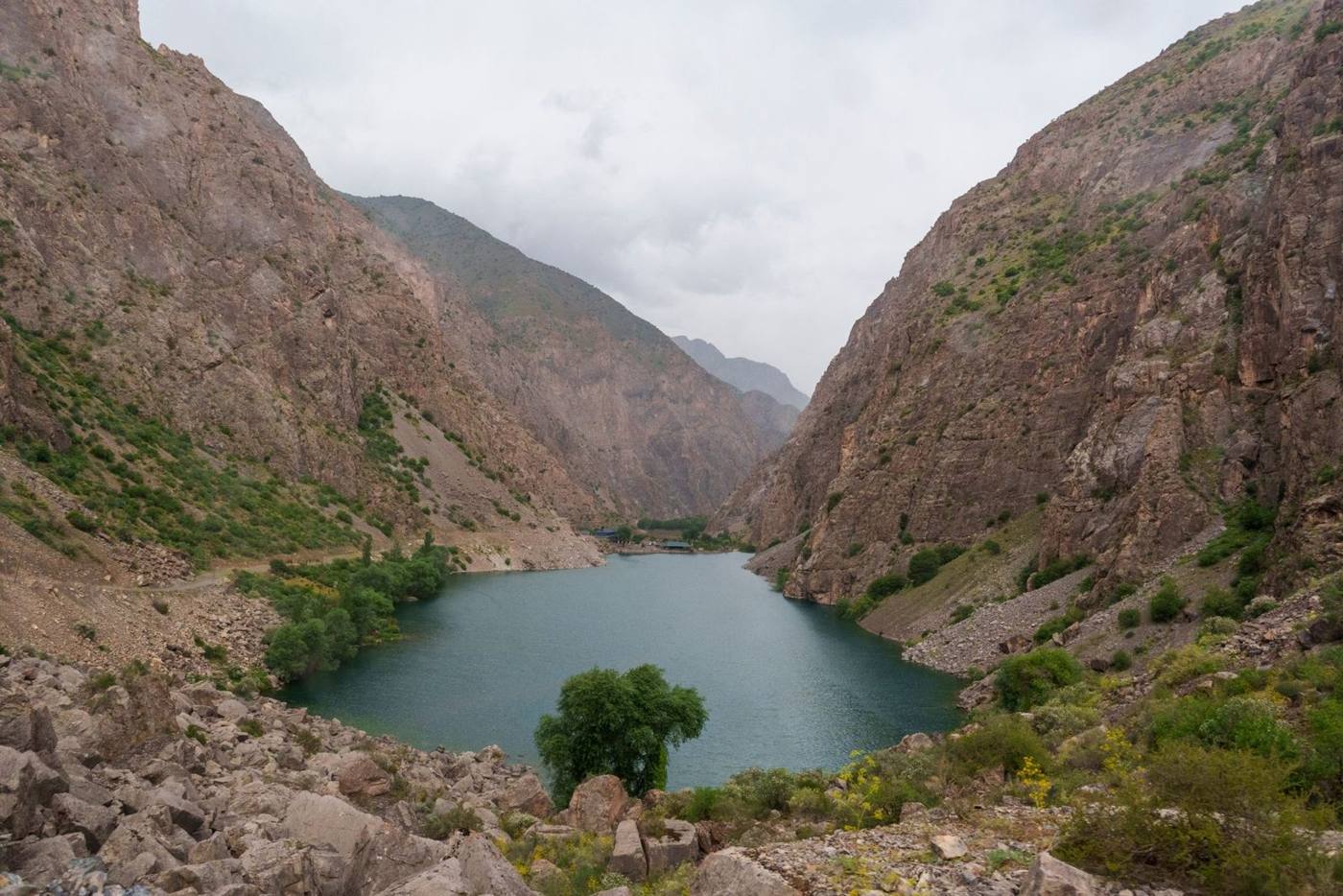
The Fann Mountains and Seven Lakes
The Seven Lakes of Marguzor, Iskanderkul lake and the trek to the Alauddin and Kulikalon lakes in the Fann Mountains, near Samarkand.