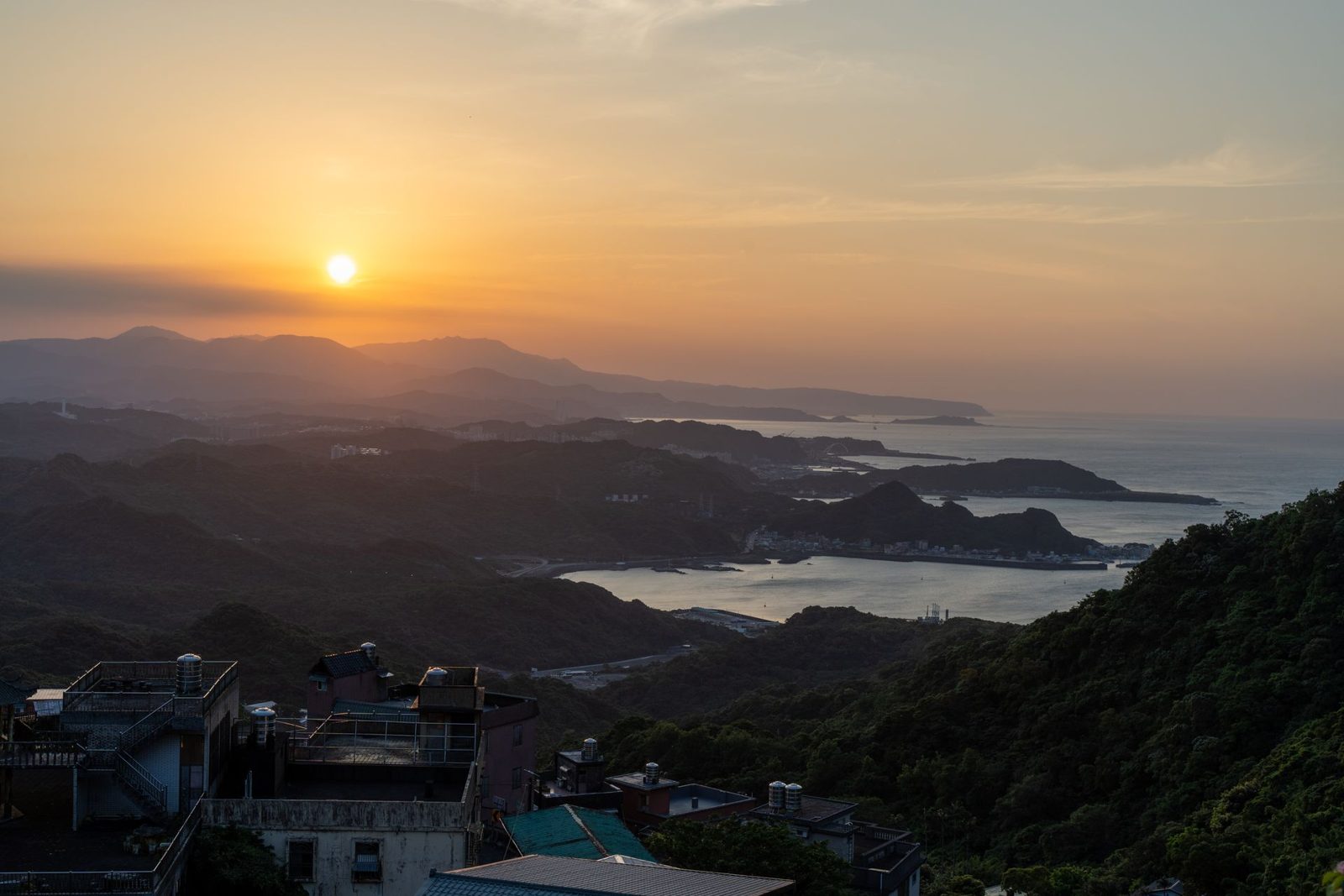
Taipei and around
The capital with the Beitou hot springs, Elephant Mountain, Maokong tea, the village of Jiufen and the lanterns of Shifen.
- Taipei
- Elephant Mountain
- Beitou
- Maokong
- Shifen
- Jiufen
Day by day
- Day 1
Chiang Kai-shek Memorial, Longshan Temple and Raohe market
This trip spends five days in and around Taipei: the capital with its temples, museums and night markets, the hot springs of Beitou, tea on the hills of Maokong, sunset from Elephant Mountain and trips to Shifen and Jiufen, in the mountains towards the north coast.
Before you go: Italian citizens need a passport valid for at least six months from the date of entry; the electronic identity card is not enough. They can stay up to 90 days without a visa. Within the three days before arrival, fill in the Taiwan Arrival Card online on the official immigration website: without it you cannot clear immigration. Other nationalities should check their own rules. Taipei is a very safe city; the risks are earthquakes and, from May to November, typhoons.
From Taoyuan airport you reach the centre on the airport metro in under an hour. Buy an EasyCard straight away: it works on the metro, buses, local trains and in convenience stores.
Start at the Chiang Kai-shek Memorial Hall, a large white square with the National Theater and Concert Hall on either side. In the main hall the guard changes every hour. The memorial tells the story of a central and controversial figure in Taiwan's history.
In the afternoon go to Longshan Temple, in the Wanhua district, founded in the eighteenth century. It is one of the liveliest temples in the city: people pray, throw wooden blocks to ask the gods for advice and bring offerings of flowers and fruit.
In the evening go to Raohe night market, along a single street, with Ciyou Temple at the entrance. Try the pepper buns baked in a clay oven, the ribs in herbal broth and the peanut sweets.
Practical tip: in the temple do not point at the statues with your finger and do not step on the thresholds.
- Day 2
The National Palace Museum and the Beitou hot springs
In the morning go to the National Palace Museum, one of the most important museums of Chinese art in the world. Its collections come from the Forbidden City in Beijing and were brought to Taiwan at the end of the civil war. There are ancient bronzes, porcelain, paintings, calligraphy and jade objects. Among the most famous pieces are the jadeite cabbage and the meat-shaped stone, often on display but sometimes on loan. Check prices and times.
Allow at least three hours. Take the audio guide or a guided tour: it helps a lot in understanding the objects.
In the afternoon take the metro to Beitou, the hot spring district, in the hills north of the city. Visit the hot spring museum, in an old Japanese-era public bathhouse with wood and stained glass, and Thermal Valley, a green pond from which steam rises off boiling water. Nearby is also the Beitou public library, an eco-friendly wooden building in the middle of the park.
Then have a bath: there are open-air public pools by the river, simple and much loved by older people, and many hot spring houses with private rooms.
In the evening go back to the centre and have dinner in one of the lanes of Zhongshan or Da'an.
Practical tip: in the public pools of Beitou you need a swimsuit. Shower before getting in and do not put your head under the water.
- Day 3
The Maokong gondola and sunset from Elephant Mountain
In the morning take the metro to the zoo station and then the Maokong gondola, which climbs into the hills south of the city above the forests. The glass-bottomed cabins let you see the trees beneath your feet. The gondola usually closes one day a week for maintenance and in strong wind: check prices and times.
Maokong is Taipei's tea area. On the hills there are plantations and teahouses, with terraces and views over the city. The main tea grown here is tieguanyin, a roasted oolong with a full flavour. Sit down, order a tea and watch the staff prepare it in the traditional way, with small teapots and cups. Then walk one of the paths between the plantations.
In the afternoon go down and see the Taipei 101 skyscraper, for some years the tallest in the world. You can go up to the observatory or simply walk around the Xinyi district, among shopping centres and squares.
Towards sunset climb Elephant Mountain, a few minutes from the metro. It is a steep staircase of about half an hour through the forest, up to rocks and terraces from which you can see the whole city, with Taipei 101 in front of you. Stay until the lights come on.
Practical tip: bring water and a torch for the descent from Elephant Mountain. The steps are only partly lit and in summer the humidity is intense.
- Day 4
Shifen and its lanterns, and Jiufen
Today you leave the city for the mountains of the north-east. Take the train to Ruifang and then the little train on the Pingxi line, which climbs along a narrow valley between forest and old coal mines.
Get off at Shifen, a village where the tracks run right through the middle of the street, between houses and stalls. Here people write their wishes on paper lanterns and release them into the sky from the railway. The lanterns leave litter in nature: if you want to take part, choose the spots that collect the remains. Then walk to Shifen waterfall, wide and noisy, about twenty minutes away on foot.
In the early afternoon take a bus or taxi to Jiufen, an old gold-prospecting village built on the side of the mountain, with views of the sea. Its narrow, covered lanes, full of teahouses, red lanterns and stairways, are among the most famous images of Taiwan.
Also visit the Jinguashi Gold Museum, a few minutes away, in the old mines, where you can go into a tunnel. Check prices and times.
Stay in Jiufen until evening: when the lanterns light up and the tour groups leave, the village becomes quieter. Then return to Taipei by bus.
Practical tip: Jiufen is extremely crowded in the afternoon. Arrive early in the morning or stay after sunset, and avoid weekends.
- Day 5
Dadaocheng and departure
On the last day, before leaving, stroll through the Dadaocheng district, Taipei's oldest trading port, on the Tamsui river. On Dihua Street there are brick houses from the nineteenth century and the Japanese era, with shops selling medicinal herbs, dried mushrooms, tea and fabrics. Here too is Xiahai Temple, dedicated to the city's protector god, where many ask the god of marriage to help them find their soulmate.
If you have time, go to the Dadaocheng riverside, with its pier and views of the bridges, or have a last Taiwanese breakfast of hot soy milk, fried dough sticks and rolled omelettes in one of the neighbourhood places.
Then go back to Taoyuan airport by metro, allowing about an hour.
In short, in five days you see the Taipei of temples and memorials, the treasures of the National Palace Museum, the hot springs of Beitou, the tea of Maokong, the view from Elephant Mountain and the mountain villages of Shifen and Jiufen. It is one of the best cities in the world for street food, safe and easy to get around by metro. When to go: from October to April, with milder temperatures and less rain. In summer it is very hot and humid, it often rains in the afternoon and typhoons can arrive; in winter the sky is often grey.
Practical tip: in the last few days top up your EasyCard only with what you need. You can spend the remaining credit in the airport convenience stores before you leave.
One of the world's best cities for street food. Jiufen is packed in the afternoon: go early morning or after sunset. The EasyCard works for metro, buses and local trains.
Before you go
- Documents and visa
- Passport valid for at least six months from the date of entry. British citizens can visit without a visa for up to 90 days, which can be extended by a further 90 days after arrival. Since 1 October 2025 the online Taiwan Arrival Card is compulsory: submit it within three days before arrival on the official National Immigration Agency website (twac.immigration.gov.tw), or you cannot clear immigration.
- Health and vaccines
- No vaccinations required. Healthcare is excellent; you still need insurance covering medical costs. In summer there are dengue outbreaks in the south: use repellent. Drink bottled or boiled water. Emergencies: 119 ambulance and fire, 110 police.
- Money and payments
- New Taiwan dollar. Cards work in cities, hotels and large shops; night markets, temples and the countryside need cash. Convenience store cash machines accept foreign cards. The rechargeable EasyCard works on the metro, buses, local trains and for small purchases.
- Power sockets
- Type A and B, 110 volts: you need an adapter for British plugs; phone and laptop chargers work, but hair dryers and straighteners often do not.
- Time zone
- UTC+8 all year, eight hours ahead of the UK in winter, seven in summer.
- Safety
- Taiwan is very safe and the United States rates it level 1, the lowest. The main risks are natural: earthquakes, and typhoons from May to November that cause landslides and close mountain roads, especially in the centre and south. Since the 2024 earthquake Taroko National Park has been only partly open. Relations with mainland China are tense and military exercises sometimes take place in the strait: follow local news. Official advice: GOV.UK.
Information checked in November 2026 for Italian and EU citizens. Rules change: always check before you travel.
Variations
In 3 days: Taipei with the National Palace Museum, Beitou and Elephant Mountain, and a day in Jiufen.
In 7 days: add two days in Yilan, with the Jiaoxi hot springs and the port of Nanfang'ao.
Frequently asked questions
Do I need a car in Taipei?
No. The metro is fast, clean and easy to use, and trains and buses reach Beitou, Maokong, Shifen and Jiufen. An EasyCard is all you need.
Is the National Palace Museum worth visiting?
Yes, it is one of the most important collections of Chinese art in the world. Allow at least three hours and take the audio guide.
When is the best time to visit Jiufen?
Early in the morning or after sunset, on weekdays. In the afternoon and at weekends the lanes are full of tour groups.
Indicative itinerary written by World Atlas. Before booking, check timetables, seasonal openings, documents and safety.
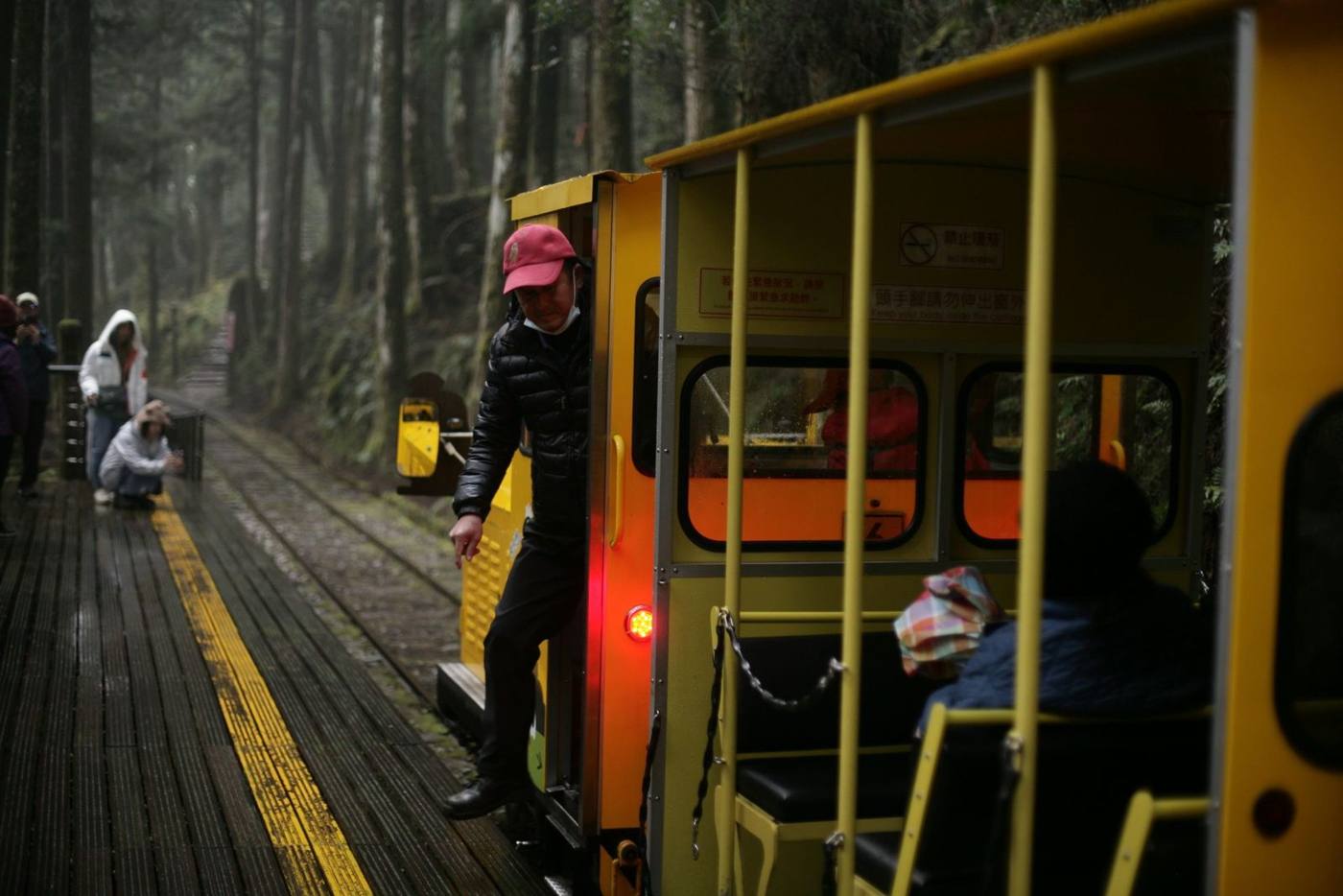 5 daysModerate
Alishan and Yushan
The Alishan forest railway, sunrise over the sea of clouds, high-mountain tea gardens and the climb of Yushan, the highest mountain in East Asia.
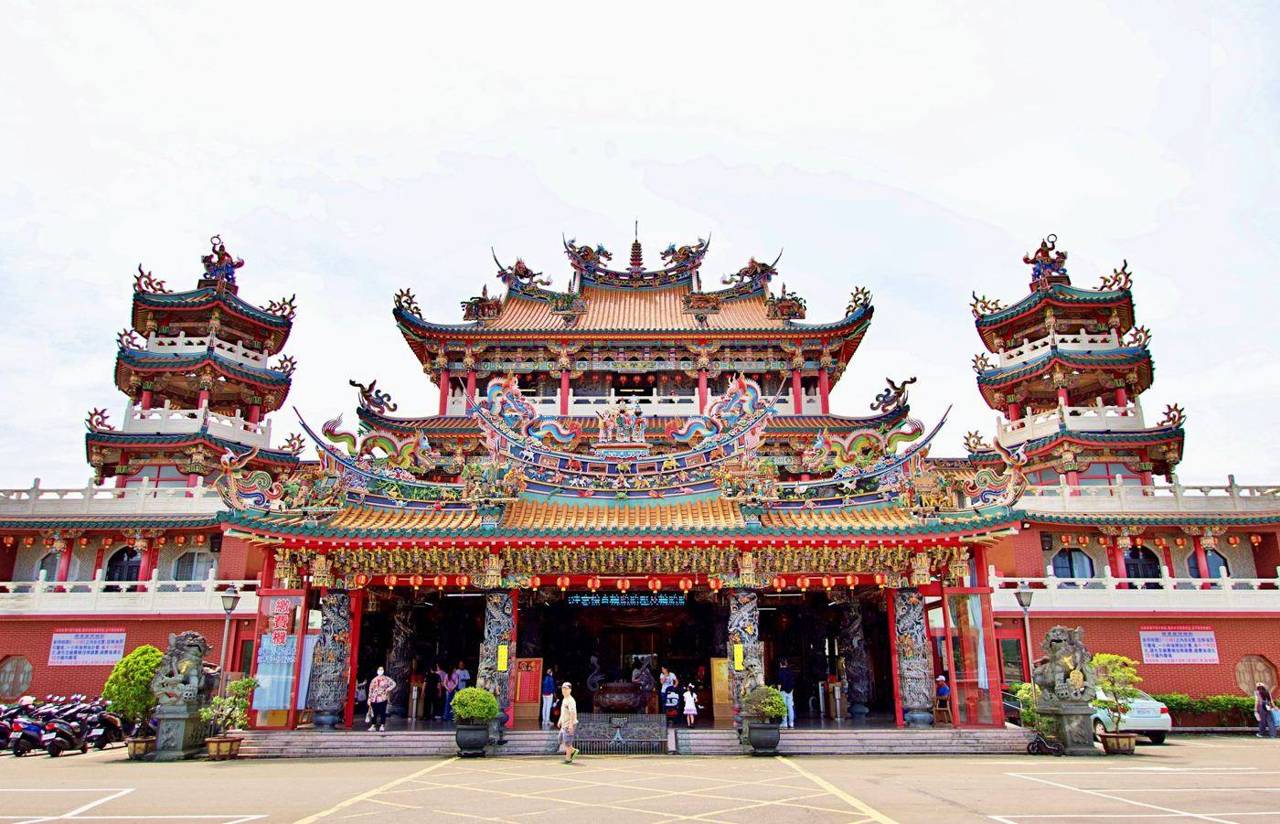 4 daysEasy
Tainan and Kaohsiung
Southern Taiwan: Tainan, the oldest city with its temples and street food, and Kaohsiung with its harbour, the Pier-2 art district and Lotus Pond.
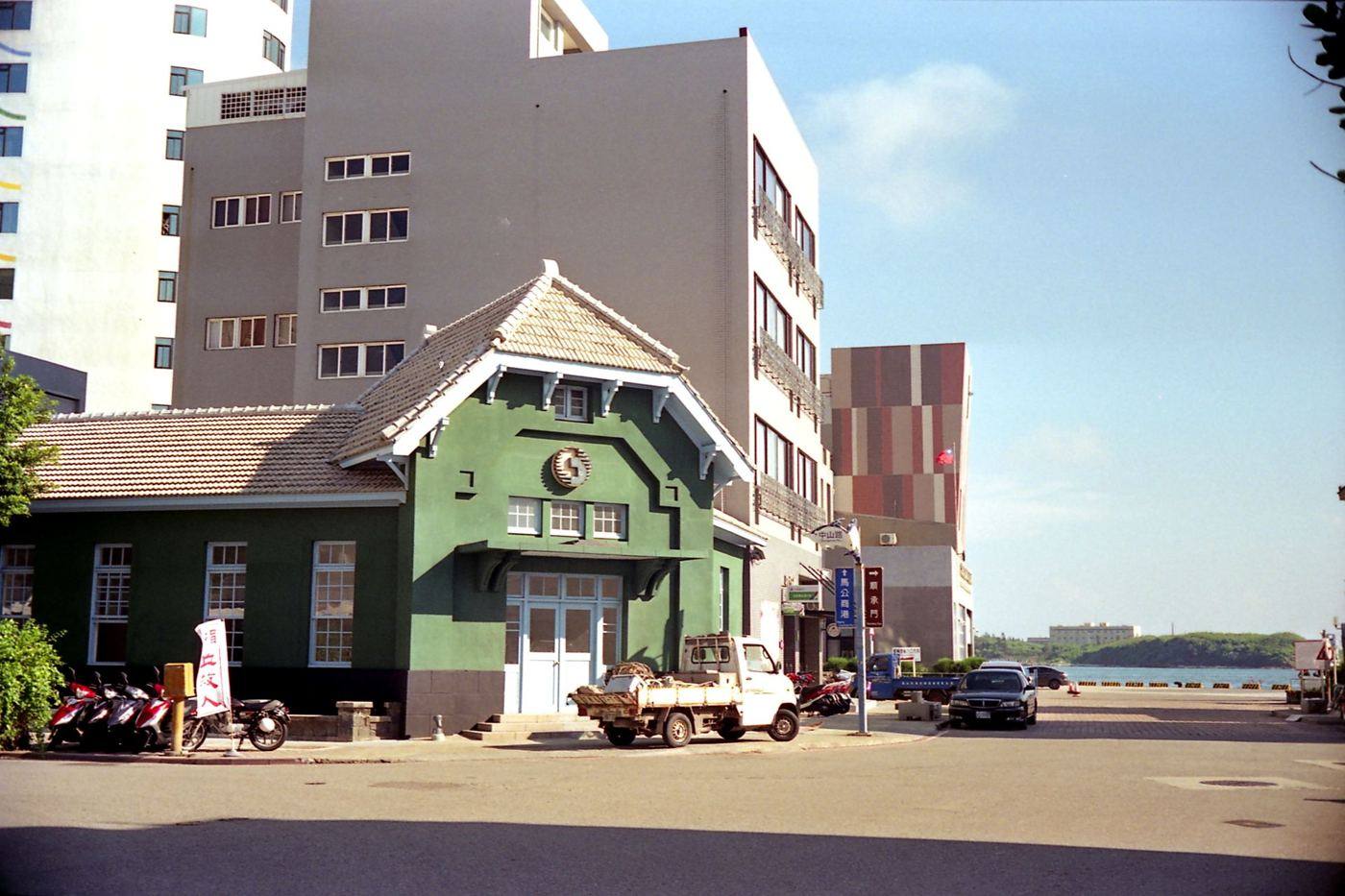 4 daysEasy
The Penghu islands
The archipelago in the Taiwan Strait with basalt columns, the heart-shaped fish traps of Qimei, coral-stone villages and white-sand beaches.