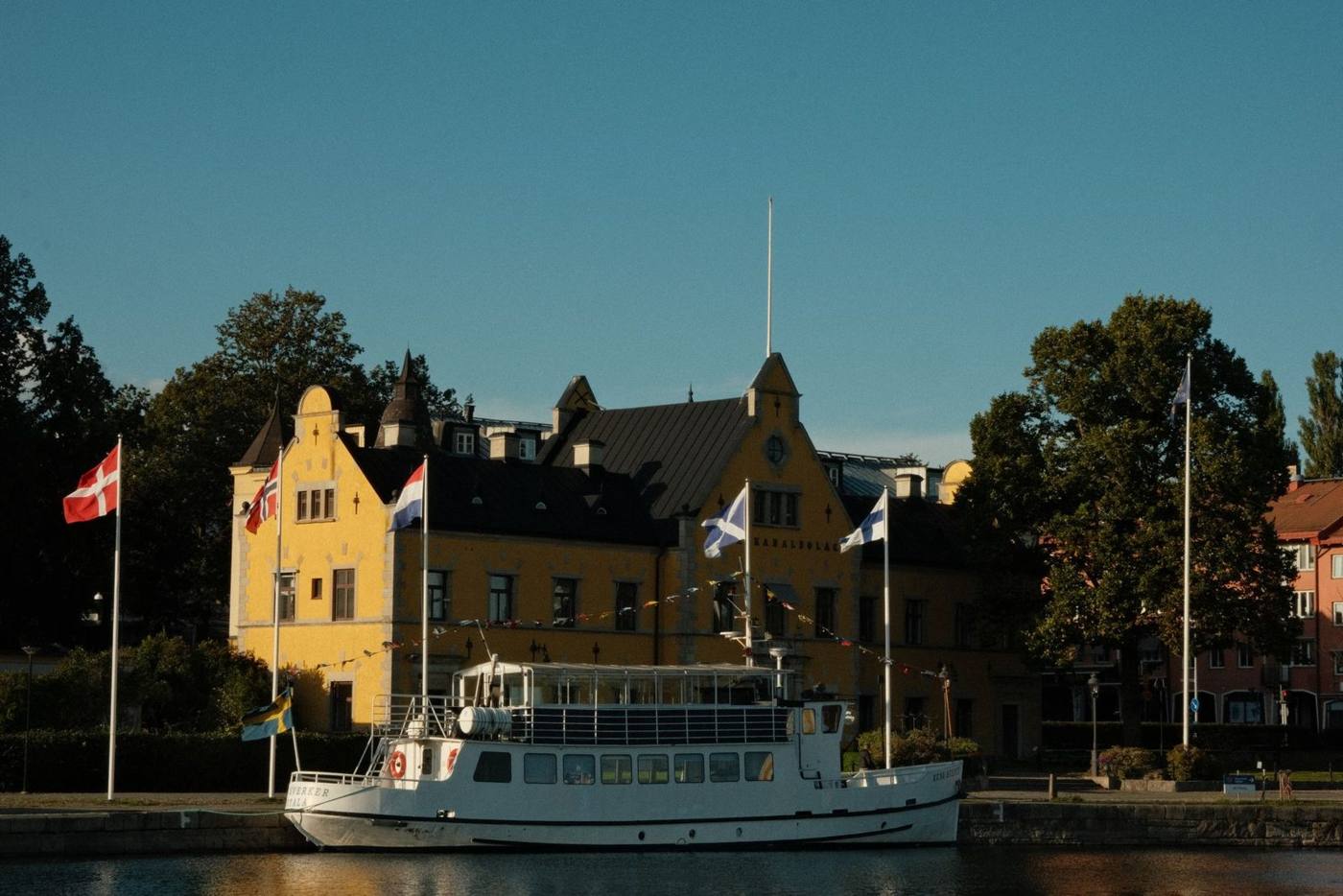
The Göta Canal
Cycling the Göta Canal towpath past the Berg locks, Lake Vättern, Vadstena abbey and Läckö castle on Lake Vänern.
- Berg
- Borensberg
- Motala
- Vadstena
- Karlsborg
- Läckö
Day by day
- Day 1
The locks of Berg
This trip follows the Göta Canal, the great waterway that crosses central Sweden between the Baltic and Lake Vänern. You start at the locks of Berg, cycle along the towpath to Borensberg and Motala, visit Vadstena on Lake Vättern, then Karlsborg and finally Läckö Castle on Lake Vänern.
Before you go: Italian citizens can enter Sweden with a valid electronic identity card or passport, without a visa. Other nationalities should check their own rules. Sweden has reintroduced border checks: always carry your document. Almost everything here is paid by card, even small purchases. In summer the meadows along the canal have ticks: use repellent and check yourself in the evening.
The canal, about 190 kilometres long, was dug by hand in the early decades of the nineteenth century, mostly by soldiers, and opened in 1832. It has 58 locks, almost all still worked by lock keepers today.
Head to Berg, near Linköping, reachable by bus or taxi from the station. Here is the most spectacular stretch: a staircase of seven locks one after another, followed by more locks that lift boats up from Lake Roxen. Sit on the grass and watch the sailing boats and historic steamers climb slowly while the keepers open and close the gates.
In the afternoon, pick up your hire bike and take a first ride on the towpath, the flat service road beside the canal.
Practical tip: book your bike and accommodation along the canal before you go; in summer places are limited and many services close out of season.
- Day 2
By bike to Motala
Today you cycle west along the towpath to Motala, on Lake Vättern. The stage is about forty kilometres, almost entirely flat, on packed gravel or tarmac. The canal runs between fields, birch woods and small villages, with swing bridges and lock keepers' cottages painted red.
The first stop is Borensberg, where the canal leaves Lake Boren. Here there is a lock with a swing bridge, one of the most photographed spots on the canal. Stop to watch the boats go through and take a break by the lake.
Then follow the shore of Lake Boren, with meadows and fruit trees, and reach the Borenshult locks, the last climb before Motala.
Motala is the canal town. This is where the great works stood that built the lock gates and the engines for the boats. Near the canal lies Baltzar von Platen, the man behind the project, in a tomb beside the water. Visit the canal museum, which tells the story of the works and the life of the soldier diggers. Check prices and times.
In the evening, walk along the Motala lakefront and look out over the Vättern, Sweden's second-largest lake, so wide it looks like a sea.
Practical tip: boats have priority at the swing bridges, so allow for some waiting; carry a spare inner tube and a small pump, because bike workshops are rare along the towpath.
- Day 3
Vadstena, the castle and St Bridget's Abbey
Today you cycle from Motala to Vadstena, about fifteen kilometres along the eastern shore of Lake Vättern, through open fields and small farms.
Vadstena is a quiet, well-preserved little town, with wooden houses, gardens and a harbour on the lake. The first monument is Vadstena Castle, built by King Gustav Vasa in the mid-sixteenth century to defend the region. It is surrounded by a moat and faces the water, with Renaissance halls and exhibitions. Check prices and times.
Then walk to the abbey of St Bridget, the Swedish saint who is a patron of Europe. Bridget founded the Bridgettine order here in the fourteenth century, and Vadstena became one of the great religious centres of the north. Visit the abbey church, called the Blue Church for the colour of its stone, tall and austere, with the saint's relics and medieval works. Next to it are the convent buildings and a museum. Check prices and times.
In the afternoon, stroll through the lanes of the centre, with the old merchants' houses. Vadstena was also famous for bobbin lace, made by hand by the town's women, which you can still see in a few workshops. Then go down to the harbour for a swim in the lake, weather permitting. The water of the Vättern is very clean but cool even in summer.
In the evening, watch the sunset over the lake from the beach near the castle.
Practical tip: Vadstena is easy to explore on foot; leave the bike at your accommodation and use it only for the onward ride or to reach the beaches.
- Day 4
Karlsborg and Lake Vättern
Today you cross Lake Vättern to reach Karlsborg, on the west shore. The canal has no land route across the lake, because boats sail straight over it. The nicest way is the boat that runs on some routes in summer: check the times and whether it takes bikes. Otherwise you go round the lake by train or car, which takes longer.
Karlsborg is dominated by a vast nineteenth-century fortress, built over almost a century as a refuge for the government and the treasury in case of war. Inside the walls there is still a military area. Visit the fortress museum and join a guided tour of the walls and the underground passages. Check prices and times.
In the afternoon, get back on the bike along the towpath heading west, to Forsvik. Here is the oldest lock on the canal and an old industrial site by the waterfall, with mills and workshops. The route runs through woods and small lakes, the wildest stretch of the canal.
If you have time left, walk along the Karlsborg lakefront and look at the ramparts from outside: at sunset the stone takes on a warm colour.
In the evening, return to Karlsborg or stay along the canal, in one of the lock keepers' cottages turned into accommodation or at a campsite.
Practical tip: the Vättern is known for sudden changes in the weather and for high waves; if the boat does not sail because of the wind, have an overland alternative ready.
- Day 5
Läckö Castle and the way home
On the last day you reach Lake Vänern, the largest in Sweden. From Karlsborg, travel by car or public transport to Lidköping and then to the Kållandsö peninsula, about twenty kilometres north.
At the tip of the peninsula, on the water, stands Läckö Castle, a large white baroque palace. It began as a medieval fortress but took its present shape in the seventeenth century under Count Magnus Gabriel De la Gardie, one of the most powerful men in Sweden. Visit the decorated halls, the painted ceilings and the garden, with flowers, vegetable beds and herbs. In summer there are exhibitions and performances. Check prices and times.
After the visit, walk along the shore or over the smooth rocks of the Vänern archipelago, with islets and pine woods. Near the castle there is a visitor centre about the nature of the lake.
In the afternoon, take the train from Lidköping back towards Gothenburg or Stockholm.
In these five days you have seen the lock staircase at Berg, the towpath to Borensberg and Motala, the castle and abbey of Vadstena, Karlsborg fortress and the lock at Forsvik, and the baroque castle of Läckö on Lake Vänern.
When to go: from June to August, when the locks are open and the boats are running. July is the liveliest month. In May and September the canal is calmer, but some services have shorter hours; out of season the locks and many places to stay close.
Practical tip: if you do not want to return the bike to where you hired it, choose a rental that offers collection at the end of the route.
A slow, easy trip suitable for everyone. Historic canal cruises take four to six days and are expensive; the bike is the alternative. Out of season the locks and many lodgings close.
Before you go
- Documents and visa
- EU citizens need a valid identity card or passport: Sweden is in the EU and the Schengen area. Sweden has reintroduced border checks, so carry your document on trains and ferries too. Other nationalities should check the Schengen rules and the Entry/Exit System.
- Health and vaccines
- Excellent healthcare. EU citizens should bring their EHIC, plus insurance covering medical costs and repatriation. In summer, meadows and woods may have ticks that carry Lyme disease and tick-borne encephalitis, especially around Stockholm, the archipelago and Lake Mälaren: ask your doctor about the vaccine. In summer in the north, bring mosquito repellent. Emergencies: 112.
- Money and payments
- Swedish krona. Cards are accepted almost everywhere, even for tiny amounts, and many shops, buses and public toilets do not take cash. Sweden is expensive, especially in the cities and the mountains.
- Power sockets
- Types C and F, 230 volts.
- Time zone
- Central European Time (UTC+1, summer UTC+2).
- Safety
- The national terrorism threat level is raised. Some suburbs of Stockholm, Malmö and Gothenburg are affected by organised crime; in Stockholm theft is common in bars and on public transport. Bags may be banned at large concerts, festivals and sports events. The drink-drive limit is very low and headlights must be on during the day. Official advice: GOV.UK.
Information checked in November 2026 for Italian and EU citizens. Rules change: always check before you travel.
Variations
In 3 days: Berg, the towpath to Motala and Vadstena.
In 8 days: cycle the whole canal from Söderköping, on the Baltic, to Sjötorp, on Lake Vänern.
Frequently asked questions
Do I need to be fit?
No. The towpath is almost entirely flat and the stages are short. You just need to be able to cycle for a few hours a day. Families with children ride it too.
Cruise or bike?
The historic cruises last several days and are expensive, but they are comfortable and charming. The bike is cheaper and gives more freedom. You can also combine them with a stretch by boat.
When are the locks open?
The locks work only in the boating season, roughly from May to September, with full service in summer. Check the dates on the canal's official website.
Indicative itinerary written by World Atlas. Before booking, check timetables, seasonal openings, documents and safety.
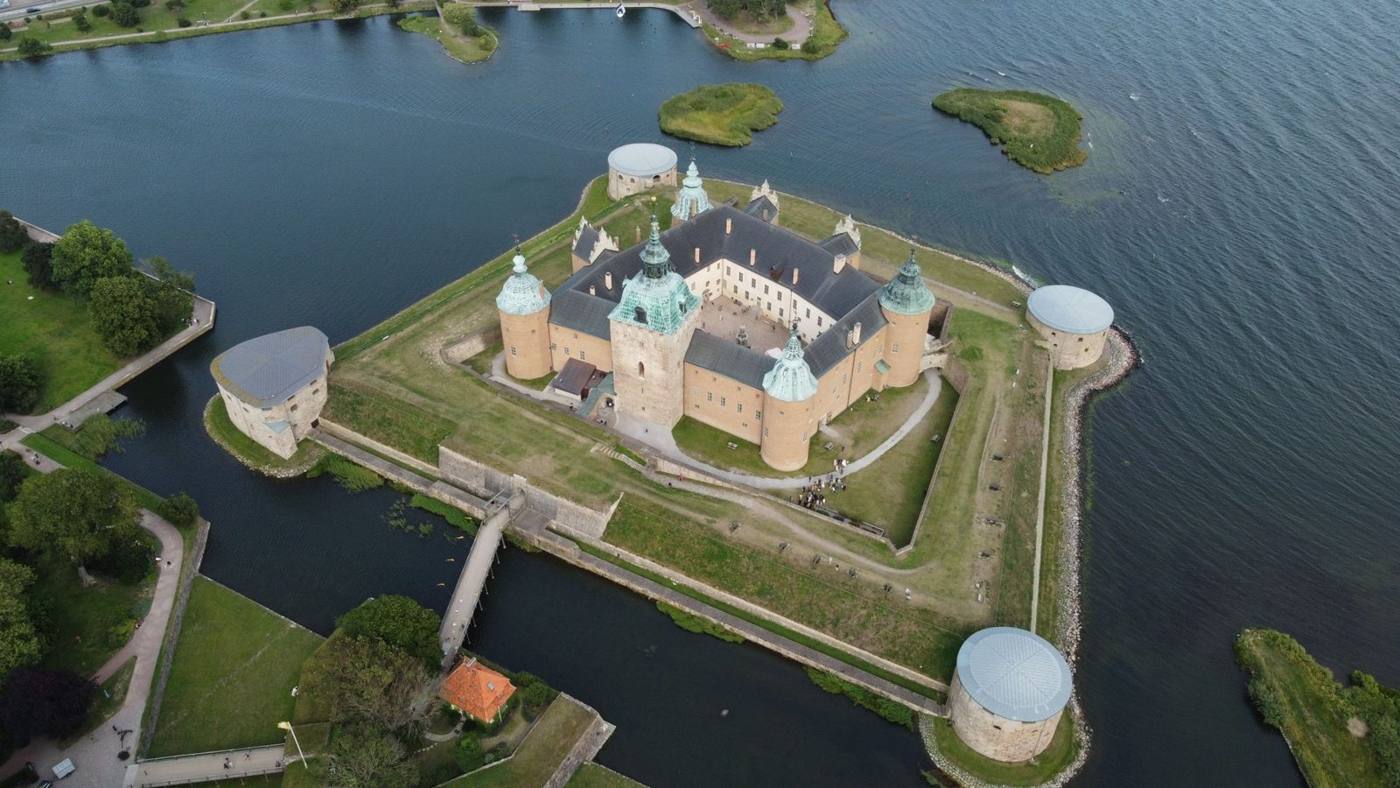 4 daysEasy
Kalmar and Öland
Kalmar castle, the bridge to Öland, the UNESCO limestone plain of Stora Alvaret, windmills, Eketorp fortress and Långe Jan lighthouse.
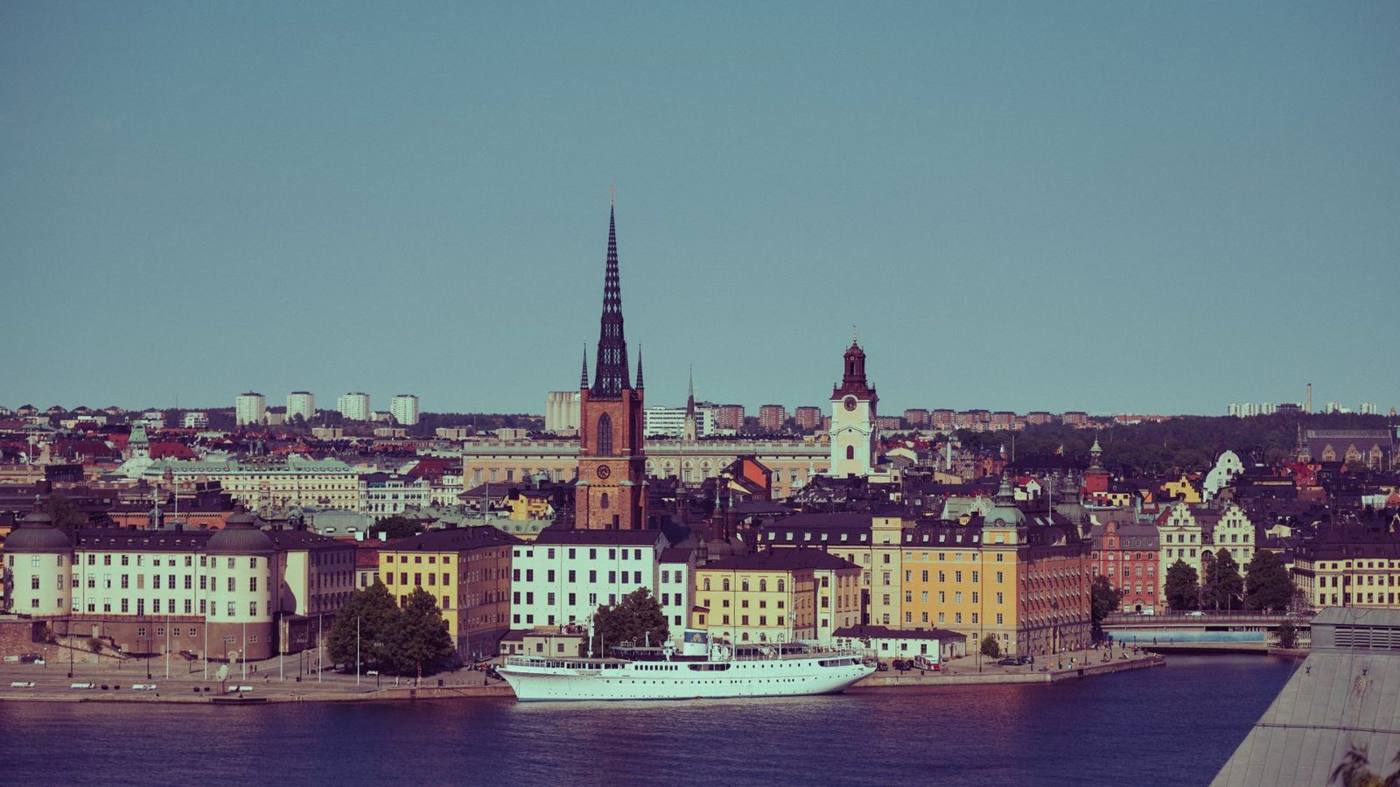 5 daysEasy
Stockholm and the archipelago
Gamla stan, the Vasa Museum, Skansen and Djurgården, then by boat among the archipelago islands to Sandhamn or Vaxholm.
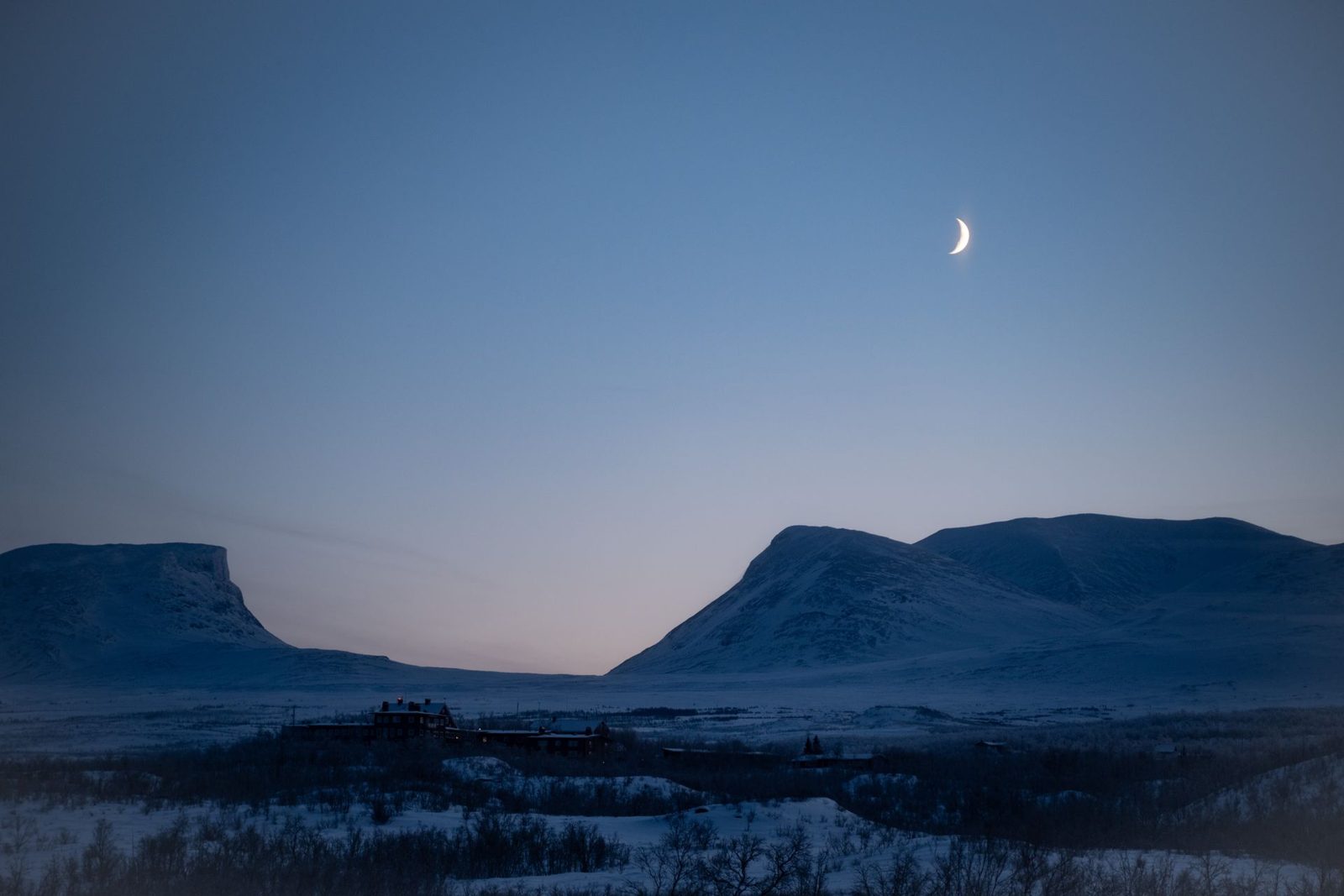 6 daysModerate
Swedish Lapland
Kiruna, the Icehotel at Jukkasjärvi, dog sledding, the northern lights from Abisko's Aurora Sky Station and Sami culture.