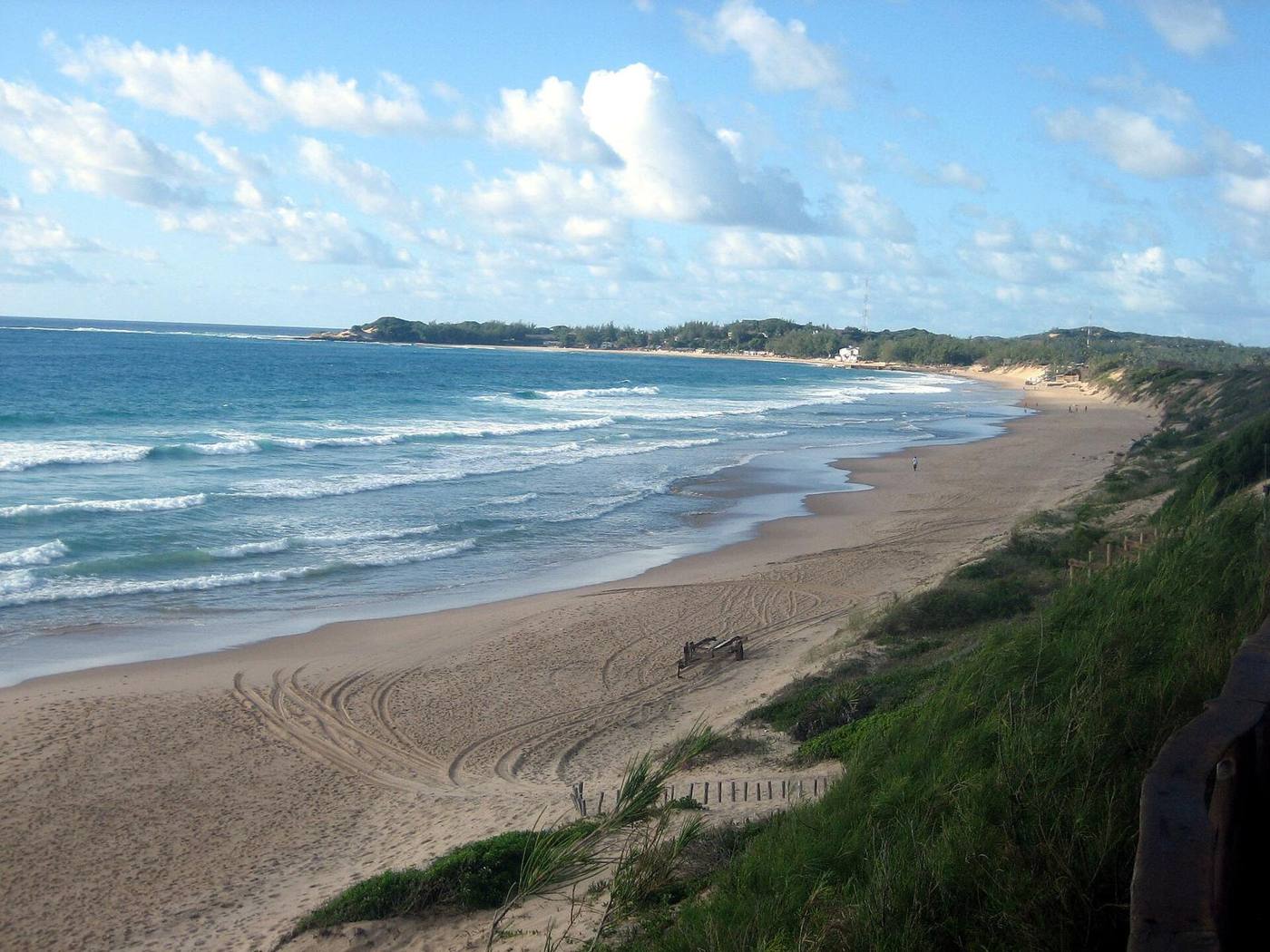
Kruger and the islands of Mozambique
A Kruger safari and then across the border to the Indian Ocean: the Bazaruto archipelago, the whale sharks of Tofo and the beaches of Xai-Xai.
- Johannesburg
- Kruger
- Maputo
- Xai-Xai
- Tofo
- Vilanculos
- Bazaruto
Day by day
- Day 1
Arrival in Johannesburg
This trip combines a safari in Kruger National Park with the tropical sea of Mozambique: four days in Kruger from north to south, then across the border to Maputo, the beaches of Xai-Xai, the manta rays and whale sharks of Tofo, Vilanculos and the islands of the Bazaruto archipelago. You travel in a rental 4x4, with many hours on the road in Mozambique.
Before you go: Italian citizens enter South Africa without a visa for stays of up to 90 days. The passport must be valid for at least 30 days beyond the date of exit and have at least two blank pages. For Mozambique, Italian citizens do not need a visa for up to 30 days, but before leaving they must register on the official portal evisa.gov.mz and obtain the electronic authorisation, paying a fee: check the amount. The passport must be valid for at least six months from arrival, with two blank pages. Other nationalities should check their own rules. The United States rates South Africa at level 2, increased caution, because of crime. The United Kingdom advises against all travel to Cabo Delgado province and to some districts of Niassa and Nampula, in the north of Mozambique, because of terrorism: this route stays entirely in the south, far from those areas. Kruger and all of Mozambique are malaria areas: ask your doctor before you leave.
You land at Johannesburg airport and pick up your rental 4x4. Before signing, ask for the rental company's letter allowing you to take the car into Mozambique, with the documents for the border.
Today, rest and do your shopping for the park.
Sleep in Johannesburg, near the airport.
Practical tip: in South Africa and Mozambique you drive on the left. Do not stop in isolated areas at night, and keep your doors locked and valuables out of sight.
- Day 2
To Kruger: Phalaborwa gate
Today you leave early heading north-east towards Kruger National Park, about six hours by road.
The motorway crosses the plateau to Polokwane, in Limpopo province. Then the road drops through mountains covered with forests and plantations to Tzaneen and the lowveld, the hot plain where the savannah begins.
In the early afternoon you reach Phalaborwa, a mining town right on the edge of the park, and enter through Phalaborwa gate, in the central part of Kruger.
Kruger is one of the largest parks in Africa, almost two million hectares of savannah, woodland and rivers. It is home to the Big Five, lions, leopards, elephants, buffalo and rhinos, together with giraffes, zebras, hippos and hundreds of bird species. From 1 November 2026 foreign adults pay 692 rand a day, a conservation fee for every day in the park.
Drive slowly to Letaba, about an hour, the camp on the banks of the Letaba River. This area is famous for elephants: you often see them crossing the road or drinking in the river. In the camp there is a small hall dedicated to elephants, with the tusks of the great bulls of the past.
The gates and camps open and close at set times, which vary by month: you must be inside the camp before closing time.
Sleep at Letaba camp.
Practical tip: book Kruger camps many months in advance, especially in July, August and during the South African school holidays.
- Day 3
From Letaba to Satara
Today you head south through the centre of the park.
Leave the camp at dawn, as soon as the gates open: the early morning hours are the best for seeing animals, especially predators, which hunt while it is cool.
Follow the road along the Letaba River and then towards the Olifants River. Stop at Olifants camp, built on the edge of a cliff above the river. From the terrace you look down on the valley, with elephants, hippos, crocodiles and buffalo coming to drink. It is one of the finest viewpoints in Kruger.
After the river the landscape changes: you enter the great eastern plains, with short grass and few trees. Many zebras, wildebeest, giraffes and buffalo live here, and so do many lions.
In the afternoon you reach Satara, a large camp in the middle of the plains. Rest during the hottest hours and set off again at around four for a drive on the nearby roads, such as the one along the Nwanetsi stream, to the east.
In the park you only get out of the car in the camps and fenced rest areas. The speed limit is low and must be respected: animals cross suddenly.
In the evening, listen to the sounds of the savannah from the camp: you often hear lions and hyenas.
Sleep at Satara camp.
Practical tip: in the main camps there is a book where visitors record the animals they saw that day. Look at it in the evening to choose tomorrow's roads.
- Day 4
A day at Satara and on the plains
Today you stay in the Satara area, the best in Kruger for big predators.
Early in the morning, if you like, join a walking safari or a dawn drive with the park rangers. They leave before the gates open and take you where private cars cannot go. Check prices and times and book when you arrive at the camp.
After breakfast, drive the gravel roads across the plains. Look for lions in the shade of trees near waterholes, hyenas, jackals and, if you are lucky, cheetahs, which prefer open spaces. In the woods along the streams a leopard sometimes rests in the branches.
Look at the birds too: the martial eagle, vultures, the ground hornbill, a large black bird with a red face that walks through the grass, and the lilac-breasted roller, with feathers of many colours.
At midday, go back to the camp, eat and rest. In the early afternoon it is very hot and the animals sleep.
In the late afternoon, take a last drive and return to the camp before the gates close.
In the evening you can join a night drive with the rangers, with spotlights to see nocturnal animals such as genets, hyenas and sometimes leopards. Check prices and times.
Sleep at Satara camp.
Practical tip: bring a pair of binoculars for each person. Many animals are seen far from the road, and without binoculars you miss them.
- Day 5
Southern Kruger and the Sabie River
Today you head down to the south of the park, the area richest in animals.
From Satara, drive south through Tshokwane, a rest area where you can stop for a coffee. The landscape becomes greener and hillier, with woodland, rocks and large trees along the rivers.
Southern Kruger has the most animals, but also the most visitors. Many white and black rhinos live here, the hardest animals to see. Poaching has hit them hard in recent years: to protect them, do not share the exact location of a rhino online.
In the middle of the day you reach Lower Sabie, a camp on the Sabie River. From the terrace you see the water, the rocks and often elephants and buffalo coming to drink.
In the afternoon, stop at Sunset Dam, a pool near the camp, full of hippos and crocodiles, with many birds. At sunset the light is perfect for photos.
Then drive the road along the Sabie River, one of the finest in the park, where leopards sometimes rest among the trees.
This is your last evening in Kruger. Enjoy a braai, the South African barbecue, at the camp, under a sky full of stars.
Sleep at Lower Sabie camp.
Practical tip: tomorrow you cross the border. Check that all the car documents, the rental company's letter, and the warning triangles and reflective vests required in Mozambique are in the car.
- Day 6
The border and Maputo
Today you leave South Africa and enter Mozambique.
Leave early through Crocodile Bridge gate, in the south of the park, and drive a few kilometres to Komatipoort and the Lebombo border post, which on the Mozambican side is called Ressano Garcia. At the border, show your passport, electronic authorisation and car documents. Buy the compulsory car insurance, usually sold at the border. Queues can be long, especially at weekends and during holidays.
After the border, take the toll road to Maputo, about two hours. The landscape changes: villages of low houses, fruit stalls, palms and fields.
Maputo is the capital of Mozambique, a seaside city with wide tree-lined avenues, Portuguese colonial buildings and modern blocks. People speak Portuguese and the currency is the metical.
In the afternoon, visit the central market, the Mercado Municipal, with tropical fruit, spices, dried fish and cashew nuts. Then see the railway station, an elegant early twentieth century building with a green dome, and the iron house, a prefabricated metal house from the late nineteenth century. Walk past the white cathedral and the old fortress near the port.
In the evening, eat grilled prawns with piri piri, the hot chilli, the most famous dish in the country.
Sleep in Maputo.
Practical tip: in Maputo, do not walk alone at night and do not show your phone, jewellery or money. Always carry your original passport: the police do not accept photocopies.
- Day 7
Xai-Xai and the reef near the shore
Today you leave Maputo heading north on the EN1, the main road that crosses the country.
The journey to Xai-Xai takes about three and a half hours. The road passes villages, palm groves, rice fields and fruit stalls, where women sell cashews, mangoes and coconuts. There are often police checkpoints along the road: slow down, say hello and show your documents when asked.
Xai-Xai is the capital of Gaza province, on the Limpopo River. From the town, go down to the beach, Praia do Xai-Xai, a few kilometres to the east, on the Indian Ocean.
Here a reef of rock and coral runs close to the shore: at low tide it forms natural pools of calm, clear water, where you can snorkel among colourful fish, starfish and small octopuses. Check the time of low tide and do not walk on the coral.
In the afternoon, walk along the long beach, between dunes covered with vegetation, and watch the fishermen pulling their nets ashore.
Before sunset, go back up into town and look at the bridge over the Limpopo and the wide plains of the river, which often flood in the rainy season.
In the evening, have the catch of the day or matapa, a stew of cassava leaves with peanuts and coconut milk.
Sleep in Xai-Xai.
Practical tip: in Mozambique, drive outside the cities only by day. At night there are pedestrians, animals, potholes and vehicles without lights on the roads.
- Day 8
To Tofo and Inhambane
Today you continue north to Tofo, in Inhambane province, about four or five hours by road.
The EN1 crosses a region of coconut palms, coastal lakes and small villages. Halfway, stop in a town for something to eat, such as pastéis, small filled pastries, or Portuguese bread.
Before Tofo you pass through Inhambane, one of the oldest towns in Mozambique, on a large calm bay. It was a trading port even before the Portuguese arrived, visited by Arab and Indian merchants. Take a walk in the centre, with the old cathedral, the colonial houses, the market and the mosque.
Then continue for about half an hour to Tofo, a fishing village on a long beach of golden sand, between dunes and palms. Tofo is one of the most famous places in Africa for diving with manta rays and whale sharks.
In the afternoon, walk along the beach to Tofinho, the rocky headland south of the village, from where you see the whole bay. At sunset the village market sells fresh fish, fruit and vegetables.
In the evening, book tomorrow's trip out to sea.
Sleep in Tofo.
Practical tip: in Tofo, book dives and boat trips with a serious centre that respects the code of conduct with the animals. Ask about sea conditions the day before.
- Day 9
Tofo: swimming with whale sharks
Today you head out to sea to look for whale sharks, the largest fish in the world.
Trips leave in the morning from the beach, in an inflatable boat that punches through the waves. You sail along the coast looking for the large dark shapes beneath the surface. When a whale shark is close, you slip into the water with mask and snorkel and swim beside it for a few minutes. These sharks eat only plankton and small fish and are not dangerous to people.
In Tofo whale sharks are seen almost all year round, with the peak between October and March, but a sighting is never guaranteed. On the trips you also often see dolphins, turtles, manta rays and, from June to October, humpback whales.
Respect the rules: stay at least a few metres from the animal, do not touch it, do not use flash and do not swim in front of its mouth.
If you are a qualified diver, dive on the reefs off Tofo, such as Manta Reef, where giant manta rays come to be cleaned by small fish. Check prices and times.
In the afternoon, rest on the beach or take a walk among the dunes.
Sleep in Tofo.
Practical tip: the sea at Tofo is often rough and the launch through the surf is bumpy. If you suffer from seasickness, take a remedy before leaving and eat lightly.
- Day 10
Tofo, Inhambane Bay and the Barra peninsula
Today is a quieter day between the beach and Inhambane Bay.
In the morning, if you like, take a second trip out to sea or a dive with the mantas. Otherwise, walk along Tofo beach at dawn, when the fishermen return in their wooden boats and the women clean the fish on the sand.
Then go to the Barra peninsula, a few kilometres north, where Inhambane Bay meets the ocean. The roads are sand: you need a 4x4. Here there are long beaches, mangroves and a lighthouse on the point. At low tide the sand of the bay is exposed for hundreds of metres and women gather shellfish.
In the afternoon, go back to Inhambane and take a traditional sailing boat, called a dhow, across the bay to Maxixe, the town on the other shore. The crossing is short and pleasant, among the fishermen and the mangroves. Check prices and times at the harbour.
On the way back, walk through Inhambane market, with spices, fruit, the colourful cloths called capulana and woven palm baskets.
In the evening, have dinner in Tofo with prawns or fish curry with coconut milk.
Sleep in Tofo.
Practical tip: buy a capulana at the market. It is a large colourful cotton cloth that in Mozambique is used as a skirt, a sling or a beach towel.
- Day 11
To Vilanculos
Today you go north to Vilanculos, about four or five hours on the EN1.
The road crosses the northern part of Inhambane province, with woodland, coconut plantations and villages of thatched huts. Along the road you often see people selling cashews, charcoal and fruit.
Fill up when you can: in some areas petrol stations are few and do not always have fuel.
In the early afternoon you reach Vilanculos, a quiet town on a bay of turquoise water, with white sand and fishing boats. Off the coast, a few kilometres away, you see the islands of the Bazaruto archipelago, with their white dunes.
At low tide the bay of Vilanculos is exposed for long stretches, and you can walk on the sand between the pools, looking at crabs and starfish. Then watch the dhows, the fishermen's sailing boats, coming back in the late afternoon with their triangular sails.
Also stroll through the town market, where fresh fish, fruit and handicrafts are sold, such as baskets and bags of woven palm.
In the evening, book tomorrow's trip to the islands and ask about the wind conditions.
Sleep in Vilanculos.
Practical tip: in Mozambique, always carry cash in meticais. Outside the cities credit cards are rarely used and cash machines can run out of money.
- Day 12
The Bazaruto archipelago by dhow
Today you sail to the Bazaruto archipelago, one of the most beautiful marine parks in East Africa.
The archipelago is made up of five main islands, including Bazaruto, the largest, Benguerra and Magaruque. It has been a national park since 1971. The islands are made of white sand dunes, freshwater lakes, woodland and deserted beaches, surrounded by intact coral reefs. There is a park entry fee: check prices and times.
In the morning, leave Vilanculos by dhow or motorboat. The crossing takes about an hour, depending on the wind and the boat. The first landing is often on Bazaruto island, where you climb the great dunes, as tall as hills. From the top you see the ocean in every shade of blue and green, the sandbanks and the other islands.
Then go snorkelling on Two Mile Reef, a coral reef between the islands, with corals, parrotfish, turtles and sometimes small reef sharks.
Lunch is often grilled fish on a deserted beach, in the shade of an awning, with fresh fruit and coconut water. After lunch, rest a little on the sand or swim in the warm, shallow water of the lagoon.
In the late afternoon, return to Vilanculos, with the dhow tacking into the wind.
Sleep in Vilanculos or on an island of the archipelago.
Practical tip: wear water-resistant sun cream and a T-shirt for snorkelling. On the water the sun is very strong and there is no shade on the dhow.
- Day 13
The islands of Benguerra and Magaruque
Today you go back to the archipelago to see the other islands and, with luck, the dugongs.
The dugong is a large marine mammal that eats seagrass, a relative of the manatee. One of the last populations in East Africa lives in the waters of Bazaruto. It is a very shy and rare animal: boats must approach slowly and keep their distance. If you see one, it is a special moment.
In the morning, sail to Benguerra, the second island of the archipelago, with inland lakes, dunes and lagoons where flamingos and waterbirds live. Some fishing communities also live on the islands, fishing with nets and traps.
In the middle of the day, go to Magaruque, a small island with a white beach and calm water, perfect for snorkelling close to the shore. You see colourful fish, sea urchins, starfish and corals.
In the afternoon, on the way back, the boat often stops on a sandbank in the middle of the sea, which appears only at low tide.
Return to Vilanculos for sunset, when the sky over the islands turns orange and pink and the fishermen's dhows come back to port.
This is your last evening on the Indian Ocean. Tomorrow the journey back south begins.
Sleep in Vilanculos.
Practical tip: do not buy shells, coral or tortoiseshell objects. They are protected, and taking them out of Mozambique or into Europe is forbidden.
- Day 14
Heading back south along the coast
Today you begin the journey back south, about four and a half hours by road to the Tofo and Inhambane area.
Leave Vilanculos early and take the EN1 south again. Stop in the villages along the road to buy fruit, such as mangoes, papayas and bananas, or roasted cashews, sold in small bags by children and women.
In the early afternoon you reach the Tofo or Barra area, which by now you know well. If you have not done so yet, walk on Barra beach or swim in Tofo bay, where you can swim among the waves when the sea is calm.
This stop splits the long journey to Maputo in two and gives you a last day by the sea.
If you still want to see animals, book a last sunset trip out to sea, to see dolphins or, from June to October, humpback whales breaching offshore. Check prices and times.
In the evening, have the catch of the day on the beach, by lantern light and to the sound of the waves.
Get ready for tomorrow's departure at dawn.
Sleep in Tofo or Barra.
Practical tip: before leaving, check the state of the road and the day's news. In Mozambique protests can start suddenly, especially near toll gates: if you see crowds gathering, change route and move away.
- Day 15
Back to Maputo
Today is the longest day of driving in Mozambique: about seven hours from Tofo to Maputo. Leave at dawn so that you arrive in daylight.
On the EN1 you pass Inhambane again and cross Gaza province, with its palm groves, lakes and the great Limpopo River at Xai-Xai. Make short stops every two hours to rest.
In the afternoon you reach Maputo. If you have time, visit the fish market, on the coast road towards Costa do Sol. Here you choose fish, prawns or lobster from the fishermen's stalls and have it cooked in the small restaurants next to the market.
Alternatively, go to the craft market, where you find wooden sculptures, masks, paintings, capulanas and baskets. Bargain calmly and with a smile.
Before sunset, walk along the seafront at Costa do Sol, the city's beach, with families strolling and vendors selling coconuts and roasted maize.
If you have time left, visit the natural history museum, in a fine colonial building, with a collection of the country's animals. Check prices and times.
In the evening, listen to live music, marrabenta, the rhythm born in Maputo, which blends traditional songs and guitars.
Sleep in Maputo.
Practical tip: in Maputo, get around by car or by a taxi called by your accommodation, even for short distances. Do not park the car on the street at night and ask for guarded parking.
- Day 16
Back to South Africa
Today you leave Mozambique and return to South Africa, about six or seven hours by road to Johannesburg.
Leave Maputo early heading west on the toll road to the Ressano Garcia and Lebombo border. Arrive early to avoid queues: on public holidays they can last hours. Remember to leave Mozambique within the days of your permit.
After the border, take the N4 motorway west. The road crosses the valley of the Crocodile River, with sugar cane and tropical fruit plantations, and passes near Mbombela, the capital of Mpumalanga.
Then the road climbs the great escarpment and returns to the plateau, with its grasslands and maize fields. Stop for a break at one of the motorway service stations.
If you have time, stop in Dullstroom, a mountain village halfway, with trout streams and small shops.
In the late afternoon you reach the area around Johannesburg airport, after a long day on the road. Rest a little in your room. Clean the car and fill up before returning it tomorrow.
In the evening, pack your bags and have a last South African dish, such as bobotie or a grilled steak.
Sleep near Johannesburg airport.
Practical tip: in Johannesburg, sleep near the airport in a safe area, and do not drive in the city at night.
- Day 17
Departure from Johannesburg
On the last day you leave from Johannesburg international airport.
Return the 4x4 with a full tank and hand the border documents back to the rental company. Check the vehicle together with them and ask for a receipt.
If your flight is in the evening, you can visit the Apartheid Museum, in the south of Johannesburg, one of the most important museums in the country, which tells the story of segregation and the struggle for freedom. Check prices and times. Go by car or taxi and get back to the airport in good time.
What to take home: Mozambican cashews, a colourful capulana, woven palm baskets, wooden sculptures from Maputo, piri piri sauce, rooibos, the red tea of South Africa, and biltong.
This trip has shown you two countries in just over two weeks: the Kruger savannah with the elephants of Letaba, the lions of the Satara plains and the hippos of the Sabie, then Maputo, the reef of Xai-Xai, the whale sharks and mantas of Tofo, the dhows of Vilanculos and the dunes and corals of Bazaruto. It is a trip of safari and tropical sea, cheaper than other Indian Ocean islands, but with slow roads.
When to go: the best period is from May to November, in the dry season. In Kruger the grass is short and the animals gather near water; in Mozambique the weather is warm but dry, the sea is calm and from June to October the humpback whales pass by. From November to April is the season of rain and cyclones: roads can flood.
Practical tip: take your antimalarial tablets as your doctor told you even after you return, for the whole period indicated.
Safari and tropical sea in the same trip, for much less than Zanzibar or the Seychelles. Roads in Mozambique are slow and you need patience and a real 4x4. Whale sharks are seen at Tofo almost all year, peaking from October to March.
Before you go
- Documents and visa
- Passport valid for at least 30 days beyond departure, with at least two completely blank pages; no visa for tourism up to 90 days. A return ticket is required.
- Health and vaccines
- No compulsory vaccines arriving from Europe; a yellow fever certificate is needed only if arriving from a risk country. Kruger and the north-east have seasonal malaria risk: ask your doctor before travelling. Emergencies: 10111 police, 10177 ambulance, 112 from mobiles.
- Money and payments
- South African rand. Cards work almost everywhere; keep some cash for tips and car guards.
- Power sockets
- Type M, plus C and N, 230 volts: you need an adapter for the large three round-pin plugs.
- Time zone
- UTC+2 all year: South Africa does not use daylight saving time.
- Safety
- The United States rates South Africa level 2 for crime. In cities avoid walking alone at night, leave nothing visible in the car and use ride-hailing apps after dark. Official advice: GOV.UK.
Information checked in November 2026 for Italian and EU citizens. Rules change: always check before you travel.
Variations
In 11 days: three days in Kruger and then Maputo and Tofo, without going up to Vilanculos.
In 21 days: add the Panorama Route before Kruger and a few days of rest on a Bazaruto island, or, to avoid the long roads, fly between Johannesburg and Vilanculos and use the car only for Kruger.
Frequently asked questions
What documents do I need?
For South Africa, Italian citizens do not need a visa for up to 90 days; the passport must be valid for 30 days beyond exit and have two blank pages. For Mozambique no visa is needed for up to 30 days, but you must register beforehand on the official portal evisa.gov.mz and pay a fee. Other nationalities should check their own rules.
Is Mozambique safe?
The north, with Cabo Delgado province and some areas of Niassa and Nampula, is advised against because of terrorism. The southern part of this route, from Maputo to Vilanculos, is far from those areas, but there is crime in Maputo, police checkpoints and sometimes protests. Drive only by day.
Can I take a rental car into Mozambique?
Yes, but only with the rental company's written authorisation and the car documents. At the border you buy the compulsory insurance. In the car you need two warning triangles and a reflective vest.
Indicative itinerary written by World Atlas. Before booking, check timetables, seasonal openings, documents and safety.
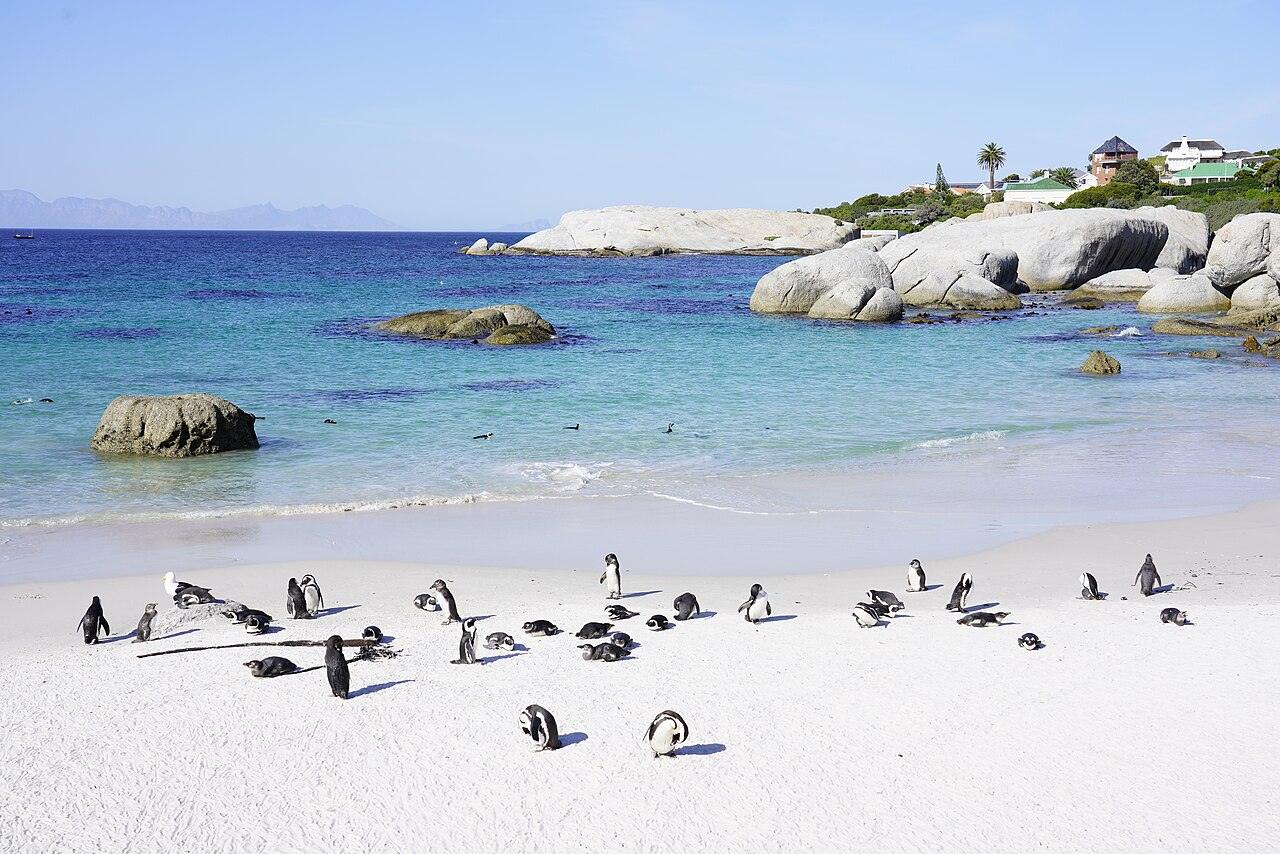 7 daysEasy
Cape Town and the Cape Peninsula
A week of Table Mountain, the penguins of Boulders Beach, the Cape of Good Hope and the Stellenbosch vineyards.
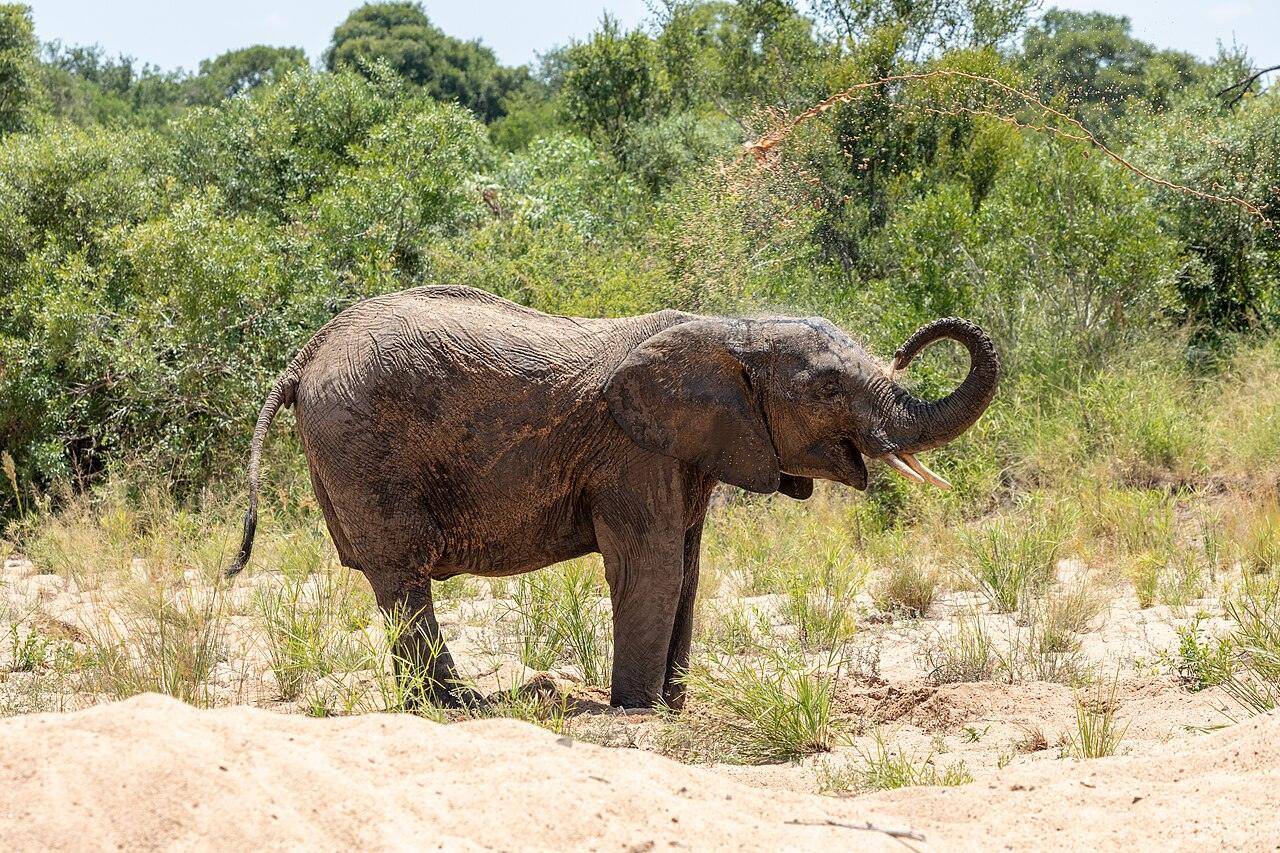 15 daysModerate
Kruger, the Garden Route and Cape Town
The great classic: a Kruger safari, the scenic Garden Route and a finale in Cape Town.
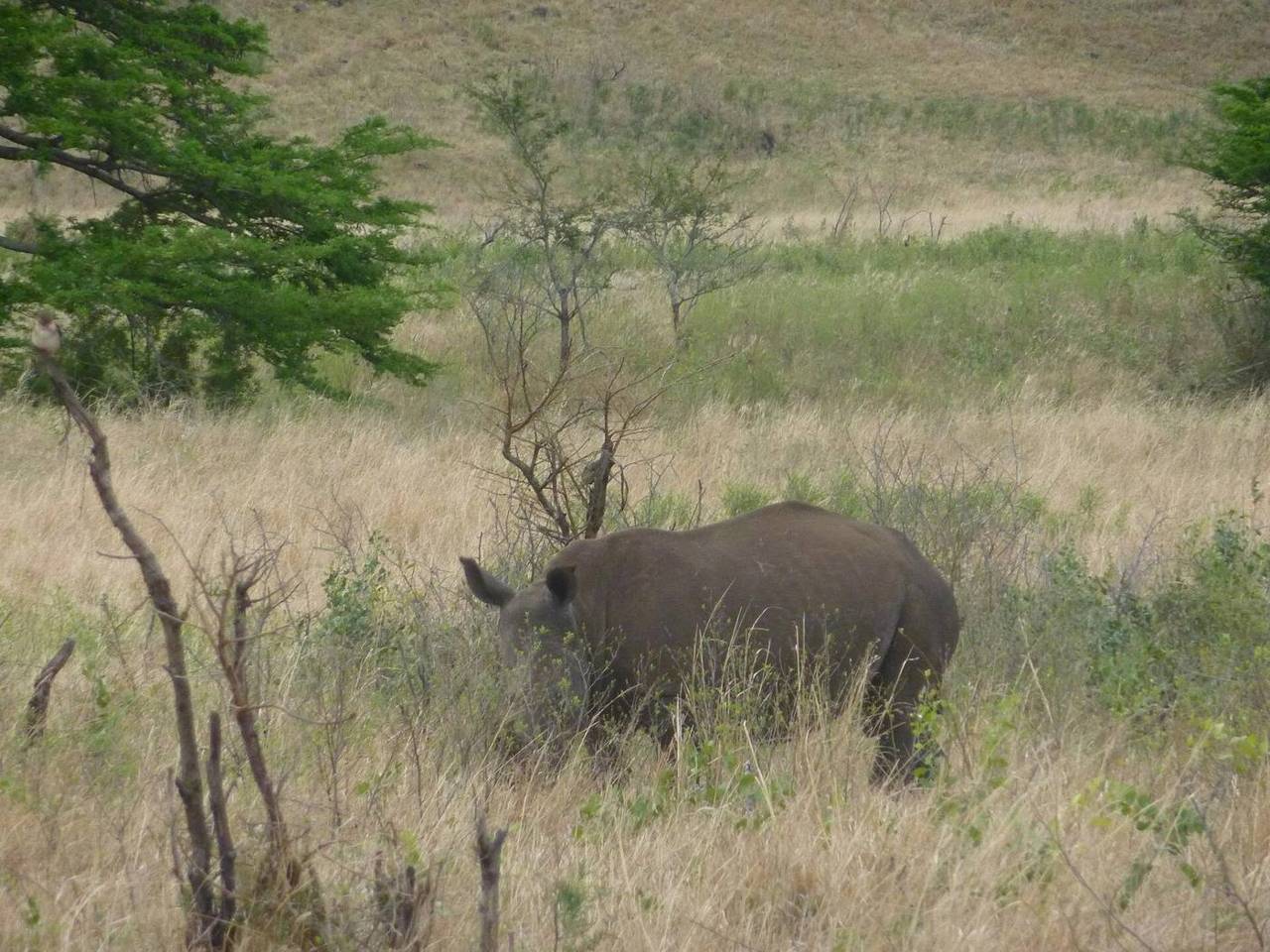 13 daysEasy
Kruger, Eswatini and the Zululand parks
Almost two weeks of pure wildlife: Kruger, the small kingdom of Eswatini, the rhinos of Hluhluwe-iMfolozi and the hippos of the St Lucia estuary.