Marovo Lagoon
The world's largest saltwater lagoon, woodcarving villages, World War II wrecks at Gizo and the Guadalcanal battlefields.
- Honiara
- Guadalcanal
- Seghe
- Marovo
- Gizo
Day by day
- Day 1
Arrival in Honiara, on Guadalcanal
This eight-day trip takes you to the Solomon Islands, one of the least visited countries in the Pacific: Honiara and the battlefields of Guadalcanal, Marovo Lagoon, the largest saltwater lagoon in the world, with its villages of carvers, and Gizo, with Second World War wrecks and Kennedy Island.
Before you go: Italian citizens need a tourist visa, applied for online before travelling on the official Solomon Islands Immigration Division portal, and a passport valid for at least six months. Other nationalities should check their own rules. The British government does not advise against any part of the country, but in Honiara theft and robbery are common, including against foreigners. The risk of malaria and dengue is high: ask your doctor about antimalarials. There is unexploded wartime ordnance on all the islands.
You land at Honiara airport, on the north coast of Guadalcanal. It is the former Henderson Field, the airstrip the Americans captured in August 1942 and defended for months, at the heart of one of the hardest battles of the Pacific War.
In the afternoon, rest and walk along the waterfront in the centre, in daylight. Look at the sea in front of the city: it is the strait sailors called Iron Bottom Sound, for the dozens of ships sunk during the battle.
In the evening, get back before dark and have dinner at your accommodation.
Overnight in Honiara, for two nights.
Practical tip: in Honiara get around by car or with a driver arranged by your accommodation, do not walk at night and do not leave anything visible in the car.
- Day 2
The Guadalcanal battle sites
Today you visit the sites of the Battle of Guadalcanal, fought between August 1942 and February 1943 between American and Allied forces and Japanese forces.
In the morning, go up to the American memorial on Skyline Ridge, above the city. Stone panels tell the story of the campaign, and from the top you see the coast, the strait and the islands opposite. Then go to Bloody Ridge, the ridge where in September 1942 the Marines held back the Japanese attacks aimed at the airfield.
Then head inland to Mount Austen, where the Japanese peace memorial stands, with views over the plain.
In the afternoon, go west to Bonegi beach. A few metres from the shore, in shallow water, lie the wrecks of Japanese transport ships sunk in November 1942: you can see them with a mask and snorkel, with fish among the coral-covered plates. Ask permission locally and pay the fee to the community that owns the beach.
With a local guide you can also see small open-air museums with aircraft and guns.
Never touch metal objects found in the vegetation or in the water: they may be live ordnance. The British government asks you to get local advice before visiting Hell's Point and the nearby ridges.
Overnight in Honiara.
Practical tip: do this tour with a guide and a car, start early to avoid the heat and carry plenty of water.
- Day 3
Flight to Seghe and Marovo Lagoon
Today you leave Guadalcanal for Western Province and Marovo Lagoon.
In the morning, take the domestic flight from Honiara to Seghe, a small airstrip built during the war, on the coast of New Georgia. Domestic flights often change times or are cancelled: confirm the day before and travel with light luggage.
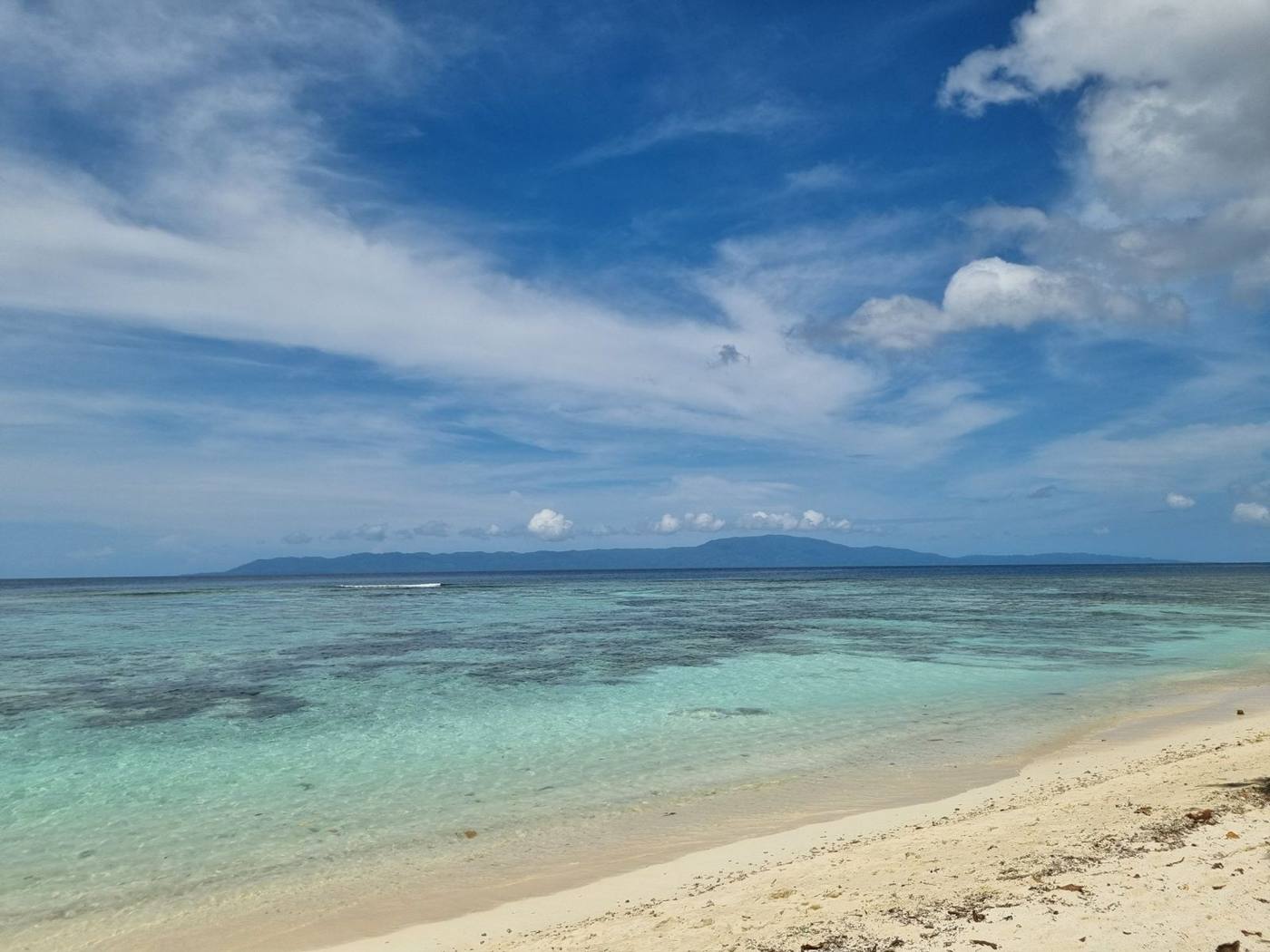
From the plane you already see the lagoon: a calm, pale green sea, protected by a double barrier reef, with hundreds of forest-covered islands.
At Seghe a boat from your accommodation picks you up. It is a small eco lodge run by a village family, with wooden and leaf bungalows over the water. Facilities are simple: solar electricity, rainwater and meals of fish, garden vegetables and fruit.
In the afternoon, take your first canoe trip in front of the lodge, among the mangroves and the islands. Watch the sea eagles and kingfishers, and the clear seabed beneath the canoe. Paddle slowly and keep close to the shore, where the water is calm.
In the evening, from the jetty, watch the sunset over the lagoon and the sky full of stars.
Overnight in Marovo Lagoon, for three nights.
Practical tip: bring cash in Solomon dollars from Honiara, because there are no ATMs in the lagoon and cards are not used.
- Day 4
Snorkelling and diving in the lagoon
Today you discover the underwater world of Marovo Lagoon.
In the morning, go out by boat towards the outer reef and the passages between the islands, where ocean water flows into the lagoon. Marine life here is very rich: hard and soft corals, parrotfish, trevally, Napoleon wrasse, turtles and sometimes reef sharks. With a mask and snorkel you already see a great deal in a few metres of water.
If you dive, choose a licensed centre with well-maintained equipment, as the British government advises. Remember that the hyperbaric chamber in Honiara is out of service after earthquake damage: keep to very cautious depths and times.
At midday, have lunch on a deserted island with white sand, in the shade of the palms.
In the afternoon, with your guide, swim only where you are told it is safe. Saltwater crocodiles live in Solomon waters and there are strong currents near the reef and river mouths.
Before every outing check the weather with your guide: squalls in the lagoon arrive quickly.
At sunset, paddle back to the lodge and watch the fruit bats rising from the islands.
Overnight in Marovo Lagoon.
Practical tip: bring your own mask and a shorty wetsuit, because equipment at small lodges can be limited or worn.
- Day 5
The carving villages of Marovo
Today you meet the people who live in Marovo Lagoon.
In the morning, go by boat to a carvers' village. Marovo is famous across the country for its wood carvings: figures of fish, turtles, birds and the nguzunguzu, the heads that once decorated the prows of war canoes to protect the navigators. The craftsmen work the dark, hard wood with small chisels and then polish it, often with mother-of-pearl inlays.
Watch them at work and, if you like, buy directly from the carver: it is the best way to help the community.
Then walk around the village, with its church, school and gardens of taro and sweet potatoes. Dress modestly and always ask before taking photos. Some places are tabu according to kastom, local tradition: follow your guide's instructions.
In the afternoon, go up with your guide on one of the larger islands for a short walk in the rainforest, among huge trees, ferns and colourful birds.
In the evening, if the chance comes, listen to the singing in the village or the church.
Overnight in Marovo Lagoon.
Practical tip: some species, such as turtles and corals, cannot be exported: buy only wooden objects and ask for a receipt for customs.
- Day 6
Gizo and the Toa Maru wreck
Today you travel from Marovo to Gizo, the capital of Western Province.
In the morning, leave the lodge and reach Gizo by domestic flight, often via Munda, or by boat, depending on the connections at the time. Check the schedules in advance and leave a margin.
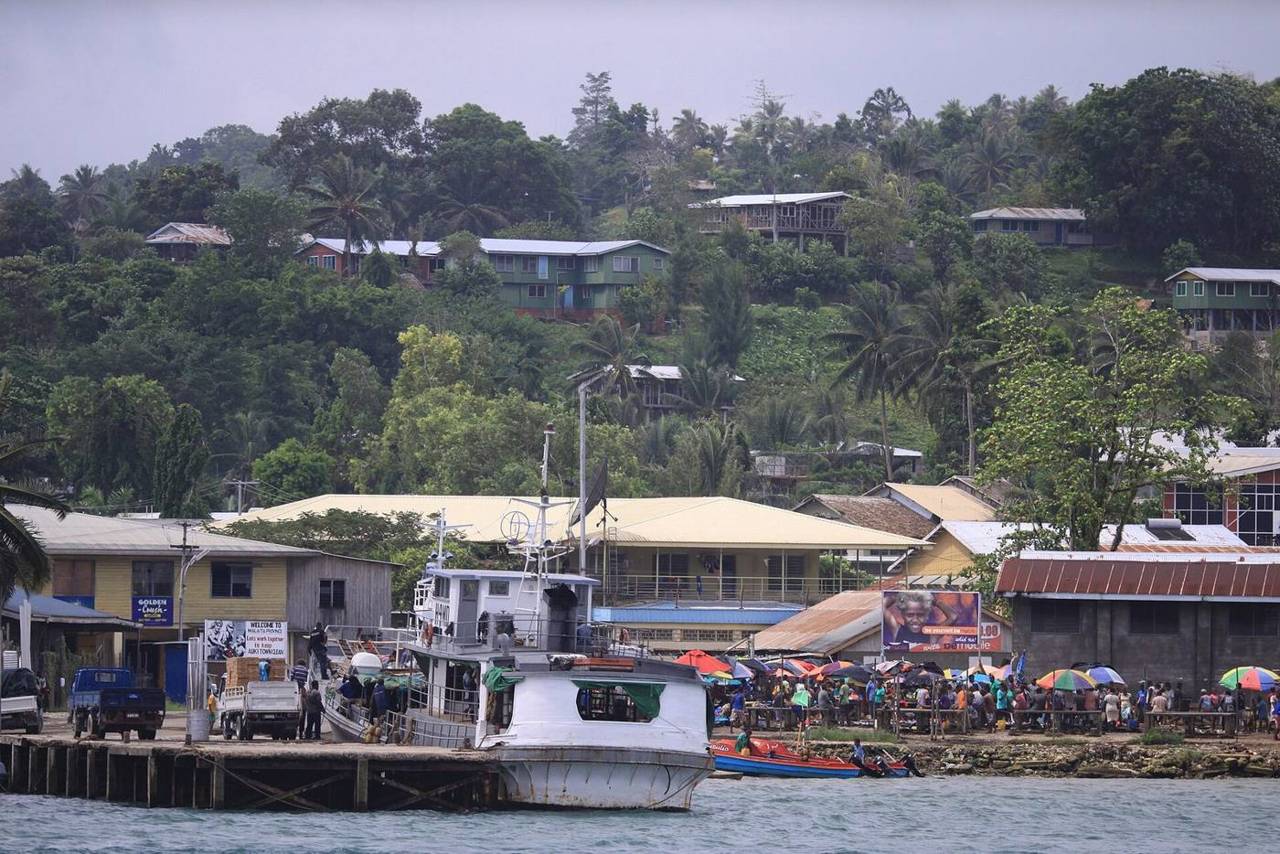
Gizo is a small seaside town, with a harbour, a fish market and a few shops. The airport is on a nearby islet and is reached by boat.
In the afternoon, go out by boat to see the war wrecks around the island. The most famous is the Toa Maru, a Japanese transport ship sunk in a quiet bay, with its holds still full of objects and its stern visible even from the surface. The waters around Gizo also have aircraft wrecks and fine coral reefs.
As at Marovo, choose only licensed dive centres and stay at cautious depths, because the hyperbaric chamber in Honiara is not working.
In the evening, walk along the waterfront and the market, where the day's fish is sold, and watch the canoes coming back from the nearby islands.
Overnight in Gizo, for two nights.
Practical tip: there is an ATM in Gizo: use it to withdraw cash, but still carry a reserve, because it can run out of money.
- Day 7
Kennedy Island
Today you go by boat to Kennedy Island, a tiny islet of sand and palms not far from Gizo.
Its story is famous. On the night of 2 August 1943, the patrol torpedo boat PT-109, commanded by young Lieutenant John F. Kennedy, was rammed and cut in two by a Japanese destroyer. Kennedy and the survivors swam for hours to this islet, Kennedy towing an injured crewman. They were later found by two Solomon Islander scouts in a canoe, to whom Kennedy gave a message carved on a coconut. Almost twenty years later, Kennedy became President of the United States.
Walk around the island in a few minutes, snorkel on the nearby coral and imagine those days of waiting. Pay the small fee the caretakers ask for.
In the afternoon, visit a coastal village or a quiet beach with your guide, and swim only where you are told it is safe.
At sunset, return to Gizo and watch the sun go down over the sea, among the volcanic islands on the horizon.
In the evening, pack for tomorrow's flight and confirm the time of the boat to the airport.
Overnight in Gizo.
Practical tip: bring water-resistant sun cream and a T-shirt for snorkelling: the sun on the islands is very strong even when it is cloudy.
- Day 8
Back to Honiara
Today you return to Honiara and end the trip.
In the morning, take the boat to Gizo's airport islet and then the domestic flight to Honiara. If you have an international flight on the same day, leave a wide margin, or better still plan a night in Honiara: domestic flights can be delayed.
If you have a few spare hours in Honiara, visit the National Museum, which presents the cultures of the different islands, and stop at the central market, keeping your bag in front of you. Check prices and times.
Trip summary: in eight days you have seen the Guadalcanal battlefields and the Bonegi wrecks, spent three days in Marovo Lagoon, among coral reefs, carving villages and rainforest, and discovered Gizo, with the Toa Maru and Kennedy Island. It is a trip for patient travellers, with simple lodges and domestic flights that change often, but with nature and history in a country with hardly any tourists.
When to go: the best period is from May to November, the drier season, with calmer seas and clearer water. From November to May is cyclone season, with heavy rain and cancelled flights.
Practical tip: keep taking your antimalarials after you get home for as long as your doctor tells you.
One of the Pacific's least visited countries, for patient travellers. Domestic flights change often and lodges are simple. Malaria is present: discuss prophylaxis with a doctor.
Before you go
- Documents and visa
- Passport with at least six months' validity and blank pages. You need a tourist visa, applied for online before travelling on the official Solomon Islands Immigration Division portal: apply well in advance and carry a printed confirmation. You also need a return ticket and enough funds for your stay.
- Health and vaccines
- High risk of malaria and dengue: ask your doctor about antimalarials and use repellent and a mosquito net. Drink bottled or boiled water, no ice. Outside Honiara medical care is limited or absent and the hyperbaric chamber in Honiara is out of service: you need insurance covering medical costs and repatriation. Emergencies: 999 police, 911 ambulance, 988 fire.
- Money and payments
- Solomon Islands dollar. ATMs only in Honiara, Gizo, Munda and Auki; international cards work only in the main Honiara hotels: bring cash for the islands.
- Power sockets
- Type I, 230 volts, as in Australia: you need an adapter.
- Time zone
- UTC+11 all year.
- Safety
- The British government does not advise against any area. In Honiara theft, bag snatching and robbery are common, including against foreigners: do not walk at night and keep away from informal settlements and isolated places. Avoid demonstrations, especially during parliamentary sittings. There is unexploded Second World War ordnance on all the islands. Crocodiles and strong currents: always ask before swimming. Cyclones from November to May. Official advice: GOV.UK.
Information checked in November 2026 for Italian and EU citizens. Rules change: always check before you travel.
Variations
Shorter version: five days, with Honiara and Marovo Lagoon, without Gizo.
Longer version: add two days in Munda for more wrecks and diving, or three days on Malaita for Langa Langa Lagoon.
Frequently asked questions
How do you travel between Honiara, Marovo and Gizo?
By domestic flights and lodge boats. Schedules change often: always confirm the day before and keep a spare day.
Can you dive safely in the Solomon Islands?
Yes, with licensed centres and well-maintained equipment. The hyperbaric chamber in Honiara is out of service after an earthquake: keep to very cautious depths and times.
Do I need malaria prevention?
The malaria risk is high across the country, including Marovo Lagoon. Talk to your doctor before leaving and use repellent and a mosquito net.
Indicative itinerary written by World Atlas. Before booking, check timetables, seasonal openings, documents and safety.