Slovak Paradise and Spiš
Gorges with metal ladders and walkways in Slovenský raj, Spiš Castle and the medieval town of Levoča.
- Poprad
- Hrabušice
- Suchá Belá
- Levoča
- Spišský hrad
- Dobšinská ľadová jaskyňa
Day by day
- Day 1
Poprad and Hrabušice, on the edge of the park
This trip takes you to Slovak Paradise, Slovenský raj, a national park of narrow gorges, waterfalls and forests, where you climb up the streams on metal ladders, footbridges and steps fixed to the rock. Then you visit the Spiš region, with the medieval town of Levoča and the ruins of Spiš Castle, and finish with the Dobšiná Ice Cave. You travel by car.
Before you go: Italian citizens can enter Slovakia with an electronic identity card or a passport, without a visa: the country is in the European Union and the Schengen area, and the currency is the euro. Other nationalities should check their own rules. Take insurance covering medical costs, repatriation and mountain rescue. There are ticks in the woods: ask your doctor about the encephalitis vaccine. Motorways need the electronic vignette, bought on eznamka.sk.
Arrive in Poprad by train or plane and pick up the car. In about half an hour you reach Hrabušice, a village on the northern edge of the park, and nearby Podlesok, the starting point for many of the gorges. The landscape is made of meadows, spruce woods and limestone hills, with the High Tatras in the background on clear days.
In the afternoon, take an easy walk along the River Hornád, to get a close look at the water that will be with you on your walks over the next two days.
Overnight in Hrabušice or Podlesok, for four nights.
Practical tip: buy a hiking map of the park or download a map that works offline, because in the gorges your phone often has no signal.
- Day 2
The Suchá Belá gorge
Today you walk the most famous gorge in Slovak Paradise, Suchá Belá, a fun climb among waterfalls, ladders and footbridges.
Start from the centre of Podlesok, where the gorge begins. The route is about four kilometres long and takes around two hours. It can be walked in one direction only, uphill, following the stream: going down is not allowed. There is a fee to enter the park: check prices and times.
At first you walk in the woods and along the stream bed, hopping from stone to stone. Then the gorge narrows: the rock walls rise, the light fades and the path goes up iron ladders beside the waterfalls, along wooden walkways and on steps fixed to the wall. The tallest ladders climb right next to the falling water, and in some places you hold on to chains. You do not need climbing equipment, but you must not suffer from vertigo.
At the top you come out into the woods and choose your way back: a direct path to Podlesok, of about an hour and a half, or a longer loop through the Kláštorisko clearing, where the ruins of a Carthusian monastery remain.
In the evening, have a hot soup and rest your legs.
Practical tip: set off as soon as it opens, because in summer queues form on the ladders in the gorges; and if it rains, postpone, because the metal steps become slippery.
- Day 3
The Prielom Hornádu canyon
Today you walk through the canyon of the River Hornád, Prielom Hornádu, where the path follows the water on walkways and steps suspended above the river.
From Podlesok, reach the river and start the route along the canyon. The limestone walls drop straight into the water and in many places the path has no room on the bank: then you walk on iron brackets fixed to the rock, holding on to chains, with the river flowing below you. There are also suspension bridges and wooden walkways. Where it is signposted, follow the compulsory direction of travel.
Halfway along, climb to the Tomášovský výhľad viewpoint, a rock terrace above the canyon, from which you see the river, the woods and the white walls. It is a short but steep climb, well worth the effort.
The full loop, canyon and viewpoint, takes up most of the day. Bring a packed lunch and water, because along the route there are few places to eat and they are seasonal.
Remember that here too there is a fee to enter the park. Check prices and times, and find out whether any section is closed because of high water after heavy rain.
In the evening, go back to your accommodation and pack your bag for tomorrow's day of culture.
Practical tip: wear light cycling or via ferrata gloves for the chains, which are cold and wet with dew in the morning.
- Day 4
Levoča and Spiš Castle
Today you leave the gorges and discover the Spiš region, full of history, with a medieval town and one of the largest castles in central Europe.
In the morning, go to Levoča, about half an hour away. The town is still surrounded by walls and has a large rectangular square with merchants' houses, the Renaissance town hall and, in the middle, the Church of Saint James. Inside is the wooden altar by Master Paul of Levoča, carved in the early sixteenth century and considered the tallest Gothic wooden altar in the world: look at the figures of the Virgin and the saints, carved with great delicacy. Check prices and times, because the church is visited at set times.
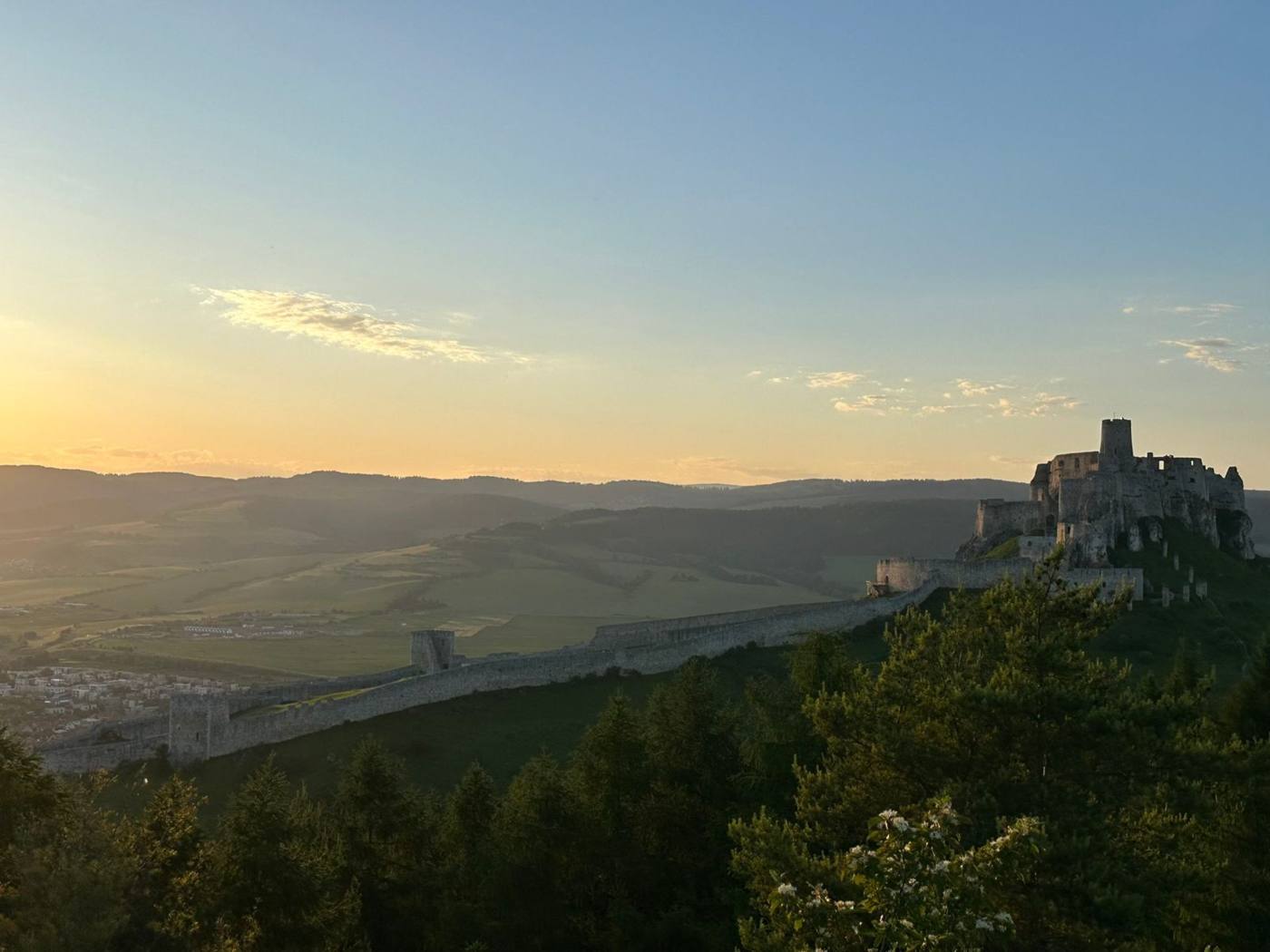
In the afternoon, drive east to Spiš Castle, Spišský hrad, a UNESCO World Heritage Site together with Levoča. The ruins cover a whole limestone hill above the plain: walls, courtyards, towers and the keep, from which you see the villages around. At the foot of the hill lies Spišská Kapitula, a small walled settlement with its cathedral and the canons' houses. Check prices and times.
At sunset, look at the castle from the road that climbs towards the village of Žehra, when the walls turn golden.
In the evening, head back towards Hrabušice.
Practical tip: Spiš Castle is very windy and has little shade; bring water, a hat and a jacket, and shoes with good soles for the stony climbs.
- Day 5
The Dobšiná Ice Cave and the way home
Last day: you cross the park to the south to reach the Dobšiná Ice Cave, then drive back to Poprad.
The road runs through the woods and hills of the southern side of Slovak Paradise. From the car park you walk up through the woods for about a quarter of an hour to the cave entrance. The Dobšiná Ice Cave is part of the UNESCO site of the Caves of Aggtelek Karst and Slovak Karst. Inside you find one of the largest underground ice deposits in Europe: frozen walls and floors, columns and falls of ice, carefully lit. It was one of the first caves in Europe to have electric lighting, at the end of the nineteenth century. Check prices and times: tours are guided and the cave is open only for part of the year.
In the afternoon, drive back to Poprad, about an hour away.
To sum up, in five days you have seen Slovak Paradise with the Suchá Belá gorge and the Prielom Hornádu canyon, the town of Levoča with Master Paul's altar, Spiš Castle and the Dobšiná Ice Cave.
When to go: from May to October. The ladders and walkways are safer in dry weather; keep a spare day in case of rain.
Practical tip: in the ice cave the temperature is below zero even in August; bring gloves, a hat and a warm jacket.
One of the most enjoyable hikes in central Europe for those without a fear of heights. The gorges are one-way and only walked uphill. In rain the ladders are slippery: proper hiking boots and a spare day are needed.
Before you go
- Documents and visa
- EU citizens need a valid identity card or passport: Slovakia is in the EU and the Schengen area, so no visa is needed. Other nationalities should check the Schengen rules.
- Health and vaccines
- No vaccines required. EU citizens should bring their EHIC, which covers urgent care only: insurance with medical costs and repatriation is recommended, and for the high mountains also rescue cover. Woods have ticks that can carry encephalitis: ask your doctor about the vaccine. Emergencies: 112, ambulance 155, police 158, fire 150.
- Money and payments
- Euro. Cards and cash machines work almost everywhere. Motorways need an electronic vignette: buy it on the official eznamka.sk website. The drink driving limit is zero and dipped headlights must be on in daytime too, all year.
- Power sockets
- Type E, 230 volts: you need an adapter for British plugs.
- Time zone
- Central European Time (UTC+1, summer UTC+2), one hour ahead of the UK.
- Safety
- Generally calm. In Bratislava pickpocketing is rising on public transport and at tourist sites; cars are broken into in tourist areas and car parks. In nightclubs keep an eye on your drink, wallet and phone. In the High Tatras many high trails close in winter: check the park rules on tanap.sk. Official advice: GOV.UK.
Information checked in November 2026 for Italian and EU citizens. Rules change: always check before you travel.
Variations
In three days you can do the Suchá Belá gorge, Levoča and Spiš Castle.
With two more days, add the High Tatras, with Štrbské Pleso and the cable car to Skalnaté pleso, less than an hour from Poprad.
Frequently asked questions
Are the Slovak Paradise gorges dangerous?
You do not need equipment, but there are vertical ladders, chains and exposed walkways. You need walking boots, no fear of heights and dry weather.
Can I walk down the Suchá Belá gorge?
No: it can only be walked uphill, following the stream. To come back you use the woodland paths.
Is the trip suitable for children?
Older children used to walking love it. For small children the ladders are too demanding: choose the easier sections, Levoča and the caves.
Indicative itinerary written by World Atlas. Before booking, check timetables, seasonal openings, documents and safety.
 3 daysEasy
Banská Štiavnica
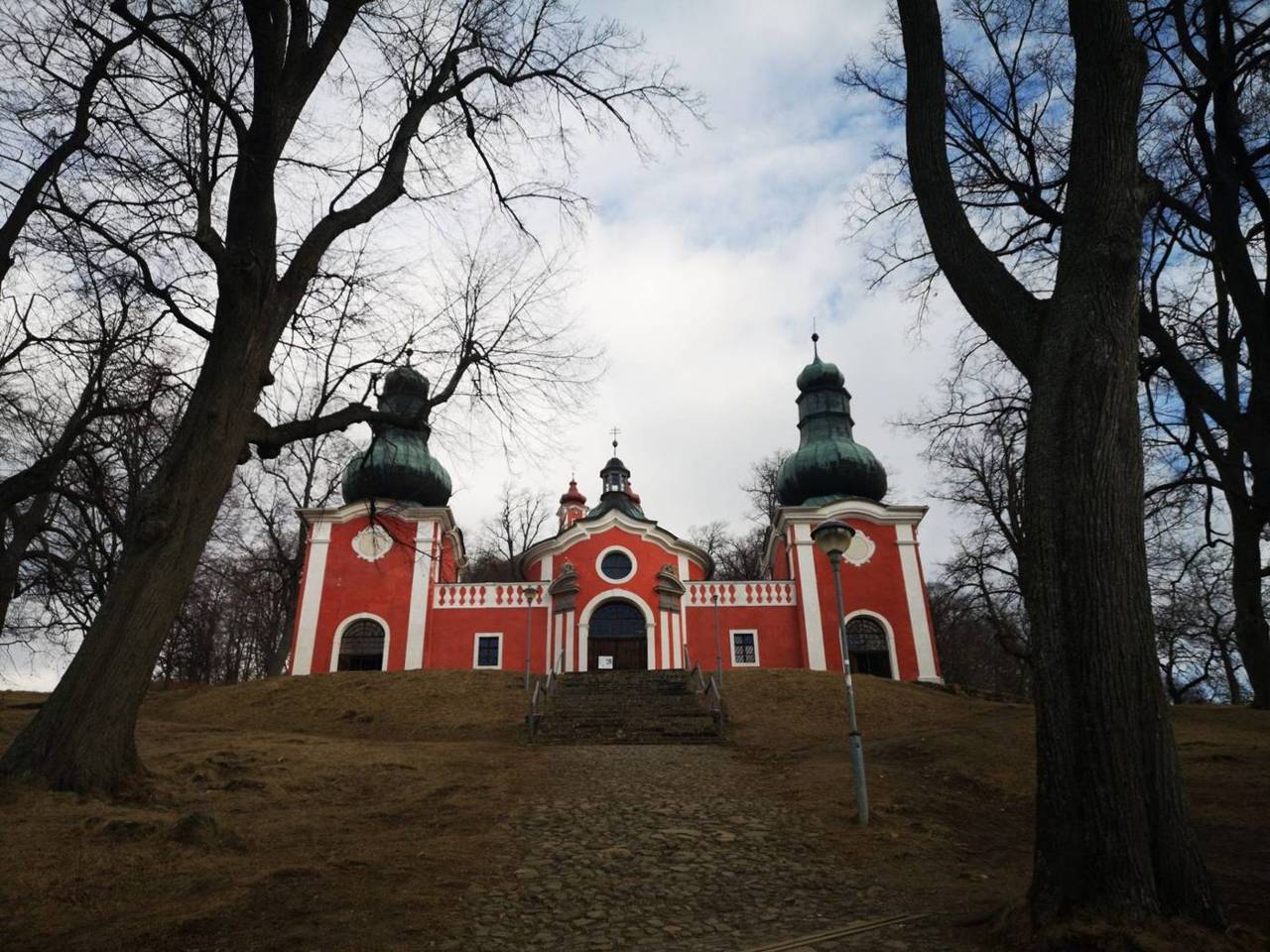
The old UNESCO mining town on the slopes of an extinct volcano: the Old and New Castles, the baroque Calvary, visitable mines and the artificial lakes called tajchy.
 4 daysModerate
The Low Tatras and the caves
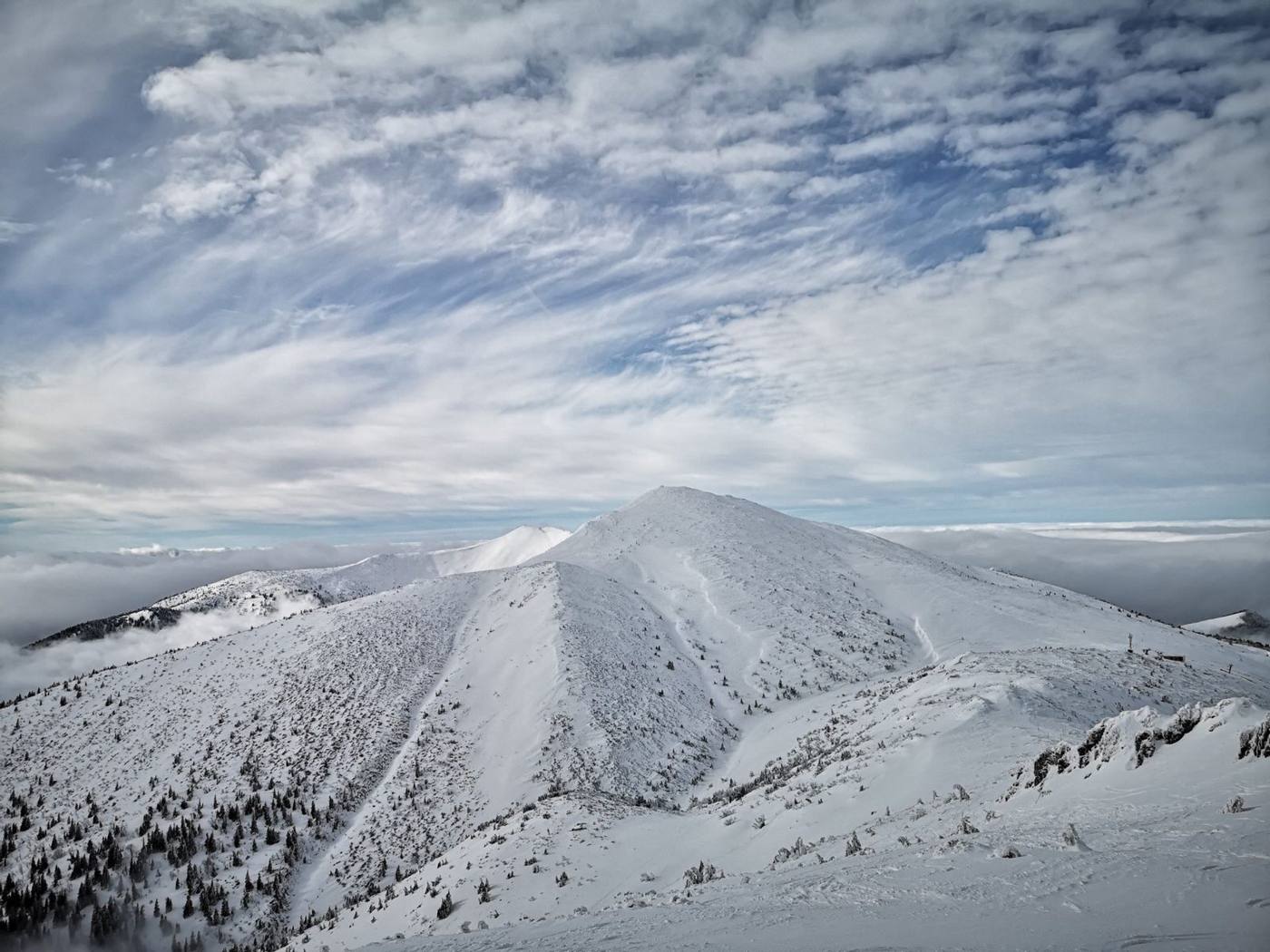
The Low Tatras ridge from Chopok to Ďumbier, Demänovská Ice Cave and the Cave of Liberty, based in Liptovský Mikuláš.
 4 daysModerate
Vlkolínec and Malá Fatra
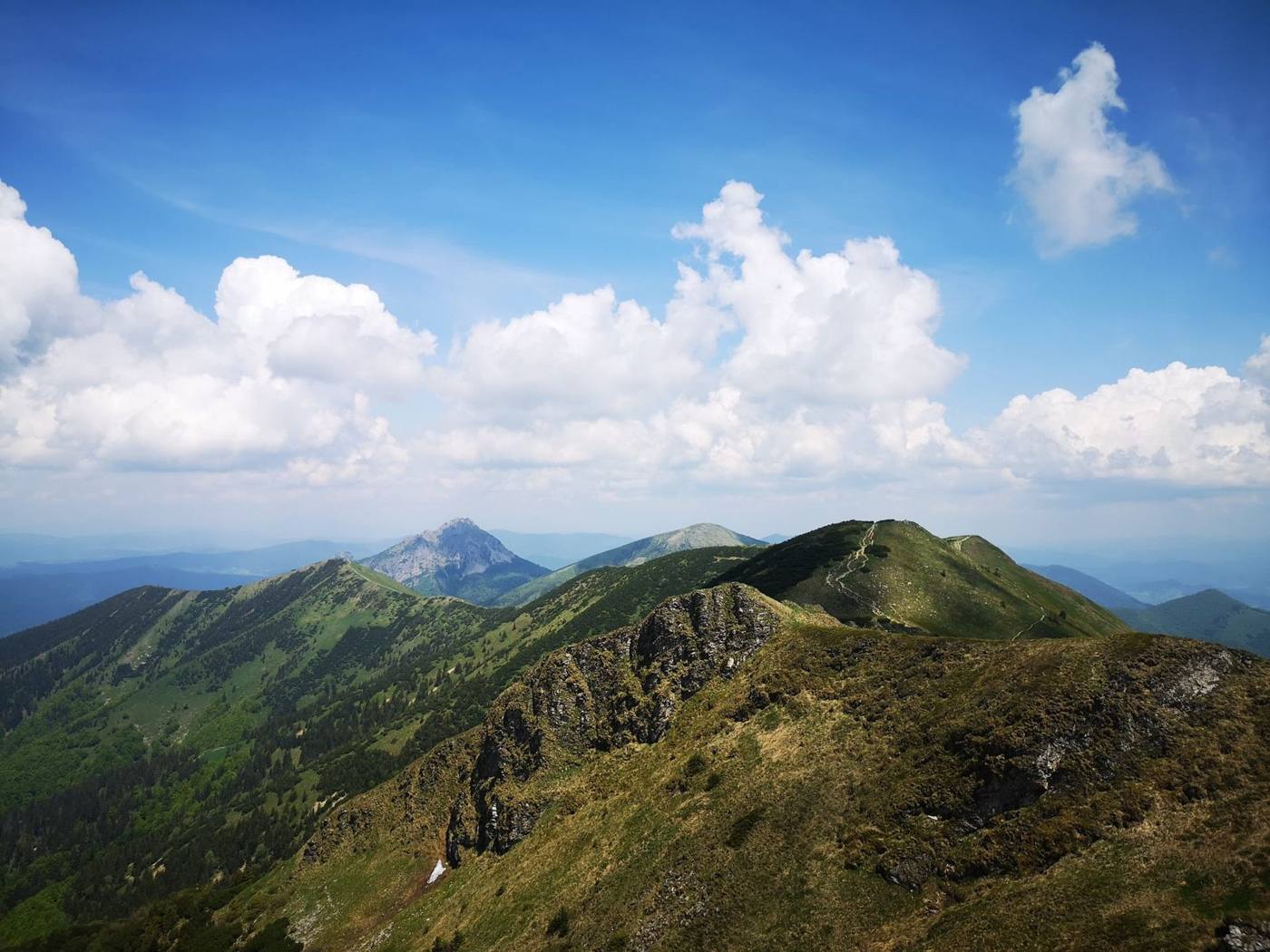
The ladders and chains of the Jánošíkove diery gorges, the Malá Fatra ridge, Strečno castle, the UNESCO village of Vlkolínec and the painted wooden village of Čičmany.