Orava and the Pieniny
Orava castle on its crag, the Zuberec village museum, rafting down the Dunajec through the Pieniny gorges and the Red Monastery of Červený Kláštor.
- Oravský Podzámok
- Zuberec
- Červený Kláštor
- Dunajec
Day by day
- Day 1
Orava Castle
This easy trip takes you to northern Slovakia, close to the Polish border: Orava Castle on its rock, the village museum at Zuberec and the Roháče valley, then the raft trip down the River Dunajec through the Pieniny gorges and the monastery of Červený Kláštor. It suits families and you travel by car.
Before you go: Italian citizens can enter Slovakia with an electronic identity card or a passport, without a visa: the country is in the European Union and the Schengen area, and the currency is the euro. Other nationalities should check their own rules. The Dunajec marks the border with Poland, also in the Schengen area, but with possible spot checks at the border: always carry your document. There are ticks in the woods: check yourself in the evening after walks. Motorways need the electronic vignette, bought on eznamka.sk.
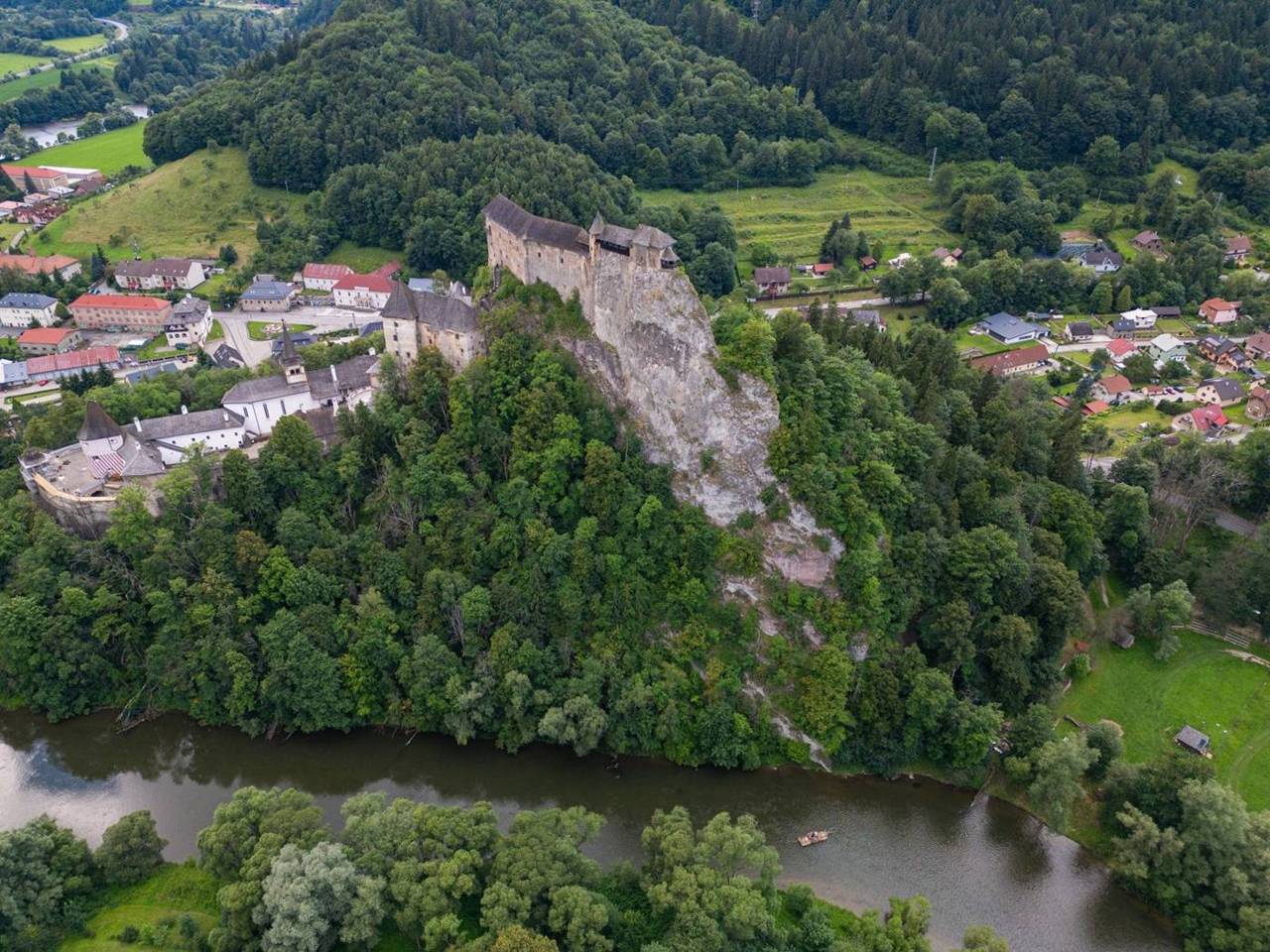
Arrive in Oravský Podzámok, a small village in the valley of the River Orava. Above the village, on a tall, narrow limestone rock, rises Orava Castle, built from the Middle Ages onwards and enlarged over the centuries into a fortress on several levels. It is one of the most spectacular castles in Slovakia: the silent film Nosferatu was shot here in 1922.
The guided tour takes you from the lower courtyard up to the highest part, with halls, a chapel, weapons, furniture and a section on the nature of the region. From the terraces you see the valley and the river. Check prices and times, and allow a couple of hours.
Overnight in the Oravský Podzámok or Zuberec area.
Practical tip: the castle has many steep, narrow stairs; comfortable shoes and a bit of puff are essential.
- Day 2
Zuberec and the Roháče valley
Today you see how the farmers of Orava used to live and then walk in one of the finest valleys of the Western Tatras.
In the morning, visit the Museum of the Orava Village, at Brestová, near Zuberec. It is an open air museum with wooden houses, barns, a small church, a mill and a school, brought here from the villages of the region and laid out along a stream like a real village. Inside the houses you see the stoves, beds, looms and tools of everyday life in the past. Check prices and times.
In the afternoon, drive up into the Roháče valley, in the Western Tatras, which are part of the Tatra National Park. Leave the car at the car park and walk along a forest road and then a path towards the glacial lakes of the valley. An easy goal is the small Ťatliakovo lake, surrounded by meadows and peaks; if you have more time and the path is open, you can carry on towards the waterfall and the Roháčske plesá lakes.
In the evening, go back to Zuberec and eat dishes from the region, such as potato soup and halušky with bryndza.
Overnight in or near Zuberec.
Practical tip: the high trails of the Western Tatras follow the park rules; before setting off, check on tanap.sk which ones are open and respect the closures.
- Day 3
Rafting on the Dunajec
Today is the day everyone waits for: you float down the River Dunajec on a raft, between the limestone walls of the Pieniny gorges.
From Zuberec, drive east for about two hours to Červený Kláštor, the village where the rafts set off. The rafts are made of small wooden boats tied together and are steered by raftsmen in traditional costume, using a long pole. The trip is calm, with no dangerous rapids: it is suitable for children too.
The river makes many tight bends between the rocks and the woods. On one side is Slovakia, on the other Poland. On the way down the raftsmen tell stories and legends about the rocks, the monasteries and the outlaws. Check prices and times, and remember that the rafts only run in the warm season.
At the end you can return in several ways. The nicest is on foot or by bike along the Pieniny path, a flat track that follows the river on the Slovak side: on foot it takes two and a half to three hours, by bike much less. There are bike hire places in the area: ask at the departure point how to organise it.
Overnight in or near Červený Kláštor.
Practical tip: on the raft, bring a light jacket and a waterproof bag for your phone, because the air on the river is cool and a few splashes always arrive.
- Day 4
The monastery of Červený Kláštor and the way home
Last day: you visit the monastery that gives the village its name, then set off home.
The monastery of Červený Kláštor, the Red Monastery, was founded in the fourteenth century by Carthusian monks, on a plain near the river, with the Pieniny hills all around. Later the Camaldolese monks arrived. Today it is a museum: you see the church, the monks' cells with their own private gardens, the cloister and the remains of the monastery pharmacy.
Brother Cyprian lived here, an eighteenth century monk skilled in herbs and medicine, who put together a large herbarium. Legend says that he built himself wings and flew from the monastery to the nearby mountains. Check prices and times.
After the visit, walk in the meadows by the river or take a last short stroll on the Pieniny path. Then head for Poprad airport, about an hour and a half away, or for Kraków, in Poland.
To sum up, in four days you have seen Orava Castle, the village museum at Zuberec, the Roháče valley, the raft trip on the Dunajec and the monastery of Červený Kláštor.
When to go: from June to September, when the rafts are running and the paths are dry. This trip combines well with the High Tatras, which are close by.
Practical tip: get to the monastery when it opens, before the groups coming off the rafts in mid morning.
An easy, family-friendly trip in the north. The rafts are gentle, steered by boatmen in costume. It pairs well with the High Tatras.
Before you go
- Documents and visa
- EU citizens need a valid identity card or passport: Slovakia is in the EU and the Schengen area, so no visa is needed. Other nationalities should check the Schengen rules.
- Health and vaccines
- No vaccines required. EU citizens should bring their EHIC, which covers urgent care only: insurance with medical costs and repatriation is recommended, and for the high mountains also rescue cover. Woods have ticks that can carry encephalitis: ask your doctor about the vaccine. Emergencies: 112, ambulance 155, police 158, fire 150.
- Money and payments
- Euro. Cards and cash machines work almost everywhere. Motorways need an electronic vignette: buy it on the official eznamka.sk website. The drink driving limit is zero and dipped headlights must be on in daytime too, all year.
- Power sockets
- Type E, 230 volts: you need an adapter for British plugs.
- Time zone
- Central European Time (UTC+1, summer UTC+2), one hour ahead of the UK.
- Safety
- Generally calm. In Bratislava pickpocketing is rising on public transport and at tourist sites; cars are broken into in tourist areas and car parks. In nightclubs keep an eye on your drink, wallet and phone. In the High Tatras many high trails close in winter: check the park rules on tanap.sk. Official advice: GOV.UK.
Information checked in November 2026 for Italian and EU citizens. Rules change: always check before you travel.
Variations
In three days you can do Orava Castle, the Dunajec raft trip and the monastery of Červený Kláštor.
With two or three more days, add the High Tatras, with Štrbské Pleso and the Lomnický štít cable car.
Frequently asked questions
Is the Dunajec raft trip suitable for children?
Yes, it is calm and has no dangerous rapids. Small children must wear the life jacket provided by the raftsmen.
How long does the raft trip take?
It depends on the landing point and the water level, but boarding, the trip and the return usually take a few hours. Ask for exact times when you board.
Can I combine the trip with Poland?
Yes, the border is close and inside the Schengen area, but Poland may carry out spot checks: carry your document. Kraków is a few hours by road from Červený Kláštor.
Indicative itinerary written by World Atlas. Before booking, check timetables, seasonal openings, documents and safety.
 5 daysModerate
Skiing in the Tatras
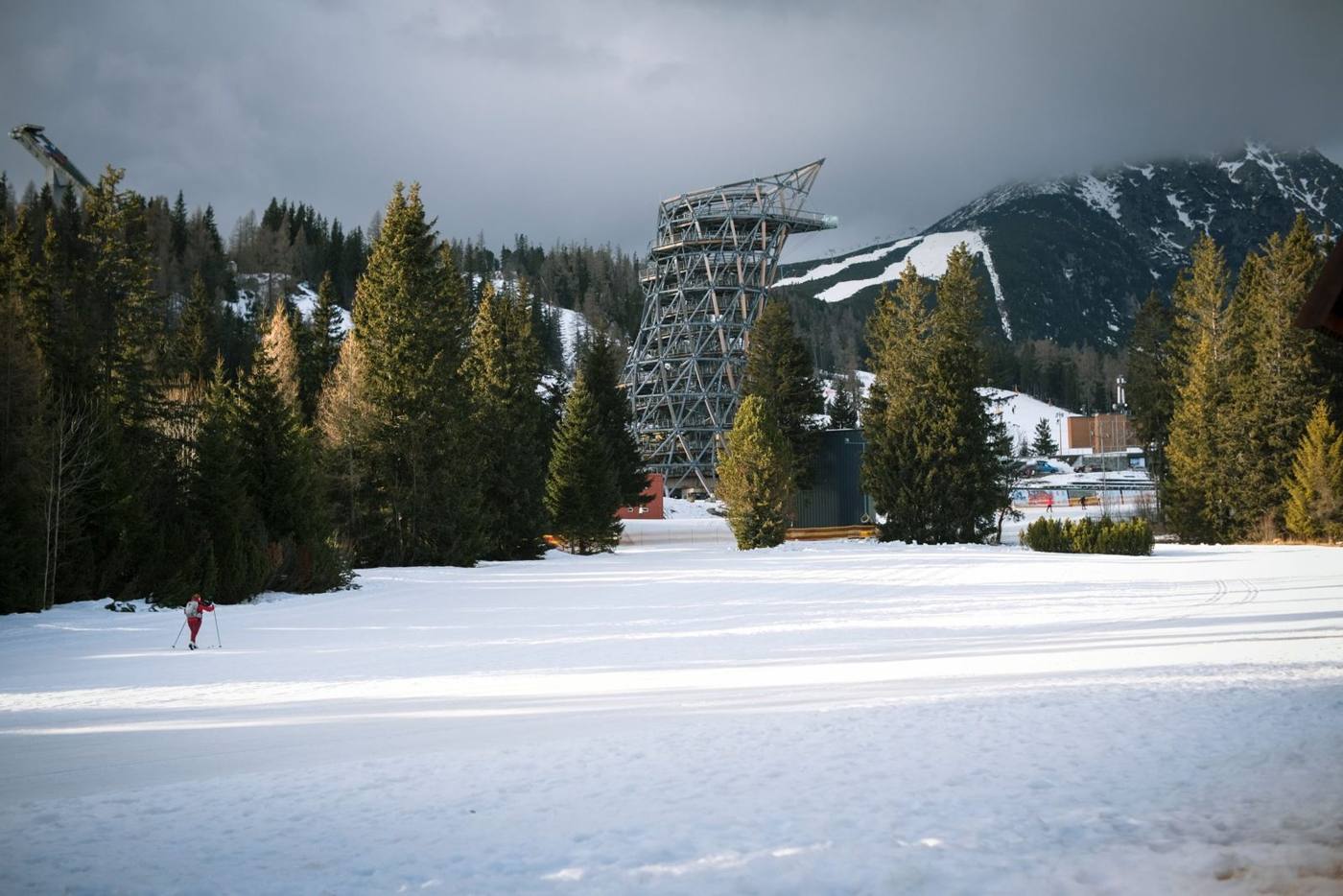
An affordable ski week: the slopes of Jasná on both sides of Chopok, Tatranská Lomnica in the High Tatras and the thermal pools of Bešeňová.
 6 daysModerate
The High Tatras
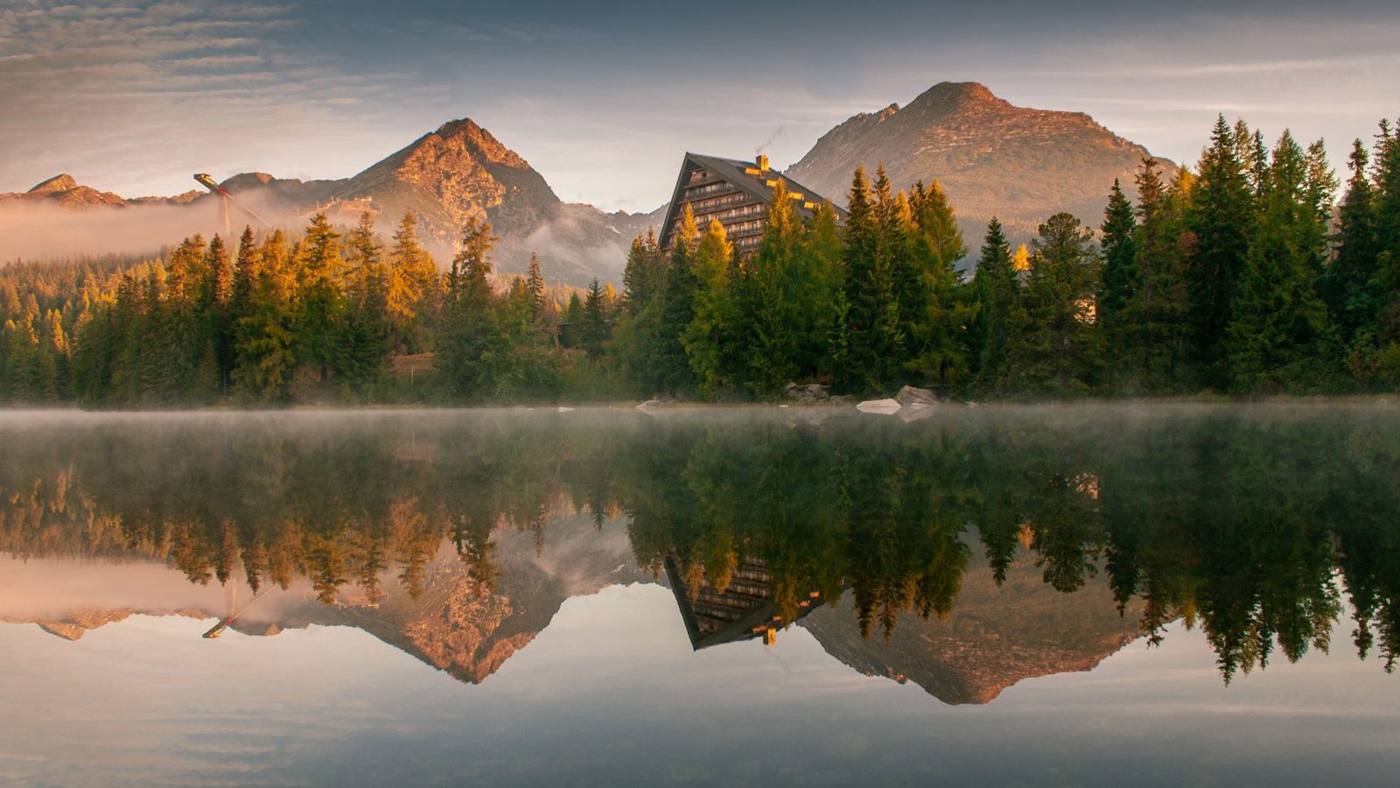
Europe's smallest alpine range: glacial lakes, high mountain huts and Štrbské Pleso lake, based in Starý Smokovec.
 5 daysEasy
Bratislava and the castles
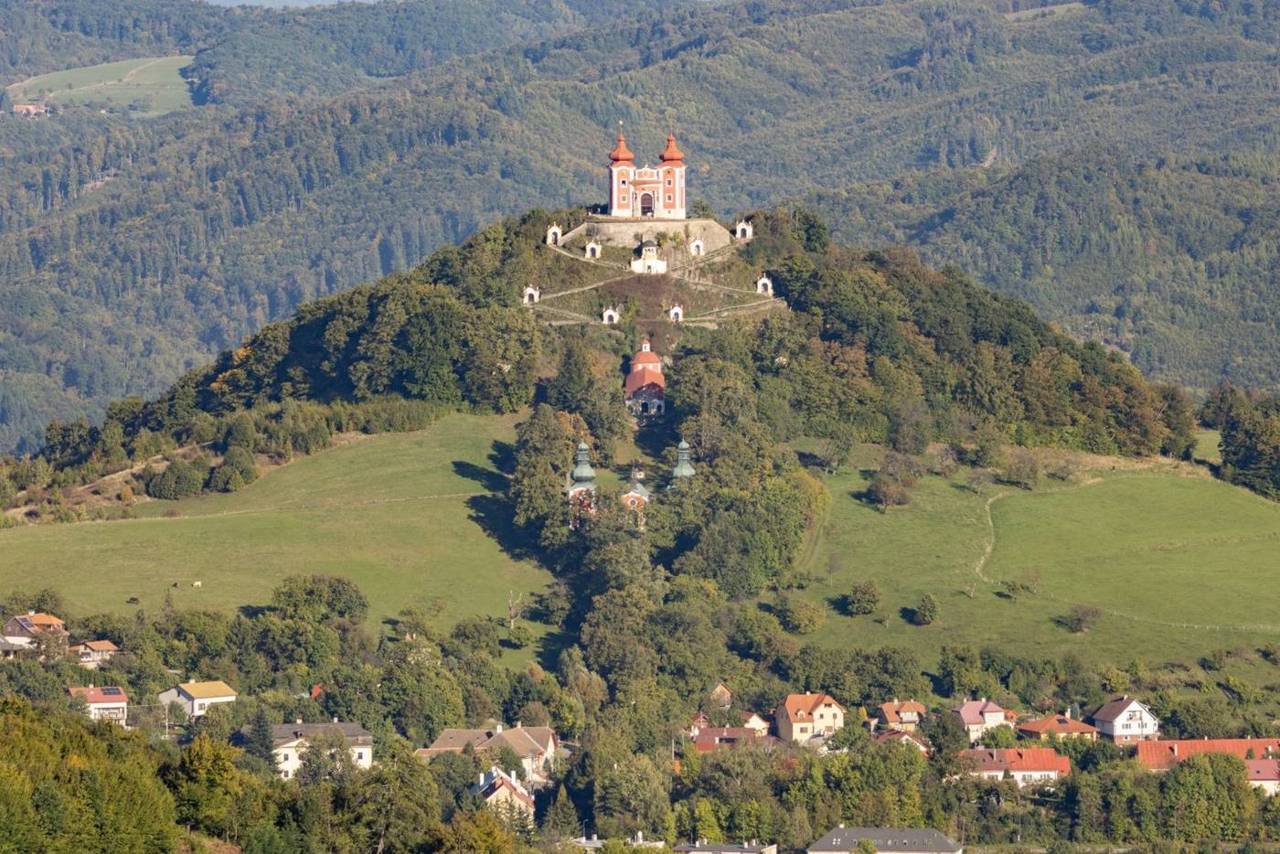
The capital on the Danube, Devín castle, the UNESCO mining town of Banská Štiavnica and Bojnice castle.