Bratislava and the castles
The capital on the Danube, Devín castle, the UNESCO mining town of Banská Štiavnica and Bojnice castle.
- Bratislava
- Devín
- Trenčín
- Bojnice
- Banská Štiavnica
Day by day
- Day 1
Bratislava, the capital on the Danube
This trip starts in Bratislava, the Slovak capital on the Danube, and crosses the west and centre of the country: the ruins of Devín, Trenčín Castle, the romantic castle of Bojnice and the mining town of Banská Štiavnica. You travel by rental car, picked up in Bratislava.
Before you go: Italian citizens can enter Slovakia with an electronic identity card or a passport, without a visa: the country is in the European Union and the Schengen area, and the currency is the euro. Other nationalities should check their own rules. For the motorways, buy the electronic vignette on the official eznamka.sk website. In Bratislava pickpocketing is rising on public transport and at tourist sites: wear your rucksack on your front.
Start in the old town, small and pedestrian. Walk under Michael's Gate, the only one of the old town gates still standing, and on to the main square with the Old Town Hall, now the city museum. Not far away, visit Saint Martin's Cathedral: here the kings of Hungary were crowned for almost three centuries, and a gilded crown still sits on top of the spire. Check prices and times.
In the afternoon, go up to the castle, a large white building with four corner towers above the river. From the gardens you see the city, the Danube and the SNP Bridge, known as the UFO Bridge because of the disc shaped platform on top of its pylon, where you can go up for the view. Check prices and times.
Overnight in Bratislava.
Practical tip: buy public transport tickets before boarding and validate them straight away, because inspections are frequent.
- Day 2
Devín and Trenčín
Today you see two very different castles: a ruin on the Danube, a few kilometres from the capital, and a fortress above the town of Trenčín.
In the morning, go to Devín, about twenty minutes from central Bratislava. The castle ruins stand on a high rock above the meeting of the Danube and the Morava, on the border with Austria. People settled here in very ancient times, and the place is a symbol of Slovak history. Walk among the walls and look at the small Maiden Tower, perched on a spur of rock above the water. Check prices and times. Below the castle, along the river, there is a memorial to the people killed while trying to cross the Iron Curtain.
Then drive north east along the Váh valley, for about an hour and a half, to Trenčín. The castle rises above the town on a rock: climb Matthew Csák's tower, named after the lord who ruled much of present day Slovakia in the fourteenth century, for the view over the valley. Check prices and times. On the castle rock there is a Roman inscription from the year 179, one of the northernmost traces of the Roman presence in central Europe.
In the evening, walk around Trenčín's main square, long and lined with colourful houses.
Overnight in Trenčín.
Practical tip: at Devín there is little shade and the wind off the river is strong; bring a hat and a light jacket even in summer.
- Day 3
The romantic castle of Bojnice
Today you reach Bojnice, about an hour and a half from Trenčín, home to the most photographed castle in Slovakia.
The castle dates back to the Middle Ages, but its present look, with pointed towers, steep roofs and battlements, comes from a major rebuilding between the late nineteenth and early twentieth centuries. It was the work of Count Ján František Pálffy, who took inspiration from the French castles of the Loire and filled the rooms with works of art, furniture and wooden decoration. The guided tour takes you through the halls, the chapel, the golden hall and the count's private rooms. Under the castle there is also a natural cave. Check prices and times.
After the visit, walk in the park around the walls, where a very old lime tree grows, linked by tradition to King Matthias Corvinus. Next to the castle is Bojnice Zoo, the oldest in Slovakia.
Bojnice is also a spa town: in the afternoon you can relax in the warm water pools in the area.
If you are travelling in spring, look out for the festival of ghosts and spirits, when the castle comes alive with evening shows in costume.
Overnight in Bojnice.
Practical tip: guided tours are often in Slovak; ask at the entrance whether there are tours in English or translated texts.
- Day 4
Banská Štiavnica
Today you go to Banská Štiavnica, about an hour and a half from Bojnice: this is the stop that makes the trip. The old mining town, a UNESCO World Heritage Site, lies in a basin on the slopes of an extinct volcano.
In the morning, walk around the centre, up and down, among merchants' houses and churches. Between the sixteenth and eighteenth centuries so much silver was mined here that the town became one of the richest in the Kingdom of Hungary. On the main square you see the Holy Trinity column. Visit the Old Castle, which began as a Romanesque church, and the New Castle, a white tower built to watch for the Turks. Check prices and times.
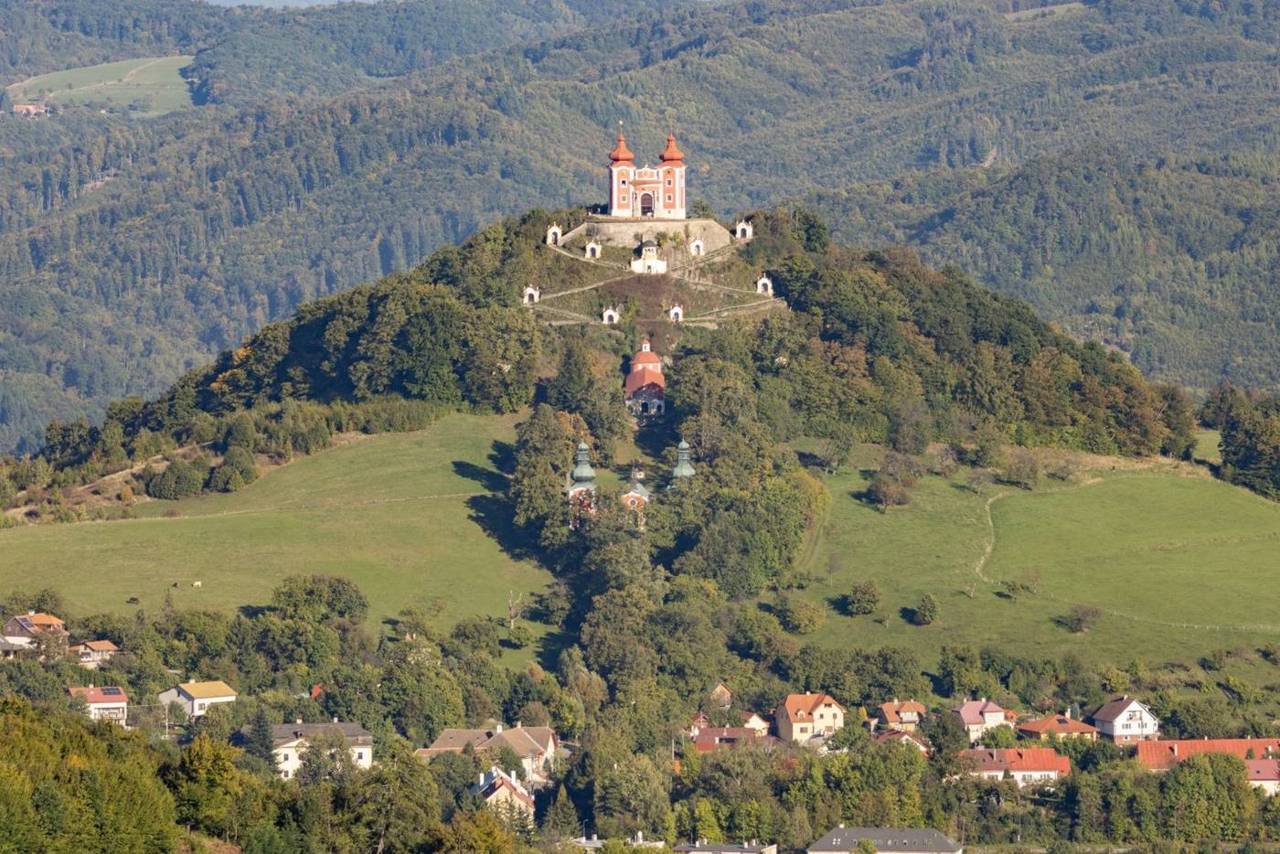
In the afternoon, choose between two experiences. You can walk up to the Baroque calvary on Scharffenberg hill, a route of eighteenth century churches and chapels with a view over the town. Or you can visit the open air mining museum, where with a helmet and cape you go into a gallery with a guide. Check prices and times, because underground tours run at fixed times.
At sunset, stop by one of the tajchy, the artificial lakes built by the miners to drive their machines: today they are surrounded by woods and people swim in them in summer.
Overnight in Banská Štiavnica.
Practical tip: the centre is steep and parking is scarce; leave the car at your accommodation and walk.
- Day 5
Back to Bratislava
Last day: you drive back to Bratislava, about two and a half hours away, and still have a few hours in the capital before you leave.
Set off after breakfast. Once in Bratislava, return the car and spend the afternoon on the things you did not see on the first day. Visit the Primate's Palace, a pink neoclassical building with the Hall of Mirrors and a series of seventeenth century English tapestries. Check prices and times. Then walk to the Blue Church, dedicated to Saint Elizabeth, in Art Nouveau style, with pale blue walls and ceramic decoration.
In the streets of the centre, look for the bronze statues that surprise passers by, such as the workman peeping out of a manhole.
If you still have time, walk along the Danube embankment towards the new districts, with parks and walkways by the water.
To sum up, in five days you have seen Bratislava with its castle and cathedral, the ruins of Devín, Trenčín Castle, the romantic castle of Bojnice and the mining town of Banská Štiavnica.
When to go: from April to October. In December Bratislava has its Christmas markets; in winter some castles cut their opening hours.
Practical tip: Bratislava airport is close to the city, but many international flights leave from Vienna, about an hour away: check carefully where you are flying from.
A short, easy trip, good for those who have already seen Vienna and Budapest. Banská Štiavnica is the stop that makes the trip. Without a car the links between castles are slow: renting one in Bratislava is the better choice.
Before you go
- Documents and visa
- EU citizens need a valid identity card or passport: Slovakia is in the EU and the Schengen area, so no visa is needed. Other nationalities should check the Schengen rules.
- Health and vaccines
- No vaccines required. EU citizens should bring their EHIC, which covers urgent care only: insurance with medical costs and repatriation is recommended, and for the high mountains also rescue cover. Woods have ticks that can carry encephalitis: ask your doctor about the vaccine. Emergencies: 112, ambulance 155, police 158, fire 150.
- Money and payments
- Euro. Cards and cash machines work almost everywhere. Motorways need an electronic vignette: buy it on the official eznamka.sk website. The drink driving limit is zero and dipped headlights must be on in daytime too, all year.
- Power sockets
- Type E, 230 volts: you need an adapter for British plugs.
- Time zone
- Central European Time (UTC+1, summer UTC+2), one hour ahead of the UK.
- Safety
- Generally calm. In Bratislava pickpocketing is rising on public transport and at tourist sites; cars are broken into in tourist areas and car parks. In nightclubs keep an eye on your drink, wallet and phone. In the High Tatras many high trails close in winter: check the park rules on tanap.sk. Official advice: GOV.UK.
Information checked in November 2026 for Italian and EU citizens. Rules change: always check before you travel.
Variations
In three days you can see Bratislava, Devín and Banská Štiavnica, leaving out Trenčín and Bojnice.
With two more days, add Červený Kameň Castle and the Small Carpathian wine route, close to Bratislava.
Frequently asked questions
Do I need a car for this trip?
It is strongly recommended: without a car the connections between the castles are slow. In Bratislava, on the other hand, you get around easily on foot and by public transport.
Which castle is most worth visiting?
Bojnice is the most spectacular inside, Devín the finest for its setting. Banská Štiavnica, though, is the stop that makes the trip.
Can I start the trip from Vienna?
Yes, Vienna is about an hour from Bratislava. If you rent the car in Austria, remember that Slovak motorways need the electronic vignette.
Indicative itinerary written by World Atlas. Before booking, check timetables, seasonal openings, documents and safety.
 5 daysModerate
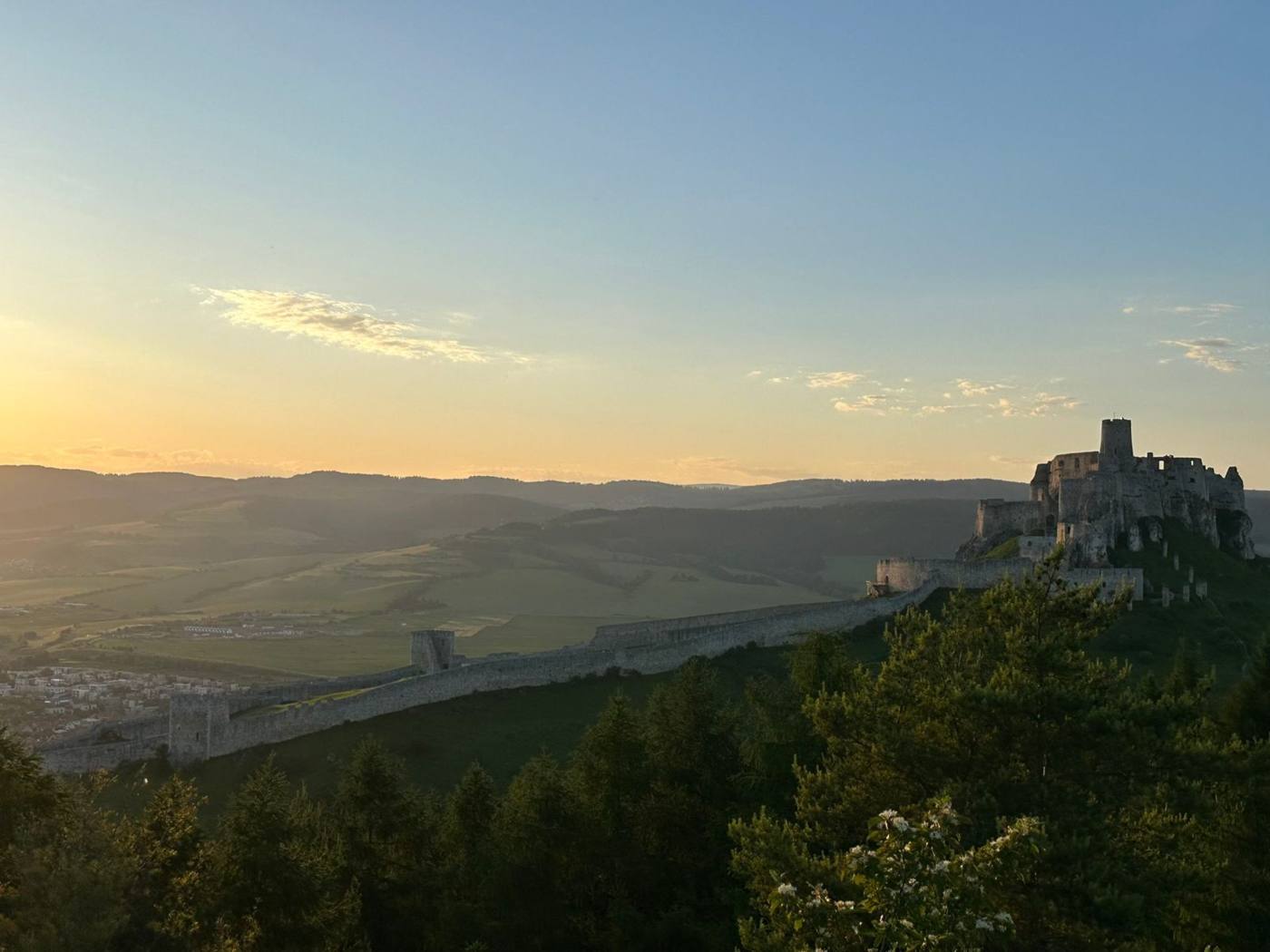
Slovak Paradise and Spiš
Gorges with metal ladders and walkways in Slovenský raj, Spiš Castle and the medieval town of Levoča.
 3 daysEasy
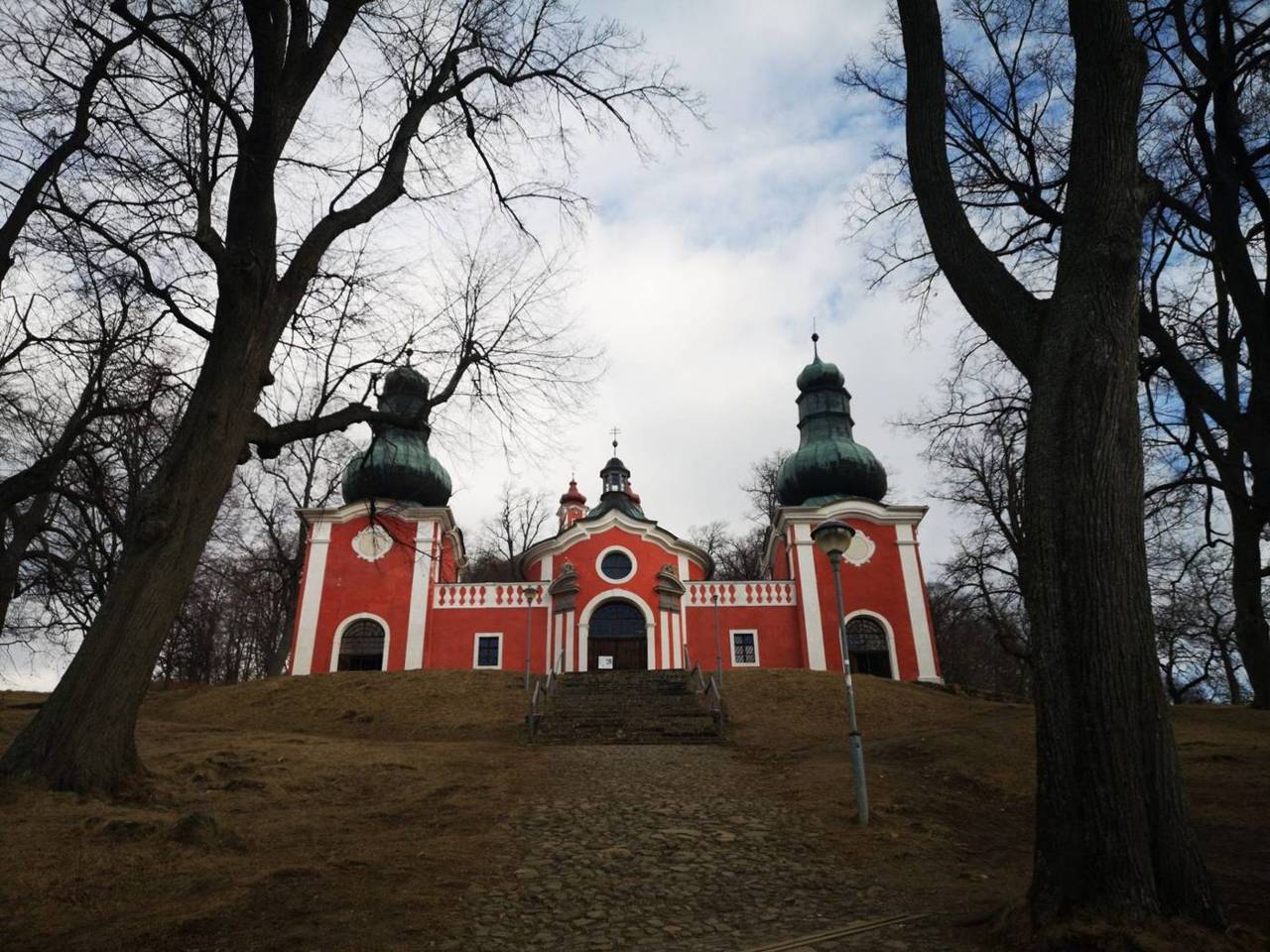
Banská Štiavnica
The old UNESCO mining town on the slopes of an extinct volcano: the Old and New Castles, the baroque Calvary, visitable mines and the artificial lakes called tajchy.
 4 daysModerate
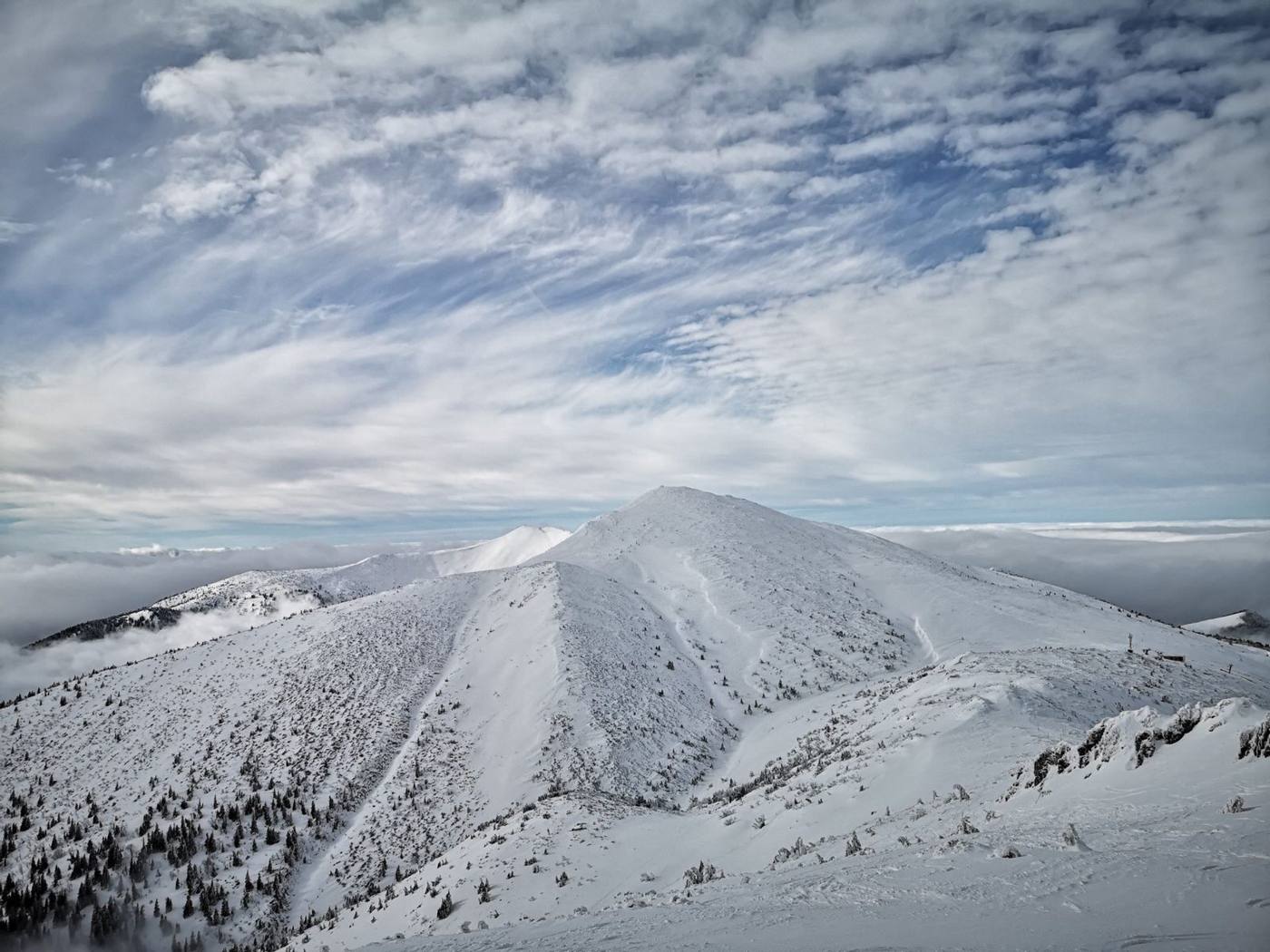
The Low Tatras and the caves
The Low Tatras ridge from Chopok to Ďumbier, Demänovská Ice Cave and the Cave of Liberty, based in Liptovský Mikuláš.