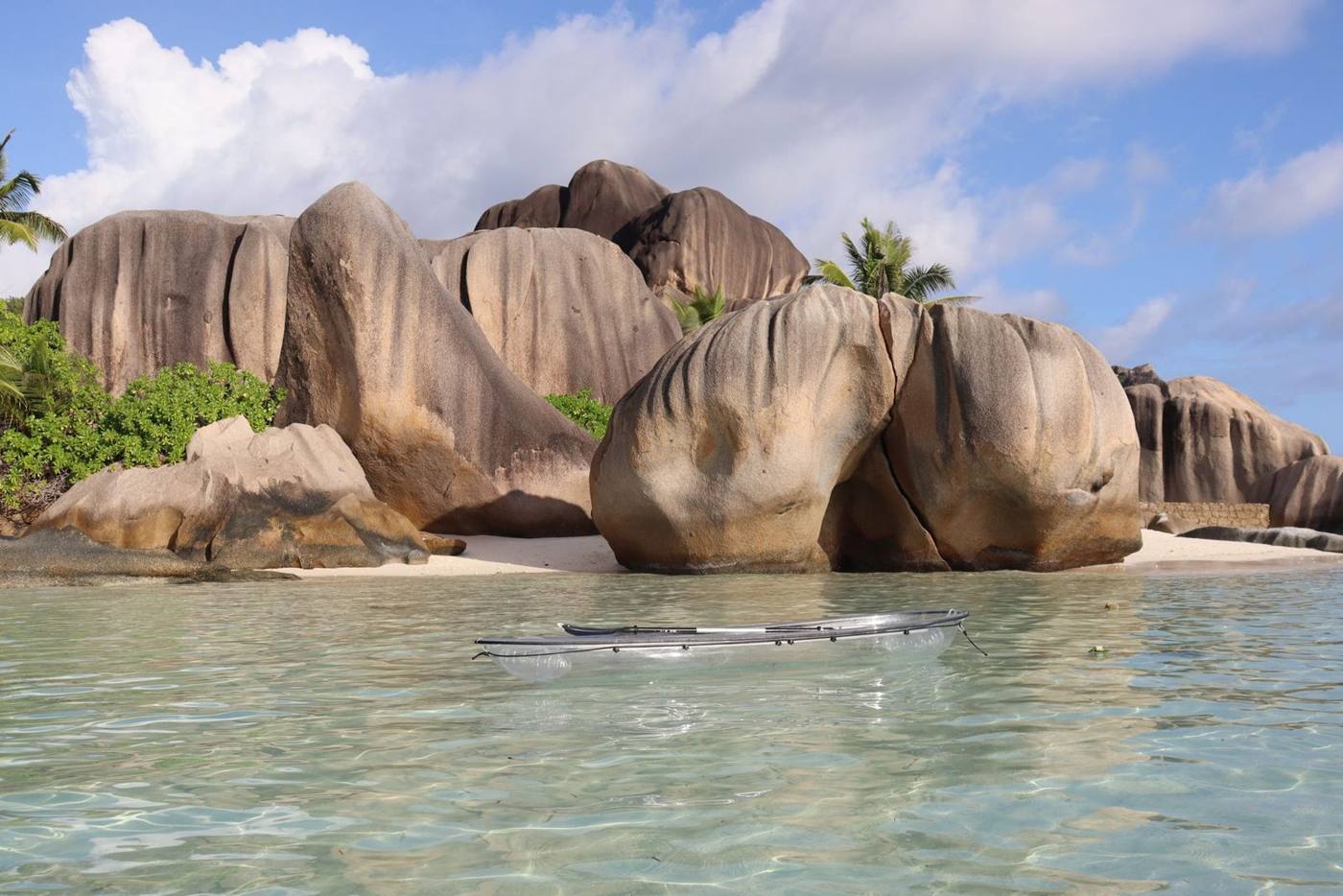
Mahé, Praslin and La Digue
The granite beaches of Anse Source d'Argent, the Vallée de Mai with the coco de mer, Anse Lazio and La Digue by bike.
- Victoria
- Mahé
- Praslin
- Vallée de Mai
- Anse Lazio
- La Digue
- Anse Source d'Argent
Day by day
- Day 1
Arrival on Mahé and Victoria
This nine-day trip crosses the three main islands of the Seychelles: Mahé with the small capital Victoria, the beaches of the south and the mountain trails, Praslin with the Vallée de Mai, Anse Lazio and the trip to Curieuse, and finally La Digue by bike, with Anse Source d'Argent and Grand Anse.
Before you go: Italian citizens enter the Seychelles with a passport valid for the whole stay, without a visa for tourism. Before departure you must apply and pay online for a travel authorisation on the official government website, showing a return ticket, confirmed accommodation and sufficient funds. You also pay an environmental levy per night, which depends on your accommodation: check the current amount. Other nationalities should check their own rules. Viaggiare Sicuri reports petty theft, scams targeting tourists and dangerous currents in the sea.
You land at the international airport on the east coast of Mahé. Reach your accommodation, drop your bags and in the afternoon go to Victoria, one of the smallest capitals in the world. Walk to the silver clock tower, the symbol of the town, and look at the colourful Hindu temple and the cathedral.
Towards evening go back to your accommodation and rest after the flight. If you are staying on the west coast, watch the sunset over the sea.
Practical tip: if you hire a car, remember that driving is on the left and that the mountain roads are narrow and steep. Public buses are cheap and connect almost the whole island.
- Day 2
Victoria market and Anse Intendance
In the morning go back to Victoria for the covered market, the heart of the town. Arrive early, when the fish stalls are full of freshly caught tuna, grouper and parrotfish. At the fruit stalls you find small bananas, breadfruit, mangoes and spices such as cinnamon, vanilla and nutmeg.
Upstairs there are stalls with souvenirs, fabrics and bags of local tea. Buy something for lunch and then head down to the south of the island, by car or on the public bus that leaves from Victoria bus station. The road runs through green hills and Creole villages with colourful wooden houses.
Anse Intendance is a long beach of white sand, closed by granite rocks and palms. It is one of the finest on Mahé, but the sea is often rough and the waves are strong, especially in the months of the south-east monsoon. Swim only if the sea is calm and stay close to the shore. Sea turtles also nest here: do not disturb the marked areas.
In the afternoon stop at another, more sheltered bay in the south, where the water is quiet and you can swim with mask and fins. Head back before dark, because the roads are not lit.
Practical tip: Viaggiare Sicuri and the British government point out that lifeguards are scarce and that currents change with the monsoons. Before going into the water, read the signs and ask local people.
- Day 3
Morne Seychellois National Park
Today you climb into Morne Seychellois National Park, which covers the mountains in the centre of Mahé. Here the forest is dense and damp, with ferns, endemic palms and carnivorous pitcher plants along the trails.
According to the Seychelles parks authority, the trail to Morne Seychellois, the highest peak in the archipelago, is open only in the morning and must be walked with a licensed guide: book ahead and check prices and times. It is a steep climb, with muddy stretches and roots, for people who already have hiking experience. If you prefer something easier, choose the Copolia trail, shorter, with a large panoramic rock above Victoria and Sainte Anne Marine Park.
Set off early, when the air is cooler and the clouds have not yet covered the peaks. At the top, if the sky is clear, you see the islands around Mahé.
Along the way look for green lizards on the tree trunks and listen for endemic birds such as the Seychelles bulbul. In the afternoon go down to the west coast and rest on the beach, perhaps at Port Launay, in the marine park. In the evening pack your bags for the next day's crossing.
Practical tip: carry at least a litre and a half of water each, hiking shoes with a good sole and a rain jacket. Afternoon downpours are frequent.
- Day 4
Ferry to Praslin and the Vallée de Mai
In the morning take the fast ferry from Victoria to Praslin. The crossing takes about an hour and can be bumpy when the sea is rough. From the deck you watch Mahé fade away and the small granite islands along the route. When you arrive at the port of Baie Sainte Anne you find taxis and buses.
Drop your bags and go to the Vallée de Mai, the UNESCO palm forest in the centre of the island. According to the official website it is open every day except 25 December and 1 January, from 8.30 to 16.30, with last entry at 15.30: check current prices and times. At the entrance you receive a map of the paths.
This is where the coco de mer grows, the palm that produces the largest seed in the plant kingdom. Adult trees exceed 25 metres and the huge leaves rattle in the wind. Listen for the whistles of the black parrot, which lives only on Praslin. Stay on the paths: poaching of the nuts is a serious threat and the reserve is guarded.
In the afternoon reach the beach of Côte d'Or, long and quiet, on the east coast. Take a walk on the sand at sunset and watch the fishing boats come back. In the evening look for a fish dish in a simple place near the beach.
Practical tip: if you suffer from seasickness, sit in the middle of the ferry and look at the horizon. Book your ticket ahead in holiday periods.
- Day 5
Anse Lazio
Today is a beach day at Anse Lazio, in the north-west of Praslin. You get there by bus, by taxi or by hire car, on a road that climbs through the hills and drops down to the bay.
The beach is a long crescent of pale sand, with big granite boulders at either end and takamaka trees giving shade. The water is clear and often calm. With mask and fins swim near the rocks, where you see colourful fish and sometimes small rays on the sandy bottom.
Arrive early to find a spot in the shade and enjoy the morning light. At midday the sun is very strong: stay under cover and drink often.
In the afternoon, if you want to walk, follow the road to nearby Anse Boudin. On the way back stop to look at the sea from above, from the point where the road crosses the hill.
In the evening taste Creole food, with octopus curry, grilled fish, papaya chutney and rice. Ladob, a dessert of banana or breadfruit cooked in coconut milk, is a good way to end dinner.
Practical tip: do not leave backpacks and phones unattended on the sand while you swim. In strong wind there can be waves and currents here too: look at the flags.
- Day 6
Curieuse and the giant tortoises
Today you take a boat trip to Curieuse, the island of red granite off the north coast of Praslin, today a marine national park. You pay the park ticket to the rangers: check prices and times.
The boat arrives in Baie Laraie, near the rangers' station, where Aldabra giant tortoises live freely. Watch them calmly, do not touch them and do not feed them.
Then follow the wooden boardwalk through the mangroves to Anse St José, where you find the doctor's house, a colonial building linked to the island's old leper colony. Along the way you see crabs, birds and the shallow water of the lagoons.
Many trips also stop near the islet of St Pierre for snorkelling among the granite rocks. Listen to the crew's instructions and stay close to the boat.
You return to Praslin in the afternoon. Rest and enjoy your last evening on the island, perhaps with a walk on the beach near your accommodation. Pack a light bag for La Digue: on a bike it is better to carry little.
If you still have energy, have a last evening swim in the calm water of the north coast.
Practical tip: Viaggiare Sicuri advises thinking carefully about boat trips offered on the beach. Book with someone who gives you a clear price and check that there are life jackets.
- Day 7
La Digue and Anse Source d'Argent
In the morning take the ferry to La Digue: the crossing from Praslin is short. There are few cars on the island and almost everyone gets around by bike, which you hire near the port of La Passe.
Cycle south along the west coast, on a flat road that passes Creole houses with tin roofs and small flowering gardens. You cross the old L'Union estate, with the plantation house, the copra mill and a pen of giant tortoises. You pay a ticket to enter: check prices and times.
Beyond the estate you reach Anse Source d'Argent, the beach of pink granite boulders smoothed by the sea, one of the most photographed in the world. The water is shallow and calm, protected by the reef. Walk among the rocks and discover the small coves one after another. At low tide the water can be very shallow: check the tide times for swimming.
In the late afternoon the light turns warm on the rocks. Cycle back slowly to La Passe before dark. In the evening the village is quiet, with small shops, fruit stalls and a few places where you can try a fresh fruit juice or a Creole curry.
Practical tip: check the brakes and lights of the bike before you set off. Bring a lock and leave the bike only in the marked places.
- Day 8
Grand Anse and the Veuve reserve
In the morning stop at the Veuve reserve, near La Passe, home of the Seychelles paradise flycatcher, a rare bird with a long tail. According to the parks authority the reserve is open on weekdays and on Saturdays with shorter hours: check prices and times.
Then cycle inland and towards the east coast. The road climbs a little and arrives at Grand Anse, a wide, wild beach with pale sand and strong waves. Here the sea is often dangerous, with currents that pull out to sea: swim only if it is calm and do not move away from the shore. It is still a beautiful place to walk and rest.
From Grand Anse a path leads to Petite Anse and then to Anse Cocos, even quieter and emptier bays. The route runs among rocks and vegetation: follow the markers and ask for information before you start.
In the evening go back to La Passe and have dinner with grilled fish and tropical fruit. If you stay an extra day, you can walk up to Nid d'Aigle, the highest point of the island, with views over the nearby islands.
Practical tip: carry water and food, because there are few services on the east coast beaches. Set off early to avoid cycling in the hottest hours.
- Day 9
Back to Mahé and departure
In the morning return the bike and take the ferry to Mahé, changing on Praslin or on a direct sailing, if there is one. From Victoria port reach the airport by taxi, a short drive along the east coast.
If your flight leaves late, use the last hours in Victoria: a walk in the National Botanical Garden, where giant tortoises live and coco de mer palms grow, or a last visit to the market to buy spices and vanilla.
In nine days you have seen the best of the three main islands: the Creole life of Victoria and its market, the beaches of southern Mahé and the mountain trails, the Vallée de Mai with the coco de mer and the black parrot, Anse Lazio, the tortoises of Curieuse and the granite beaches of La Digue. The Seychelles are among the most expensive destinations, but Creole guesthouses cost much less than the big hotels.
When to go: the best months are April and May and then October and November, between one monsoon and the next, with a calm sea, clear water and less rain. From December to March there is more rain and the west coast can be rough, while from May to September the wind makes many east coast beaches choppy.
Practical tip: arrive at the airport early and keep your travel authorisation documents in your bag. Remember that there are checks on natural products when you leave too, such as coco de mer nuts, which need a certificate.
Some of the world's most beautiful beaches, but among the most expensive destinations. Creole guesthouses cost much less than resorts. Some beaches have strong currents in monsoon months: always ask locally.
Before you go
- Documents and visa
- Passport valid for the whole stay, with no visa for tourist visits. Before departure you must apply and pay online for a travel authorisation on the official government website, showing a return or onward ticket, confirmed accommodation and sufficient funds. On arrival you receive a permit for a short stay, which can be extended only at the immigration office. You also pay an environmental levy per night, which depends on your accommodation: check the current amount.
- Health and vaccines
- A yellow fever certificate is required if you arrive from, or have transited through, a country where the disease is endemic. Protect yourself from mosquitoes, also during the day, and carry sun cream and water on the trails. Emergencies: 999; ambulance 151.
- Money and payments
- Seychelles rupee. Cards work at many places to stay and shops on the main islands; carry cash for markets, buses and the smaller islands.
- Power sockets
- Type G, 240 volts: UK plugs fit without an adapter.
- Time zone
- UTC+4 all year.
- Safety
- The situation is generally good, but there are thefts, bag snatches and scams: do not leave valuables in cars and take care in the evening, especially in Beau Vallon, the back streets of Victoria and isolated places. Think carefully about boat trips offered on the beach and check that life jackets are provided. The sea has dangerous currents and strong waves, which change with the monsoons, and lifeguards are scarce: ask locally and follow warning signs. Driving is on the left. Official advice: GOV.UK.
Information checked in November 2026 for Italian and EU citizens. Rules change: always check before you travel.
Variations
In six days keep Mahé and Praslin, with the Vallée de Mai and Anse Lazio.
With twelve days add Silhouette or a trip to the bird islands of Cousin and Aride.
Frequently asked questions
Is it better to stay on one island or move around?
Moving is worth it: each island has a different character. Three bases, Mahé, Praslin and La Digue, save you long day trips.
Do you need a car on La Digue?
No. There are very few cars on the island and you get around by bike or on foot. For longer distances there are a few taxis.
Are the beaches safe for swimming?
Not all of them and not always. Currents change with the monsoons and lifeguards are scarce: read the signs, ask locally and do not swim far from the shore.
Indicative itinerary written by World Atlas. Before booking, check timetables, seasonal openings, documents and safety.
 6 daysEasy
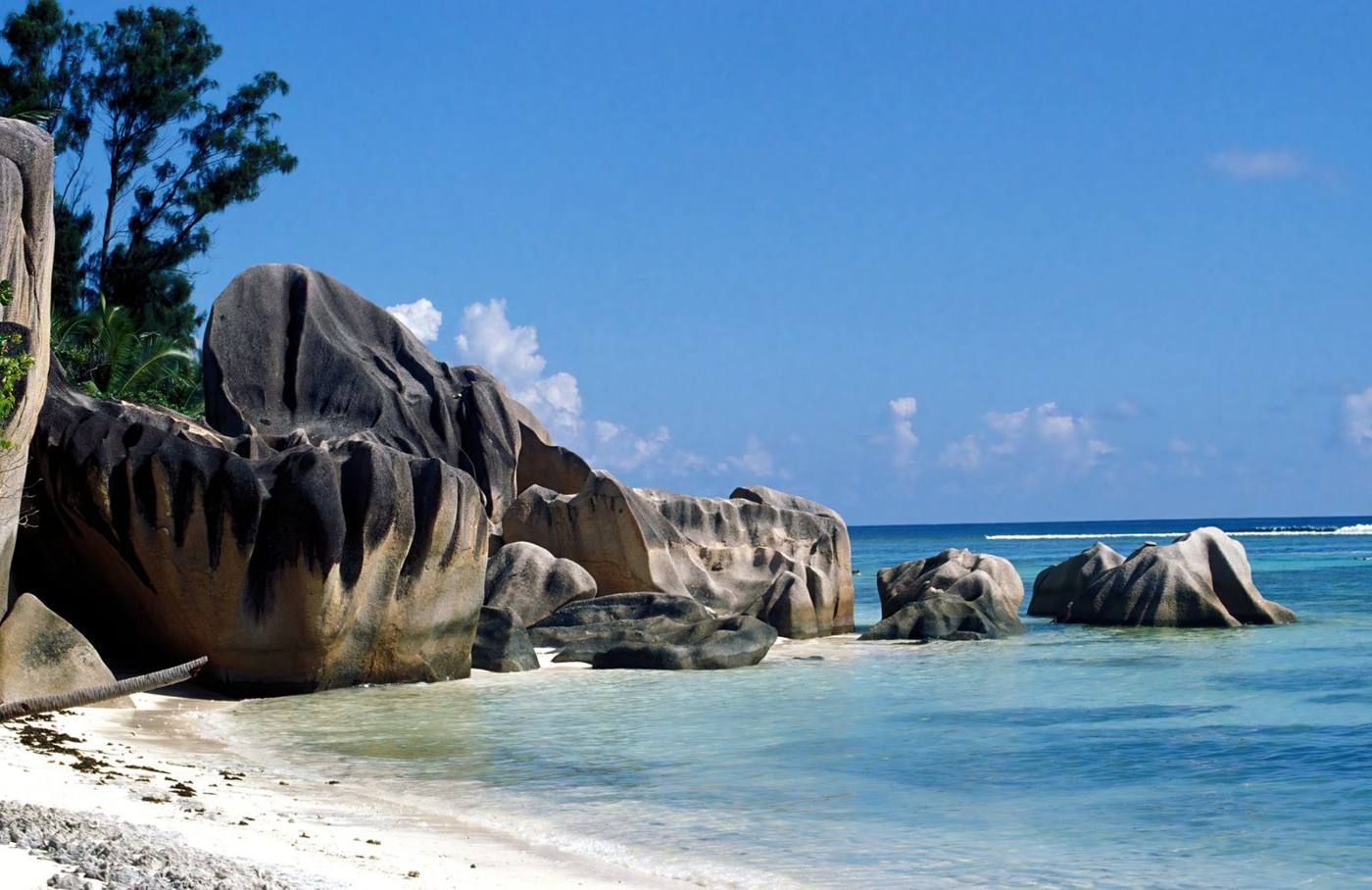
Snorkelling and bird islands
Sainte Anne marine park, Cousin bird island, Aride with its tern colonies and dives around Mahé.
 3 daysModerate
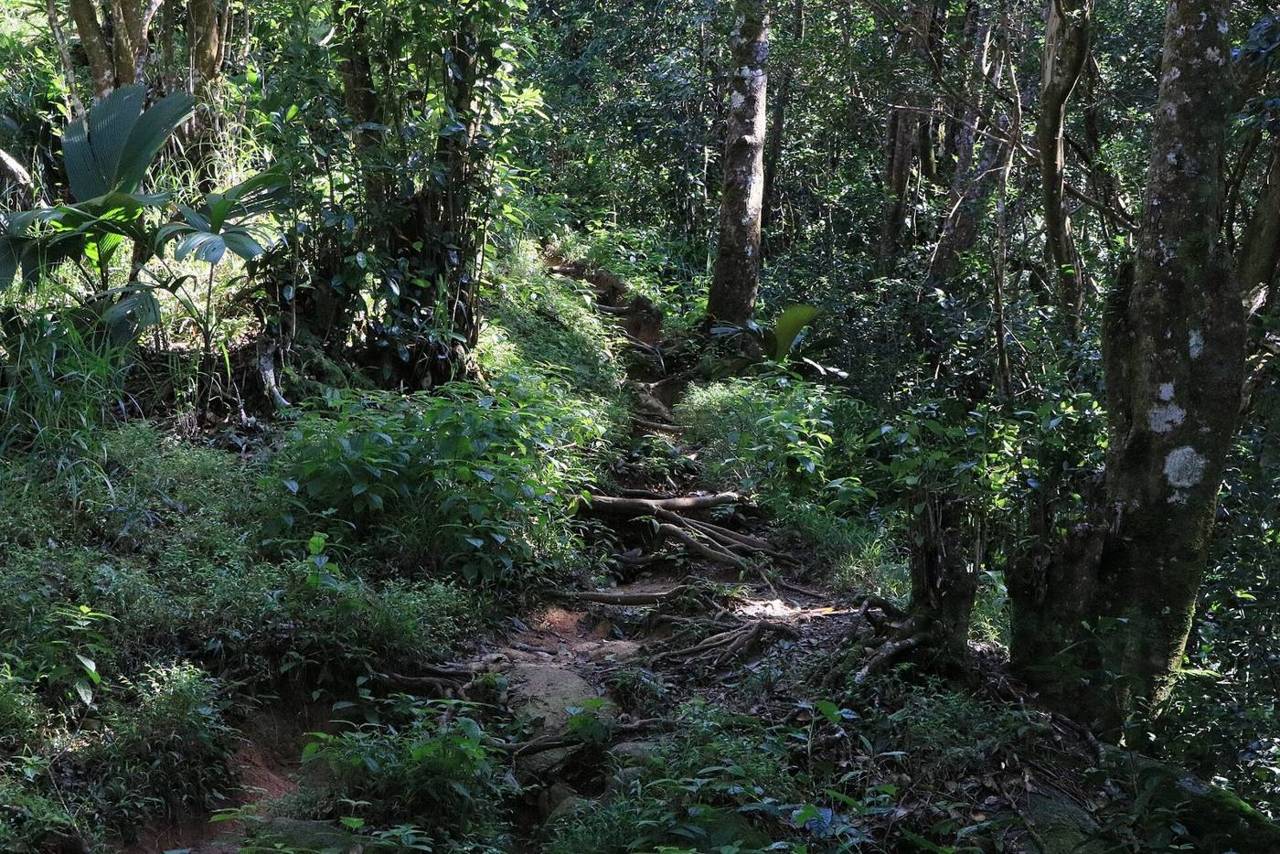
Hiking on Mahé
The trails of Morne Seychellois park: the summit of Morne Blanc above the clouds, the walk to the wild beach of Anse Major and the old Venn's Town mission.
 2 daysEasy
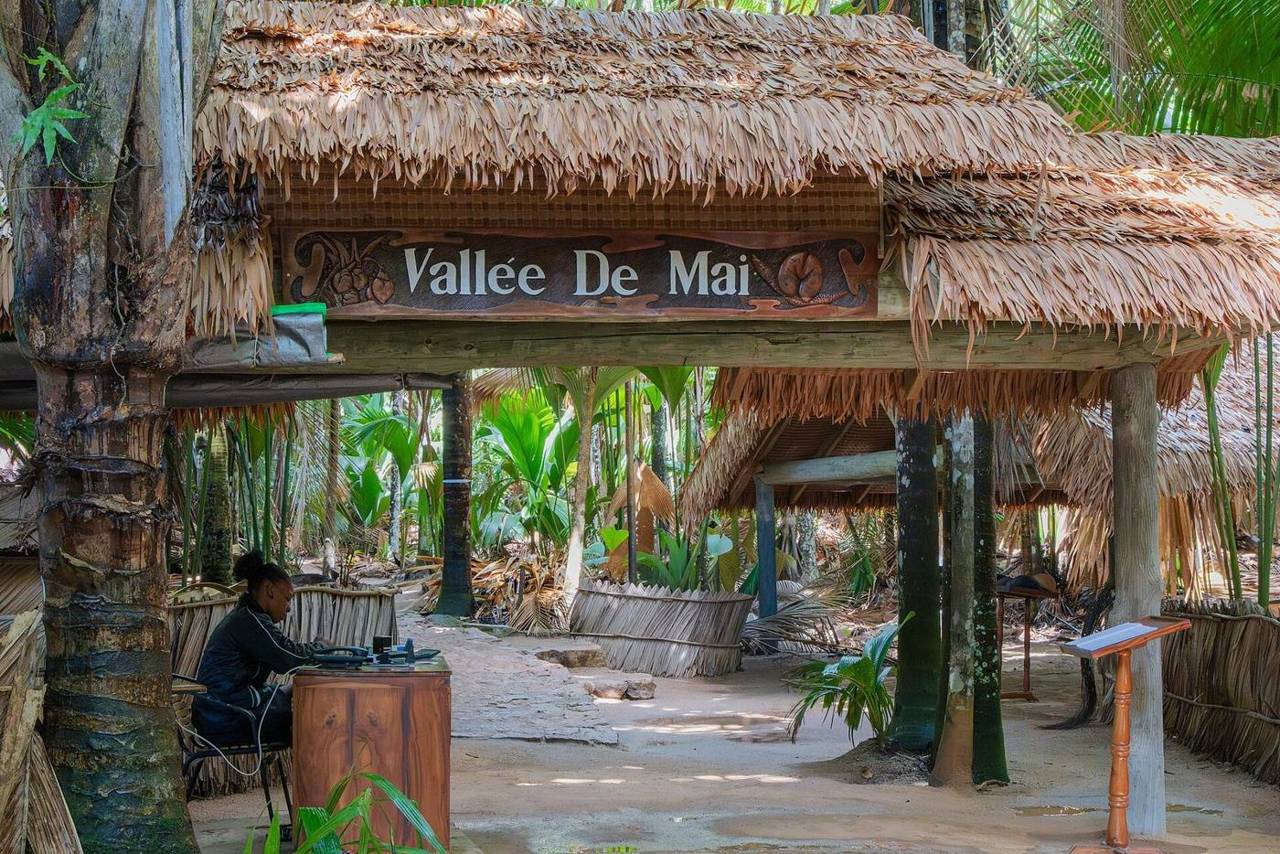
The Vallée de Mai
Praslin's prehistoric palm forest, a UNESCO site, where the coco de mer grows, the world's largest seed, and the rare black parrot lives.