Saint-Louis and Djoudj
The UNESCO-listed former colonial capital on the Senegal river, the Guet Ndar fishing quarter, the Djoudj bird park and the Lompoul desert.
- Dakar
- Lompoul
- Saint-Louis
- Guet Ndar
- Djoudj
Day by day
- Day 1
From Dakar to the Lompoul desert
This trip takes you to northern Senegal, between colonial history and nature: a night in the dunes of Lompoul, the city of Saint-Louis on the Senegal river, a UNESCO World Heritage Site since 2000, the fishermen's quarter of Guet Ndar and the Djoudj National Bird Park. It is an easy trip from Dakar, with long roads but no particular difficulties.
Before you go: Italian citizens enter Senegal with a passport valid for at least six months from the day of entry; no visa is needed for tourism of up to 90 days and you may be asked for your return ticket on arrival. Always carry an identity document, even a copy. The yellow fever certificate is compulsory if you arrive from a country at risk; malaria is endemic, so talk to your doctor about prevention. Other nationalities should check their own rules.
Leave Dakar in the morning with a driver and take the road north. You cross the Thiès region, with its orchards and groundnut fields, then countryside of baobabs and villages. In the afternoon you reach the village of Lompoul and get into a 4x4 that takes you among the dunes.
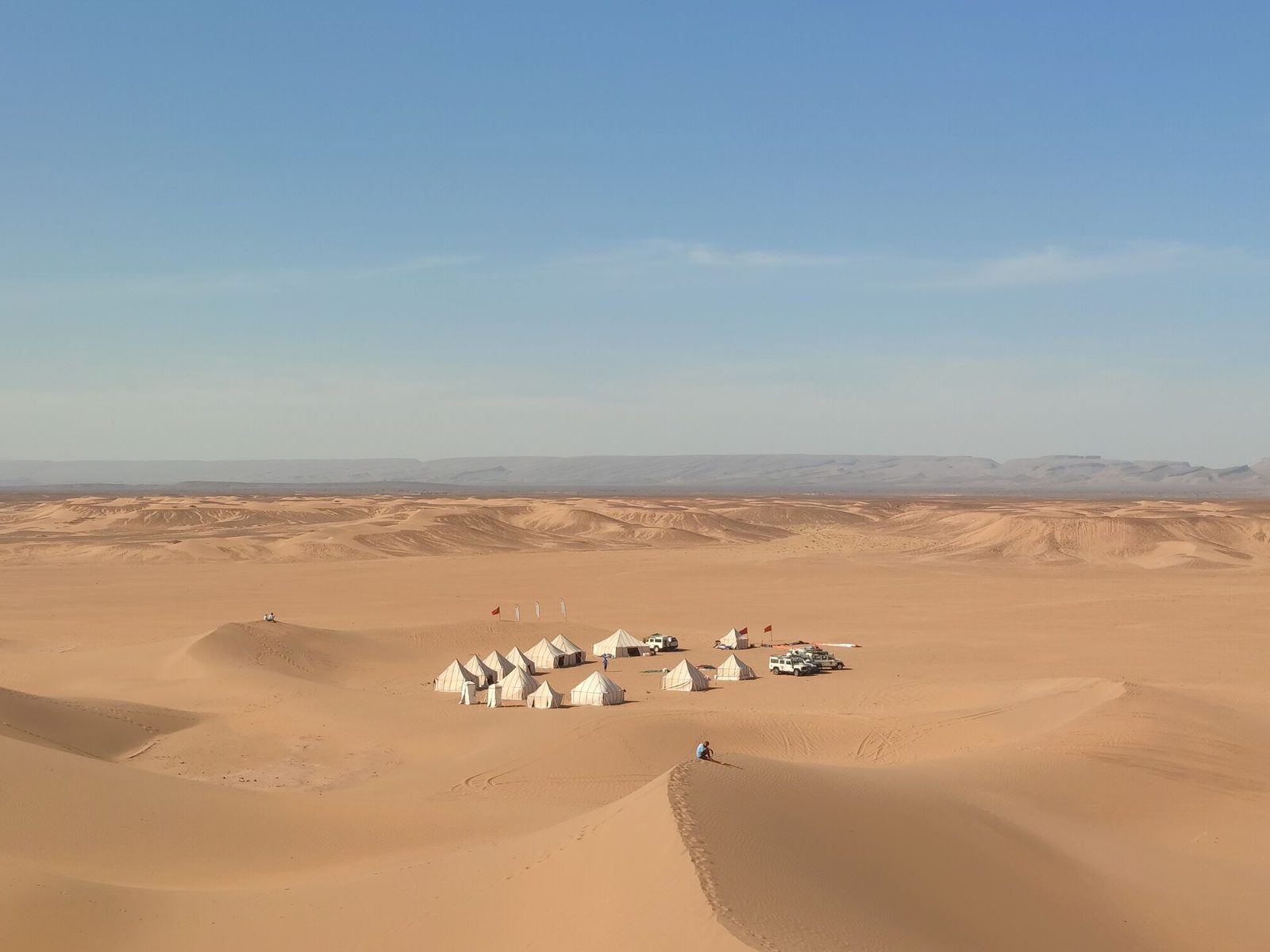
The Lompoul dunes are a small island of orange sand a few kilometres from the ocean. Settle into your tent, then climb the highest crest for sunset. In the evening have dinner outdoors and look at the starry sky, far from city lights.
Practical tip: keep a sweatshirt, a head torch and a bag to protect your phone and camera from sand in your hand luggage.
- Day 2
Saint-Louis: the Faidherbe bridge and colonial houses
Wake early to see the sunrise over the dunes, then set off north again. In a couple of hours you reach Saint-Louis, founded by the French in the seventeenth century on an island at the mouth of the Senegal river. It was the capital of French West Africa and then of Senegal until 1957.
You enter the city by crossing the Faidherbe bridge, a long iron structure from the late nineteenth century linking the mainland to the island. On the island the historic centre is a grid of streets with two-storey colonial houses, wrought-iron balconies, wooden shutters and inner courtyards. Many are partly crumbling, which is part of their charm.
Walk without hurrying: pass the main square, the old governor's residence, the cathedral and the great mosque. Look at the murals, the fabric shops and the horse-drawn carriages taking visitors around the island.
In the afternoon take a tour of the island by calèche, or sit on the riverbank and watch the pirogues go by.
In the evening look for a concert: Saint-Louis is famous for music, especially jazz, which in some months also has a festival.
Practical tip: agree the price of the calèche before getting in, and walk in the middle of the street when the pavements are narrow or broken.
- Day 3
The fishermen's quarter and the colourful pirogues
Today you cross the small bridge linking the island to the Langue de Barbarie, the long spit of sand towards the ocean. Here is Guet Ndar, the fishermen's quarter, one of the densest and liveliest in West Africa.
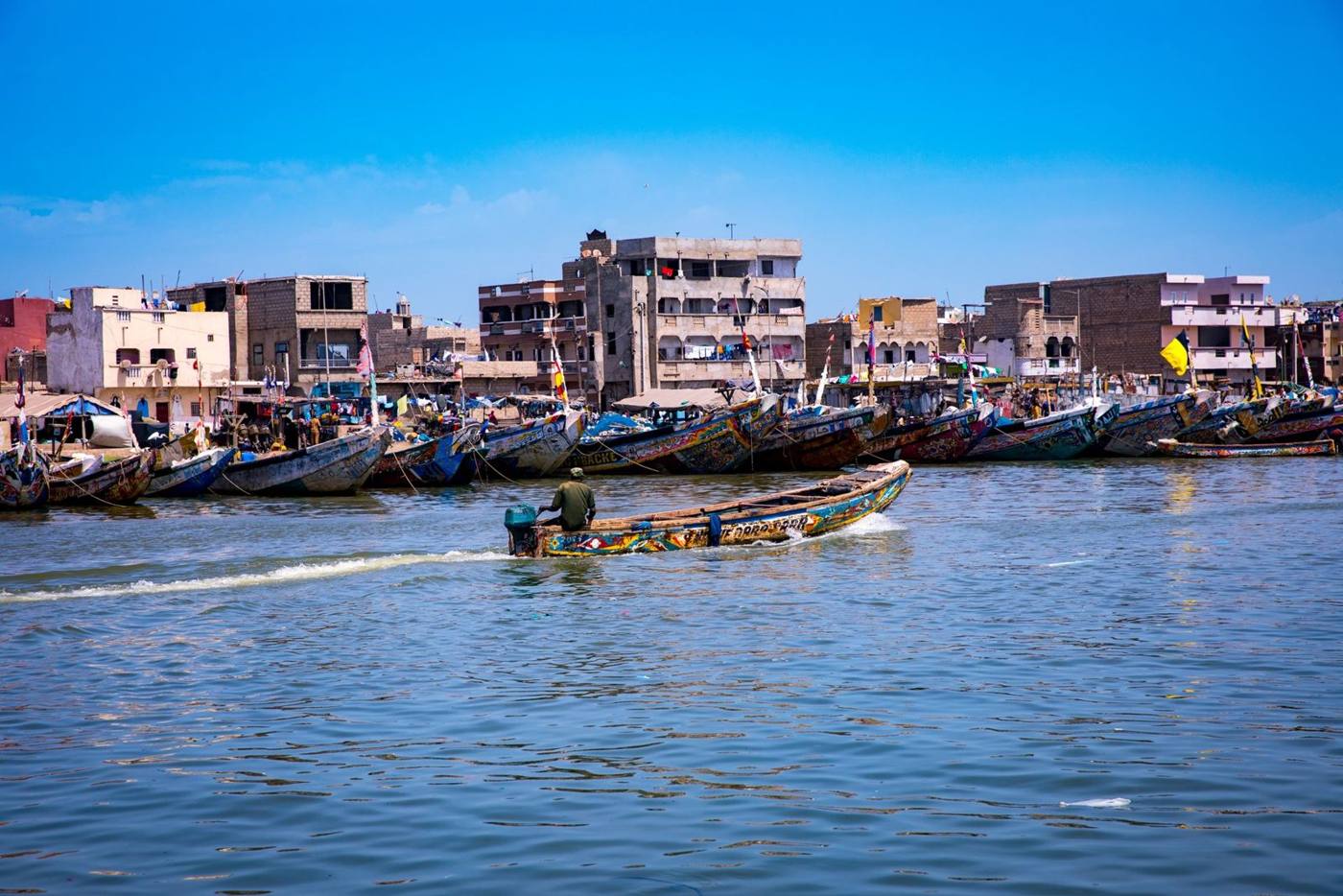
Early in the morning the beach is full of hundreds of wooden pirogues painted in bright colours, with slogans, flags and drawings. When they return from the sea, men and boys push them up the sand, unload the fish into crates and pass it to the women, who sell it, clean it and lay it out to dry in the sun. It is a powerful, noisy scene full of energy.
With a guide from the quarter walk among the low houses, the courtyards and the areas where fish is processed. Pass the fishermen's cemetery, where nets are spread over many graves: a way of remembering the life at sea of those buried there. Enter with respect and without taking photographs.
In the afternoon go back to the island and rest. At sunset walk along the riverbank, when the light turns golden on the Faidherbe bridge.
Practical tip: in Guet Ndar always ask permission before photographing people, because many do not like it, and watch your pockets in the most crowded areas.
- Day 4
Djoudj park: pelicans and flamingos by boat
Today you leave early heading north for the Djoudj National Bird Park, about an hour from Saint-Louis, in the Senegal river delta. It has been a UNESCO site since 1981 and is one of the most important wetlands in West Africa for migratory birds arriving from Europe in winter.
At the entrance you pay for your ticket and board a boat with a park guide. Check prices and times. The boat glides through reed beds, lagoons and channels. Around you pass herons, cormorants, spoonbills, ducks and kingfishers. The highlight is reaching the pelican colony: thousands of large white birds swimming together, taking off and landing back on their nests.
Further away, in the shallow lagoons, you often see flamingos, pink and white, filtering the water with their beaks. Bring binoculars to watch them better without getting too close.
After the boat trip take a short walk or a drive along the park tracks: sometimes warthogs, jackals and crocodiles are seen near the water.
In the afternoon return to Saint-Louis for your last evening on the island.
Practical tip: Djoudj is at its best between December and March, with the migratory birds; outside these months ask beforehand whether the pelican colony is present.
- Day 5
Back to Dakar
Last day. In the morning take a final walk on the island of Saint-Louis: the market, the riverbank, the houses in faded colours. If you like, buy a piece of fabric, a leather item or a reverse glass painting, a traditional technique in Senegal.
Then head south. The drive to Dakar takes several hours and crosses the same countryside as on the way up: villages, fields of onions and groundnuts, baobabs and roadside markets. Take a break halfway for a relaxed lunch and to stretch your legs in the shade. You reach Dakar in the late afternoon.
In five days you have seen northern Senegal: the dunes of Lompoul at sunset, Saint-Louis with the Faidherbe bridge and its colonial houses, the life of the fishermen of Guet Ndar and the pelicans and flamingos of Djoudj. It is an easy and varied trip, combining history, culture and nature.
When to go: from November to April, in the dry season; for the birds of Djoudj the best months are December to March. From July to October the rains arrive with humid heat.
Practical tip: leave Saint-Louis by late morning so that you reach Dakar in daylight, because driving at night on Senegalese roads is not advised.
A trip between colonial history and nature, easy from Dakar. Djoudj is at its best from December to March, with European migratory birds. The colonial houses are partly crumbling, which is part of the charm.
Before you go
- Documents and visa
- Passport with at least six months of remaining validity on entry. For tourism of up to 90 days no visa is needed and you may be asked for your return ticket on arrival. Always carry an identity document, even a copy: at night checks people who cannot show one may be detained.
- Health and vaccines
- A yellow fever vaccination certificate is compulsory, from 9 months of age, if you arrive from a country at risk, including after a stopover of more than 12 hours. Malaria is endemic: talk to your doctor about prevention and recommended vaccinations. Drink only bottled water, without ice, and buy medicines only from main pharmacies. You need insurance covering medical costs and medical repatriation.
- Money and payments
- West African CFA franc (XOF), with a fixed exchange rate to the euro. Cards work mainly in large hotels and shops; outside the cities you pay in cash. More than 1,000,000 CFA francs must be declared at customs on arrival, and a lower amount can be taken out without declaration.
- Power sockets
- Types C, D, E and K, 230 volts: you need an adapter for British plugs.
- Time zone
- UTC+0 all year.
- Safety
- Theft and robbery, including armed robbery, in Dakar, in tourist areas such as Saly and the Pink Lake and in the Plateau; the risk rises around holidays. Terrorist groups are active in neighbouring Mali: take particular care in remote areas near the Mali and Mauritania borders. In Casamance avoid travelling at night, stick to main roads, travel in convoy where possible and do not stop if someone flags you down. Roads are in poor condition. Drugs and homosexuality are criminal offences. Official advice: GOV.UK.
Information checked in November 2026 for Italian and EU citizens. Rules change: always check before you travel.
Variations
Shorter version: three days with Saint-Louis, Guet Ndar and Djoudj, without Lompoul.
Longer version: add two days on the Langue de Barbarie and in the villages of the Gandiolais.
Frequently asked questions
When is the best time for Djoudj?
From December to March, when migratory birds arrive from Europe and the pelican colony is at its peak.
How far is Saint-Louis from Dakar?
Several hours by road to the north. It is worth stopping halfway in the dunes of Lompoul and always travelling by day.
Can you visit Guet Ndar on your own?
It is better with a guide from the quarter, who helps you approach with respect. Always ask before taking photographs.
Indicative itinerary written by World Atlas. Before booking, check timetables, seasonal openings, documents and safety.
 8 daysEasy
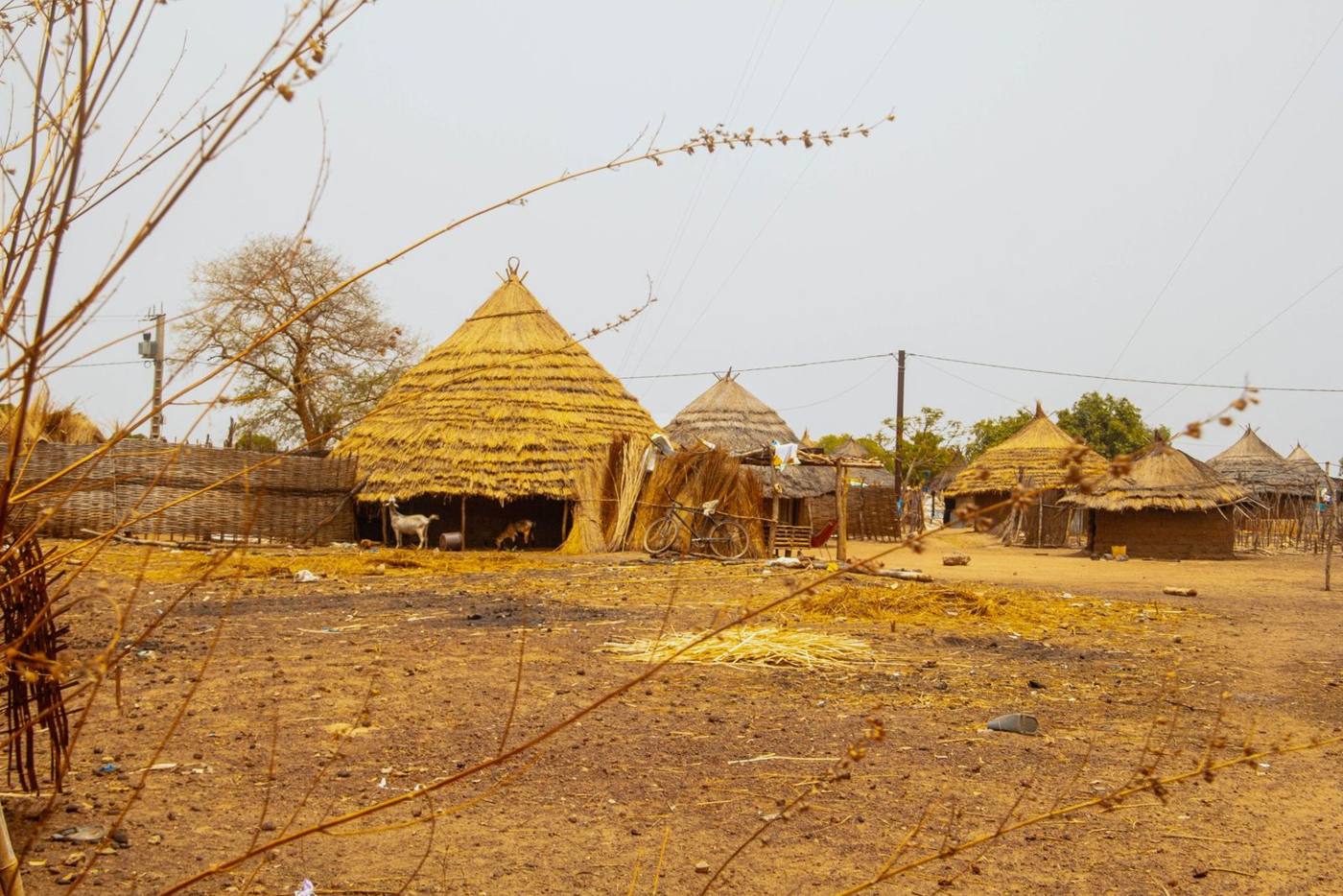
Sine-Saloum and Casamance
The Saloum delta by pirogue among mangroves and shell islands, Joal-Fadiouth, then green Casamance with the beaches of Cap Skirring and Diola villages.
 4 daysEasy
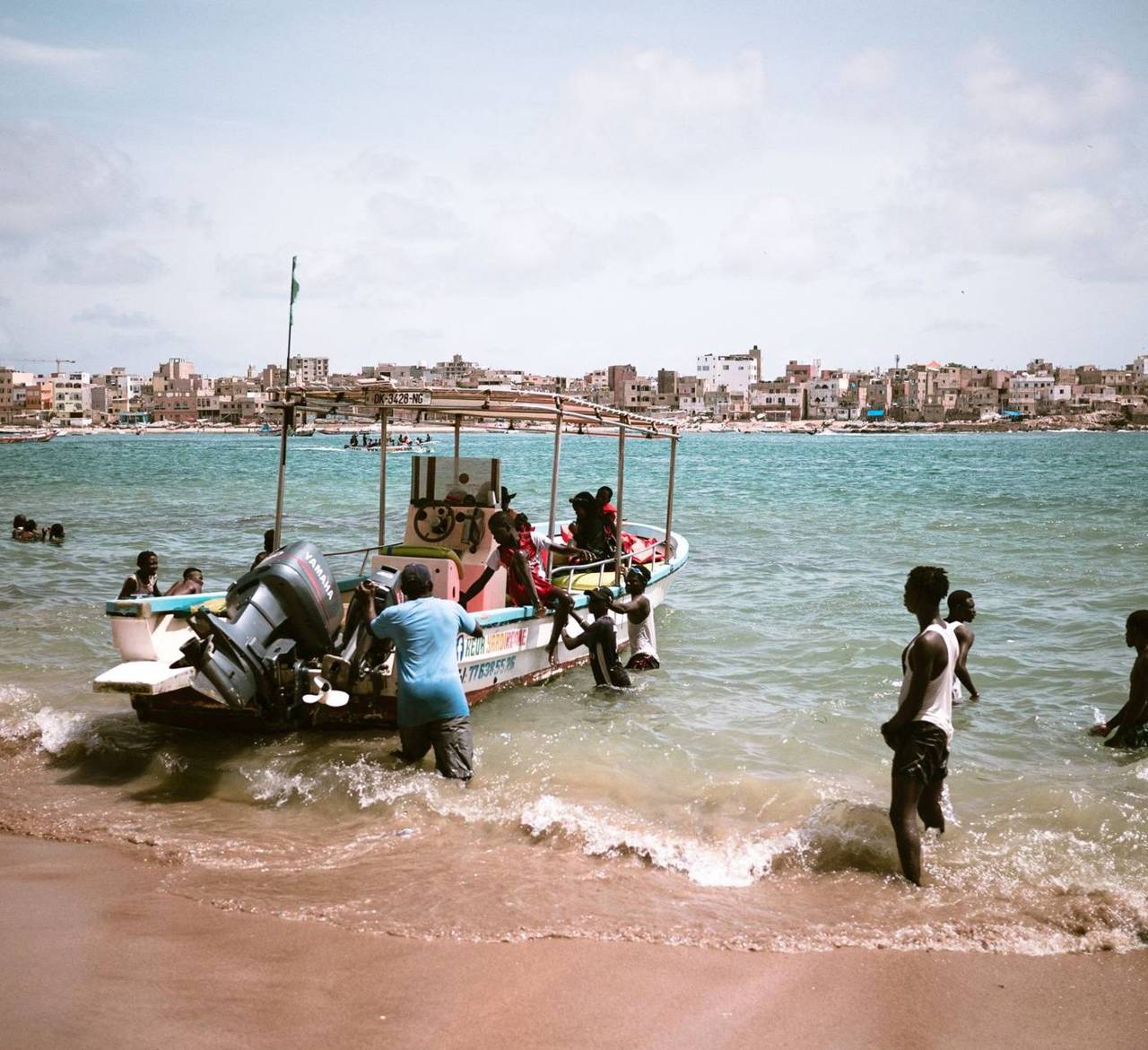
The Petite Côte and Joal-Fadiouth
The coast south of Dakar: the beaches of Saly, Somone and its lagoon, the fishing village of Mbour and the shell island of Fadiouth, linked to Joal by a wooden bridge.
 2 daysEasy
The Lompoul desert
A small island of orange dunes between Dakar and Saint-Louis, with a night in a Mauritanian tent, sunset on the dunes and a walk to the ocean.