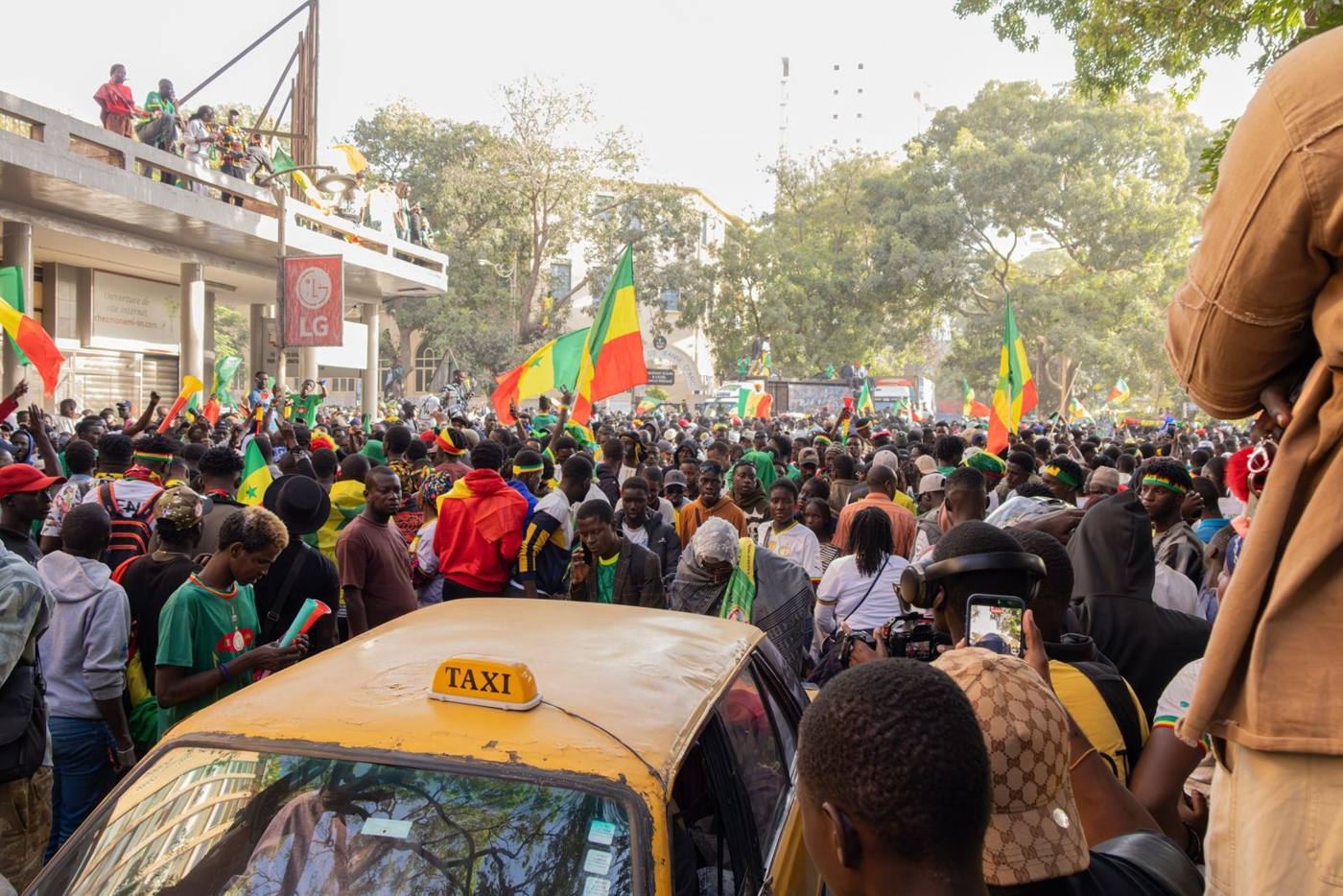
Dakar, Gorée and the Pink Lake
Dakar and its music, Gorée Island with the House of Slaves, the African Renaissance Monument and Lake Retba with its pink water and salt collectors.
- Dakar
- Gorée
- Almadies
- Lake Retba
Day by day
- Day 1
Dakar: Sandaga, the Museum of Black Civilisations and the corniche
This trip takes you to Dakar and its surroundings: the capital and its music, Gorée island with the House of Slaves, Lake Retba with its pink water and salt collectors, and the Pointe des Almadies, the westernmost point of Africa. It is a lively introduction to West Africa, in a stable country. French and Wolof are spoken.
Before you go: Italian citizens enter Senegal with a passport with at least six months of remaining validity on entry; for tourism of up to 90 days no visa is needed and you may be asked for your return ticket on arrival. Always carry an identity document, even a copy, because it may be requested at night checks. The yellow fever certificate is compulsory if you arrive from a country at risk; malaria is endemic, so talk to your doctor about prevention. Other nationalities should check their own rules. Italian official advice reports theft and robbery in Dakar, including the Plateau and the Pink Lake.
Start in the Plateau, the centre, and the shopping streets around Sandaga market, full of sellers of fabrics, shoes and radios. Then visit the Museum of Black Civilisations, opened in 2018, with rooms on the history, art and cultures of Africa and the diaspora. Check prices and times.
In the late afternoon drive or walk along the western corniche, the road by the sea, with its cliffs, football pitches on the beach and people jogging at sunset.
Practical tip: in the centre keep your phone in your pocket and your bag in front of you, and use taxis whose fare you agree before getting in.
- Day 2
The ferry to Gorée
Today you go to Gorée island, a UNESCO World Heritage Site since 1978. The ferry leaves from the port of Dakar and in about twenty minutes takes you to the island, where no cars are allowed. Check prices and times of the crossings.
Gorée is small and easy to explore on foot. Its sandy streets are lined with colonial houses in ochre and red, with wooden balconies and bougainvillea. Between the fifteenth and nineteenth centuries the island was a trading post for the Portuguese, Dutch, British and French, including in the slave trade.
Visit the House of Slaves, with its narrow cells and the «door of no return» opening onto the ocean. Historians debate how many enslaved people passed through this house, but the place has become the great symbol of the memory of the Atlantic slave trade. Enter in silence and take time to read the explanations. Check prices and times.
Then climb to the Castel, the rocky hill in the south of the island, with old gun emplacements and a view of Dakar. Also stop at the history museum housed in the fort to the north.
In the afternoon sit on the small beach near the harbour and watch the boys diving from the jetty. Return to Dakar on one of the last ferries.
Practical tip: on the island you will be offered guided tours as soon as you are on the ferry; if you want one, choose an official guide and agree the price and length before starting.
- Day 3
Lake Retba and the dunes towards the sea
Today you leave the city to the north-east to reach Lake Retba, known as the Pink Lake. The colour of the water comes from a microscopic alga that lives in the very salty water: it is strongest in the dry season, with the sun high in the middle of the day, while under cloud or after the rains it can look almost ordinary.
On the shores the salt collectors work. They wade into the lake up to their chests, break the salt off the bottom with long poles and load it into boats. They rub shea butter on their skin to protect it from the salt. Then women unload the salt and pile it into large white mounds along the shore. Watch the work with respect and ask before taking photographs.
You can take a short boat trip on the lake with a guide to see the colour of the water up close. Check prices and times.
Then cross the dunes separating the lake from the ocean by 4x4 or on foot. You reach a wide, windy beach where fishermen haul their pirogues ashore. The sea is open and the currents are strong: do not swim.
In the late afternoon return to Dakar before dark, avoiding the heaviest traffic.
Practical tip: go to the lake in the middle of the day when it is sunny, when the pink is strongest, and bring sunglasses, a hat and water, because there is no shade on the shores.
- Day 4
Les Almadies and live music
Today you explore the western part of the peninsula. In the morning go to the Pointe des Almadies, the westernmost point of mainland Africa. Walk on the black rocks and watch the Atlantic waves breaking hard: in winter surfers come here from all over the world.
Then climb the Mamelles hill to see up close the African Renaissance Monument, the great bronze statue inaugurated in 2010, with views over the whole city. Check prices and times for the interior.
In the afternoon stop at the craft village and fish market of Soumbédioune, on the corniche, where fishermen return in their pirogues and craftsmen work wood, leather and metal. Bargain calmly and with a smile: the first price is always a starting point, and a good deal ends with a handshake.
In the evening experience Dakar's music. Mbalax, with sabar drums and soaring vocals, is the national rhythm, made famous around the world by artists such as Youssou N'Dour. In the city's venues bands play live until late, especially at weekends. Ask at your hotel which evenings are on and how to get there safely.
Practical tip: in the evening always get around by taxi, even for short distances, and carry only the money you need and a copy of your document.
- Day 5
Departure
Last day in Dakar. If your flight is in the afternoon or evening, spend the morning on a final walk. You can go back to the corniche to see the sea, visit Kermel market, with its stalls of fruit, flowers and fish, or buy wax fabrics and woven baskets to take home.
Leave for the airport in good time. The new Blaise Diagne international airport is at Diass, about an hour from the centre without traffic, but at rush hour the journey can take much longer. Remember that on departure you may carry only a limited amount of cash in CFA francs without declaring it.
In five days you have got to know Dakar and its surroundings: the centre with the Museum of Black Civilisations and the corniche, Gorée island with the House of Slaves, Lake Retba with its salt collectors, the Pointe des Almadies and the evening music. It is a good first trip to West Africa, easy to extend towards Saint-Louis or the Petite Côte.
When to go: from November to May, in the dry season, with sunny days and cool evenings. From July to October the rains arrive, with humid heat and flooded roads.
Practical tip: spend or change any CFA francs you have left before leaving, because outside West Africa they are hard to exchange.
A lively introduction to West Africa, in a stable country. The lake's pink colour depends on light and season: it is strongest in the dry season around midday. French and Wolof are spoken.
Before you go
- Documents and visa
- Passport with at least six months of remaining validity on entry. For tourism of up to 90 days no visa is needed and you may be asked for your return ticket on arrival. Always carry an identity document, even a copy: at night checks people who cannot show one may be detained.
- Health and vaccines
- A yellow fever vaccination certificate is compulsory, from 9 months of age, if you arrive from a country at risk, including after a stopover of more than 12 hours. Malaria is endemic: talk to your doctor about prevention and recommended vaccinations. Drink only bottled water, without ice, and buy medicines only from main pharmacies. You need insurance covering medical costs and medical repatriation.
- Money and payments
- West African CFA franc (XOF), with a fixed exchange rate to the euro. Cards work mainly in large hotels and shops; outside the cities you pay in cash. More than 1,000,000 CFA francs must be declared at customs on arrival, and a lower amount can be taken out without declaration.
- Power sockets
- Types C, D, E and K, 230 volts: you need an adapter for British plugs.
- Time zone
- UTC+0 all year.
- Safety
- Theft and robbery, including armed robbery, in Dakar, in tourist areas such as Saly and the Pink Lake and in the Plateau; the risk rises around holidays. Terrorist groups are active in neighbouring Mali: take particular care in remote areas near the Mali and Mauritania borders. In Casamance avoid travelling at night, stick to main roads, travel in convoy where possible and do not stop if someone flags you down. Roads are in poor condition. Drugs and homosexuality are criminal offences. Official advice: GOV.UK.
Information checked in November 2026 for Italian and EU citizens. Rules change: always check before you travel.
Variations
Shorter version: three days with Dakar, Gorée and Lake Retba.
Longer version: add Saint-Louis and the Lompoul desert.
Frequently asked questions
Why is Lake Retba pink?
Because of a microscopic alga that lives in the very salty water. The colour is strongest in the dry season, in the middle of a sunny day.
How do you get to Gorée?
By ferry from the port of Dakar, in about twenty minutes. Check prices and times of the crossings.
What documents do I need for Senegal?
Italian citizens enter with a passport valid for at least six months and without a visa for tourism of up to 90 days. Other nationalities should check their own rules.
Indicative itinerary written by World Atlas. Before booking, check timetables, seasonal openings, documents and safety.
 5 daysEasy
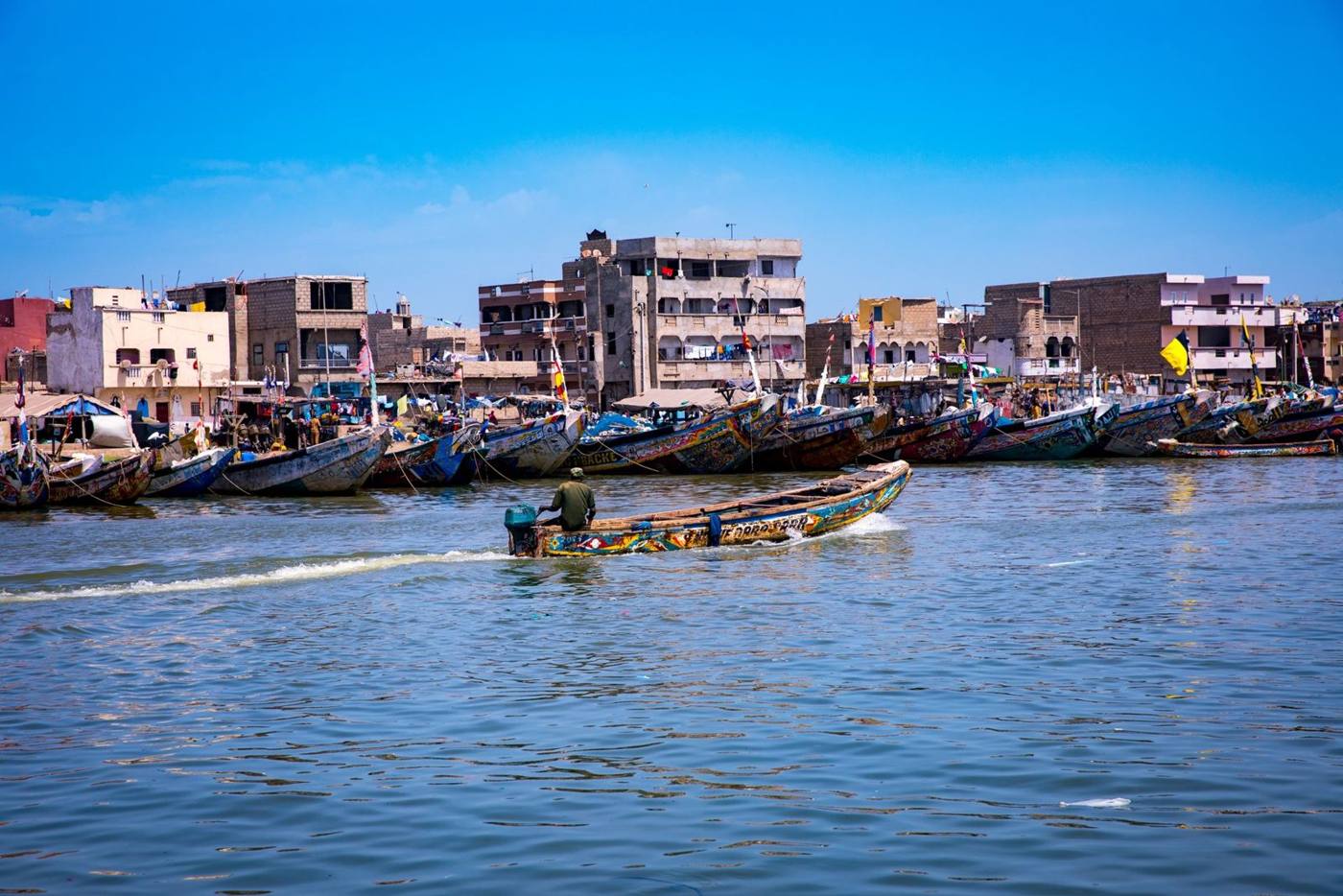
Saint-Louis and Djoudj
The UNESCO-listed former colonial capital on the Senegal river, the Guet Ndar fishing quarter, the Djoudj bird park and the Lompoul desert.
 8 daysEasy
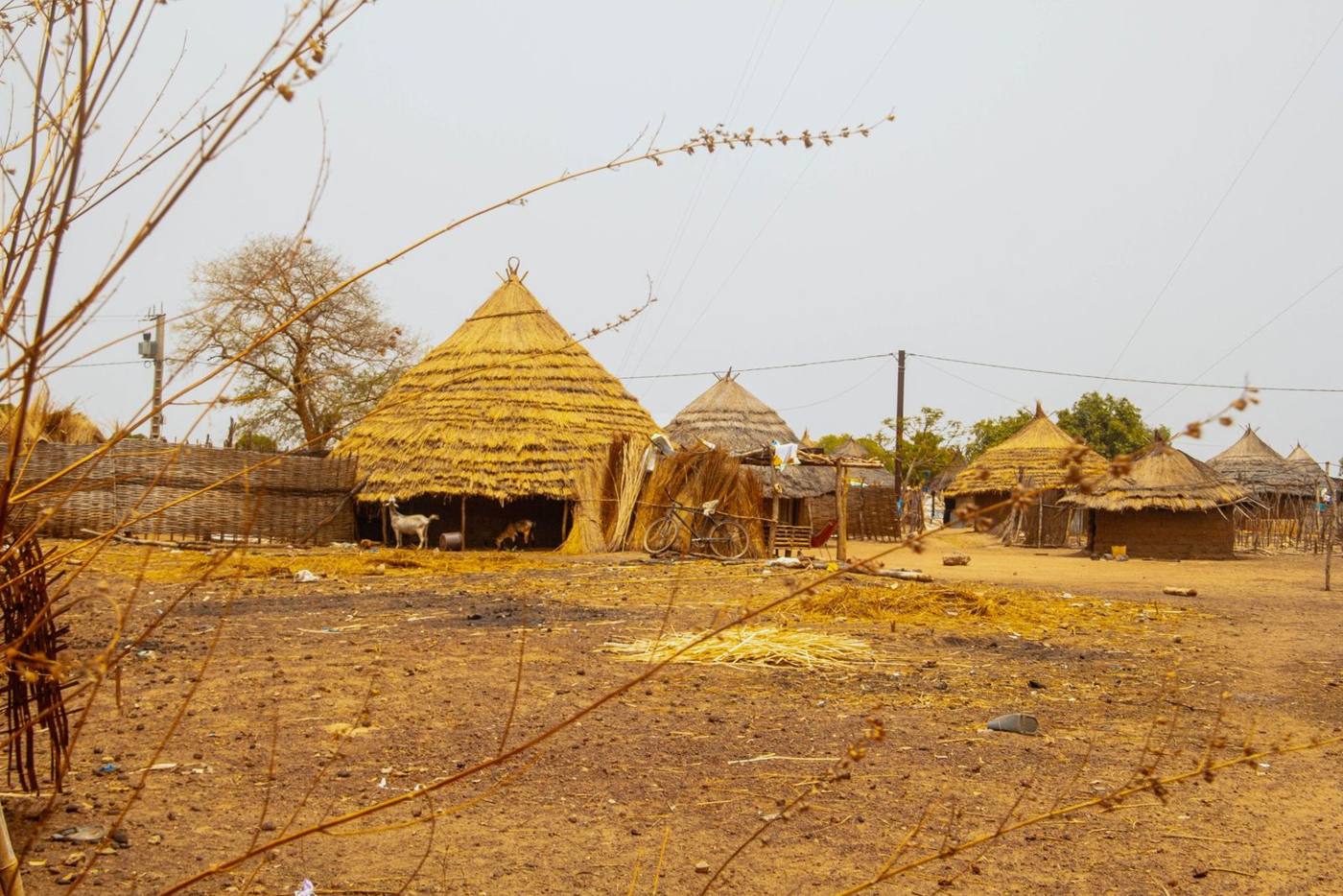
Sine-Saloum and Casamance
The Saloum delta by pirogue among mangroves and shell islands, Joal-Fadiouth, then green Casamance with the beaches of Cap Skirring and Diola villages.
 4 daysEasy
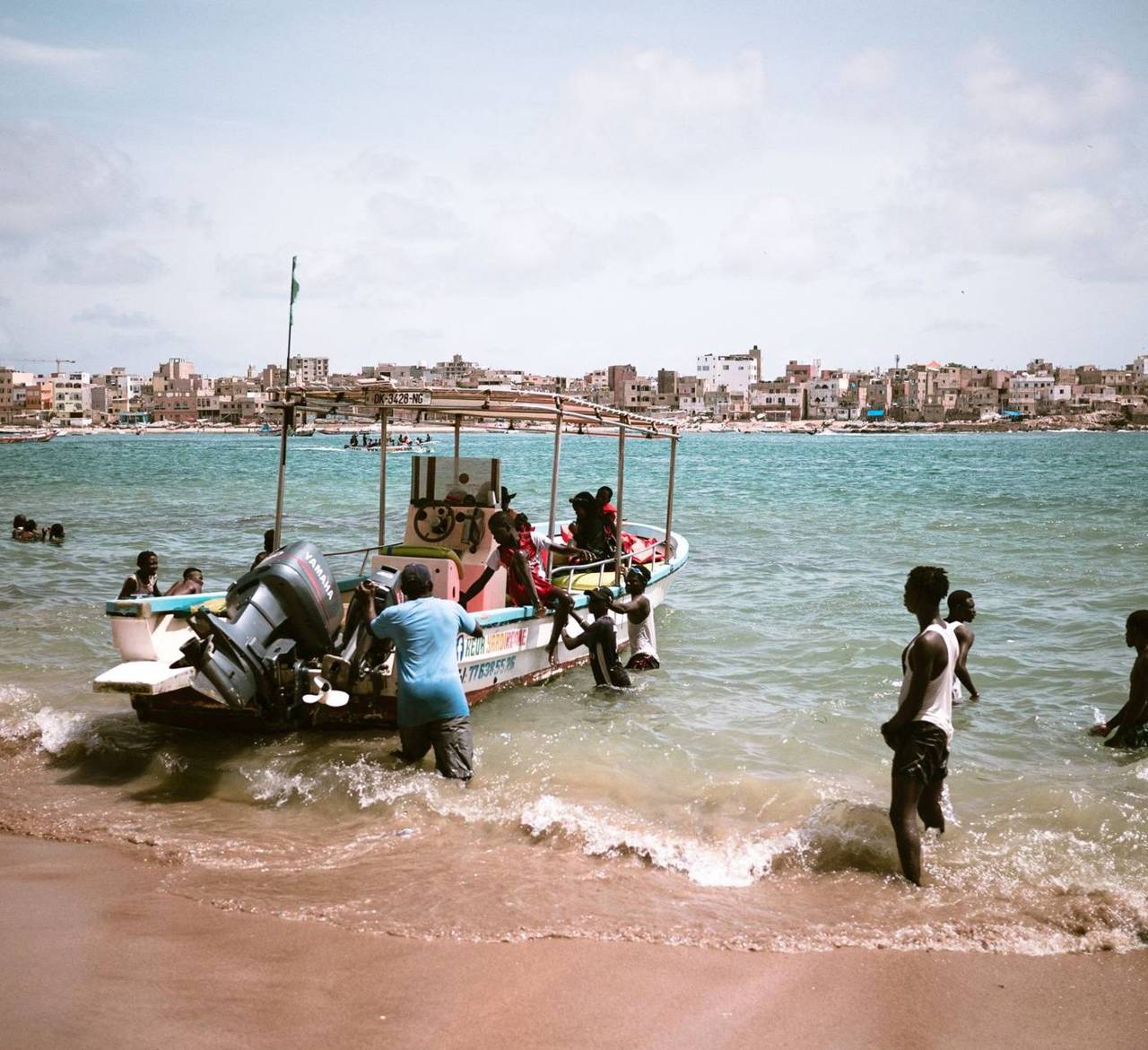
The Petite Côte and Joal-Fadiouth
The coast south of Dakar: the beaches of Saly, Somone and its lagoon, the fishing village of Mbour and the shell island of Fadiouth, linked to Joal by a wooden bridge.