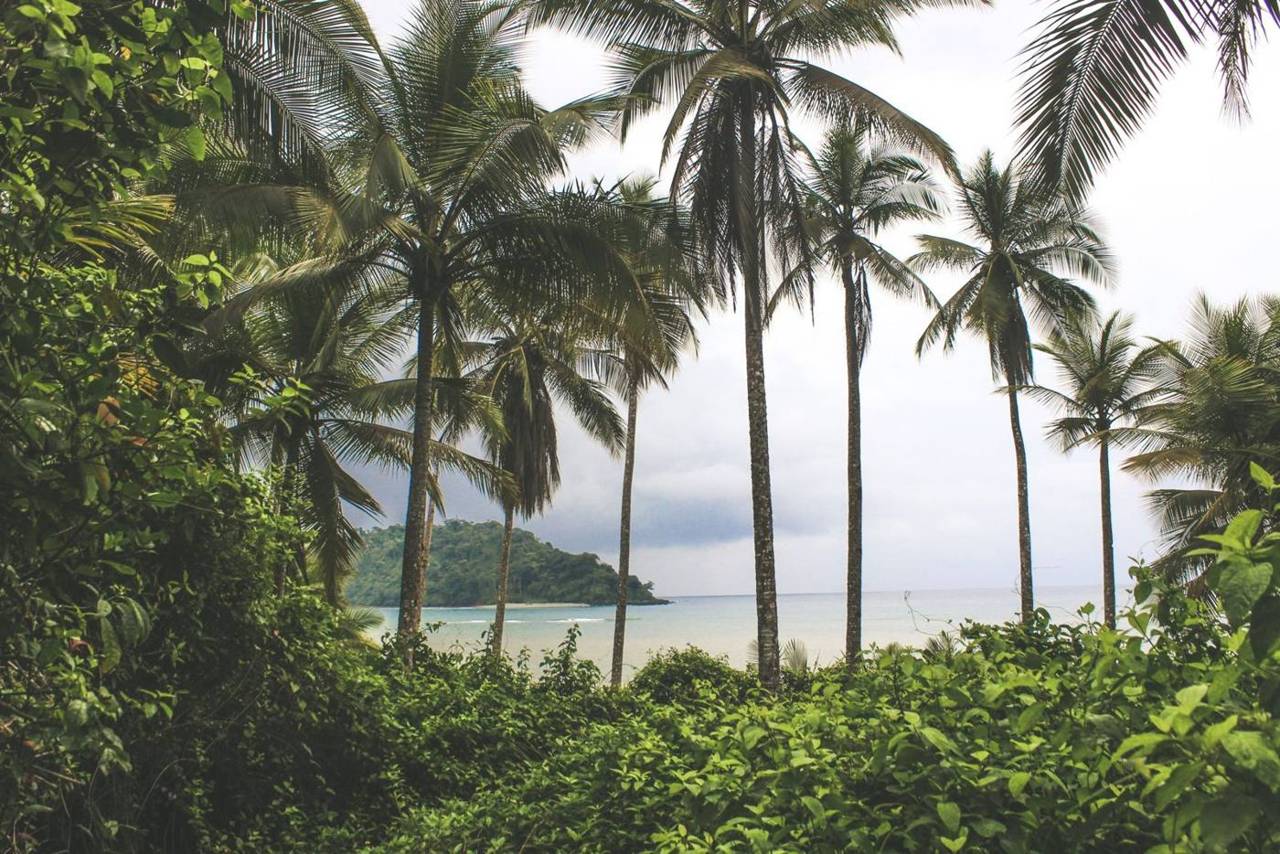
São Tomé and the roças
The old cocoa plantations, colonial roças, the volcanic spire of Pico Cão Grande, São Nicolau waterfall and the southern beaches.
- São Tomé
- Roça Agostinho Neto
- Roça Monte Café
- São Nicolau
- Pico Cão Grande
- Praia Jalé
Day by day
- Day 1
The capital and the fort of São Sebastião
This trip takes you around São Tomé, the main island of the archipelago: the old cocoa and coffee plantations called roças, the São Nicolau waterfall in the forest, the volcanic needle of Pico Cão Grande and the beaches of the south, where turtles nest in season. It is one of the least visited countries in the world, calm and welcoming, with a slow pace that locals call «leve leve».
Before you go: Italian citizens enter with a passport and without a visa for stays of up to 15 days, with at least three months of remaining validity; to stay longer you need a visa applied for online with the Migration and Borders Service. The entry stamp is checked when you leave. The yellow fever certificate is compulsory if you arrive from a country at risk; malaria is present, so talk to your doctor about prevention. Other nationalities should check their own rules. Italian official advice reports no public order problems, but mentions theft on beaches and recommends local guides for the forest.
Start on the capital's seafront, with its colonial houses in faded colours and the cathedral. Then reach the fort of São Sebastião, built by the Portuguese in the sixteenth century at the entrance to the bay. Today it houses the National Museum, with religious objects, colonial furniture and rooms on the history of the plantations and forced labour. Check prices and times.
In the afternoon visit the municipal market, full of fruit, dried fish and spices.
Practical tip: bring cash in euros and change it into dobras at your hotel or an agency, because credit cards are rarely accepted.
- Day 2
Roça Agostinho Neto and Roça Monte Café
Today you step into the history of cocoa and coffee, which in the early twentieth century made São Tomé one of the largest cocoa producers in the world. The roças were large closed estates, with the owner's house, warehouses, a hospital, a chapel and rows of homes for the workers, brought mainly from Angola, Mozambique and Cape Verde.
In the morning head north to Roça Agostinho Neto, one of the largest on the island. The main avenue climbs towards the huge hospital building, now partly in ruins. Many families still live around it, descendants of the old workers. Enter with respect and let a local guide show you the estate.
In the afternoon climb inland to Roça Monte Café, in the cooler hills. Here coffee grows in the shade of taller trees and a small museum explains picking, roasting and trade. Check prices and times. At the end taste a cup of island coffee.
On the way look at the cocoa fields: the yellow and orange pods grow straight from the trunk. If you find a processing area open, ask to see how the beans are fermented and dried.
Practical tip: in inhabited roças always ask before photographing people and homes, and if you buy something choose products made by local families.
- Day 3
The São Nicolau waterfall and the forest
Today you stay in the hills of the centre, the greenest and rainiest part of the island. The road climbs through tight bends, ferns, bamboo and giant trees covered in plants. The air is cooler and the clouds often come down to the road.
Reach the São Nicolau waterfall, a white fall of water dropping down a dark rock face, surrounded by thick vegetation. A few steps from the roadside are enough to see it up close. Stay a while: the sound of the water, the colours of the moss and the birdsong are the best summary of the São Tomé forest.
Then walk for an hour or two with a guide on a nearby trail. They show you the medicinal plants used in the villages, begonias, orchids and cinnamon trees. With some patience you hear birds that live only on these islands, even if they are hard to spot.
If the weather is good, you can continue to Bom Sucesso, the headquarters of Obô park, with its small botanical garden. Check prices and times.
In the afternoon go down towards the coast and get ready for the south, where you will spend the next two nights.
Practical tip: bring a waterproof jacket even in the dry season and shoes with a good sole, because on forest trails mud and roots make the ground slippery.
- Day 4
The southern road and Pico Cão Grande
Today you follow the east coast south. The road passes fishing villages, bridges over dark rivers and old roças on the hillsides. Stop at Boca do Inferno, where the waves enter a crack in the rock and shoot spray high into the air: watch from a distance and do not go near the wet edge.
Further on you pass São João dos Angolares, a village linked to the history of the Angolares, a community which according to tradition descends from enslaved people who survived a shipwreck. Then the road enters denser forest.
Suddenly, above the trees, Pico Cão Grande appears. It is a needle of volcanic rock rising straight up for about three hundred metres above the forest, the remains of an old lava plug. Stop at the viewpoints along the road to look at it: in the mist it seems almost unreal. It cannot be climbed without equipment and mountaineering guides.
In the afternoon continue to the far south and settle by the sea for two nights. Have an early dinner and rest.
Practical tip: travel with a local driver and leave early, because the southern road is slow and damaged in places, and it is best not to drive it after sunset.
- Day 5
Jalé beach and the turtles
Today is devoted to the wild south. Head to Jalé beach, a long strip of sand between the forest and the ocean, far from the villages. Here sea turtles come to lay their eggs in certain months of the year, and a local project protects the nests and follows the hatchings.
In the morning walk along the beach and swim only where the sea is calm, because on the open coast waves and currents can be strong. In the afternoon, if you like, look for a more sheltered bay nearby, or simply rest in the shade of the palms.
From the coast you can see the islet of Rolas, which the equator crosses. If you are interested, ask locally how to get there by boat.
In the evening, if it is the right season, join a night walk with the project's guides. You walk on the sand in the dark and wait in silence: with luck you see a turtle digging its nest or hatchlings running to the sea. Always follow the guides' rules: no white lights, no flash and keep your distance from the animals. Check prices and times.
Practical tip: ask before leaving in which months nesting and hatching take place, because out of season the night walks do not run.
- Day 6
The return and departure
Last day. Leave the south early in the morning and drive back up to the capital along the east coast. If you have time, stop in a village to buy cocoa beans, chocolate made on the island, coffee or pepper. They make excellent souvenirs and are light to carry.
Arrive in town well before your flight. International flights are few, almost all via Lisbon or Accra, and times can change. At the airport keep ready the passport stamped on arrival, which is checked when you leave.
In six days you have seen São Tomé from north to south: the capital with the fort of São Sebastião and the National Museum, the roças of Agostinho Neto and Monte Café with the history of cocoa and coffee, the São Nicolau waterfall in the forest, Pico Cão Grande and Jalé beach with its turtles. It is a calm trip, to be taken slowly, in one of the most welcoming countries in Africa.
When to go: from June to September and from December to February, in the driest months, when roads and trails are easier. From March to May and from October to November it rains often, especially in the south and in the forest.
Practical tip: keep a few euros in cash for last purchases and any airport fee or porters, because cards may not work there.
One of the world's least visited countries, calm and welcoming. The pace is slow, the local 'leve leve'. Flights are few, mostly via Lisbon or Accra, and credit cards are rarely accepted.
Before you go
- Documents and visa
- Passport and no visa for short stays of up to 15 days: in that case three months of remaining validity are enough, otherwise six are needed. For longer stays the visa is applied for online with the Migration and Borders Service or at diplomatic missions. Keep the passport stamped on arrival, because it is checked when you leave.
- Health and vaccines
- A yellow fever vaccination certificate is compulsory, from one year of age, if you arrive from a country at risk, including after a stopover of more than 12 hours. Malaria is present: talk to your doctor about prevention even for a short trip. Drink only bottled water, without ice. You need insurance covering medical costs and medical repatriation.
- Money and payments
- Dobra (STN), with a fixed exchange rate to the euro. Bring cash in euros and change it at your hotel or an agency: credit cards are rarely accepted and cash machines are few.
- Power sockets
- Types C and F, 230 volts: you need an adapter for British plugs.
- Time zone
- UTC+0 all year.
- Safety
- No particular public order problems are reported, but there is theft and pickpocketing, especially on beaches. Enter the forest and wild areas only with reliable local guides, use a guide for trips at sea too and do not leave the main road for isolated places without someone to accompany you. Watch out for stray dogs, the venomous cobra preta snake and Portuguese men o' war in the sea. Official advice: GOV.UK.
Information checked in November 2026 for Italian and EU citizens. Rules change: always check before you travel.
Variations
Shorter version: in four days the capital, the roças of Agostinho Neto and Monte Café and Pico Cão Grande.
Longer version: add three days on the island of Príncipe, with Roça Sundy and Praia Banana.
Frequently asked questions
What are the roças?
They are the old colonial cocoa and coffee plantations: large estates with owners' houses, warehouses, hospitals and workers' villages. Many are still inhabited.
When can you see turtles at Jalé?
Only in the months of nesting and hatching, which vary each year: ask locally before leaving and always follow the guides' rules.
Can I pay by card?
Rarely. Bring cash in euros and change it into dobras, which have a fixed exchange rate with the euro.
Indicative itinerary written by World Atlas. Before booking, check timetables, seasonal openings, documents and safety.
 5 daysEasy
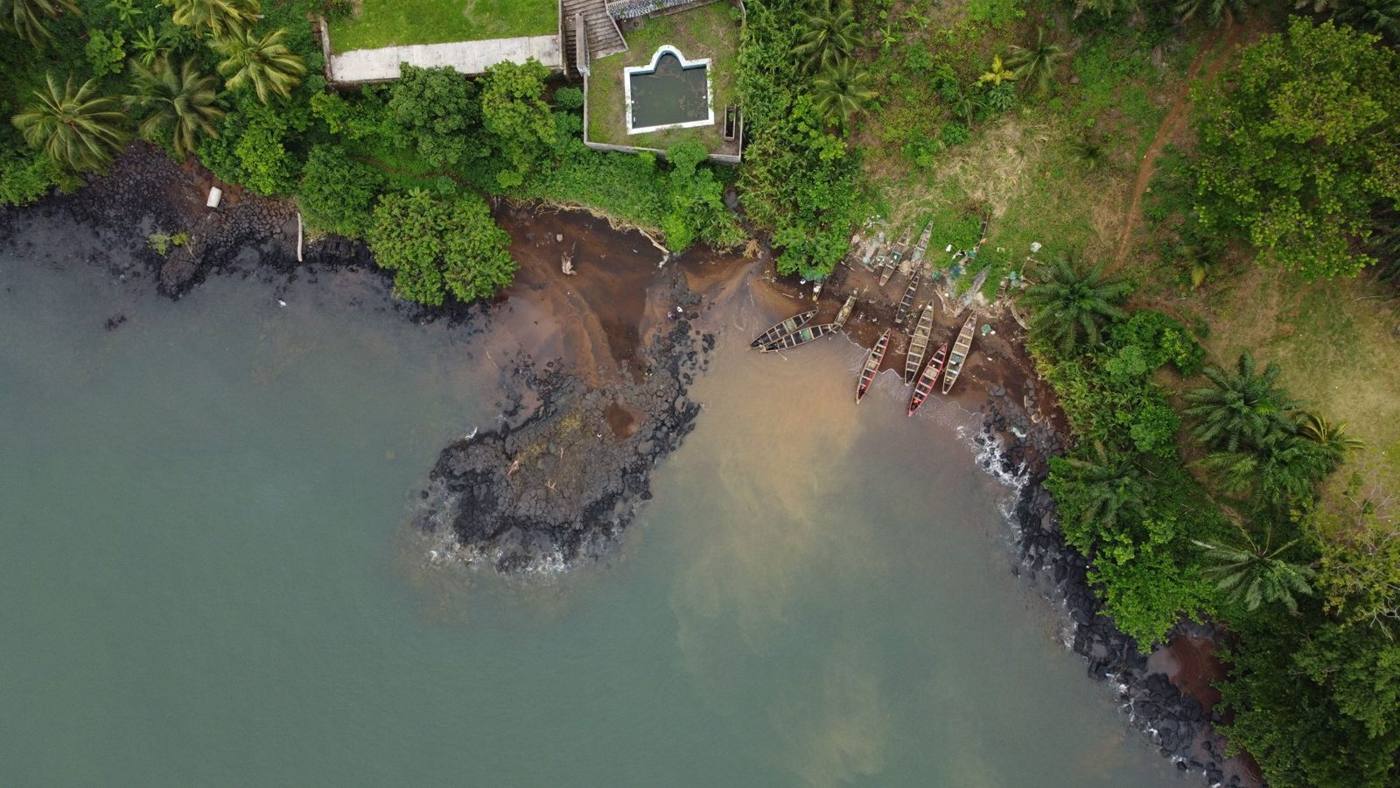
Príncipe island
A UNESCO biosphere reserve with untouched forest, volcanic peaks, Praia Banana and Roça Sundy, where the theory of relativity was confirmed.
 2 daysChallenging
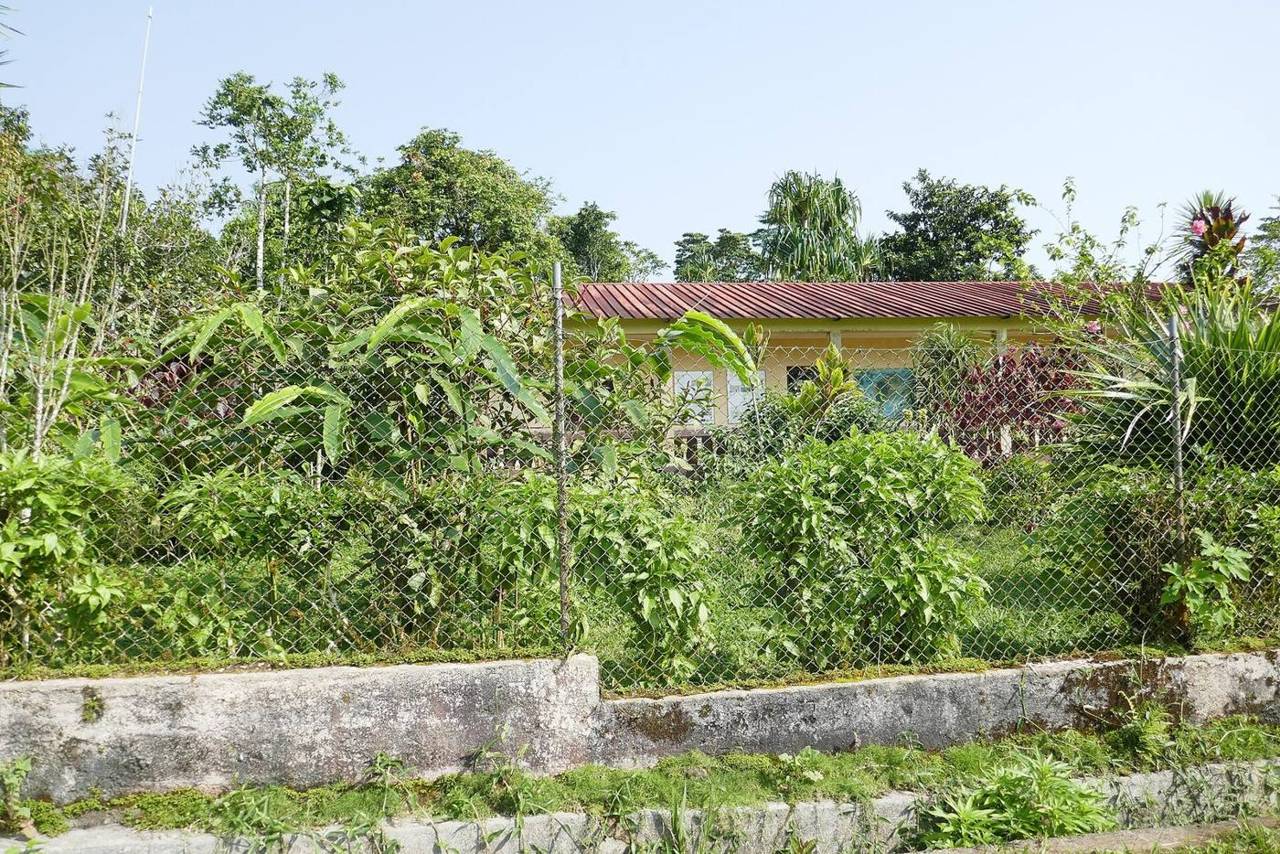
Pico de São Tomé
The archipelago's highest peak in Obô Natural Park: two days on the trail through cloud forest, among giant ferns, begonias and birds found only here, with a night at camp.
 2 daysEasy
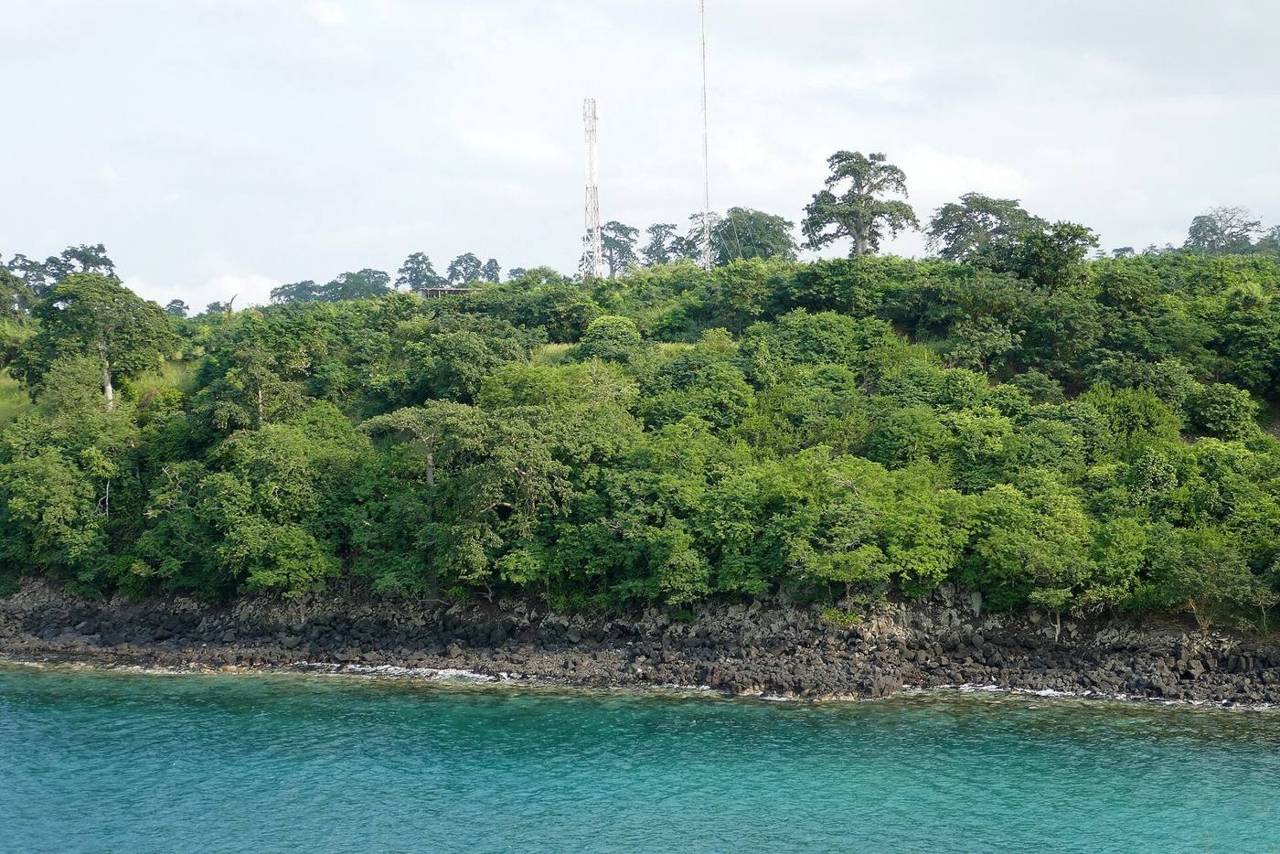
Lagoa Azul and the north coast
The dry north-west coast with its baobabs: the turquoise bay of Lagoa Azul for snorkelling, Tamarindos beach, the fishing village of Neves and the road to Santa Catarina.