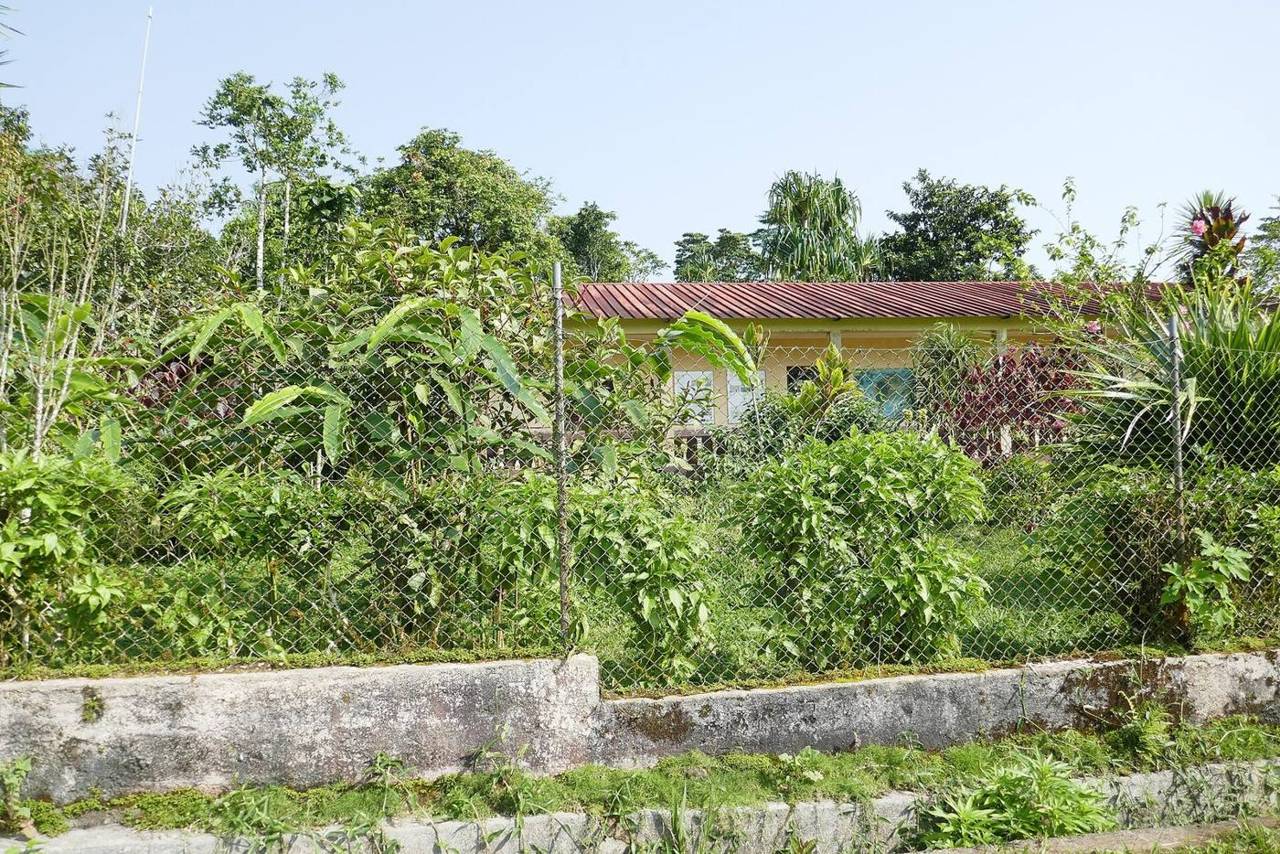
Pico de São Tomé
The archipelago's highest peak in Obô Natural Park: two days on the trail through cloud forest, among giant ferns, begonias and birds found only here, with a night at camp.
- Bom Sucesso
- Lagoa Amélia
- Pico de São Tomé
Day by day
- Day 1
From Bom Sucesso to Lagoa Amélia and the camp
This trip takes you to the highest summit of the archipelago, Pico de São Tomé, at 2,024 metres, in the heart of Obô Natural Park. It is two days on a trail through the cloud forest, with one night in a camp below the summit. It is a hard trek: mud, roots and steep climbs. A guide is compulsory and you set off only when the weather is stable.
Before you go: Italian citizens enter São Tomé and Príncipe with a passport and without a visa for short stays of up to 15 days; for these stays the passport must have at least three months of remaining validity. To stay longer you need a visa, applied for online with the Migration and Borders Service. Keep the passport stamped on arrival, because it is checked when you leave. The yellow fever certificate is compulsory if you arrive from a country at risk; malaria is present, so talk to your doctor about prevention even for a short trip. Other nationalities should check their own rules. Italian official advice recommends entering the forest only with reliable local guides.
Leave São Tomé at dawn for Bom Sucesso, the park headquarters with its small botanical garden. Here you meet your guide and check your pack. The first section climbs to Lagoa Amélia, an old crater filled with vegetation: it looks like a meadow, but it is a swamp and you do not walk on it.
Then the trail enters the forest. You pass tree ferns, begonias, mosses and trees covered in lichen. Listen to the birds: many species live only on these islands. In the afternoon you reach the camp, pitch the tent and have an early dinner.
Practical tip: bring boots with a good sole, gaiters against the mud, a waterproof jacket and a warm layer, because the night up high is cool and damp.
- Day 2
The summit at dawn and the descent
Today the alarm goes off before dawn. With a head torch you follow the guide on the last section to the summit. The path is narrow and steep, with slippery roots and passages where you also use your hands. Go slowly and watch where you put your feet.
At the top the view depends on the clouds. With some luck you see the forest falling towards the ocean and the ridges of the island in the first light. Often, though, the summit stays in the mist: even so it is a special place, silent, with low trees covered in moss.
Go back to the camp, have breakfast and take down the tent. The descent is long and tires the knees more than the climb. You pass Lagoa Amélia again and reach Bom Sucesso in the afternoon, where the car takes you back to town.
In two days you have crossed Obô park from the mid-altitude forest to the highest peak of the archipelago, among plants and birds you will not find anywhere else. It is one of the most genuine nature experiences in Central Africa, suited to people who are fit and do not mind mud.
When to go: from June to September, in the driest season, when the trail is less muddy. From March to May and from October, rain is frequent and the climb becomes much harder.
Practical tip: keep enough water, energy snacks and a dry change of clothes in a waterproof bag in your pack, and in the evening take a real rest before any other excursion.
Tough: mud, roots and steep gradients. A guide is mandatory and only set off in stable weather. One of central Africa's most genuine nature experiences.
Before you go
- Documents and visa
- Passport and no visa for short stays of up to 15 days: in that case three months of remaining validity are enough, otherwise six are needed. For longer stays the visa is applied for online with the Migration and Borders Service or at diplomatic missions. Keep the passport stamped on arrival, because it is checked when you leave.
- Health and vaccines
- A yellow fever vaccination certificate is compulsory, from one year of age, if you arrive from a country at risk, including after a stopover of more than 12 hours. Malaria is present: talk to your doctor about prevention even for a short trip. Drink only bottled water, without ice. You need insurance covering medical costs and medical repatriation.
- Money and payments
- Dobra (STN), with a fixed exchange rate to the euro. Bring cash in euros and change it at your hotel or an agency: credit cards are rarely accepted and cash machines are few.
- Power sockets
- Types C and F, 230 volts: you need an adapter for British plugs.
- Time zone
- UTC+0 all year.
- Safety
- No particular public order problems are reported, but there is theft and pickpocketing, especially on beaches. Enter the forest and wild areas only with reliable local guides, use a guide for trips at sea too and do not leave the main road for isolated places without someone to accompany you. Watch out for stray dogs, the venomous cobra preta snake and Portuguese men o' war in the sea. Official advice: GOV.UK.
Information checked in November 2026 for Italian and EU citizens. Rules change: always check before you travel.
Variations
Shorter version: in one day walk from Bom Sucesso to Lagoa Amélia and back.
Longer version: add two days in São Tomé with the roças of Monte Café and the São Nicolau waterfall.
Frequently asked questions
Do I need a guide for Pico de São Tomé?
Yes, a guide is compulsory. The trail is not always marked, and Italian official advice recommends entering the forest only with reliable local guides.
How hard is the climb?
It is demanding: mud, roots, steep gradients and humidity. You need good fitness and walking boots with a sturdy sole.
What documents do I need for São Tomé and Príncipe?
Italian citizens enter with a passport and without a visa for short stays of up to 15 days; longer stays require a visa. Other nationalities should check their own rules.
Indicative itinerary written by World Atlas. Before booking, check timetables, seasonal openings, documents and safety.
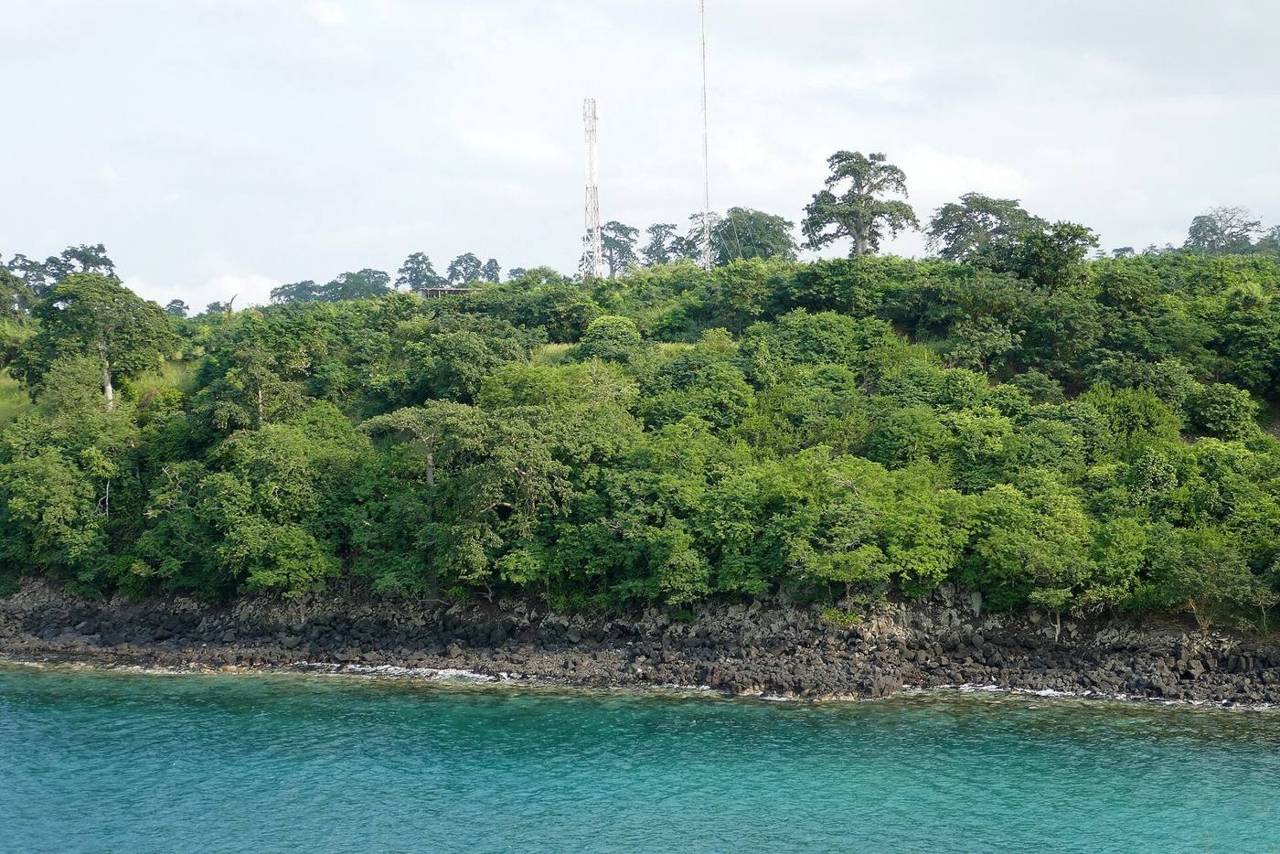 2 daysEasy
Lagoa Azul and the north coast
The dry north-west coast with its baobabs: the turquoise bay of Lagoa Azul for snorkelling, Tamarindos beach, the fishing village of Neves and the road to Santa Catarina.
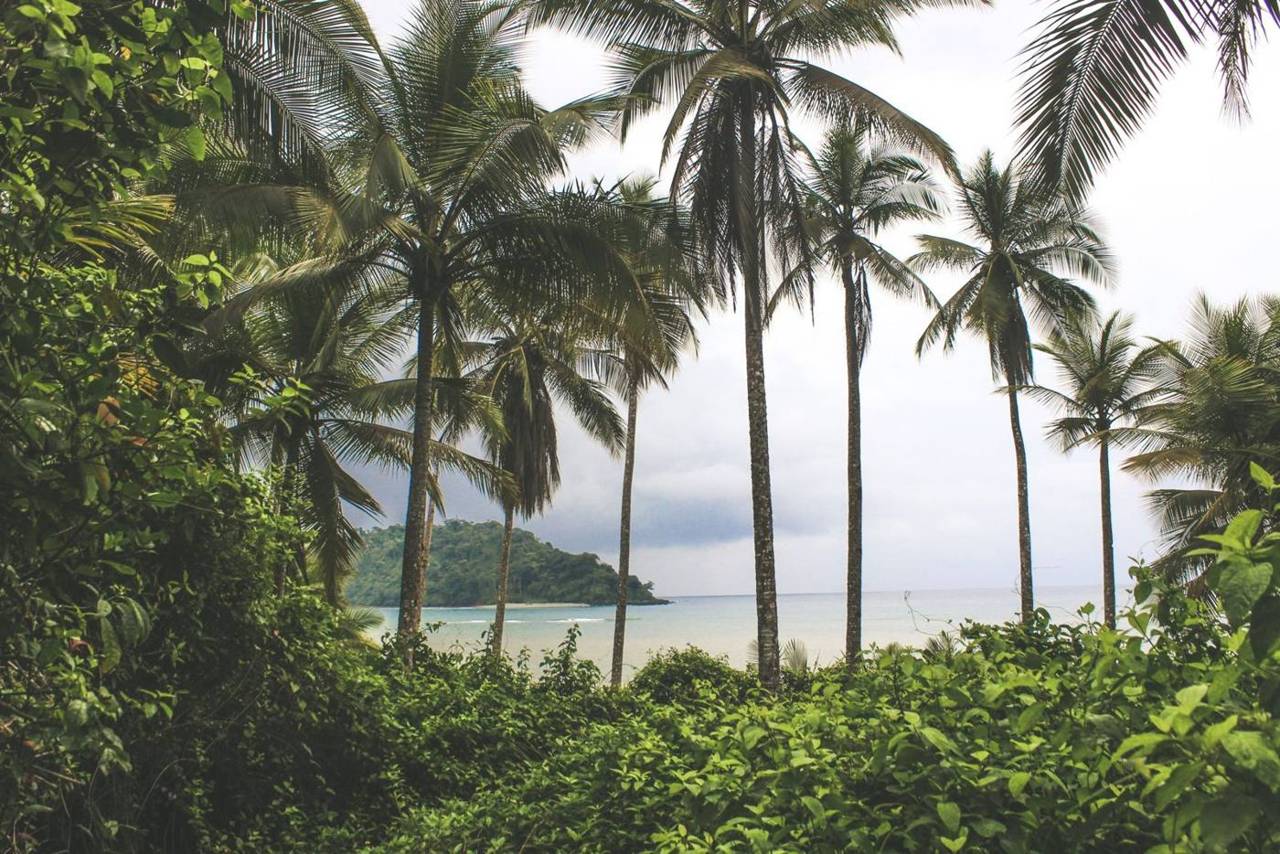 6 daysEasy
São Tomé and the roças
The old cocoa plantations, colonial roças, the volcanic spire of Pico Cão Grande, São Nicolau waterfall and the southern beaches.
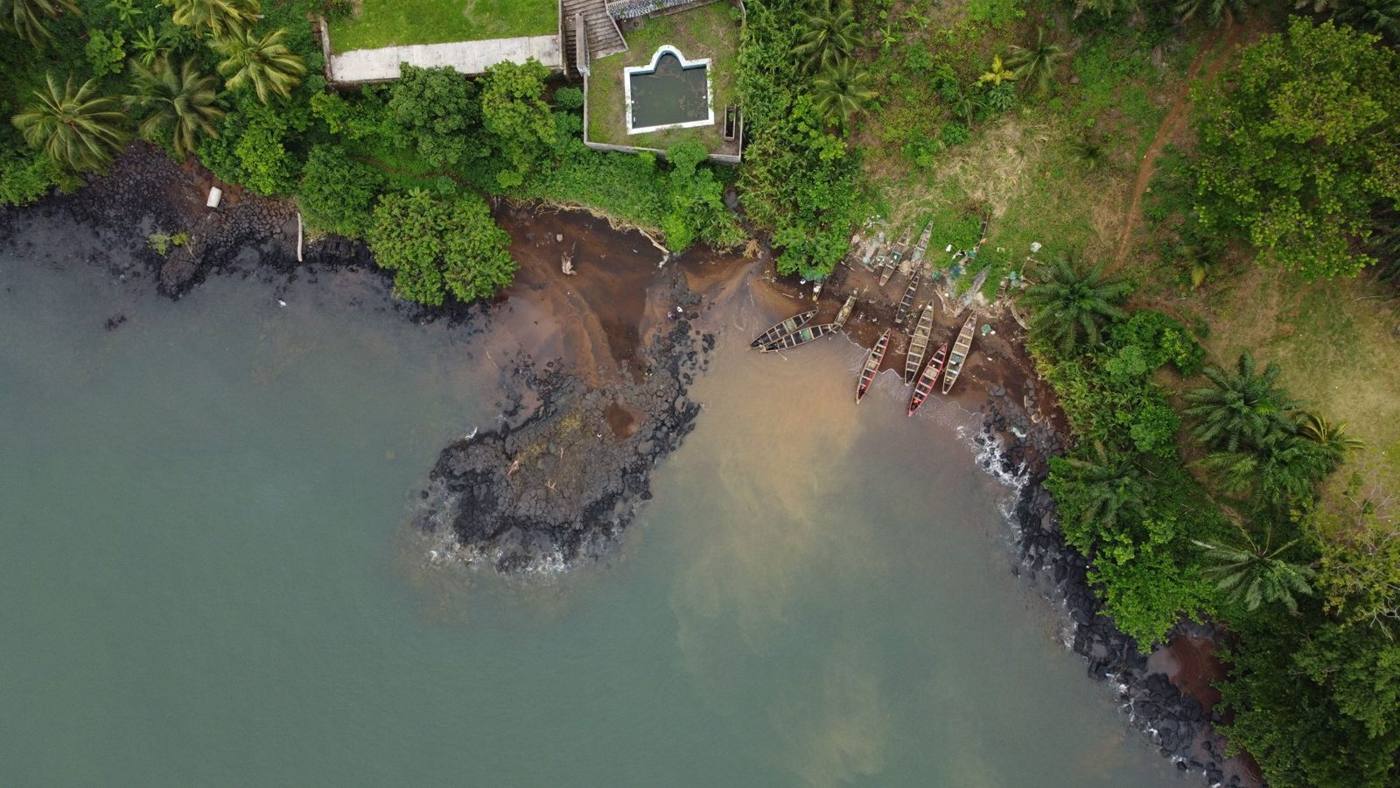 5 daysEasy
Príncipe island
A UNESCO biosphere reserve with untouched forest, volcanic peaks, Praia Banana and Roça Sundy, where the theory of relativity was confirmed.