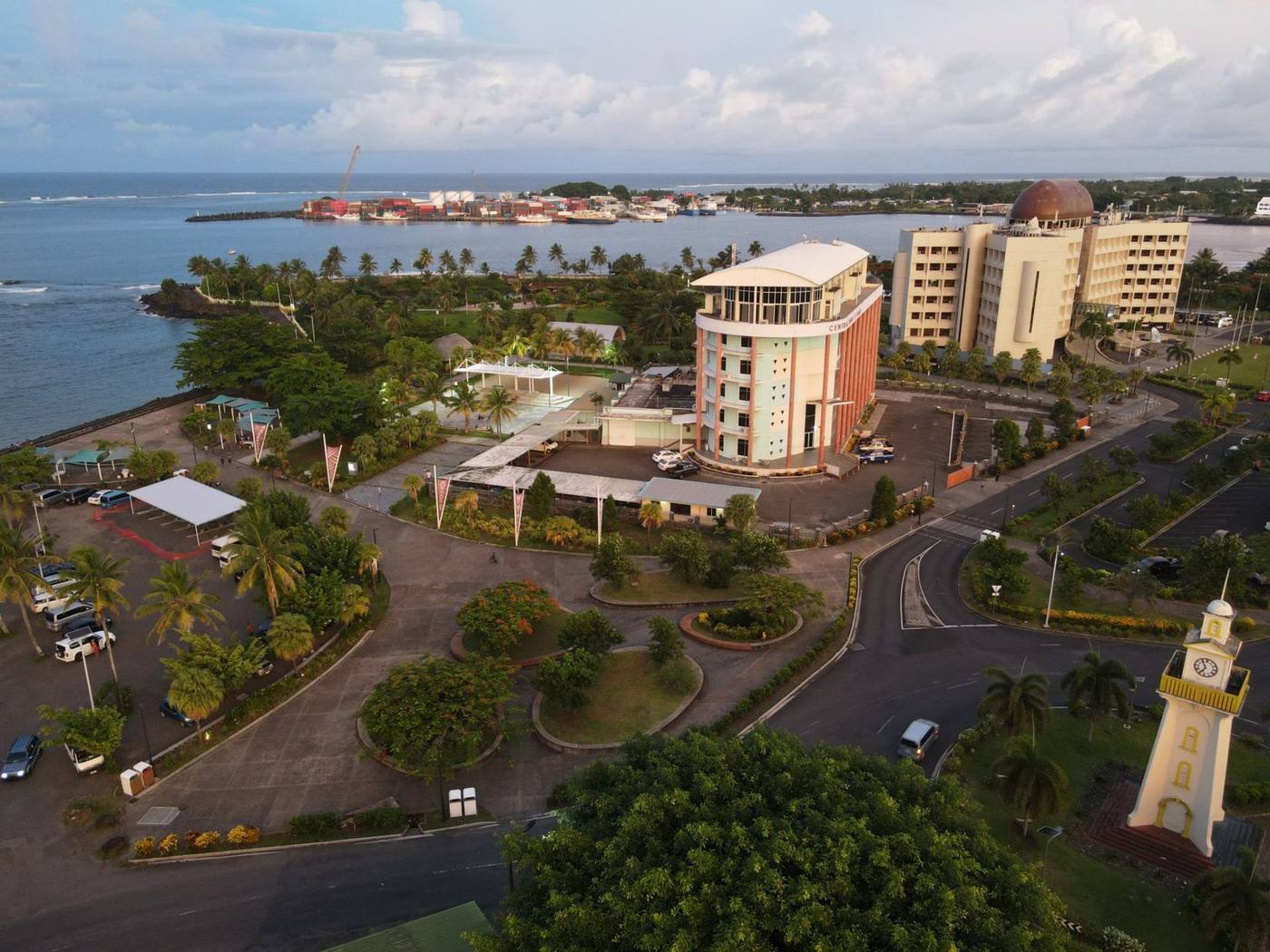
Apia and the south coast
Apia market, Papapapaitai falls, the Piula cave pool and the lagoons of Upolu's south coast.
- Apia
- Papapapaitai
- Piula
- Sopoaga
- Matareva
Day by day
- Day 1
Apia and Fugalei market
This trip is a short, relaxed taste of Upolu, the main island of Samoa: the market in Apia, the Papapapaitai and Sopoaga waterfalls, the natural pool at Piula and the lagoons of the coast. It makes a good stopover between New Zealand and the United States. You get around by hire car, driving on the left.
Before you go: Italian citizens need a passport, with at least six months' validity; you enter without a visa and on arrival receive a visitor permit for up to 60 days. Have your return ticket and accommodation booking ready. Other nationalities should check their own rules.
You arrive at Faleolo airport, on the west coast, about an hour from Apia. The road runs past villages with open houses, the fales, colourful churches and neatly kept lawns.
In Apia start with Fugalei market, the city's main market. Under the roofs you find taro, bananas, coconuts, papayas, bunches of leaves and ready food: try coconut bread and palusami, taro leaves cooked with coconut cream. Then go on to the fish market near the harbour and the craft market, with painted cloth, necklaces and wooden objects.
In the afternoon walk along the waterfront to the white cathedral and the Mulinu'u peninsula, with the parliament and the tombs of chiefs.
Sleep in Apia, for three nights.
Practical tip: to drive you need a temporary permit, easily obtained with your licence; respect the low limits in villages, where children play and dogs and pigs wander about.
- Day 2
The Papapapaitai and Sopoaga waterfalls
Today you cross the island among green mountains and waterfalls.
In the morning take the road that climbs from Apia into the interior and crosses Upolu from north to south. As you climb the air gets cooler and the forest thicker. Stop at the viewpoint over the Papapapaitai waterfall, one of the highest in Samoa, which plunges into a deep gorge covered in green. The view is best in the morning, before the clouds arrive.
Then drive down to the south coast and carry on east to the Le Mafa pass. Here is the Sopoaga waterfall, dropping into a narrow gorge in the forest. The garden around it is looked after by a village family, who often show you local plants and how to open a coconut. Check prices and times and carry cash.
For lunch stop in a village on the south coast for fish, taro and fruit. In the afternoon have a swim in a calm lagoon, always inside the reef.
Return to Apia through the interior again, before dark.
In the evening try oka, raw fish marinated in lime and coconut cream, the freshest dish of Samoan cooking.
Practical tip: many places are on village land and ask for a small contribution at the entrance; pay only the village person who runs the site and keep small tala notes.
- Day 3
The Piula pool and Matareva beach
Today you spend the day in the water, between a freshwater pool and a quiet beach.
In the morning drive east along the north coast to Piula, a little under an hour from Apia. Below the hill of a religious college there is a natural pool of fresh water, clear and cool, fed by springs and linked to small caves. You go down some steps and swim among the fish, with the sea a few metres away. Check prices and times: it is usually closed on Sundays.
Then cross the island to the south-west coast and reach Matareva beach, a small bay of pale sand with shallow, calm water, palms and dark rocks. It is the right place for snorkelling among the corals near the shore and resting in the shade.
In the afternoon stay on the beach until sunset, watching the waves break on the distant reef. Remember that the sea beyond the reef is dangerous: swim only inside the lagoon and always ask locally where the water is safe.
Return to Apia before dark.
In the evening have dinner with grilled fish, taro and a papaya and coconut smoothie.
Practical tip: bring reef shoes, a mask and sunscreen that does not harm coral, and never touch corals or starfish.
- Day 4
Palolo Deep and departure
Today is the last day: a morning by the sea near Apia and then the road to the airport.
In the morning go to the Palolo Deep marine reserve, a few minutes from the centre. From the beach you walk or swim across the shallow lagoon to the edge of a large blue hole in the reef, where the bottom suddenly drops away. Here you snorkel among corals, parrotfish, butterflyfish and small colourful shoals. Check prices and times and get in at high tide, when it is easier to reach the hole.
Then take a last look round the Apia craft market to buy a sarong, a wooden object or a piece of siapo, the painted bark cloth.
In the afternoon take the road to Faleolo airport, about an hour along the coast, stopping in a village for a fresh coconut.
In these four days you have seen Upolu at an easy pace: the market in Apia, the Papapapaitai and Sopoaga waterfalls, the Piula pool, Matareva beach and the corals of Palolo Deep.
When to go: the best months are May to October, the drier season. From November to April there is more rain and there are cyclones.
Sunday is a day of church and rest: many services close, and in villages people avoid swimming and making noise.
Practical tip: dress modestly in villages and in town, with shoulders and knees covered; swimwear is only for the beach and the waterfalls.
A short, relaxed taste, good as a stopover between New Zealand and the United States. Cover up in villages. The sea beyond the reef is dangerous: swim only in the lagoon.
Before you go
- Documents and visa
- Passport valid for at least six months from the date of arrival. No visa needed: on arrival you receive a visitor permit for up to 60 days, based on your arrival card. You may be asked for a return or onward ticket, an accommodation booking and proof of sufficient funds.
- Health and vaccines
- There is no malaria, but there is dengue and Zika: protect yourself from mosquitoes. A yellow fever certificate is needed only if you arrive from a country at risk. For serious cases the only option is often evacuation to New Zealand, Australia or Hawaii: you need insurance that covers it. Emergencies: 911.
- Money and payments
- Samoan tala. Cards work in Apia and in larger places; in villages, beach fales and for village site entry fees you need cash in small notes.
- Power sockets
- Type I, 230 volts: you need an adapter for European plugs.
- Time zone
- UTC+13 all year.
- Safety
- Crime is low and theft uncommon: still keep documents in the safe. In the lagoons tides create strong currents and there have been fatal accidents: always ask locally before swimming. Cyclones from November to April. Sunday is a day of church and rest, dress modestly in villages and respect the evening prayer. Driving is on the left: avoid driving at night. Official advice: GOV.UK.
Information checked in November 2026 for Italian and EU citizens. Rules change: always check before you travel.
Variations
In 2 days: the market in Apia, the Papapapaitai waterfall and the Piula pool.
In 8 days: add To Sua Ocean Trench, a night in a beach fale at Lalomanu and three days on Savai'i.
Frequently asked questions
Can you swim anywhere in Samoa?
No. The sea beyond the reef is dangerous, with strong currents. Swim only in lagoons and natural pools and always ask locally.
Do you need a permit to drive?
Yes, a temporary permit obtained with your licence. In Samoa you drive on the left and it is best to avoid driving at night.
Why do you pay to enter beaches and waterfalls?
Many places are on village land, and villages ask for a small contribution. Carry cash in small tala notes.
Indicative itinerary written by World Atlas. Before booking, check timetables, seasonal openings, documents and safety.
 4 daysEasy
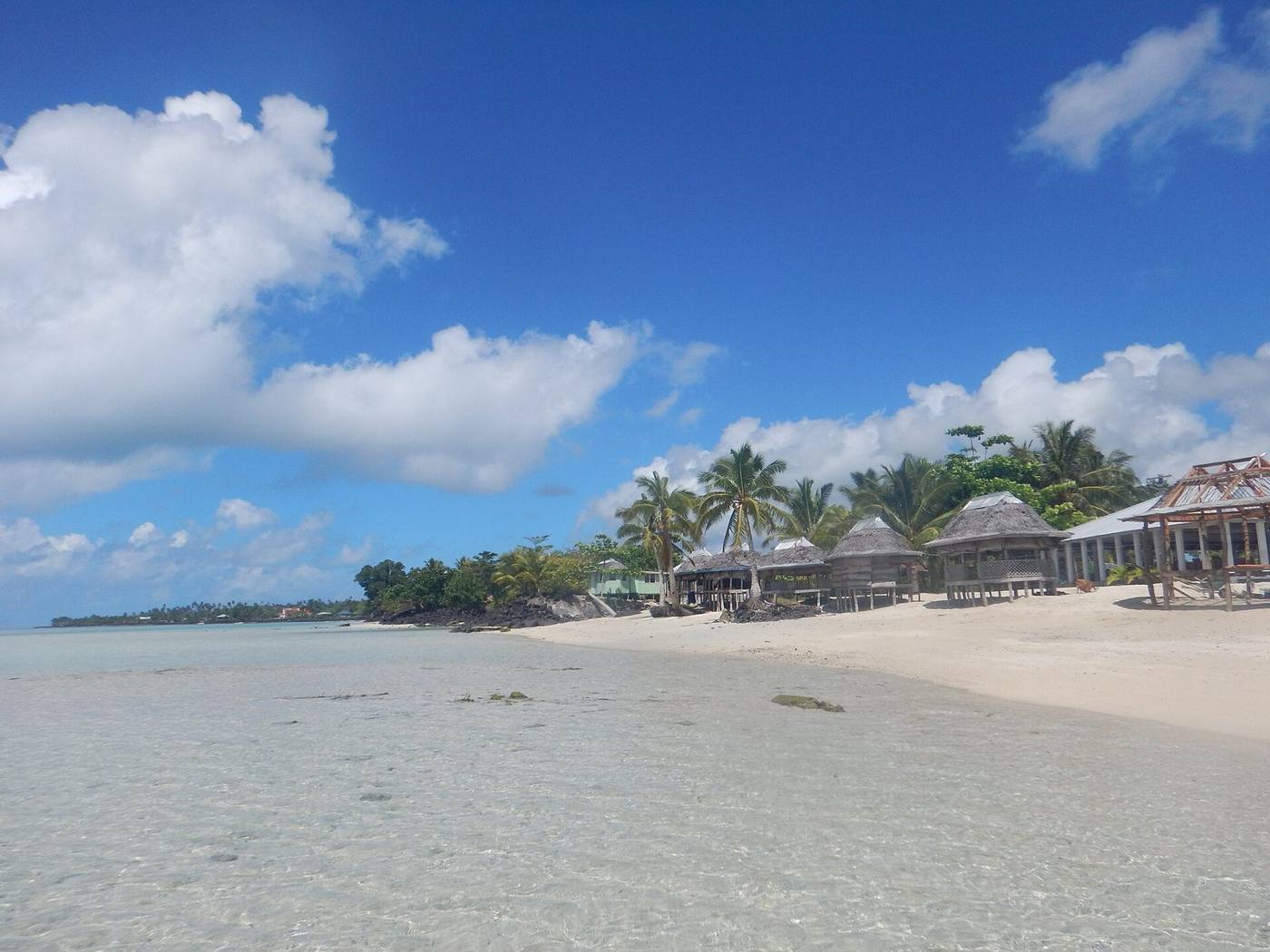
Slow Savai'i
Samoa's big, quiet island, to be toured slowly: the beach fale of Manase, the Afu Aau waterfall in the forest, the Falealupo peninsula at the far west and the traditional villages along the coast.
 2 daysChallenging
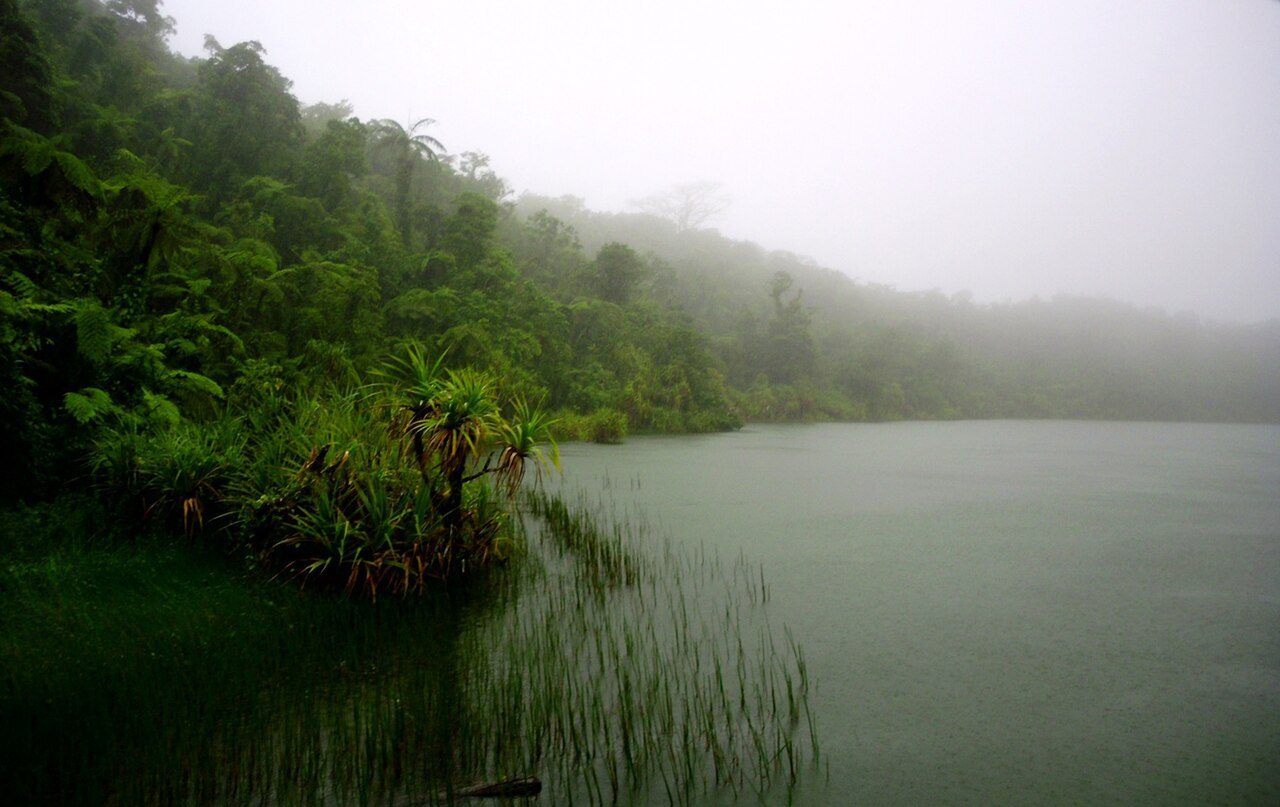
Lake Lanoto'o
The rainforest trek in Upolu's interior to the volcanic Lake Lanoto'o, in a tree-covered crater, with the Papapapaitai waterfall on the way back.
 2 daysEasy
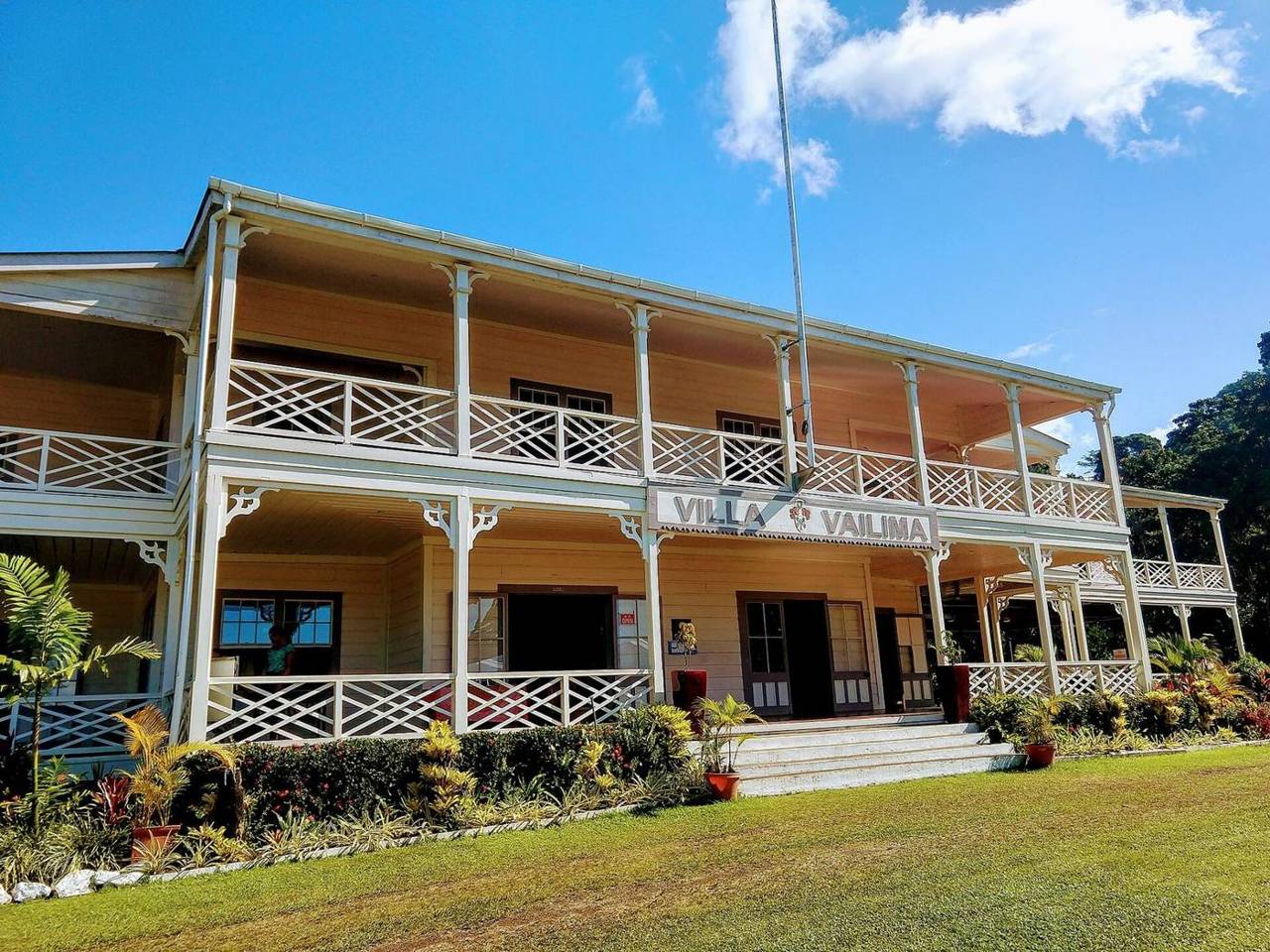
Stevenson and Samoan culture
Robert Louis Stevenson's house at Vailima, now a museum, the climb to his tomb on Mount Vaea, Apia's cultural village with tattooing and umu cooking, and a fiafia evening of dances.