Maramureș and Bucovina
The UNESCO wooden churches of Maramureș, the Merry Cemetery of Săpânța and the painted monasteries of Bucovina.
- Cluj-Napoca
- Baia Mare
- Săpânța
- Bârsana
- Ieud
- Prislop Pass
- Voroneț
- Sucevița
- Suceava
Day by day
- Day 1
Arrival in Cluj-Napoca
This eight-day trip takes you to the most rural part of Romania, in the north of the country: Maramureș, with its UNESCO wooden churches and the Merry Cemetery of Săpânța, the Prislop Pass and Bucovina, with the painted monasteries of Voroneț, Humor, Moldovița and Sucevița.
Before you go: Italian citizens can enter Romania with an electronic identity card or a passport; Romania has been in the Schengen area since 1 January 2025. Other nationalities should check their own rules. The currency is the Romanian leu, not the euro. In the city watch out for pickpockets on public transport and in crowded areas, and book taxis through an app to avoid inflated fares. If you drive, remember that the alcohol limit for drivers in Romania is zero.
Some areas on this trip are close to borders or places where the situation changes often: check your government's travel advice before booking and again before you leave.
You land in Cluj-Napoca, the great university city of Transylvania. Pick up your hire car, which you will need for the whole trip: in the northern valleys public transport is scarce. In the afternoon walk around Unirii Square, in front of the Gothic Church of St Michael and the equestrian statue of Matthias Corvinus, the king of Hungary born in Cluj. Then go to Avram Iancu Square, with the Orthodox cathedral, and take a stroll in Central Park, along the lake.
In the evening have dinner in the old town, full of students, and try varză à la Cluj, a baked dish of cabbage and meat.
Sleep in Cluj, for one night.
Practical tip: when you pick up the car, check that it has the Romanian road vignette, the rovinietă, compulsory on national roads, and photograph any existing scratches.
- Day 2
Baia Mare and the road to Maramureș
Today you leave Transylvania and head north into Maramureș, a region of valleys, hills and wooden villages.
From Cluj drive for about three hours to Baia Mare, a town that grew up around its gold and silver mines. In the old town you see St Stephen's Tower, a fifteenth-century Gothic tower, the only remains of a large church, and Liberty Square, with the old merchants' houses. Stop for a coffee and a stroll.
In the afternoon cross the Gutâi Pass, a mountain road through beech forests and meadows, with many bends and fine views. On the other side you go down into the valley of historic Maramureș, where the landscape changes: pear-shaped haystacks, wooden houses with large carved gates, churches with tall, slender bell towers.
In the evening you reach Sighetu Marmației, the main town of the area, near the river Tisa, which marks the border with Ukraine. Take a walk in the centre, around the main square, the churches of different faiths and the early twentieth-century buildings, which recall the time when Romanians, Hungarians, Jews and Ukrainians lived here together.
Sleep in or near Sighetu Marmației, for two nights.
Practical tip: on the mountain passes of Maramureș drive only by day and take it slowly; the bends are tight and you may find carts, sheep and cows on the road.
- Day 3
The Merry Cemetery of Săpânța and the Sighet memorial
Today you visit two famous places in Maramureș, very different from each other.
In the morning drive for about twenty minutes to Săpânța, for the Merry Cemetery. Here the wooden crosses, painted a deep blue, are decorated with colourful pictures telling the life or death of the people buried there: the farmer with his sheep, the woman at the loom, the barber, the soldier. Under each picture there is a short poem in Romanian, often ironic. The idea came in the 1930s from a village craftsman, Stan Ioan Pătraș, and the tradition still continues today. Check prices and times.
Just outside the village visit the Săpânța-Peri Monastery, with a modern wooden church, one of the tallest in the world, with a very slender spire you can see from afar.
In the afternoon go back to Sighet and visit the Memorial of the Victims of Communism and of the Resistance, in the former prison where the communist regime locked up politicians, priests and intellectuals in the 1950s. The cells hold an exhibition on repression in Romania and Eastern Europe. It is a powerful visit, but an important one. Check prices and times.
The writer Elie Wiesel, Holocaust survivor and Nobel Peace Prize winner, was also born in Sighet: his birthplace is now a small museum.
Practical tip: the Merry Cemetery is still in use; speak quietly and do not climb on the crosses for photos.
- Day 4
The wooden churches of Bârsana and Ieud
Today you follow the Iza valley, the heart of traditional Maramureș, through villages where life still follows the rhythm of the seasons.
In the morning go to Bârsana. On the hill stands the small eighteenth-century wooden church, one of the eight wooden churches of Maramureș on the UNESCO list, with its steep roof and frescoes inside. Nearby is the large Bârsana Monastery, built in the 1990s, with churches, houses and carved wooden gates in the middle of a flowery meadow. Check prices and times.
Then continue along the valley to Ieud, a long, quiet village. The Church on the Hill, also a UNESCO site, is one of the oldest wooden churches in the region, with a pointed bell tower and paintings on wood inside. If the door is closed, ask in the village who has the key. Check prices and times.
Along the road look at the wooden gates of the houses, carved with twisted ropes, suns and trees of life: they are the symbol of Maramureș. On Sundays people go to church in traditional clothes and horse-drawn carts pass along the road.
In the evening sleep in a village guesthouse in or near Ieud, where dinner is often made with home produce: cheese, cured meats, vegetables and țuică, plum brandy.
Practical tip: in churches you enter with shoulders and legs covered; women sometimes also have to cover their heads, so always carry a scarf.
- Day 5
The Prislop Pass and the descent to Bucovina
Today you cross the mountains from Maramureș to Bucovina, one of the most beautiful roads of the trip.
From Ieud drive east to Borșa, the last town in the valley, at the foot of the Rodna Mountains. From here the road climbs with many bends to the Prislop Pass, at over 1,400 metres, through high meadows and fir forests. At the top stop to look at the mountains around and the flocks grazing. On clear days the view is very wide. Next to the pass there is a small monastery, where travellers often stop.
Then go down towards Bucovina, through mountain villages, narrow valleys and streams, to Câmpulung Moldovenesc and then Gura Humorului, the most convenient town for visiting the painted monasteries. The journey takes about four or five hours, with stops.
On the way, if you have time, stop in a village to see the houses of Bucovina, different from those of Maramureș: they are often decorated with tiles or geometric patterns on the façades.
In the evening, in Gura Humorului, try the dishes of Bucovina, such as soup with sour cream and sarmale, cabbage rolls.
Sleep in Gura Humorului, for three nights.
Practical tip: on the Prislop Pass the weather changes fast and it can be cold even in summer; keep a jacket in the car and fill up before leaving Borșa.
- Day 6
The painted monasteries of Voroneț and Humor
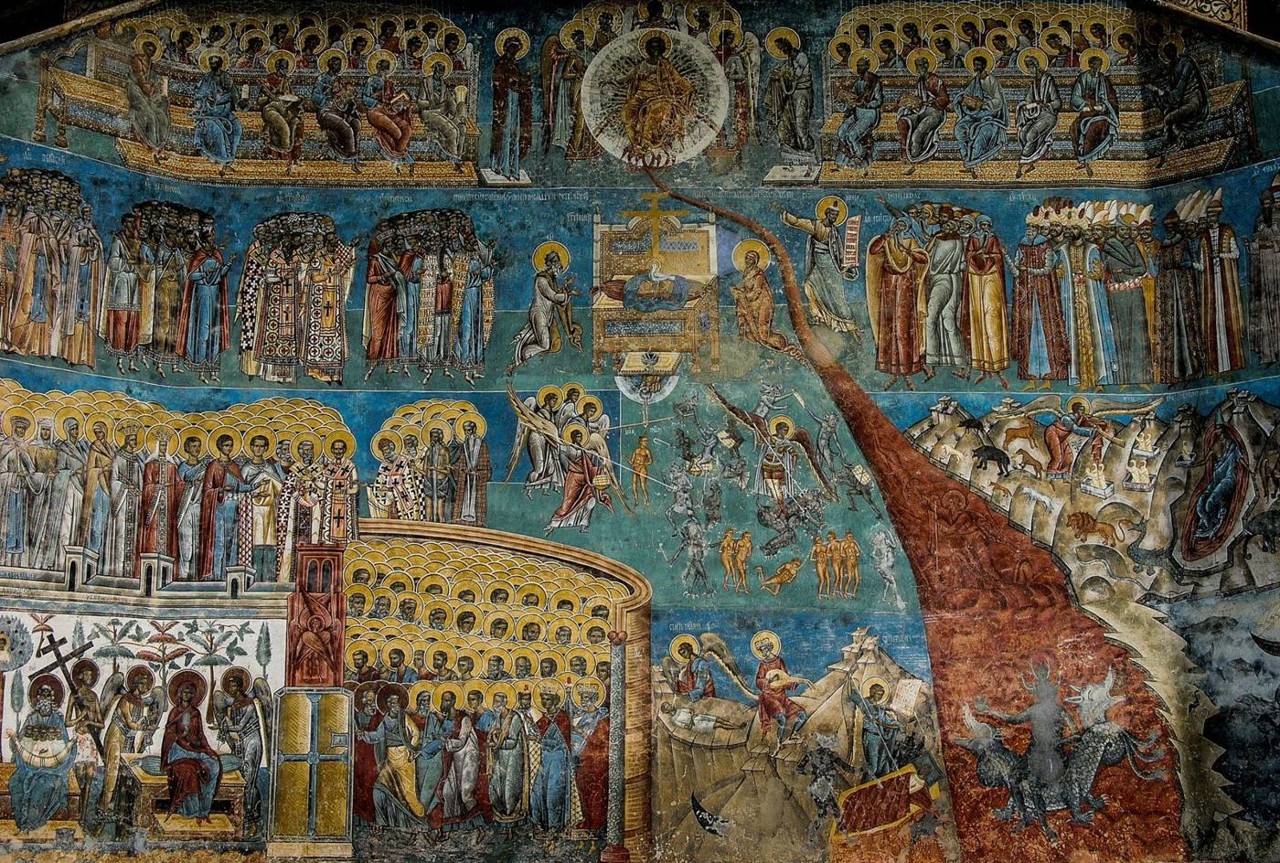
Today you visit the first painted monasteries of Bucovina, a UNESCO World Heritage Site, famous for the frescoes that cover even the outer walls of the churches.
In the morning go to Voroneț Monastery, a few kilometres from Gura Humorului. The church was built in 1488 on the orders of Stephen the Great, prince of Moldavia, and the outer frescoes were added in the sixteenth century. It is famous for the intense blue of its paintings, called Voroneț blue. On the west wall there is a huge Last Judgement, with angels, saints, devils and the dead rising from their graves. The frescoes were meant to tell the Bible to worshippers who could not read. Check prices and times.
In the afternoon visit Humor Monastery, north of Gura Humorului, from the sixteenth century, where red and brown tones dominate. Here there is also a defence tower you can climb to see the monastery from above. Check prices and times.
The monasteries are still home to nuns and monks: respect the silence and the rules on photos, which are often forbidden inside.
In the evening go back to Gura Humorului and rest, or take a short walk along the river Moldova, which runs through the town.
Practical tip: look at the outer frescoes in the morning or late afternoon light, when the colours are brighter; bring small binoculars for the details high up.
- Day 7
Moldovița, Sucevița and the black pottery of Marginea
Today you see the other two great painted monasteries, in the north of Bucovina.
In the morning drive to Moldovița Monastery, from the sixteenth century, enclosed by walls like a fortress. On the outer walls you see the Siege of Constantinople and the Tree of Jesse, with the genealogy of Christ, in yellows and blues. Check prices and times.
Then continue over the Ciumârna Pass, a mountain road with fine views over the forests, to Sucevița Monastery, the largest and the last of the painted monasteries, from the late sixteenth century. Its walls have the largest number of painted scenes. The most famous is the Ladder of Virtues, on the north wall: angels and devils fight over the souls climbing a long ladder towards heaven. Around the church there are high walls and towers. Allow at least an hour for each monastery, to look closely at the walls. Check prices and times.
In the afternoon, on the way back, stop at Marginea, a village famous for its black pottery, made with a special clay and fired without oxygen. You can watch the potters at work and buy a vase or a bowl.
In the evening go back to Gura Humorului and have a relaxed dinner: tomorrow the last stage awaits you, in Suceava.
Practical tip: in the monasteries you enter with shoulders and legs covered; skirts and shawls are often lent at the entrance, but it is better to bring your own.
- Day 8
Suceava and departure
On the last day you visit Suceava, the old capital of Moldavia, and leave from its airport.
From Gura Humorului drive for about an hour to Suceava. Visit the Seat Fortress, Cetatea de Scaun, residence of the princes of Moldavia in the Middle Ages, where Stephen the Great also reigned. From the walls you see the town and the valley. Check prices and times. Then go into the Monastery of St John the New, with the Church of St George, which is part of the UNESCO painted churches of Moldavia. If you have time, also visit the open-air Bucovina Village Museum, near the fortress.
Suceava airport is a few kilometres from the town.
Trip summary: in eight days you have seen Cluj-Napoca; Baia Mare and the Gutâi Pass; the Merry Cemetery of Săpânța and the Săpânța-Peri Monastery; the Sighet memorial; the wooden churches of Bârsana and Ieud; the Prislop Pass; the painted monasteries of Voroneț, Humor, Moldovița and Sucevița; the black pottery of Marginea; and Suceava.
When to go: from May to October. In May and June the meadows are in flower; in summer the hay is made and the villages are full of life; in autumn the forests change colour. Sunday is the best day to see the traditions still alive, with festive clothes. In winter the mountain roads can be snowy.
Practical tip: if you return the car in Suceava after picking it up in Cluj, ask beforehand about the one-way fee, because it is sometimes high.
Romania at its most rural, with horse carts and traditions still alive, especially on Sundays. A car is needed: public transport in the valleys is scarce. Monasteries require covered shoulders and legs; women are sometimes asked to cover their heads too.
Before you go
- Documents and visa
- EU citizens need a valid identity card or passport: Romania is in the EU and, since 1 January 2025, fully in the Schengen area, with no checks at internal borders. Check your document is intact and readable. Other nationalities should check the Schengen rules.
- Health and vaccines
- No vaccines required. EU citizens should bring their EHIC; take insurance covering medical costs, repatriation and, for hiking, mountain rescue. Emergencies: 112.
- Money and payments
- Romanian leu (RON); Romania does not use the euro. Cards work almost everywhere in towns, but carry cash in villages and mountain huts. Change money only at banks or authorised exchange offices. To drive on national roads outside towns you need the electronic rovinieta: buy it only on the official CNAIR portal (erovinieta.ro) or from authorised sellers, as some unofficial websites add fees. Check current prices.
- Power sockets
- Types C and F, 230 volts.
- Time zone
- Eastern European Time (UTC+2, summer UTC+3).
- Safety
- A generally safe country. Watch for pickpockets in large towns, especially Bucharest and on public transport, taxis that overcharge (taxi apps are more reliable) and drink spiking in bars and clubs. Romania has a very large number of brown bears, including near roads and town outskirts: keep your distance, do not stop to photograph them and never feed them, which is illegal. The country is in an earthquake zone. Drone debris can fall near the Ukrainian border: do not touch it and follow local authorities. Official advice: GOV.UK.
Information checked in November 2026 for Italian and EU citizens. Rules change: always check before you travel.
Variations
In 5 days: Maramureș with Săpânța and the wooden churches, or just the monasteries of Bucovina.
In 10 days: add the steam train of the Vaser valley and two days in the Rodna Mountains.
Frequently asked questions
Do I need a car for this trip?
Yes. In the valleys of Maramureș and Bucovina public transport is scarce. Remember the Romanian road vignette and do not drive at night.
How should I dress in the monasteries?
With shoulders and legs covered. Women sometimes also have to cover their heads: always carry a scarf. Photos are often forbidden inside.
What is the best day to see the traditions?
Sunday, when many people go to church in traditional clothes and the villages are livelier.
Indicative itinerary written by World Atlas. Before booking, check timetables, seasonal openings, documents and safety.
 5 daysEasy
The Danube Delta
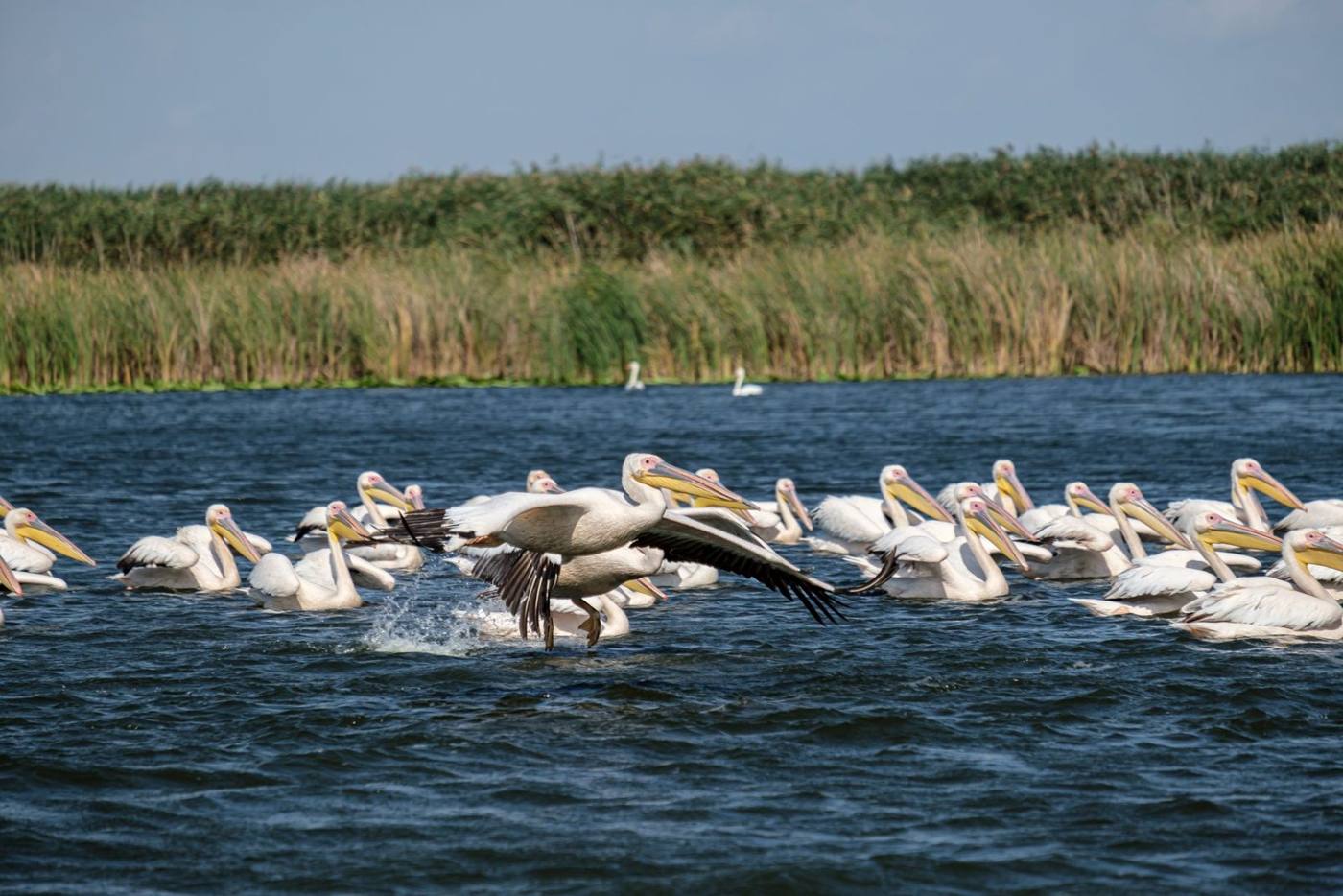
Channels, lagoons and reed beds in one of Europe's largest deltas: pelicans, herons and fishing villages reached only by boat.
 3 daysEasy
Bucharest
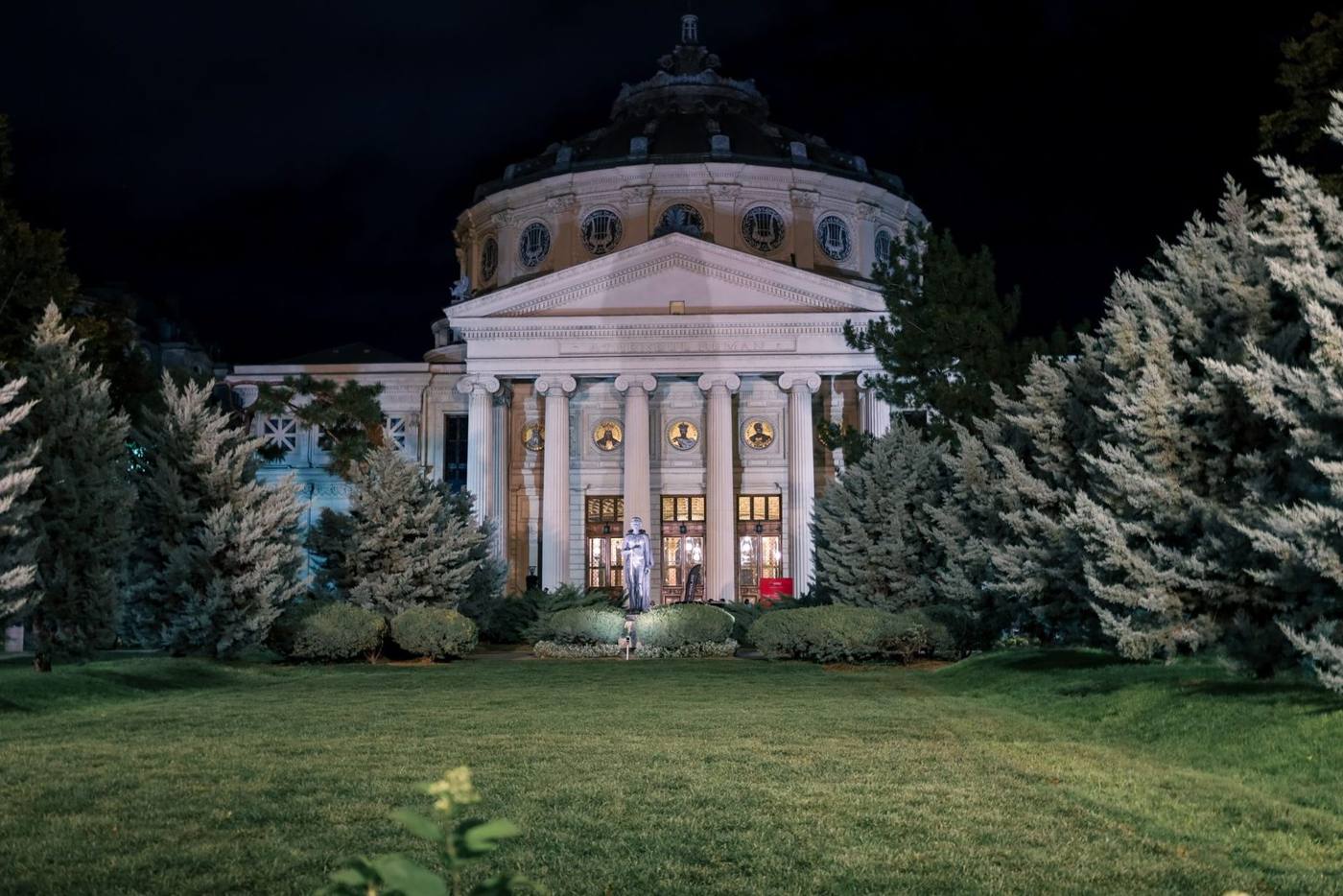
The capital of contrasts: the Palace of Parliament, the old town of Lipscani, the Macca-Vilacrosse passage, the open-air Village Museum and the nightlife.
 4 daysModerate
The Transfăgărășan
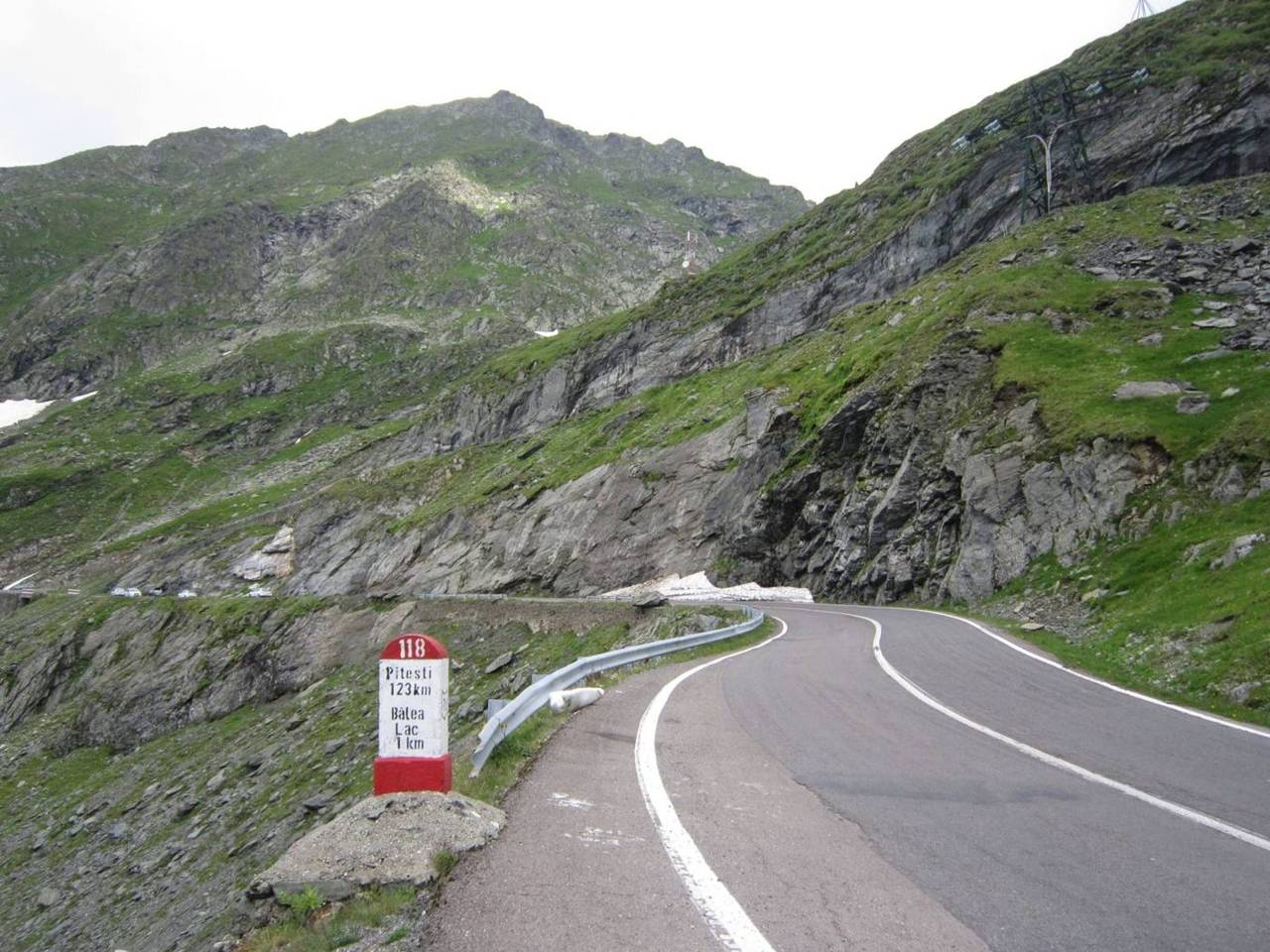
Romania's most spectacular mountain road: Vidraru dam, Poenari fortress, glacial Lake Bâlea and the descent into Transylvania, with hiking in the Făgăraș.