Babeldaob and history
The Badrulchau monoliths, the traditional Airai bai meeting house, Ngardmau falls and the World War II battlefield of Peleliu.
- Koror
- Airai
- Ngardmau
- Badrulchau
- Peleliu
Day by day
- Day 1
The Airai bai and Ngardmau Falls
This trip shows you the land side of Palau: the large island of Babeldaob, with its traditional bai houses, waterfalls in the forest and the monoliths of Badrulchau, and then Peleliu, the battlefield of 1944. You get around by hire car and with a local guide, and reach Peleliu by boat. It is a good complement to a diving trip.
Before you go: Italian citizens enter Palau with a passport, valid for at least six months on arrival and with two blank pages, without a visa for tourism of up to 30 days; you receive the permit on arrival by showing your return ticket. Before leaving, complete the entry form online. On arrival you sign the Palau Pledge, a promise to respect the island's nature, stamped in your passport. The Pristine Paradise Environmental Fee is included in your international air ticket. Other nationalities should check their own rules. The Italian foreign ministry warns of unexploded ordnance from the Second World War, especially on Peleliu.
From Koror cross the bridge to Babeldaob, the second largest island in Micronesia, green and sparsely populated. In Airai you see one of the oldest bai in the country, the men's house where the chiefs met, with a tall, pointed roof and beams painted with stories and symbols. Ask permission and check prices and times.
Then continue north to Ngardmau. A path through the forest follows a river down to the largest waterfall in Palau, with a pool where you can swim. Check prices and times at the entrance.
Sleep in Koror, for two nights.
Practical tip: for the Ngardmau trail wear shoes that can get wet, because you wade across the river and the stones are slippery.
- Day 2
The monoliths of Badrulchau
Today you drive the length of Babeldaob to its northern tip, where the monoliths of Badrulchau stand.
The main road circles the island through forested hills, quiet villages and bays fringed with mangroves. Along the east coast you pass Melekeok, home to the Palau government building, a large white building with a dome that you can see from far away in the middle of the green.
You then reach Ngarchelong, in the north. On a gently sloping meadow with a view of the sea, dozens of large basalt stones stand in rows, some carved with faces. These are the monoliths of Badrulchau, the most famous archaeological site in Palau. No one knows for sure who placed them here or when. According to legend, the gods used them to hold up a great bai that was never finished.
Walk among the stones slowly and read the panels that tell the stories linked to the place. The site has a small entrance fee: check prices and times.
In the afternoon, on the way back, stop in one of the coastal villages to see the taro plantations, the island's traditional food, grown in wetlands, or take a walk on a jetty overlooking the lagoon.
In the evening, in Koror, try fresh fish, taro and coconut milk, or Japanese food, very common in Palau because of its history.
Practical tip: fill up with fuel in Koror or in the south of Babeldaob, because there are few petrol stations in the north.
- Day 3
By boat to Peleliu and the battle of 1944
Today you go by boat to Peleliu, the island where one of the hardest battles of the Pacific war was fought.
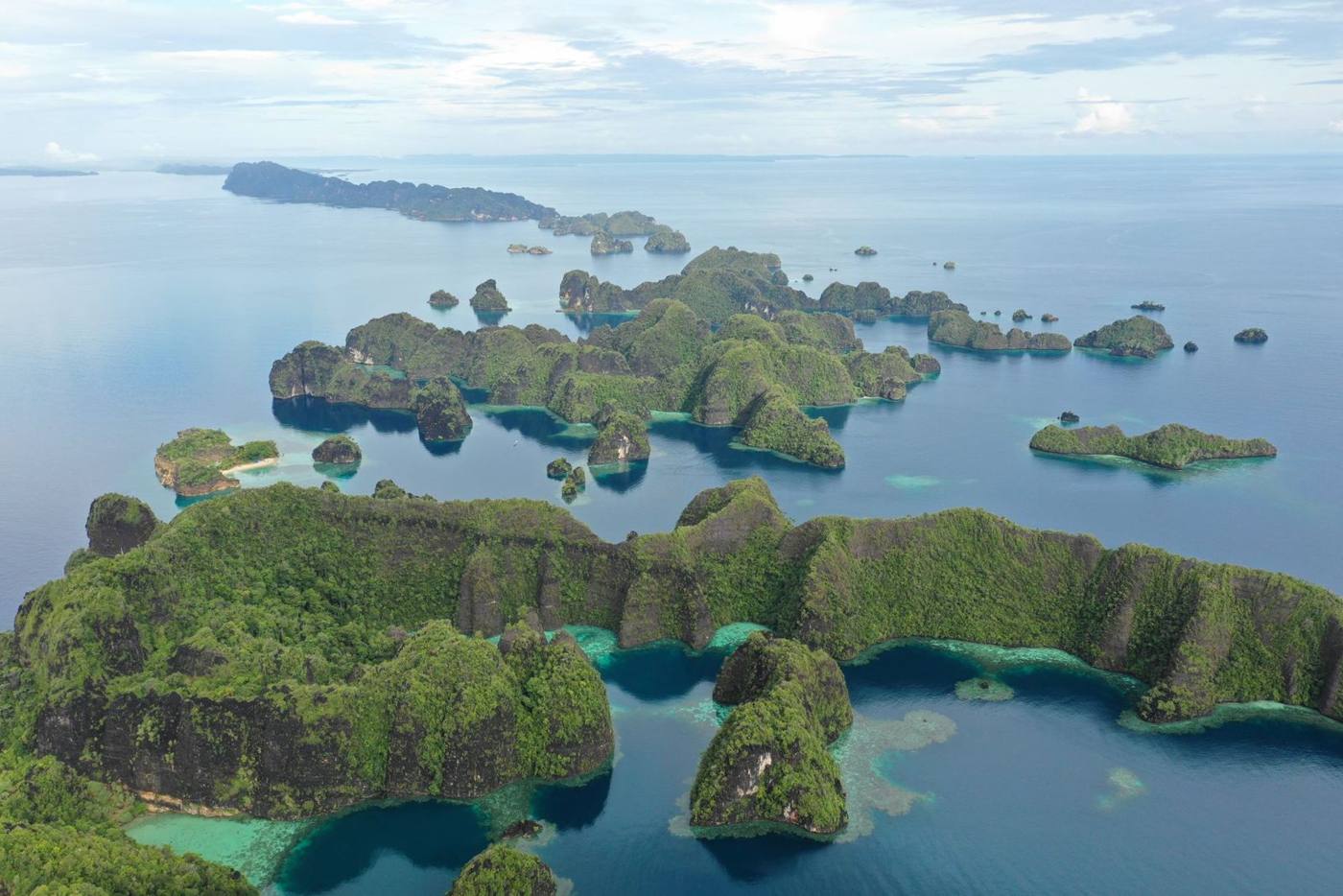
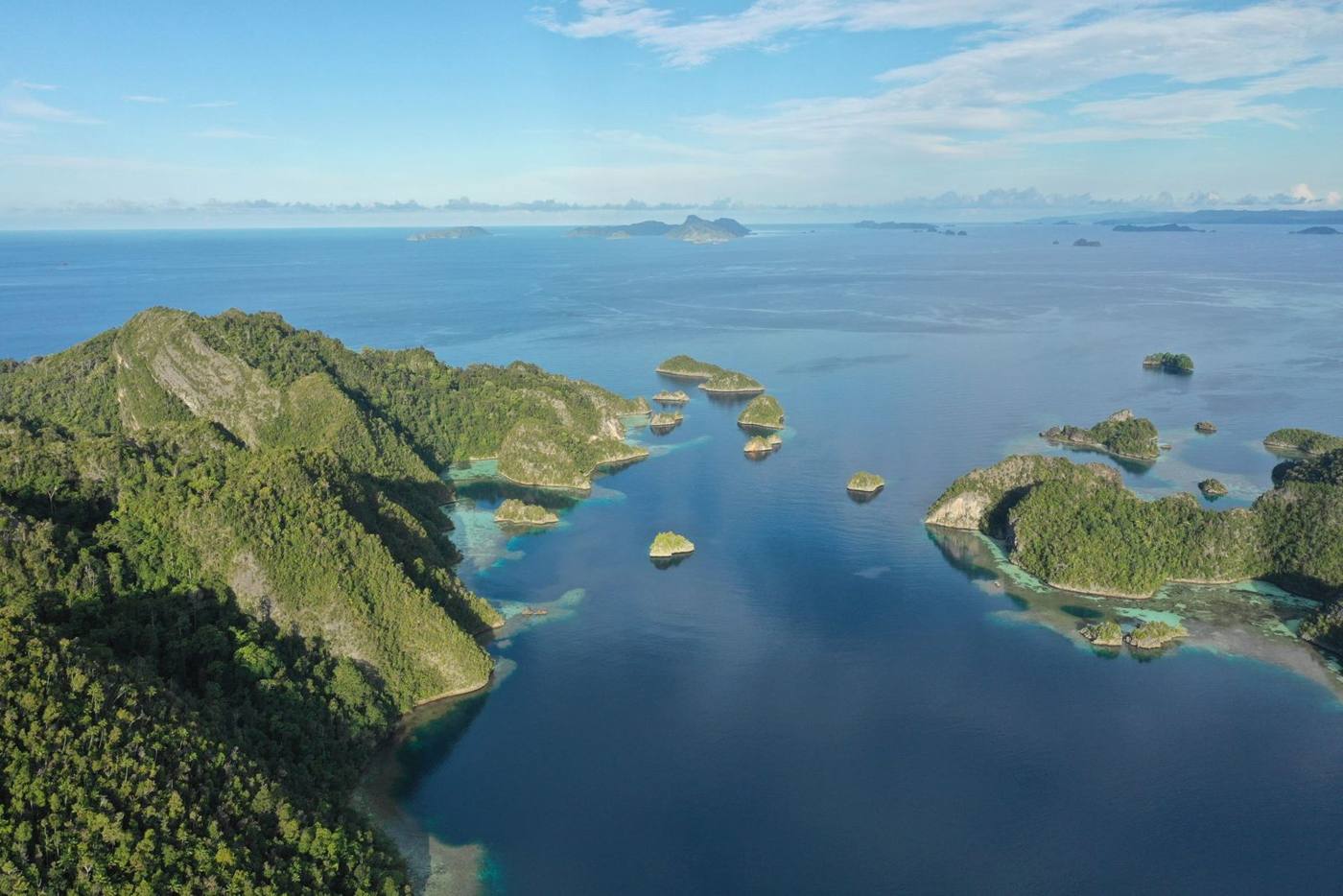
The boat leaves Koror and crosses the lagoon of the Rock Islands, with their mushroom-shaped islets. In about an hour you reach Peleliu, small and flat, covered in jungle.
On 15 September 1944 the United States Marines landed here to capture the Japanese airfield. It was expected to take a few days, but the Japanese soldiers, hidden in hundreds of caves and tunnels dug into the coral hills, held out for more than two months. Thousands of soldiers died on both sides.
With a local guide you see the landing beaches, the airfield runway, the concrete Japanese command post, the rusty tanks in the jungle and the caves on the ridge that the American soldiers called Bloody Nose Ridge. Also visit the small war museum and the memorials to the fallen of both countries. Check prices and times.
Peleliu is a powerful place of remembrance: behave with respect, especially in the caves and near the memorials.
Sleep on Peleliu, for one night.
Practical tip: unexploded ordnance is still found on Peleliu: always stay on the paths, follow the guide and never touch metal objects, not even those that look harmless.
- Day 4
Back to Koror
Today you return to Koror and end the trip with the history of Palau.
Early in the morning walk on one of Peleliu's beaches, quiet today, where the troops landed in 1944. If you like the sea, snorkel near the shore with the guide, who knows the spots without strong currents.
Then take the boat to Koror. On the way back look again at the Rock Islands, with their limestone walls covered in forest and turquoise water.
In the afternoon visit the Belau National Museum in Koror, the oldest in Micronesia. It tells the story of Palauan culture, with traditional money made of glass and ceramic beads, canoes, carved storyboards and a rebuilt bai in the garden. Check prices and times.
In the evening take a walk in Koror, the largest town in the country, or watch the sunset from one of the jetties on the lagoon.
In these four days you have seen the land side of Palau: the Airai bai, Ngardmau Falls, the monoliths of Badrulchau in the north of Babeldaob, the government building in Melekeok, the battlefield of Peleliu and the national museum in Koror.
When to go: the best months are from November to April, the driest season, with calmer seas for the boat to Peleliu. From May to October there is more rain and there may be tropical storms. It is hot and humid all year round.
Practical tip: combine this trip with a few days of diving or kayaking among the Rock Islands, because the sea of Palau is among the most beautiful in the world.
Palau's land side, worth combining with the diving. Peleliu is a powerful place of memory, with tanks and bunkers in the jungle. You need a car and a local guide.
Before you go
- Documents and visa
- Passport valid for at least six months on arrival, with two consecutive blank pages. For tourism up to 30 days you do not need a visa before travelling: you receive the permit on arrival, showing a return or onward ticket. Before leaving you complete the Palau entry form online, within the time indicated by the official website. On arrival you sign the Palau Pledge, a promise to respect nature, stamped in your passport. The Pristine Paradise Environmental Fee is included in the price of your international air ticket.
- Health and vaccines
- Healthcare is reasonable, with the national hospital in Koror, but treatment is very expensive: you need insurance with high medical cover and air evacuation. There is dengue: use repellent and mosquito nets. Be careful with raw food, unbottled water and ice. No vaccinations are compulsory.
- Money and payments
- US dollar. The main cards are accepted in Koror, but cash machines and card payments are rare outside the towns: bring cash as well.
- Power sockets
- Type A and type B, 120 volts, as in the United States: you need an adapter and should check that your devices work at 120 volts.
- Time zone
- UTC+9 all year.
- Safety
- No areas are advised against and crime is low, mostly petty theft. On Peleliu and Angaur unexploded ordnance from the Second World War remains: stay on the paths and do not touch metal objects. Some dive sites have strong currents and are for experienced divers only. Reef-toxic sunscreens are banned. From April to November there is more rain and there may be tropical storms. Official advice: GOV.UK.
Information checked in November 2026 for Italian and EU citizens. Rules change: always check before you travel.
Variations
In 3 days: Babeldaob in one day, with the Airai bai, Badrulchau and the waterfall, then two days on Peleliu.
In 8 days: add four days of diving or kayaking among the Rock Islands, with the Koror State permit.
Frequently asked questions
Do I need a visa for Palau?
No, for tourism of up to 30 days Italian citizens receive the permit on arrival, with a passport valid for six months and a return ticket. Other nationalities should check their own rules.
Is Peleliu safe?
Yes, but unexploded ordnance from the Second World War is still present. Visit the island with a local guide, stay on the paths and do not touch metal objects.
What is the Palau Pledge?
It is a promise to respect the nature and culture of Palau. You sign it on arrival and it is stamped in your passport.
Indicative itinerary written by World Atlas. Before booking, check timetables, seasonal openings, documents and safety.