North Cape and Finnmark
The midnight sun at North Cape, the rock carvings of Alta, Sami culture in Karasjok and fishing villages on the Barents Sea.
- Alta
- Hammerfest
- Honningsvåg
- Nordkapp
- Karasjok
- Alta
Day by day
- Day 1
Alta: arriving in the far north and the Northern Lights Cathedral
This trip takes you to Finnmark, the northernmost region of mainland Norway, beyond the Arctic Circle. It is a land of bare plateaus, deep fjords, fishing villages, cliffs full of seabirds and reindeer. It is home to the Sámi, the indigenous people of northern Scandinavia. The trip reaches the North Cape, the cliff above the Barents Sea.
You fly into Alta airport from Oslo and Tromsø. Norway is not in the European Union but is in the Schengen area: Italian citizens need only an identity card valid for travel abroad or a passport. Other nationalities should check their own rules.
Alta is the largest town in Finnmark, at the head of a fjord, surrounded by birch and pine forest. On the first day visit the Northern Lights Cathedral, a modern spiral shaped church clad in titanium, evoking the northern lights. Inside, light enters through high windows and illuminates a large bronze statue of Christ.
In the evening walk along the Alta river, famous for salmon.
If you come in summer, between mid May and late July, the sun never sets: this is the midnight sun season. In winter, by contrast, there is a period when the sun does not rise, and on clear nights the northern lights are often visible.
Spend the night in Alta.
Practical tip: even in summer the weather in Finnmark changes quickly, with wind, rain and cold. Bring a waterproof jacket, a warm sweater, a hat and hiking shoes. An eye mask helps you sleep under the midnight sun.
- Day 2
The rock carvings and Alta canyon
In the morning visit the Alta Museum and the rock art site, a UNESCO World Heritage Site. On the rocks along the fjord there are thousands of figures carved by hunting and fishing peoples who lived here between about seven thousand and two thousand years ago. You see reindeer, elk, bears, boats, fishermen, hunters, dances and scenes of daily life.
A wooden boardwalk path several kilometres long crosses the rocks near the sea. Archaeologists have painted the carvings red to make them easier to see. The museum tells the story of the region, Sámi life, fishing and the Second World War, when almost all of Finnmark was burned by retreating German troops.
In the afternoon go and see Alta canyon, called Sautso, one of the largest canyons in northern Europe, with high walls and the river at the bottom. You get there by car and then on a trail across the plateau, or on an organised trip in summer. From the rim the view into the canyon is impressive.
In winter, around Alta, people go on snowmobile trips, dog sledding and night outings to see the northern lights.
In the evening return to Alta and have salmon or reindeer.
Spend the night in Alta.
Practical tip: check the museum opening hours, which differ between summer and winter. In winter the rock art trail is partly under snow, and some figures can only be seen in summer.
- Day 3
Hammerfest and the fjord road to Honningsvåg
Today you head north. The road crosses the Sennalandet plateau, a vast, bare landscape of tundra, lakes and rocks where Sámi reindeer graze in summer. Reindeer often walk on the road: slow down and stop if you see them.
The first stop is Hammerfest, about two and a half hours from Alta, one of the northernmost towns in the world. It was destroyed in the war and rebuilt. Here stands the Meridian Column, a monument to the nineteenth century meridian arc measurements made to calculate the shape of the Earth, now a UNESCO World Heritage Site together with other points in several countries. Also climb the hill above town for a view of the harbour.
In the afternoon continue east and then north along the fjords to Honningsvåg, the fishing village closest to the North Cape, on the island of Magerøya. To reach the island you drive through a long undersea tunnel that dips beneath the sea and rises on the other side.
Honningsvåg has a harbour with fishing boats, colourful houses and a small wooden church, the only building left standing at the end of the war.
In the evening have fish from the Barents Sea, such as Arctic cod or king crab.
Spend the night in Honningsvåg.
Practical tip: distances are long and petrol stations few. Fill up whenever you can. In winter some roads can only be driven in convoy behind a snowplough.
- Day 4
The North Cape at midnight and the walk to Knivskjellodden
Today is North Cape day. During the day take one of the island's finest walks, to Knivskjellodden, a tongue of rock jutting into the sea, slightly further north than the North Cape. It is the true northernmost point of mainland Europe reachable on foot, though less famous.
The trail starts from a car park on the North Cape road and crosses the tundra, among rocks, small lakes and bogs, to the seashore. The round trip takes several hours. At the end there is a small stone cairn and a book where you can write your name.
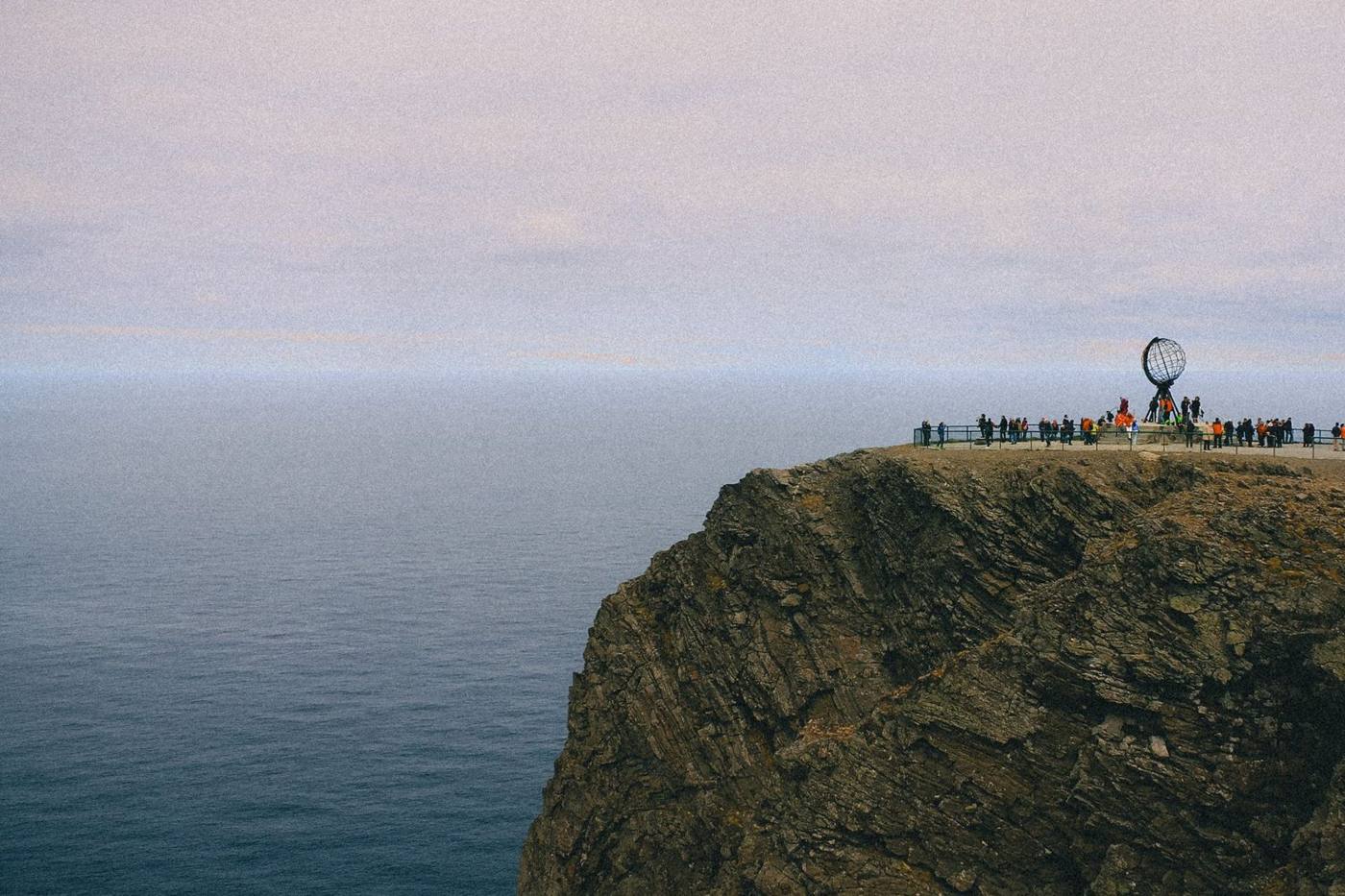
In the evening go up to the North Cape, about half an hour by road from Honningsvåg. The cliff rises steeply more than three hundred metres above the sea. At the top stands a large metal globe, the symbol of the place, and a building with a cinema, a museum, a chapel and a terrace.
In summer, around midnight, the sun stays low on the horizon over the sea without setting, turning everything orange and pink. It is a sight that draws many people. In fog, however, sometimes you see nothing at all: it is a matter of luck.
Spend the night in Honningsvåg.
Practical tip: entry to the North Cape building is paid: check the price and opening hours. The Knivskjellodden trail is marked but not easy: you need hiking boots and warm, waterproof clothing. Do not set off in fog or snow.
- Day 5
Gjesvær and the seabird reserve by boat
Today go to Gjesvær, a small fishing village on the west coast of Magerøya, about half an hour from Honningsvåg.
Boat trips leave from here for the Gjesværstappan nature reserve, a group of rocky islets off the coast where hundreds of thousands of seabirds nest. It is one of the largest bird colonies in Norway.
The boat approaches the cliffs and islands while thousands of birds fly all around. You see puffins, with their colourful beaks and comic look, going in and out of their burrows dug into the turf. You also see guillemots, razorbills, kittiwakes, cormorants and, often, great white tailed eagles flying over the islands. Sometimes seals appear in the water.
Puffins are usually present from April or May to August, then return to the open sea for the winter.
In the afternoon walk around Gjesvær, with views of the islands and the open sea, or return to Honningsvåg and visit the small North Cape museum, which tells the story of the fishermen and the island.
In the evening, if there is midnight sun, take a walk along the coast.
Spend the night in Honningsvåg.
Practical tip: check the boat trip times and season and book ahead. In rough seas trips are cancelled. It is cold on the boat even in summer: dress in layers.
- Day 6
Karasjok: the Sámi Parliament and reindeer herders
Today you leave the coast and head inland to Karasjok, about three and a half hours by road from Honningsvåg, near the Finnish border. Karasjok is one of the main centres of Sámi culture in Norway.
Here stands the Sámi Parliament, the Sámediggi, the assembly elected by the Sámi people in Norway. The modern wooden building recalls the shape of a traditional Sámi tent. Inside is a large library devoted to Sámi culture. Guided tours are available.
Also visit the Sámi museum in Karasjok, with colourful traditional costumes, handicrafts in horn and wood, sleds and reindeer herding tools, and the open air cultural park.
In the afternoon meet a family of reindeer herders. Reindeer herding is still an important part of life and identity for many Sámi: families follow their herds between winter grazing inland and summer pastures on the coast. During the visit you hear stories, sometimes joik, the traditional Sámi chant, and eat something around the fire in a tent.
In the evening stay in Karasjok.
Spend the night in Karasjok.
Practical tip: meet the Sámi with respect: they are not an attraction, but a people with their own language and history. Ask before taking photos. Check the visiting times of the Parliament and the museum.
- Day 7
Back to Alta and departure
On the last day return to Alta, about two and a half to three hours by road from Karasjok, across the Finnmark plateau. The landscape is made of birch woods, lakes, rivers and tundra, with grazing reindeer.
On the way, if you have time, stop in Kautokeino, another Sámi town inland, known for its silver workshops and its Easter festival, with reindeer sled races. It is a detour of a few hours.
In Alta, if your flight is in the afternoon, take a last walk along the river or on the hills around town. In summer the midnight sun gives the last hours of the trip a golden light. In winter, if the sky is clear, the night before departure is your last chance to see the northern lights.
Flights leave Alta airport for Oslo and Tromsø, where you connect to Europe.
Before leaving, buy some souvenirs of Finnmark: Sámi crafts in reindeer horn or silver, or a local product such as smoked reindeer meat.
Practical tip: prices in Norway are very high, especially for food, alcohol and hotels. Allow for this in your budget. Almost everywhere you pay by card, even small amounts. Reindeer on the road are a real hazard: drive slowly, especially in fog.
The trip to reach the end of Europe in nightless light. North Cape itself is a plateau with an expensive visitor centre: the value lies in the Arctic landscape and the people. Fly to Alta rather than driving from Oslo, which is over 2,000 kilometres. It can be cold and foggy even in July.
Before you go
- Documents and visa
- EU citizens need only a valid identity card or passport: Norway is not in the European Union but is in the Schengen area.
- Health and vaccines
- No vaccines required. The European Health Insurance Card is valid in Norway; insurance covering mountain rescue is useful. Emergencies: 112 police, 113 ambulance, 110 fire.
- Money and payments
- Norwegian krone. Cards are accepted almost everywhere, even for small sums and on public transport; cash is hardly needed. Prices are among the highest in Europe.
- Power sockets
- Types C and F, 230 volts.
- Time zone
- UTC+1 in winter, UTC+2 in summer.
- Safety
- One of the safest countries in the world. Risks are natural: bad weather in the mountains, rockfalls, roads closed in winter. Official advice: GOV.UK.
Information checked in November 2026 for Italian and EU citizens. Rules change: always check before you travel.
Variations
In 4 days: just Honningsvåg and the North Cape, flying directly to Honningsvåg.
In 10 days: add Tromsø and the Lofoten Islands, or the road to Kirkenes and the Russian border.
Frequently asked questions
When can you see the midnight sun?
At the North Cape, usually from mid May to late July. In winter there is instead a period when the sun does not rise.
Can you see the northern lights?
Yes, from September to March, on clear, dark nights. In summer the sky is too light.
Do I need a car?
It is the most convenient option, as distances are long and buses few. Alternatively there are organised trips and the coastal ship.
Indicative itinerary written by World Atlas. Before booking, check timetables, seasonal openings, documents and safety.
 5 daysEasy
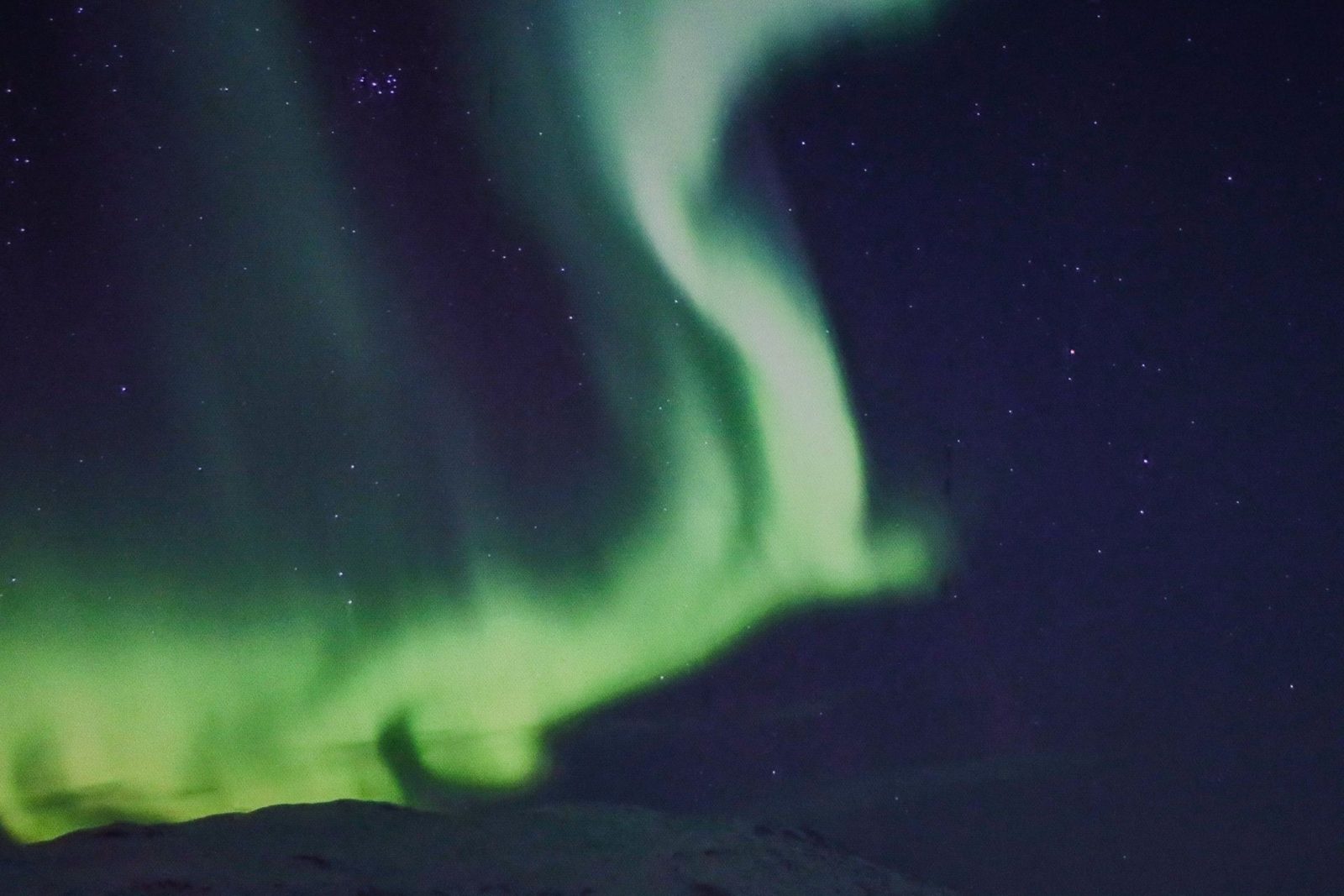
Tromsø and the northern lights
The Arctic capital in winter: aurora chasing by minibus, husky and reindeer sledding, and orcas in the fjords from November to January.
 12 daysEasy
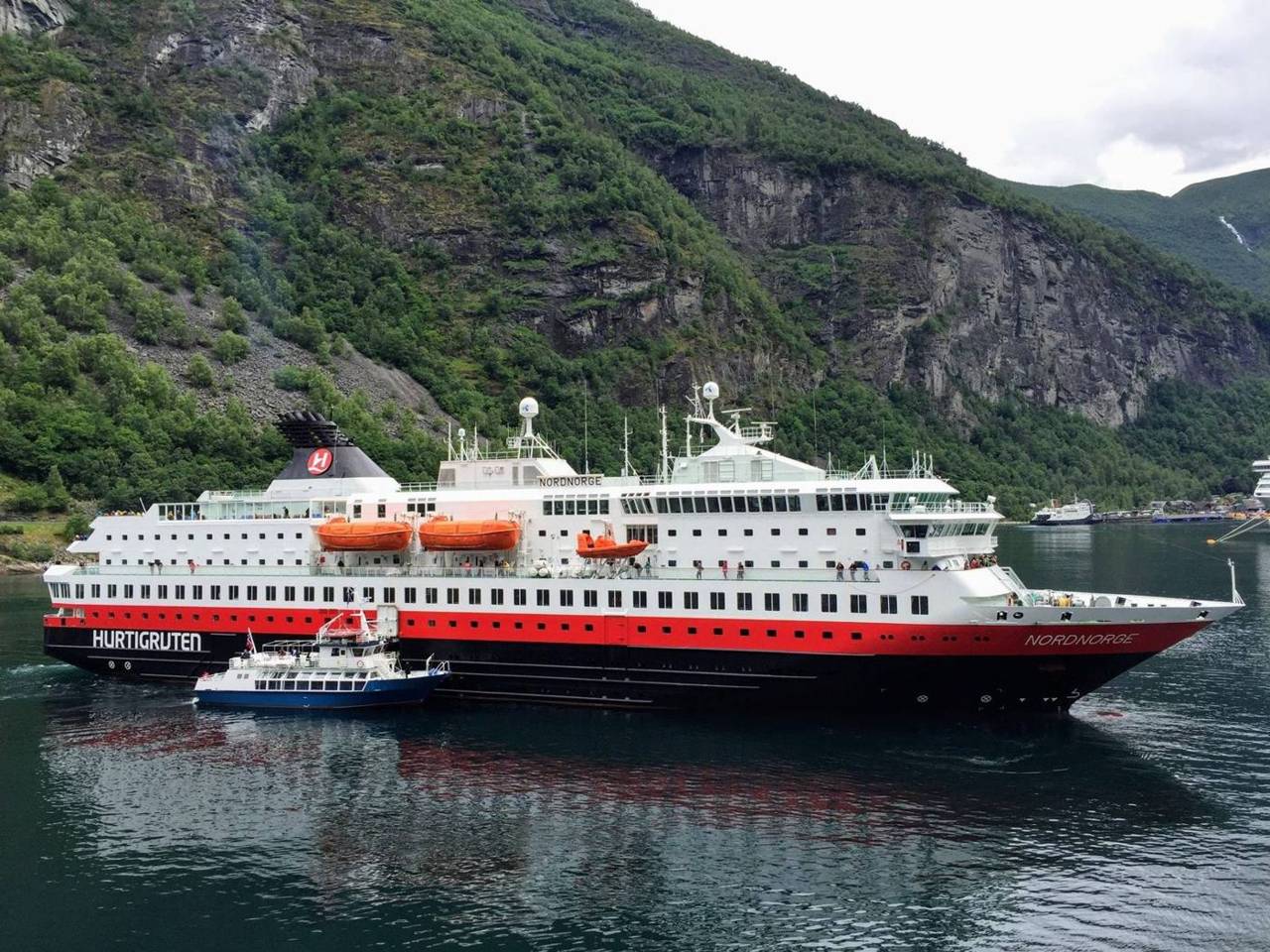
The Hurtigruten from Bergen to Kirkenes
Six days on the coastal ship along the whole coast, with 34 ports, the Trollfjord, Lofoten and North Cape, then three days in Kirkenes and Tromsø.
 7 daysChallenging
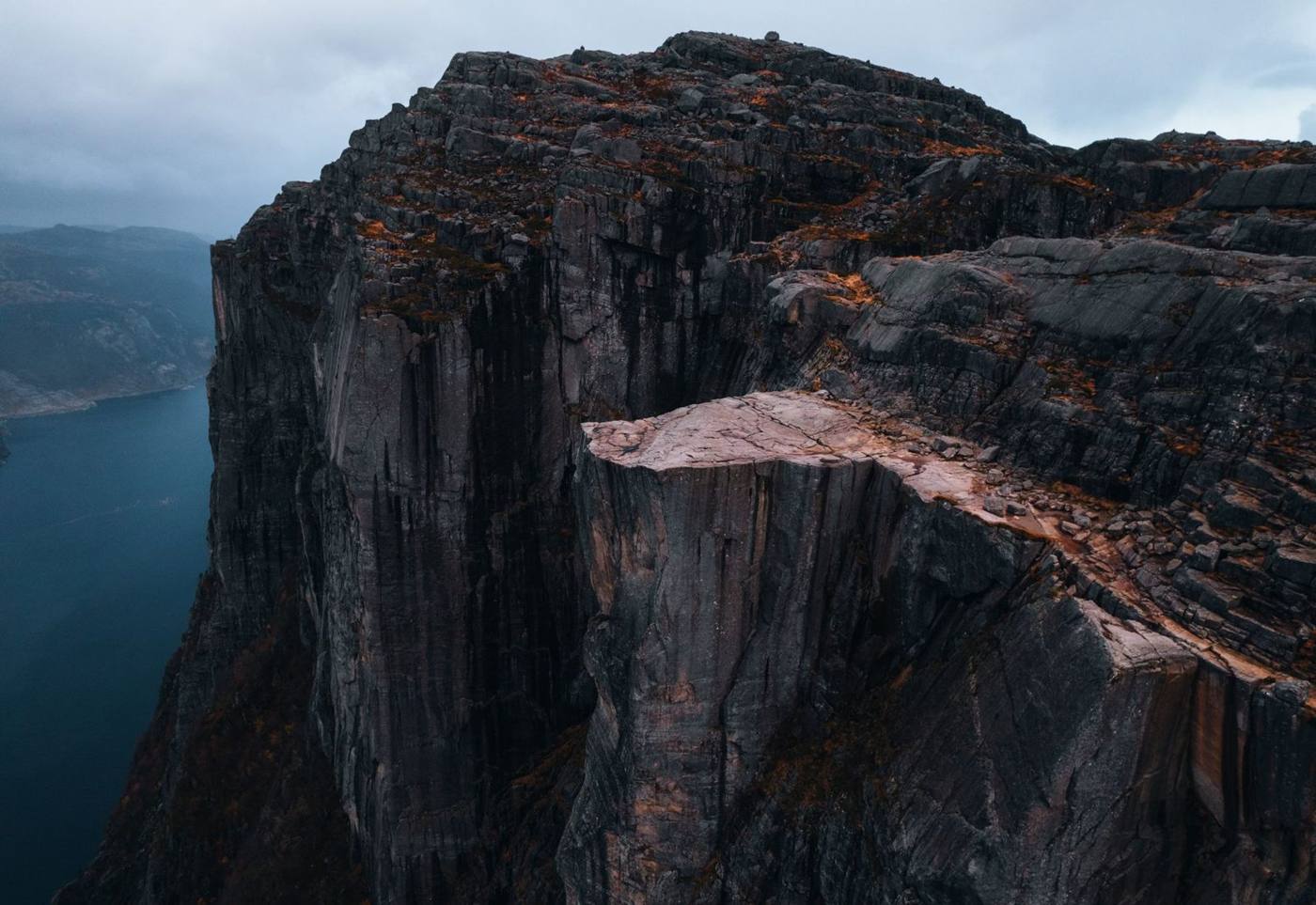
Trolltunga, Preikestolen and Kjerag
Norway's three most famous hikes: the troll's tongue above Lake Ringedalsvatnet, the pulpit above the Lysefjord and the wedged boulder of Kjerag.