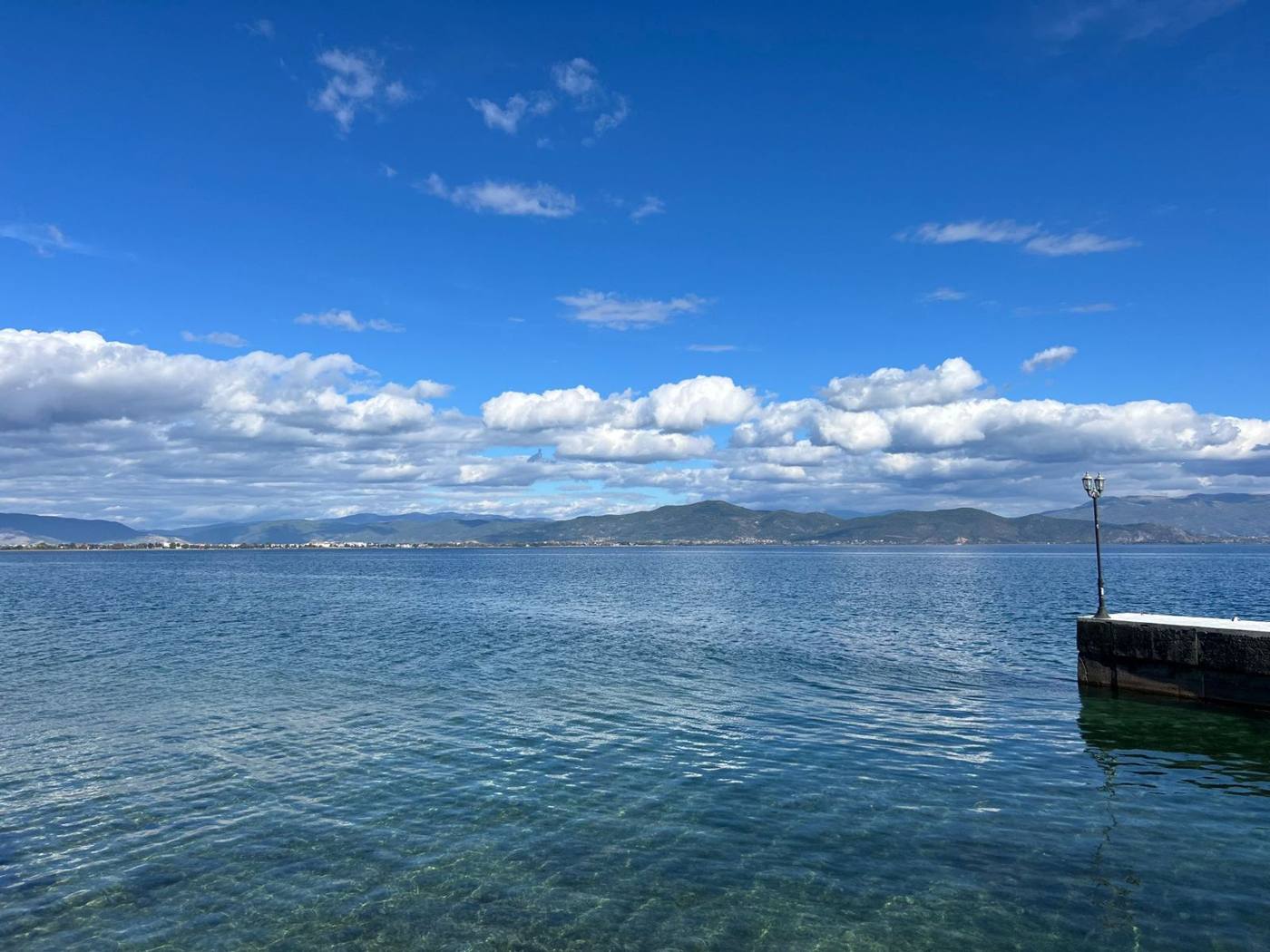
Struga and Vevčani
Struga where the Black Drin leaves Lake Ohrid, Vevčani village with its springs and its tongue-in-cheek 'republic', and the Vevčani carnival in January.
- Ocrida
- Struga
- Vevčani
- Kališta
Day by day
- Day 1
Struga and the Black Drin riverside
This trip takes you to the north western shore of Lake Ohrid: Struga, where the Black Drin flows out of the lake, the mountain village of Vevčani with its springs and its joke republic, and the rock church of Kališta, on the lakeshore. It is a perfect addition to a stay in Ohrid. You travel by car, by bus or by taxi.
Before you go: Italian citizens can enter North Macedonia with an electronic identity card or a passport, with no visa needed, for stays of up to 90 days; bring a document with at least three months' remaining validity. The paper identity card has no longer been valid for foreign travel since 3 August 2026. Other nationalities should check their own rules. The country is not in the European Union: the EHIC is not valid, so leave with health insurance. The currency is the denar. The country is calm for travellers; in summer, in the crowded lakeside resorts, keep an eye on bags and phones.
From Ohrid take the bus or drive for about twenty minutes to Struga. Here the Black Drin river flows out of the lake and through the town, green and clear, before continuing towards Albania and the Adriatic Sea. Walk along the river, under the willows and plane trees, among the cafés and footbridges.
Then visit the house of the Miladinov brothers, two nineteenth century poets born in Struga, now a museum. In their memory every year, in late August, the town hosts the Struga Poetry Evenings, one of the oldest poetry festivals in the world, with readings on the bridge over the river. Check prices and times.
In the evening walk along the lakeside and watch the sunset over the mountains of Albania.
Practical tip: in summer Struga is crowded; for a quiet walk by the river go early in the morning.
- Day 2
Vevčani, its springs and its republic
On the second day you go up into the mountains, to one of the most original villages in North Macedonia.
In the morning drive or take a taxi for about a quarter of an hour to Vevčani, on the slopes of Mount Jablanica. The village has stone houses, narrow lanes and water channels running down between the houses. Walk to the top of the village, to the Vevčani springs: the water flows out of the rock in a beech wood and runs down in little cascades and clear streams, under small wooden bridges. Even in summer the air is cool here.
Vevčani is also famous for its sense of humour. After a long dispute with the authorities over the water from the springs, in the early 1990s the villagers declared themselves, as a joke, an independent republic, with a symbolic passport, flag and currency. It is a story people still tell today with pride and irony.
In the afternoon have lunch in the village with mountain dishes, such as meat slow cooked in earthenware, beans and cheeses. Then take a walk on the paths above the village, through meadows and forest.
If you are here on 13 and 14 January, you will see the Vevčani carnival, one of the oldest and most satirical in the Balkans, with masks that make fun of politicians and the events of the year.
Practical tip: for the January carnival book well ahead, because Vevčani and Struga fill up and the mountain roads may be snowy.
- Day 3
The rock church of Kališta and back to Ohrid
On the last day you follow the lakeshore south, to the churches in the rock.
In the morning drive a few minutes south from Struga to the monastery of Kališta, on the lakeshore. Next to the monastery, in the rock face above the water, there are small cave churches, with medieval frescoes faded by time. Climb the steps and look at the lake through the openings in the rock. It is an active place of worship: go in with your shoulders and legs covered.
Then continue to the village of Radožda, the last before the Albanian border, where another church of the Archangel Michael is carved into the rock above the lake. The path up to it is short but steep. After the visit swim from one of the village's pebble beaches, with clear water, and eat fish from the lake.
In the afternoon go back to Ohrid, about half an hour away.
Trip summary: in three days you have seen Struga with the Black Drin and the house of the Miladinov brothers, the village of Vevčani with its springs and its joke republic, and the rock churches of Kališta and Radožda on the lakeshore. It is a quiet, varied addition to a stay in Ohrid.
When to go: from May to September for the lake and walks. On 13 and 14 January there is the Vevčani carnival; in late August the Struga Poetry Evenings.
Practical tip: bring water shoes for the pebble beaches of Radožda and a small torch to see the frescoes better in the darker cave churches.
A perfect addition to a stay in Ohrid. The Vevčani carnival is one of the oldest and most satirical in the Balkans. Struga is crowded in summer.
Before you go
- Documents and visa
- EU citizens can enter with a valid identity card or passport, without a visa, for stays of up to 90 days in any 180. North Macedonia is not in the EU or the Schengen area. Other nationalities should check their own rules; British passports need at least three months' validity beyond the date you leave.
- Health and vaccines
- No vaccines required. The EHIC is not valid: take insurance covering medical costs and repatriation, and helicopter rescue if you hike in the mountains. Summers in the valleys are very hot: drink plenty of water. Emergencies: 112.
- Money and payments
- Macedonian denar. Cards work in cities and tourist areas; villages, markets and mountain guesthouses need cash. There are cash machines in every town.
- Power sockets
- Types C and F, 230 volts: you need an adapter for British plugs.
- Time zone
- Central European Time (UTC+1, summer UTC+2).
- Safety
- Attacks on foreign nationals are extremely rare, but there is pickpocketing and bag snatching in Skopje's shopping and nightlife areas, especially late at night. The UK says terrorist attacks cannot be ruled out and that organised crime groups are active in northern areas near the border with Kosovo. Wildfires are possible from April to October and the authorities often close forests in summer. Avoid driving after dark on unfamiliar rural roads. In the mountains the weather changes quickly and trails are not always marked: do not hike alone. Official advice: GOV.UK.
Information checked in November 2026 for Italian and EU citizens. Rules change: always check before you travel.
Variations
Shorter version: in one day from Ohrid you see Struga and the springs of Vevčani.
Longer version: add a day at the monastery of St Naum, on the southern shore of the lake, and one in Galičica National Park.
Frequently asked questions
When is the Vevčani carnival?
On 13 and 14 January, for the Orthodox New Year. It is one of the oldest and most satirical carnivals in the Balkans.
Is Struga good for swimming?
Yes, in summer there are beaches on the lake, but they are crowded. The pebble beaches of Radožda, further south, are quieter.
Do you need a car?
No, there are buses from Ohrid to Struga and taxis to Vevčani and Kališta. A car gives you more freedom for stops along the lake.
Indicative itinerary written by World Atlas. Before booking, check timetables, seasonal openings, documents and safety.
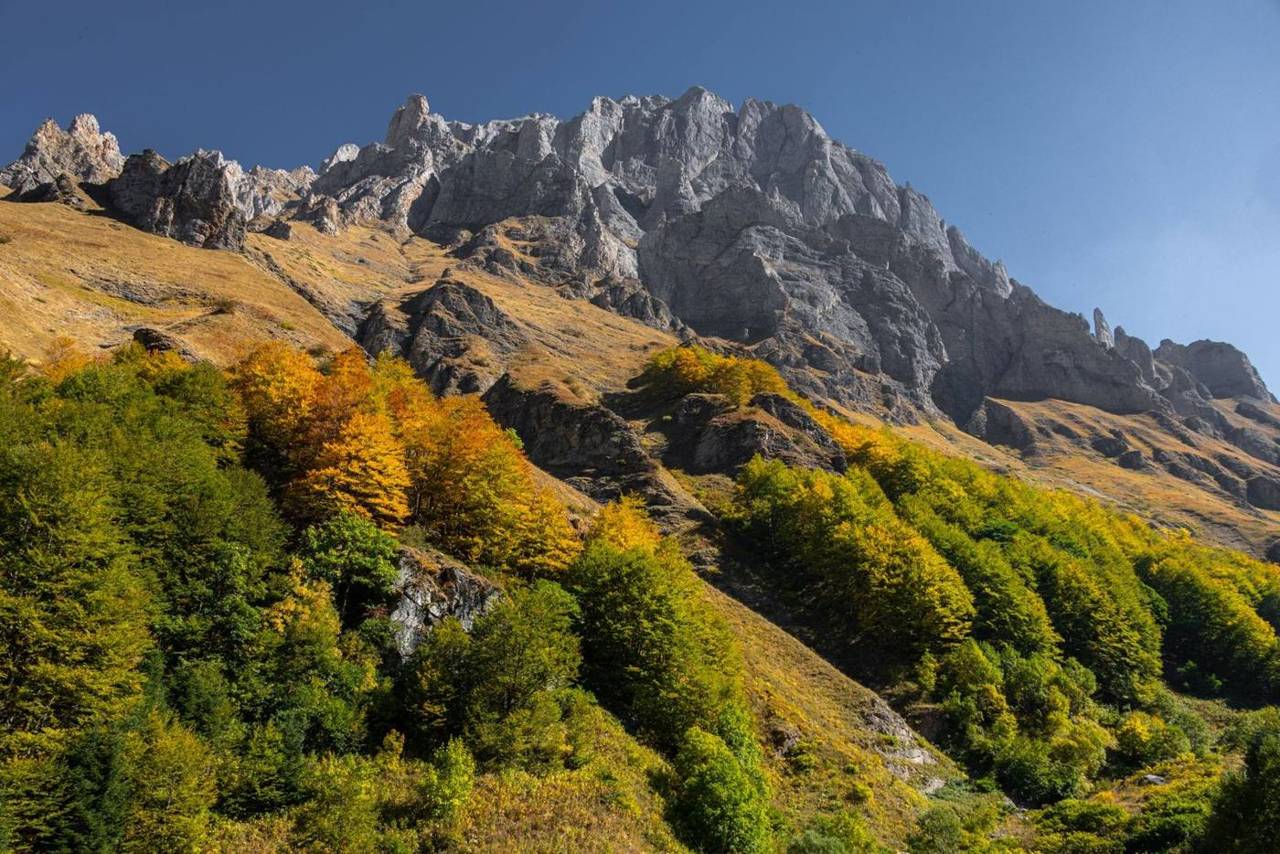 4 daysModerate
The Šar mountains
Tetovo with its painted mosque and the Arabati Baba dervish lodge, the ride up to Popova Šapka and hikes to the Šar glacial lakes up to Titov Vrv.
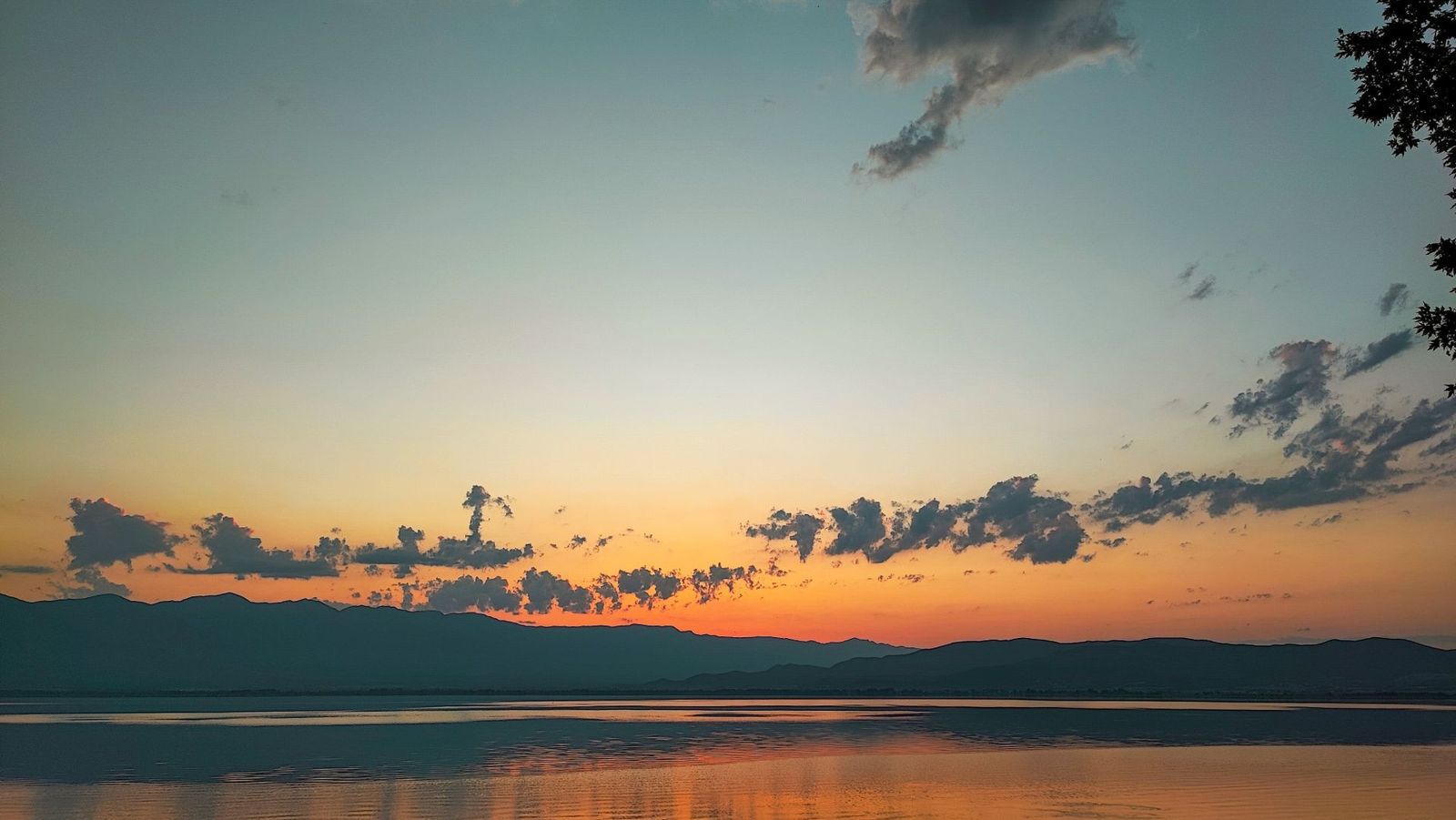 3 daysEasy
Dojran and the south-east
Lake Dojran with its traditional cormorant-assisted fishing and beaches, the Kolešino and Smolare waterfalls and the town of Strumica.
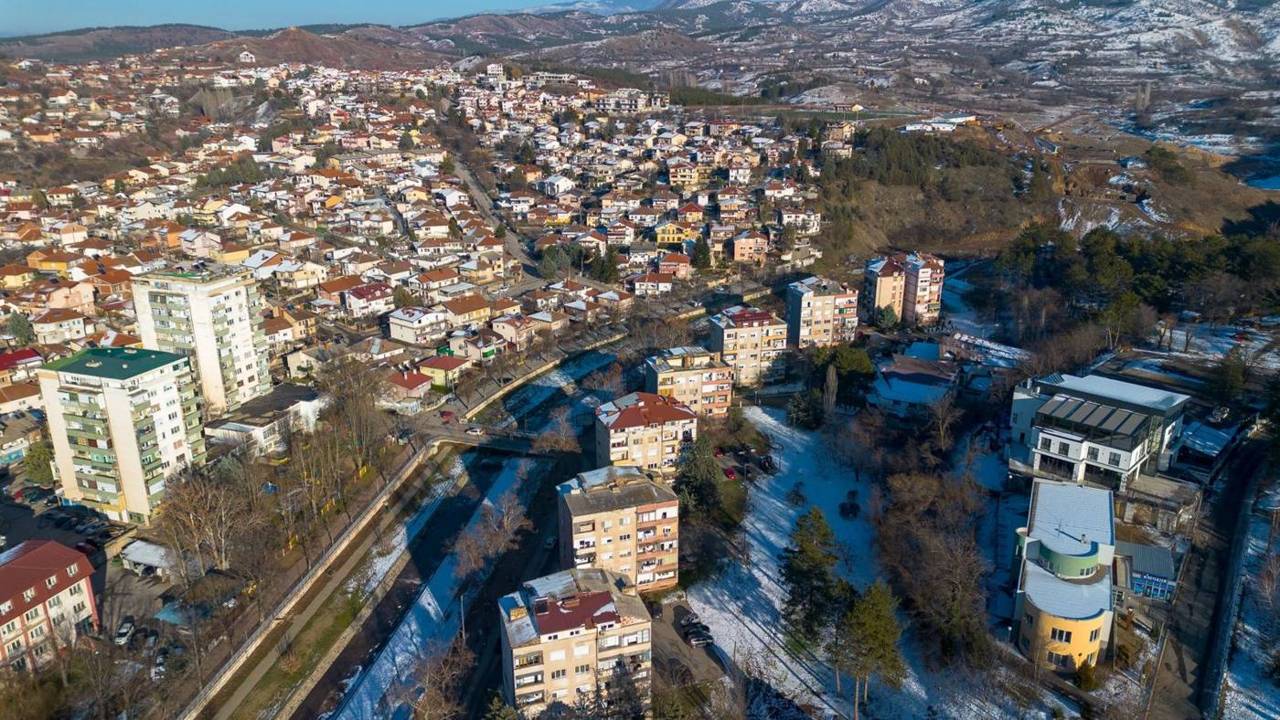 3 daysEasy
Kruševo and Prilep
Kruševo, the highest town in the Balkans with its Aromanian houses and the Makedonium monument, Prilep with King Marko's towers and Treskavec monastery on the mountain.