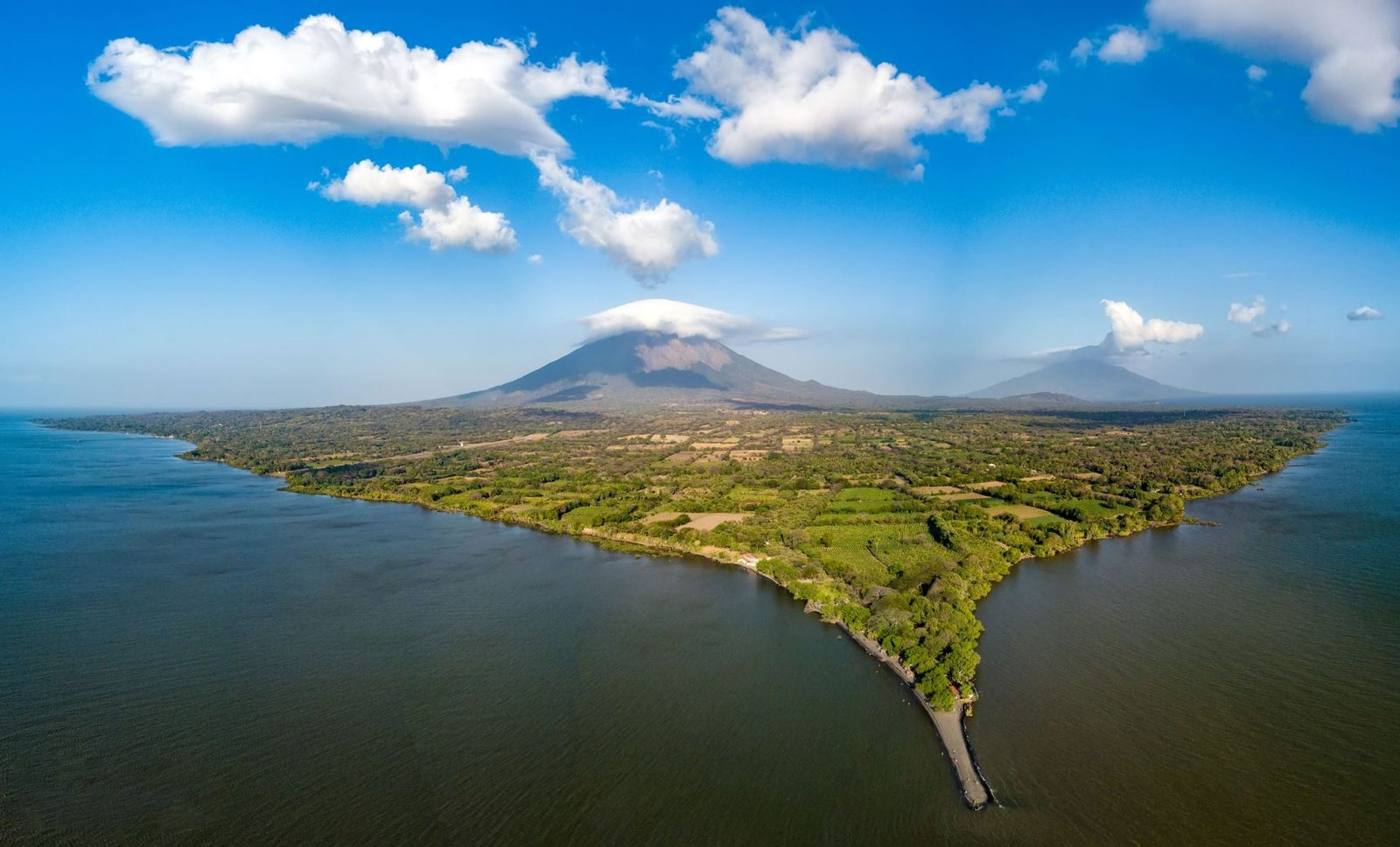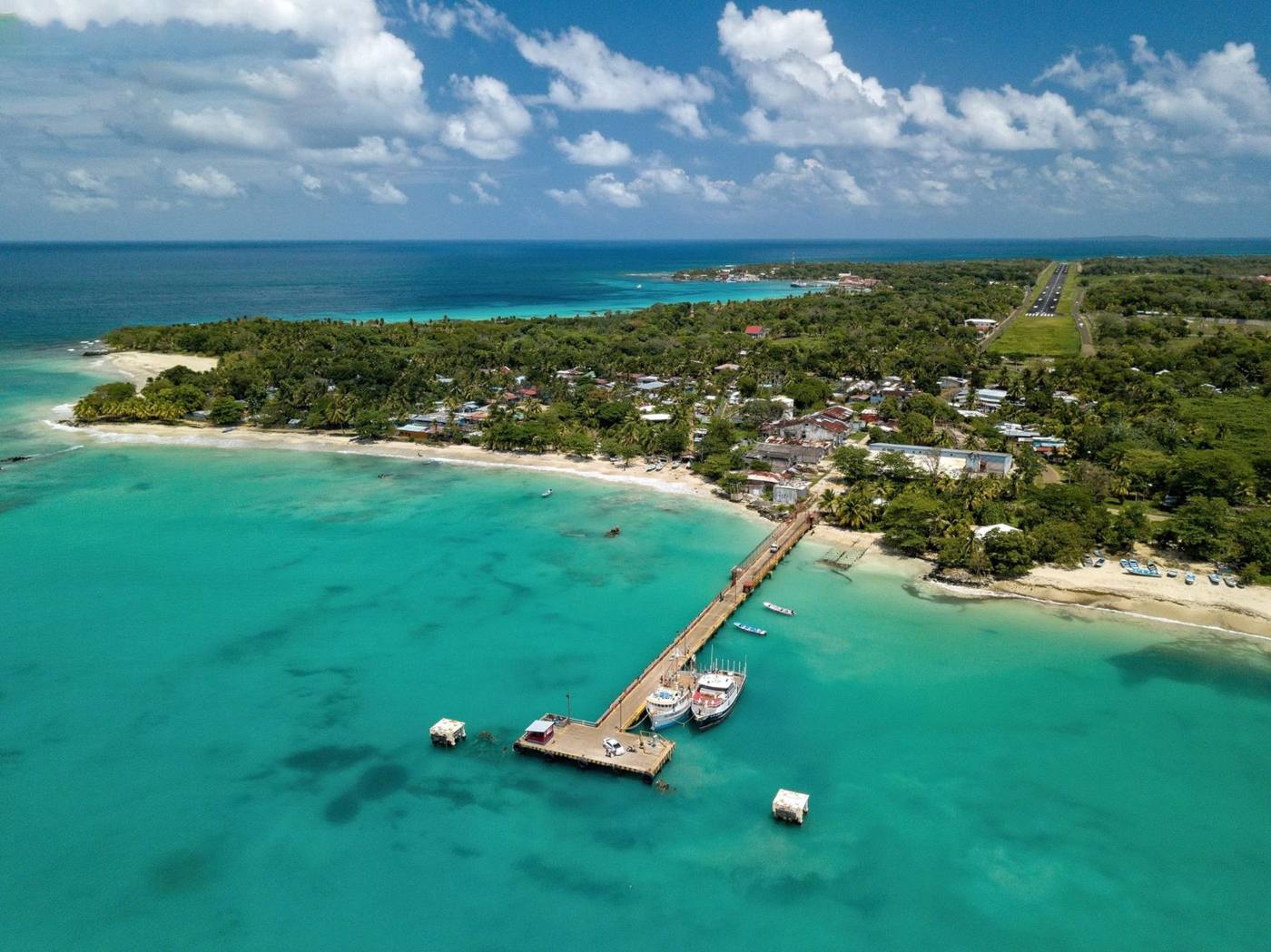
The Corn Islands
Two Caribbean islands far from everything: Big Corn and Little closed to cars Corn, with coral reef and English-speaking Creole culture.
- Managua
- Big Corn
- Little Corn
- Otto Beach
Day by day
- Day 1
Flight from Managua to Big Corn
This five-day trip takes you to the Corn Islands, two Caribbean islands about seventy kilometres off the coast of Nicaragua: Big Corn, the larger one, and Little Corn, with no cars, a coral reef, beaches in the north and a Creole culture where people speak English.
Before you go: Italian citizens enter without a visa for tourism for up to 90 days, with a passport valid for at least six months. On arrival you pay 10 dollars in cash for the tourist card and may be asked for a ticket out of the country; you are advised to fill in the Interior Ministry's online entry form beforehand. The authorities can refuse entry without giving reasons. Drones are banned and are seized at customs; professional photo and video equipment and binoculars can also be seized. Bring a simple camera and do not photograph soldiers, police or public buildings. Other nationalities should check their own rules. Some areas on this trip are close to borders or places where the situation changes often: check your government's travel advice before booking and again before you leave.
The domestic flight from Managua to Big Corn takes just over an hour and flies over the forests and rivers of the Caribbean coast. The planes are small and baggage has strict weight limits: check them when you book.
Big Corn is quiet, with one road circling the island, shared taxis and colourful wooden houses. In the afternoon go to Picnic Center beach, with white sand and palm trees, and have your first swim.
In the evening try rundown, a soup of fish, coconut, plantain and root vegetables, the typical dish of Creole culture.
Practical tip: bring enough cash from Managua; on the islands cash machines are few and on Little Corn there are usually none.
- Day 2
By boat to Little Corn
Today you go from Big Corn to Little Corn on the public boat, a motor launch that usually leaves in the morning and in the afternoon from the main pier. The crossing takes less than an hour, but the sea between the two islands is often rough and the boat bounces hard on the waves.
Sit towards the back, where you feel the bumps less, and keep your life jacket on. Put your bag and documents in waterproof sacks, because water gets in easily. In bad weather the boats can be suspended: if the sea is very rough, wait for the next run and do not get on small or improvised boats. Always ask for confirmation of the times the day before.
Little Corn is small and green, and there are no cars: you walk on concrete and sand paths among palm trees, houses and small vegetable gardens. The main village is on the west side, near the pier, with a few shops, beach bars and fishing boats.
Once settled, walk along the path that crosses the island to the east. In a few minutes you reach the windward coast, with long beaches and waves breaking on the reef.
At sunset go back to the west side to watch the sun sink into the sea, and have grilled fish of the day and coconut rice for dinner.
Practical tip: bring a head torch; in the evening the paths are unlit and you walk among roots, crabs and holes.
- Day 3
Snorkelling and diving with nurse sharks
Today you explore the sea around Little Corn, protected by a coral reef full of life.
In the morning, when the sea is calmer, go out by boat with a dive centre or a licensed boatman. The snorkelling spots are a few minutes from the shore. In the clear water you see fan and brain corals, parrotfish, surgeonfish, rays and sea turtles. Move calmly and touch nothing: corals are fragile and some sting.
If you are certified, book a dive. Here it is easy to meet nurse sharks, which rest on the bottom under the rocks and are calm with those who respect them. With some luck you also see eagle rays and schools of barracuda. If you have never dived, you can try an introductory dive with an instructor in shallow water. Check prices and times, and always ask to see the equipment before leaving.
In the afternoon rest in the shade of the palms, because the Caribbean sun is strong even when the sky is hazy. Drink plenty of water and eat fresh fruit, such as mango or a freshly opened coconut.
In the evening listen to the music of the beach bars and chat with local people. Many speak a Creole English that tells the story of these islands and their links with the English-speaking Caribbean.
Practical tip: use reef-friendly sun cream and a swim shirt; while snorkelling your back stays in the sun for a long time.
- Day 4
The northern beaches and Otto Beach
Today you spend the day on the northern beaches of Little Corn, the wildest on the island.
Set off in the morning on foot along the path through the forest of palms and mangroves. After about half an hour you reach Otto Beach, a beach of pale sand with dark rocks and clear water. The palms lean towards the sea and you are often almost alone. A little further on you find other small bays, one after another, where you can swim and snorkel near the shore.
On the way stop at the viewpoint near the lighthouse, on the high part of the island, from where you see the whole of Little Corn, the reef and, on clear days, Big Corn on the horizon.
In the northern sea currents can be strong, especially when the wind blows from the east. Swim only where the water is calm, do not go far from the shore and never swim alone. The beaches have no lifeguards.
Bring water, food and something to read: there are no shops on the more distant beaches. In the late afternoon head back to the village before dark.
In the evening treat yourself to a lobster dinner, if it is the right season, or grilled king prawns. Always ask the price before ordering.
Practical tip: do not leave valuables unattended on the beach while you swim; bring only what you need and a small waterproof bag.
- Day 5
Back to Managua and summary
Today you leave the islands. Take the morning boat from Little Corn to Big Corn and then the flight to Managua. Book the flight with a good margin after the boat arrives, because in rough seas the runs can be delayed or suspended. If the sea is very rough, consider going back to Big Corn the day before.
If you have a few hours on Big Corn, take a taxi round the island. Pass through Long Bay and the Creole villages, look at the colourful fishing boats and buy a coconut bread, sweet and soft, to eat on the flight.
At Big Corn airport check in early: the procedures are simple but the planes are small and flights may leave early if all passengers are already there.
In five days you have got to know Big Corn with Picnic Center beach and Creole rundown, the boat crossing, car-less Little Corn, snorkelling and diving with nurse sharks, Otto Beach and the northern bays. It is a corner of the Caribbean that is still simple and slow, where life follows the rhythm of the sea.
When to go: from February to April the weather is drier and the sea calmer, with clear water for snorkelling. From June to November it rains often, the sea can be rough and there is a risk of hurricanes, especially between August and October.
Practical tip: keep a change of clothes, your charger and your medicines in your hand luggage; if the flight is cancelled, you may spend an extra night on Big Corn.
A corner of the Caribbean still simple and authentic. The boat between the islands is very rough: protect your luggage. The same political cautions as the rest of the country apply.
Before you go
- Documents and visa
- Passport valid for at least six months; no visa is needed for tourism for up to 90 days, but on arrival you pay 10 dollars in cash for the tourist card and may be asked for an onward ticket. You are advised to fill in the Interior Ministry's online entry form beforehand. The authorities can refuse entry without giving a reason. Drones are banned and are seized at customs; professional photo and video equipment and binoculars can also be seized, and birdwatching needs a permit from the Environment Ministry. E-cigarettes are banned. Do not photograph soldiers, police or public buildings. Nicaragua, El Salvador, Guatemala and Honduras share a single 90-day period.
- Health and vaccines
- There is dengue, chikungunya and Zika: use repellent during the day too. Ask your doctor whether you need malaria prevention for the areas you visit. A yellow fever certificate is needed only if you arrive from a country at risk. Drink bottled water. Private hospitals in Managua are good, elsewhere facilities are limited: you need insurance covering medical costs and repatriation. Emergencies: police 118, Red Cross 128, fire brigade 115.
- Money and payments
- Córdoba. The US dollar is accepted almost everywhere, but change often comes in córdobas and worn or marked notes are refused. Cards and cash machines work in towns; change money only at banks and carry cash for Ometepe and the Corn Islands.
- Power sockets
- Types A and B, with flat pins as in the United States, 120 volts: you need an adapter, and check the voltage of your devices.
- Time zone
- UTC-6 all year.
- Safety
- The political situation is tense and laws can be applied unpredictably: avoid demonstrations, political discussions and comments, including on social media. In the evening do not walk alone and use only official taxis; do not drive at night outside towns. On the Pacific the currents are strong, and the boat between the two Corn Islands is dangerous in rough seas. Official advice: GOV.UK.
Information checked in November 2026 for Italian and EU citizens. Rules change: always check before you travel.
Variations
Shorter version: in four days stay only on Little Corn, with one day of snorkelling and one on the northern beaches.
Longer version: add two days on Big Corn for offshore dives and a bike ride around the island.
Frequently asked questions
How do you get from Big Corn to Little Corn?
On a public boat that usually leaves in the morning and afternoon. The sea is often rough: wear the life jacket, protect your luggage from the water and do not go in bad weather.
Do I need cash on the Corn Islands?
Yes. Big Corn has few cash machines and on Little Corn there are usually none. Bring US dollars in new notes and córdobas from Managua.
Can I dive without a certificate?
Yes, many centres offer introductory dives in shallow water with an instructor. Deeper dives require a certificate; check prices and times and the condition of the equipment.
Indicative itinerary written by World Atlas. Before booking, check timetables, seasonal openings, documents and safety.