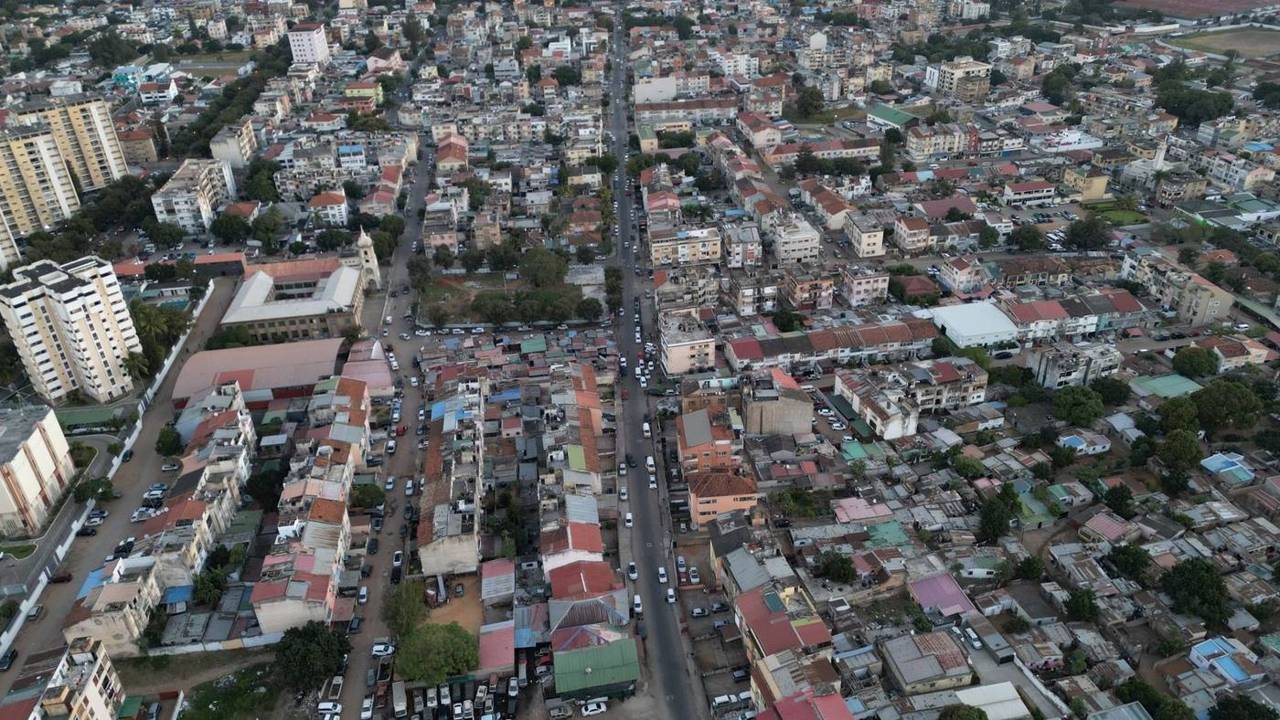
Maputo, architecture and markets
The capital of jacaranda avenues: the railway station, the iron house, the modernist buildings of Pancho Guedes, the central market and the fish market.
- Maputo
- Baixa
- Polana
- Fish market
Day by day
- Day 1
The Baixa, the station and the central market
This two-day trip takes you around Maputo, the capital of Mozambique: on the first day the Baixa, the lower town near the port, with the station and the central market; on the second the tree-lined avenues of Polana, the modernist architecture and the fish market.
Before you go: Italian citizens enter Mozambique without a visa for stays of up to 30 days, but before leaving they must obtain an electronic travel authorisation on the official portal evisa.gov.mz, paying a fee: check the amount and apply at least five working days ahead. Your passport must be valid for at least six months from arrival, with two blank pages. Other nationalities should check their own rules. The United Kingdom advises against all travel to Cabo Delgado Province and to some districts of Nampula and Niassa, in the north, because of terrorism: Maputo is very far away. In the city street crime is common and protests can start at short notice: follow the local news. The whole country is a malaria area: ask your doctor.
Start at the railway station, an elegant early twentieth-century building with a large green dome and cream walls. Step into the hall and look at the old locomotives on display by the platforms.
Then walk towards the fortress, built near the port, and the iron house, a prefabricated metal house from the late nineteenth century, intended as the governor's residence: according to tradition, it was too hot inside to live in.
In the afternoon, go into the central market: tropical fruit, spices, cashew nuts, dried fish and woven baskets. Finish in Independence Square, with the city hall and the white cathedral.
Practical tip: always carry your original passport, because the police do not accept photocopies, and keep your phone in your pocket while you walk.
- Day 2
The architecture of Polana and the fish market
Today you go up to the higher part of the city, Polana, a district of wide avenues, embassies and buildings from the 1950s and 1960s. Many streets carry names from the country's socialist history, such as Mao Tse Tung, Karl Marx and Lenin.
In those years the architect Pancho Guedes built dozens of highly original buildings in Maputo, with curved shapes, strong colours and decorations that look like sculptures. The most famous is the building called Leão que Ri, the laughing lion. The best way to see them is a walk with a local guide, who knows the addresses and the story of each house.
In mid-morning, visit the natural history museum, in an early twentieth-century building with turrets and decorations in neo-Manueline style: check prices and times. Then walk down to the viewpoint on Avenida Friedrich Engels, from where you see the whole bay and the Catembe bridge.
In the afternoon, rest in the Tunduru garden, near the centre, in the shade of the big trees. If you travel in October or November, the avenues turn purple with flowering jacarandas.
Towards evening, go to the fish market, on the road along the sea. Choose king prawns, lobster or fresh fish at the stalls, then have it grilled in the kitchens next door, with rice and piri piri sauce, the country's hot chilli.
In two days you have seen the colonial capital, the modernist one and the city of today, with its lively markets.
When to go: from May to October the weather is dry and mild. October and November bring the jacarandas, but also the heat.
Practical tip: in the evening go back by taxi or with a booked driver, not on foot, even for short distances.
A lively city with some of Africa's best seafood. In the evening move by taxi or driver, not on foot. There were protests after the 2024 elections: check the news before leaving.
Before you go
- Documents and visa
- Passport valid for at least six months from arrival, with at least two blank pages. Italian citizens enter without a visa for tourism stays of up to 30 days, but before leaving they must obtain an electronic travel authorisation (ETA) on the official portal evisa.gov.mz, paying a fee online: apply at least five working days ahead and carry a printout of the approval. A yellow fever vaccination certificate is required if you arrive from a country with a risk of transmission.
- Health and vaccines
- Malaria is present across the country: ask your doctor about antimalarials. There is also dengue and bilharzia in fresh water, and a cholera outbreak is ongoing in the centre and north: drink only bottled water. Hospitals are of a low standard, especially in the north: you need insurance covering medical costs and evacuation. Emergencies: 112.
- Money and payments
- Mozambican metical. Cards work in Maputo and the bigger resorts; on the islands and in remote areas carry cash, withdrawn in town.
- Power sockets
- Type C, F and M, 220 volts: bring a universal adapter.
- Time zone
- UTC+2 all year.
- Safety
- The UK government advises against all travel to Cabo Delgado Province, except Palma town and the area around Pemba and Afungi, where it advises against all but essential travel, and to the districts of Memba and Eráti (Nampula) and Mecula and Marrupa (Niassa), because of terrorism. Street crime is common in Maputo, sometimes with weapons. Protests can start at short notice. Outside the cities travel only by day and always carry your original passport: the police do not accept copies. Official advice: GOV.UK.
Information checked in November 2026 for Italian and EU citizens. Rules change: always check before you travel.
Variations
In one day: the Baixa with the station and the central market, then dinner at the fish market.
In four days: add a boat trip to Inhaca Island and a day in the Maputo reserve, across the Catembe bridge.
Frequently asked questions
Is Maputo safe for tourists?
By day you can walk carefully in the central areas. Street crime is common: do not show valuables and move around by taxi in the evening.
Can you visit the inside of Pancho Guedes's buildings?
Many are private homes and can only be seen from outside. A local guide knows which ones you can approach and how to photograph them respectfully.
How does the fish market work?
You buy the fish at the stalls and have it cooked in the nearby kitchens, paying separately for the cooking. Always agree the price first.
Indicative itinerary written by World Atlas. Before booking, check timetables, seasonal openings, documents and safety.
 2 daysEasy
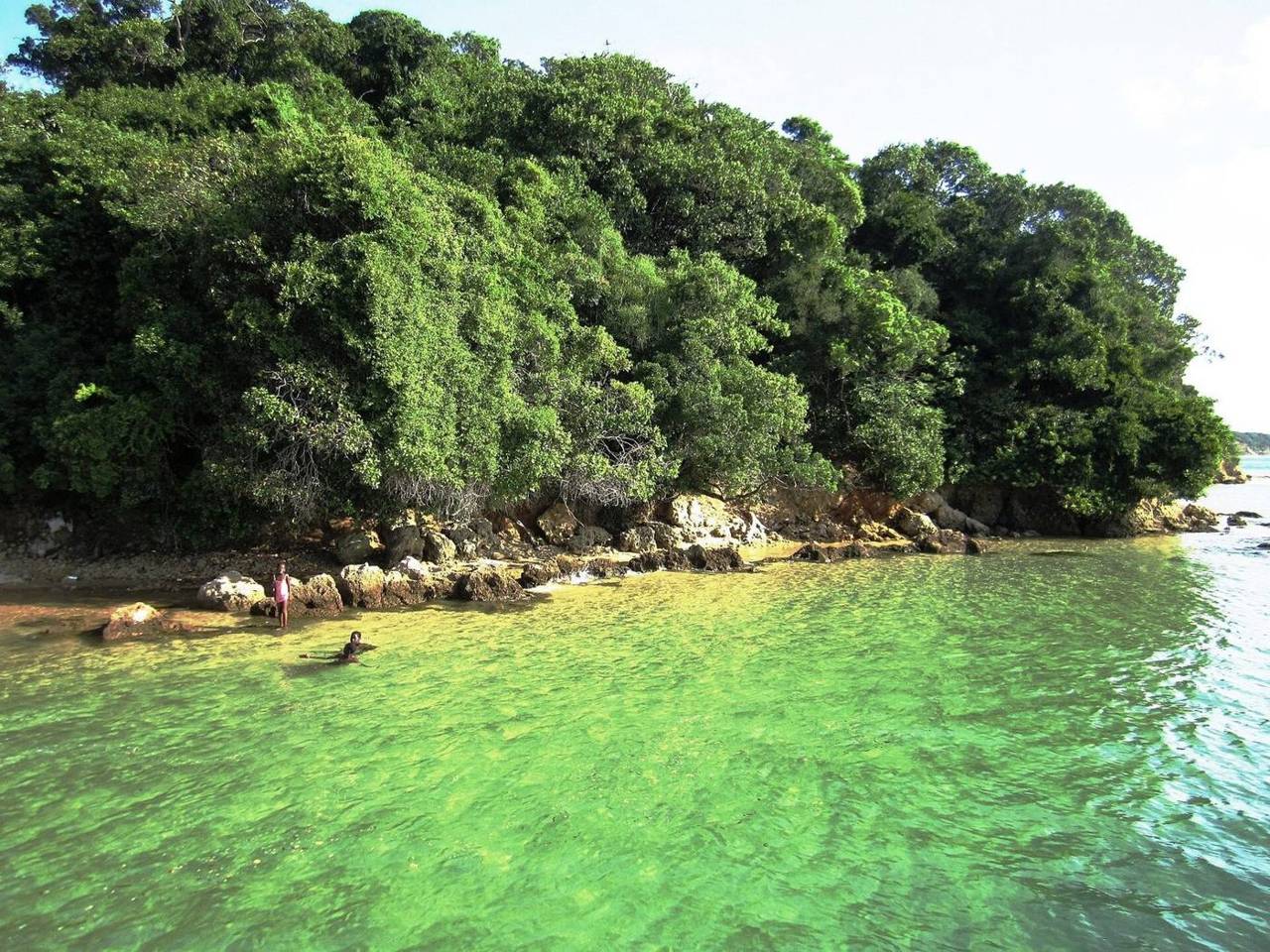
Inhaca Island
An island in Maputo bay with beaches, coral reef, Portuguese Island and mangroves, reached by boat from the capital.
 3 daysEasy
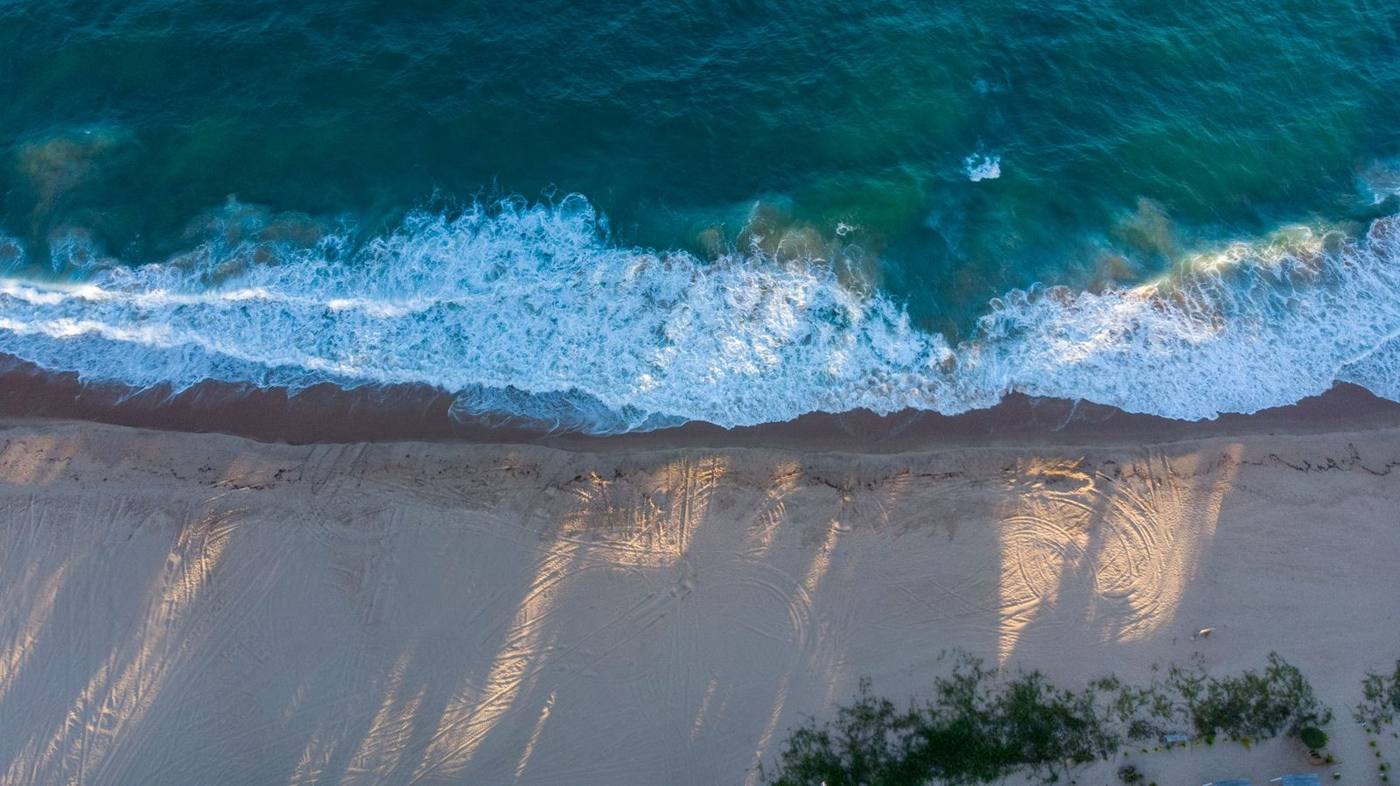
Maputo Special Reserve
A rare meeting of safari and ocean: elephants, zebras and giraffes among lakes and dunes, and the wild beaches of Ponta Membene and Ponta Milibangalala, where turtles nest.
 4 daysModerate
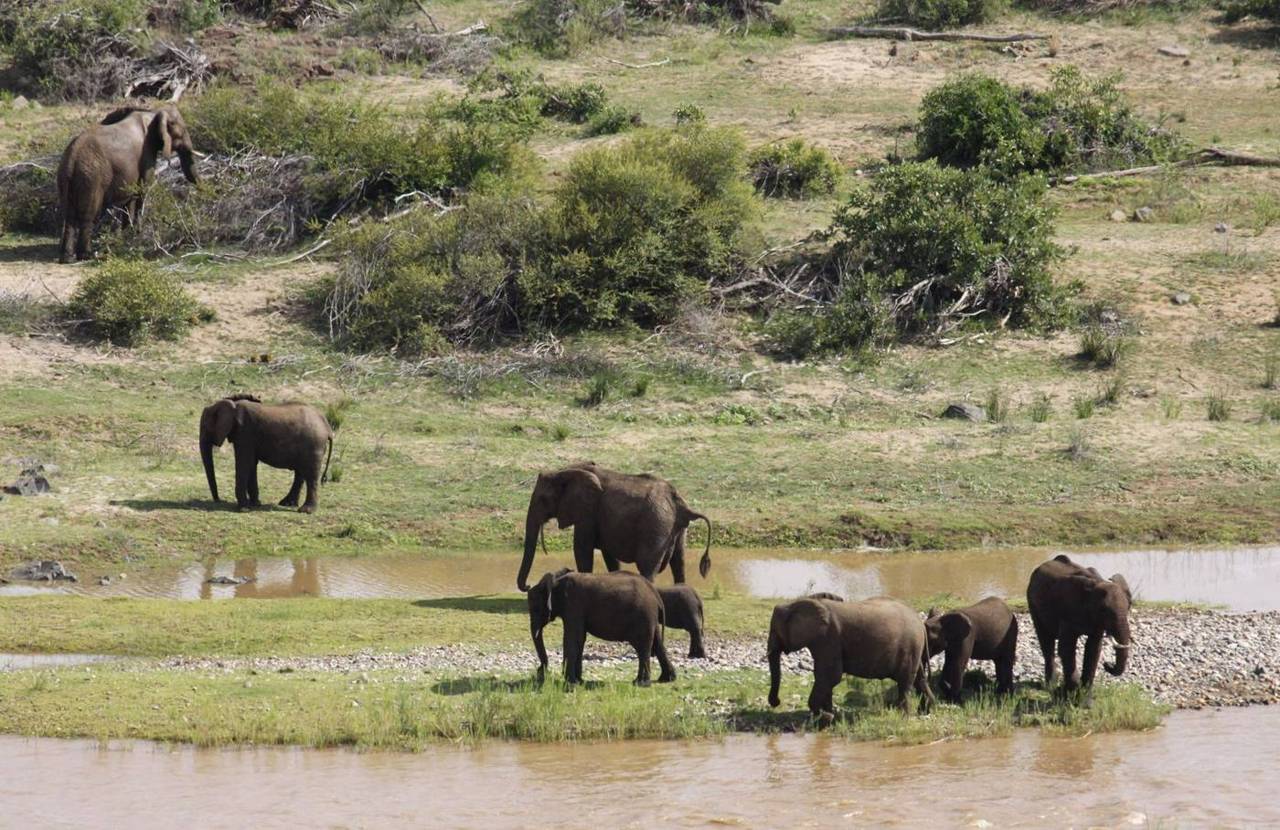
Limpopo National Park
The Mozambican part of the great transfrontier park with Kruger: Massingir lake, the Olifants and Shingwedzi rivers, simple camps and returning wildlife.