Monaco and the Riviera
Monaco with Èze, La Turbie, Villefranche-sur-Mer, the Cap-Ferrat path and Menton, all by the coastal train.
- Monaco
- La Turbie
- Èze
- Cap-Ferrat
- Villefranche-sur-Mer
- Mentone
Day by day
- Day 1
Monaco: the Rock and Monte-Carlo
This trip uses Monaco as a base to discover the eastern Côte d'Azur, among villages perched above the sea and coastal paths: the Rock and Monte-Carlo, La Turbie with the Trophy of Augustus, Èze and the Nietzsche path, the Cap-Ferrat peninsula, Villefranche-sur-Mer and Menton. You travel by the regional coastal train, by bus and on foot.
Before you go: Italian citizens can enter the Principality and France with an electronic identity card or a passport, without a visa. Other nationalities should check their own rules. Monaco is not in the European Union, but it uses the euro and the border with France is open. Take insurance that covers medical costs.
You arrive by train at Monaco station and climb up to the Rock, the old part of the Principality. At 11:55 every day, watch the changing of the guard in front of the Prince's Palace. Then walk through the lanes to the cathedral, where Princess Grace and Prince Rainier III are buried, and visit the Oceanographic Museum, on the cliff, with its aquariums and its terrace over the sea. Check prices and times.
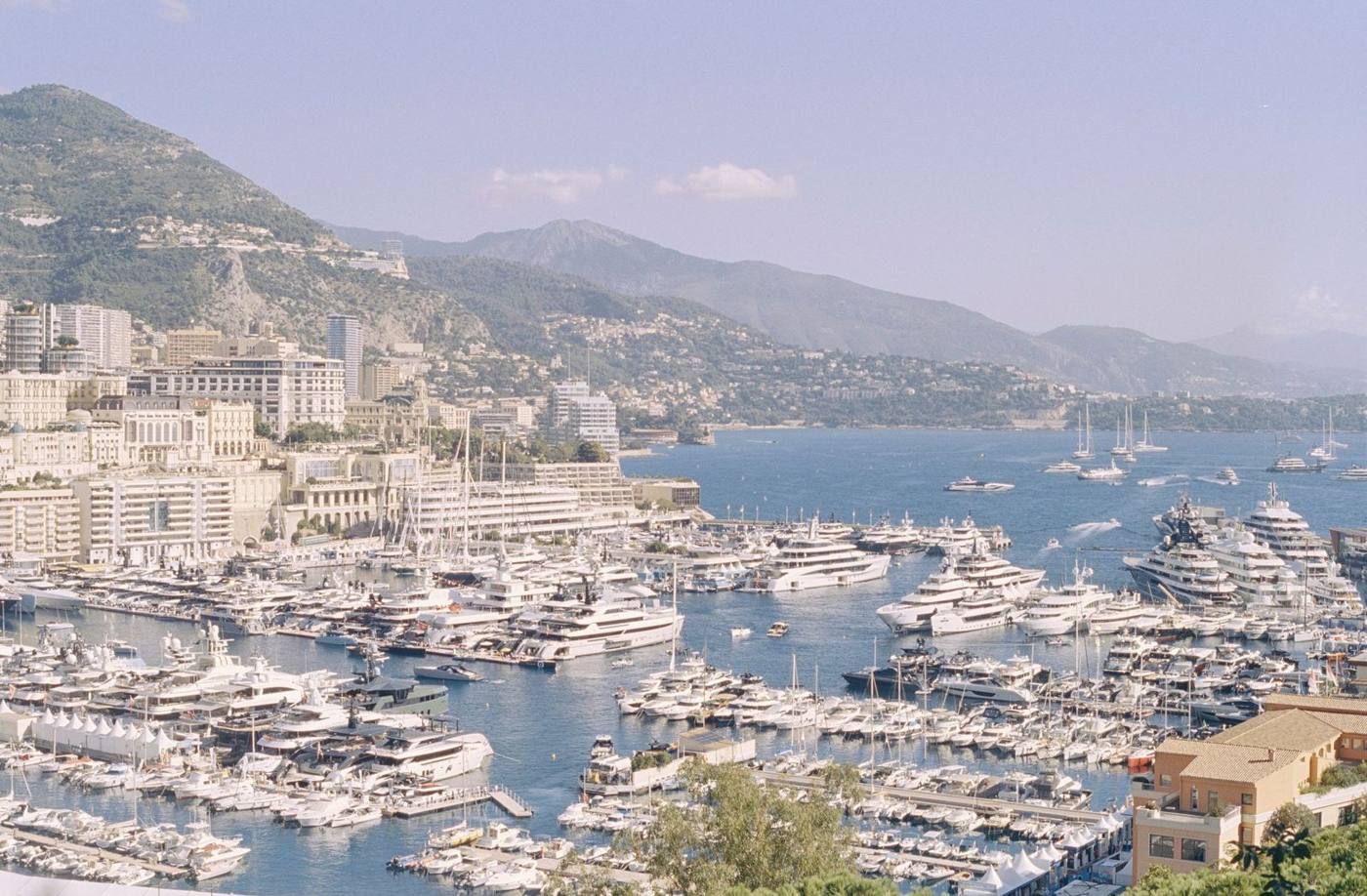
In the afternoon, walk down to Port Hercule, full of yachts, and up to Monte-Carlo, to the Casino square, with its gardens, fountains and the great Belle Époque building.
In the evening, take the train to Menton or Villefranche, where staying costs much less than in Monaco.
Overnight in Menton or Villefranche-sur-Mer, for three nights.
Practical tip: the regional TER train is the easiest way to get around the coast: by car, in summer, traffic is heavy and parking is scarce and expensive.
- Day 2
La Turbie, Èze and the Nietzsche path
Today you climb into the hills above the sea and then walk down to the coast.
In the morning, take a bus from Monaco to La Turbie, a stone village on the mountain, about five hundred metres above the Principality. Here stands the Trophy of Augustus, a great Roman monument built at the end of the first century BC to celebrate the emperor's victory over the peoples of the Alps. An imposing part of it survives, with its columns, and from the terrace the view over Monaco and the coast is spectacular. Check prices and times.
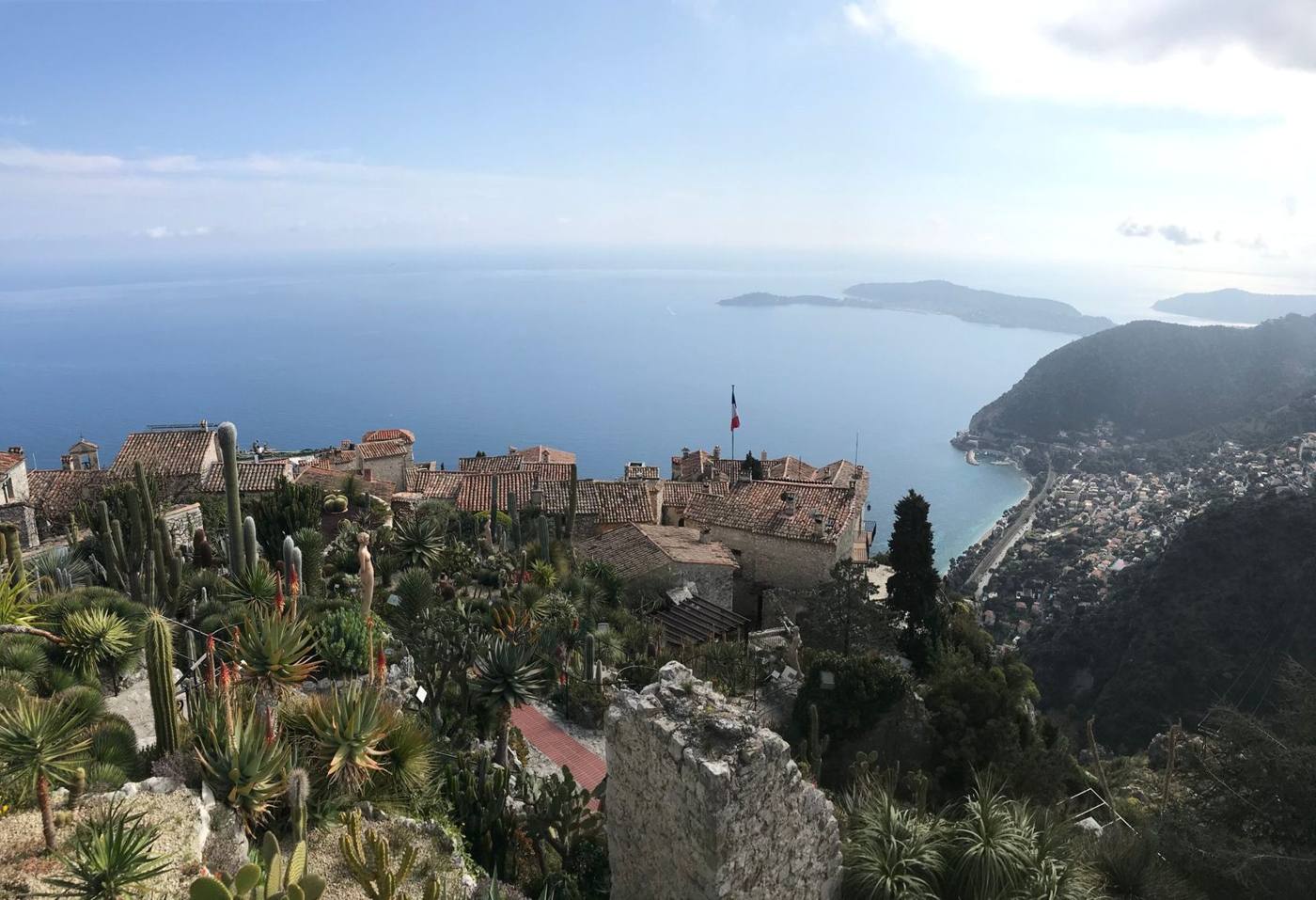
Then take the bus to Èze, a medieval village perched on a spur of rock high above the sea. Walk through the narrow lanes, among arches, steps and stone houses, to the garden at the top, with cactuses, succulents and statues, and a vast view of the sea. Check prices and times.
In the afternoon, walk down to the sea on the Nietzsche path, named after the German philosopher who walked it when he lived on the coast. The path is steep and stony, among pines and olive trees, and in about an hour it brings you to Èze-sur-Mer, by the beach, where you catch the train again.
In the evening, go back to Menton or Villefranche and have socca, pissaladière, the onion tart with anchovies, and fish for dinner.
Overnight in Menton or Villefranche-sur-Mer.
Practical tip: walk the Nietzsche path downhill, not uphill, and in hiking shoes: the stones are smooth and it is very hot in summer, so carry at least a litre of water.
- Day 3
The Cap-Ferrat coastal path and Villefranche-sur-Mer
Today you walk around a green peninsula and discover one of the most beautiful bays on the coast.
In the morning, take the train to Beaulieu-sur-Mer and walk to Saint-Jean-Cap-Ferrat, the fishing village of the peninsula. From here the coastal path runs around the point, among white rocks, pines and coves of clear water, with villas hidden in the greenery. The walk is easy, mostly flat, and takes a couple of hours. Bring your swimsuit: along the way there are places to swim among the rocks.
For lunch, stop at the harbour of Saint-Jean, with a sandwich or a salade niçoise.
In the afternoon, take the bus or walk to Villefranche-sur-Mer, set on a large, deep bay, one of the finest natural harbours in the Mediterranean. Walk through the old town, with its colourful houses and the rue Obscure, a covered medieval street that runs beneath the houses. Visit the Chapel of Saint Peter, on the harbour, decorated by the artist Jean Cocteau, and the sixteenth-century citadel. Check prices and times.
At sunset, sit on the seafront and watch the boats in the bay.
Overnight in Menton or Villefranche-sur-Mer.
Practical tip: the Cap-Ferrat coastal path can close in rough seas or strong wind: check the forecast the evening before and do not climb over the barriers.
- Day 4
Menton, the old town and the Jean Cocteau museum
Today you visit the town closest to Italy before leaving.
In the morning, walk through the old town of Menton, which climbs the hill with its pastel houses, yellow, pink and orange. Climb the steps to the Basilica of Saint Michael, baroque, with its square paved in a mosaic of black and white pebbles and its view of the sea. Then continue to the old cemetery at the top of the hill, with the graves of many foreigners who came here for the mild climate.
At midday, go down to the covered market, with fruit, vegetables, cheese, olives and the lemons of Menton, famous throughout France.
In the afternoon, visit the Jean Cocteau museum, in a white modern building on the seafront, with a large collection of drawings, ceramics and films by the artist, poet and film-maker. Near the harbour there is also the small Bastion museum, in a seventeenth-century fort by the sea, decorated by Cocteau himself. Check prices and times.
In short, in four days you have seen the eastern Côte d'Azur: the Rock and Monte-Carlo, the Trophy of Augustus, Èze and the Nietzsche path, Cap-Ferrat and Villefranche, Menton and Cocteau.
When to go: from April to October. May, June and September are perfect for walking and swimming, with fewer crowds and lower prices. In February Menton celebrates its lemons with a big festival.
Practical tip: from Menton, Italy is a few minutes away by train or bus: if you are heading on to Turin or Genoa, it is the most convenient starting point.
Monaco becomes the base for a trip along the eastern Côte d'Azur, among hill villages and seaside paths. The regional TER train is the simplest way to get around; summer traffic is heavy by car. Sleeping in Menton or Villefranche is much cheaper.
Before you go
- Documents and visa
- Monaco is not in the European Union, but its border with France is open and you nearly always arrive through France, by train, by car or from Nice airport. British visitors follow the French entry rules, including the EU Entry/Exit System on arrival in France.
- Health and vaccines
- Good healthcare and no compulsory vaccines. Take travel insurance that covers medical costs. Emergencies: 112.
- Money and payments
- Euro. Cards are accepted almost everywhere. Hotels and restaurants are among the most expensive in Europe.
- Power sockets
- Types C, E and F, 230 volts: you need an adapter for British plugs.
- Time zone
- Central European Time (UTC+1, summer UTC+2).
- Safety
- A very safe country with a strong police presence. Drink-driving rules are strict. Official advice: GOV.UK.
Information checked in November 2026 for Italian and EU citizens. Rules change: always check before you travel.
Variations
With three days, skip Cap-Ferrat and visit Villefranche in the afternoon of the Menton day.
With two extra days, add Nice, with its old town, the castle hill and the Promenade des Anglais.
Frequently asked questions
Do I need a car?
No: the regional TER train links all the towns on the coast, and buses climb to La Turbie and Èze. In summer a car is more trouble than help.
Is the Nietzsche path difficult?
Downhill it is moderate: about an hour on a steep, stony path. You need hiking shoes, water and care in the summer heat.
Where is it best to stay?
In Menton or Villefranche-sur-Mer, much cheaper than Monaco and on the coastal train line.
Indicative itinerary written by World Atlas. Before booking, check timetables, seasonal openings, documents and safety.
 3 daysEasy
The Grand Prix
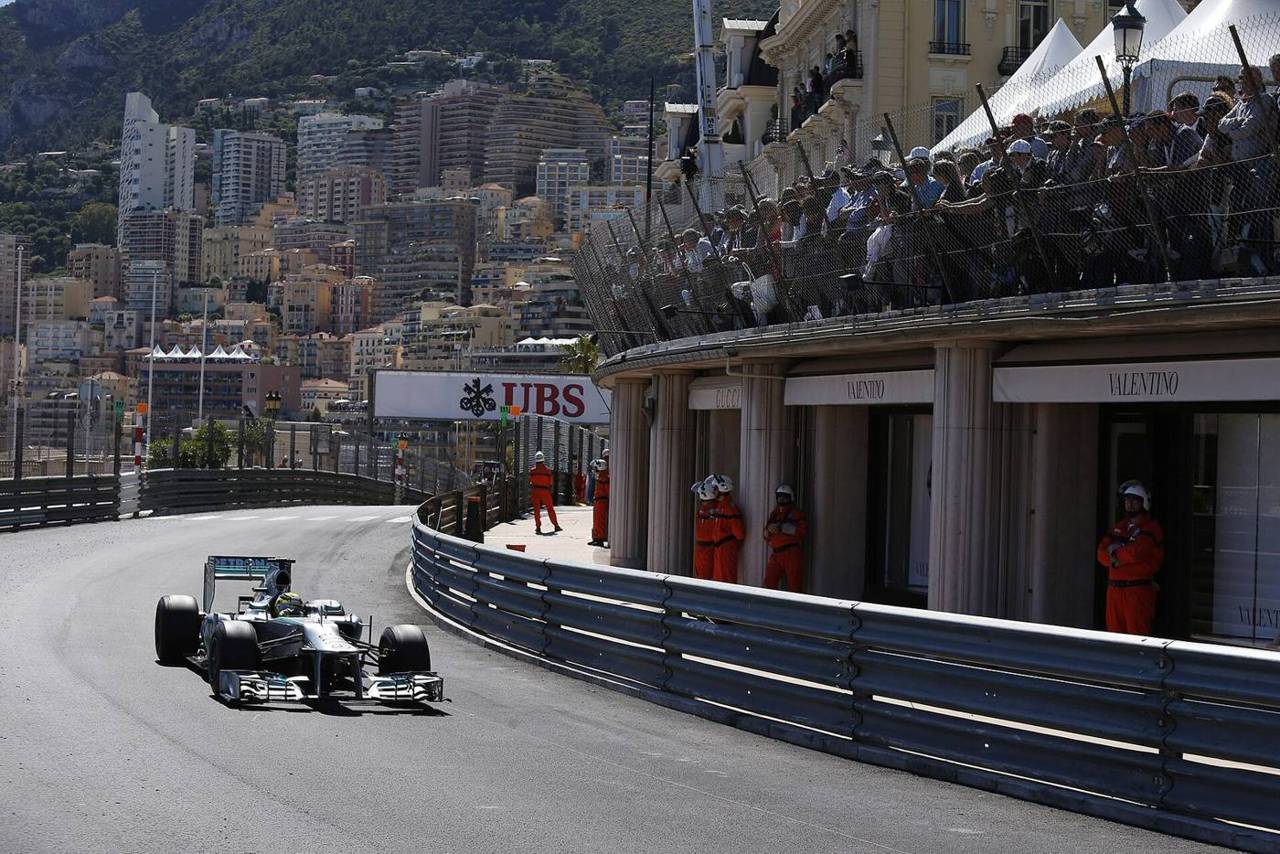
The Formula 1 Grand Prix through the streets of Monte-Carlo, with stands on the harbour, the Casino bend and the tunnel, in the principality's most famous and expensive week.
 2 daysEasy
Fontvieille and Larvotto
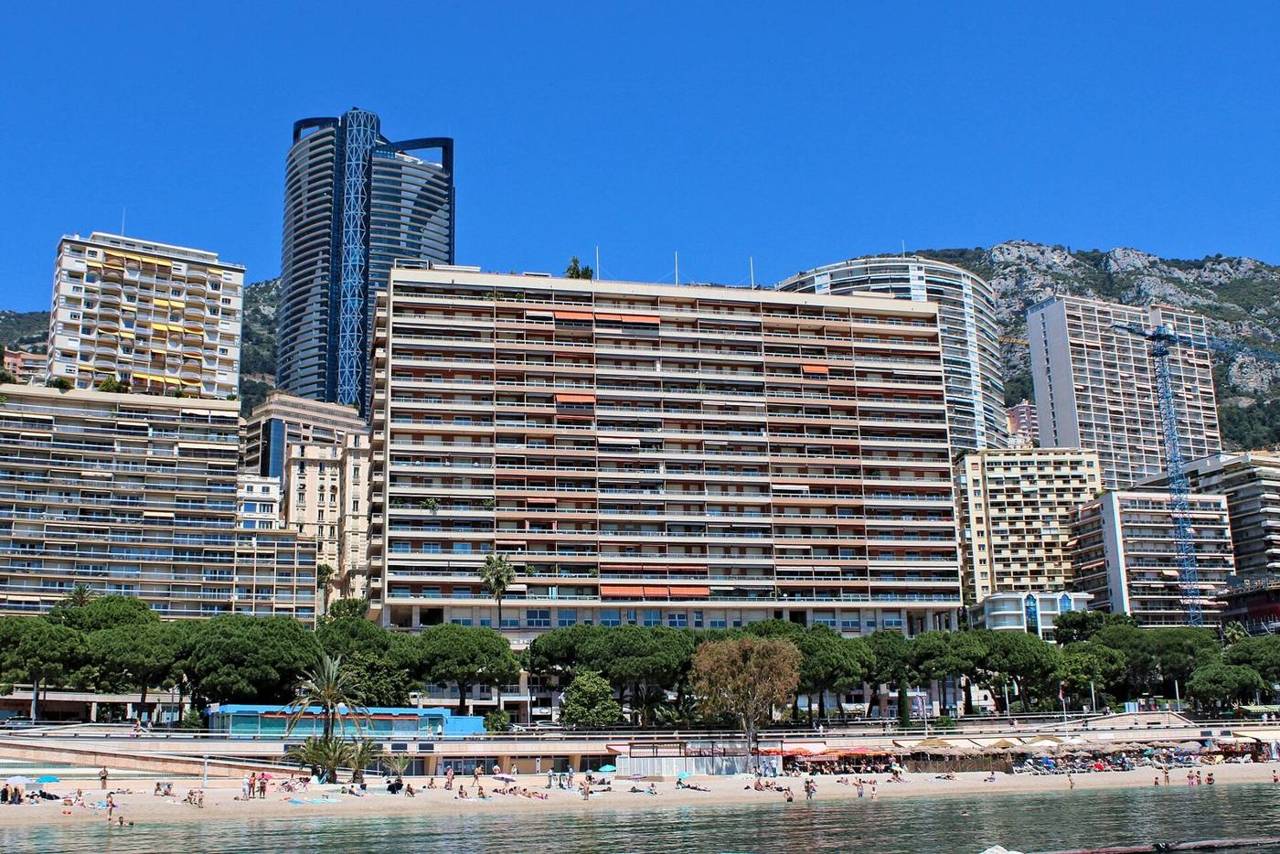
A more relaxed Monaco: Princess Grace's rose garden and the harbour of Fontvieille, the seaside path below the Rock and Larvotto beach with its new promenade.
 2 daysEasy
The principality in two days
The Rock with the Prince's Palace and the changing of the guard, the Oceanographic Museum, the Exotic Garden, Monte-Carlo and Port Hercule.